
Shinohei places Sapporo’s cold-weather hot-pot culture in a tighter, more ingredient-led register: shabu-shabu and Japanese cooking, selected for Tabelog 100 Hot Pot 2024, with a fish-conscious kitchen and a drinks range that spans sake, shochu, wine and cocktails. The appeal is not spectacle, but Hokkaido’s habit of making provenance feel practical rather than decorative.
Pearl is the En Primeur Club membership app — saves, bookings, and concierge access live there. Same editors, same standards.
- Address
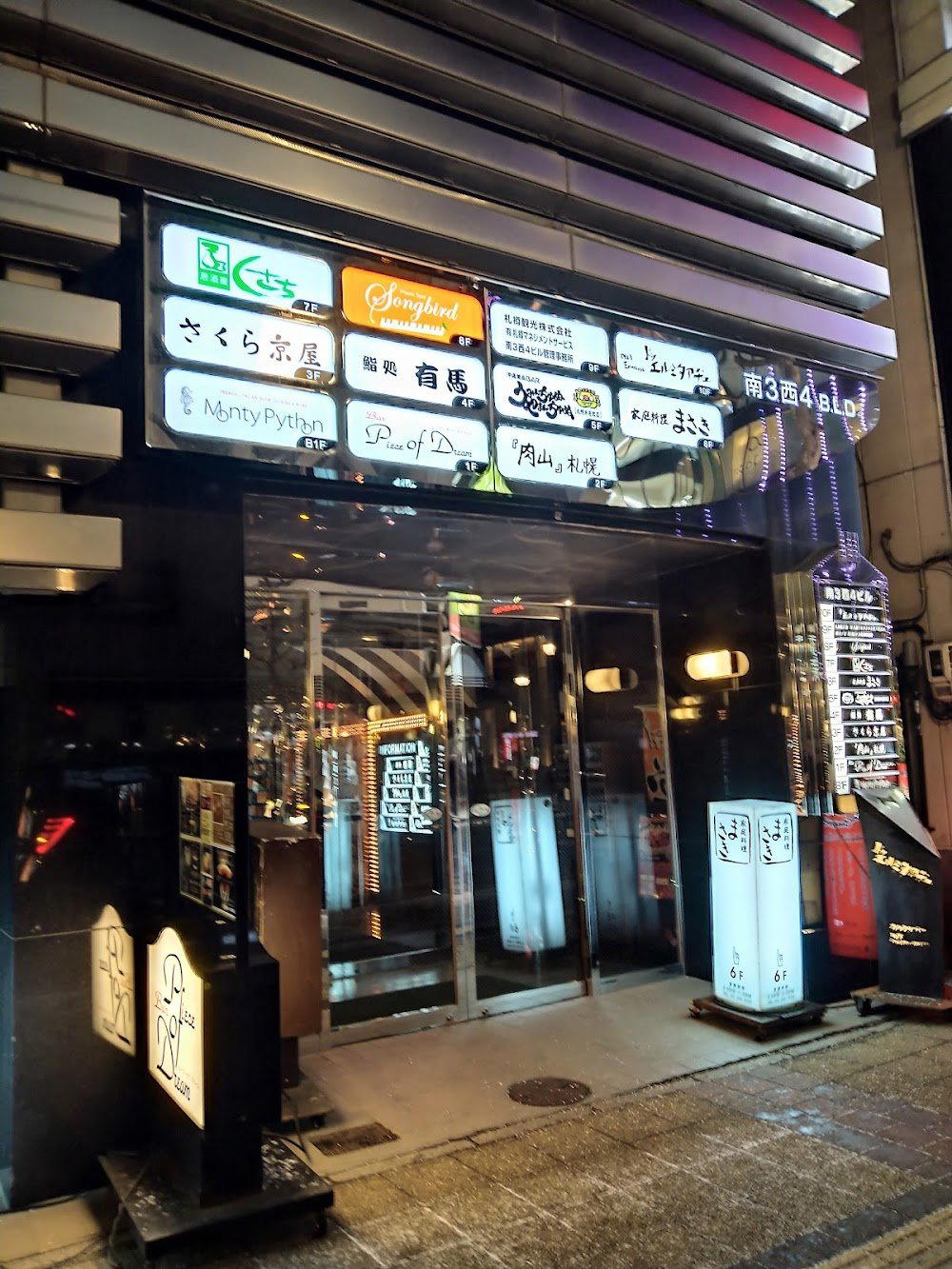
- Japan, 〒060-0063 Hokkaido, Sapporo, Chuo Ward, 南3条西5丁目14 三条美松ビル3F
- Phone
- +81 80-2127-1954
- Website
- shinohei.com
 Saves & bookings on Pearl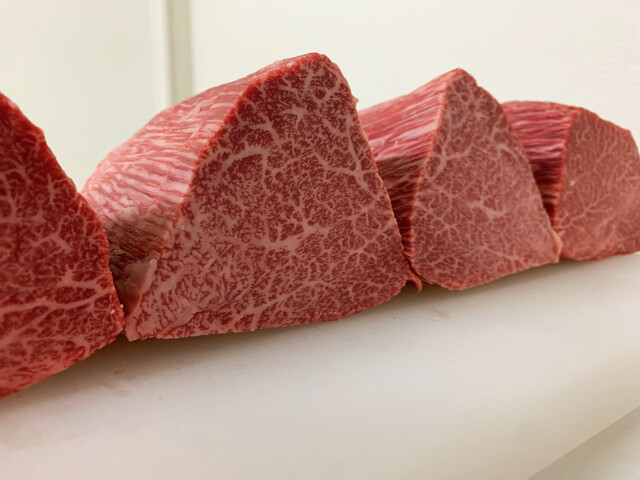
Sanjo Mimatsu Building places dinner in vertical Sapporo: Tanukikoji energy at street level, dining rooms stacked above, and a quieter third-floor room where winter appetite turns inward. In Hokkaido, hot pot is not just comfort food; it organizes local seafood, vegetables, beef, pork and broths around heat, timing and restraint. Shinohei belongs to the smaller Sapporo category where shabu-shabu is treated less as communal fallback than controlled course format.
That matters in a city visitors know for ramen, soup curry and late-night seafood. Sapporo rewards casual eating, but its serious restaurants often work through narrow formats: sushi counters, charcoal rooms, specialist curry houses, and hot-pot addresses that make sourcing legible without lecturing. For the city’s range, Our full Sapporo restaurants guide maps the broader field, while travelers planning around meals can cross-check Our full Sapporo hotels guide, Our full Sapporo bars guide, Our full Sapporo wineries guide and Our full Sapporo experiences guide.
Shabu-shabu as sourcing discipline, not winter nostalgia
Shabu-shabu is often misread abroad as simplicity: sliced meat, broth, dipping sauce, done. In Japan, the format reveals more. Thin slicing quickly exposes ingredient quality; overworked seasoning has fewer hiding places; pacing decides whether a meal feels generous or blunt. In Hokkaido, the region’s produce, dairy, seafood and livestock add reputational weight. Stronger restaurants need not announce locality constantly. They let sourcing show through sequence, temperature and course structure.
Shinohei’s selection for Tabelog 100 Hot Pot 2024 places it in a national conversation around sukiyaki and shabu-shabu, not merely a Sapporo neighborhood list. The signal is useful because hot pot is crowded in Japan, and recognition points to consistency in a format where small lapses show. Its category alignment, shabu-shabu and Japanese cuisine, explains why it differs from an izakaya built on breadth. Here, variety comes through defined structure, seasonal appetizers and a drinks program covering sake, shochu, wine and cocktails.
The fish-conscious note matters. Sapporo can default in the visitor imagination to crab, miso ramen and jingisukan, but stronger Japanese rooms often fold seafood into a larger meal instead of isolating it as a tourist set piece. A shabu-shabu-led course with fish awareness sits in that middle ground: less formal than kaiseki, more focused than a general drinking restaurant, and suited to diners who want Hokkaido ingredients without a checklist.
Where it fits in Sapporo's specialist dining map
The useful comparison is with Sapporo’s specialist formats, not every expensive dinner. Gyo Sai and Deux Hermitage occupy lower tariff bands; soup curry Suage+ represents the city’s everyday soup-curry lane. Chinese Momiji sits in another mid-priced register, and Arima points to the sushi-counter side of Sapporo dining. Against that spread, Shinohei occupies a narrower premium lane: not a sushi benchmark, ramen stop or casual curry address, but a hot-pot room where the format is the point.
That makes ingredient sourcing more useful than decor or personality. Sapporo’s restaurant culture has long been shaped by proximity to Hokkaido producers, but proximity alone is not an argument. The test is whether a format clarifies the ingredient or smothers it. Shabu-shabu is demanding because it depends on clean cuts, broth discipline and the diner’s timing. Appetizers, sauces and drinks can frame the main event, but the center remains exposed.
Visitors often build Sapporo itineraries around contrast. A bowl at 175°DENO Tantanmen Sapporo kitaguchi ten, a curry stop at [Curry Senmon Ten] Maruyama Kyoju., or spice-led meals at Ajanta Indo Curry Ten and Ajanta Sohonke show the breadth of the city’s casual comfort vocabulary. Aigues Vives pulls the conversation toward baking and coastal travel outside the central grid. Shinohei is the counterweight: an evening of measured service, Japanese course rhythm and hot pot as premium format.
The room favors small groups and focused appetites
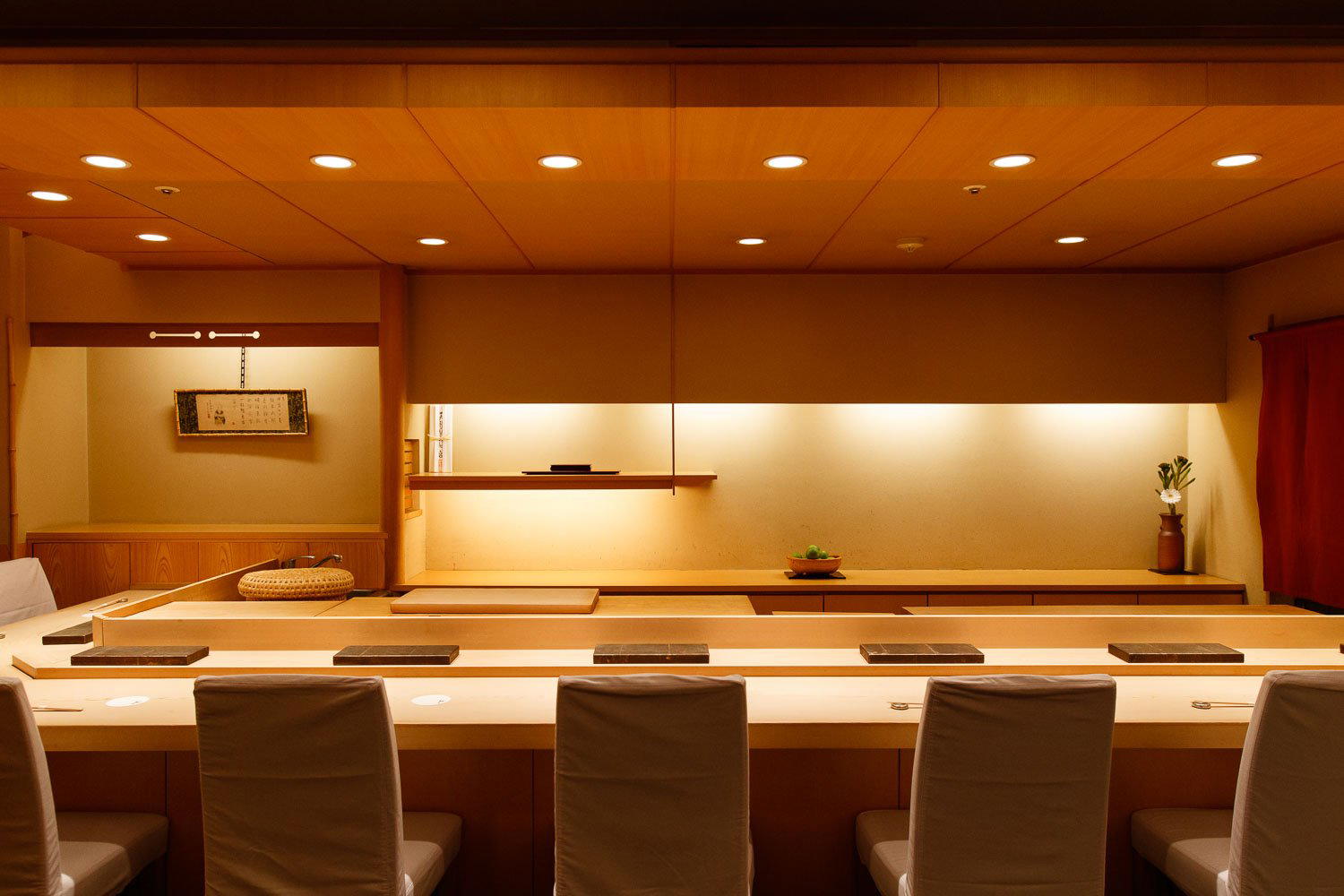
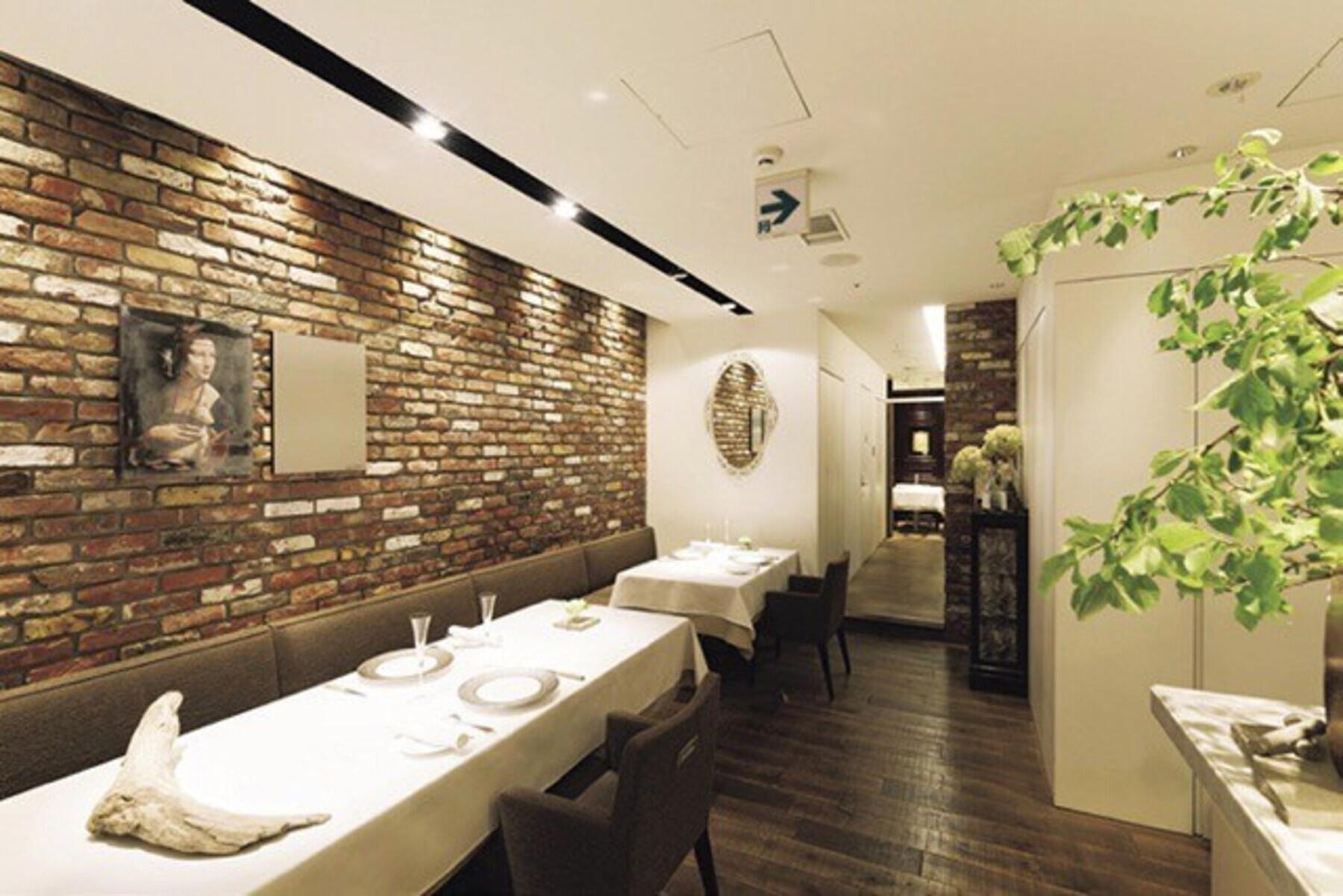
The style suits diners who want conversation without big-table izakaya looseness. Counter seating and partitioned table seating create a compact room rather than a banquet mood, matching shabu-shabu’s need for attention. This is not for perfume-heavy entrances, sprawling groups or a fast pre-bar feed. It is a controlled Sapporo dinner for two to four people, or a small group comfortable with a set rhythm.
The drinks range extends beyond the expected sake-only frame. Sake and shochu suit Japanese hot pot, while wine and cocktails add flexibility, especially for travelers who want Hokkaido ingredients without a traditional drinking pattern. That breadth does not claim encyclopedic cellar depth; it signals that the kitchen sees shabu-shabu as a full evening, not a single-dish stop.
For travelers reading beyond Sapporo, the category has parallels across Japan. Beef-led sukiyaki and hot-pot meals such as -Grilled beef Sukiyaki- KAMAKURA TANUKIAN 鎌倉 たぬき庵 in Kamakura show how regional settings reshape familiar formats, while broader Japanese dining entries such as. 鮪と炭火焼き うお炭 秋葉原店 in Tokyo.cafe in Osaka.know in Kumamoto, (Shoku) Vietnam in Kawasaki and [ki:] in Kyoto underline how format, city and sourcing keep changing a meal’s meaning. Even outside Japan, focused Japanese drinking and casual formats, from Jōdo Saké Bar in Los Angeles to Onigiri Time in Pasadena, show how much context matters once a familiar category travels.
The editorial read is clear: Shinohei is for diners who want Sapporo’s ingredient culture filtered through disciplined hot pot rather than a parade of famous Hokkaido products. The Tabelog 100 Hot Pot 2024 selection gives it a credible category marker, but the real reason to care is narrower. In a city where casual comfort food dominates many itineraries, this is a measured dinner built around sourcing, heat and restraint.
- Private one-person shabu-shabu
- Female black wagyu shabu-shabu
- Kuroge wagyu beef tongue
- Female wagyu chateaubriand course
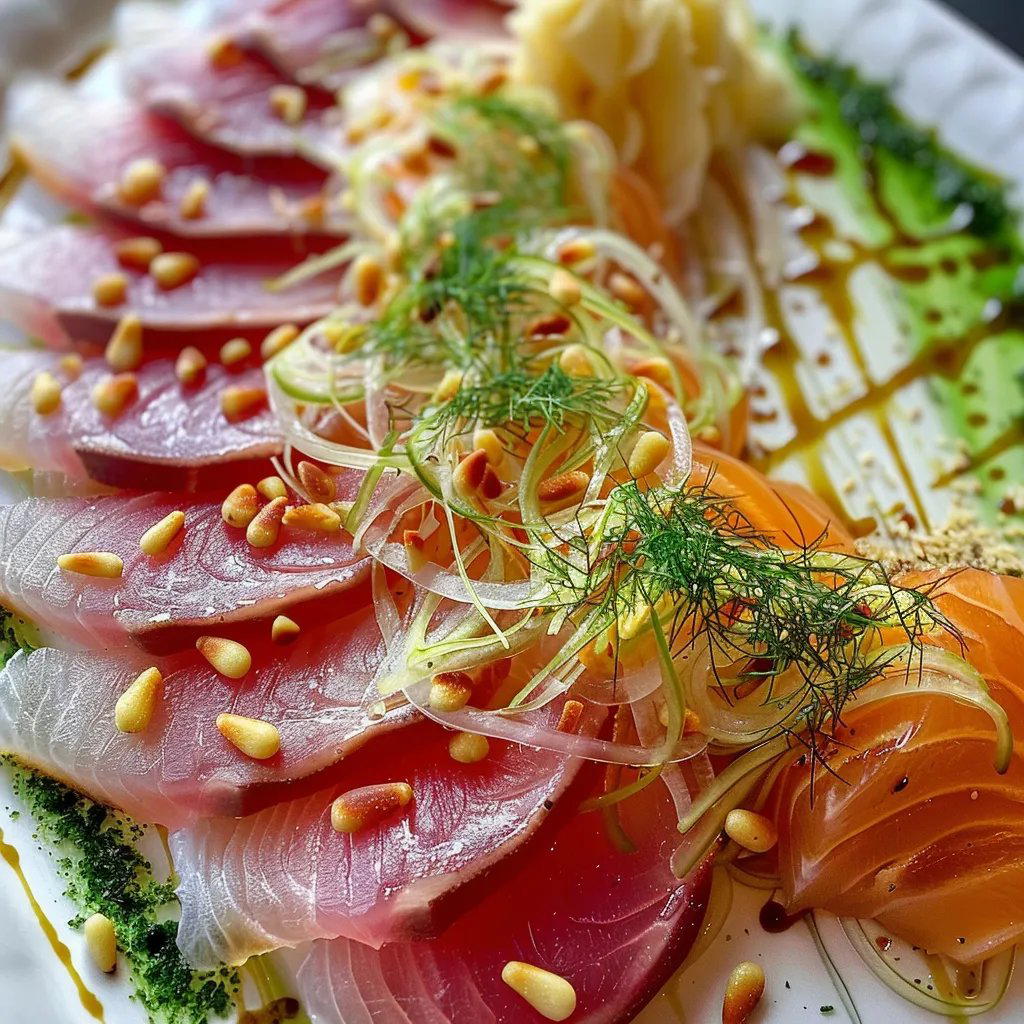
- Seafood shabu-shabu
- Female wagyu cutlet
Quick Comparison
Comparable venues to calibrate price, style, and recognition.
| Venue | Cuisine | Price | Notes |
|---|---|---|---|
| Shinohei | Reservation-only Wagyu Shabu-shabu | $$$ | Chūō |
| ç°ä¹ é® | Traditional Japanese Omakase | $$$ | Chūō |
| Ni no Kura | Avant‑garde Sushi Omakase | $$$ | Chūō |
| susukinodepato | Hokkaido Seafood & Crab Buffet Dining | $$$ | Chūō |
| Kuriya | Sushi Omakase | $$$ | Shiroishi |
| Sapporo Kanihonke (札幌かに本家 すすきの店) | Hokkaido Crab Specialty | $$$ | Susukino |
Recognition history
Dated appearances from independent guides and award organizations, with the underlying list record or original source where available.
Tabelog 100 #63 · No. 63
Tabelog · Tabelog 100 - Hot Pot - 2024
At a Glance
- Intimate
- Cozy
- Date Night
- Business Dinner
- Celebration
- Special Occasion
- Solo
- Standalone
- Design Destination
- Extensive Wine List
- Beer Program
- Local Sourcing
Current opening hours
- Monday
- Closed
- Tuesday
- 5:30–10:30 PM
- Wednesday
- 5:30–10:30 PM
- Thursday
- 5:30–10:30 PM
- Friday
- 5:30–10:30 PM
- Saturday
- 5:30–10:30 PM
- Sunday
- Closed
Hours can change for holidays and private events. Last verified .
A small, casual but quietly refined hideaway with relaxed lighting and an intimate, unhurried atmosphere focused on savoring multi-course shabu-shabu and drinks.