
Nagoya’s Imaike district gives tonkatsu a neighbourhood setting rather than a ceremony of luxury. Yaki Tonkatsu Taira belongs to the city’s serious cutlet conversation through repeated Tabelog Tonkatsu 100 selections, with a compact format that links pork cutlet, yoshoku, and everyday dining rather than tasting-menu performance.
Pearl is the En Primeur Club membership app — saves, bookings, and concierge access live there. Same editors, same standards.
- Address
- 5 Chome-8-9 Imaike, Chikusa Ward, Nagoya, Aichi 464-0850, Japan
- Phone
- +81 52-731-4555
- Website
- instagram.com
 Saves & bookings on Pearl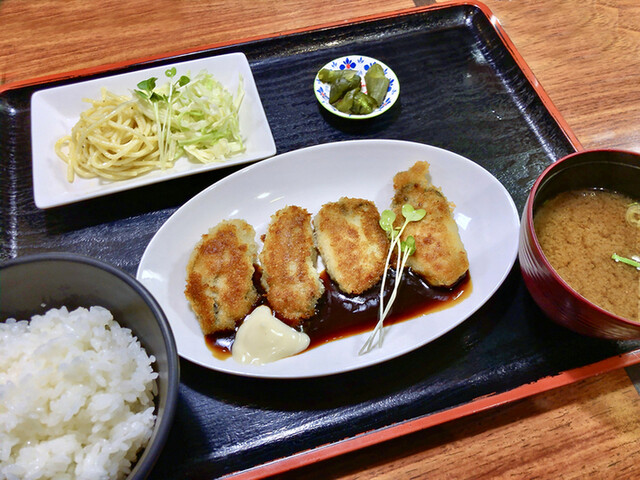
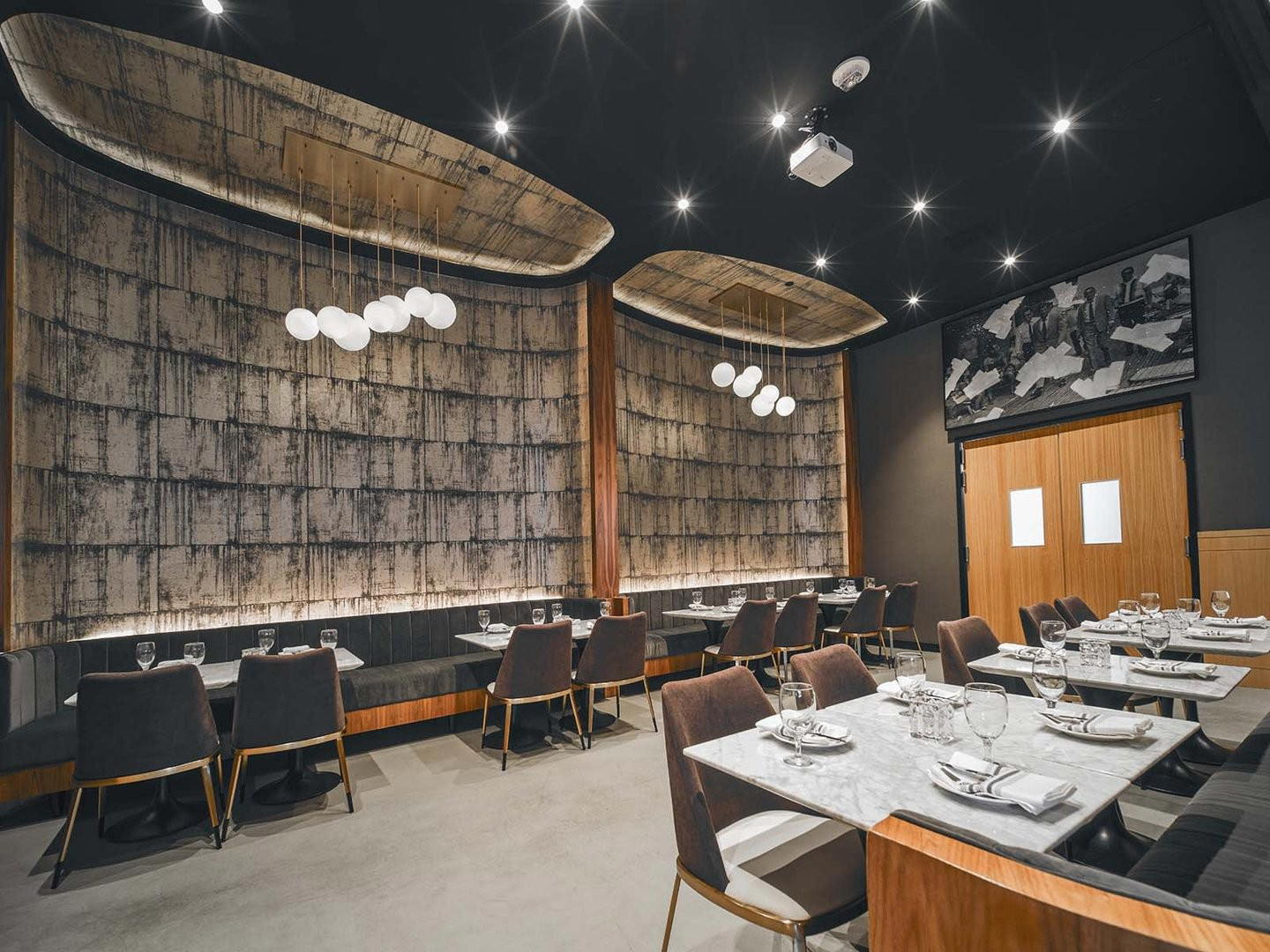
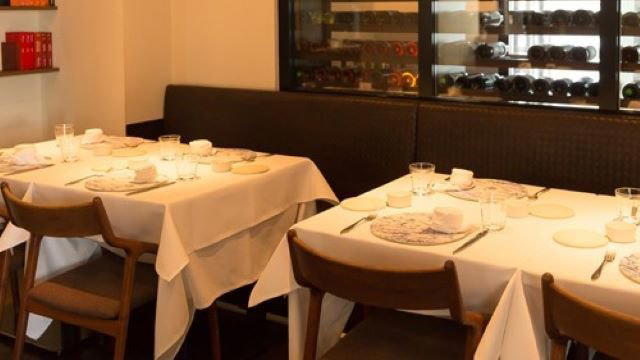
Approaching a small house restaurant in Imaike, the cue is not theatre but scale: a compact room, counter seating, tables, and raised seating rather than the polished choreography of a destination counter. That matters for tonkatsu. Pork cutlet in Japan sits between lunch staple and specialist craft, and Nagoya’s version of the category often keeps one foot in yoshoku, the Japanese Western-style tradition that treats frying, sauces, rice, and pork as a disciplined everyday language rather than a luxury code.
Yaki Tonkatsu Taira sits inside that lane. Its recognition on Tabelog’s Tonkatsu 100 list for 2026, with previous selections in 2024, 2021, 2019, 2018, and 2017, gives it a stronger signal than casual neighbourhood popularity. In a city where diners can move from bistro formats such as 1022, 451, Aaron, Alan., and All Day Dining Montmartre to compact specialist rooms, the appeal is precision without ceremony.
What the menu structure says about Nagoya tonkatsu
The menu architecture is the point here: tonkatsu first, with yoshoku and pork dishes forming the supporting frame. That combination places the restaurant in a different category from multi-course kaiseki, ramen counters, or wagyu-led formats. Tonkatsu asks for fewer moving parts and less verbal explanation. The judgment comes through cut, frying, portioning, rice, cabbage, sauce, and the rhythm of a room built for repeat local use.
That structure also explains why recognition in a tonkatsu-specific list carries weight. A general restaurant ranking can blur categories; a cutlet list compares like with like. For travellers, it clarifies the decision. This is not the Nagoya table for long wine service or chef-led storytelling. It is the place to read a specific Japanese comfort-food tradition through a compact specialist format, where pork cutlet and yoshoku sit close together rather than being split into separate genres.
Compared with nearby everyday options such as Nakaya Pan, Hyakurotei Imaike ten, Kitchen Cho, and Kishiya, the distinction is not simply price tier or neighbourhood convenience. The distinction is category focus. Imaike is not short on casual dining, but a tonkatsu specialist with repeated category recognition belongs to a narrower circuit: diners are choosing the craft of frying and pork preparation rather than a broader menu built to cover multiple cravings.
A small-room format, not a luxury performance
The 18-seat setup shapes expectations. Six counter seats, table seating, and raised seating create a room that can handle different dining patterns without becoming anonymous. Counter seating suits solo diners and pairs who want the directness of a specialist meal; tables and raised seating make it workable for small groups. Private rooms are not part of the format, and that absence is consistent with the category: the room is built around turn, focus, and familiarity, not separation.
There is useful friction in the logistics. Reservations are available for parties of two or more, and a cancellation fee applies. Credit cards and electronic money are not accepted, while PayPay is accepted. Parking is unavailable. These details matter because Nagoya’s stronger casual restaurants often operate with local assumptions: arrive with the right payment method, use the train, and treat a compact room as a shared resource. Imaike Station is the natural access point, with Chikusa also within walking range, so the meal fits cleanly into a subway-based Nagoya day rather than requiring a taxi plan.
The drinks list keeps to the practical side of Japanese casual dining, with sake, shochu, wine, and cocktails available. That does not recast the meal as a bar experience. It simply gives the pork-cutlet format enough range for dinner, especially when yoshoku and pork dishes broaden the table beyond a single plate.
How to place it in a Nagoya itinerary
Nagoya rewards travellers who resist treating the city as a transit stop between Tokyo, Kyoto, and Osaka. The dining map is full of regional habits, from miso-led cooking to coffee-shop culture and specialist casual rooms. Tonkatsu belongs naturally in that mix because it offers a clear read on how Japanese Western-style cooking became everyday Japanese dining, not an imported novelty.
Yaki Tonkatsu Taira is strongest for travellers who want a focused meal rather than a long evening. The restaurant’s repeated Tabelog Tonkatsu 100 selections make it a credible anchor for a Chikusa Ward food plan, while the small-room format keeps the experience grounded. It is a better fit for diners comparing specialist Japanese categories than for those seeking tasting-menu pacing, elaborate wine pairing, or a chef biography-driven meal.
For a broader city plan, use Our full Nagoya restaurants guide alongside Our full Nagoya hotels guide, Our full Nagoya bars guide, Our full Nagoya wineries guide, and Our full Nagoya experiences guide. Travellers building a Japan-wide specialist-food itinerary can also compare formats with -Grilled beef Sukiyaki- KAMAKURA TANUKIAN 鎌倉 たぬき庵 in Kamakura. 鮪と炭火焼き うお炭 秋葉原店 in Tokyo.cafe in Osaka.know in Kumamoto, (Shoku) Vietnam in Kawasaki, and [Curry Senmon Ten] Maruyama Kyoju. in Sapporo. Outside Japan, category-specific casual dining has its own vocabulary at Jōdo Saké Bar in Los Angeles and Onigiri Time in Pasadena, useful contrasts for seeing how narrow Japanese formats travel and change.
Same-City Peers
Nearby venues at a similar price tier for orientation.
| Venue | Cuisine | Price | Notes |
|---|---|---|---|
| Yaki Tonkatsu TairaThis venue — the venue you are viewing | Japanese Tonkatsu | $$ | Not listed |
| 眞善美 | japanese | Not listed | Higashi |
| Yoshimitsu | Japanese Traditional Sweets | $$ | Higashi |
| Menya Kitara | Nagoya ramen shop | $$ | Naka |
| Teuchi Udon Kato | Japanese Udon | $$ | Nakamura |
| Curry Udon Shachinoya | Nagoya curry udon and udon noodle shop | $$ | Kita |
Recognition history
Dated appearances from independent guides and award organizations, with the underlying list record or original source where available.
Tabelog 100 #23 · No. 23
Tabelog · Tabelog 100 - Tonkatsu - 2026
Continue exploring
More in Nagoya
Restaurants in Nagoya
Browse all →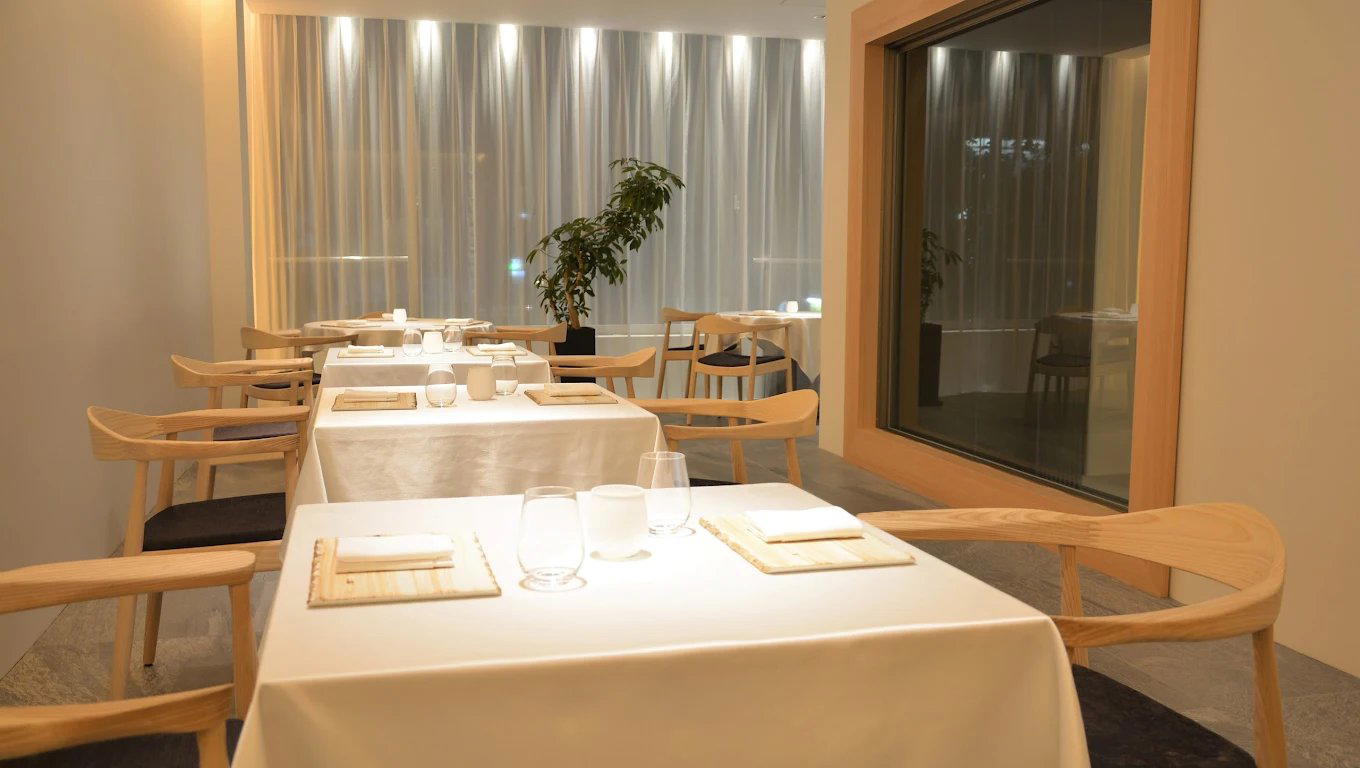
At a Glance
- Solo
- Casual Hangout
- After Work
- Standalone
Current opening hours
- Monday
- Closed
- Tuesday
- 11:30 AM–2 PM, 6–9:30 PM
- Wednesday
- 11:30 AM–2 PM, 6–9:30 PM
- Thursday
- 11:30 AM–2 PM, 6–9:30 PM
- Friday
- 11:30 AM–2 PM, 6–9:30 PM
- Saturday
- 11:30 AM–2 PM, 6–9:30 PM
- Sunday
- 11:30 AM–2 PM
Hours can change for holidays and private events. Last verified .
Typical small Nagoya tonkatsu-ya with a practical, no-frills atmosphere focused on counter and table seating for casual everyday meals.