Our verdict
Nishimura sits in Kanayama, one of Nagoya's more quietly serious dining corridors, where the city's appetite for precision-led Japanese cuisine runs alongside its better-known comfort food traditions. The address places it at a remove from the tourist circuit, positioning it within a local dining culture that rewards patience and attention across a multi-course format.

Pearl is the En Primeur Club membership app, where members save venues, book tables and use the concierge.
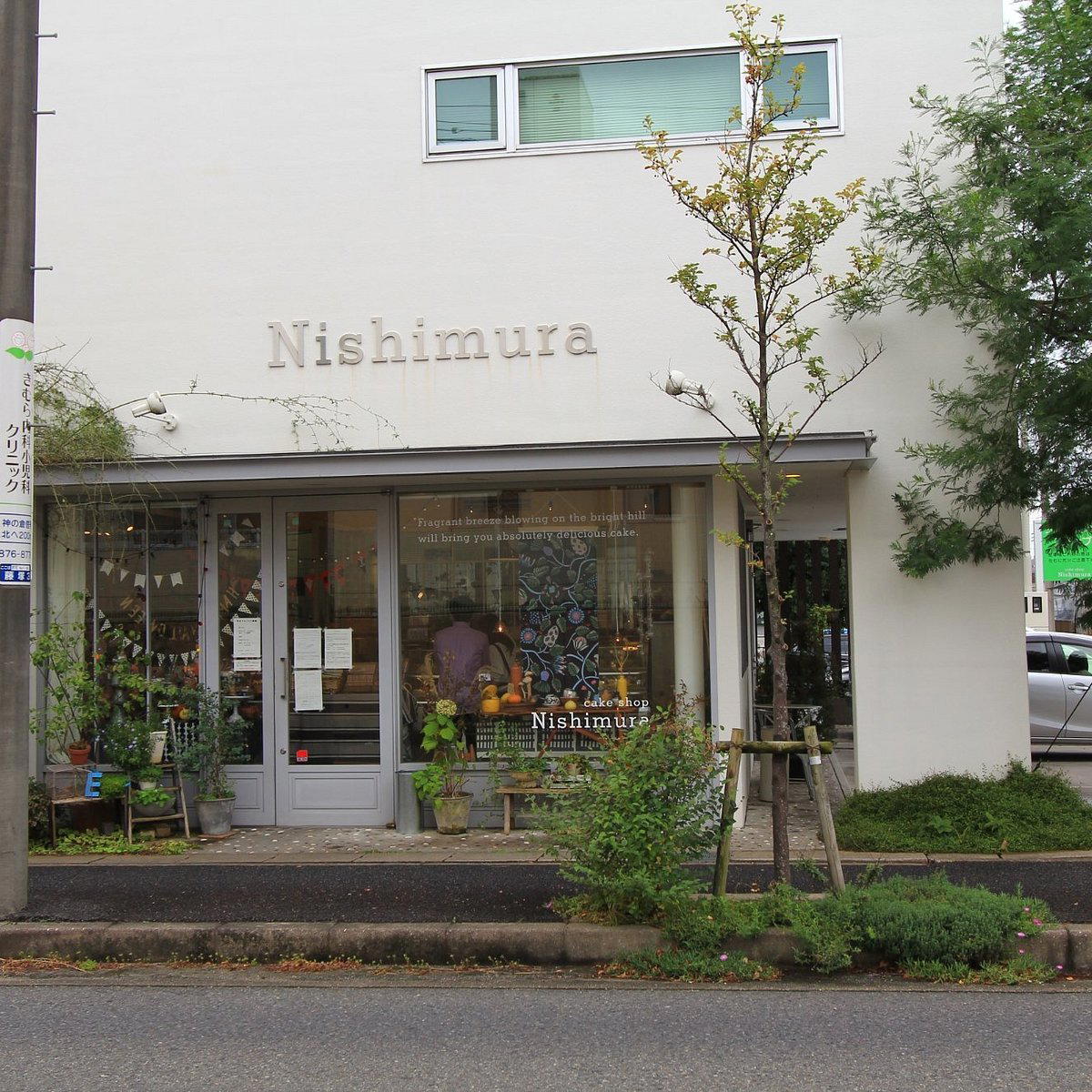
Kanayama and the Quiet Discipline of Nagoya's Serious Dining
Nagoya tends to get read through its comfort food: miso katsu, hitsumabushi, tebasaki. That reading is accurate but incomplete. Running alongside that tradition is a second dining culture, less discussed, that prizes restraint, sequencing, and the kind of hospitality that does not announce itself. The Kanayama district, where Nishimura is addressed at 2 Chome-11-1 in Naka Ward, sits in this quieter register. The neighbourhood is well-connected by rail and practical in its character, which means the restaurants that have taken root there tend to attract locals who come for the food rather than the setting. It is a useful lens for understanding what Nishimura is doing and who it is doing it for.
Japan's mid-tier cities have developed their own serious dining ecosystems largely independent of the Michelin-Tokyo conversation. In Nagoya, that ecosystem includes washoku practitioners, French-influenced kaiseki counters, and a handful of addresses that operate on tasting-menu logic without the international recognition that attaches to, say, Gion Sasaki in Kyoto or HAJIME in Osaka. Nishimura belongs to this category: a Kanayama address operating in the tradition of considered, course-driven dining where the progression of the meal is itself the editorial statement.
The Architecture of the Meal
The logic of a serious Japanese tasting format is not just about what appears on the plate but about the order and pace at which the kitchen chooses to reveal itself. The opening courses in this tradition tend to be light, referential, almost introductory. A chilled dashi preparation, a piece of seasonal produce handled simply, something that sets the temperature of the evening without overcommitting. Across Japan, the rooms that do this well, from Harutaka in Tokyo to Goh in Fukuoka, understand that the first third of a meal is an argument the kitchen is making about its own sensibility. The middle courses carry the weight of the season, and the close returns to something simpler, often rice-based, designed to settle rather than climax.
Nishimura's address in Kanayama places it within a Nagoya dining tradition that has absorbed both the washoku inheritance and the influence of the city's long relationship with craft production. The broader Aichi prefecture context matters here: this is a region where local ingredients, including seasonal fish from the Ise Bay area, vegetables from the Nōbi Plain, and distinctively deep-flavoured miso, give kitchens access to a larder that does not depend on Tokyo supply chains. A meal that draws on that local material has a different internal logic than one built around imported luxury goods, and that difference shows across the progression of courses.
Where Nishimura Sits in Nagoya's Current Dining Map
Nagoya's restaurant scene has developed a distinctive bifurcation. On one side, the city's heritage comfort food addresses, places like Atsuta Horaiken, which has served hitsumabushi in its current form for generations, operate as institutions where the format has not materially changed. On the other side, a newer tier of precision-led tasting rooms has emerged, drawing on both Japanese culinary tradition and European technique. Nishimura occupies the Kanayama section of this map, adjacent to but distinct from the Italian-influenced addresses further north, such as Bacio and cucina Wada, and from the French-leaning rooms like Chez Kobe.
That positioning is meaningful. In Nagoya, the decision to operate a Japanese-format tasting counter rather than pivot to French or Italian technique represents a specific choice about audience and ambition. Rooms in this tier, including comparison venues operating in Kyoto cuisine and washoku traditions across the city, tend to hold their standards through repeat diners rather than tourist traffic. That creates a particular atmosphere: rooms where the staff recognises faces, where the progression of the menu responds to the season rather than to Instagram, and where quiet competence is the operating mode.
For international context, the discipline involved in executing a multi-course Japanese meal at a serious level sits in the same technical register as what Atomix in New York City does with Korean haute cuisine, or what Le Bernardin in New York City does with classical French seafood: the format is the philosophy, and the philosophy is expressed through accumulated small decisions across every course. Regional Japanese addresses that operate on this logic, from akordu in Nara to specialty counters in less-covered cities like Nanao, Sapporo, Takashima, and Nishikawa Machi, share a common priority: the meal should build, breathe, and conclude with intention.
Among Nagoya's more curious category crossovers, Cucina Italiana Gallura demonstrates the city's willingness to absorb and reframe outside traditions. Birdland in Sakai represents the yakitori-specialist tier that runs parallel to kaiseki ambition. Nishimura's Kanayama address sits apart from both, in a register that is distinctly Japanese in its sequencing logic.
Planning a Visit
Kanayama Station serves as the area's main access point, reached directly by the Nagoya Municipal Subway's Meijo and Kanayama lines, as well as JR and Meitetsu rail connections. The address at 2 Chome-11-1, Naka Ward, is within walking distance of the station. For visitors building a Nagoya itinerary around serious dining, Kanayama makes geographic sense as an anchor, sitting south of the city centre and well-connected to the wider region. A fuller picture of what Nagoya offers across price tiers and cuisine categories is available in our full Nagoya restaurants guide. Given that tasting-format rooms in this tier consistently book out in advance, particularly at weekends, direct contact with the venue to confirm availability and format is the appropriate first step before building an evening around it.
Frequently asked questions
Is Nishimura good for families?
Nishimura sits in Nagoya's Kanayama district and operates in the serious dining register, structured courses, deliberate pacing, and a format oriented toward adult diners. Families with young children will find the tempo and setting a poor match.
What's the overall feel of Nishimura?
The atmosphere falls on the quieter, more composed end of Nagoya's restaurant spectrum, the kind of room where the kitchen's logic determines the rhythm rather than the crowd. Located at 2 Chome-11-1 Kanayama in Naka Ward, it operates apart from the city's louder comfort food addresses. Expect concentration over conviviality.
How does Nishimura fit into Nagoya's broader fine dining scene compared to the city's heritage restaurants?
Nagoya's dining identity is shaped heavily by its comfort food institutions, hitsumabushi specialists, miso katsu counters, but Nishimura operates in a different register entirely, positioned within the city's smaller cohort of structured, course-driven addresses in Naka Ward. That bifurcation matters for visitors: the Kanayama district offers proximity to central Nagoya via the Meijo and Kanayama subway lines while sitting outside the tourist circuit that surrounds those heritage names.
What's the best thing to order at Nishimura?
Nishimura operates in a tasting format, so ordering à la carte is unlikely to be the intended mode. The kitchen's approach is sequential, each course building on the last, which means committing to the full progression is the point. Arriving with a preference for one dish over another misreads the format.
What's Nishimura's location?
Nishimura is located at 2 Chome-11-1 Kanayama, Naka Ward, Nagoya, Aichi 460-0022, Japan, Nagoya.
Can I walk in to Nishimura?
Walk-ins at this level of Nagoya dining are rarely accommodated. Venues operating serious tasting formats in the Kanayama area typically require advance reservations, often booked weeks or months ahead depending on the season. Contacting Nishimura directly before visiting is the only reliable approach.
Reputation Context
Comparable venues nearby, for context on price, style, and recognition.
| Venue | Cuisine | Price | Awards | Notes |
|---|---|---|---|---|
| NishimuraThis venue (the venue you are viewing) | Japanese | Not listed | Not listed | Not listed |
| Nagano Meijitei | Nagano Sauce Katsudon | $10–20 | Not listed | Nagano Station |
| 虹霓 | japanese | Not listed | Tabelog 100 #13 | Nishi |
| Tebiki Soba Isshin | Traditional Soba & Tempura | $20–30 | Tabelog 100 #18 | Minato |
| Kurumi | Okonomiyaki, Izakaya & Teppanyaki | $30–50 | Tabelog 100 #64 | Naka |
| Yakiniku Horumon Koshin | Yakiniku & Horumon Japanese BBQ | $30–50 | Tabelog 100 #50 | Higashi |
Continue exploring
More in Nagoya
Restaurants in Nagoya
All restaurants in Nagoya →
Details
- Classic
Current opening hours
- Monday
- 6–11 PM
- Tuesday
- 12–11 PM
- Wednesday
- 12–11 PM
- Thursday
- 6–11 PM
- Friday
- 12–11 PM
- Saturday
- 12–11 PM
- Sunday
- 12–11 PM
Hours can change for holidays and private events. Last verified .