
A 13-seat gyoza-and-izakaya counter in Sakae, Gyoza Sakaba Issei Ichidai Honten sits in Nagoya’s compact, drink-led dumpling tier rather than the city’s formal dining bracket. Its Tabelog 100 - Dumplings - 2024 selection gives the room a useful credential, while the format keeps the experience closer to a sharp after-work stop than a ceremonial dinner.
Pearl is the En Primeur Club membership app — saves, bookings, and concierge access live there. Same editors, same standards.
- Address
- 愛知県名古屋市中区栄4-4-9 西新ビル 1F
- Website
- tabelog.com
 Saves & bookings on Pearl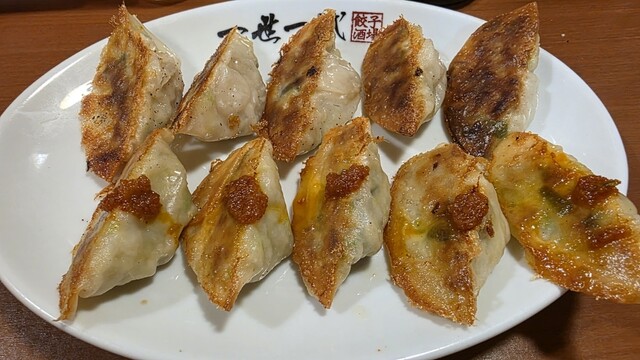
In Sakae, the late-evening restaurant rhythm changes fast: department-store polish gives way to narrow buildings, counter rooms, izakaya signs, and office workers hungry after the last scheduled meeting. Gyoza suits that hour. It is quick enough for a drink-led stop, substantial enough for dinner, and democratic enough to make a small room feel useful rather than decorative. Gyoza Sakaba Issei Ichidai Honten works in that Nagoya register: compact, casual, and built around dumplings with izakaya drinking behind them.
Nagoya’s dining identity is often flattened into miso katsu, hitsumabushi, tebasaki, and kishimen, but its less formal evening culture is just as instructive. In Sakae, that culture becomes dense. Restaurants compete less through grand architecture than repeatability: narrow menu focus, a short station-to-seat route, and a bill that leaves room for another drink or second stop. Here, dumplings are not a side category. They test whether a modest staple can become the reason to choose one counter over another.
Gyoza as Sakae's small-room value play
The value proposition is not luxury in miniature. It is concentration. A 13-seat room changes casual-dinner economics: fewer seats, faster rhythm, and a format where the counter carries much of the experience. Tabelog’s 2024 Dumplings 100 selection places the restaurant in a national category list rather than a local popularity blur, which matters for a dish often treated as interchangeable. Recognition in a dumpling-specific list says the comparison set is not kaiseki, sushi, or hotel dining; it is Japan’s specialist gyoza culture, where small differences in filling, wrapper, heat, and pacing define the meal.
That distinction matters in Nagoya because the city has a wide spread of mid- and higher-spend dining. Joie and Teppan Yaki Jiro sit in a higher dinner bracket, while Shabushabu Creative Izakaya Butagin Sakae ten occupies a more expansive izakaya lane. All Day Dining Montmartre represents another Nagoya pattern: hotel-adjacent breadth rather than narrow specialization. Against that field, Gyoza Sakaba Issei Ichidai Honten reads as a focused Sakae choice, where the appeal is committing to dumplings and drinks instead of paying for range.
The category rewards clarity. A gyoza sakaba is not a tasting-menu room. It belongs to compact Japanese drinking restaurants where food supports momentum rather than ceremony. Sake, shochu, and wine are listed drink categories, placing the room closer to an izakaya than a stand-alone dumpling shop. Take-out is available, but the counter format is part of the point: gyoza is strongest when the room’s pace, grill work, and drinking culture remain visible rather than abstracted into packaging.
Why the 2024 dumpling recognition matters
Tabelog’s Hyakumeiten lists are useful because they segment by category. A dumpling award is not the same signal as a fine-dining star, but it is often more relevant for this meal. It identifies restaurants with credibility around a narrow craft, not full-service theatre. For travellers, that is the lesson: a recognized gyoza room in Sakae can offer a sharper read on local dining habits than a more expensive restaurant built to impress across every course.
The low-seat-count format also sets expectations. Small rooms in Japan can be intimate or simply efficient; here, the evidence points to efficient appeal. Counter seating, no private rooms, and dumpling-izakaya categorization suggest a meal measured by directness rather than occasion-dressing. Smoking is allowed, a meaningful filter for some travellers and a reminder that casual Japanese drinking rooms do not always follow hotel-restaurant assumptions. Payment is another practical marker: plan cash, because card, electronic-money, and QR-code payments are not accepted.
For a Nagoya itinerary, the restaurant fits cleanly. It is not a replacement for the city’s classic regional dishes, and it is not competing with higher-spend counters. It works as a Sakae evening stop for travellers who care about category credibility and price discipline, especially those building a night around small rooms rather than one formal reservation. Readers comparing more of the city can use Our full Nagoya restaurants guide, then cross-check where to stay through Our full Nagoya hotels guide, where to drink through Our full Nagoya bars guide, and broader planning through Our full Nagoya experiences guide. Our full Nagoya wineries guide is a narrower planning layer, but useful for readers treating the region as more than a rail stop between Tokyo and Kyoto.
A narrow counter, not a grand Nagoya dinner
Read Gyoza Sakaba Issei Ichidai Honten as a specialist insert in a larger night. Nagoya rewards that sequencing: one place for a regional classic, another for drinks, another for a focused plate that shows how locals eat after work. In EP Club’s wider restaurant map, that logic explains why compact, category-led venues can sit beside broader dining rooms such as 1022, 451, Aaron, and Alan. The useful comparison is not cuisine-to-cuisine; it is focus-to-focus, and whether the format tells the diner exactly what evening is being offered.
That point travels beyond Nagoya. Japan’s casual specialisms can be as revealing as its formal counters, from -Grilled beef Sukiyaki- KAMAKURA TANUKIAN 鎌倉 たぬき庵 in Kamakura to. 鮪と炭火焼き うお炭 秋葉原店 in Tokyo.cafe in Osaka.know in Kumamoto, (Shoku) Vietnam in Kawasaki, and [Curry Senmon Ten] Maruyama Kyoju. in Sapporo. The same category literacy helps abroad, too, whether the decision is sake-led at Jōdo Saké Bar in Los Angeles or rice-ball directness at Onigiri Time in Pasadena.
The editorial call is simple: choose this for a compact Sakae dumpling stop with recognized category credibility, not ceremony. The small room, dumpling focus, izakaya drinks, and Tabelog 100 - Dumplings - 2024 selection make the case; the appeal is strongest for travellers who would rather spend precisely on a specialist counter than stretch a casual night into a costlier production.
Where the Accolades Land
Comparable venues to calibrate price, style, and recognition.
| Venue | Cuisine | Price | Notes |
|---|---|---|---|
| Gyoza Sakaba Issei Ichidai HontenThis venue — the venue you are viewing | Gyoza-focused Japanese Izakaya | $$ | Not listed |
| Mitsumura | Traditional Tempura & Kakiage Donburi | $$ | Kita |
| Tori Yakiniku Toriichi Sakae joshidai ten | Chicken yakiniku & izakaya | $$ | Naka |
| Menya Shishimaru | Modern lobster-focused ramen | $$ | Nakamura |
| Yakiniku Horumon Koshin | Yakiniku & Horumon Japanese BBQ | $$ | Higashi |
| Su Zu Ya Akamon ten | Classic Yoshoku & Tonkatsu | $$ | Naka |
Recognition history
Dated appearances from independent guides and award organizations, with the underlying list record or original source where available.
Tabelog 100 #40 · No. 40
Tabelog · Tabelog 100 - Dumplings - 2024
Continue exploring
More in Nagoya
Restaurants in Nagoya
Browse all →
At a Glance
- Cozy
- Lively
- Intimate
- Casual Hangout
- After Work
- Late Night
- Group Dining
- Solo
- Standalone
- Sake Program
- Beer Program
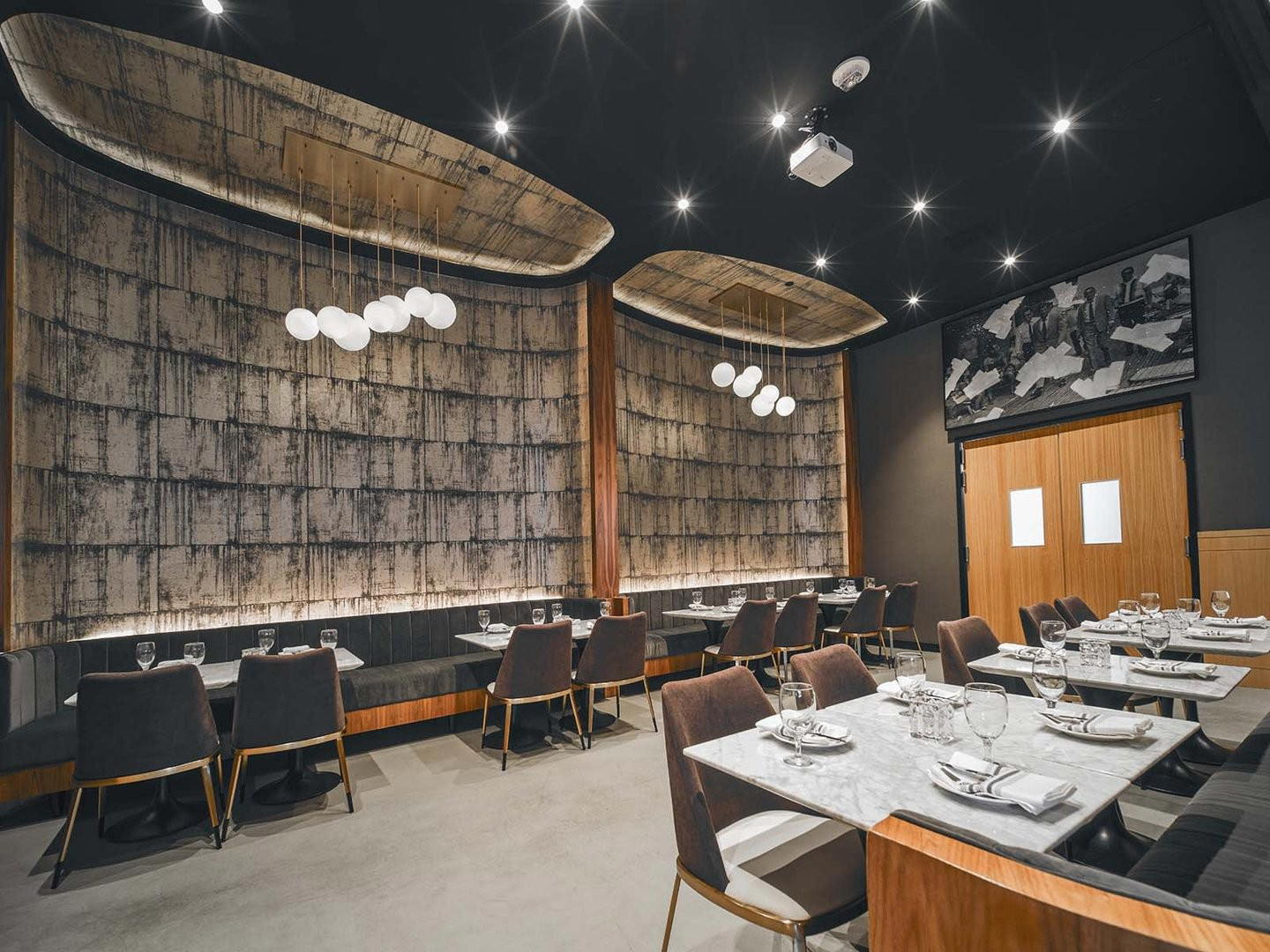
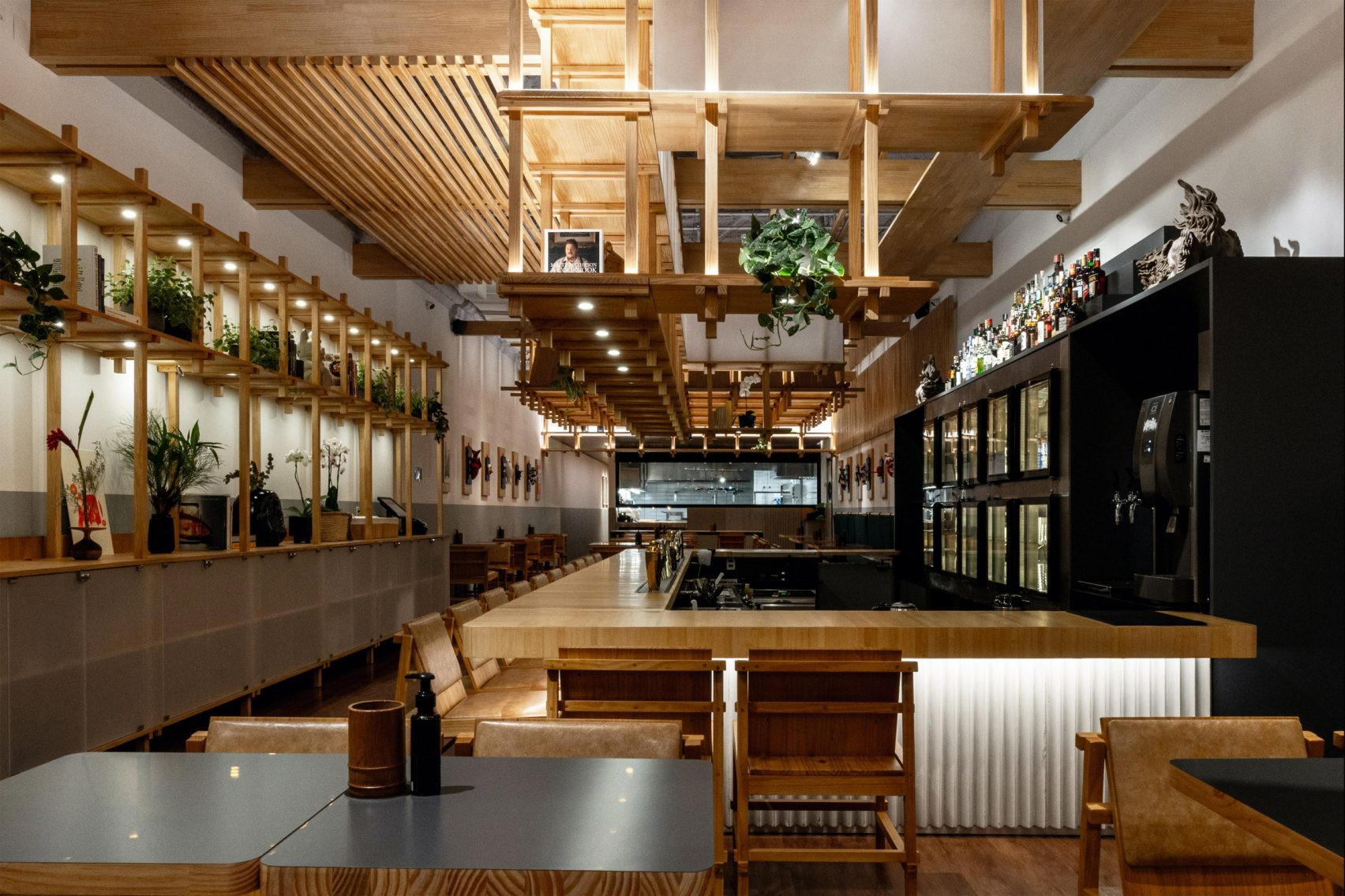
A small, relaxed izakaya-style dumpling bar with counter seating, a casual hideout feel, and a lively atmosphere driven by drinks and plates of gyoza.