Our verdict
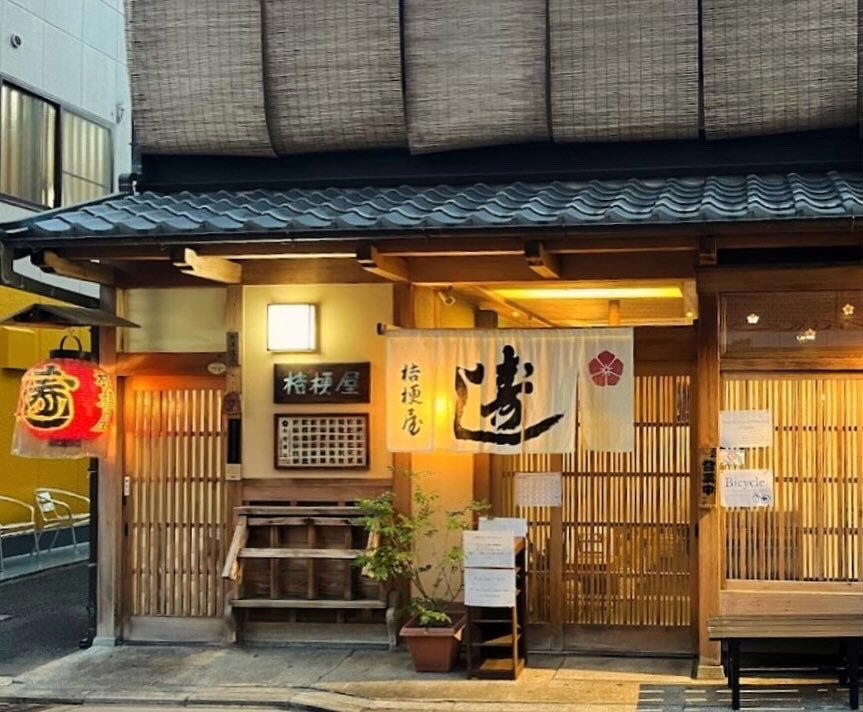
Located in Kyoto's Higashiyama district at the foot of the Yasaka Shrine complex, 羂馦屒 occupies a neighbourhood where the pace of the city slows and traditional architecture still sets the tone. The venue sits within a culinary environment shaped by centuries of kaiseki discipline and seasonal rigour, placing it in a context where even a casual lunch carries weight.

Pearl is the En Primeur Club membership app, where members save venues, book tables and use the concierge.
Higashiyama's Dining Register
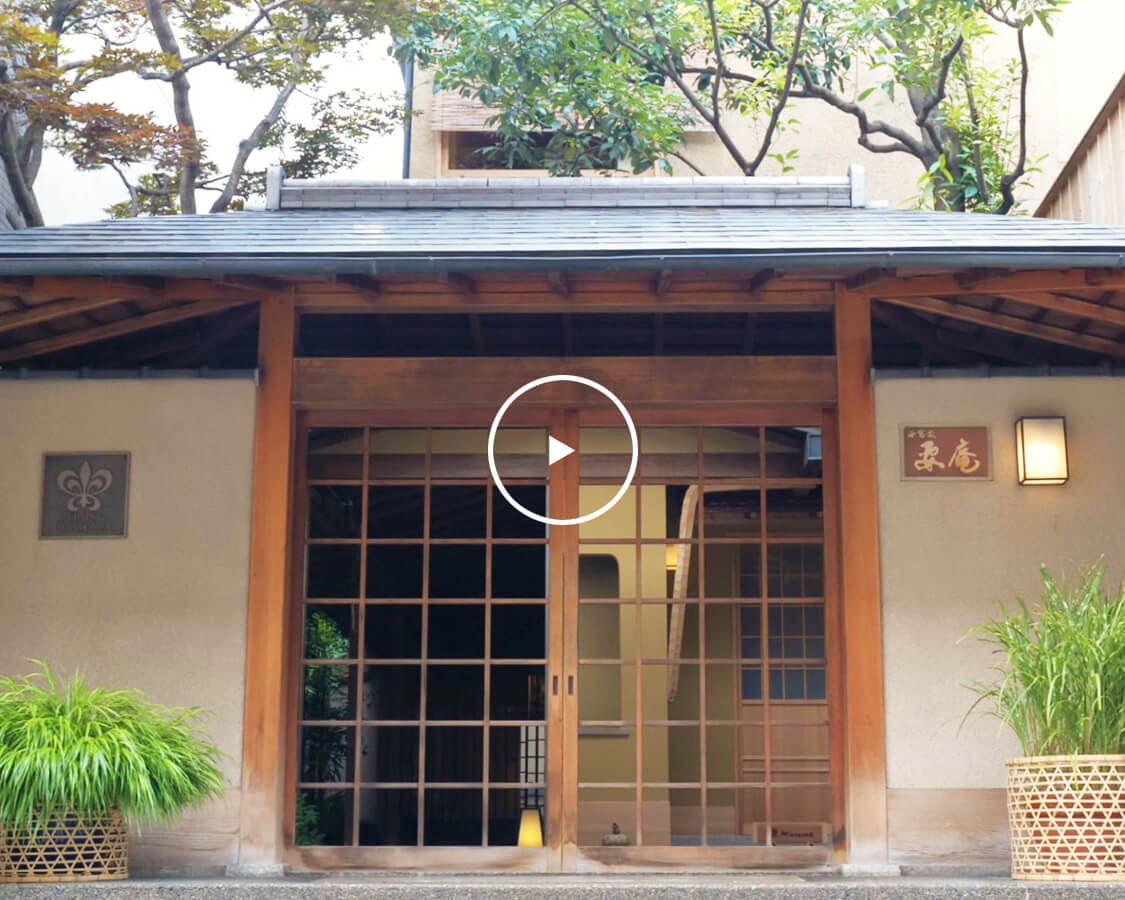
Kyoto's Higashiyama Ward operates at a different register from the city's more commercially dense dining corridors. The streets running toward Yasaka Shrine narrow into stone-paved lanes where machiya townhouses outnumber modern shopfronts, and the restaurants that endure here tend to do so not through volume but through consistency with the neighbourhood's tempo. 羂馦屒, at 398-3 Hashimotocho, sits in that environment, a setting where the physical approach to a table conditions the meal before the first course arrives.
That spatial context matters in Kyoto more than in almost any other Japanese city. Here, the room, the garden view, and the hour of day are understood as part of the experience rather than background to it. Venues in this ward operate within a tradition that treats daytime and evening service as genuinely distinct occasions, not simply different seatings of the same menu.
The Lunch and Dinner Divide in This Part of the City
Across Kyoto's higher-end dining rooms, lunch and dinner function differently in ways that go beyond price. Lunch in a venue like this, positioned near one of the city's great shrine precincts, typically draws visitors who are moving through the Higashiyama walking route, combining a meal with the day's cultural programme. The light is different, the pace is different, and the expectation is often that the experience will be more accessible, both in format and cost, than the equivalent evening booking.
Evening service in this part of Kyoto shifts toward intention. Guests who book a dinner table in Higashiyama are generally not passing through; they have come specifically, often after other commitments are complete. The mood in the room correspondingly tightens. At venues across this district, from the counter-format kaiseki rooms to more informal neighbourhood places, evening tends to mean longer service, more courses or more leisurely pacing, and a different relationship between the kitchen and the guest.
This lunch-versus-dinner dynamic shapes Kyoto's dining culture in ways that are distinct from Tokyo's approach. In Tokyo, many of the serious tasting-menu restaurants run near-identical formats across both services, adjusting only price. In Kyoto, there is a stronger tradition of treating lunch as its own category: shorter, often better value, but not lesser. Venues like Kikunoi Honten and Hyotei have historically offered lunch formats that provide access to serious kitchens at a meaningfully different price point than their evening menus. Gion Sasaki and Mizai similarly operate within a city-wide understanding that the afternoon table is not a lesser table.
Positioning Within Kyoto's Culinary Scene
The Higashiyama neighbourhood anchors a particular kind of Kyoto dining: neither the most avant-garde nor purely traditional, but shaped by proximity to historical and cultural weight. Venues here operate knowing their guests have often spent the morning at Kiyomizudera or walking the Ninenzaka slope, arriving with a heightened sense of place that colours how they receive the meal.
Compared to dining in Gion, which skews toward the formality of geisha-district hospitality culture, or the Kawaramachi corridor, which runs more contemporary and casual, Higashiyama occupies a middle position. It is accessible without being tourist-facing, and traditional without being insular. Within Kyoto's broader dining map, which you can explore further in our full Kyoto restaurants guide, Higashiyama venues tend to attract both informed domestic visitors and international guests who have moved past the city's most obvious dining landmarks.
For those cross-referencing Kyoto against Japan's wider fine-dining circuit, the comparison set extends nationally. Comparable intensity of craft and sense of place can be found at HAJIME in Osaka, Harutaka in Tokyo, or akordu in Nara. Further afield, Goh in Fukuoka operates within a similarly deliberate regional framework. Within Kyoto itself, Isshisoden Nakamura represents the longer institutional lineage that smaller neighbourhood venues sit in dialogue with.
The Broader Japanese Restaurant Tradition
Japanese restaurant culture, particularly in Kyoto, is built around the idea that a meal reflects the season, the hour, and the specific place. This is not merely aesthetic preference; it is encoded in kaiseki's foundational logic, where the progression of dishes mirrors the progression of time and temperature. Even venues that do not serve kaiseki formally operate in its shadow in this city.
The implications for visiting are practical. Arriving at the right hour matters as much as arriving at the right address. A lunchtime visit to a Higashiyama venue delivers a different reading of the city than an evening one: the natural light through any garden-facing window, the quieter street noise before the afternoon tourist peak arrives, the sense that the kitchen is warming up rather than at full intensity. These are not romantic abstractions; they are the actual conditions of the meal.
This discipline around time and season is what makes Kyoto's dining scene coherent rather than simply dense.
Internationally, the commitment to format discipline and seasonal responsiveness that defines Kyoto's serious dining rooms has parallels in how venues like Le Bernardin in New York City or Lazy Bear in San Francisco approach menu architecture, though the cultural logic behind the Japanese approach is distinct in ways that reading about it rarely fully prepares visitors for.
Planning Your Visit
Higashiyama is accessible from central Kyoto by taxi or by the Keihan Line to Gion-Shijo station, with the Hashimotocho area approximately ten to fifteen minutes on foot from there. The neighbourhood is at its least congested in the early morning and again in the early evening, before and after the main tourist flow along the Ninenzaka and Sannenzaka slopes. For dining, arriving at the start of a lunch service, typically around 11:30 or noon in Japanese restaurants of this type, allows the most settled experience. Reservations at serious venues in this part of the city are advisable well in advance, particularly during cherry blossom season in late March through April and autumn foliage season in November, when accommodation and table availability across Kyoto tightens significantly. Additional venues worth cross-referencing when planning a broader itinerary include Abon in Ashiya, affetto akita in Akita, Aji Arai in Oita, Ajidocoro in Yubari District, Akakichi in Imabari, and aki nagao in Sapporo for a sense of Japan's broader regional dining range.
Frequently asked questions
Is 羂馦屒 child-friendly?
Higashiyama's dining rooms, particularly those in the Hashimotocho area near Yasaka Shrine, tend to attract guests oriented toward quieter, composed occasions. That expectation shapes the atmosphere here, making it better suited to adults or older children comfortable in a measured setting. Families with young children may find a more relaxed fit elsewhere in Kyoto.
What's ç¾é¦å±'s location?
ç¾é¦å± is located at Japan, ã605-0083 Kyoto, Higashiyama Ward, Hashimotocho, 398ï½°3 ç¥åç¥èãã« ï¼ï¼¦, Kyoto.
Do I need a reservation for ç¾é¦å±?
Reservations are recommended for ç¾é¦å± in Kyoto. Confirm current policy via the venue's official channels.
Is 羂馦屒 formal or casual?
The Hashimotocho address in Higashiyama Ward places this venue in a neighbourhood where the general register sits above a casual izakaya but well short of the city's most ceremonial kaiseki rooms. Composure in dress and manner is appropriate; strict formal attire is not typically required in this part of Kyoto.
Cuisine Lens
| Venue | Cuisine | Price | Awards | Notes |
|---|---|---|---|---|
| ç¾é¦å±This venue (the venue you are viewing) | Traditional Kaiseki | Not listed | Not listed | Not listed |
| Gion Sasaki | Modern Kaiseki | $300–500 | 3 Michelin Stars · La Liste Top Restaurants | Kaiseki, Japanese |
| cenci | Innovative Italian-Japanese Fusion | $100–150 | 1 Michelin Star · World's 50 Best #76 | Italian |
| Ifuki | Sumibi Kappo Kaiseki | $200–300 | 2 Michelin Stars · La Liste Top Restaurants | Kaiseki |
| Kyokaiseki Kichisen | Kyoto Kaiseki | $200–300 | 2 Michelin Stars · La Liste Top Restaurants | Japanese |
| Kyo Seika | Modern Chinese Fine Dining | $150–200 | 1 Michelin Star · Tabelog Bronze #216 | Chinese |
Continue exploring
More in Kyoto
Restaurants in Kyoto
All restaurants in Kyoto →
Bars in Kyoto
All bars in Kyoto →

Hotels in Kyoto
All hotels in Kyoto →
Wineries in Kyoto
Browse all →
Details
- Special Occasion
- Sake Program
- Set Menu
- Sake
elegant traditional Japanese