
Tabelog 100 #31
Our verdict
Located in Kumamoto's Kita Ward, 花尚苑 sits within the quieter northern reaches of the city, where the pace of dining slows and the connection to local agricultural tradition runs deep. With cuisine rooted in the Kumamoto region's produce and culinary heritage, it occupies a distinct position in the city's restaurant scene, away from the central dining corridor.

Pearl is the En Primeur Club membership app — saves, bookings, and concierge access live there. Same editors, same standards.
The menu
What to order
- Akaushi beef fillet wrapped and grilled with nori
- Seasonal Kumamoto appetizer course
- Handmade seasonal pasta
- Donabe rice
Kita Ward and the Quieter Side of Kumamoto Dining
Kumamoto's dining reputation tends to concentrate around the city centre, anchored by izakayas, ramen counters, and the wagyu and basashi traditions that define the prefecture's food identity. The northern ward, Kita-ku, operates differently. Out here, along addresses like Uekimachi Iwaono, the agricultural character of Kumamoto Prefecture becomes more legible: the flatlands that supply the city's markets, the slower rhythms of a neighbourhood not built around transit hubs or entertainment districts. Restaurants in this part of the city tend to draw a local clientele rather than visiting diners working through a shortlist, and that insularity often produces a different kind of cooking — less concerned with trend, more anchored in the prefecture's actual larder.
花尚苑 sits at that address in Kita Ward, at 266-22 Uekimachi Iwaono, and its position outside the central circuit is part of what defines its context. For readers accustomed to Kumamoto dining at venues like Murakami (Sushi) or Sanroku, a trip north represents a deliberate detour rather than an incidental stop. That distance is a signal worth reading: venues that hold an audience despite the friction of geography are doing something that keeps people coming back.
The Cultural Weight of Regional Japanese Dining
Japanese regional cuisine carries a different logic from the centralised prestige hierarchies of Tokyo or Osaka. In cities like Kumamoto, the culinary reference points are hyper-local: the mineral character of water from the Aso volcanic region, the specific sweetness of Kumamoto tomatoes, the karashi renkon (mustard-stuffed lotus root) that appears on tables across the prefecture as both street food and formal course. Restaurants that work within this register aren't attempting to replicate metropolitan styles with local ingredients as a gesture — they're operating inside a food tradition that predates the Michelin era and remains largely indifferent to it.
This is the broader pattern into which 花尚苑 fits. Across Japan's regional cities, from Goh in Fukuoka to Aji Arai in Oita, the most compelling dining often happens at restaurants that treat local produce not as a marketing category but as the actual boundary of their repertoire. The discipline that imposes, working only with what the prefecture supplies, in the seasons it supplies it, produces a specificity that more cosmopolitan menus tend to lack. It is also a tradition that rewards return visits more than one-off pilgrimages, because the menu shifts with the agricultural calendar in ways that a set piece tasting menu cannot replicate.
For comparison, venues like HAJIME in Osaka or Gion Sasaki in Kyoto operate at the intersection of regional produce and national culinary prestige, with the awards infrastructure to match. Kumamoto's Kita Ward operates at a different register, closer in spirit to the kind of neighbourhood restaurant that defines itself through consistency and community rather than critical recognition.
Kumamoto's Broader Restaurant Scene
Placing 花尚苑 accurately requires some sense of where Kumamoto's dining sits as a whole. The city is not a major destination on Japan's gastronomic circuit in the way that Kyoto, Tokyo, or even Fukuoka is, but it sustains a restaurant culture that is serious about its own ingredients and traditions. The local sushi tier, represented by venues like Murakami operating in the JPY 20,000–29,999 range per head, gives a sense of the upper price bracket. Elsewhere, the scene extends to western-influenced dining at BARON, the katsu tradition at Katsuretsu Tei, and the quieter, more contemplative register of Mimuro. For a full orientation, our full Kumamoto restaurants guide maps the city's dining across neighbourhoods and price points.
Within this context, 花尚苑's position in Kita Ward places it in the part of the city where dining is less about occasion and more about habit, the kind of restaurant that local households treat as a reliable extension of their own tables rather than a special-event destination. That positioning carries its own authority, particularly in a Japanese context where the neighbourhood restaurant (and the loyalty it commands) has always been as culturally significant as the celebrated counter.
What to Know Before You Go
Kita Ward is a residential and agricultural district, not a restaurant row. Visitors arriving from central Kumamoto should plan for a journey of meaningful duration, this is not a walkable detour from Kumamoto Station. Public transport connections to Uekimachi are limited relative to the city centre, making private transport or a taxi the more practical option for most visitors. As with many restaurants outside Japan's main urban cores, it is worth confirming details directly before visiting: phone numbers and websites for venues in this tier often change, and hours tend to reflect local demand patterns rather than tourist-friendly schedules.
The venue's profile at this stage holds limited publicly available data on price, format, and booking method, which itself reflects the character of the neighbourhood. Restaurants of this type in regional Japan rarely maintain active English-language booking infrastructure. Approach as you would any serious regional Japanese restaurant: with patience, ideally with a Japanese-speaking contact, and with the understanding that the friction of access is often proportional to the reward.
For those building a broader itinerary across Kyushu and beyond, the region's serious dining extends from Goh in Fukuoka north to acclaimed addresses like Harutaka in Tokyo and west to akordu in Nara. Internationally, the standard of precision cooking at venues like Le Bernardin in New York City or the format discipline of Lazy Bear in San Francisco offer useful reference points for what serious regional dining, at its finest, can achieve when it commits fully to its own logic. Closer to Kumamoto, Abon in Ashiya, affetto akita in Akita, Ajidocoro in Yubari District, and Akakichi in Imabari each demonstrate how Japan's regional dining tier operates on its own terms, independent of national award cycles.
Frequently asked questions
Is 花尚苑 okay with children?
There is no publicly confirmed policy on children at 花尚苑. Located in Kita Ward, a residential district of Kumamoto, the setting suggests a quieter, local dining environment rather than a high-volume family venue. check the venue's official channels before visiting with young children, as booking practices in this part of Kumamoto often rely on direct communication.
What's è±å°çº's location?
è±å°çº is located at îJapan, ã861-0136 Kumamoto, Kita Ward, æ¤æ¨çºå²©é266-22, Kumamoto.
What's the best way to book è±å°çº?
Reservations are recommended for è±å°çº in Kumamoto. Confirm current policy via the venue's official channels.
What's the standout thing about è±å°çº?
è±å°çº is best approached by focusing on the core concept and signature offerings.
Booking and Cost Snapshot
Comparable venues nearby, for context on price, style, and recognition.
| Venue | Cuisine | Price | Awards | Notes |
|---|---|---|---|---|
| 花小町This venue (the venue you are viewing) | Modern Kumamoto Regional Cuisine | $100–150 | Tabelog 100 #31 | Not listed |
| Katsuretsu Tei (勝烈亭 新市街本店) | Japanese Tonkatsu | $10–20 | Not listed | Shinshigai, Chuo-ku, Traditional Tonkatsu (Pork Cutlet) |
| Amakusa Daiou Senmon Ten Tosaka | Omakase Yakitori with Amakusa Daio Chicken | $50–100 | Tabelog 100 #84 | Kamitori / Torichosuji, Omakase Yakitori with Amakusa Daio Chicken |
| .know | Creative Japanese Fine Dining | $50–100 | Tabelog 100 #47 | Gionbashi, Creative Japanese Fine Dining |
| Valeur | Creative Chinese and dumplings | $30–50 | Tabelog 100 #7 | Chuo Ward, Jotomachi, Creative Chinese and dumplings |
| Steak Matsushita | Steakhouse | Not listed | Tabelog 100 #30 | Suizenji, Steakhouse |
Recognition history
Dated appearances from independent guides and award organizations, with the underlying list record or original source where available.
Tabelog 100 #31 · No. 31
Tabelog · Tabelog 100 - Innovative / Creative cuisine - 2025
Continue exploring
More in Kumamoto
Restaurants in Kumamoto
All restaurants in Kumamoto →
Bars in Kumamoto
All bars in Kumamoto →

Details
- Cozy
- Elegant
- Rustic
- Sophisticated
- Special Occasion
- Date Night
- Celebration
- Business Dinner
- Standalone
- Natural Wine
- Local Sourcing
- Tasting Menu
- Set Menu
- Natural Wine
- Kumamoto Wine
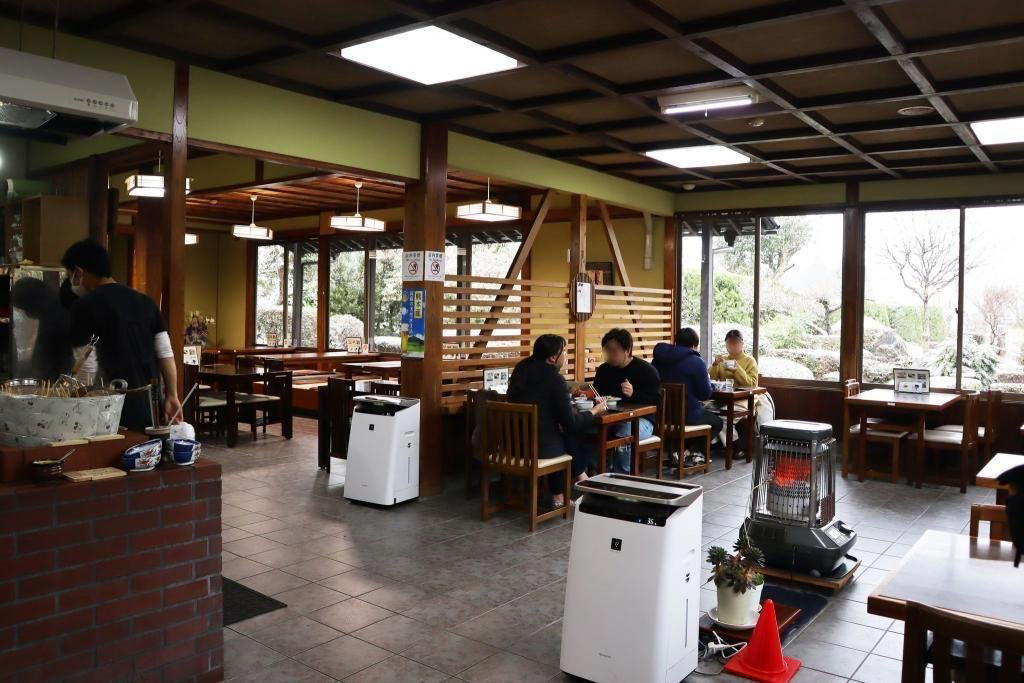
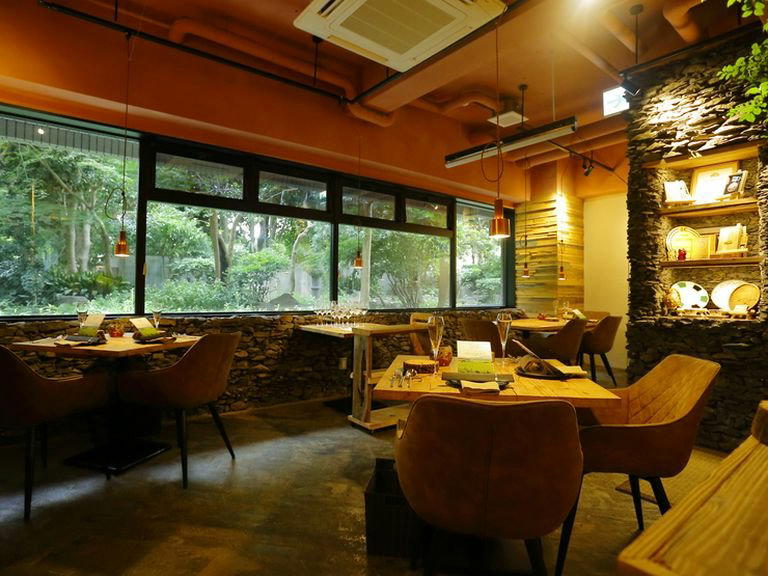
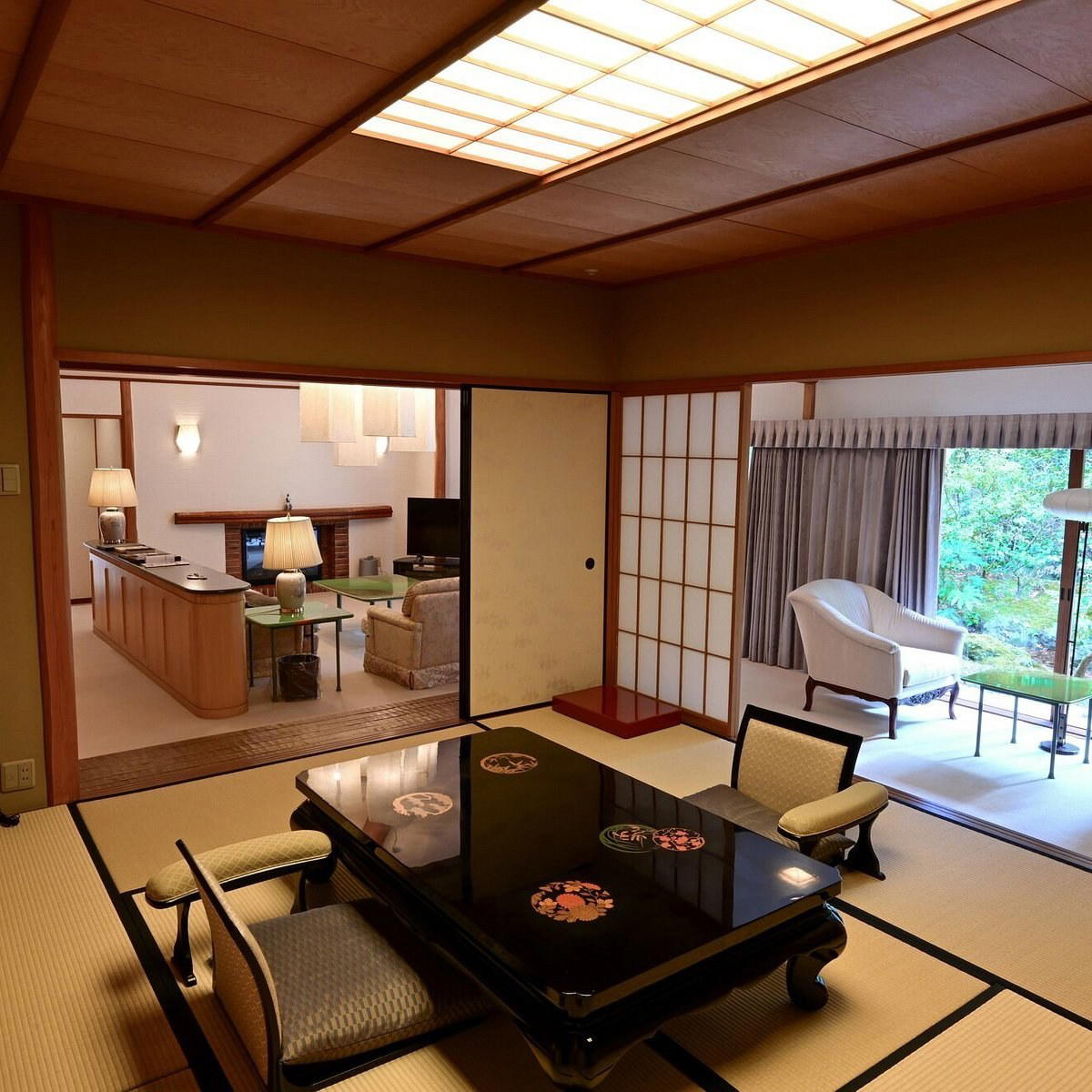
Natural, warm and calming, with a wood-rich interior and locally crafted tableware that supports a relaxed course-dining atmosphere.