
Steak Matsushita places Kumamoto beef dining in a tighter, ingredient-led register: steak rather than spectacle, with Tabelog 100 Steak / Teppanyaki WEST selections in 2024 and 2025 giving it a clear quality signal. The Suizenji address, non-smoking room, reservations availability, and JPY 5,000–5,999 lunch and dinner budgets make it a focused choice for travelers comparing Kumamoto’s meat, counter, and regional dining scenes.
Pearl is the En Primeur Club membership app — saves, bookings, and concierge access live there. Same editors, same standards.
- Address
- 熊本県熊本市中央区水前寺1-9-2
- Phone
- +81963828388
- Website
- tabelog.com
 Saves & bookings on Pearl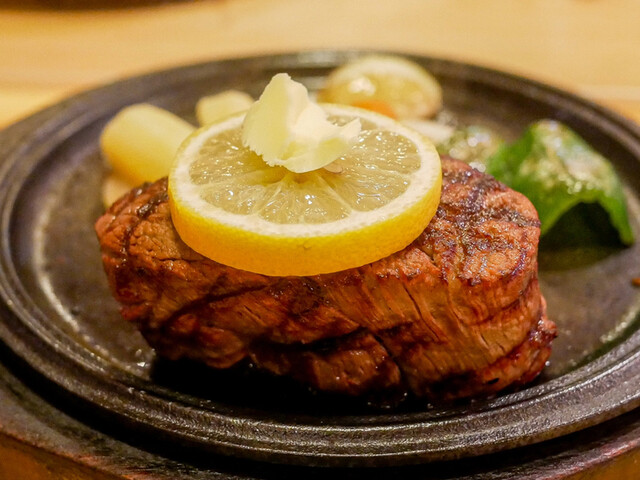
Suizenji is not Kumamoto’s loud dining quarter. Around the station, the city thins into a more residential rhythm, which suits steak better than a room built for display. In a prefecture where beef, horse meat, Amakusa seafood, and mountain vegetables all compete for attention, the steak table asks a narrower question: how much can careful sourcing and heat control carry without the theatre of a long tasting menu?
That question matters in Kumamoto because ingredient identity is unusually visible here. Akaushi, the Japanese Brown cattle associated with Kumamoto and Aso, gives the region a different beef vocabulary from the heavily marbled wagyu shorthand that dominates many luxury menus elsewhere in Japan. Not every steak restaurant in the city is an Akaushi specialist, and diners should avoid assuming breed specifics unless a menu states them clearly. The larger point is that Kumamoto’s steak culture sits close to production territory, where beef is not just a luxury import into an urban dining room but part of the prefecture’s own food economy.
Kumamoto steak belongs in the city's sourcing conversation
Steak Matsushita enters that conversation with a tighter price band than many visitors expect from a nationally noticed steak address. Lunch and dinner are both listed at JPY 5,000–5,999, a bracket that places it above casual beef bowls and family grills but below the city’s more expensive special-occasion counters. In the local comparison set, Iroha sits lower on published budgets, while antica locanda MIYAMOTO and Tensho Katahei occupy substantially higher spending territory. Hyogo Dori, at JPY 6,000–7,999, is closer in spend but signals a different local choice point. The useful read is not that one format replaces another; it is that Kumamoto gives travelers several ways to spend on provenance, from regional Italian interpretation to more direct meat-focused cooking.
The trust signal here is concrete. Steak Matsushita was selected for Tabelog 100 Steak / Teppanyaki WEST in 2024 and again in 2025, with a Tabelog score of 3.79. Tabelog’s Hyakumeiten lists are not international trophy systems, but in Japan they carry real local weight because they sort category specialists by region and user attention. For travelers who cannot read a room before committing, a repeat selection in a steak and teppanyaki category is a useful filter.
The format also resists a common problem in premium beef dining: paying for ceremony rather than product. The listed category is steak, not a broad Western restaurant, and the practical details reinforce a compact, single-purpose experience. Private rooms are unavailable, private use is available, smoking is not permitted, and reservations are available. Those facts point toward a restaurant built around the meal itself rather than a lounge-like occasion.
A mid-tier price point with serious category recognition
Kumamoto rewards diners who split the city by ingredient rather than by genre. For chicken, Amakusa Daiou Senmon Ten Tosaka gives a different read on local protein. For Italian technique shaped by Kyushu produce, antica locanda MIYAMOTO sits in a higher-budget tier. China Sichuan Togen, .know, and BARON round out a city where serious meals do not follow a single template. Against that spread, steak works as the direct route: fewer courses, less narrative, more pressure on the quality of the cut and the discipline of the grill.
That directness is the appeal. In Tokyo or Osaka, steak often competes with luxury signals: counter scarcity, brand-name beef, wine lists, and highly staged service. Kumamoto’s better steak addresses can feel more grounded because the surrounding food culture already assumes a relationship to land and livestock. The city does not need to import a story of terroir; Aso’s grasslands and the prefecture’s agricultural base already frame the conversation. A diner choosing steak here is often choosing proximity as much as polish.
There is also a useful ceiling to expectations. The public listing does not name a chef, a signature cut, or a tasting structure, so the safer read is categorical rather than biographical. This is not a chef-myth restaurant in the way some destination counters are sold. It is better understood as a recognized steak specialist in a regional city where beef has local meaning and the price remains controlled.
How to place it in a Kumamoto eating itinerary
For a short stay, the strongest Kumamoto itinerary alternates between ingredient categories rather than repeating prestige formats. Use one meal for steak, one for regional chicken or seafood, and one for a higher-budget contemporary table if the trip allows it. Our full Kumamoto restaurants guide is the broader map for that decision, while Our full Kumamoto hotels guide, Our full Kumamoto bars guide, Our full Kumamoto wineries guide, and Our full Kumamoto experiences guide help place dinner inside the wider trip.
Travelers building a Japan-wide beef route can also use contrast. -Grilled beef Sukiyaki- KAMAKURA TANUKIAN 鎌倉 たぬき庵 in Kamakura points toward beef in a sukiyaki register, while. 鮪と炭火焼き うお炭 秋葉原店 in Tokyo frames charcoal cooking through a different urban lens..cafe in Osaka, (Shoku) Vietnam in Kawasaki, [Curry Senmon Ten] Maruyama Kyoju. in Sapporo, [ki:] in Kyoto, Jōdo Saké Bar in Los Angeles, and Onigiri Time in Pasadena show how EP Club’s Japan and Japanese-influenced coverage moves across formats rather than forcing every meal into fine-dining hierarchy.
The planning read is simple: this is a reservations-available, non-smoking steak address near Suizenji Station with parking available and card acceptance limited to JCB, AMEX, and Diners. Electronic money and QR payments are not accepted. For visitors, that combination argues for advance confirmation, cash backup, and a schedule that respects the restaurant’s short service windows. The payoff is not grandeur; it is a focused Kumamoto steak meal with repeat category recognition and a price point that leaves room for another serious dinner elsewhere in the city.
Snapshot
Nearby venues at a similar price tier for orientation.
| Venue | Cuisine | Price | Awards | Notes |
|---|---|---|---|---|
| Steak MatsushitaThis venue — the venue you are viewing | Steakhouse | $$ | , | |
| Katsuretsu Tei | Tonkatsu (Pork Cutlet) | $$ | , | Chuo-ku |
| cocina uchida | Casual Spanish & Mediterranean Wine Bar | $$ | , | Shinshigai / Karashimacho |
| Katsuretsu Tei (勝烈亭 新市街本店) | Traditional Tonkatsu (Pork Cutlet) | $$ | , | Shinshigai, Chuo-ku |
| Sekka Sanbo | Handmade Soba & Sake | $$ | , | Chuo Ward, Kamidori / Kaminoura-dori area |
| Pizzeria da Rocco | Traditional Italian Pizzeria | $$ | , | Chuo Ward (Namikizaka / Jotomachi) |
At a Glance
- Classic
- Cozy
- Hidden Gem
- Intimate
- Business Dinner
- Date Night
- Solo
- Special Occasion
- Standalone
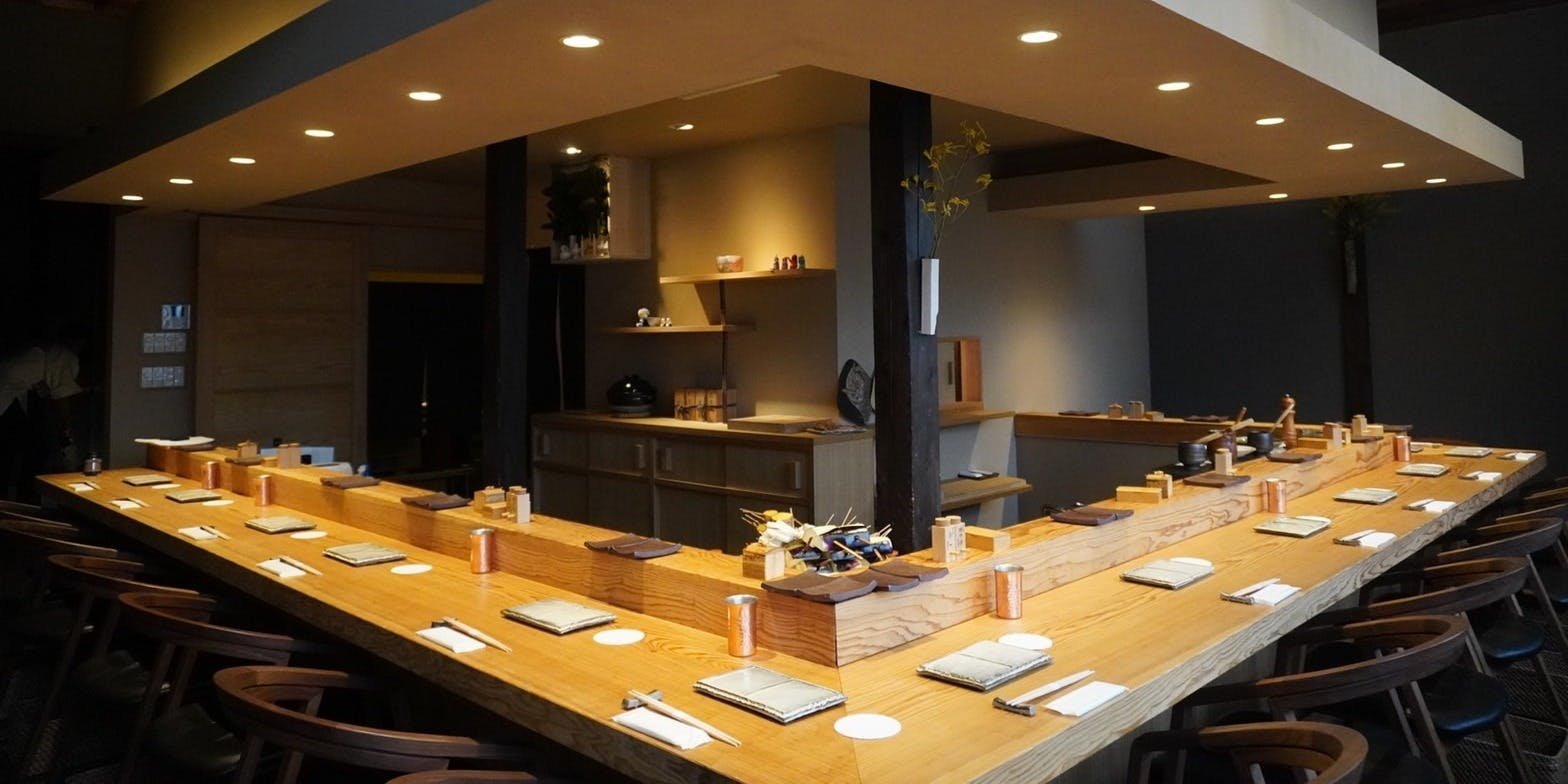
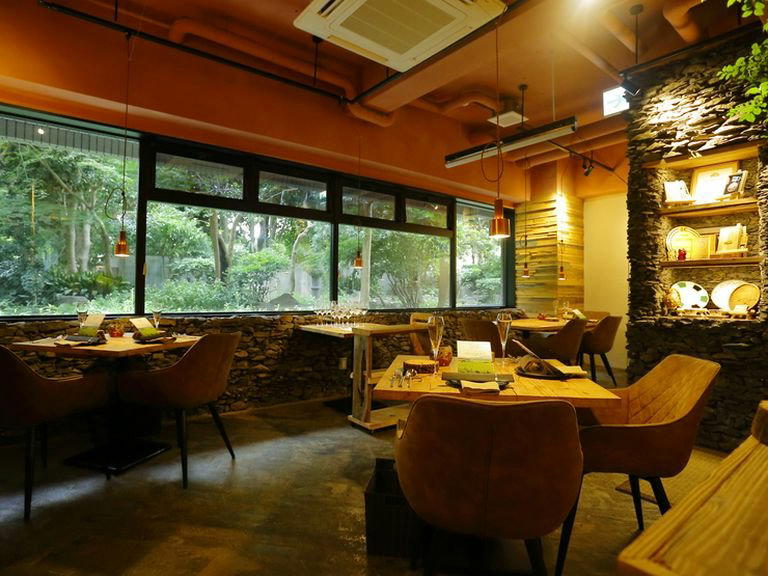
A traditional, long-established steakhouse atmosphere with an intimate, no-smoking setting near Suizenji Station.