Shimotori and the Architecture of the After-Dinner Hour Kumamoto's Shimotori arcade district operates on a rhythm distinct from Japan's larger cities. By early evening, the covered shopping street empties of daytime foot traffic and gives way to...
Pearl is the En Primeur Club membership app — saves, bookings, and concierge access live there. Same editors, same standards.
- Address
- Japan, 〒860-0807 Kumamoto, Chuo Ward, Shimotori, 1 Chome−9−4 宇都宮ビル
- Phone
- +81963552957
- Website
- steakhousebaron.jp
 Saves & bookings on Pearl
Shimotori and the Architecture of the After-Dinner Hour
Kumamoto's Shimotori arcade district operates on a rhythm distinct from Japan's larger cities. By early evening, the covered shopping street empties of daytime foot traffic and gives way to bars, counter seats, and the kind of places that reward knowing where to look. BARON sits within this shift, at 1-chome 9-4 in Chuo Ward, in a building that addresses the street with the understated confidence of somewhere that does not need a queue outside to signal its standing. BARON is a Kyushu Wagyu Steakhouse in Kumamoto, priced around $400 per person.
Kyushu's dining culture has always maintained a certain self-possession relative to Tokyo and Osaka. Cities like Fukuoka, with venues such as Goh in Fukuoka, and Kumamoto itself have long supported serious cooking without requiring metropolitan validation. BARON belongs to that tradition: a venue operating in a regional capital that punches with more culinary seriousness than its tourism profile might suggest.
What Kumamoto's Ingredient Economy Looks Like from the Kitchen
The reason serious cooking in Kumamoto often outperforms expectation lies in what the prefecture produces. The Aso volcanic plateau to the east delivers some of Japan's most documented spring water, which feeds rice cultivation and livestock in ways that register directly on the plate. Kumamoto wagyu, raised on Aso-region pasture, occupies a distinct tier within Kyushu's beef geography: leaner than heavily marbled Kagoshima cuts, with a fat distribution that suits both grilling and raw preparation. Counterpart venues in the wagyu-focused bracket, such as STEAK HOUSE Baron, build their menus almost entirely around this regional identity.
The Ariake Sea, accessible to Kumamoto's west, contributes a shellfish and sea vegetable tradition that rarely travels far. Hamaguri clams, ark shells, and the prefecture's famous tarami-style preparations appear in serious kitchens across Chuo Ward in ways that reflect proximity rather than import logistics. This is the material context within which any kitchen operating in Shimotori works: an ingredient catchment area of considerable depth, with producers close enough that seasonal shifts in supply arrive quickly and without mediation.
In Japan's broader dining geography, the sourcing advantage of regional capitals like Kumamoto is increasingly acknowledged. Venues in larger cities that wish to match this kind of provenance depth spend considerably more on freight and relationship management. Harutaka in Tokyo or Gion Sasaki in Kyoto command their reputations partly through supply chains built over decades; a Kumamoto kitchen working with local producers operates with a structural advantage that is simply geographical.
The Competitive Set in Central Kumamoto
Shimotori and the surrounding Chuo Ward streets support a range of serious dining options across formats. Murakami (Sushi) operates in the JPY 20,000 to JPY 29,999 dinner bracket, a price point that positions it alongside the prefecture's more committed sushi counters and reflects the quality of local seafood available to Kumamoto kitchens. Katsuretsu Tei anchors the tonkatsu tradition in the area, while Mimuro and Sanroku round out a scene that covers Japanese cuisine across multiple registers.
BARON occupies its own position within this set. The address places it in the commercial heart of Shimotori, where foot traffic is consistent but the density of options means that venues sustaining a return audience do so through what they cook rather than through novelty or spectacle. In this respect Kumamoto mirrors what has happened in other mid-sized Japanese regional capitals: the dining scene has matured to a point where locality of ingredient and consistency of technique carry more weight than format theatrics.
For readers building a Kumamoto itinerary, the city's central dining corridor rewards a cross-category approach. Beyond Chuo Ward's immediate offer, our full Kumamoto restaurants guide maps the wider picture, from neighbourhood counters to the more formal registers. Nationally, venues such as HAJIME in Osaka and akordu in Nara demonstrate what the Kyushu and Kansai regions produce at their most ambitious; Kumamoto sits at a different point on that spectrum but draws from comparable ingredient traditions.
Placing Kumamoto in the Wider Japanese Regional Dining Argument
Japan's premium dining conversation is structurally weighted toward Tokyo and Kyoto, but the case for regional capitals has been building for some time. affetto akita in Akita, Aji Arai in Oita, and Akakichi in Imabari represent the same pattern: kitchens in secondary cities drawing on deeply local ingredient networks to produce cooking that competes on provenance rather than prestige address. Ajidocoro in Yubari District and Abon in Ashiya extend the same argument into Hokkaido and the Kansai suburbs respectively.
The international parallel exists too. Le Bernardin in New York City and Lazy Bear in San Francisco built their reputations on supply chain discipline and sourcing relationships that other venues at equivalent price points could not easily replicate. Kumamoto kitchens working with Aso producers and Ariake Sea suppliers operate on a similar logic at a different scale: the sourcing advantage is real and it shows in the cooking.
Planning a Visit
BARON is located at 1-chome 9-4, Shimotori, Chuo Ward, Kumamoto, within the Ando Miyako building. Shimotori is accessible on foot from Kumamoto Castle and the city's tram network, which makes it a practical base for an evening that begins earlier in the city's cultural quarter. As with most Chuo Ward dining, evenings tend to fill on weekends, and the venue's address in a primarily commercial block means that street-level signage is worth checking in advance.
At-a-Glance Comparison
Comparable venues nearby, for context on price, style, and recognition.
| Venue | Cuisine | Price | Awards | Notes |
|---|---|---|---|---|
| BARONThis venue — the venue you are viewing | Kyushu Wagyu Steakhouse | $$$$ | , | |
| IL CASINO | Seasonal Italian Chef’s Counter | $$$$ | , | Chuo Ward |
| STEAK HOUSE Baron | Premium Kobe Beef Steakhouse | $$$$ | Shimotori, Chuo-ku | |
| Murakami | Traditional Sushi Omakase | $$$ | Chuo-ku | |
| cocina uchida | Casual Spanish & Mediterranean Wine Bar | $$ | , | Shinshigai / Karashimacho |
| Hyogo Dori | Yakitori & Chicken Dishes | $$$ | , | Chuo Ward |
At a Glance
- Elegant
- Intimate
- Sophisticated
- Date Night
- Business Dinner
- Special Occasion
- Chefs Counter
- Open Kitchen
- Local Sourcing
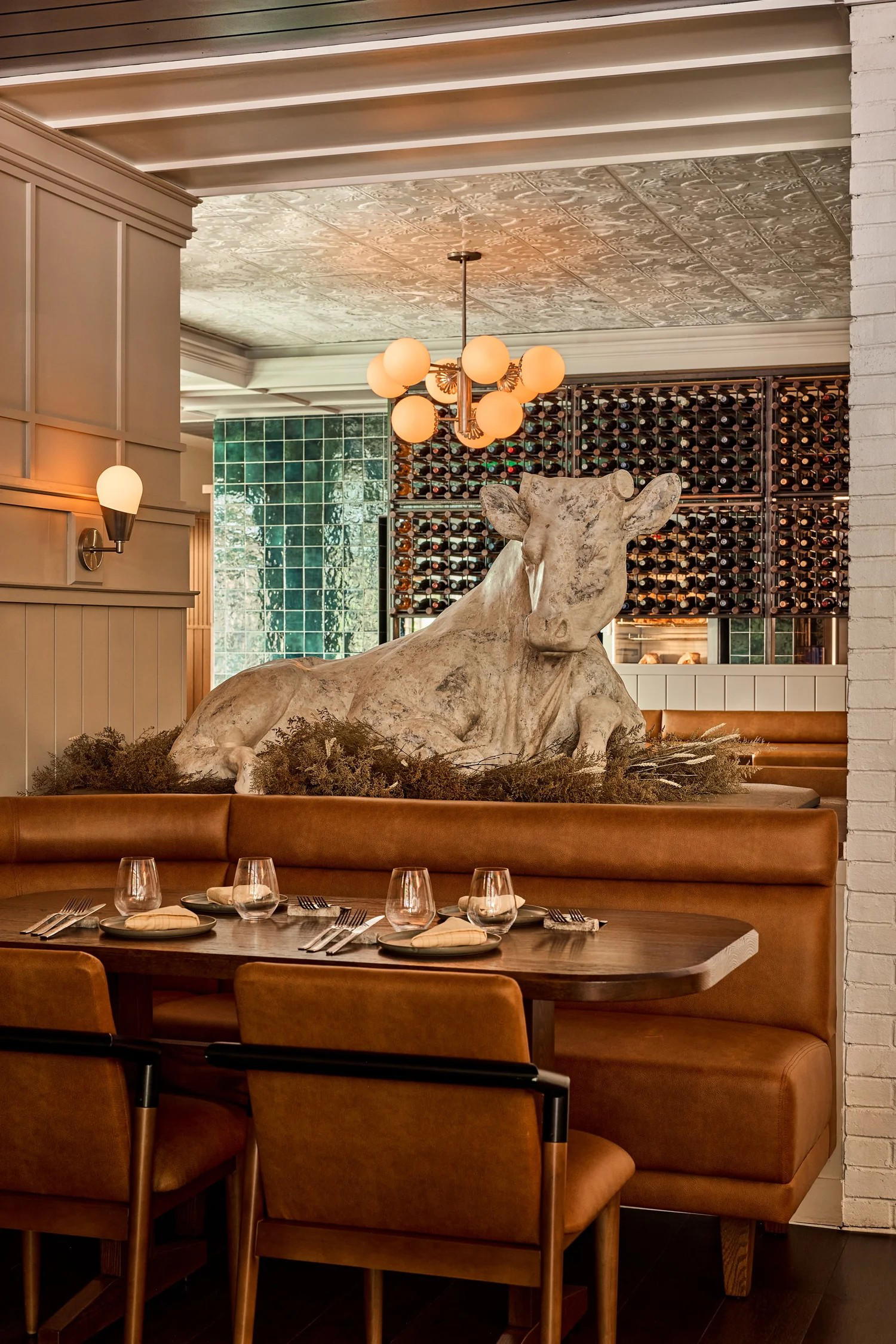
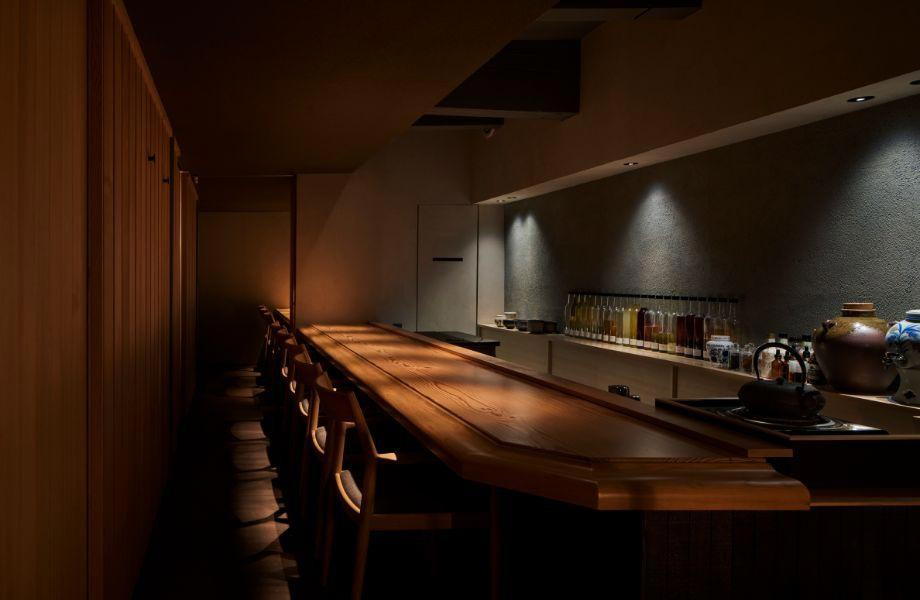
Intimate counter-style setting on the second floor with relaxing space and counter seating, creating an exclusive and refined dining atmosphere.