
Valeur puts Kumamoto’s Chinese dining scene into a compact, serious register: a 12-seat room in Jotomachi with dumplings in the category mix and selection for Tabelog Chinese WEST “Tabelog 100” 2026. The interest here is scale and sourcing logic rather than ceremony, especially for diners comparing the city’s mid-priced Chinese rooms with higher-ticket local counters.
Pearl is the En Primeur Club membership app — saves, bookings, and concierge access live there. Same editors, same standards.
- Address
- 熊本県熊本市中央区城東町5-41 ボーノボーノビル 2F
- Phone
- +81963261177
- Website
- tabelog.com
 Saves & bookings on Pearl
Upstairs in Jotomachi, the city’s restaurant rhythm changes scale. Kumamoto can be generous and casual at street level, but a 12-seat Chinese room asks for a different kind of attention: fewer covers, tighter pacing, and a menu category where dumplings sit beside broader Chinese cooking rather than as a side note. Valeur belongs to that compact tier, where the room is small enough for ingredient choices to matter and the cooking has to justify itself without hotel dining-room theatre.
That matters in Kumamoto because the city’s stronger food identity is often read through local produce, beef, chicken, shochu, and late-night counters rather than through Chinese cooking. A Chinese restaurant selected for Tabelog Chinese WEST “Tabelog 100” 2026 shifts the lens. It suggests a local audience willing to treat Chinese technique as destination dining, not merely a convenient dinner category. The average dinner band sits in a moderate register for Japan, well below higher-ticket Kumamoto rooms such as Amakusa Daiou specialist Amakusa Daiou Senmon Ten Tosaka and Chinese peer China Sichuan Togen, which makes the recognition more interesting: this is not prestige built only on spend.
Small-room Chinese cooking with Kumamoto produce in the background
Chinese restaurants in regional Japan often succeed when they stop imitating metropolitan luxury cues and work with the materials around them. Kumamoto has the advantage of agricultural depth: vegetables from the wider prefecture, seafood links through Amakusa, and a dining public used to flavour with structure rather than excess. Valeur’s listed categories, Chinese and dumpling, point toward a format where dough, filling, stock, heat control, and seasoning carry the meal. No named signature dish is needed to read the signal; dumpling-led Chinese cooking exposes sourcing quickly because texture and moisture have nowhere to hide.
The room size reinforces that point. Twelve seats is not a grand statement, but it is a useful constraint. Smaller Japanese dining rooms can buy narrowly, prep in shorter cycles, and adjust service around a limited number of guests. For a cuisine built on timing, wok heat, wrapping, steaming, frying, and sauce reduction, that kind of scale can be more meaningful than ornament. The critical question is not whether the format feels luxurious. It is whether the kitchen can make Chinese technique feel precise at a price level that remains accessible to repeat local diners.
The Tabelog 100 selection gives Valeur a measurable trust signal inside western Japan’s Chinese category, but it should be read carefully. Tabelog’s Hyakumeiten lists function as category recognition rather than a Michelin-style star hierarchy, and the source display order is not an official rank. Even so, selection in 2026 places the restaurant inside a vetted regional conversation, not just a Kumamoto neighbourhood shortlist. In a city where Italian, yakitori, yakiniku, and izakaya formats often dominate visitor planning, that matters.
Where it sits in Kumamoto's dining map
Kumamoto’s dining scene rewards travellers who separate category from price. .know, antica locanda MIYAMOTO, and BARON speak to a city with more range than its castle-and-ramen shorthand suggests. Against that backdrop, Valeur occupies a practical middle: more focused than a casual everyday Chinese stop, less financially demanding than the city’s higher dinner brackets, and small enough that planning has consequences.
The comparison with China Sichuan Togen is useful because it frames Chinese dining in Kumamoto as more than a single lane. Sichuan-leaning cooking and dumpling-inclusive Chinese cooking attract different cravings and different levels of heat, sauce, and shared-table appetite. Valeur reads as the choice for diners who want compact scale and category recognition without turning dinner into a long-form tasting-menu commitment. The format also suits travellers who are already building a broader Kumamoto itinerary around restaurants rather than treating food as a gap between sightseeing blocks.
There is a logistical edge to the experience. Fujisakigumae is the nearest station area, and the room is in Chuo-ku rather than on a resort or ryokan circuit. Parking is not part of the offer, and payment is cash-oriented, so the practical diner arrives prepared rather than assuming big-city convenience. Reservations are available, and with only 12 seats, planning is sensible for anyone anchoring an evening around the meal. Sunday and public-holiday closures also make weekday or Saturday planning the safer pattern.
How to fold Valeur into a sharper Kumamoto itinerary
For travellers, Valeur works well as part of a city-focused food route rather than a standalone trophy booking. Build the day around Chuo-ku, keep the evening compact, and let the dinner fill the Chinese slot in a wider Kumamoto plan. The useful contrast is not only with other Chinese restaurants, but with the city’s broader spectrum: chicken specialists, Italian rooms, beef counters, bars, and casual lunch addresses. That range is why a single dinner choice should be made by category discipline, not by hype.
For broader planning, start with Our full Kumamoto restaurants guide, then add context from Our full Kumamoto hotels guide, Our full Kumamoto bars guide, Our full Kumamoto wineries guide, and Our full Kumamoto experiences guide. Readers mapping Japanese dining beyond Kyushu can compare category-led pages such as -Grilled beef Sukiyaki- KAMAKURA TANUKIAN 鎌倉 たぬき庵 in Kamakura,. 鮪と炭火焼き うお炭 秋葉原店 in Tokyo,.cafe in Osaka, (Shoku) Vietnam in Kawasaki, [Curry Senmon Ten] Maruyama Kyoju. in Sapporo, [ki:] in Kyoto, Jōdo Saké Bar in Los Angeles, and Onigiri Time in Pasadena. The point is pattern recognition: small rooms, clear categories, and price-to-purpose alignment often tell more than decorative language ever can.
The editorial case for Valeur is therefore narrow and persuasive. It gives Kumamoto a Chinese address with national-category recognition, a small-seat format, and a price position that does not require occasion-only framing. For diners who care where ingredients come from and how tightly a kitchen can handle them, that is the useful distinction.
Quick Comparison
Comparable venues by cuisine and price in the same metro.
| Venue | Cuisine | Price | Awards | Notes |
|---|---|---|---|---|
| ValeurThis venue — the venue you are viewing | Creative Chinese and dumplings | $$ | , | |
| Sekka Sanbo | Handmade Soba & Sake | $$ | , | Chuo Ward, Kamidori / Kaminoura-dori area |
| Sri Lanka Kumamoto | Sri Lankan Curry & Home-Style Dishes | $ | , | Chuo-ku |
| むら上 | High-end Sushi Omakase | $$$ | , | Chuo-ku |
| Hi no Kuni Bunryu Souhonten | Kumamoto Tonkotsu Ramen | $ | , | Higashi Ward |
| Yakiniku Sudou Kumamoto honten | Full-attended Japanese Yakiniku with Kyushu Black Wagyu | $$$ | , | Kamitori / Torichosuji |



At a Glance
- Hidden Gem
- Intimate
- Cozy
- Date Night
- Special Occasion
- Solo
- Standalone
- Extensive Wine List
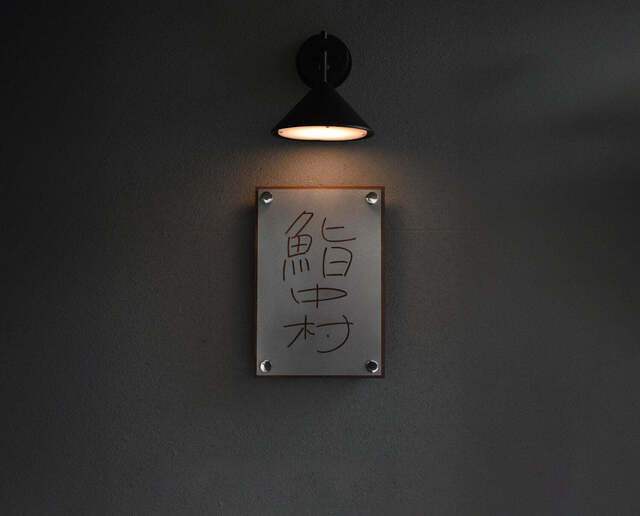
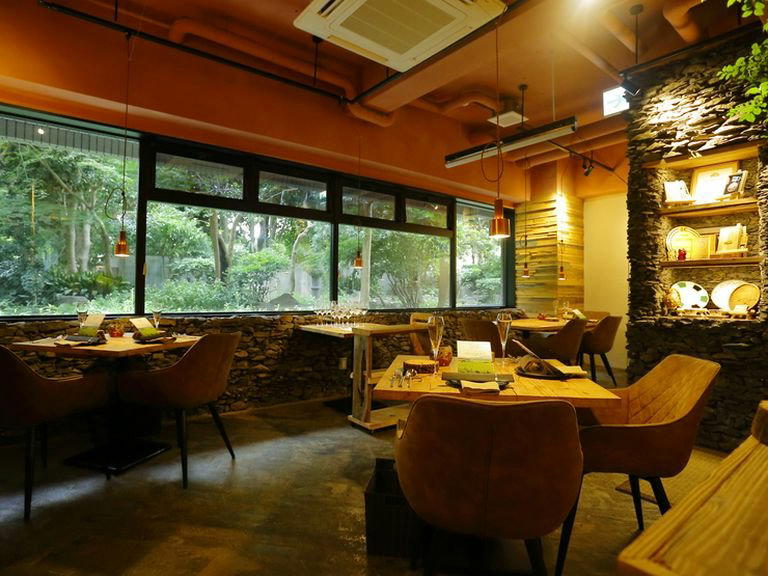
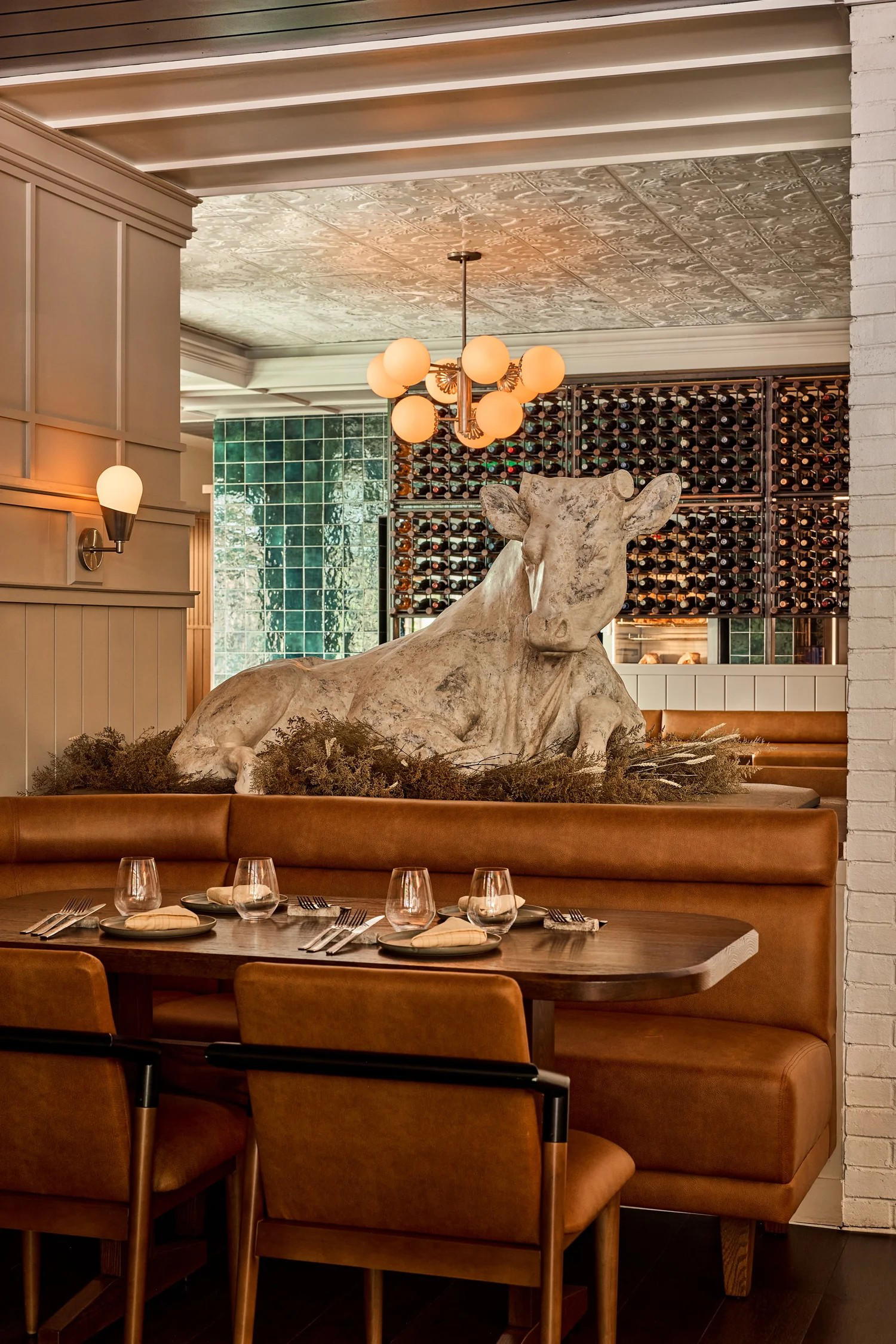
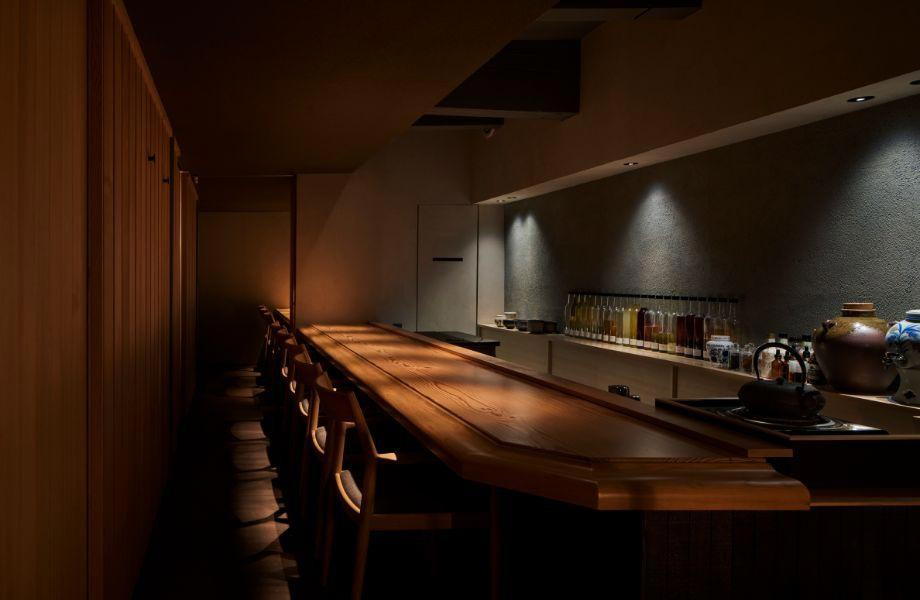
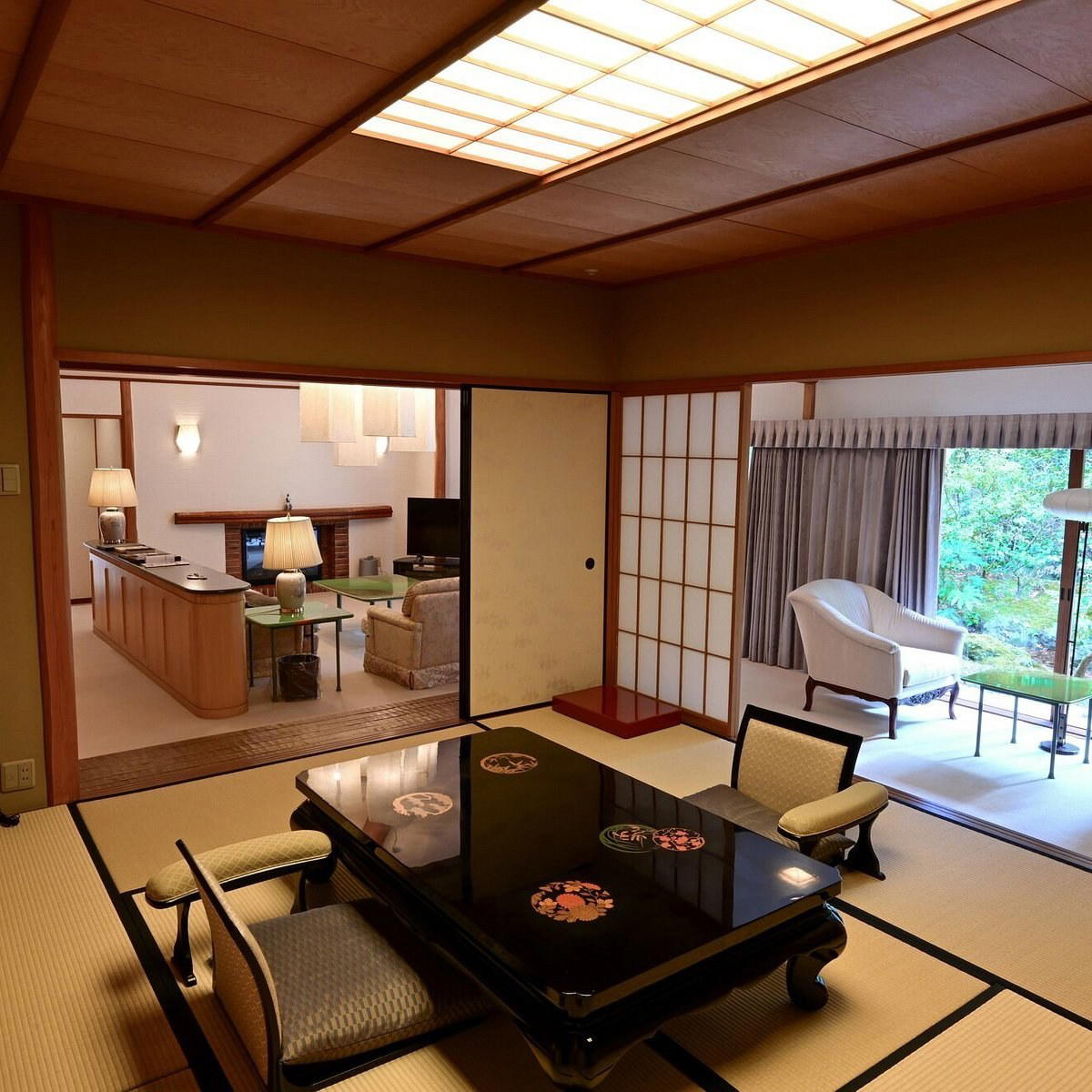
An intimate 12-seat space on the second floor of a small building in Jotomachi, with a cozy, low-key atmosphere that feels like a hidden local spot rather than a formal Chinese dining room.