
Tabelog Bronze #307
Our verdict
A 10-seat counter restaurant in Kumamoto's Tsuboi district, Sushi Nakamura holds a Tabelog Award 2026 Bronze and a place in the Tabelog Sushi WEST 100 for 2025. Dinner runs JPY 20,000–29,999; lunch offers the same counter format at JPY 10,000–14,999. Reservations are required and the restaurant asks guests to arrive without time constraints.

Pearl is the En Primeur Club membership app — saves, bookings, and concierge access live there. Same editors, same standards.
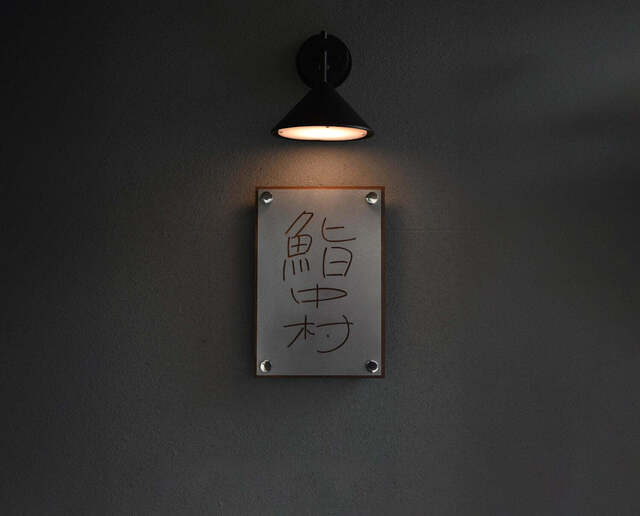
A Counter in Tsuboi, and What It Asks of You
The most telling thing about Sushi Nakamura is its reservation note, which reads less like a booking policy and more like an agreement on how time should be spent. The restaurant asks, plainly, that guests only book when they have time to relax and unwind. It will not rush. It expects the same in return. For a 10-seat counter in a residential pocket of Kumamoto's Chuo Ward, that stance is a signal about the kind of meal being offered: one structured around pacing, attention, and the deliberate rhythm that defines the serious end of Japanese counter dining.
Opening in April 2023, Sushi Nakamura is a recent arrival by the standards of Japan's established sushi houses, yet its recognition timeline has been compressed. By 2025, it had been selected for the Tabelog Sushi WEST "Tabelog 100," placing it among the hundred most-reviewed and highest-rated sushi restaurants in western Japan on Japan's dominant restaurant platform. The 2026 Tabelog Award Bronze followed, with a score of 4.05, ranking it 307th nationally across all categories. For a counter that has been open barely two years, that trajectory positions Sushi Nakamura at the top of Kumamoto's sushi tier and in direct conversation with established counters across Kyushu.
The Geography of Serious Sushi in Kumamoto
Kumamoto does not carry the same sushi reputation as Tokyo's Ginza, Osaka's Kitashinchi, or the seafood-rich counters of Fukuoka. The city's dining identity leans toward Kyushu's broader strengths: horse meat, ramen, and farm-to-table produce from Aso's volcanic plateau. But within its sushi category, a small number of counters operate at a price point and format that align with the serious omakase tradition found across Japan's major cities. Murakami occupies a comparable dinner price band of JPY 20,000–29,999, as does Sushi Taito. These counters form a recognisable tier: reservation-only, counter-seated, with pricing that signals a full omakase commitment rather than à la carte ordering.
What separates Sushi Nakamura within that group is the recognition it has accumulated in under two years of operation, and the specificity of the conditions it sets. The dress code forbids perfume. Children are not permitted. Guests with many food restrictions may have their reservations declined. Taken together, these parameters describe a kitchen that has built its format around minimising variables and maximising the integrity of each sitting.
For context on what the Tabelog Sushi WEST 100 selection means in practice: the list draws from reviewer data across western Japan, a region that includes the dense sushi culture of Osaka and the seafood-forward counters of Fukuoka. A Kumamoto counter holding a place on that list is competing outside its home market's weight class. Goh in Fukuoka operates in the broader regional dining scene that informs this list's competitive field. Further afield, the same category of counter dining is represented by Harutaka in Tokyo, where the omakase counter format operates at the highest density in the country.
The Ritual Architecture of the Meal
The counter format is not just a seating arrangement. In Japanese sushi culture, the physical configuration of a 10-seat hinoki counter places the diner in direct relationship with the preparation of each piece. There is no intermediary, no pass, no expedited runner. Each piece of nigiri is formed and presented directly. The distance between kitchen and guest collapses to the width of the counter, and that proximity creates a different set of obligations on both sides: the chef works under observation, and the diner is expected to be present.
Sushi Nakamura's operating schedule reinforces this architecture. Lunch runs Tuesday, Wednesday, and Sunday from 12:00 to 14:00, with entry required by noon. Friday and Saturday evenings run from 18:00 to 22:00, with entry until 19:00. The restaurant is closed Monday and Thursday. That schedule, five services per week at controlled entry windows, limits total covers considerably and ensures that each sitting is contained rather than rolling. The requirement to reserve by the day before (with cancellation fees applying from one week out) adds another layer of commitment to the booking process, filtering for guests who have planned ahead and are not filling time.
Beverage service spans sake, shochu, and wine, covering the expected pairing range for this format without overcomplicating it. Counter seating only, no private rooms, no private use: the physical environment is shared and unpartitioned, which is consistent with the counter format's emphasis on communal attention rather than enclosed privacy.
Pricing, Access, and What the Numbers Mean
Dinner runs JPY 20,000–29,999 per person; lunch is positioned at JPY 10,000–14,999. That lunch price represents a meaningful entry point relative to the dinner experience, though the format and counter environment remain the same. For a counter with this level of recognition, the lunch service offers a lower financial threshold without a different product. Online reservations are available for lunch only, through the official website at sushi-nakamura.com. Dinner reservations must be made by other means, with the booking deadline of the previous day applying to both services.
Payment is accepted by credit card (VISA, Mastercard, JCB, AMEX, Diners). Electronic money and QR code payments are not accepted, which is worth noting for visitors accustomed to cashless convenience payments in Japan. Parking is unavailable on site, though a coin parking lot is available next door. The address in Tsuboi, Chuo Ward, puts the restaurant approximately 314 metres from Fujisakigumae station and one minute from the Tsuboi police box, making it accessible by tram from Kumamoto's central loop.
For travellers building a broader Kumamoto itinerary, our full Kumamoto restaurants guide covers the city's dining range from Sushi Nakamura's tier down to casual Kyushu staples. Our full Kumamoto hotels guide maps accommodation options for overnight stays, and our full Kumamoto experiences guide covers the city's broader cultural programming. For drinking beyond the counter's sake and shochu list, our full Kumamoto bars guide gives context on the city's after-dinner scene.
Where Sushi Nakamura Sits in a Wider Frame
Japan's serious counter sushi scene has a recognisable grammar regardless of city: small seat counts, reservation-only access, ingredient-first menus with minimal intervention, and a pacing that treats the meal as a self-contained unit of time rather than a stop in an evening's itinerary. That grammar is as legible at Atomix in New York City or Le Bernardin in New York City — both of which operate in the same premium-counter tradition of rigorous preparation and deliberate pacing — as it is at Kumamoto's Tsuboi. Gion Sasaki in Kyoto and HAJIME in Osaka represent comparable seriousness within the Kansai-Kyushu dining corridor that contextualises Sushi Nakamura's regional standing. akordu in Nara and 1000 in Yokohama further illustrate how Japan's secondary cities have developed counter formats that earn national recognition.
Kumamoto's other serious dining options provide the surrounding context: Mimuro, Sanroku, and STEAK HOUSE Baron each occupy different parts of the city's premium dining range, with Sushi Nakamura sitting at the concentrated, counter-format end where the meal's ritual structure is the product as much as the fish itself.
Planning Your Visit
Reservations are required and must be made by the day before at the latest. Online booking is available for lunch only via sushi-nakamura.com; dinner reservations require direct contact. Cancellation fees apply from one week prior. The restaurant explicitly requests that guests arrive without time pressure, which in practice means treating the sitting as the full evening rather than a precursor to other plans. Entry for lunch is by noon; for Friday and Saturday dinner, entry closes at 19:00.
Frequently asked questions
Where do I go for Sushi Nakamura?
Sushi Nakamura is located at 1 Chome-4-21 Tsuboi, Chuo Ward, Kumamoto, 860-0863, Japan, Kumamoto.
What's Sushi Nakamura known for in terms of accolades?
Sushi Nakamura has received recognition including: {"Year":"2026","Award Source":"Tabelog","Award Type":"The Tabelog Award","Award Group":"bronze","Award Group Rank":"307","Restaurant Name":"Sushi Nakamura","Score":"4.05","Budget":"Dinner: JPY 20,000 - JPY 29,999; Lunch: JPY 10,000 - JPY 14….
What do people recommend at Sushi Nakamura?
The Tabelog listing describes the kitchen as "particular about fish," which at a reservation-only counter earning a Tabelog Bronze 2026 and placement in the Sushi WEST Top 100 points squarely toward sourcing-led omakase rather than à la carte ordering. Guests should expect the kitchen to drive the menu based on what the market delivers that day. Arriving with dietary restrictions may be a problem — the reservation policy explicitly states the venue may decline bookings from guests with many food inedibles.
What's the pricing like at Sushi Nakamura?
Pricing at Sushi Nakamura is listed as JPY 20,000 - JPY 29,999 JPY 10,000 - JPY 14,999.
How hard is it to get a table at Sushi Nakamura?
Sushi Nakamura runs five services per week across a 10-seat counter — lunch on Tuesday, Wednesday, and Sunday; dinner on Friday and Saturday — which puts the theoretical weekly ceiling below 100 covers. Reservations are required and must be secured at least one day in advance, with cancellation fees applying from one week out. Online booking is available for lunch only through sushi-nakamura.com; dinner reservations require direct contact with the restaurant.
Standing Among Peers
Comparable venues nearby, for context on price, style, and recognition.
| Venue | Cuisine | Price | Awards | Notes |
|---|---|---|---|---|
| Sushi NakamuraThis venue (the venue you are viewing) | Traditional Japanese Sushi | $100–150 | Tabelog Bronze #307 | Not listed |
| Tsuru Hachi | Traditional Tempura | $50–100 | Tabelog Bronze #489 | Karashimacho |
| むら上 | High-end Sushi Omakase | $150–200 | Tabelog Bronze #295 | Chuo-ku |
| Katsuretsu Tei (勝烈亭 新市街本店) | Japanese Tonkatsu | $10–20 | Not listed | Shinshigai, Chuo-ku |
| .know | Creative Japanese Fine Dining | $50–100 | Tabelog 100 #47 | Gionbashi |
| Sekka Sanbo | Handmade Soba & Sake | $20–30 | Tabelog 100 #56 | Chuo Ward, Kamidori / Kaminoura-dori area |
Recognition history
Dated appearances from independent guides and award organizations, with the underlying list record or original source where available.
Tabelog Bronze #307
Tabelog
Full recognition history (2 entries)
Tabelog 100 #81 · No. 81
Tabelog · Tabelog 100 - Sushi - WEST - 2025
Continue exploring
More in Kumamoto
Restaurants in Kumamoto
All restaurants in Kumamoto →
Bars in Kumamoto
All bars in Kumamoto →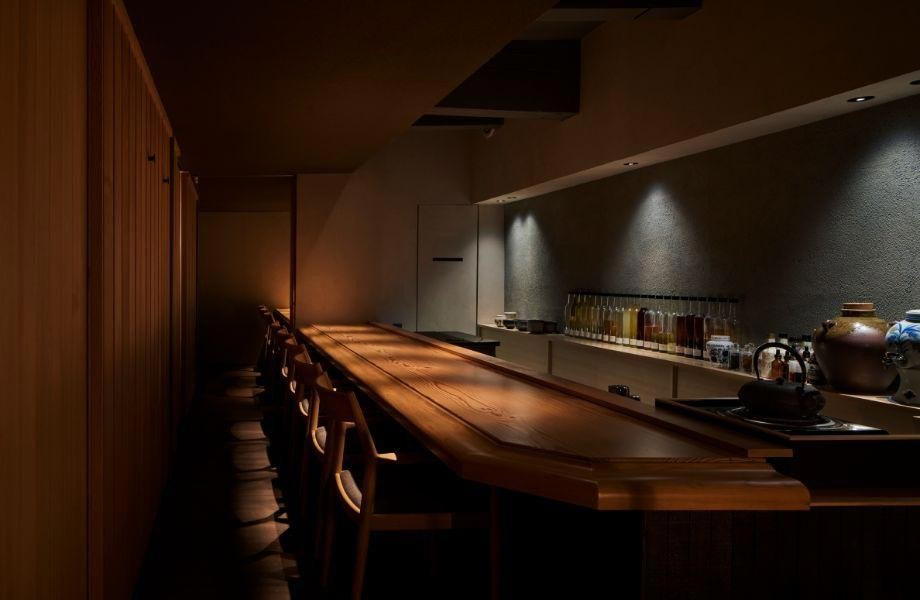
Details
- Cozy
- Elegant
- Intimate
- Special Occasion
- Chefs Counter
- Open Kitchen
- Sake Program
- Local Sourcing
- Sustainable Seafood
- Omakase
- Counter Dining
- Pescatarian Friendly
Current opening hours
- Monday
- Closed
- Tuesday
- 12–2 PM
- Wednesday
- 12–2 PM
- Thursday
- Closed
- Friday
- 6–10 PM
- Saturday
- 6–10 PM
- Sunday
- 12–2 PM
Hours can change for holidays and private events. Last verified .
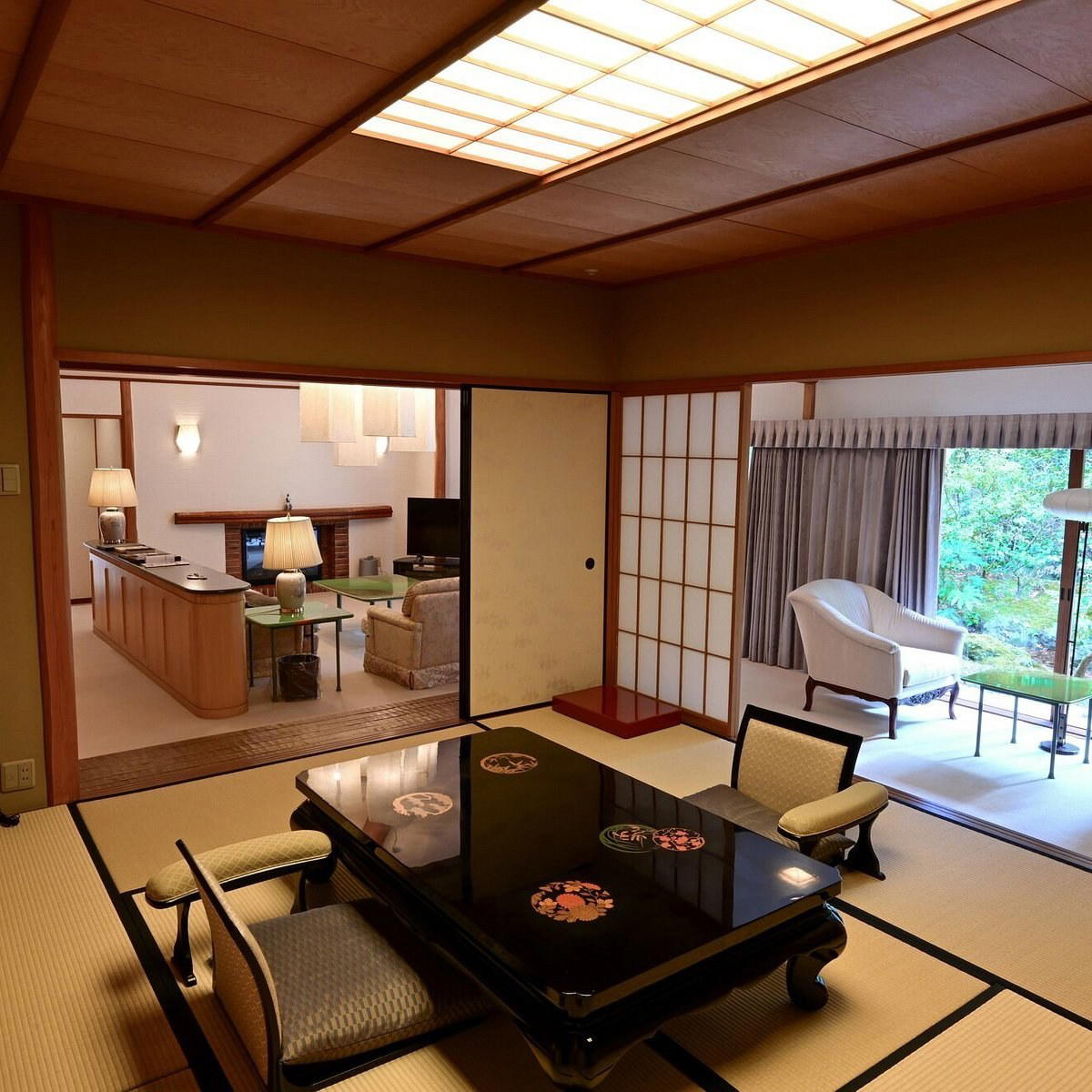
Warm and inviting with traditional Japanese decor, cozy dining area, and hospitable service creating an authentic and ceremonial atmosphere.