
IL CASINO sits in Kumamoto’s small high-end Italian tier, with an eight-seat counter format and repeated selection for Tabelog Italian WEST 100 in 2021, 2023, and 2025. The useful lens here is sourcing: a fish-focused Italian kitchen in a city with strong access to Kyushu produce, sake, and serious wine service.
Pearl is the En Primeur Club membership app — saves, bookings, and concierge access live there. Same editors, same standards.
- Address
- 3-7 Tetorihoncho, Chuo Ward, Kumamoto, 860-0808, Japan
- Phone
- +81 96-355-8305
- Website
- res-reserve.com
 Saves & bookings on Pearl
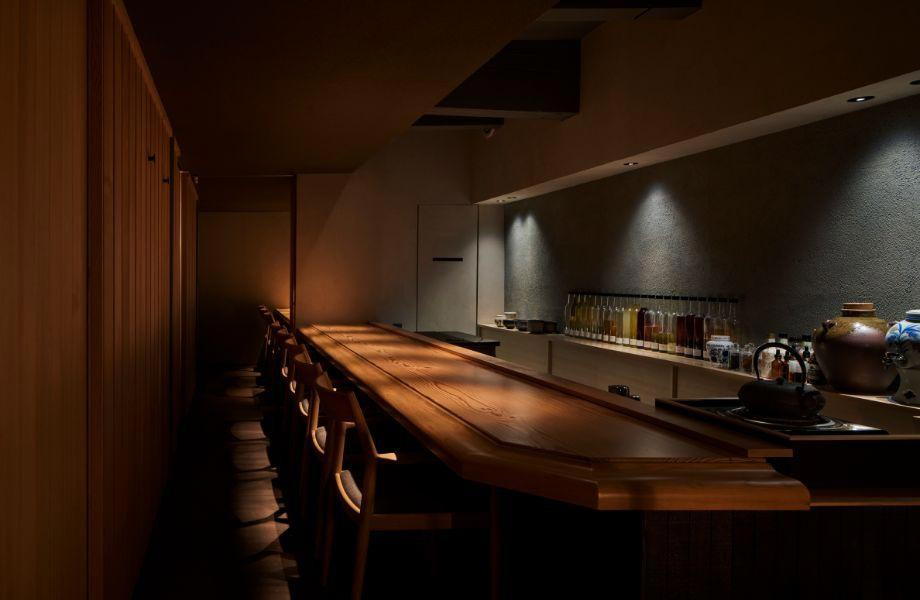
The room tells you the format before the menu does: counter seating, close range, a small audience watching a kitchen work with the discipline usually associated with sushi or kappo rather than the looser rhythm of a neighborhood trattoria. In Kumamoto, that matters. The city’s more ambitious dining rooms often draw strength from Kyushu’s agricultural and coastal supply lines, and IL CASINO places Italian technique inside that local logic rather than treating imported luxury as the main event.
Kumamoto is not short on hearty regional eating, from basashi culture to charcoal-led izakaya cooking, but the city’s higher-priced Italian category is thinner and more specialized. A place selected for Tabelog Italian WEST 100 in 2021, 2023, and 2025 sits in a different bracket from casual pasta counters or hotel dining rooms. The signal is not just recognition; it is consistency across several editions in a region where Osaka, Kyoto, Hyogo, and Fukuoka create heavy competition for attention.
Fish-led Italian cooking in a Kyushu city that rewards sourcing
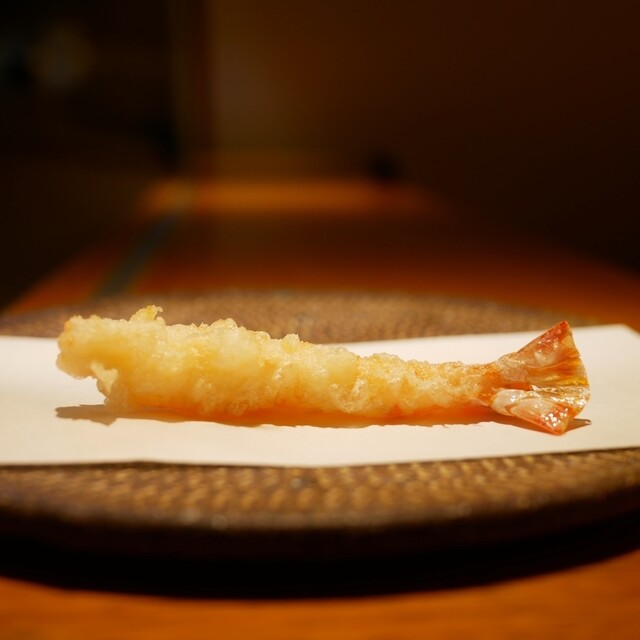
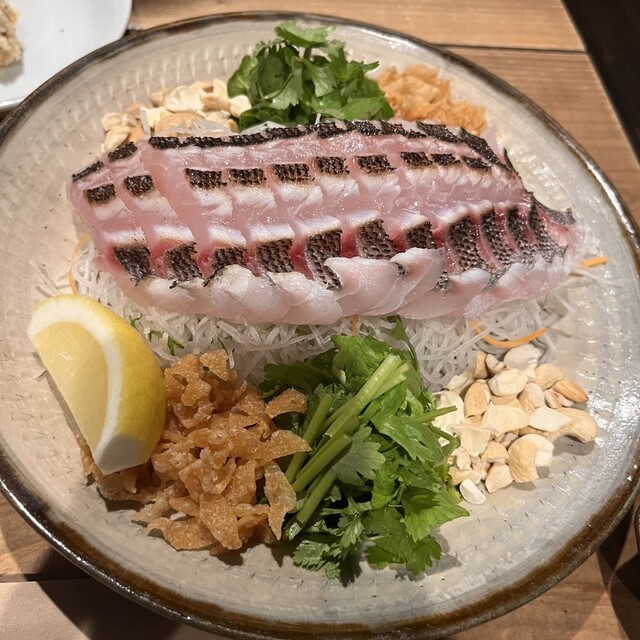
The restaurant’s stated food focus is fish, which gives the kitchen a clearer identity than generic luxury Italian. Western Japan’s Italian dining has long absorbed Japanese market culture: seafood handled with precision, courses paced more like a tasting counter, wine treated alongside sake rather than above it. That hybrid grammar suits Kumamoto, where proximity to the Ariake Sea, Amakusa, and broader Kyushu supply chains makes seafood a natural anchor for a serious meal.
This is where the comparison with other Kumamoto dining categories becomes useful. Amakusa Daiou Senmon Ten Tosaka points toward the region’s poultry identity, while China Sichuan Togen reflects the city’s appetite for tightly focused non-Japanese cooking. BARON and .know help map the broader contemporary dining field. IL CASINO belongs to the narrower group where technique, sourcing, and a small-room format carry more weight than volume or breadth.
The drink program also says something about the city. Sake and wine are both part of the offer, which is not a novelty in Japan’s mature Italian rooms but remains an important marker. In Kyushu, sake can read as a local-dining instinct rather than a concession to tradition; wine, meanwhile, frames the cooking within Italian expectations. The better version of this model does not force a binary. It lets seafood, acidity, rice-brewed alcohol, and grape wine meet course by course.
An eight-seat counter changes the social contract
Counter-only dining compresses the experience. There is less room for anonymity, less tolerance for late arrivals, and more emphasis on pacing. An eight-seat room also changes who the restaurant is for: solo diners and pairs fit naturally, while larger groups need to think harder about the shape of the evening. Private rooms are not part of the format, so the appeal lies in proximity to the kitchen rather than seclusion.
The price tier places the restaurant well above much of Kumamoto’s everyday dining. In the same city, Yoshoku no Mise Hashimoto operates at a lower bracket, Yakiniku Sudou Kumamoto honten occupies a premium beef lane, and Hyogo Dori sits in a different mid-to-high casual register. That spread helps clarify the decision: this is not the Kumamoto choice for breadth, spontaneity, or a mixed group with competing appetites. It is the choice for a compact Italian counter meal where the kitchen’s sourcing discipline is the point.
The practical culture around the room reinforces that seriousness. Reservation-only service, a smart-casual dress expectation, no smoking, no parking, and a cancellation policy that becomes financially strict from two days prior all belong to the same ecosystem: small capacity, planned demand, limited tolerance for disruption. Children are welcome when they order the same menu as adults, which is more permissive than many intimate counters but still sets a clear bar for the meal’s rhythm.
For travelers building a Kumamoto itinerary, IL CASINO works better as a deliberate dinner or structured lunch than as an add-on between sightseeing blocks. Torichosuji places it in the central dining orbit, useful for pairing with a city stay rather than a rural Kyushu driving route. Readers comparing categories can use our full Kumamoto restaurants guide for the dining map, then widen the trip through our full Kumamoto hotels guide, our full Kumamoto bars guide, our full Kumamoto wineries guide, and our full Kumamoto experiences guide.
How to read it within Japan's wider specialist-counter culture
Japan’s small-counter dining is often discussed through sushi, tempura, and kappo, but Italian restaurants have borrowed the same grammar with increasing confidence: fewer seats, closer chef-to-guest sightlines, narrower menus, and a stronger reliance on local ingredients. That shift is visible well beyond Kumamoto. For contrast across the country, compare the different urban registers of -Grilled beef Sukiyaki- KAMAKURA TANUKIAN 鎌倉 たぬき庵 in Kamakura,. 鮪と炭火焼き うお炭 秋葉原店 in Tokyo,.cafe in Osaka, (Shoku) Vietnam in Kawasaki, [Curry Senmon Ten] Maruyama Kyoju. in Sapporo, and [ki:] in Kyoto. Outside Japan, Jōdo Saké Bar in Los Angeles and Onigiri Time in Pasadena show how Japanese formats travel differently when ingredients, service expectations, and audience change.
The editorial read is clear: IL CASINO is most compelling for diners who care about how Italian cooking adapts to place. Its awards history supplies the trust signal, but the more interesting story is Kumamoto itself, a city where seafood, sake, and a compact counter can make Italian dining feel rooted rather than imported.
Fast Comparison
Comparable venues by cuisine and price in the same metro.
| Venue | Cuisine | Price | Awards | Notes |
|---|---|---|---|---|
| IL CASINOThis venue — the venue you are viewing | Seasonal Italian Chef’s Counter | $$$$ | , | |
| Pizzeria da Rocco | Traditional Italian Pizzeria | $$ | , | Chuo Ward (Namikizaka / Jotomachi) |
| Sushi Taito | Traditional Amakusa Omakase Sushi | $$$$ | Amakusa City | |
| .know | Creative Japanese Fine Dining | $$$ | , | Gionbashi |
| BARON | Kyushu Wagyu Steakhouse | $$$$ | , | Shimotori, Chuo-ku |
| Iroha | Traditional Kumamoto Izakaya with Horse Meat Dishes | $$ | , | Suizenji Park, Chuo Ward |

At a Glance
- Intimate
- Elegant
- Cozy
- Romantic
- Hidden Gem
- Date Night
- Special Occasion
- Business Dinner
- Celebration
- Solo
- Chefs Counter
- Open Kitchen
- Standalone
- Design Destination
- Extensive Wine List
- Local Sourcing
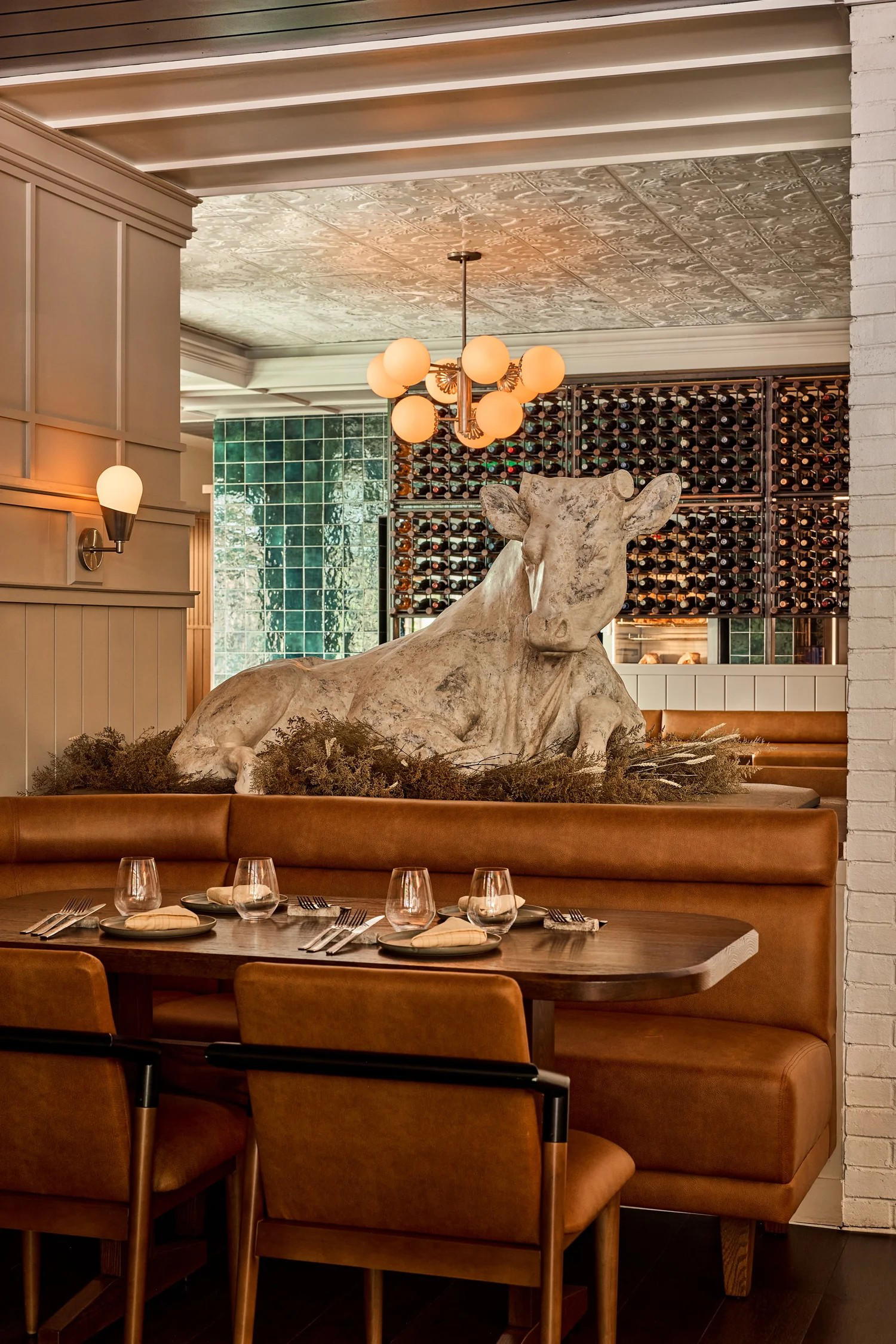
An intimate 8-seat counter with a calm, refined atmosphere where guests face the open kitchen; lighting and tone are subdued and elegant, suited to quiet, adult-focused dining rather than a lively crowd.