
Tabelog 100 #16
Our verdict
A 14-seat Italian and steak address in Kumamoto’s Shinyashiki area, antica locanda MIYAMOTO sits in the city’s small-format dining tier rather than its casual pasta-and-pizza lane. Its 2025 Tabelog Italian WEST 100 selection, sommelier service and wine focus place it among Kyushu’s more serious Italian rooms.

Pearl is the En Primeur Club membership app — saves, bookings, and concierge access live there. Same editors, same standards.
The menu
What to order
- Wood-fired Akaushi beef steak
- Seasonal Kumamoto ingredient tasting course
Shinyashiki has a quieter register than the parts of Kumamoto built around castle-side tourism and late-night drinking. The streets feel residential before they feel theatrical, which matters for a restaurant working in the house-restaurant idiom: the dining room is small, the signals are restrained, and the experience belongs to the Japanese version of Italian dining that treats wine, beef and pacing as seriously as pasta.
In regional Japan, Italian food often divides into two separate worlds. One is everyday: pizza, lunch sets, casual trattoria cooking, the kind of place that works around neighbourhood regulars. The other is reservation-led, wine-aware and built for a longer evening. antica locanda MIYAMOTO belongs to the second camp. Its selection for Tabelog Italian WEST 100 in 2025 gives it a clear marker beyond local word-of-mouth, especially in a prefecture better known to visitors for horse meat, shochu, ramen and produce-driven Japanese cooking than for Italian tasting-room discipline.
Kumamoto Italian cooking with steak, wine and a small-room format
The category listing, Italian and steak, is not incidental. Kyushu’s premium dining culture has long taken beef seriously, and Kumamoto’s restaurant scene often rewards places that understand meat as a centre of gravity rather than an add-on. Within that frame, Italian cooking becomes less about importing a Tuscan fantasy and more about applying Italian structure to local appetite: courses, sauce work, wine service and grilled protein sitting inside a Japanese rhythm of precision.
The room’s 14-seat scale puts it closer to counter-era Japanese fine dining than to a broad trattoria model. That size changes the stakes. In a compact restaurant, service cannot hide behind volume, wine advice becomes part of the evening rather than a luxury extra, and pacing is exposed. The presence of a sommelier and a stated focus on wine are important because Italian dining at this level depends on the table drinking well, not merely ordering correctly.
Compared with the wider Kumamoto set, the positioning is specific. Amakusa Daiou Senmon Ten Tosaka points diners toward local chicken and a more explicitly Kyushu ingredient-led identity. China Sichuan Togen speaks to the city’s appetite for regional Chinese heat and technique. cocina uchida occupies another European lane. Read together, these restaurants show Kumamoto’s stronger dining addresses moving away from generic catch-all menus and toward narrow formats with a defined point of view.
The cultural point is not Italy copied, but Italy filtered through Kyushu
Japanese Italian cooking has its own history now. It is no longer a secondary category behind French or kaiseki; in many cities, it has become the natural language for chefs who want seasonality, wine and Western technique without the weight of formal French dining. Kumamoto adds another layer because the local pantry is persuasive. The region’s beef culture, vegetable production and proximity to Amakusa seafood give Italian kitchens raw material that does not need heavy translation.
That is why the restaurant’s Italian-and-steak identity reads as a cultural hybrid rather than a compromise. Steak in this context is not a steakhouse detour. It signals a Kyushu understanding of the main course, folded into an Italian structure and supported by wine service. For travellers using Our full Kumamoto restaurants guide, this is the useful distinction: the address is not competing with casual pizzerias or noodle shops. It belongs in the city’s smaller group of serious dinner rooms where the format asks for time, appetite and attention.
The Tabelog Italian WEST 100 selection also matters geographically. WEST covers a broad field outside the Tokyo-centric conversation, and inclusion there places the restaurant within a regional Italian category rather than merely within Kumamoto. That distinction helps explain why it draws interest beyond neighbourhood diners. It is a local restaurant, but its recognition belongs to a larger western Japan conversation about Italian cooking outside the major metropolitan circuit.
How to place it in a Kumamoto itinerary
Kumamoto rewards travellers who do not treat dinner as an afterthought after the castle, the tram and the standard sightseeing loop. The better approach is to divide the city by mood: local ingredient houses, polished drinking rooms, compact specialist restaurants and casual stops. antica locanda MIYAMOTO fits the polished specialist slot, particularly for a night when wine matters and the meal should carry the evening on its own.
For a broader city plan, pair restaurant research with Our full Kumamoto hotels guide, then map drinking before or after dinner through Our full Kumamoto bars guide. Travellers building a food-led Kyushu route can also use Our full Kumamoto experiences guide and Our full Kumamoto wineries guide to understand how the city’s hospitality sits beyond restaurants alone.
The broader Kumamoto dining map has range. .know and BARON show different strands of the city’s contemporary restaurant culture, while comparison with Japanese venues elsewhere clarifies how local identity shifts by region: -Grilled beef Sukiyaki- KAMAKURA TANUKIAN 鎌倉 たぬき庵 in Kamakura frames beef through sukiyaki tradition. 鮪と炭火焼き うお炭 秋葉原店 in Tokyo through tuna and charcoal.cafe in Osaka through urban café dining, (Shoku) Vietnam in Kawasaki through Vietnamese cooking, [Curry Senmon Ten] Maruyama Kyoju. in Sapporo through curry specialization, and [ki:] in Kyoto through Kyoto’s tighter design-led register. Outside Japan, Jōdo Saké Bar in Los Angeles and Onigiri Time in Pasadena underline how Japanese formats travel, simplify or change when transplanted.
The editorial case is therefore precise: this is a small Kumamoto restaurant using Italian grammar, wine service and a steak component to speak in a regional accent. The appeal is not spectacle. It is the way a western Japanese city absorbs an imported cuisine, trims it to room scale, and makes it answer to local expectations of seriousness.
Frequently asked questions
Would antica locanda MIYAMOTO be comfortable with kids?
Yes, but with a clear condition: children are welcome only on Sundays. The 14-seat room in Kumamoto makes it feel more like a dinner address than a casual family stop, so timing matters.
How would you describe the vibe at antica locanda MIYAMOTO?
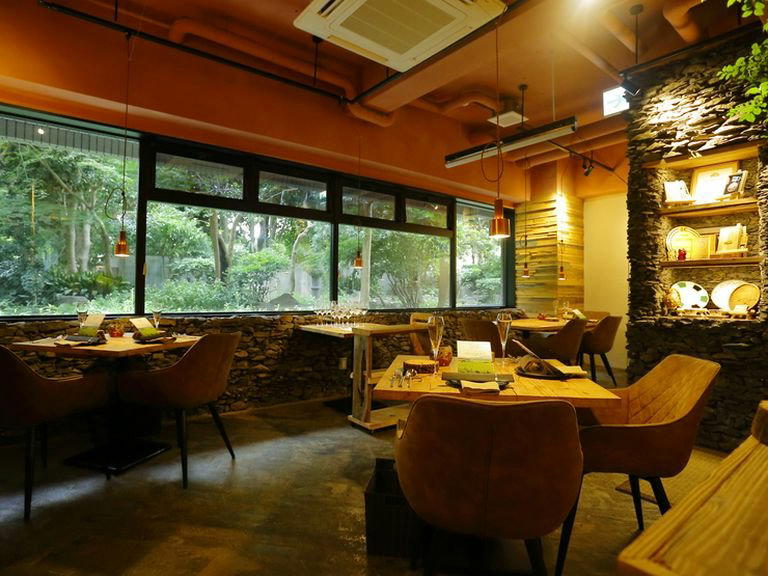
It reads as a house restaurant and a hideout, with stylish, relaxing space and spacious seating. The 14-seat format keeps the room intimate, while the wine focus and sommelier service give it a more serious edge than a typical neighbourhood Italian spot.
What should I budget for a meal at antica locanda MIYAMOTO?
Pricing at antica locanda MIYAMOTO is listed as JPY 15,000 - JPY 19,999.
Where exactly is antica locanda MIYAMOTO?
antica locanda MIYAMOTO is located in Kumamoto.
Can I walk in to antica locanda MIYAMOTO?
Reservations are available, and the 14-seat setup in Kumamoto makes advance booking the safer move. Its selection for Tabelog 100 Italian WEST 2025 also places it in a category where spontaneous tables are less likely to be the norm.
What's the standout thing about antica locanda MIYAMOTO?
Its strongest calling card is the combination of Italian and steak with a wine-led program, backed by sommelier service. The Tabelog 100 Italian WEST 2025 selection is the clearest trust signal, and the price range of JPY 15,000–JPY 19,999 puts it in dinner territory for a considered outing.
Cost and Credentials
Comparable venues by cuisine and price in the same metro.
| Venue | Cuisine | Price | Awards | Notes |
|---|---|---|---|---|
| antica locanda MIYAMOTOThis venue (the venue you are viewing) | Seasonal Italian with Kumamoto Akaushi Beef | $100–150 | Tabelog 100 #16 | Not listed |
| Yakiniku Sudou Kumamoto honten | Not listed | Not listed | Not listed | Kamitori / Torichosuji, Full-attended Japanese Yakiniku with Kyushu Black Wagyu |
| BARON | Premium Kobe Beef Steakhouse | $300–500 | Tabelog Bronze #423 | Shimotori, Chuo-ku, Kyushu Wagyu Steakhouse |
| .know | Creative Japanese Fine Dining | $50–100 | Tabelog 100 #47 | Gionbashi, Creative Japanese Fine Dining |
| Amakusa Daiou Senmon Ten Tosaka | Omakase Yakitori with Amakusa Daio Chicken | $50–100 | Tabelog 100 #84 | Kamitori / Torichosuji, Omakase Yakitori with Amakusa Daio Chicken |
| China Sichuan Togen | Traditional Sichuan Chinese in a hotel restaurant | $30–50 | Tabelog 100 #78 | Chuo Ward, Traditional Sichuan Chinese in a hotel restaurant |
Recognition history
Dated appearances from independent guides and award organizations, with the underlying list record or original source where available.
Tabelog 100 #16 · No. 16
Tabelog · Tabelog 100 - Italian - WEST - 2025
Continue exploring
More in Kumamoto
Restaurants in Kumamoto
All restaurants in Kumamoto →
Bars in Kumamoto
All bars in Kumamoto →

antica locanda MIYAMOTO
The wine
- Wine program
- Deep wine list
- Extensive wine list
- Sommelier-led
Details
- Elegant
- Cozy
- Scenic
- Romantic
- Intimate
- Date Night
- Special Occasion
- Celebration
- Family
- Business Dinner
- Group Dining
- Garden
- Standalone
- Private Dining
- Design Destination
- Extensive Wine List
- Sommelier Led
- Local Sourcing
- Farm To Table
- Garden
- Tasting Menu
- Set Menu
- Wine
- Allergy Accommodating
Current opening hours
- Monday
- Closed
- Tuesday
- 6–9 pm
- Wednesday
- 6–9 pm
- Thursday
- 6–9 pm
- Friday
- 6–9 pm
- Saturday
- 6–9 pm
- Sunday
- 6–9 pm
Hours can change for holidays and private events. Last verified .
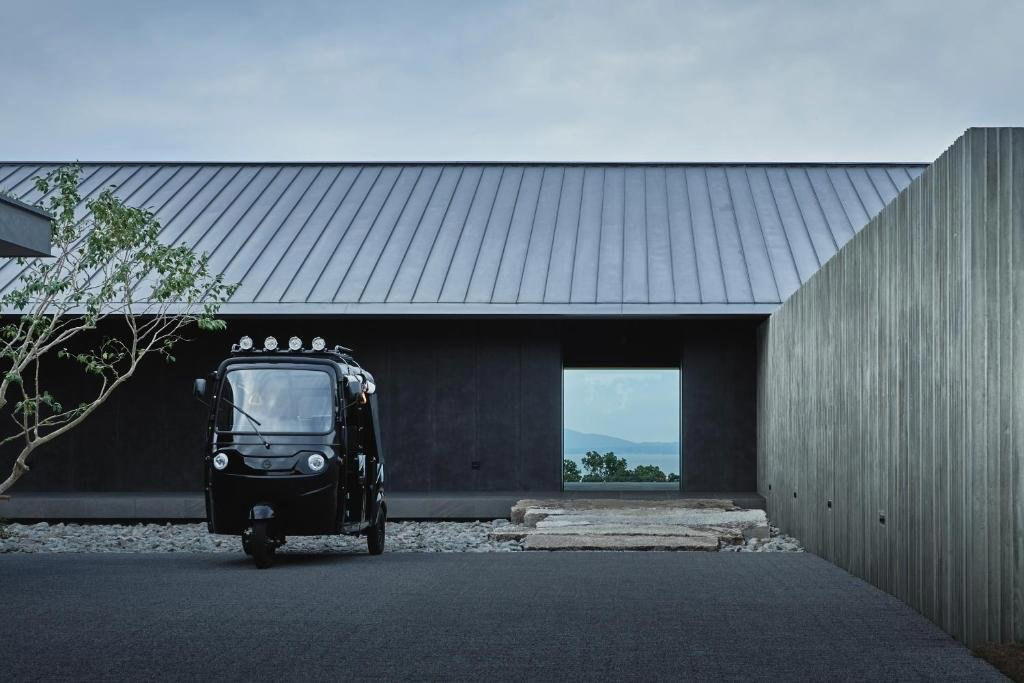
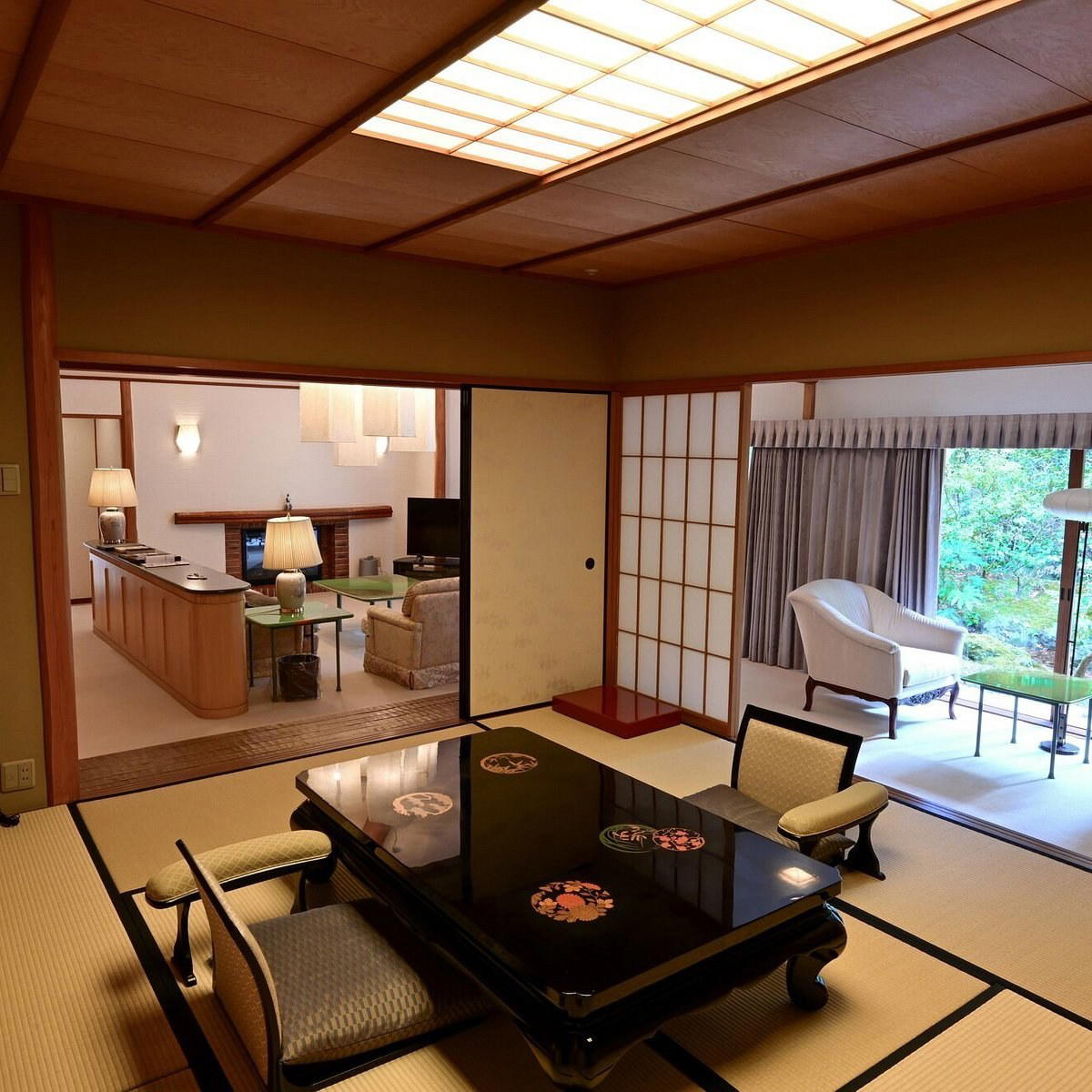
An intimate, non-smoking house-restaurant hidden in a quiet residential area, with soft lighting, spacious and stylish seating, and tranquil views of a green garden from every table that create a relaxed yet refined atmosphere ideal for couples and small groups.