Tabelog 100 #26
Our verdict
セッタン sits in Kobe's Kita Ward, removed from the city's central dining corridor and sustained almost entirely by repeat visitors who return for its consistency rather than its profile. The address alone signals a venue oriented toward regulars over first-timers. For those who make the effort to reach it, the experience reflects the quieter, loyalty-driven end of Kobe's dining culture.

Pearl is the En Primeur Club membership app, where members save venues, book tables and use the concierge.
The Address That Filters the Crowd
Kobe's dining reputation runs largely through its central wards: the European-inflected blocks around Kitano, the beef-specialist restaurants of Motomachi, the sushi counters that compete directly with Osaka's leading. The city's Kita Ward sits at a deliberate remove from all of that. Getting there requires intent, and that filtering effect shapes the clientele of every serious restaurant in the area. セッタン, located in Byobu-965 Hatacho, belongs to this geography in a meaningful sense: it is not a restaurant that draws passing trade or first-time visitors working through a short list. The regulars who sustain it came back before word spread widely, and they continue to come back because the experience holds.
This is a pattern that defines a particular tier of Japanese dining outside the spotlight cities. Restaurants in Kyoto's outer wards, Nara's quieter lanes, and Kobe's mountain-adjacent neighbourhoods often develop a loyal core that resists easy categorisation. They are not hidden in the sense of being undiscovered; they are positioned in a way that rewards familiarity. akordu in Nara occupies a similar structural niche: a destination that functions more naturally as a repeat visit than an inaugural one. セッタン reads comparably.
What Regulars Come Back For
In Japan's loyalty-driven dining culture, repeat business at a neighbourhood-anchored restaurant is not incidental, it is the design. Regulars develop a rapport with the kitchen that a first-time visitor cannot access in a single sitting. They understand which dishes represent the kitchen at its most confident, which seasonal adjustments to anticipate, and what the unwritten rhythm of the room feels like on a quiet Tuesday versus a weekend evening. This is the kind of institutional knowledge that does not appear on a menu or a booking platform, and it is precisely what sustains a restaurant without a prominent digital profile or national award recognition.
Kobe's dining culture has always had room for this model alongside its more publicised names. Aragawa operates at the extreme premium end with global recognition; Ash Restaurant and Ca Sento represent more cosmopolitan, format-driven approaches. セッタン does not compete in those categories. It belongs to a quieter cohort whose authority derives from consistency of execution and the density of knowledge embedded in a stable, returning clientele.
Kita Ward as Dining Context
The Kita Ward context matters beyond logistics. Restaurants here are not surrounded by the pedestrian traffic of Sannomiya or the tourist rhythm of the Kitano Ijinkan district. The pace is different: slower, more residential, oriented toward the people who actually live in the foothills north of central Kobe. This shapes what a restaurant can be. The pressure to perform for unfamiliar audiences is lower; the pressure to retain the people who already know you is higher. The result tends to be cooking that is calibrated for repetition rather than spectacle, for the person returning on their eighth visit rather than their first.
That orientation connects セッタン to a broader tradition in Japanese provincial dining that rarely gets discussed in international coverage, which tends to focus on Michelin-starred counters in Tokyo and Osaka. Venues like Gion Sasaki in Kyoto and HAJIME in Osaka attract international attention through formal recognition structures. The restaurants that sustain neighbourhood loyalty outside those structures operate on different terms, terms that are arguably harder to maintain over time because they depend on relationship rather than reputation.
Booking and Approach
This is not unusual for neighbourhood establishments in Japan's outer wards; it is, however, a meaningful signal about how access works. A first visit typically requires a warm introduction through someone already known to the kitchen, or a willingness to visit in person to make an enquiry. That friction is itself part of the value proposition for the regulars who have already cleared it.
For those planning a Kobe itinerary with flexibility, the Kita Ward is most easily reached by the Kobe Electric Railway from Shin-Kobe Station, which itself connects directly to Shin-Osaka by Shinkansen. The area is accessible without a car, though travel times from central Kobe are longer than for restaurant addresses in Chuo or Nada wards. Building a visit around an afternoon departure from the city centre and an evening return works more naturally than attempting to slot it between two central-Kobe reservations. Those building a wider Kobe dining programme should consult our full Kobe restaurants guide for context on how the city's different ward-level dining zones compare.
Where セッタン Sits in the Regional Picture
Kobe's position in the Kansai dining corridor, between Osaka's density and Kyoto's refinement, means it has always competed for attention against its larger neighbours. The restaurants that have built durable identities in Kobe tend to occupy clear positions: the Kobe beef specialists like Fushin, the format-driven contemporary venues, and the neighbourhood loyalists that exist largely below the radar of national rankings. セッタン belongs to the last group.
At the regional level, that group includes establishments across Japan's secondary cities and mountain-adjacent wards: Goh in Fukuoka operates at a higher profile tier in Fukuoka's competitive environment, but the underlying dynamic of a restaurant sustained by a close-knit local audience appears in many forms across the country. Venues like 一本木 佐川製 in Nanao, 夕朝山乃 in Sapporo, and 庄羽屋 in Nishikawa Machi each represent a version of this geography-driven loyalty model in their own regional context.
For a reader whose frame of reference is the more internationally visible end of the Japanese dining spectrum, counters like Harutaka in Tokyo, or the precision-driven formats of Atomix in New York City and Le Bernardin in New York City, セッタン represents a shift in register rather than a step down. The frame of evaluation is different. This is not a restaurant to visit for a landmark first experience; it is a restaurant to return to, and the value of that distinction becomes clear only once you understand what the regulars already know.
Frequently asked questions
Is セッタン suitable for children?
セッタン is located in Kobe's Kita Ward, a residential area removed from the tourist-facing districts of Sannomiya and Kitano. Restaurants in this kind of neighbourhood context typically attract a local, adult-leaning clientele rather than families dining out casually. Check the venue's official channels for the latest details.
What should I expect atmosphere-wise at セッタン?
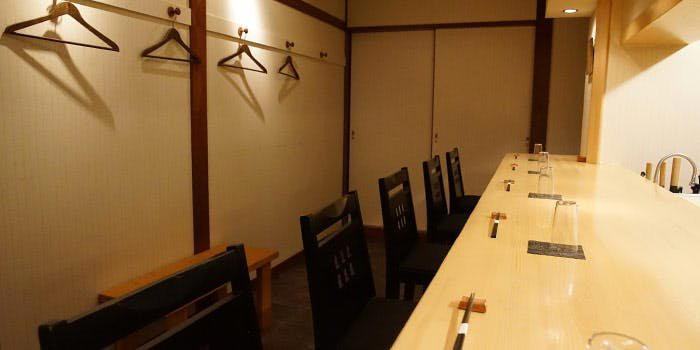
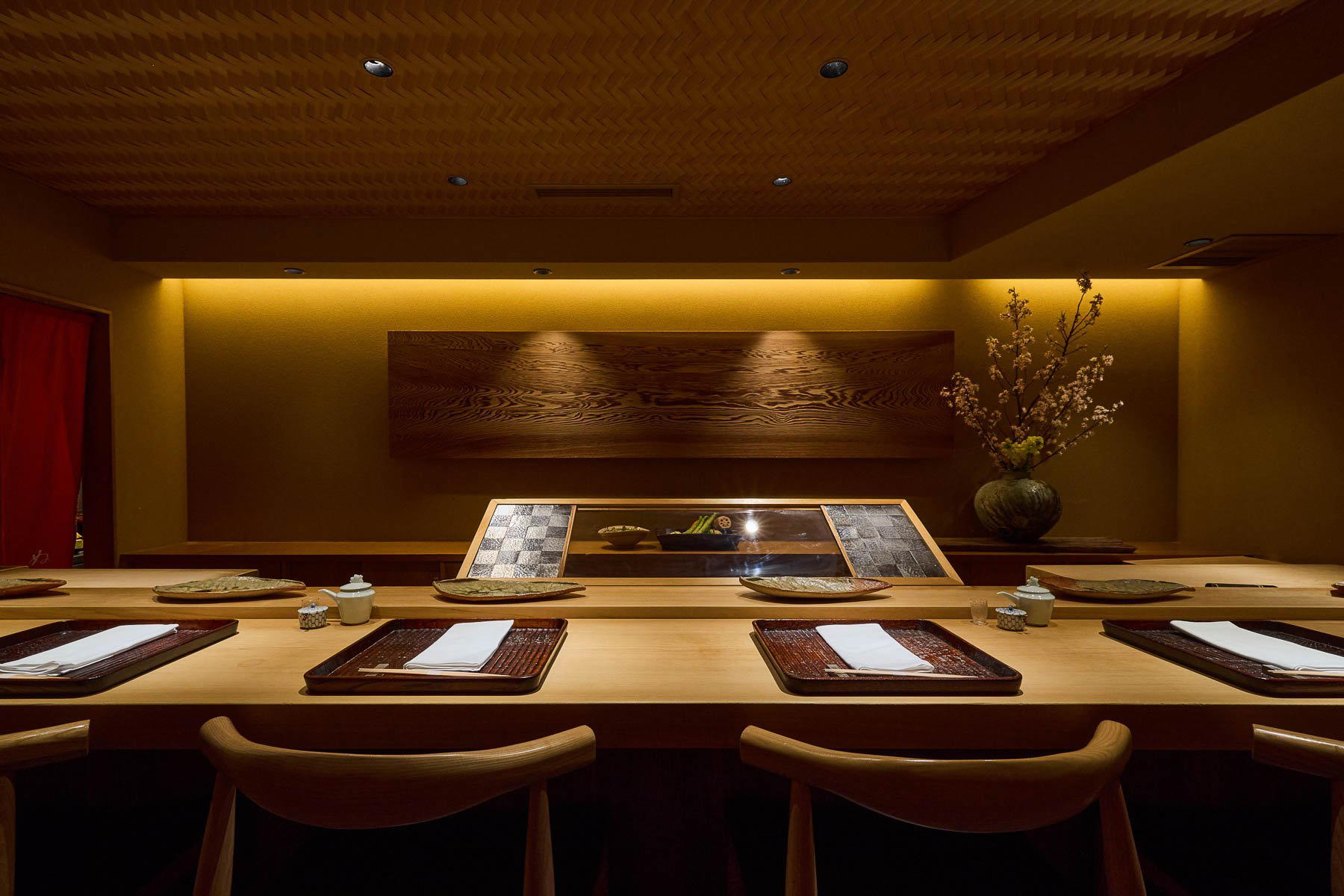
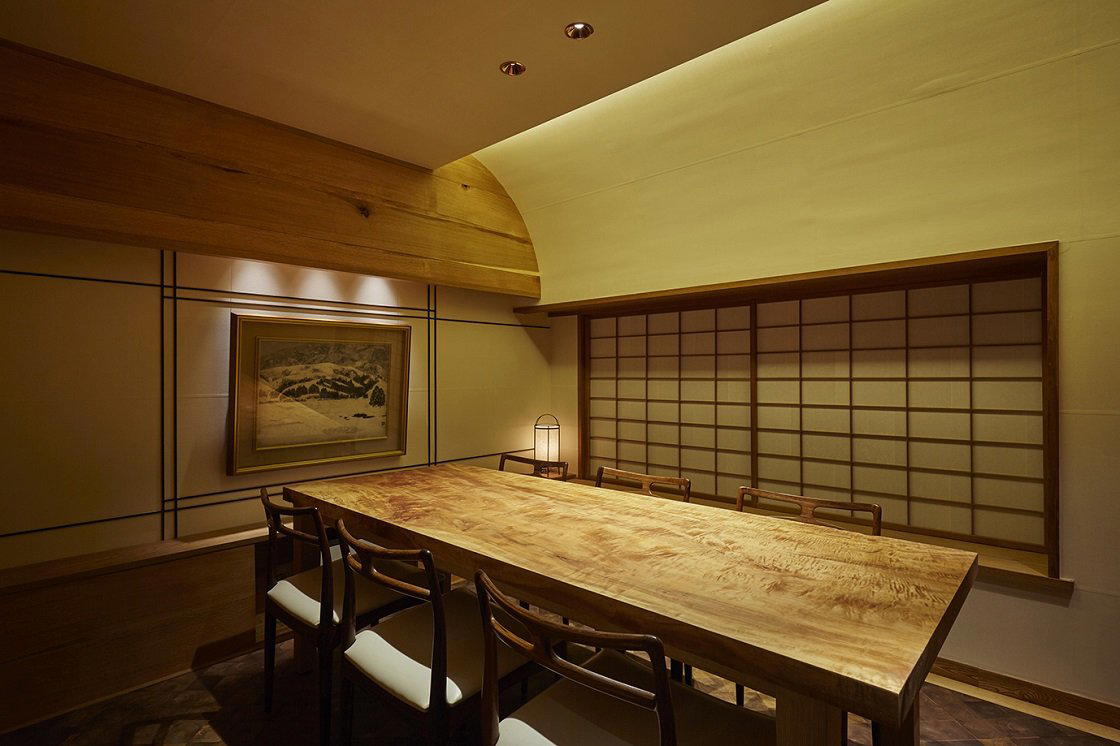
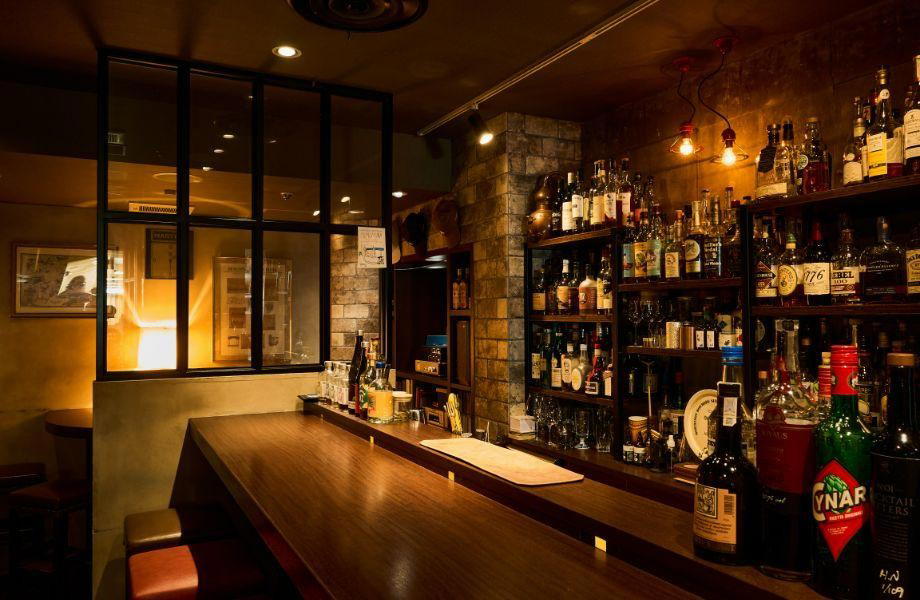
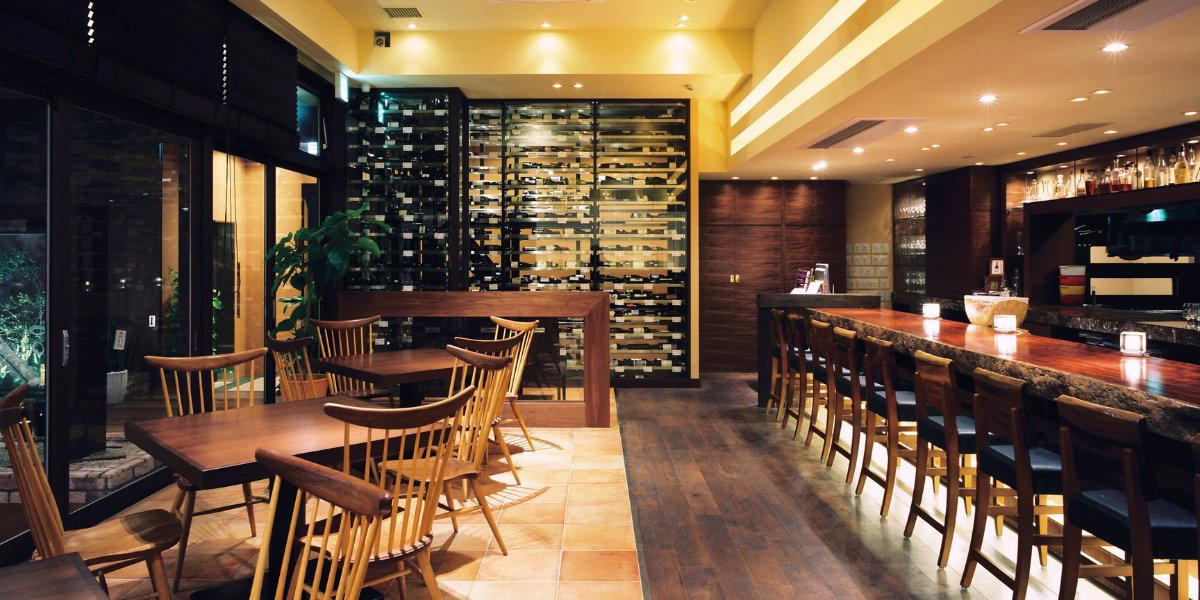
Kita Ward sits well outside the commercial rhythm of central Kobe, and restaurants anchored there tend to project a quieter, more local register than anything along the Motomachi or Kitano corridors. The Byobu-965 Hatacho address places セッタン in a residential pocket where the room is almost certainly shaped by regulars rather than passing trade. Expect an environment calibrated around repeat visitors, not first impressions for tourists.
Is セッタン worth travelling to from central Kobe or Osaka for a single meal?
That absence is itself the profile: this is a restaurant that functions within a closed circuit of local regulars at the Byobu-965 Hatacho address, not a destination that courts outside visitors. The calculus changes significantly if you arrive with an introduction from someone already inside that circle.
What do people recommend at セッタン?
No menu details or signature dishes are documented in the public record for セッタン. In Japan's neighbourhood restaurant culture, the most consistently ordered dishes are often unwritten daily specials communicated verbally to returning guests. The Kobe address and loyalty-driven model suggest the kitchen's strengths are known to regulars but not broadcast publicly.
How do I find セッタン?
セッタン is located at Byobu-965 Hatacho, Kita Ward, Kobe, Hyogo 651-1344, Japan, Kobe.
How hard is it to get a table at セッタン?
In Kobe's residential dining culture, this typically means availability is managed informally among an established guest list. First-time visitors without a local contact face a genuinely high barrier to entry.
Price Lens
Comparable venues nearby, for context on price, style, and recognition.
| Venue | Cuisine | Price | Awards | Notes |
|---|---|---|---|---|
| セッタンThis venue (the venue you are viewing) | French Auberge with Local Japanese Ingredients | $50–100 | Tabelog 100 #26 | Not listed |
| Comme Chinois | French-style bakery & patisserie café | $10–20 | Tabelog 100 #14 | Chūō, French-style bakery & patisserie café |
| Yuzaburo | Japanese Yakiniku & Wagyu Steak | $150–200 | Tabelog 100 #20 | Chūō, Japanese Yakiniku & Wagyu Steak |
| ESPICE | Modern Japanese-influenced French (Seafood-focused) | $150–200 | Tabelog 100 #51 | Chūō, Modern Japanese-influenced French (Seafood-focused) |
| Kobe Chuka Uebayashi | Traditional Chinese & Dim Sum Counter | $50–100 | Tabelog 100 #15 | Chūō, Traditional Chinese & Dim Sum Counter |
| Fusible | Creative French | $100–150 | Tabelog 100 #1 | Chūō, Creative French |
Recognition history
Dated appearances from independent guides and award organizations, with the underlying list record or original source where available.
Tabelog 100 #26 · No. 26
Tabelog · Tabelog 100 - French - WEST - 2025