Located in Ebisu-Nishi, Shibuya, ル・コック occupies a corner of Tokyo's quietly serious French-bistro circuit, a neighbourhood tier that sits below the Michelin-decorated tasting-menu rooms but draws a loyal, repeat crowd on its own terms. The address places it within walking distance of Ebisu's restaurant corridor, where mid-format Western cooking has held ground for decades alongside the city's larger fine-dining conversation.
Pearl is the En Primeur Club membership app — saves, bookings, and concierge access live there. Same editors, same standards.
- Address
- Japan, 〒150-0021 Tokyo, Shibuya, Ebisunishi, 2 Chome−7−2 ウィンズビル 1F
- Phone
- +81337701915
- Website
- lecoq.co.jp
 Saves & bookings on Pearl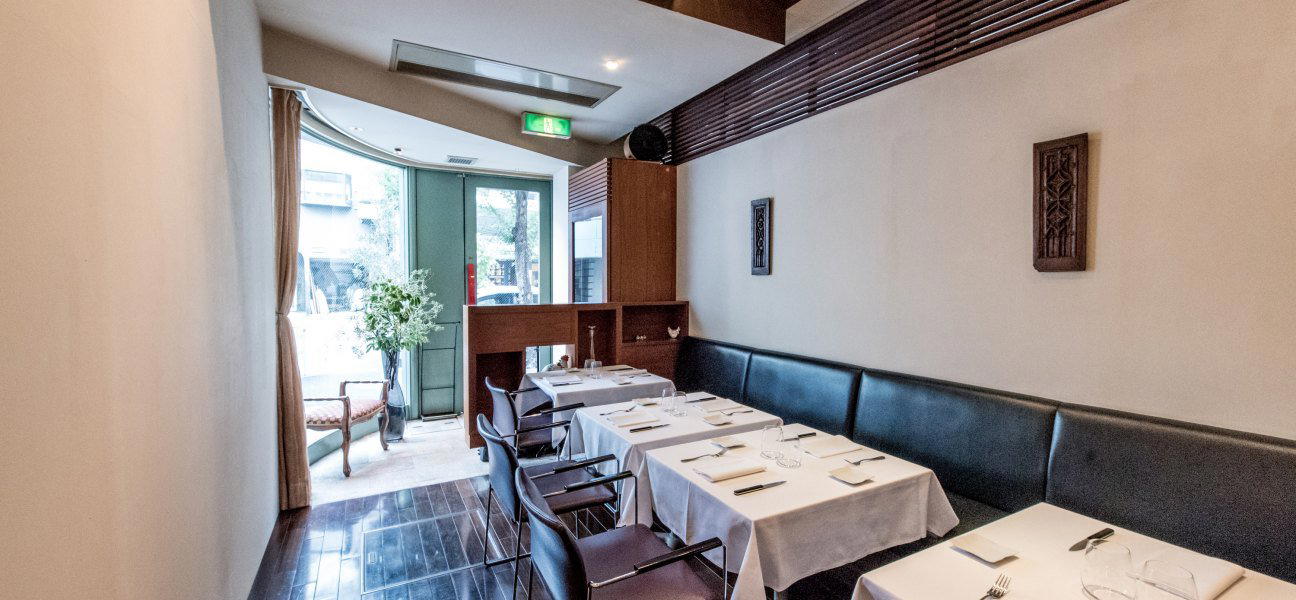
Planning Around Ebisu's French Bistro Tier
Tokyo's Western-cooking scene has always operated on multiple registers simultaneously. At one end sit the heavily decorated tasting-menu rooms: L'Effervescence in Nishi-Azabu, Sézanne in Nihonbashi, and Crony in Minami-Aoyama, each commanding booking windows of one to three months and price points that push well into ¥¥¥¥ territory. At the other end, the city maintains a quieter, less-publicised tier of French-leaning bistros that have survived Tokyo's restaurant churn by building neighbourhood loyalty rather than award cycles. ル・コック, a French Bistro in Ebisu-Nishi, Tokyo, is located on the ground floor of Winds Building in Ebisu-Nishi 2-chome.
Ebisu and its western edges have long functioned as a residential-commercial buffer between the density of Shibuya and the gallery-and-boutique character of Daikanyama. The dining scene in this pocket reflects that in-between quality: less theatrical than Roppongi's expense-account rooms, less self-consciously trendy than Nakameguro's canal strip. Restaurants here tend to sustain themselves through repeat custom from the surrounding apartments and offices rather than destination traffic. That pattern shapes what ル・コック is and, importantly, what it asks of a visitor in terms of planning.
What the Address Tells You Before You Arrive
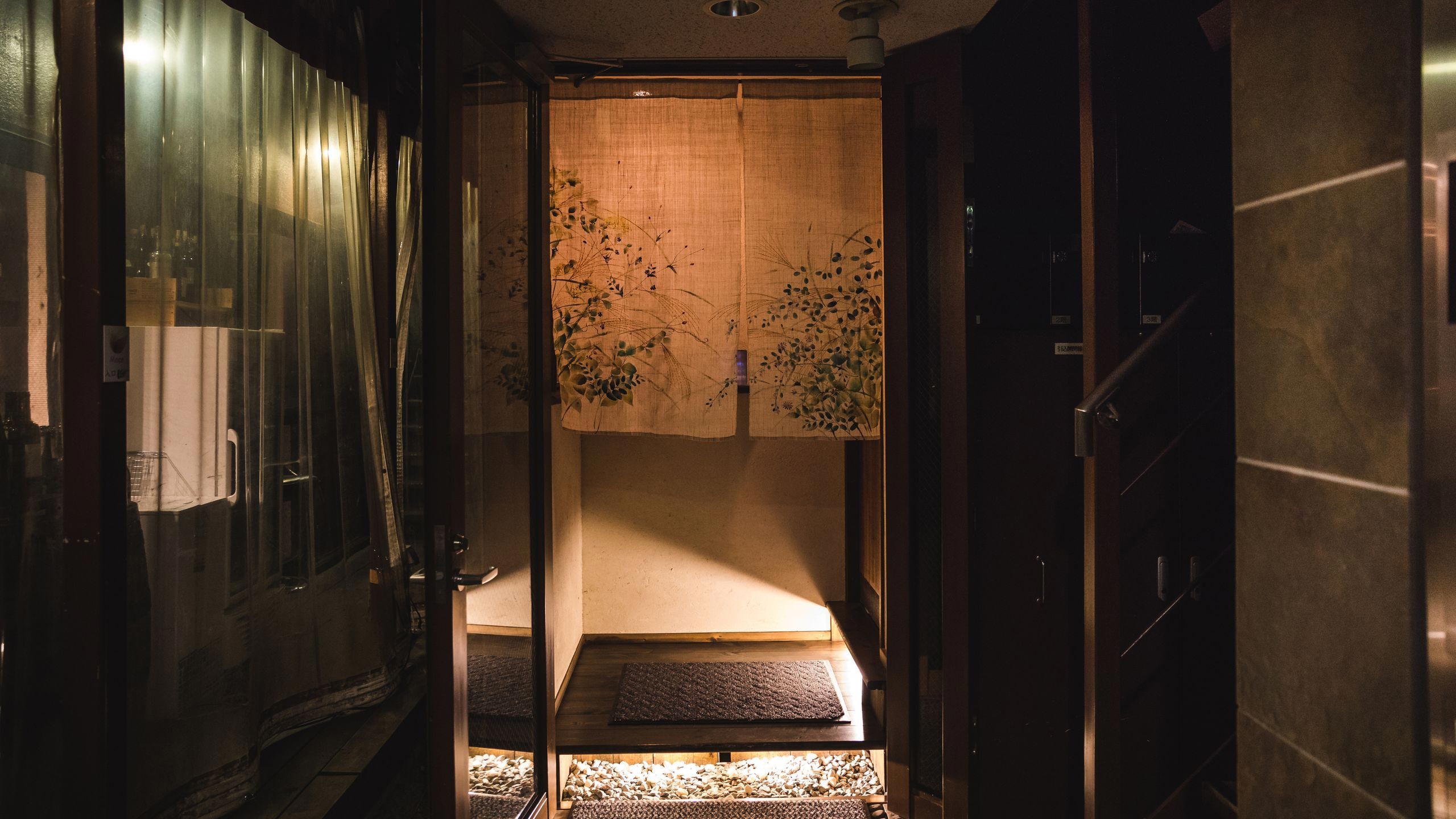
The Ebisu-Nishi 2-chome address is a practical signal. Winds Building is a small-scale commercial property, the kind of low-rise block that houses neighbourhood-scale operations rather than high-profile flagship concepts. Ground-floor restaurant spaces in these buildings across Shibuya and Meguro-ku typically run to modest seat counts, which in Tokyo almost always correlates with a more intimate, less orchestrated service dynamic than the larger tasting-format rooms. Across Japan, this format, whether in Tokyo, Osaka, or Kyoto, tends to reward guests who approach with flexibility rather than rigid expectations about timing and format.
From Ebisu Station, the 2-chome address puts the restaurant within a short walk via the west exit, though the exact routing through this part of Shibuya rewards checking a map before you go rather than relying on signage. The area's streets follow an irregular grid common to this part of the city, and building numbers in Ebisu-Nishi do not follow a strictly linear sequence. Arriving with the address saved and a few minutes of buffer is the standard approach for first-time visitors.
Booking Logic in Tokyo's Mid-Tier French Scene
The booking experience at venues in this tier differs substantially from what visitors encounter at Harutaka or RyuGin, where online reservation platforms and precise release windows govern access. Tokyo's smaller bistro-format restaurants, particularly those without English-language websites or third-party listing integrations, frequently operate on phone reservation systems or walk-in policies that function less formally than the appointment-style booking culture at Michelin-decorated counters. The practical approach is to contact the restaurant directly by phone or to arrive during off-peak hours and assess availability in person.
This is not unusual for the city's neighbourhood-scale Western restaurants. Some of Tokyo's most consistent French bistros have operated for decades, relying instead on a local regular base that fills the room organically. The experience of securing a table at places like this, across Tokyo as much as in regional cities like Fukuoka or Nara, often requires more groundwork from international visitors than the city's more internationally visible fine-dining rooms. Planning that groundwork in advance is what separates a successful visit from a missed one.
The Scene ル・コック Sits In
French cooking in Tokyo has been present long enough to have developed its own internal hierarchy. The top tier is well-documented and internationally referenced. Below it, a cohort of bistro-format and brasserie-adjacent rooms has persisted across neighbourhoods like Ebisu, Yotsuya, and Jiyugaoka, often run by chefs trained in France or under French-trained predecessors in Japan, serving à la carte or short-set menus at price points that make them accessible without a special-occasion budget. This tier is where habits form: the chef gets to know regulars, the menu shifts with the market and season, and the room develops a character that no amount of PR generates artificially.
Internationally, the closest analogy might be the French neighbourhood bistro tradition itself, the kind of room that has shaped how cities like New York have built their own French-adjacent dining cultures, as seen at celebrated counter formats like Le Bernardin or more experimental Korean-inflected tasting rooms like Atomix. Both represent the formalised, award-recognised end of their respective traditions. ル・コック represents something different: the part of the food city that runs on local consensus rather than international recognition.
Across Japan, similar dynamics play out in smaller cities and rural towns where Western cooking has taken quiet root: venues like Bistro Ange in Toyohashi or Birdland in Sakai occupy analogous positions in their respective local hierarchies, and the Ebisu-Nishi context maps well to that broader pattern of neighbourhood-scale Western restaurants finding durable audiences outside the award circuit.
What to Know Before You Go
Reservations: Recommended. Contact the restaurant directly by phone. Getting there: Ebisu Station (JR Yamanote Line or Tokyo Metro Hibiya Line), west exit, with the Ebisu-Nishi 2-chome address confirming a short walk; save the full Japanese address to your phone before departing. Language: Japanese is likely one practical option. Nanao, Sapporo, Takashima, and Nishikawa Machi to understand how the neighbourhood-French format adapts across Japanese cities of different scales.
Recognition Snapshot
Comparable venues nearby, for context on price, style, and recognition.
| Venue | Cuisine | Price | Notes |
|---|---|---|---|
| ル・コックThis venue — the venue you are viewing | French Bistro | $$ | Not listed |
| L'Occitane Cafe Shibuya Tokyo | French-Provençal cafe | $$ | Shibuya |
| French Gashi Patissier Chocolatier Inamura Shozo | French patisserie & chocolatier | $$ | Taitō |
| Patisserie SOURIRE | French Patisserie | $$ | Meguro |
| patisserie de bon coeur Musashikoyama honten | French Patisserie | $$ | Shinagawa |
| ル ボーズ | French-Japanese Fusion | Not listed | Chūō |










At a Glance
- Intimate
- Elegant
- Date Night
- Special Occasion
- Sake Program
Current opening hours
- Monday
- 5:30–10:30 PM
- Tuesday
- 5:30–10:30 PM
- Wednesday
- 5:30–10:30 PM
- Thursday
- 5:30–10:30 PM
- Friday
- 5:30–10:30 PM
- Saturday
- 5:30–10:30 PM
- Sunday
- 5:30–10:30 PM
Hours can change for holidays and private events. Last verified .
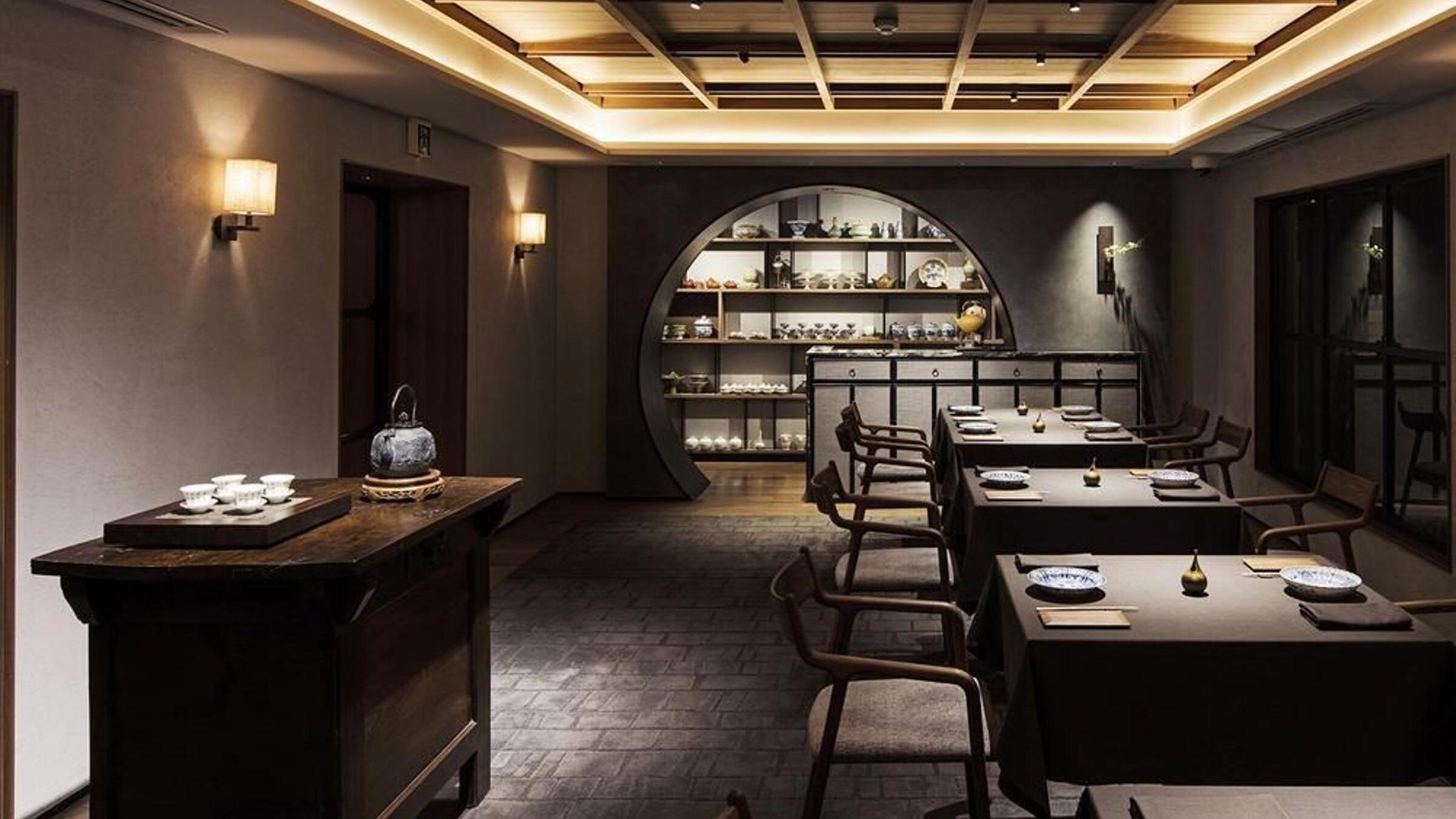
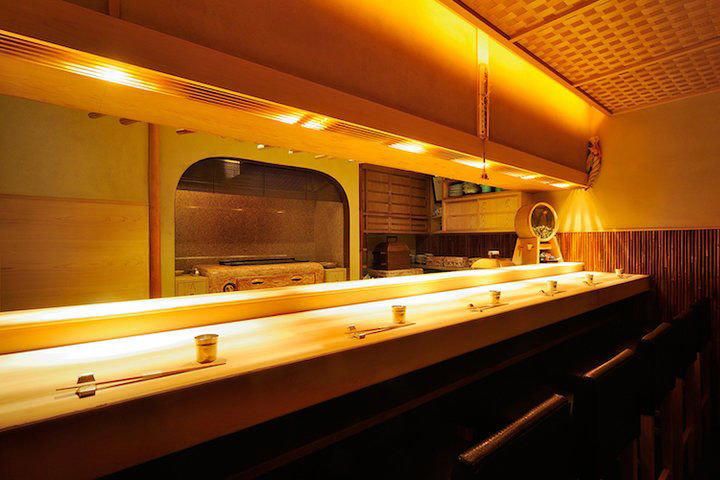
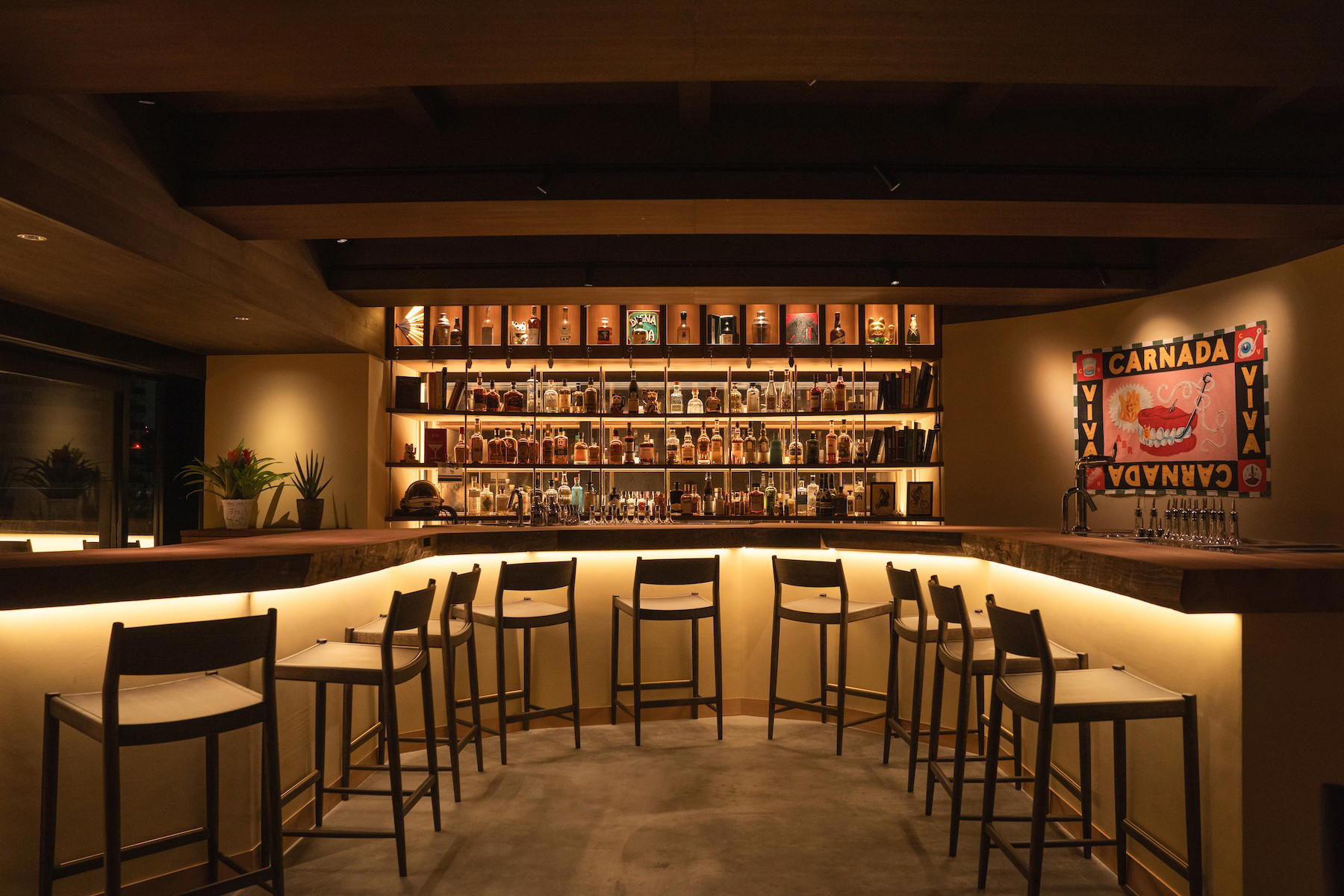
Serene interior with counter seating creating an intimate and elegant atmosphere.