Our verdict
Located on the third floor of a Ginza building in Chuo City, ル ボーズ occupies a quiet position within one of Tokyo's most demanding dining districts. The address places it among French and Japanese fine-dining rooms that collectively define the area's premium restaurant tier. For those plotting a serious evening in central Tokyo, it merits consideration alongside the neighbourhood's more documented names.

Pearl is the En Primeur Club membership app, where members save venues, book tables and use the concierge.

Ginza's Third Floor and What It Means
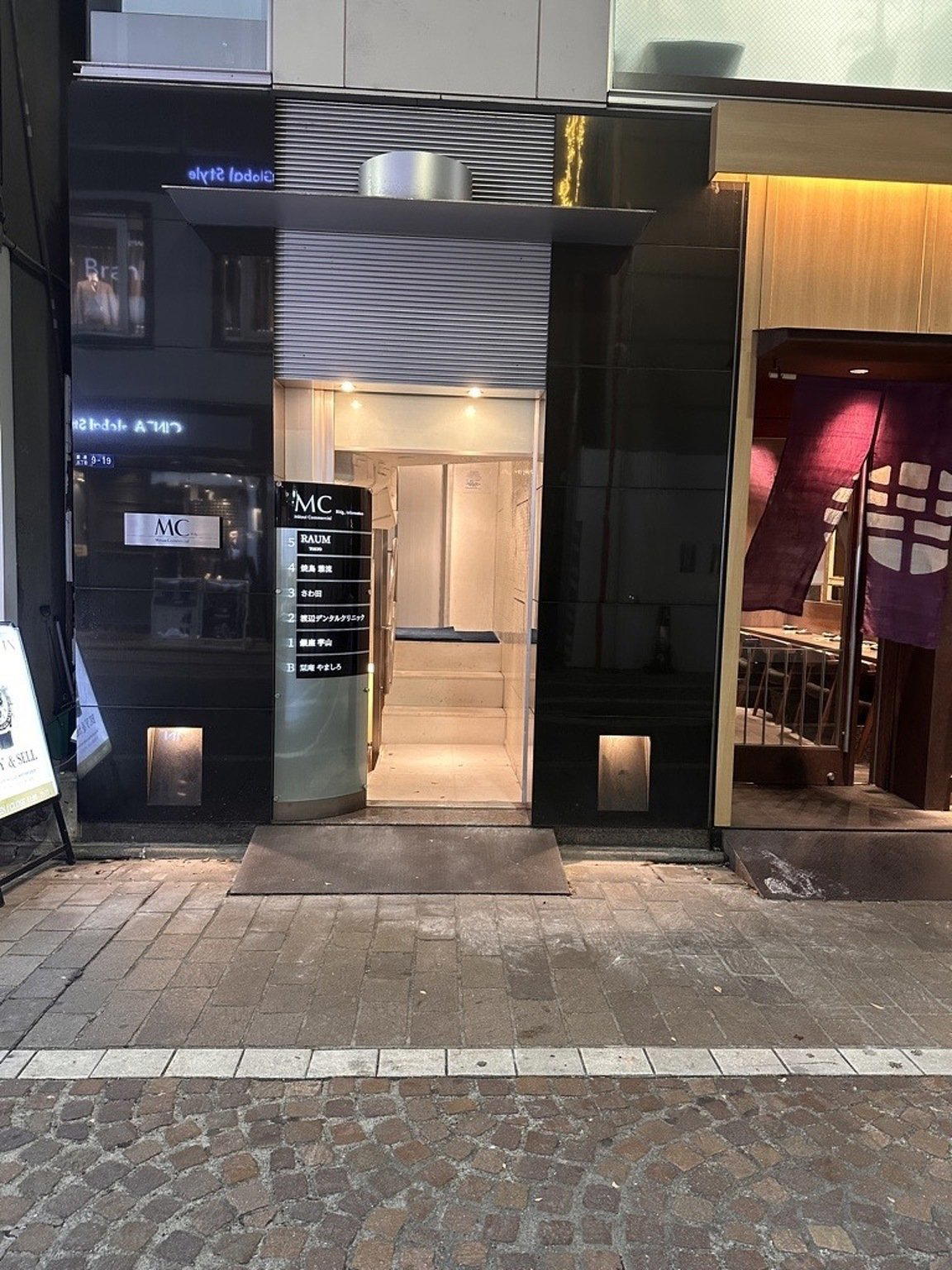
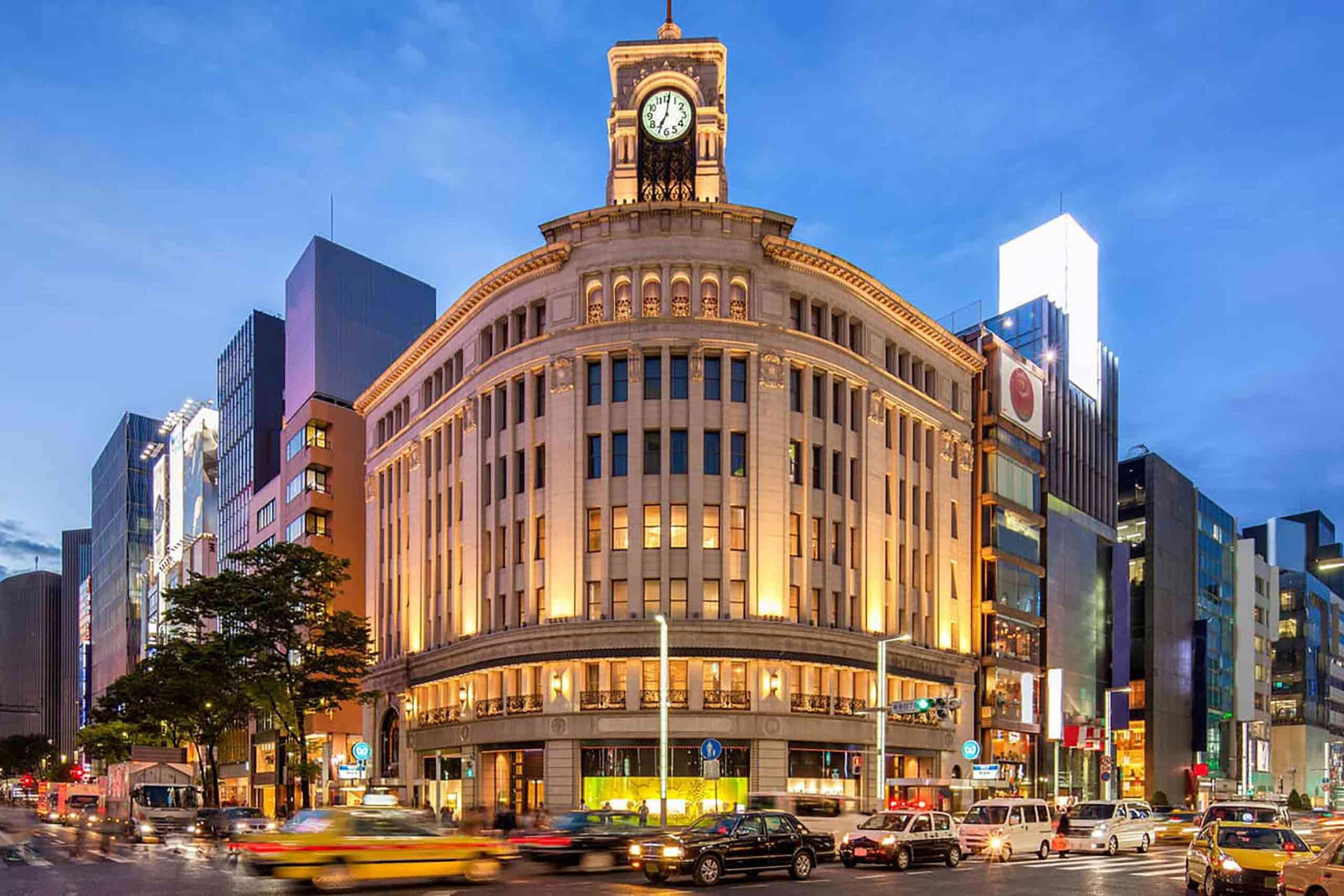
In Ginza, the vertical address matters. Street-level restaurants attract foot traffic and tourists; upper-floor rooms, reached by elevator or a narrow staircase, operate on a different logic. They assume the guest already knows to come. ル ボーズ, positioned on the third floor of the Ginza AZA Building at 4 Chome-10-1, fits that pattern: a location that rewards prior knowledge over casual discovery. The 4-chome block sits in the commercial heart of the district, a few minutes from the main Ginza crossing, which means the surrounding competition is among the most concentrated in Japan. Harutaka (Sushi), Sézanne (French), and RyuGin (Kaiseki) all operate within the same dense grid, which tells you something about the standard a restaurant in this postcode has to meet simply to persist.
Reading the Menu as a Map
Fine-dining menus in Tokyo's premium districts have evolved into something closer to position statements than lists of dishes. How a kitchen sequences its courses, how it weights Japanese produce against Western technique, and whether it signals Escoffier classicism or post-nouvelle restraint all communicate the restaurant's competitive identity before a single plate arrives. This is the lens through which ル ボーズ is most usefully read.
The name itself, French in phonetics, rendered in Japanese katakana, suggests an operation that sits inside Tokyo's French or French-adjacent fine dining tier rather than the kaiseki or sushi categories. That tier in Ginza has several distinct registers. At one end, restaurants like L'Effervescence (French) and Sézanne have built internationally recognised profiles, with Michelin recognition and placement on major award lists. At another register sit rooms that operate with equal seriousness but whose audience is predominantly local, built through consistency over years rather than through critical campaigns. ル ボーズ's third-floor Ginza address and the absence of a broad international digital footprint place it more naturally in the latter category.
Among Tokyo's French-influenced restaurants, the menu architecture question is usually this: does the kitchen treat Japanese seasonality as the structural spine, choosing French technique as a means of expression, or does it import French seasonal logic and substitute Japanese ingredients where they improve upon European equivalents? The first approach tends to produce menus with a clearer identity; the second can feel more variable. Restaurants like Crony (Innovative, French) have staked out the innovative end of this spectrum. Where ル ボーズ positions itself on that continuum is a question the venue's own documentation would need to answer directly.
The Neighbourhood's Competitive Pressure
Chuo City's Ginza district exerts unusual pressure on its restaurants. Rent is among the highest in Japan, and the clientele that dines regularly in the area arrives with reference points formed by decades of access to some of Asia's most technically accomplished kitchens. In that environment, mid-tier execution is exposed quickly, and restaurants that survive multiple years at a Ginza address have typically earned their position through genuine kitchen consistency rather than location advantage alone.
The comparison set is demanding. Beyond the Tokyo addresses already mentioned, Japan's broader fine-dining circuit provides the standard against which serious rooms are eventually measured: HAJIME in Osaka, Gion Sasaki in Kyoto, and Goh in Fukuoka all represent the level at which regional Japanese fine dining operates when it is working at full capacity. The capital's French rooms, meanwhile, compete on the same international frequency as Le Bernardin in New York City for the attention of travelling guests with direct comparative experience. A room in Ginza that holds its position against that backdrop is doing something right, even if the evidence trail is thin.
For a broader map of where ル ボーズ sits among Tokyo's documented options, our full Tokyo restaurants guide covers the range of categories and price tiers across the city's main dining districts. Japan's regional circuit is also worth tracking: akordu in Nara, 一本木 佳川製 in Nanao, 夕仙屋乃 in Sapporo, 湖畔荘庵 in Takashima, 庄羽屋 in Nishikawa Machi, Birdland in Sakai, and Bistro Ange in Toyohashi collectively illustrate the diversity of serious dining across the archipelago. At the international level, Atomix in New York City demonstrates how Japanese culinary thinking translates to entirely different urban contexts.
What to Expect When You Arrive
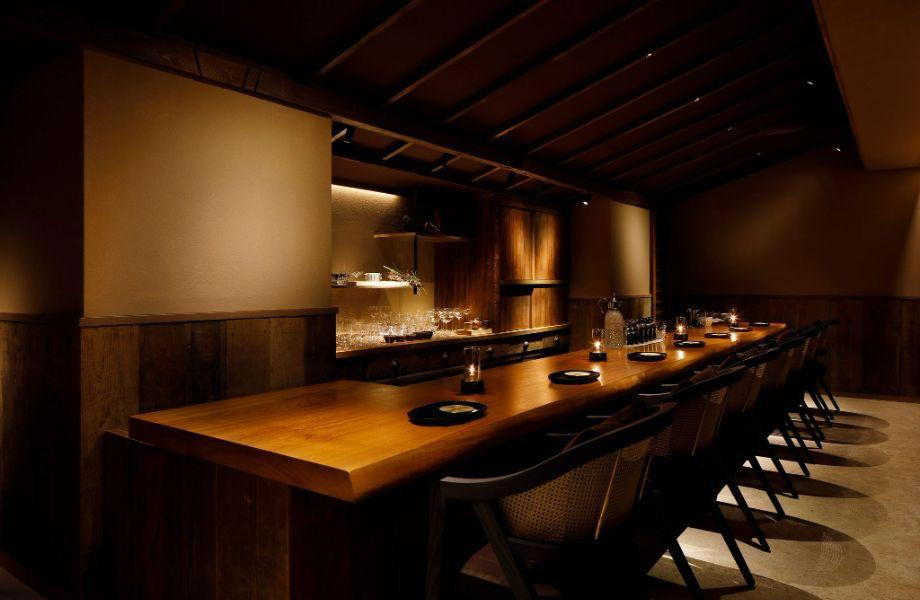
The third-floor setting in a Ginza commercial building suggests a room designed for purpose rather than spectacle. Upper-floor fine-dining rooms in this district typically prioritise quiet over visibility, which suits long tasting menus better than open-plan ground-floor spaces that favour shorter-stay dining. The practical implication for guests is that the atmosphere will likely read as composed and deliberate: not a lively room built for social display, but a setting calibrated for attention to the food and the service sequence.
Ginza fine dining at this level generally operates on a reservation-first basis. Walk-in availability is structurally unlikely given the format, and the absence of publicly listed hours or booking platforms in the venue's digital record suggests that contact or booking requires direct approach or knowledge from someone who has already been. That is a recurring characteristic of this tier of Ginza dining: the friction of access is itself a signal of the room's operational model.
Planning Your Visit
Reservations: No public booking platform is listed; direct contact or a local concierge is the practical route. Location: Ginza AZA Building, 3F, 4 Chome-10-1, Ginza, Chuo City, Tokyo, central Ginza, accessible from Ginza Station on the Tokyo Metro. Dress: Smart attire consistent with the Ginza dining standard is appropriate given the address and format. Budget: Price-tier data is not published; comparable upper-floor French fine-dining rooms in Ginza typically operate in the ¥¥¥-¥¥¥¥ range for multi-course formats. Timing: Ginza's quieter lunch service, where available at this level, often represents better value than dinner; confirm format and service times directly before booking.
Frequently asked questions
Is ル ボーズ better for a quiet night or a lively one?
The third-floor Ginza address and the format implied by the restaurant's position within the district point firmly toward a composed, quiet dining environment. Ginza's upper-floor fine-dining rooms are structured around sustained attention to food and service rather than ambient social energy. If you are looking for a lively room, the street-level options in the same district serve that function more naturally. ル ボーズ is better matched to a long, considered evening than a celebratory table that wants volume and movement.
What do regulars order at ル ボーズ?
At French-adjacent fine-dining rooms operating at this level in Ginza, the kitchen typically sets the direction through a fixed tasting format rather than leaving the choice to the guest. Regulars at rooms of this type tend to arrive oriented toward the full menu sequence, trusting the kitchen's seasonal judgment rather than selecting from a carte. Confirming the current menu format directly is the right approach before visiting.
Can I walk in to ル ボーズ?
Third-floor fine-dining rooms in Ginza almost uniformly operate on a reservation basis, and the absence of published walk-in hours in the venue's documentation reinforces that. Arriving without a booking at this tier in Ginza, particularly during dinner service, is unlikely to produce a seat. The practical path is to secure a reservation in advance, either directly or through a hotel concierge with local knowledge.
What's the defining dish or idea at ル ボーズ?
Specific menu documentation is not available. What can be read from the venue's positioning is that a French-named restaurant sustaining an address in 4-chome Ginza operates within a tradition that prizes technical precision and seasonal coherence. The defining idea at rooms of this type is usually expressed through the logic of the menu sequence, how courses build, how Japanese produce is integrated, and where the kitchen chooses to show restraint versus intensity. That architecture, rather than any single dish, tends to be what stays with guests.
How does ル ボーズ compare to other French-influenced restaurants in the same Ginza block?
The 4-chome Ginza corridor contains some of Tokyo's most scrutinised French and French-adjacent rooms, including addresses that carry Michelin recognition and placement on international award lists. ル ボーズ operates in the same postcode without the same volume of critical documentation, which places it in the locally-oriented rather than internationally-profiled segment of the market, a distinction that often reflects operational focus rather than quality differential. Guests comparing it directly to rooms like L'Effervescence or Crony should factor in that those venues carry verifiable award trails, while ル ボーズ's merits are better assessed through direct experience or local referral.
Category Peers
Comparable venues nearby, for context on price, style, and recognition.
| Venue | Cuisine | Price | Awards | Notes |
|---|---|---|---|---|
| ル ボーズThis venue (the venue you are viewing) | French-Japanese Fusion | Not listed | Not listed | Not listed |
| POINT ET LIGNE | French-style bakery café & bar | $20–30 | Tabelog 100 #32 | Chiyoda |
| MAISON LANDEMAINE Azabudai | French Bakery-Cafe | $10–20 | Tabelog 100 #5 | Minato |
| PATISSERIE ASAKO IWAYANAGI | Modern seasonal French-Japanese patisserie and parfait salon | $20–30 | Tabelog 100 #93 | Setagaya |
| Pâtisserie Très Calme | French-style pâtisserie and cake shop | Not listed | Tabelog 100 #26 | Bunkyō |
| patisserie de bon coeur Musashikoyama honten | French Patisserie | $10–20 | Tabelog 100 #31 | Shinagawa |
Continue exploring
More in Tokyo
Restaurants in Tokyo
All restaurants in Tokyo →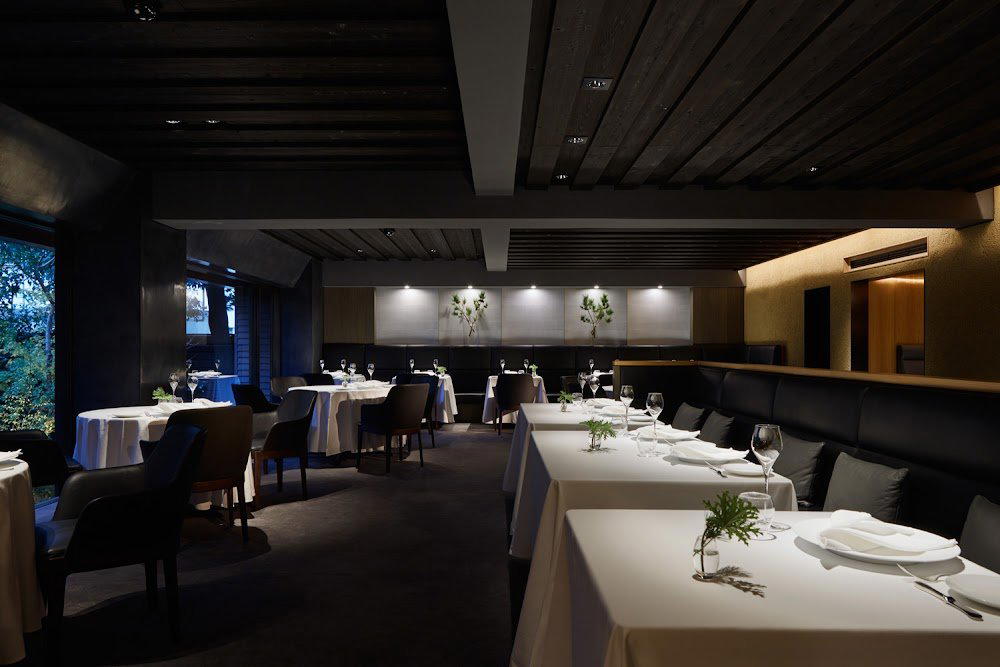

Bars in Tokyo
All bars in Tokyo →


Details
- Family
- Open Kitchen
- A La Carte
- Vegetarian Friendly
Current opening hours
- Monday
- 6–11 PM
- Tuesday
- 6–11 PM
- Wednesday
- 6–11 PM
- Thursday
- 6–11 PM
- Friday
- 6–11 PM
- Saturday
- 6–11 PM
- Sunday
- Closed
Hours can change for holidays and private events. Hours as of .
welcoming for family cooking workshops with professional chef instruction