Located at 6-2 Imajinmachi in central Takamatsu, 両忘 sits within a city that has quietly become one of Shikoku's most compelling dining destinations. The name itself — roughly translated as 'forgetting both' — signals an approach rooted in stillness rather than spectacle. For visitors making their way through Kagawa Prefecture, it represents the kind of address that rewards careful planning over impulse.
 Discover on Pearl
Pearl is the En Primeur Club membership app — saves, bookings, and concierge access live there. Same editors, same standards.
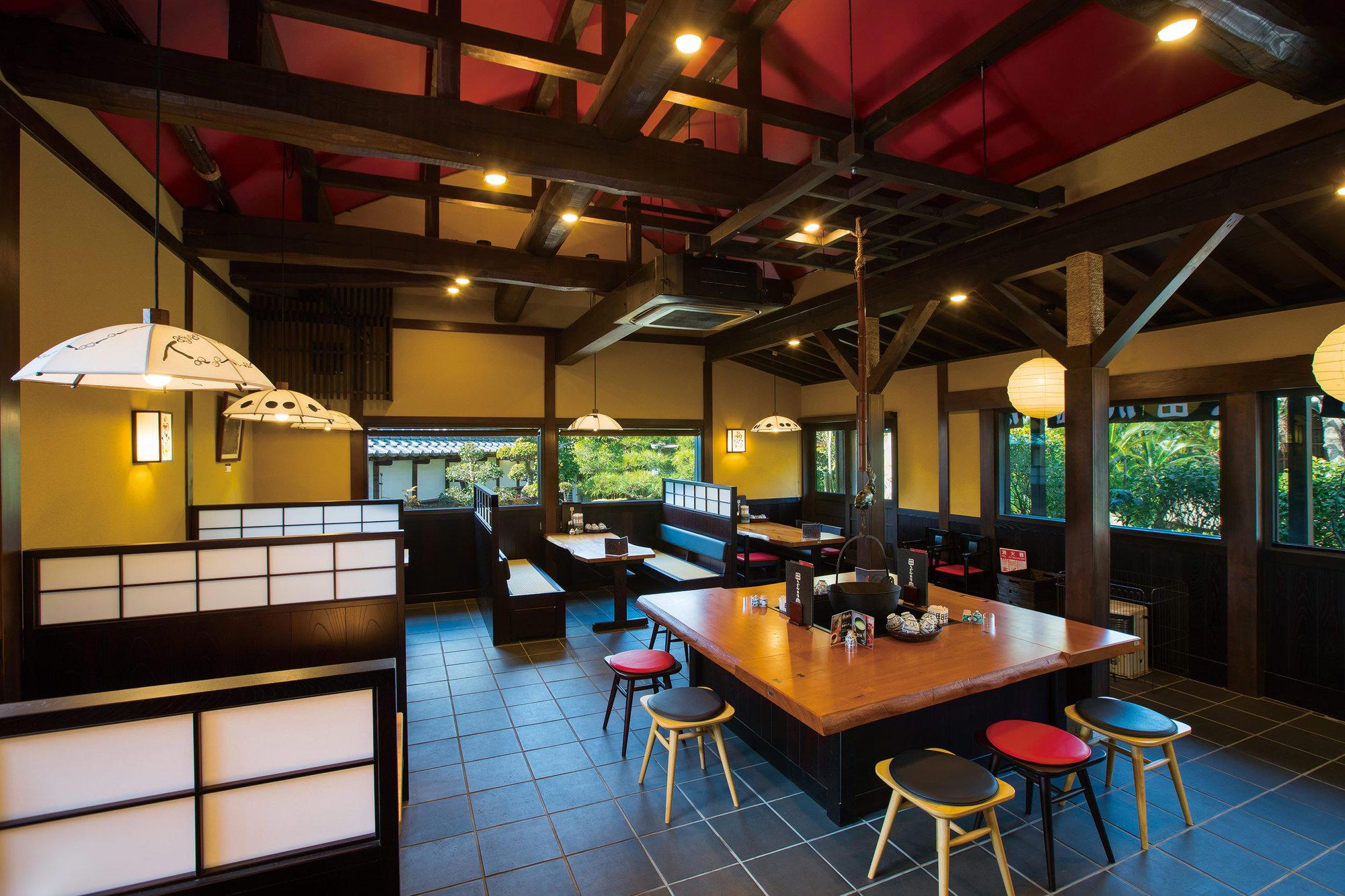
Takamatsu's Dining Character and Where 両忘 Fits
Takamatsu occupies a particular position in Japanese regional dining: close enough to Osaka and Kyoto to attract serious culinary investment, yet distinctly Shikoku in its relationship to ingredients and pace. The city's food culture is anchored in the agricultural and maritime outputs of Kagawa Prefecture — sanuki udon as the civic staple, Seto Inland Sea seafood as the premium tier, and a growing number of addresses that treat local sourcing not as a marketing note but as structural commitment. 両忘, located at 6-2 Imajinmachi in the Imajin district, sits within this context rather than apart from it.
The address places it among a cluster of independent restaurants in central Takamatsu that have moved away from the izakaya-and-chain model toward more considered formats. Peers in the city's emerging fine-dining tier — including 龍潭 SORAE and 鮨賀 , reflect the same general shift: fewer covers, tighter menus, and a clearer sense of what the kitchen stands for. ノッキングキッチン and ボワ・エ・デュポン extend that picture further, each occupying its own niche within the city's evolving scene. For the full picture of where these addresses sit relative to each other, the full Takamatsu restaurants guide maps the terrain clearly.
The Sourcing Logic Behind Kagawa's Leading Tables
Any serious restaurant in Kagawa operates against the backdrop of one of Japan's most productive regional food systems. The Seto Inland Sea , the body of water that separates Shikoku from Honshu and defines Takamatsu's horizon , generates sea bream, sea bass, octopus, and various shellfish that move from water to kitchen with a speed unavailable to landlocked prefectures. Kagawa's agricultural interior, meanwhile, produces wheat for udon, vegetables across multiple growing seasons, and livestock that benefits from a comparatively mild climate. Restaurants that engage seriously with this supply chain gain access to ingredients that carry genuine provenance, not just proximity.
This sourcing geography shapes what a kitchen like 両忘 can realistically put on the table. In Japan's regional fine-dining tier , from Goh in Fukuoka to 一本木 石川製 in Nanao , the strongest argument for eating outside the major cities is ingredient access at this level of locality. When a kitchen sits within an hour of its primary fishing grounds and inside a prefecture with defined agricultural identity, the distance between source and plate compresses in ways that affect what ends up in the bowl. That compression is not incidental to what makes addresses like 両忘 worth the trip from Osaka or Tokyo; it is the argument.
Approaching the Address
Imajinmachi is a central Takamatsu district, accessible on foot from Takamatsu Station and the Kotoden tram network. The area carries the low-key commercial texture of a Japanese city center that hasn't been heavily redeveloped: narrow streets, mixed-use buildings, and the kind of ground-floor restaurant presence that requires attention to find. 両忘's address at 6-2 places it in a block that rewards arriving with some margin , the Imajin district does not announce its leading options loudly.
Takamatsu itself is direct to reach: direct train connections from Osaka via the Marine Liner cross the Seto Ohashi Bridge, putting the city roughly two hours from Shin-Osaka. High-speed ferry services also connect from Kobe. For visitors arriving from other points in Shikoku, the Kotoden rail and bus network covers the prefecture efficiently. The airport serves domestic routes, with regular connections from Tokyo's Haneda.
The Broader Regional Dining Argument
The case for eating seriously in Takamatsu has grown over the past decade, as the model pioneered by multi-starred city restaurants , tight counters, premium sourcing, itinerary-driven menus , has migrated to prefectural capitals with strong local ingredient bases. HAJIME in Osaka and Harutaka in Tokyo represent the urban end of that spectrum; Gion Sasaki in Kyoto and akordu in Nara show how smaller, historically weighted cities generate their own high-level dining identities. Takamatsu's version of that story is younger but tracking in the same direction, with ingredient access as its primary competitive advantage over cities that must import their leading produce.
Outside Japan, the pattern has parallels: Le Bernardin in New York City built its reputation on seafood provenance as much as technique, and Atomix in New York City demonstrates how cultural specificity of sourcing can anchor a restaurant's identity across multiple award cycles. The logic scales. What changes is the specific geography , in Takamatsu's case, the Seto Inland Sea does considerable work.
Further along Japan's regional dining circuit, 夕佳仙乃 in Sapporo, 湖邸庵蔵 in Takashima, 庄羽屋 in Nishikawa Machi, and Birdland in Sakai each illustrate how provincial addresses build credibility through hyper-local sourcing rather than by mimicking urban formats. 両忘 operates within that tradition.
Also worth considering alongside 両忘 in Takamatsu is Peking, which occupies a different culinary register but reflects the same city-wide trend toward restaurants with a clear point of view.
Planning Your Visit
Given the limited public information available for 両忘 , no confirmed booking channel, hours, or pricing appears in current records , the practical approach is to contact the restaurant directly upon arrival in Takamatsu or through your hotel concierge, who will have current access details. Restaurants at this level in Japanese regional cities typically operate on advance reservation systems, and walk-in availability at dinner is rarely reliable. Arriving in Takamatsu with dining plans already confirmed is the standard approach for visitors who treat the meal as part of the itinerary rather than an afterthought.
Continue exploring
More in Takamatsu
Restaurants in Takamatsu
Browse all →
At a Glance
- Casual Hangout
Casual and relaxed conveyor belt sushi atmosphere.