Our verdict
ボワ・エ・デュポン occupies a quiet address in Matsufukucho, one of Takamatsu's less-trafficked residential pockets, placing it at some remove from the city's busier dining corridors. The French name and the low-profile street presence together signal a format that rewards prior knowledge over casual discovery. For visitors already working through Kagawa's tighter, more considered restaurant scene, it sits on the shortlist worth investigating.

Pearl is the En Primeur Club membership app, where members save venues, book tables and use the concierge.
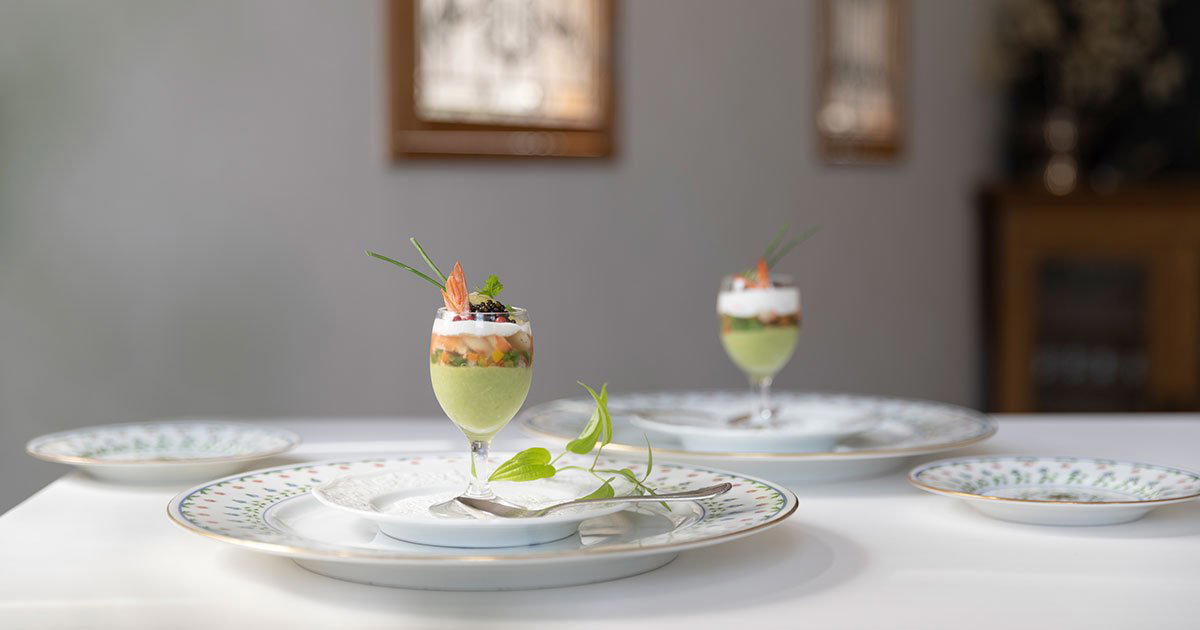
A Quiet Corner of Matsufukucho
Takamatsu's dining identity is not built on spectacle. The city draws visitors through Ritsurin Garden, the Setouchi ferry connections, and the kind of understated culinary seriousness that tends to accumulate in places where locals eat well without external validation. The restaurants that matter here are rarely the ones with footfall from the tourist belt; they are the ones that neighbourhood regulars return to across seasons, and that the more methodical travelling diner eventually locates. ボワ・エ・デュポン, addressed on a residential stretch of Matsufukucho in the city's 760-0067 postcode, fits that pattern. The name is French, the location is not central, and neither of those facts is accidental.
What the Name and Address Signal
In provincial Japanese cities, the use of a French name for a small restaurant is rarely arbitrary. The French-named independent in a mid-size Japanese city typically sits in one of two camps: it is either a relic of the bubble-era Western restaurant boom, when French signage conferred automatic prestige, or it is something more considered, a place that has chosen French structure because the kitchen genuinely works within it. The Matsufukucho address, away from Takamatsu's Kawaramachi and Hyogomachi dining corridors, suggests the latter orientation. A restaurant trading on bubble-era nostalgia tends to position itself where visibility is easiest. One that has earned a local following over time tends to stay where rents are manageable and the clientele is self-selecting.
That self-selection is part of how smaller French-format restaurants in regional Japan sustain themselves. Without the foot-traffic insurance of a central district, they rely on a stable core of returning guests who understand the format and communicate it through word of mouth. This model produces a different kind of dining room than the high-visibility urban bistro: quieter, more habitual, more likely to produce the kind of meal that is about accumulated trust rather than first-impression performance.
Menu Architecture and the French Framework
French menu structure, even in its Japanese regional form, carries a logic that shapes the entire dining experience. The progression from amuse to starter to fish course to meat course to cheese and dessert is not arbitrary ceremony; it is a sequencing argument about flavour development, portion discipline, and the relationship between kitchen ambition and guest stamina. Japanese chefs working within this framework have, over several decades, developed a hybrid approach that applies French technique to local and seasonal ingredients, a practice that now defines much of what is called French cuisine in Japan outside of Tokyo and Osaka.
What this means in practical terms is that a French-named restaurant in Takamatsu is likely drawing on Kagawa prefecture's own ingredient network: the Seto Inland Sea for fish, local agricultural producers for vegetables, and the broader Shikoku supply chain for proteins. The French framework provides the sequencing and technique; the Setouchi geography provides the material. This approach, common enough in regional Japan that it barely registers as innovation, nonetheless produces results that differ meaningfully from what the same menu architecture delivers in Paris or even in Tokyo. The proximity to the sea and the relatively short supply chains in this part of Shikoku create conditions where a kitchen working carefully can offer quality that larger urban restaurants would struggle to match on freshness alone.
For a comparison point, the format sits in a different tier from the highly formal kaiseki-influenced European restaurants found at venues like HAJIME in Osaka or the precision-driven omakase counters at Harutaka in Tokyo. It is also distinct from the cultural-fusion model practiced at akordu in Nara. The regional French format in a city like Takamatsu tends toward something more grounded: classical structure, local produce, and a kitchen more interested in execution than in concept.
Takamatsu's Broader Restaurant Scene
Takamatsu is not, by surface metrics, a city that registers as a serious dining destination. It lacks the Michelin density of Kyoto, the chef-magnet status of Fukuoka, or the sheer volume of Osaka. But the city's restaurant culture has been shaped by the same forces that make Shikoku interesting to the travelling diner: geographic isolation that concentrates local ingredient quality, a food culture built around udon that has produced broader culinary confidence, and a Setouchi coast that gives chefs access to some of the most varied seafood in western Japan.
Within that context, the city's more considered Western-format restaurants occupy a specific niche. They are not competing with Gion Sasaki in Kyoto or Goh in Fukuoka for the same guests; they are serving a local market that values consistency, seasonal awareness, and the kind of quiet craft that does not require a waiting list or a tasting menu at four times the cost. Other Takamatsu restaurants worth placing in this picture include 龍池 SORAE, 両忘, Peking, 鷄貴, and ノッキングキッチン, each occupying a distinct format and price tier. A fuller picture of where ボワ・エ・デュポン fits among them is available in our full Takamatsu restaurants guide.
For visitors arriving from elsewhere in Japan, the comparison set extends outward: the regional French model practiced in mid-size Japanese cities echoes what you find at venues like 一本木 石川 in Nanao or 琵琶湖畔 in Takashima, places where geography and local supply replace metropolitan prestige as the primary argument for the kitchen. The contrast with destination-format restaurants like Le Bernardin in New York City or Atomix in New York City is considerable; those venues exist to perform at a global standard. ボワ・エ・デュポン, by its address and orientation, exists to serve a place.
Planning a Visit
The Matsufukucho address places the restaurant within Takamatsu's city grid, reachable from the central station district without significant effort. This applies particularly to visitors planning around specific dates or arriving from outside Kagawa, where a wasted journey carries more cost. Given the format and the residential location, walk-in availability at peak times is not something to assume. The restaurant's name and address are sufficient for locating contact details through current Japanese search platforms.
Frequently asked questions
Where do I go for ボワ・エ・デュポン?
ボワ・エ・デュポン is located at 2-chome-12-7 Matsufukucho, Takamatsu, Kagawa 760-0067, Japan, Takamatsu.
How does ボワ・エ・デュポン compare to other Western-format restaurants in Takamatsu?
Takamatsu's Western-format restaurant tier is small, and French-named independents within it are rarer still, which places ボワ・エ・デュポン in a bracket with limited direct competition in Kagawa. While the city lacks the Michelin-listed density of Kyoto or Osaka, regional French restaurants here tend to draw a loyal local clientele alongside visitors using Takamatsu as a Shikoku or Setouchi base. The Matsufukucho address, within the city's walkable grid, positions it accessibly relative to the central station district.
What's the best way to book ボワ・エ・デュポン?
No confirmed booking channel or phone number is currently documented for ボワ・エ・デュポン. For French-format independents in regional Japanese cities like Takamatsu, direct contact by phone or in-person enquiry typically produces the most reliable result. Booking a few days ahead, rather than same-day, is the standard expectation at this tier of restaurant in Kagawa.
What makes ボワ・エ・デュポン worth seeking out?
The case rests on format and location working together. French-structured dining is relatively uncommon in Takamatsu, a city whose restaurant identity leans toward Sanuki udon and Setouchi-focused Japanese cuisine, so a French-named independent at 2-chome-12-7 Matsufukucho occupies a distinct position in the local tier. Visitors arriving via the Setouchi ferry network or Ritsurin Garden who want a full Western-format dinner rather than another izakaya will find few alternatives at this level.
Accolades, Compared
Comparable venues nearby, for context on price, style, and recognition.
| Venue | Cuisine | Price | Awards | Notes |
|---|---|---|---|---|
| ボワ・エ・デュポンThis venue (the venue you are viewing) | Classic French Bistro | $50–100 | Not listed | Not listed |
| Osteria enne | Charcoal-grilled Seasonal Italian (Setouchi-focused) | $50–100 | Tabelog 100 #81 | Takamatsu |
| 長江 SORAE | Modern Kappo Kaiseki | $150–200 | Tabelog 100 #92 | Takamatsu |
| Standing Sushi Bar Shichiko (立ち喰い寿司 七幸) | Standing Sushi Bar | $10–20 | Not listed | 高松市中心部 |
| Gyoza Ya | Gyoza specialty shop | $10–20 | Tabelog 100 #33 | Takamatsu |
| Sanuki Tsukemen Sangawa | Sanuki udon & tsukemen izakaya | $10–20 | Tabelog 100 #38 | Takamatsu |
Continue exploring
More in Takamatsu
Restaurants in Takamatsu
All restaurants in Takamatsu →
Bars in Takamatsu
Browse all →
Details
- Elegant
- Classic
- Intimate
- Date Night
- Special Occasion
- Standalone
- Prix Fixe
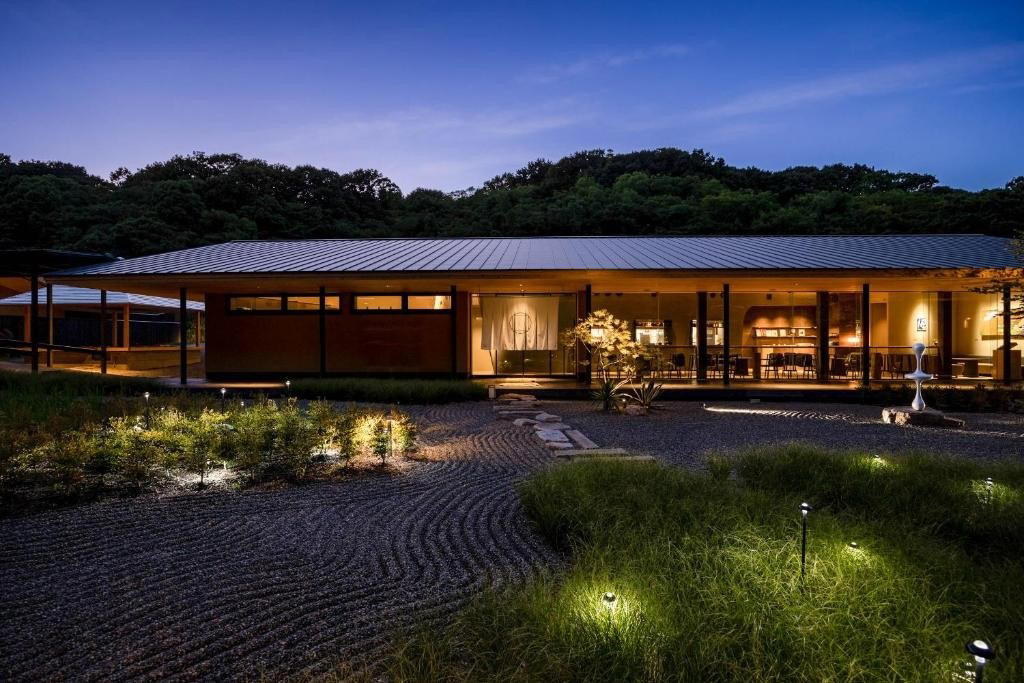
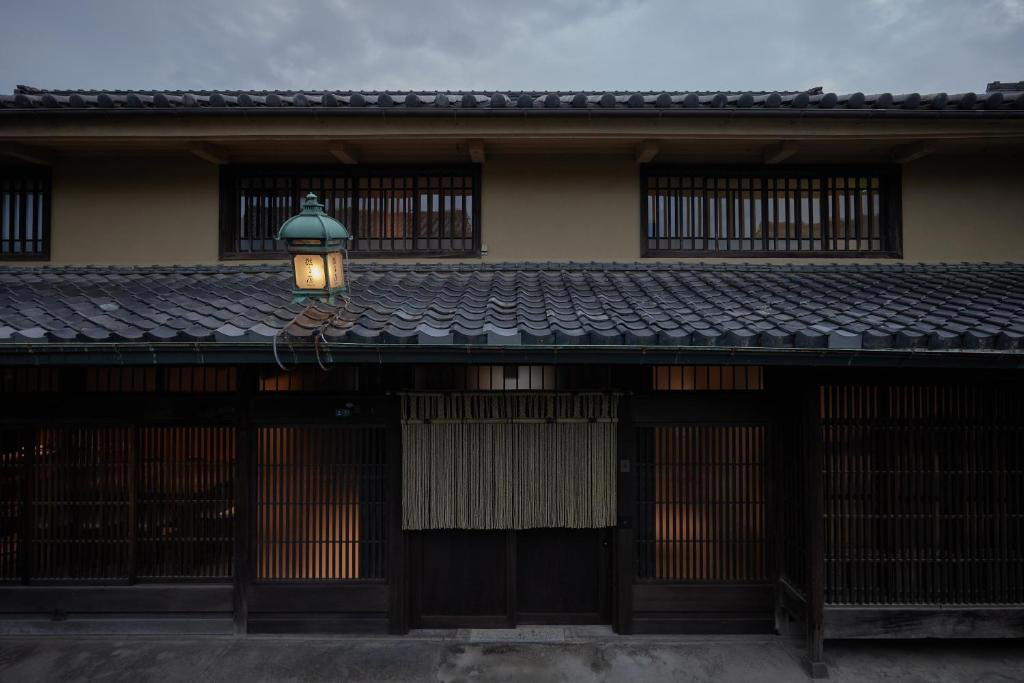
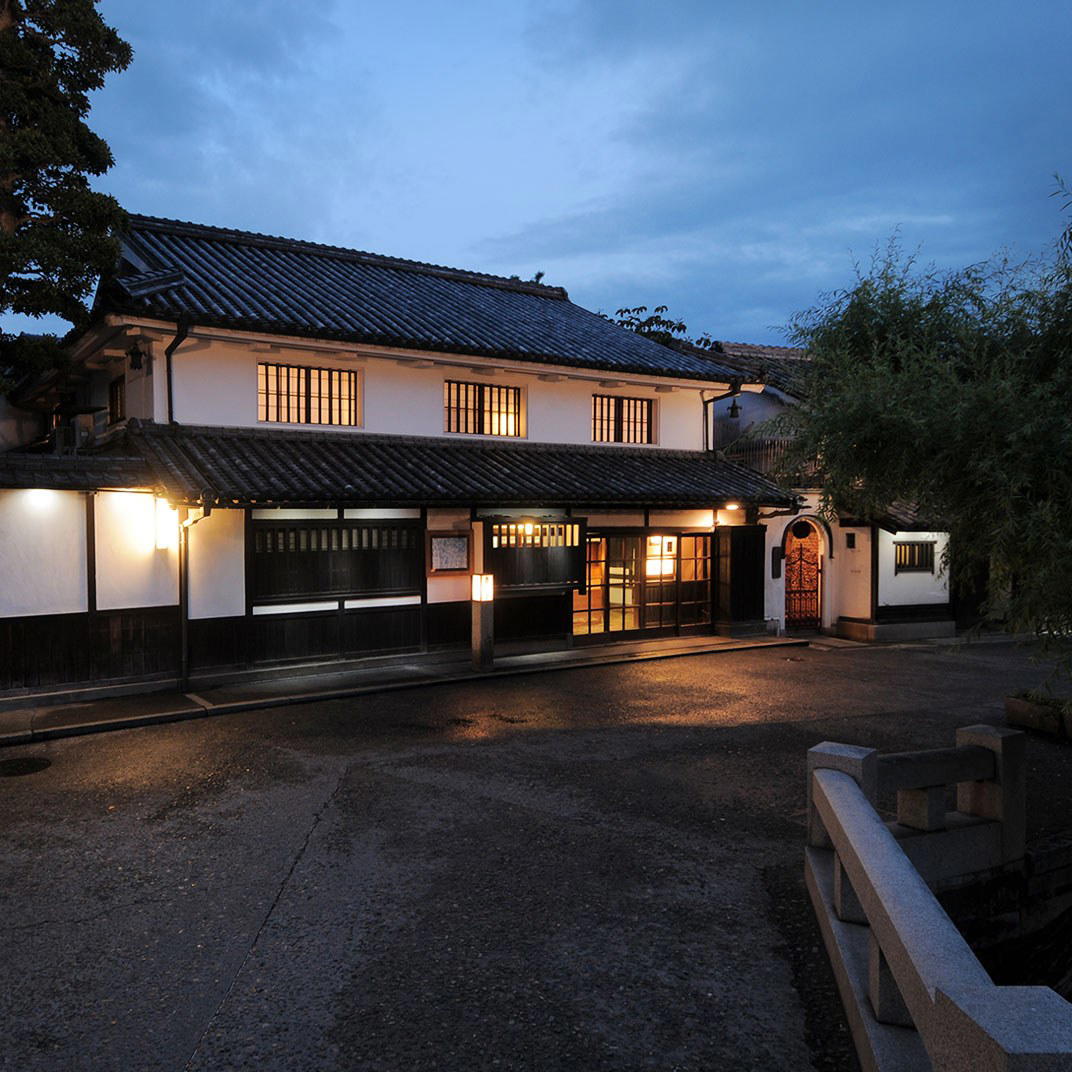
一軒家レストランで落ち着いたクラシックなフレンチの雰囲気