
Tabelog Bronze #375
Our verdict
Ryobo puts Takamatsu’s Italian dining into a small, ingredient-led register rather than the city’s more familiar udon-and-chicken shorthand. Its Tabelog Award Bronze recognition in 2025 and 2026, plus repeated Tabelog Italian WEST 100 selections, place it in a serious regional tier, with a six-seat format and wine-aware service shaping the experience.

Pearl is the En Primeur Club membership app — saves, bookings, and concierge access live there. Same editors, same standards.
- Address
- 6-2 Imajinmachi, Takamatsu, Kagawa 760-0043, Japan
- Phone
- +81 90-2823-2991
- Hours
- Mon–Tue 6–9:30 PMWed ClosedThu–Sat 6–9:30 PMSun 12–2:30 PM, 6–9:30 PM
- Website
- ryobo2015.wixsite.com
- Directions
- Get directions
- Booking
- Book on TableCheck
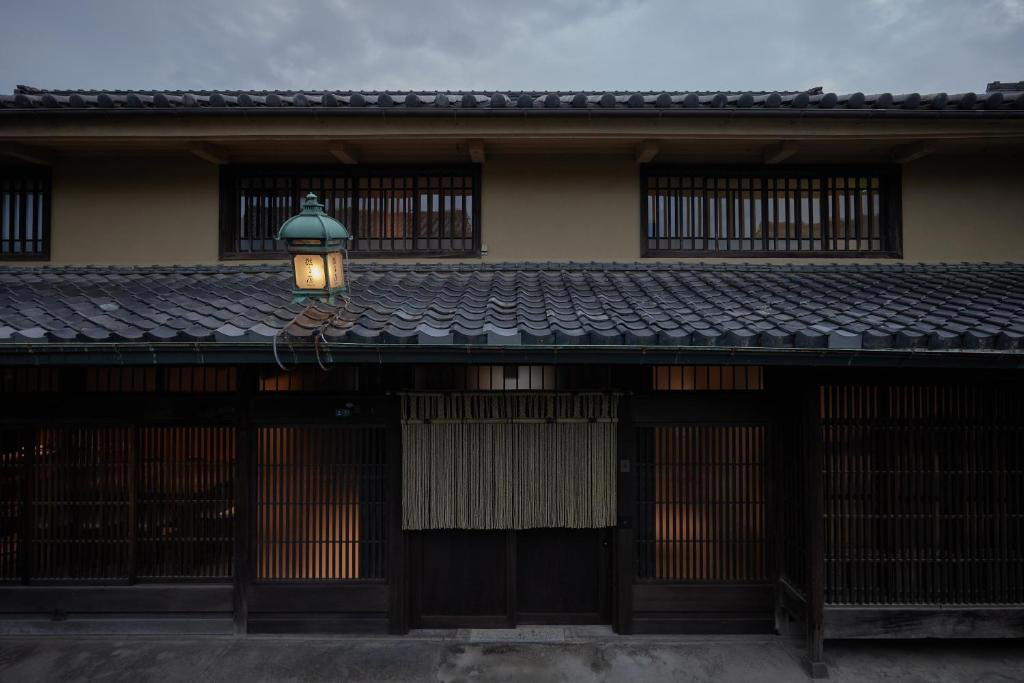
Approaching a six-seat dining room in Takamatsu changes the rhythm of dinner before the first plate arrives. Kagawa is often read through speed and repetition: udon counters, chicken specialists, ferry-port meals before or after the islands. Ryobo belongs to a different tempo, the small-room Italian format where sourcing, timing, and wine service carry more weight than spectacle.
That matters in Kagawa because the prefecture is not a neutral backdrop. The Seto Inland Sea gives the region a produce-and-seafood logic that suits Italian cooking when the kitchen resists overcomplication. The strongest contemporary Italian rooms in Japan are rarely about importing a Roman or Tuscan script wholesale; they work by applying Italian grammar to Japanese seasonality. Here, the useful question is not whether Takamatsu can support serious Italian dining. The evidence says it can: Ryobo was a Tabelog Award Bronze winner in 2025 and 2026, and has been selected for Tabelog Italian WEST 100 in 2021, 2023, and 2025.
A small Italian counter shaped by Kagawa ingredients
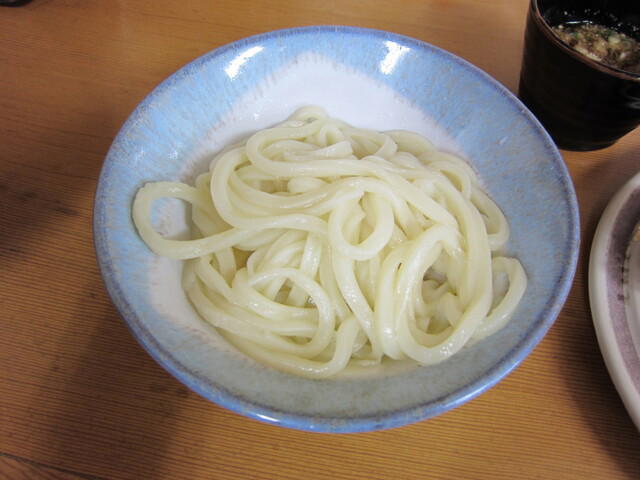
Ingredient-first Italian cooking in regional Japan has a clear advantage over grander city formats: it can keep the chain of custody short. Kagawa’s food identity is practical, agricultural, maritime, and precise. The same prefecture that sends travelers to Gamou, Nagata in Kanoka, Suzaki Foods Shop, and Suzaki Shokuryohinten for udon also gives an Italian kitchen a demanding audience for texture and restraint. In that context, a compact Italian course format reads less like a foreign category and more like another way to organize local materials.
The restaurant’s public positioning emphasizes simple cooking methods and ingredients rather than chef mythology. That is the right emphasis for this tier. In Japan, ambitious Italian dining can drift into decorative fusion; the stronger version keeps technique in service of procurement. A sommelier is available, and the wine focus is not incidental. At this scale, wine can act as structure rather than garnish, giving the meal a European cadence without forcing the food into a museum version of Italy.
Ryobo’s Tabelog score of 4.33 in 2026 is also a useful signal because Tabelog’s higher-scoring regional restaurants tend to be driven by repeat local scrutiny, not passing tourist volume. Bronze status does not make the restaurant a universal recommendation for every traveler. It does make it a serious choice for diners who want to understand how Kagawa’s ingredients behave outside the udon shop and izakaya frame.
Why the format suits Takamatsu
Takamatsu is a port city with a split personality: gateway to Naoshima and the Setouchi islands, business capital of Kagawa, and one of Japan’s great casual noodle destinations. Dining here often rewards decisiveness. Lunch can be a bowl, a queue, and a train connection; dinner can be honetsukidori at Ikkaku or another chicken specialist. Ryobo sits outside that fast-casual grammar. It asks for a planned evening and gives the city a more intimate, course-based counterpoint.
The comparison is not between Italian and Japanese food, but between two ideas of regional dining. Udon culture prizes repetition, flour quality, broth, and timing. Ingredient-led Italian dining prizes seasonality, temperature, acidity, and sequence. Both depend on discipline. That shared discipline is why a small Italian room can make sense in Kagawa without feeling imported for novelty.
There is also a practical editorial distinction here. Many destination restaurants use scale to create theatre. Six seats create the opposite pressure: no table can disappear into the room, and pacing becomes part of the cooking. For couples or solo diners building a food-led itinerary around Takamatsu, that intimacy is a strength. For a loose group wanting a noisy evening, it is the wrong tool.
How to place it in a Kagawa itinerary
Ryobo works well as the composed dinner in a Kagawa trip that otherwise leans casual and regional. A smart itinerary might keep daytime for Sanuki udon, island travel, or market-led eating, then reserve one evening for a slower Italian reading of local materials. For wider planning, Our full Kagawa restaurants guide gives the broader dining map, while Our full Kagawa hotels guide, Our full Kagawa bars guide, Our full Kagawa wineries guide, and Our full Kagawa experiences guide help connect the meal to the rest of the trip.
Travelers comparing across Japan should resist flattening Ryobo into a generic fine-dining label. Its appeal is more specific: a small Takamatsu Italian restaurant with national-platform recognition, a wine-aware service model, and an ingredient-first frame. That is a different proposition from casual city specialists such as -Grilled beef Sukiyaki- KAMAKURA TANUKIAN 鎌倉 たぬき庵 in Kamakura. 鮪と炭火焼き うお炭 秋葉原店 in Tokyo.cafe in Osaka.know in Kumamoto, (Shoku) Vietnam in Kawasaki, [Curry Senmon Ten] Maruyama Kyoju. in Sapporo, Jōdo Saké Bar in Los Angeles, or Onigiri Time in Pasadena. Those places answer different dining questions. Ryobo answers one that matters in 2026: how far regional Japanese Italian can go when the room is small, the sourcing is foregrounded, and the city’s everyday food culture remains close by.
Frequently asked questions
Does Ryobo work for a family meal?
Yes, but only for older children: Ryobo accepts guests aged 13 and up, and everyone must share the same course menu. The six-seat room in Takamatsu also keeps the setting intimate rather than family-casual.
Is Ryobo formal or casual?
It sits between the two: the room is described as relaxed, but the restaurant asks guests not to dress too casually. A 5% service charge and reservation-only format keep it on the polished side.
What days is Ryobo closed?
Hours at Ryobo: Mon, Tue, Thu, Fri, Sat 18:00 - 22:00 L.O. Food 18:00.
What part of town is Ryobo in?
Ryobo is located in Kagawa.
What's Ryobo best at?
Ryobo is strongest when ingredient-first Italian cooking is pared back to its essentials, which matches its Bronze Tabelog awards in 2025 and 2026. The wine focus and sommelier service add another layer for diners who want the meal to stay tightly structured.
Snapshot
Comparable venues nearby, for context on price, style, and recognition.
| Venue | Cuisine | Price | Awards | Notes |
|---|---|---|---|---|
| RyoboThis venue — the venue you are viewing | Modern Italian Omakase | $100–150 | Tabelog Bronze #375 | Not listed |
| Suzaki Foods Shop | Sanuki Udon | $1–10 | Not listed | Takasecho, Mitoyo City |
| Nagata in Kanoka | Traditional Sanuki kamaage udon shop | $1–10 | Tabelog 100 #26 | Konzojicho |
| Yasoba-An | Sanuki Udon | Not listed | Not listed | Tawa Kanewari, Sanuki |
| Gamou | Traditional Sanuki Udon | $1–10 | Tabelog Bronze | Kamo Town |
| Ikkaku | Kagawa Honetsukidori Grilled Chicken | $20–30 | Not listed | Takamatsu |
Recognition history
Dated appearances from independent guides and award organizations, with the underlying list record or original source where available.
Tabelog Bronze #375
Tabelog
Full recognition history (3 entries)
Tabelog 100 #32 · No. 32
Tabelog · Tabelog 100 - Italian - WEST - 2025
Tabelog Bronze
Tabelog
Details
- Intimate
- Elegant
- Relaxed
- Date Night
- Special Occasion
- Chefs Counter
- Sake Program
- Extensive Wine List
- Local Sourcing
- Omakase
- Tasting Menu
Current opening hours
- Monday
- 6–9:30 PM
- Tuesday
- 6–9:30 PM
- Wednesday
- Closed
- Thursday
- 6–9:30 PM
- Friday
- 6–9:30 PM
- Saturday
- 6–9:30 PM
- Sunday
- 12–2:30 PM, 6–9:30 PM
Hours can change for holidays and private events. Last verified .
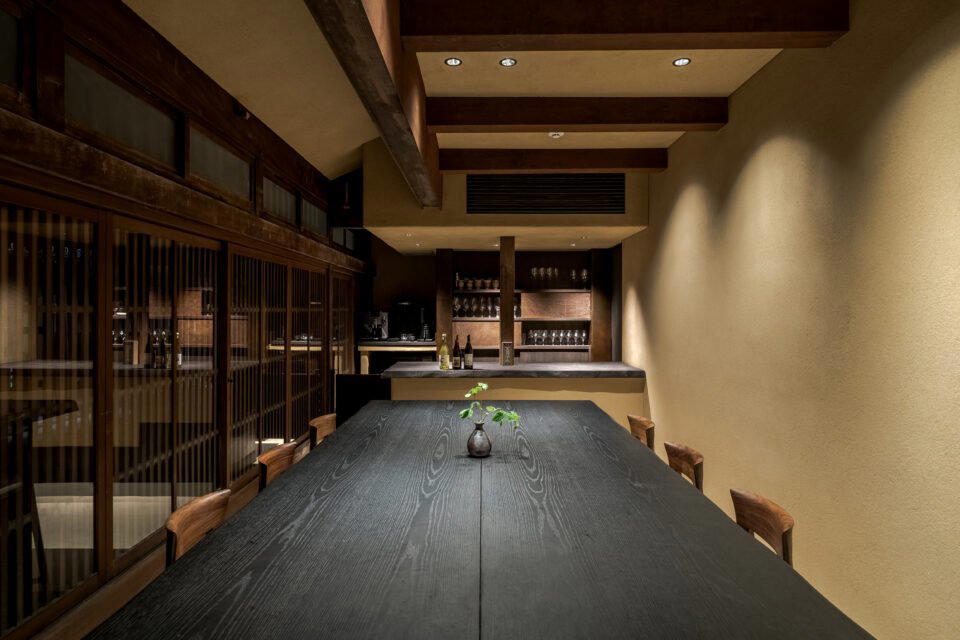
Relaxed, stylish space with extraordinary lighting and spatial design creating a tranquil, intimate atmosphere.