
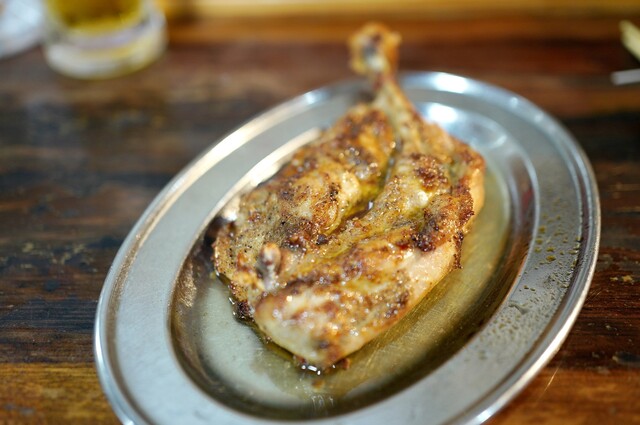
Takamatsu’s chicken-and-izakaya tradition has a sharper local identity than many first-time visitors expect, and Honetsukidori Ikkaku Takamatsu ten sits squarely in that lane. The draw is regional chicken cooking in a 96-seat, non-smoking house restaurant in Kajiyamachi, with Tabelog 100 Chicken cuisine selection for 2025 and pricing that keeps it in everyday-dinner territory rather than special-occasion dining.
Pearl is the En Primeur Club membership app — saves, bookings, and concierge access live there. Same editors, same standards.
- Address
- 4-11 Kajiyamachi, Takamatsu, Kagawa 760-0028, Japan
- Phone
- +81 87-823-3711
- Website
- ikkaku.co.jp
 Saves & bookings on Pearl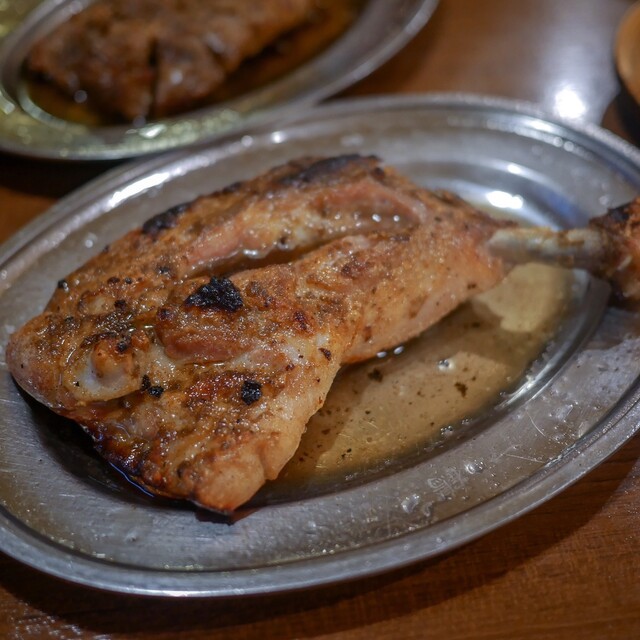
Approaching Kajiyamachi at night, Takamatsu shifts from station-city utility into the looser rhythm of taverns, family tables, and late trains. This is not the hushed side of Japanese dining. The appeal here is chicken as regional food, not as luxury protein: direct, communal, built for drinks, and tied to Kagawa’s habit of treating everyday specialities with unusual seriousness.
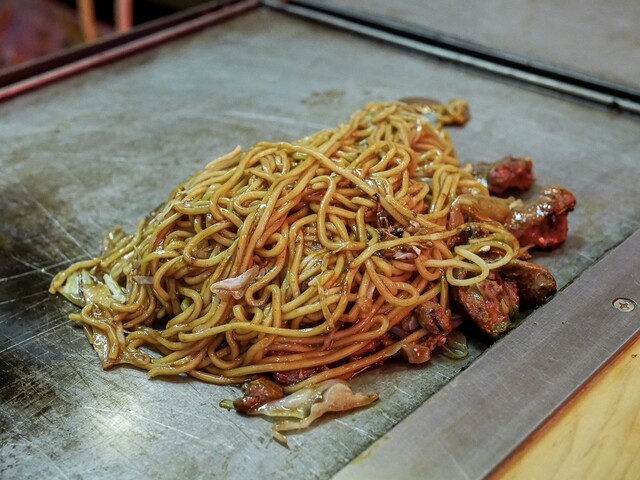
Honetsukidori Ikkaku Takamatsu ten belongs to that specific Takamatsu register. Its category mix, chicken dishes, izakaya, and regional cuisine, says more than a chef biography would. Kagawa is better known outside the prefecture for Sanuki udon, but the city’s dining map is broader than noodle shops alone: grilled chicken rooms, okonomiyaki counters, casual taverns, and compact specialist restaurants create a dining culture where price discipline and local repetition matter.
Bone-in chicken places Takamatsu beyond the udon shorthand
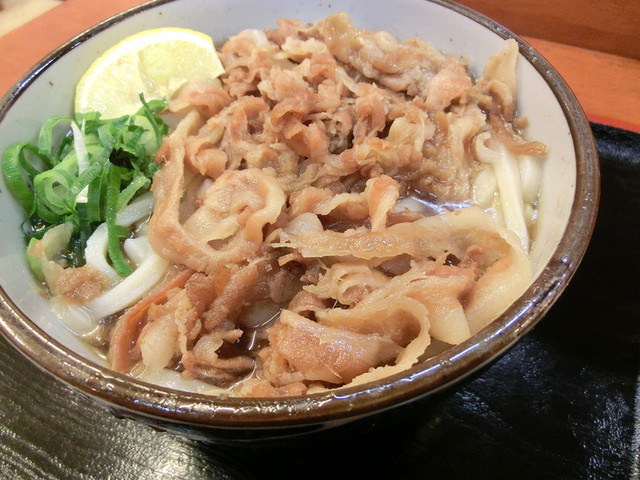
Visitors often reduce Kagawa to udon, and that is understandable. A day can easily move through Chikusei Honten, Furukawa Udon, Furusato Udon, or the broader noodle circuit covered in Our full Takamatsu restaurants guide. But the city’s evening personality is less about broth and more about shared plates, beer-friendly salt, and restaurants that can absorb families, friends, and travellers without turning dinner into ceremony.
That is where this address makes sense. A 96-seat room is large by the standards of many Japanese specialist restaurants, and the format gives chicken cooking the atmosphere of a local institution rather than a counter performance. Tabelog selected Honetsukidori Ikkaku Takamatsu ten for its 2025 Chicken cuisine 100 list, with a posted score of 3.69, which places it inside a national recognition frame while keeping the experience rooted in a casual Kagawa dining pattern. The recognition matters because chicken cuisine in Japan spans everything from yakitori counters to regional taverns; a Hyakumeiten listing signals that this branch is being judged within a specialist category, not merely as a convenient izakaya.
The comparison inside Takamatsu is useful. Sanuki Tsukemen Sangawa and Teuchi Udon Fugetsu operate in the low-cost noodle bracket. Grill a Table and Osteria enne sit in a higher dinner-price band, while Sushi Nakagawa belongs to a far more expensive sushi tier. Honetsukidori Ikkaku Takamatsu ten occupies the middle of the city’s practical spectrum: substantial enough for a planned dinner, casual enough not to dominate the travel budget. That balance is part of its editorial relevance.
Kajiyamachi gives the room its social tempo
Kajiyamachi is central without feeling sealed off from local use. The address, 4-11 Kajiyamachi, puts the restaurant in the orbit of Kawaramachi rather than a resort corridor or destination dining enclave. That matters in Takamatsu, where the better meals often come from understanding how neighbourhoods function after office hours. A restaurant in this zone has to work for residents, visitors moving through the shopping streets, and families choosing an uncomplicated night out.
The room’s details support that role: non-smoking, children welcome, no private rooms, no private-use format, and take-out available. Those are practical signals, but they also describe the social contract. This is a shared-room experience, not a secluded tasting-menu arrangement. Drinks range across sake, shochu, wine, and cocktails, which places it closer to the izakaya end of the spectrum than to a single-beverage specialist. The result is a dining format built for groups who want regional chicken at the centre of the table rather than a long sequence of chef-led courses.
For travellers building a wider Takamatsu itinerary, it pairs naturally with the city’s other everyday food institutions rather than replacing them. Azuma and Fumiya Okonomiyaki Honten point to different casual traditions, while city planning resources such as Our full Takamatsu hotels guide, Our full Takamatsu bars guide, Our full Takamatsu wineries guide, and Our full Takamatsu experiences guide help frame the meal as one part of a compact, food-led city stay.
The useful way to read the price, booking, and recognition
The spending band is modest for Japan by destination-restaurant standards: dinner sits at JPY 2,000 to JPY 2,999, with lunch listed at JPY 1,000 to JPY 1,999. That puts the restaurant far from Takamatsu’s premium sushi and Western dining tiers, but above the absolute lowest noodle-shop spend. Credit cards, major electronic money, and QR code payments are accepted, and paid parking is available nearby rather than on site.
Reservations need a little interpretation. They are accepted in some cases, but not all day during long holiday periods such as New Year, Golden Week, and Obon, and not on weekends; reservations are also only accepted after 5 PM. That policy aligns with a high-throughput local favourite rather than a tightly controlled fine-dining room. The Tuesday closure is also worth factoring into a short city stay, especially when pairing dinner here with daytime udon stops.
The broader Japanese casual-dining context helps sharpen the decision. Travellers moving between cities will find many excellent single-category specialists, from -Grilled beef Sukiyaki- KAMAKURA TANUKIAN 鎌倉 たぬき庵 in Kamakura to. 鮪と炭火焼き うお炭 秋葉原店 in Tokyo,.cafe in Osaka,.know in Kumamoto, (Shoku) Vietnam in Kawasaki, and [Curry Senmon Ten] Maruyama Kyoju. in Sapporo. Even overseas Japanese-adjacent formats such as Jōdo Saké Bar in Los Angeles and Onigiri Time in Pasadena show how tightly focused food ideas can travel. Takamatsu’s chicken tradition is more local in its logic: less exportable, more bound to neighbourhood use, and better understood at dinner with a table that is not in a hurry.
The verdict is simple: choose this for a grounded Takamatsu night built around regional chicken, a relaxed room, and prices that leave space for the rest of Kagawa’s food map. It is not the city’s quiet luxury lane, and that is the point. Its value lies in showing how Takamatsu eats when it is not performing for visitors.
Compact Comparison
Comparable venues for orientation by cuisine and category.
| Venue | Cuisine | Price | Notes |
|---|---|---|---|
| Honetsukidori Ikkaku Takamatsu tenThis venue — the venue you are viewing | $$ | ||
| Renge Ryori Ten | $$ | Takamatsu, Creative Japanese Izakaya & Seafood | |
| Teuchi Judan Udon Baka Ichidai | Takamatsu, Sanuki udon specialist | $ | |
| Teuchi Udon Hisaeda | Takamatsu, Traditional Sanuki udon | $ | |
| Kashimura Udon | Takamatsu, Sanuki udon shop | $ | |
| Grill a Table | $$$ | Takamatsu, Modern Japanese Teppanyaki & Omakase |
Continue exploring
More in Takamatsu
Restaurants in Takamatsu
Browse all →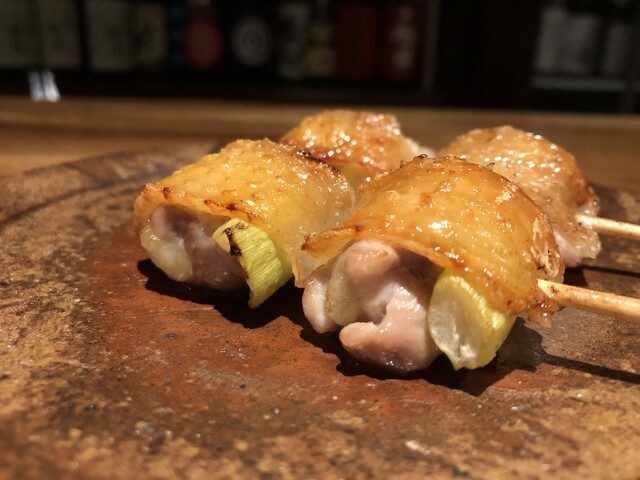
At a Glance
- Lively
- Classic
- Cozy
- Iconic
- Family
- Group Dining
- Casual Hangout
- After Work
- Solo
- Standalone
- Beer Program
- Sake Program
Bustling, izakaya‑like atmosphere with tightly packed tables, bright casual lighting, and the aroma and sizzle of grilled chicken filling a classic local institution that often has queues.