
Tabelog 100 #92
Our verdict
Located in Yashima, the refined eastern district of Takamatsu, SORAE positions itself within Kagawa's broader conversation about what Seto Inland Sea ingredients can become when handled with care. The address alone signals intent: removed from the city centre's busier restaurant corridors, it draws guests who have already done their research. SORAE is a deliberate destination rather than a convenient one.

Pearl is the En Primeur Club membership app, where members save venues, book tables and use the concierge.
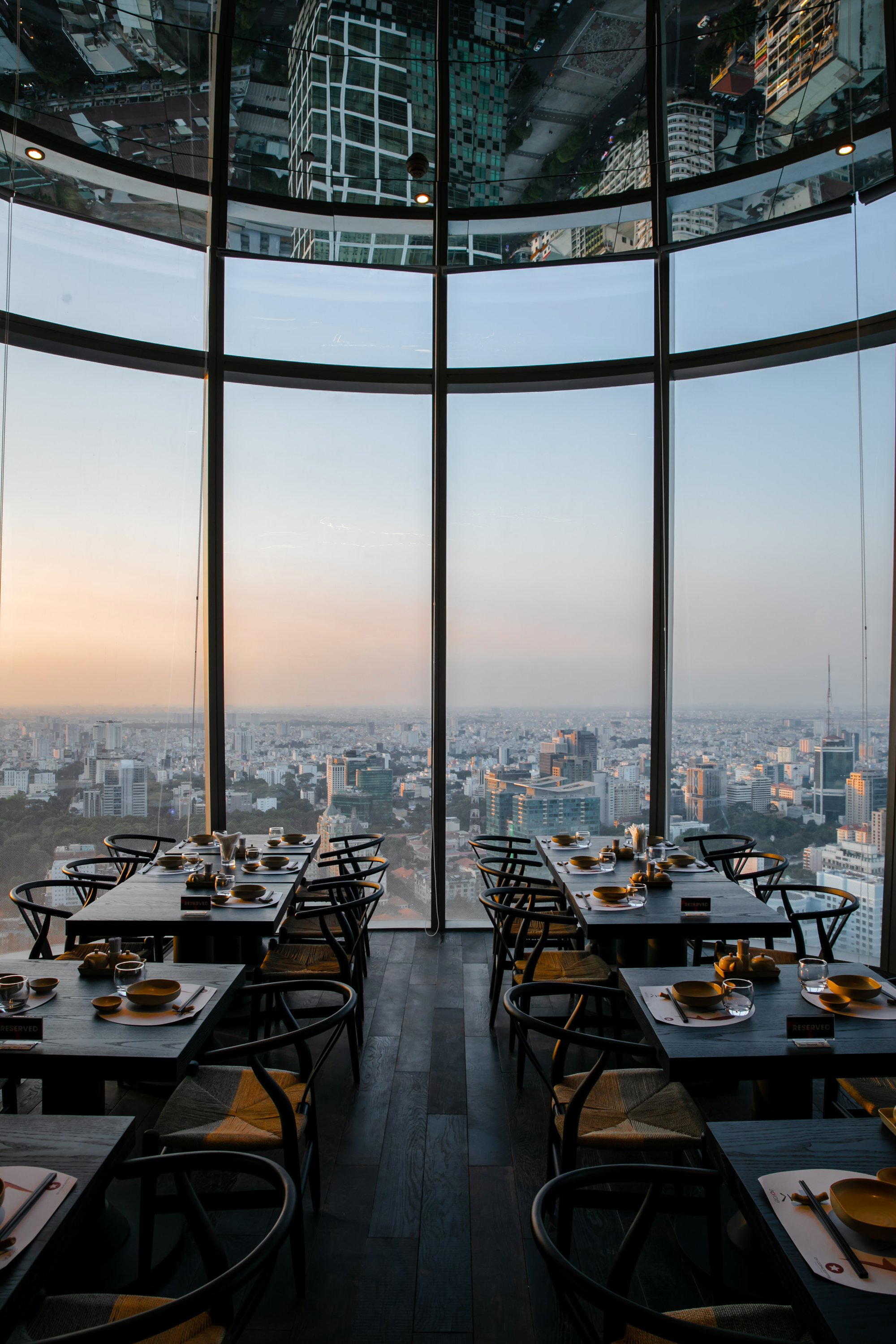
The menu
What to order
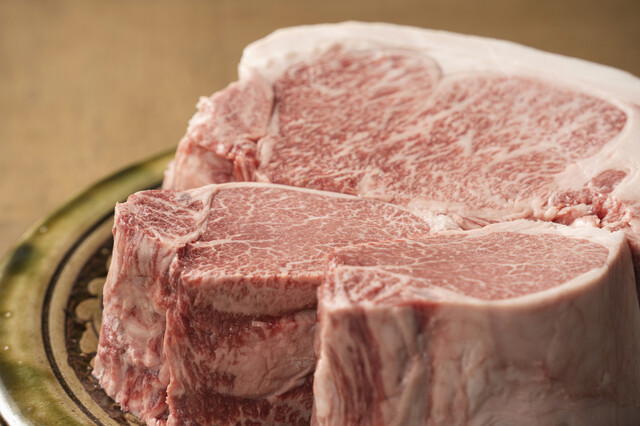
- Sanuki Wagyu
- Seto Inland Sea Seafood Course
Yashima and the Logic of Eating at Altitude
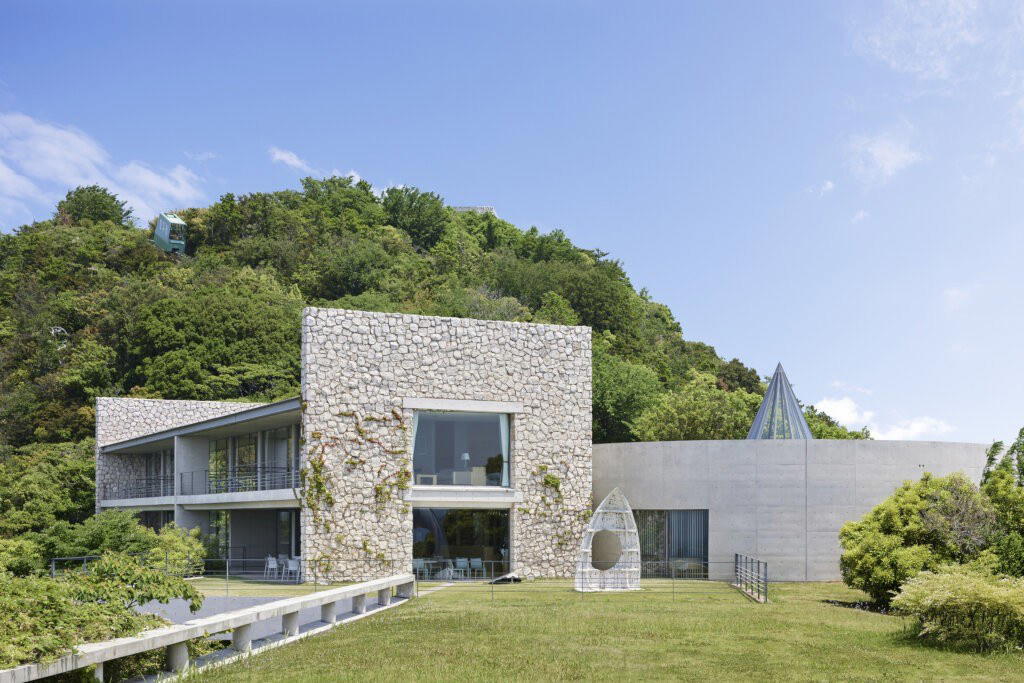
Takamatsu's restaurant scene divides along a familiar Japanese axis: the dense, competitive stretch around the city centre and train corridors on one side, and a quieter set of destination addresses that require a specific decision to visit on the other. SORAE, addressed to Yashima Higashimachi in the refined eastern reaches of the city, sits firmly in the second category. Yashima is a plateau with plateau logic: you come because you intended to, and the surrounding Seto Inland Sea views condition how you feel about everything that follows. That geography is not incidental to how SORAE works as a dining proposition. The approach, the sightlines, and the remove from the urban centre are part of what the kitchen has to answer to.
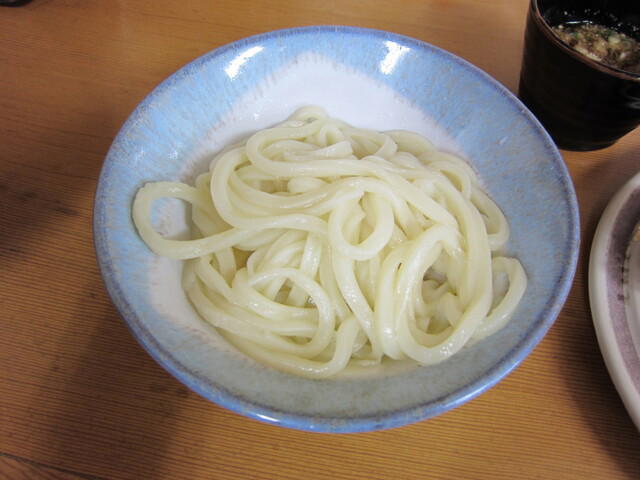
Kagawa Prefecture's identity as a food destination is built on two pillars that seem almost contradictory: Sanuki udon, arguably Japan's most democratic noodle culture, priced in the hundreds of yen at roadside counters, and Seto Inland Sea seafood that places at a completely different register when handled in serious kitchens. SORAE operates in that second register, in a city where the culinary conversation is increasingly capable of sustaining it. For a broader view of where SORAE sits within Takamatsu's dining options, our full Takamatsu restaurants guide maps the city's competitive range.
What the Seto Inland Sea Puts on the Plate
The ingredient sourcing argument for Takamatsu is stronger than the city's international profile would suggest. The Seto Inland Sea produces a compressed, specific ecosystem: the relatively calm, warmer-than-average waters and the tidal complexity between Honshu and Shikoku generate shellfish and fin fish with flavour profiles that differ meaningfully from Pacific coast equivalents. Sea bream from these waters has long held a premium designation; the octopus and mantis shrimp landed nearby are eaten across western Japan as a marker of quality. Kagawa's produce belt adds a second sourcing layer: the prefecture's olive cultivation, introduced over a century ago on Shodoshima island, has yielded not just oil but an olive-fed beef programme that has attracted national attention. Any kitchen in Takamatsu working seriously with local ingredients has access to a sourcing story that reaches from the sea floor to the mountain foothills within a tight geographic radius.
That compactness of supply is something that kitchens in larger Japanese cities often cannot replicate. HAJIME in Osaka and Gion Sasaki in Kyoto operate in environments where ingredient sourcing requires assembling networks across multiple prefectures. Takamatsu kitchens working at SORAE's level can, in principle, source within a narrower orbit while still achieving considerable variety. Whether that proximity is pressed into service as a guiding principle, or simply as a logistical convenience, tends to be the differentiating question for serious dining addresses in smaller Japanese cities.
The Competitive Set in Takamatsu
Takamatsu's premium dining segment is not large, but it is coherent. The city supports a range of serious addresses: 両忠 and 鮨賀 anchor the Japanese-format end of the spectrum, while ボワ・エ・デュポン and ノッキングキッチン point toward a Western-influenced register. Peking holds its own position on the city's dining map. Within this field, SORAE's Yashima address marks it as the kind of destination that earns its remove through the dining experience itself. Regional comparisons extend further: Goh in Fukuoka, akordu in Nara, and Abon in Ashiya each demonstrate how smaller Japanese cities outside the major triangle are building serious, ingredient-led dining reputations. SORAE is Takamatsu's entry in that broader regional conversation.
At a wider scale, the pattern mirrors what has happened at destination restaurants in other non-metropolitan contexts globally: Lazy Bear in San Francisco built its reputation around a particular commitment to sourcing and format, and Le Bernardin in New York City has long demonstrated that a seafood-forward kitchen anchored in specific product quality can sustain a position at the top of a competitive field for decades. The principle, if not the cuisine, is transferable: in a smaller city, a kitchen that commits to a sourcing argument and executes it at a high level has the potential to define the category rather than compete within it.
Getting There and Planning the Visit
Yashima Higashimachi sits east of central Takamatsu, accessible via the Kotoden Shido Line to Kotoden-Yashima station, from which SORAE is a short distance. The address is 32-12 Yashima Higashimachi, Takamatsu, Kagawa 761-0111. Visitors arriving from Takamatsu Station by train allow roughly fifteen to twenty minutes for the journey. For those making a wider circuit of the Shikoku coast, kitchens in adjacent prefectures round out the picture: Akakichi in Imabari across the border in Ehime, and further afield Aji Arai in Oita and affetto akita in Akita indicate how Japan's regional dining network extends well beyond the major cities. Ajidocoro in Yubari District and Harutaka in Tokyo complete a picture of what serious dining looks like at different points on Japan's geographic spectrum.
For a restaurant at this address and apparent positioning, advance planning is the default assumption.
Frequently asked questions
Would 蒼池 SORAE be comfortable with kids?
SORAE's position on the Yashima plateau and its alignment with Takamatsu's serious dining segment suggests a setting geared toward adult diners seeking a considered meal. Families with young children would likely find the atmosphere better suited to older children who can engage with a longer, course-based format. As no specific family policy is published, contacting the venue directly before visiting is advisable.
Where is é·æ± SORAE located?
é·æ± SORAE is located at 32-12 Yashima Higashimachi, Takamatsu, Kagawa 761-0111, Japan, Takamatsu.
What should I expect atmosphere-wise at 蒼池 SORAE?
The address in Yashima Higashimachi places SORAE physically apart from central Takamatsu's competitive restaurant corridor, which shapes the mood considerably: arriving via the Kotoden Shido Line and walking from Kotoden-Yashima station gives the meal a destination quality rarely felt at city-centre tables. Expect a quieter, more self-contained atmosphere than downtown Takamatsu addresses like 両忠 or 鮨賀. The Yashima setting, historically a plateau overlooking the Seto Inland Sea, adds geographic weight that few Kagawa restaurants can claim.
What should I order at 蒼池 SORAE?
The sourcing context points firmly toward Seto Inland Sea seafood: the compressed, sheltered waters between Kagawa, Hiroshima, and Hyogo prefectures produce sea bream, conger eel, and octopus with characteristics distinct from open-ocean equivalents. Given Takamatsu's position within that supply network, expect the menu to reflect what the sea is producing seasonally rather than a fixed signature dish. Specific menu details are best confirmed with the restaurant directly ahead of your visit.
Side-by-Side Snapshot
Comparable venues nearby, for context on price, style, and recognition.
| Venue | Cuisine | Price | Awards | Notes |
|---|---|---|---|---|
| 長江 SORAEThis venue (the venue you are viewing) | Modern Kappo Kaiseki | $150–200 | Tabelog 100 #92 | Not listed |
| Jidori Labo | High-end Yakitori using Kuro Satsuma & Kagawa Olive Jidori | $100–150 | Tabelog 100 #10 | Takamatsu |
| Sushi Nakagawa | Traditional Sushi Omakase | $200–300 | Tabelog 100 #38 | Takamatsu |
| Grill a Table | Modern Japanese Teppanyaki & Omakase | $50–100 | Tabelog 100 #83 | Takamatsu |
| Honetsukidori Ranmaru | Kagawa Bone-in Chicken Izakaya | $30–50 | Tabelog 100 #28 | Takamatsu |
| 創作とんかつ ケ晴レ | 創作とんかつ | $10–20 | Not listed | 高松駅周辺 |
Recognition history
Dated appearances from independent guides and award organizations, with the underlying list record or original source where available.
Tabelog 100 #92 · No. 92
Tabelog · Tabelog 100 - Chinese cuisine - WEST - 2026
Continue exploring
More in Takamatsu
Restaurants in Takamatsu
All restaurants in Takamatsu →
Bars in Takamatsu
Browse all →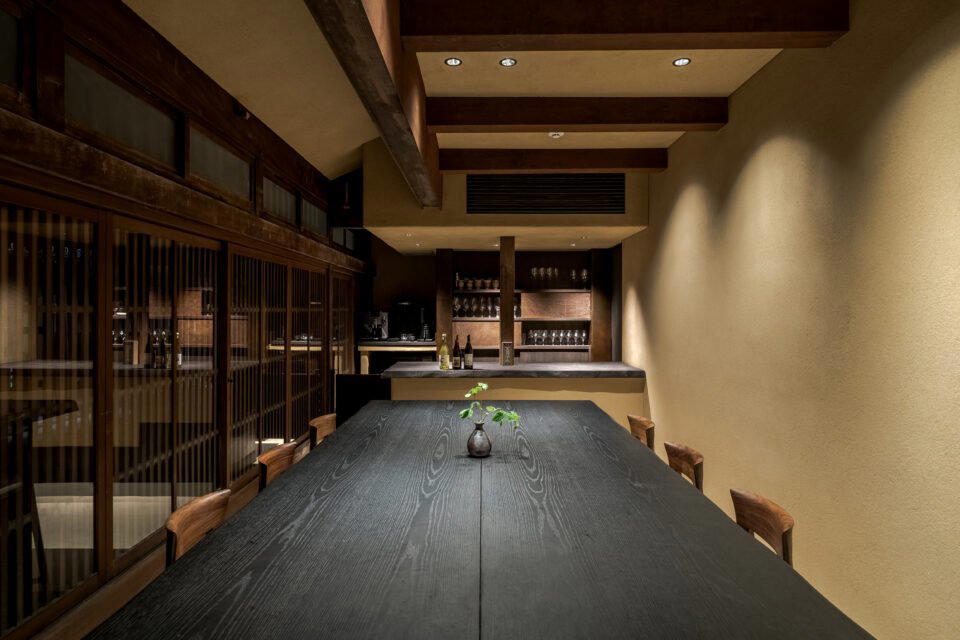
Details
- Elegant
- Sophisticated
- Intimate
- Modern
- Date Night
- Special Occasion
- Business Dinner
- Panoramic View
- Chefs Counter
- Sake Program
- Local Sourcing
- Waterfront
- Counter Dining
- Set Menu
- Sake
- Vegetarian Friendly
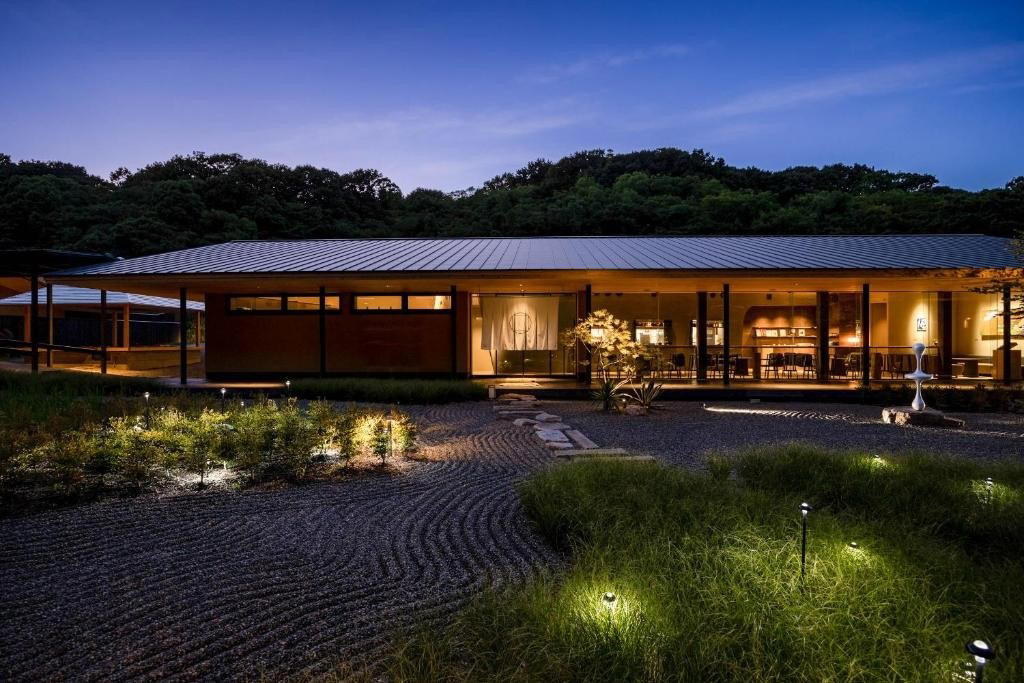
Elegant and serene with soft lighting, contemporary Japanese design, and far-reaching waterfront vistas creating a sophisticated yet relaxing atmosphere.