Tabelog 100 #87
Our verdict
In Takamatsu's Kawaramachi district, 鮨賀 operates within a dining tradition where the counter format, the pacing of the meal, and the sourcing logic of Seto Inland Sea fish define the experience as much as any individual dish. The restaurant sits in a city where proximity to some of Japan's most distinctive seafood gives local sushi a regional character that separates it from Tokyo or Osaka omakase circuits.

Pearl is the En Primeur Club membership app, where members save venues, book tables and use the concierge.
The Counter as the Architecture of the Meal
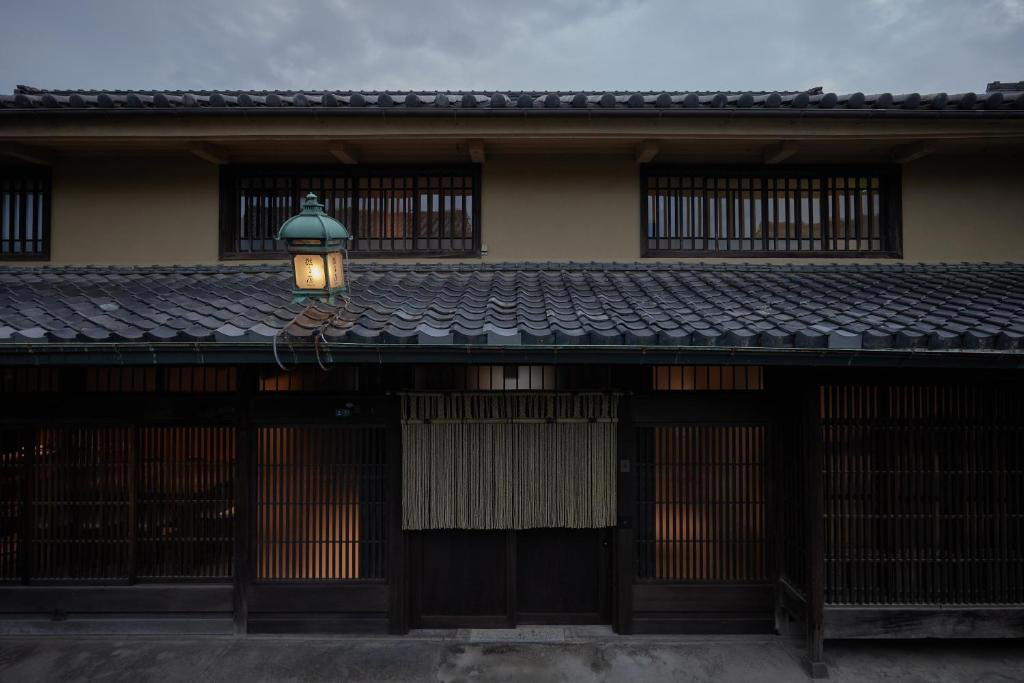
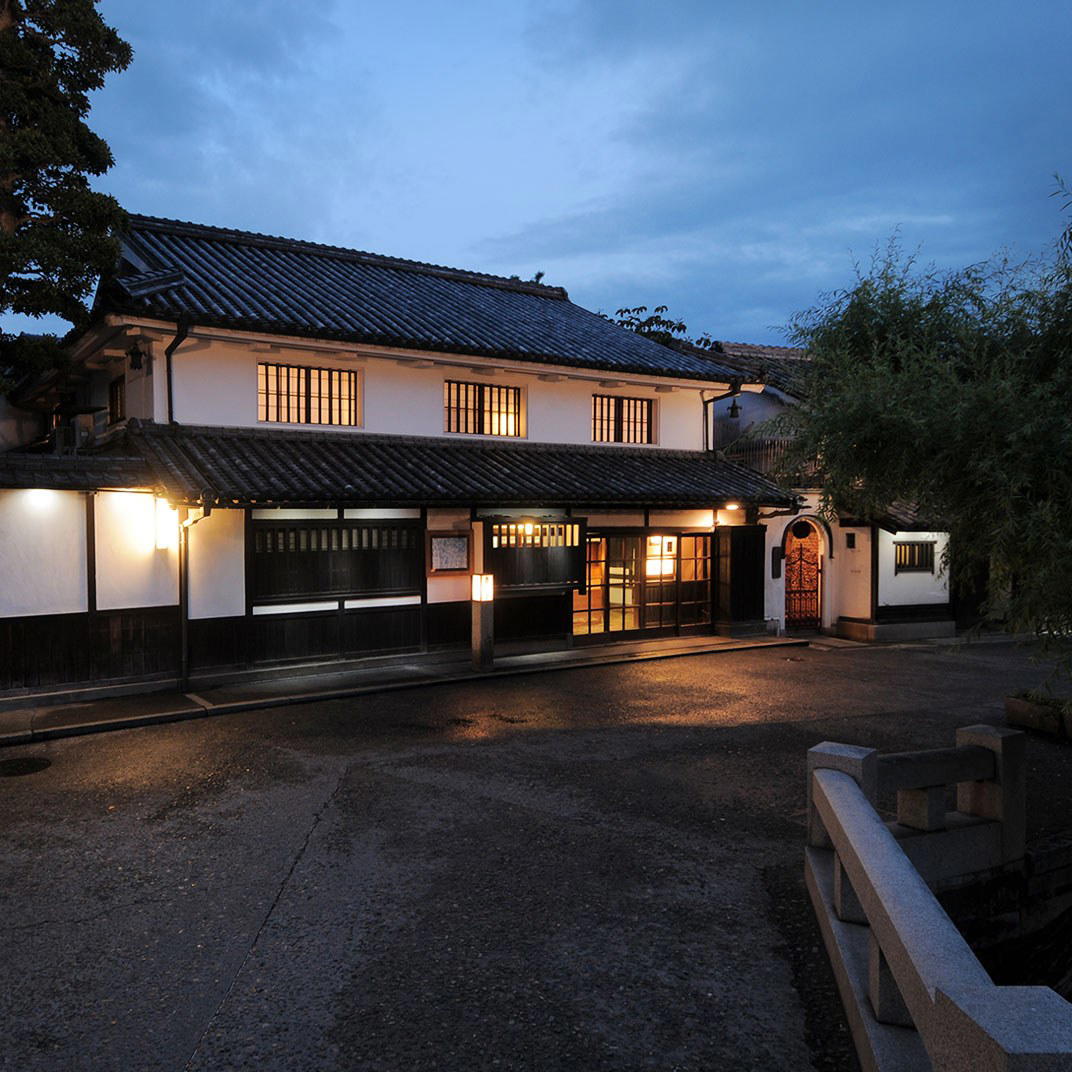
Kawaramachi, the riverside commercial quarter that anchors central Takamatsu, carries a quieter register than the city's covered shotengai arcades a few blocks north. The streets here run between low-rise buildings, izakayas, and specialist food businesses that have operated long enough to assume a certain permanence. It is the kind of neighbourhood where restaurants do not announce themselves aggressively, where a narrow noren hanging at eye level and a handwritten board is considered sufficient signage. 鮨賀, at 2-chome-8-17 Kawaramachi, occupies this kind of space, in a district where Takamatsu's serious dining tends to concentrate away from tourist pressure and closer to the rhythms of a working city.
Sushi at this level in Japan, the counter-seated, chef-directed format that organises the meal around the chef's sequencing rather than the diner's ordering, has a ritual logic that predates menus in the conventional sense. The progression from lighter, more delicate preparations toward richer, more assertive pieces; the brief verbal context offered for each fish; the timing of the warm oshibori and the shift between sake and tea: these are not stylistic choices made by an individual chef so much as a shared grammar accumulated over decades of counter culture in Japanese cities. What changes between cities is the raw material. And in Takamatsu, the raw material is the Seto Inland Sea.
What the Seto Inland Sea Brings to the Plate
Takamatsu sits on Kagawa Prefecture's northern coast, directly on the Seto Inland Sea, which is one of Japan's most productive and biologically diverse fishing grounds. The enclosed geography of the sea, calm water, strong tidal movement between the islands of the Setonaikai National Park, produces fish with a fat content and texture profile that differs measurably from open-Pacific equivalents. Sea bream, or tai, holds a particular significance here; it is the fish most associated with this stretch of coast, and in Kagawa it appears with a frequency and quality that gives local sushi a different centre of gravity than the tuna-forward omakase model that dominates Tokyo's premium counters.
This regional specificity is part of what gives sushi in cities like Takamatsu a distinct identity within Japan's broader counter-dining tradition. Comparable regional sushi cultures have developed in Kanazawa around Sea of Japan species, in Fukuoka around the hakata-mae tradition, and in Kyoto around a different kind of seasonal and preserved-fish logic, as seen at places like Gion Sasaki in Kyoto. In each case, geography shapes the menu as much as training does. At premium Takamatsu counters, the Seto Inland Sea is not background colour; it is the structural argument for why eating sushi here differs from eating it elsewhere.
The Ritual of the Omakase Counter
The omakase format, literally, "I leave it to you", removes the decision burden from the diner and concentrates it entirely at the chef's end of the counter. This is not passivity. It requires a different kind of attentiveness from the diner: watching the preparation sequence, reading the temperature and texture signals in each piece, understanding what the chef is communicating through pacing and proportion. At well-run counters, this produces a meal that feels more like a directed experience than a transaction.
The etiquette at a serious sushi counter operates on a few unspoken principles. Pieces are eaten immediately after being placed, before the rice temperature changes. Conversation happens between courses, not during preparation. Phones are used sparingly, if at all. These conventions are not arbitrary; they reflect the fact that nigiri, at its finest, is temperature-dependent in both directions, the fish resting toward room temperature, the rice cooled to slightly above. The few-minute window is narrow and deliberate. Sushi at this level, whether at places like Harutaka in Tokyo or at regional counters in cities like Takamatsu, rewards diners who arrive knowing this and treat the counter as a focused space rather than a social backdrop.
For context on the broader premium counter scene across Japan, HAJIME in Osaka and akordu in Nara represent different points on the spectrum of chef-directed fine dining in the Kansai and surrounding regions. Goh in Fukuoka anchors a similar tradition in Kyushu.
Takamatsu's Dining Scene in Context
Takamatsu is a secondary city by Japanese metropolitan standards, with a population under 420,000, but its food culture overperforms that scale considerably. The city's access to Kagawa's agricultural output, the Seto Inland Sea's seafood, and its role as the main commercial hub of Shikoku give it a food supply chain that supports serious restaurants across multiple formats. The covered shotengai district is one of the longest in Japan and houses a dense concentration of casual dining. The more considered restaurants, including sushi counters and kaiseki operations, tend to distribute across Kawaramachi and the quieter residential-commercial streets closer to the waterfront.
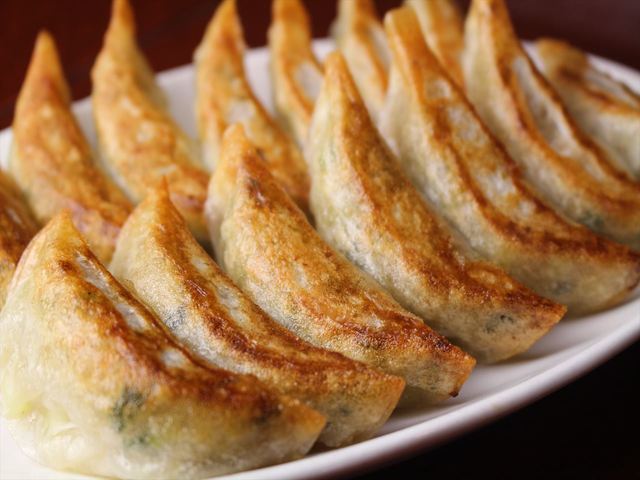
龍池 SORAE and 両忠 represent different points on the city's dining range, as do Peking, ノッキングキッチン, and ボワ・エ・デュポン. The city does not have the concentration of Michelin-starred addresses that Osaka or Tokyo carry, but it has a functioning mid-to-upper tier that rewards research. Our full Takamatsu restaurants guide maps the current state of that tier more completely.
For travellers moving through Shikoku specifically, the comparison with regional sushi and specialist dining cultures elsewhere in provincial Japan is worth holding in mind. Places like 三本木 石川製 in Nanao, 古仁屋山乃 in Sapporo, and 湖畔庵 in Takashima each demonstrate how Japanese regional cities sustain serious food culture away from the major metropolitan centres. 庄羽屋 in Nishikawa Machi and Birdland in Sakai extend that picture further. For international reference on chef-directed counter dining, Le Bernardin in New York City and Atomix in New York City represent how similar principles of sequenced, chef-controlled progression translate across cultural contexts.
Planning Your Visit
鮨賀 is located at 2-chome-8-17 Kawaramachi, Takamatsu, Kagawa, a short walk from central Takamatsu's main commercial streets and accessible from Takamatsu Station in under fifteen minutes on foot. As with most serious sushi counters in Japan, advance contact to confirm booking availability, current hours, and format is advisable before visiting. Specific pricing, seating arrangements, and reservation protocols for 鮨賀 are best confirmed directly, as counter-format restaurants frequently adjust capacity and scheduling seasonally. Visiting during the cooler months from autumn through early spring aligns with peak quality for many of the Seto Inland Sea species that define the regional sushi calendar.
Frequently asked questions
Where exactly is 鮨�
é®¨è³ is located at 2-chome-8-17 Kawaramachi, Takamatsu, Kagawa 760-0052, Japan, Takamatsu.
What should I order at 鮨賀?
At a counter operating the omakase format, ordering is not the relevant verb. The chef sequences every course and the diner follows. In Takamatsu, that sequence is shaped by the Seto Inland Sea's seasonal catch, which means the fish arriving at the counter in any given week will differ from what a Tokyo or Osaka omakase prioritises. Arrive without expectations about specific pieces.
Is é®¨è³ reservation-only?
Reservations are recommended for é®¨è³ in Takamatsu. Confirm current policy via the venue's official channels.
Is 鮨賀 reservation-only?
Counter-format sushi at this level in Japan operates almost universally by reservation. Walk-in availability at a Kawaramachi address like 鮨賀 is unlikely on any given evening. check the venue's official channels or use a hotel concierge in Takamatsu to secure a seat before travelling.
Where It Fits
| Venue | Cuisine | Price | Awards |
|---|---|---|---|
| 鮨è³This venue (the venue you are viewing) | This venue | Not listed | Tabelog 100 #87 |
| é·æ± SORAE | Modern Kappo Kaiseki | $150–200 | Tabelog 100 #92 |
| ä¸¡å¿ | Modern Italian Omakase | $100–150 | Tabelog Bronze #375 |
| Peking | Sanuki Chinese Dumplings | Not listed | Not listed |
| ノッキングキッチン | Local Italian | Not listed | Not listed |
| ボワ・エ・デュポン | Classic French Bistro | $50–100 | Not listed |
Recognition history
Dated appearances from independent guides and award organizations, with the underlying list record or original source where available.
Tabelog 100 #87 · No. 87
Tabelog · Tabelog 100 - Sushi - WEST - 2025
Continue exploring