
Jidori Labo places Takamatsu yakitori in a tighter, more ceremonial register: five counter seats, a reservation-only course, and a drinks-led rhythm built around sake and wine. Its repeated selection for Tabelog’s Yakitori 100, including the WEST 2025 list, signals a specialist address rather than a casual skewer stop.
Pearl is the En Primeur Club membership app — saves, bookings, and concierge access live there. Same editors, same standards.
- Address
- 6-22 Furubabacho, Takamatsu, Kagawa 760-0045, Japan
- Phone
- +819057195380
- Website
- s.tabelog.com
 Saves & bookings on Pearl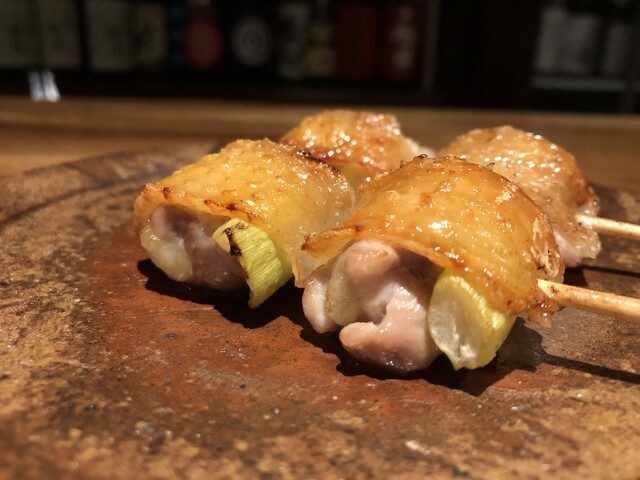
Furubabacho’s evening streets have Takamatsu’s usual mix of small bars, late trains, and post-work appetite, but the serious yakitori counter runs on another tempo. This is not drop-in skewers and beer. It is a timed ritual: a small room, counter seating, a course of about two hours, and a clear expectation that drinking is part of the format. In a city many travellers know for udon, chicken-focused dining asks for slower attention.
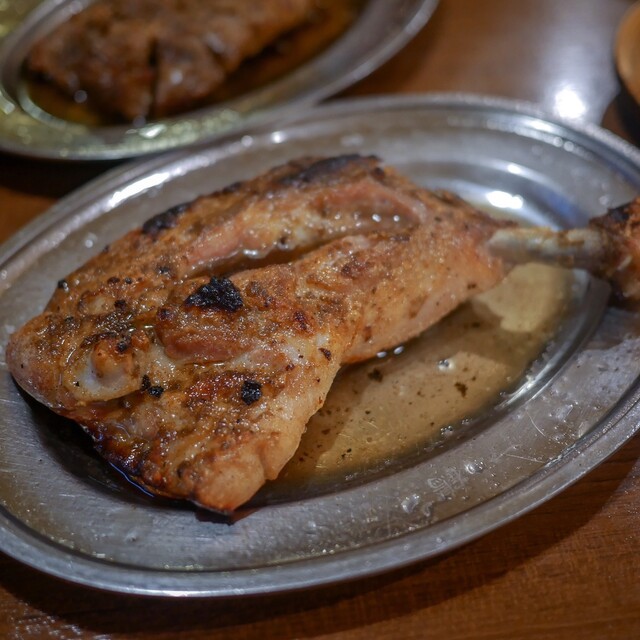
Jidori Labo belongs to that specialist tier. The category is yakitori, with chicken dishes and Japanese cuisine around it, but the comparison is not the quick, smoky neighborhood grill. It is the compact counter where portioning, pacing, heat control, and beverage pairing define the evening. Selection for Tabelog’s Yakitori 100 WEST in 2025, after Yakitori 100 selections in 2022, 2023, and 2024, places it in a national conversation about regional yakitori, not just Takamatsu dining.
Yakitori as a timed counter ritual, not casual skewer drinking
Yakitori has two public faces in Japan. One is democratic and fast: a few skewers, a highball, smoke in the clothes, and a bill that keeps the night moving. The other is controlled and sequential, closer to omakase, where the counter is both kitchen and stage. Jidori Labo sits in the second camp. Five seats change the social contract: the room cannot absorb indecision, late arrivals, or a table’s shifting mood like a larger izakaya.
That scale matters. At five seats, the cook’s timing and the diner’s rhythm become inseparable. A course length of about two hours suggests tasting-menu discipline rather than pub grazing. No chemical seasonings are noted in the restaurant’s public description, aligning with serious yakitori’s move toward ingredient clarity and precise seasoning rather than sweetness, sauce density, or volume.
The drinks policy sharpens the point. Sake and wine are part of the identity, and non-drinkers are not admitted. Severe to some travellers, but editorially useful: the venue is not trying to serve every version of dinner. It is built around grilled chicken, heat, fat, salt, tare, and alcohol. In yakitori, pairing is not decorative; it resets the palate, changes how smoke reads, and gives the course its adult pacing.
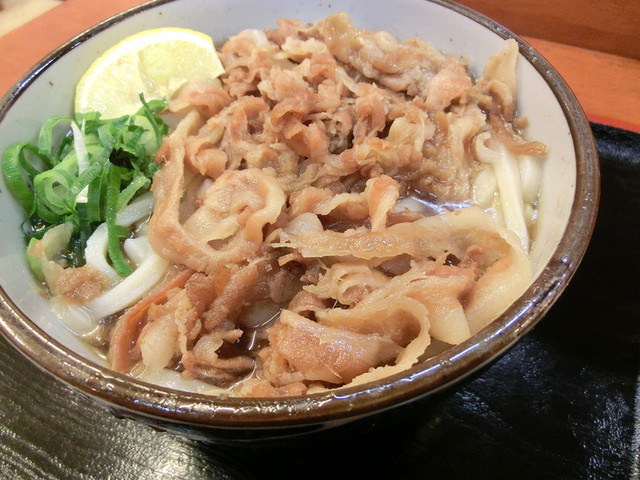
For readers mapping Takamatsu by food type, this is a counterweight to the city’s udon gravity. Places such as Chikusei Honten, Furukawa Udon, and Furusato Udon speak to Kagawa’s daytime noodle culture. Jidori Labo belongs to the evening economy: smaller, pricier, more rule-bound, and shaped by the counter rather than the queue.
Where it sits in Takamatsu's price and format hierarchy
Takamatsu rewards low-cost eating unusually well. Teuchi Udon Tsurumaru operates in the sub-JPY 999 bracket, while Gyoza Ya and Udonya Goemon sit around JPY 1,000 to JPY 1,999. A yakitori course at JPY 10,000 to JPY 14,999 is therefore destination dining by local standards, similar in budget band to Osteria enne and below Sushi Nakagawa. The distinction is not expense alone, but what the spend buys: time, scarcity, and a narrower format.
That scarcity is practical as well as atmospheric. Private reservations begin from four guests, groups are capped at five, and there are no private rooms. Solo dining is explicitly part of the public positioning, but single seats are handled as occasional opportunities rather than the baseline. This is the opposite of the broad-access model behind much of Takamatsu’s daytime food culture.
The payment rules place it in a particular Japanese dining tradition. Cash-only restaurants at this level are not rare outside Tokyo, especially in small chef-run rooms where the operating model favors control over convenience. For travellers, the meal should be planned with the same seriousness as the reservation. The venue is completely non-smoking, and minors are not permitted, further confirming the adult, drinks-centered experience.
Within Takamatsu, build the surrounding itinerary with contrast rather than repetition. Azuma and Fumiya Okonomiyaki Honten point to other local registers, while our full Takamatsu restaurants guide is better for comparing udon, izakaya cooking, sushi, and higher-spend counters. For sleeping and broader planning, see our full Takamatsu hotels guide, with separate city coverage for Takamatsu bars, Takamatsu wineries, and Takamatsu experiences.
The etiquette is part of the value
Small-format yakitori rewards diners who accept the house rhythm. The course is the frame, the counter is the vantage point, and the beverage program is not optional background. Jidori Labo is a poor fit for a flexible family dinner or mixed group with abstainers, but a strong fit for travellers who understand Japanese counter dining as a compact social contract.
The absence of a chef biography in the public-facing details is not a weakness. The stronger signal is format discipline: repeated Tabelog Yakitori 100 recognition, a five-seat counter, reservation-only model, and a course designed around alcohol. Those facts say more than a polished origin story. In a city where many visitors chase speed, noodles, and value, this is the slower evening: chicken handled as a sequence, drinking treated as structure, and a room small enough that etiquette becomes part of the cooking.
For a broader Japan itinerary, compare by category rather than cuisine. A tightly controlled beef format such as -Grilled beef Sukiyaki- KAMAKURA TANUKIAN 鎌倉 たぬき庵 in Kamakura, a Tokyo charcoal-led room like. 鮪と炭火焼き うお炭 秋葉原店 in Tokyo, or a sake-focused Los Angeles address such as Jōdo Saké Bar in Los Angeles all show how narrow formats create sharper expectations. For lighter counterpoints elsewhere, see.cafe in Osaka,.know in Kumamoto, (Shoku) Vietnam in Kawasaki, [Curry Senmon Ten] Maruyama Kyoju. in Sapporo, and Onigiri Time in Pasadena.
Cuisine Lens
Comparable venues by cuisine and price in the same metro.
| Venue | Cuisine | Price | Awards | Notes |
|---|---|---|---|---|
| Jidori LaboThis venue — the venue you are viewing | High-end Yakitori using Kuro Satsuma & Kagawa Olive Jidori | $$$$ | , | |
| Koryori Yarn | Innovative Japanese Koryori Omakase | $$$$ | , | Takamatsu |
| 長江 SORAE | Modern Kappo Kaiseki | $$$$ | , | Takamatsu |
| Sushi Nakagawa | Traditional Sushi Omakase | $$$ | , | Takamatsu |
| Renge Ryori Ten | Creative Japanese Izakaya & Seafood | $$ | , | Takamatsu |
| Grill a Table | Modern Japanese Teppanyaki & Omakase | $$$ | , | Takamatsu |
Continue exploring
More in Takamatsu
Restaurants in Takamatsu
Browse all →
At a Glance
- Intimate
- Cozy
- Modern
- Hidden Gem
- Date Night
- Special Occasion
- After Work
- Solo
- Chefs Counter
- Standalone
- Design Destination
- Sake Program
- Local Sourcing
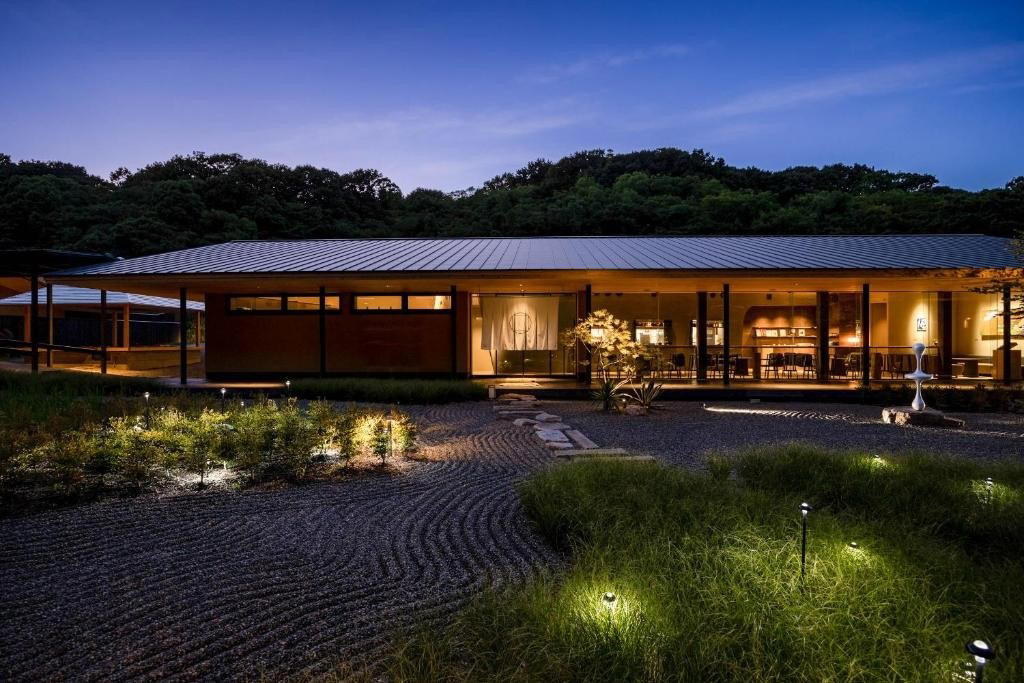
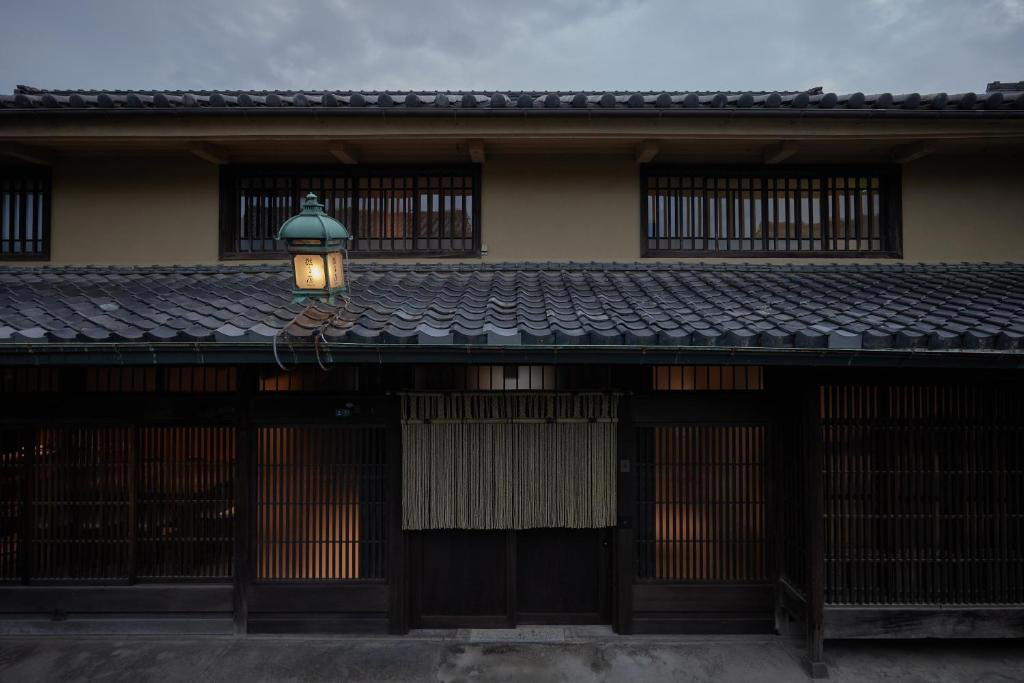
An intimate, wood-accented space with a warm, minimalist feel, designed for adults enjoying carefully grilled yakitori and drinks in a focused, counter-style setting.