
Latteria Bebe Kamakura places Italian pizza and pasta inside Kamakura’s café-and-day-trip dining culture rather than the city’s temple-route snack circuit. Its Tabelog Pizza 100 selections in 2017, 2018, 2019, 2021, 2023, and 2025 give it a credentialed position among Japan’s serious pizza rooms, with a compact house-restaurant format close to Kamakura Station.
Pearl is the En Primeur Club membership app — saves, bookings, and concierge access live there. Same editors, same standards.
- Address
- 11-17 Onarimachi, Kamakura, Kanagawa 248-0012, Japan
- Phone
- +81 467-81-3440
- Website
- latteria-bebe.com
 Saves & bookings on Pearl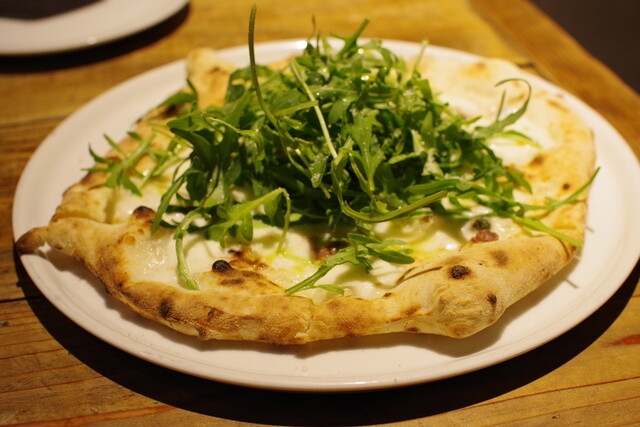
Onarimachi has a different rhythm from the approach roads to Kamakura’s temples. The mood is lower, more residential, and more useful for lunch than spectacle: small restaurants, cafés, bakeries, and shops threaded around the station rather than lined up for shrine traffic. In that setting, Latteria Bebe Kamakura belongs to a familiar but specific Japanese category, the serious neighborhood Italian room that treats pizza, pasta, wine, and family dining as part of daily life rather than occasion dining.
Kamakura’s restaurant culture is often read through seafood, sweets, and day-trip eating, but the city also rewards slower meals away from the main tourist current. Italian cooking fits that pattern neatly. It is flexible enough for families and friends, structured enough for a proper lunch or dinner, and familiar enough to work in a town where visitors arrive with mixed appetites after train rides, temple walks, and beach weather. Pizza, in particular, has become one of Japan’s quietly competitive imported crafts, judged less by novelty than by dough handling, heat control, and consistency across repeat visits.
Pizza as craft, not tourist fuel
The useful signal here is not a single chef story or a romantic origin tale. It is recognition over time. The restaurant has been selected for Tabelog Pizza 100 in 2017, 2018, 2019, 2021, 2023, and 2025, a pattern that places it inside Japan’s national conversation around pizza rather than only Kamakura’s local dining map. For a city better known internationally for temples and coastal day trips, that matters: it marks pizza as part of the area’s serious restaurant vocabulary, not a fallback order between sightseeing stops.
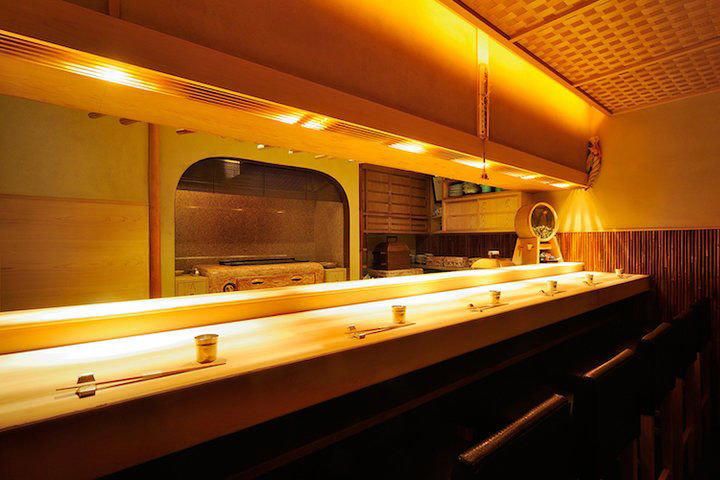
The format also tells the reader how to think about the meal. Categories run across pizza, Italian, and pasta, with wine listed as the drink direction and take-out available. That combination points to a flexible Italian house rather than a tasting-menu restaurant or a quick counter. The room has 35 seats, split between counter seating, tables, and terrace seats, which gives it a more elastic social range than a tightly scripted destination counter. In Kamakura, that elasticity is valuable; the city’s dining demand shifts between weekday locals, weekend rail traffic, families, and groups of friends.
Compared with nearby listed peers, the restaurant sits in a different lane from Kamakura Lilian’s low-price everyday register and from higher-spend European or seafood formats such as anchoa outside the immediate metro comparison. The point is not that one category outranks another. It is that Kamakura’s appeal comes from range: casual cafés, bakeries, seafood, Japanese dining, and European cooking all operate within a walkable station-and-temple city. Pizza with repeated national category recognition gives that range a sharper edge.
Why Onarimachi suits this kind of Italian dining
Onarimachi works because it is close to the station without feeling like a concourse. That is a useful distinction in Kamakura, where the difference between a meal and a refueling stop often depends on which side street a traveler chooses. A house-restaurant setting, non-smoking policy, counter seats, tables, and terrace seating make the format legible for mixed groups. Children are welcome, including preschool and school-age children, which also places the restaurant in the city’s practical dining culture rather than in the reservation-only, adult-only end of Japanese gastronomy.
Italian food in Japan often succeeds when it absorbs local expectations about precision and service while keeping the cuisine’s social ease. Pizza houses are a strong example: the craft is visible, the meal can be brief or leisurely, and the check does not need to carry the ceremony of formal kaiseki or sushi. That makes the category especially useful in a historic city where the day is often built around walking. The better version of the experience is not about chasing a rare table; it is about choosing a restaurant with enough craft credibility to justify pausing the itinerary.
For readers building a fuller Kamakura plan, the surrounding city is better understood by category than by a single meal. For restaurant context, start with Our full Kamakura restaurants guide, then compare the neighborhood spread through arbre noir YAKUMI, Bergfeld Kamakura honten, Cabbage Batake, Cafe Vivement Dimanche, and CALVA. The broader trip structure sits across Our full Kamakura hotels guide, Our full Kamakura bars guide, Our full Kamakura wineries guide, and Our full Kamakura experiences guide.
The reader decision: when pizza belongs in a Kamakura itinerary
This is the right style of meal when the day needs structure without formality. The restaurant’s repeated Pizza 100 selections supply the trust signal; the category mix supplies flexibility; the family-friendly setup broadens the use case. It is not the choice for travelers trying to make every Kamakura meal read as traditional Japanese cuisine. It is the choice for readers who understand that modern Japanese dining culture includes exacting versions of imported forms, and that pizza can be as revealing of local taste as soba or seafood when the room has a track record.
That same logic applies beyond Kamakura. Japan’s dining map is full of category specialists and local rooms whose importance is clearer when read against place rather than hype. For wider comparison across EP Club’s restaurant coverage, see. 鮪と炭火焼き うお炭 秋葉原店 in Tokyo.cafe in Osaka.know in Kumamoto, (Shoku) Vietnam in Kawasaki, [Curry Senmon Ten] Maruyama Kyoju. in Sapporo, [ki:] in Kyoto, Jōdo Saké Bar in Los Angeles, and Onigiri Time in Pasadena.
- Wood-fired Margherita pizza
- Cicenielli shirasu pizza
- Cinque Formaggi five-cheese pizza
- Fresh mozzarella and ricotta plate
- Stracciatella caprese with seasonal citrus
- House mascarpone tiramisu
Budget and Context
Side-by-side context: comparable cuisine and price.
| Venue | Cuisine | Price | Notes |
|---|---|---|---|
| Latteria Bebe KamakuraThis venue — the venue you are viewing | Not listed | $$ | Not listed |
| Gelateria Il Brigante | Kamakura, Authentic Italian gelato | $ | Not listed |
| OXYMORON komachi Komachi | Not listed | $$ | Kamakura, Japanese-style spice curry & café |
| リストランテ イルノード | Not listed | $$$$ | Kamakura, Kamakura Vegetable Italian Fine Dining |
| IL NODO | Not listed | $$$ | Kamakura, Italian with Local Kamakura Seafood |
| Romi-Unie Confiture | Not listed | $ | Kamakura, Artisanal Jam & Baked Sweets Shop |
Recognition history
Dated appearances from independent guides and award organizations, with the underlying list record or original source where available.
Tabelog 100 #2 · No. 2
Tabelog · Tabelog 100 - Pizza - 2025









At a Glance
- Cozy
- Rustic
- Romantic
- Classic
- Date Night
- Family
- Celebration
- Casual Hangout
- Group Dining
- Open Kitchen
- Historic Building
- Standalone
- Design Destination
- Extensive Wine List
- Local Sourcing
Current opening hours
- Monday
- Closed
- Tuesday
- 11 AM–4 PM, 5–9 PM
- Wednesday
- 11 AM–4 PM, 5–9 PM
- Thursday
- 11 AM–4 PM, 5–9 PM
- Friday
- 11 AM–4 PM, 5–9 PM
- Saturday
- 11 AM–4 PM, 5–9 PM
- Sunday
- 11 AM–4 PM, 5–9 PM
Hours can change for holidays and private events. Last verified .
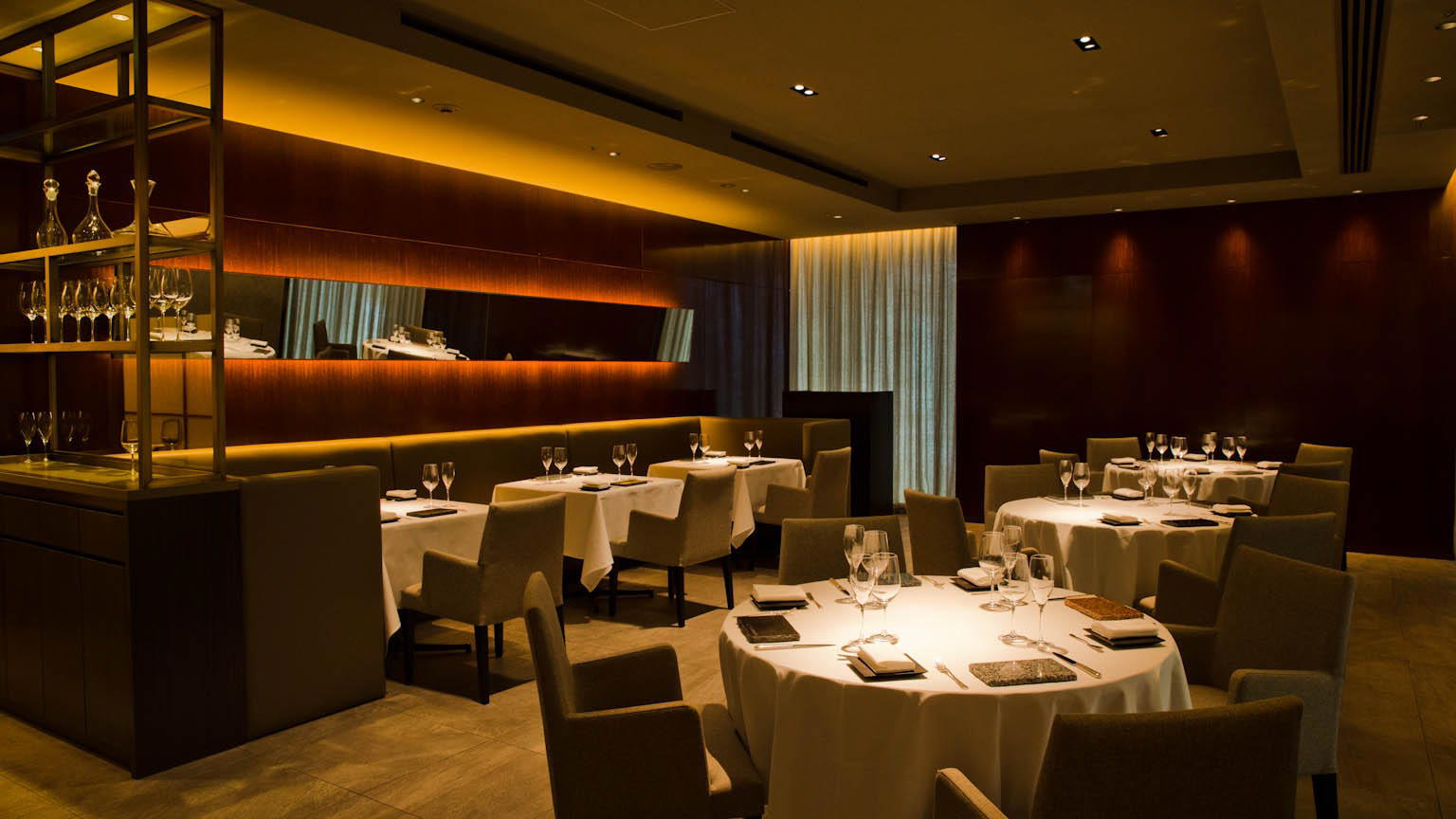
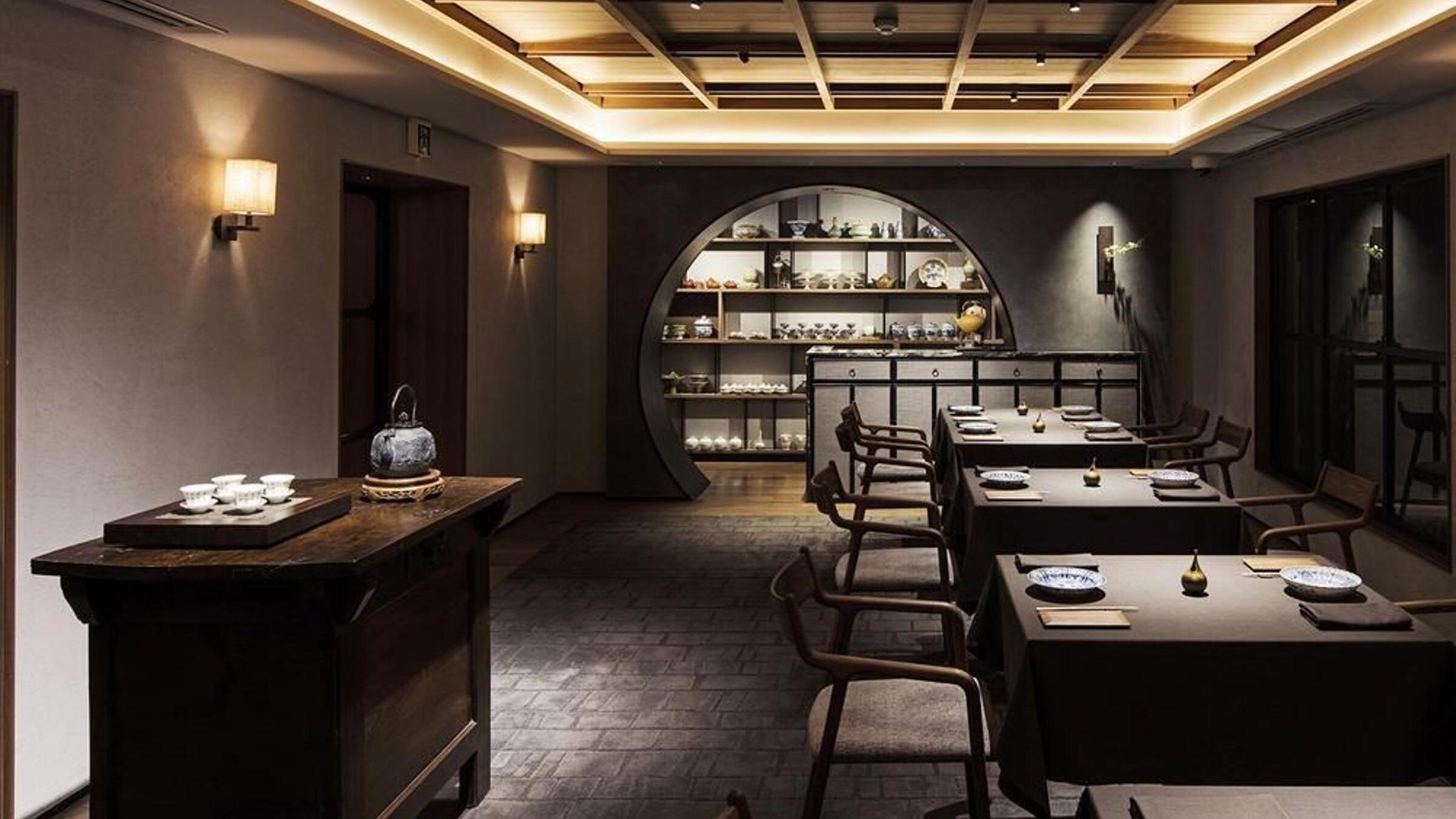
Warm and nostalgic, with lots of wood and the feel of a renovated traditional house, combining the coziness of a neighborhood pizzeria with the charm of a quiet back-alley Kamakura hideaway.