
Spanish restaurant Arashida brings Spanish and creative cooking into Kamakura’s Hase-Yuigahama orbit, with a fish-led kitchen, wine focus, sommelier service, and a 10-seat counter format. Its selection for Tabelog 100 Spanish cuisine 2026 places it in a narrow national category rather than the usual temple-town dining circuit.
Pearl is the En Primeur Club membership app — saves, bookings, and concierge access live there. Same editors, same standards.
- Address
- 1 Chome-7-12 Hase, Kamakura, Kanagawa 248-0016, Japan
- Phone
- +81 467-73-7141
- Website
- restaurant.ikyu.com
 Saves & bookings on Pearl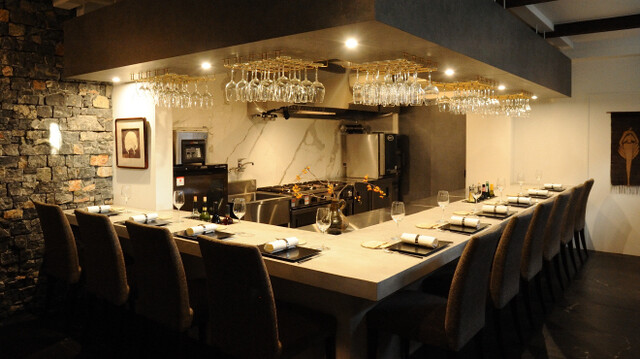
Hase changes pace quickly: temple traffic, Enoden tracks, low houses, and the sea-facing pull of Yuigahama all sit within a short walk of one another. In that setting, Spanish cooking reads differently than it does in Tokyo’s restaurant districts. The format is smaller, the coastal reference is harder to ignore, and the meal has to justify itself against a city better known for soba, shirasu, cafés, and day-trip sweets than for Iberian technique.
That is the useful way to read Spanish restaurant Arashida: not as a transplanted Spanish room, but as part of Kamakura’s newer pattern of compact, reservation-led dining built around counter proximity and ingredient focus. The restaurant is listed as Spanish and creative, with fish highlighted as a defining food direction and wine given equal emphasis. Its selection for Tabelog 100 Spanish cuisine 2026 gives the address national category recognition in a field that remains far smaller in Japan than sushi, kappo, French, or Italian.
Spanish technique filtered through a Kamakura coastal rhythm
Spanish cuisine in Japan has long split between casual tapas bars, paella houses, and higher-precision kitchens that borrow from Basque, Catalan, and modernist vocabularies without pretending to be literal replicas. Kamakura pushes that conversation toward the coast. A fish-led Spanish counter here makes cultural sense: Spanish cooking has deep coastal traditions, while Kanagawa’s dining identity is inseparable from seafood markets, small ports, and seasonal marine produce.
The stronger Japanese-Spanish rooms tend to succeed when they stop treating Spain as décor and use it instead as a structure: olive oil, rice, seafood, grilling, acidity, and wine become tools rather than theme. The listed “creative” category matters because it signals a looser grammar than a conventional tapas menu. At a 10-counter-seat restaurant, that looseness can work in the guest’s favour; the room’s scale supports a meal built on pacing and close kitchen visibility rather than a broad à la carte spread.
Kamakura’s food culture is not a single lane. A day can move from German baking at Bergfeld Kamakura honten to café culture at Cafe Vivement Dimanche, bread and pastry at CALVA, or local casual addresses such as Cabbage Batake. Against that backdrop, Spanish restaurant Arashida occupies the smaller evening-dining register: counter seats, wine, sommelier availability, and a cooking language that travels beyond the standard Kamakura lunch route.
A counter format, not a theme-restaurant performance
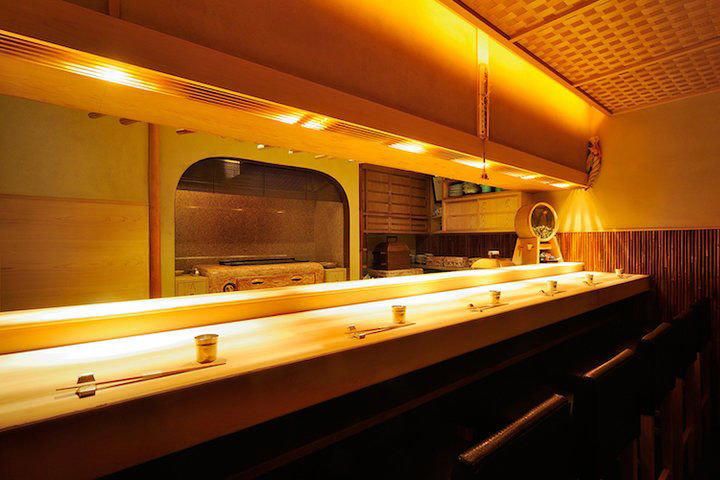
The room’s 10 counter seats are the strongest format signal. Counter dining in Japan carries expectations that differ from a Western dining room: fewer visual distractions, closer observation of the kitchen, and a meal rhythm set by the cooks rather than by table turnover. For Spanish food, that can be revealing. Techniques that are often swallowed by noise in a larger tapas room, including seafood handling, heat control, and sauce work, become easier to judge when the kitchen is part of the room.
The Tabelog 100 Spanish cuisine 2026 selection is useful not because it settles taste, but because it identifies the restaurant inside a national Spanish-cuisine cohort. That matters in Kamakura, where the gravitational pull of tourism can flatten dining into convenience. Recognition in a cuisine-specific list suggests a restaurant competing beyond neighbourhood utility. The Tabelog score of 3.55 adds a second, more granular signal, but the more telling detail is the category: Spanish, creative, fish-oriented, wine-oriented, counter-based.
There is also a practical cultural point here. Spanish cooking in Japan often attracts drinkers as much as diners, and the wine emphasis places this restaurant in that tradition rather than in the noncommittal small-plates category. Sommelier availability reinforces the format. It also separates the meal from Kamakura’s many daytime stops, including inexpensive snacks and cafés such as Fuhan, Taiyaki Namihei, La for e t et la table, and other casual addresses that serve a different purpose in the city’s eating day.
How to place it within a Kamakura trip
For travellers, the key decision is whether Kamakura is being treated as a half-day excursion or as a proper overnight stop. A compact Spanish counter in Hase suits the latter better. The city’s dining personality changes after the temple crowds thin, and the neighbourhood around Yuigahama rewards a slower schedule. Pairing a serious dinner with a stay is more coherent than rushing back to Tokyo after a long course-style meal; Our full Kamakura hotels guide is the better planning companion for that version of the trip.
The restaurant also sits inside a broader Kamakura edit. For a wider view of the city’s dining range, use Our full Kamakura restaurants guide; for after-dinner drinking context, Our full Kamakura bars guide is the cleaner route. Category completists can also scan Our full Kamakura wineries guide and Our full Kamakura experiences guide, though Kamakura’s strength remains intimate food, coastal walking, and small cultural itineraries rather than scale.
Within EP Club’s wider restaurant map, Arashida belongs to the same planning universe as small-format destination meals rather than quick city fillers. Readers comparing Japanese regional dining can look at arbre noir YAKUMI, [ki:] in Kyoto.know in Kumamoto.cafe in Osaka, (Shoku) Vietnam in Kawasaki, [Curry Senmon Ten] Maruyama Kyoju. in Sapporo, and. 鮪と炭火焼き うお炭 秋葉原店 in Tokyo. For cross-Pacific Japanese drinking and casual-food contrasts, Jōdo Saké Bar in Los Angeles and Onigiri Time in Pasadena show how Japanese formats shift when transplanted abroad.
The editorial case is narrow and clear: choose this table when Spanish technique, fish, wine, and counter intimacy are the point of the evening. Kamakura has many easier meals. This one asks to be treated as a planned dinner, not a fallback between temples.
A Pricing-First Comparison
Nearby venues at a similar price tier for orientation.
| Venue | Cuisine | Price | Notes |
|---|---|---|---|
| Spanish restaurant Arashida | Not listed | $$$ | Kamakura, Refined Spanish & Basque Counter Dining |
| Koga Tei | Kamakura, Modern Spanish | $$$ | Not listed |
| フィエルテ | Kamakura, French Fine Dining | $$$ | Not listed |
| Kamakura Waku | Kamakura, Seasonal Japanese Kaiseki | $$$ | Not listed |
| Roastbeef Kamakurayama | Not listed | $$$$ | Kamakura, Japanese Roast Beef Fine Dining |
| Oryori Tomiyama | Not listed | $$ | Kamakura, Traditional Japanese donburi & set meals |
Recognition history
Dated appearances from independent guides and award organizations, with the underlying list record or original source where available.
Tabelog 100 #56 · No. 56
Tabelog · Tabelog 100 - Spanish cuisine - 2026









At a Glance
- Cozy
- Elegant
- Intimate
- Romantic
- Date Night
- Special Occasion
- Celebration
- Solo
- Chefs Counter
- Standalone
- Design Destination
- Extensive Wine List
- Local Sourcing
Current opening hours
- Monday
- 12–3 PM, 5:30–10 PM
- Tuesday
- 12–3 PM, 5:30–10 PM
- Wednesday
- Closed
- Thursday
- 5:30–10 PM
- Friday
- 12–3 PM, 5:30–10 PM
- Saturday
- 12–3 PM, 5:30–10 PM
- Sunday
- 12–3 PM, 5:30–10 PM
Hours can change for holidays and private events. Last verified .
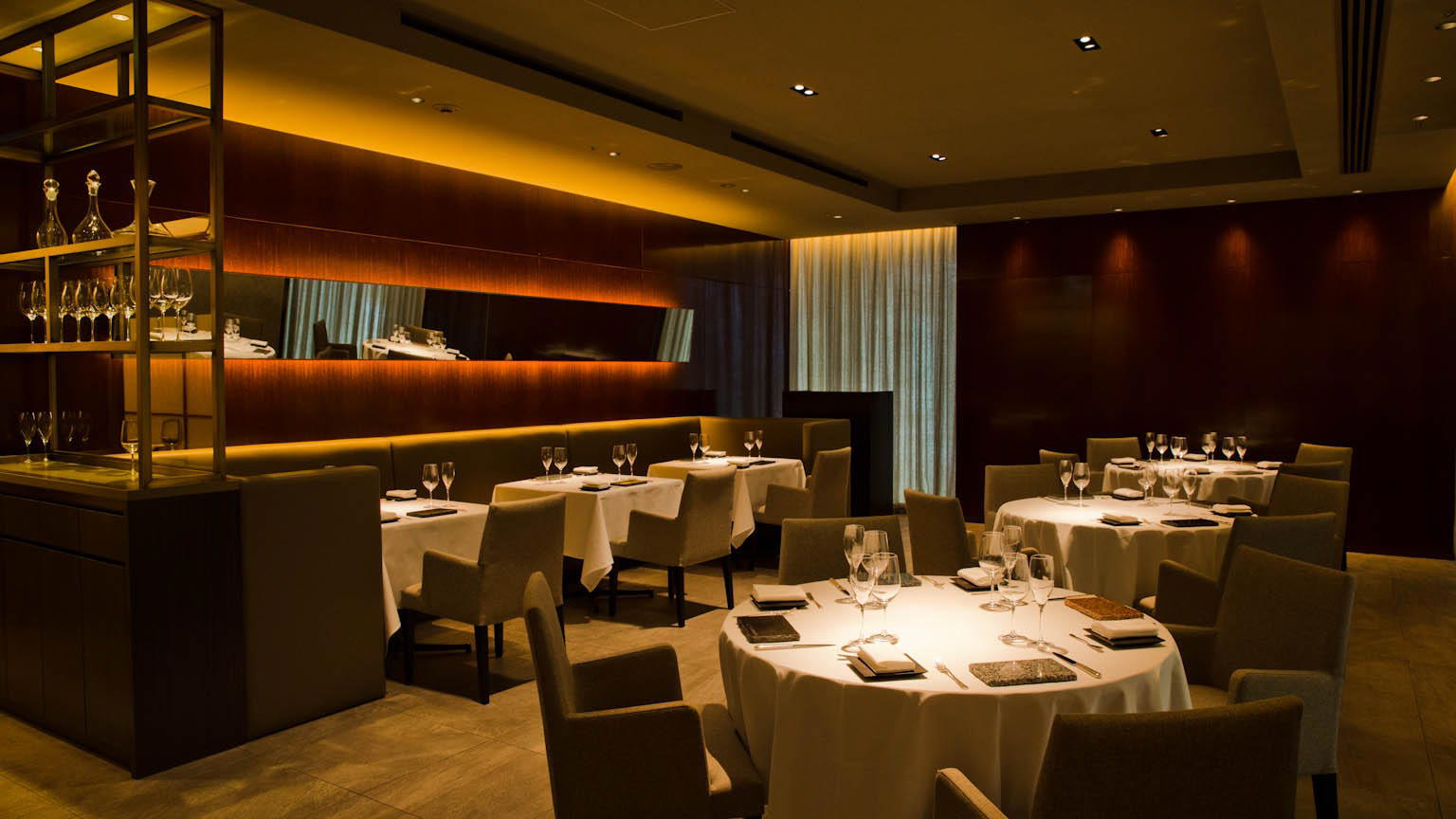
A small, refined counter restaurant with warm lighting, closely spaced seats, and a relaxed but quietly elegant atmosphere that feels like a hidden neighborhood destination for serious Spanish food and wine.