
Sumi Sakana Sakana Wanaka sits in Kanazawa’s fish-led izakaya tradition, with seafood, sake and shochu carrying the meal rather than a formal tasting-menu script. Recognition in Tabelog 100 - Izakaya - WEST - 2025 places it among the region’s serious tavern addresses, while the 35-seat format keeps the rhythm closer to a local evening than a destination ceremony.
Pearl is the En Primeur Club membership app — saves, bookings, and concierge access live there. Same editors, same standards.
- Address
- 18-5-1 Yasuecho, Kanazawa, Ishikawa 920-0854, Japan
- Phone
- +81 76-255-0688
- Website
- wanaka.boo.jp
 Saves & bookings on Pearl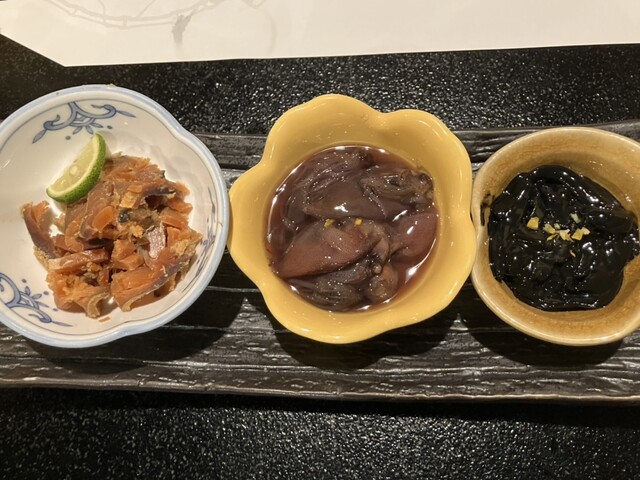
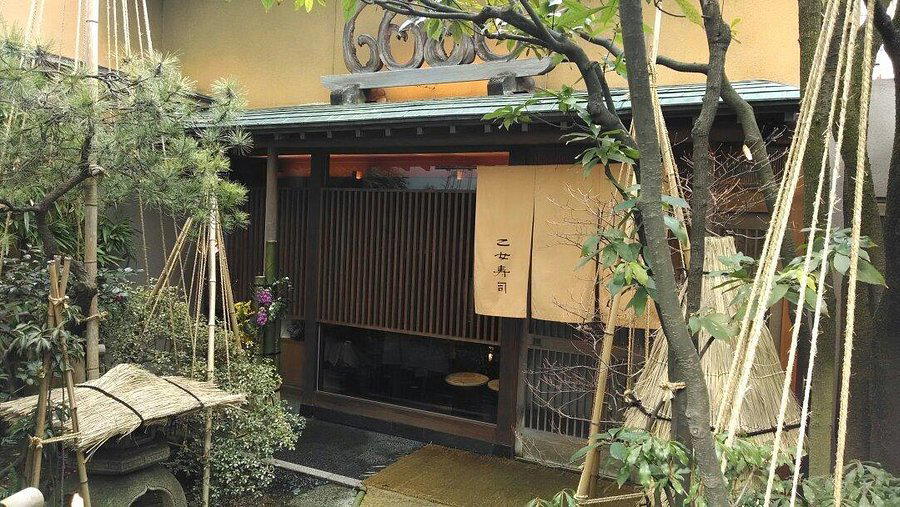
Approaching a Kanazawa izakaya at dinner time is a different proposition from entering a sushi counter or a kaiseki room. The ritual is looser, but not casual in the careless sense: coats come off, drinks arrive early, fish anchors the table, and the meal develops by appetite rather than by a fixed procession. In Yasuecho, Sumi Sakana Sakana Wanaka belongs to that tradition, a house-style restaurant where counter seats, tables and a small private room shape the evening into several tempos at once.
Kanazawa’s dining culture has an advantage that bigger cities often have to simulate: proximity to the Sea of Japan and a civic habit of treating seafood as daily intelligence, not luxury theatre. The city’s serious izakaya sit between market-driven seafood restaurants and sake bars, using charcoal, small plates and shared pacing to keep the table moving. This is where the category becomes more than after-work drinking. The food has to carry the room, and the drinks have to make sense with fish.
Seafood izakaya ritual, Kanazawa pace
The central point here is format. Sumi Sakana Sakana Wanaka is listed across izakaya, Japanese cuisine and seafood, with fish as the defining food emphasis and sake and shochu as the drink spine. That combination places it firmly in the city’s dinner-first izakaya tier rather than the snack-and-beer end of the category. The meal is built for ordering in waves: a first drink, a fish-led opening, charcoal or cooked dishes as the table settles, then another round once the evening has found its pace.
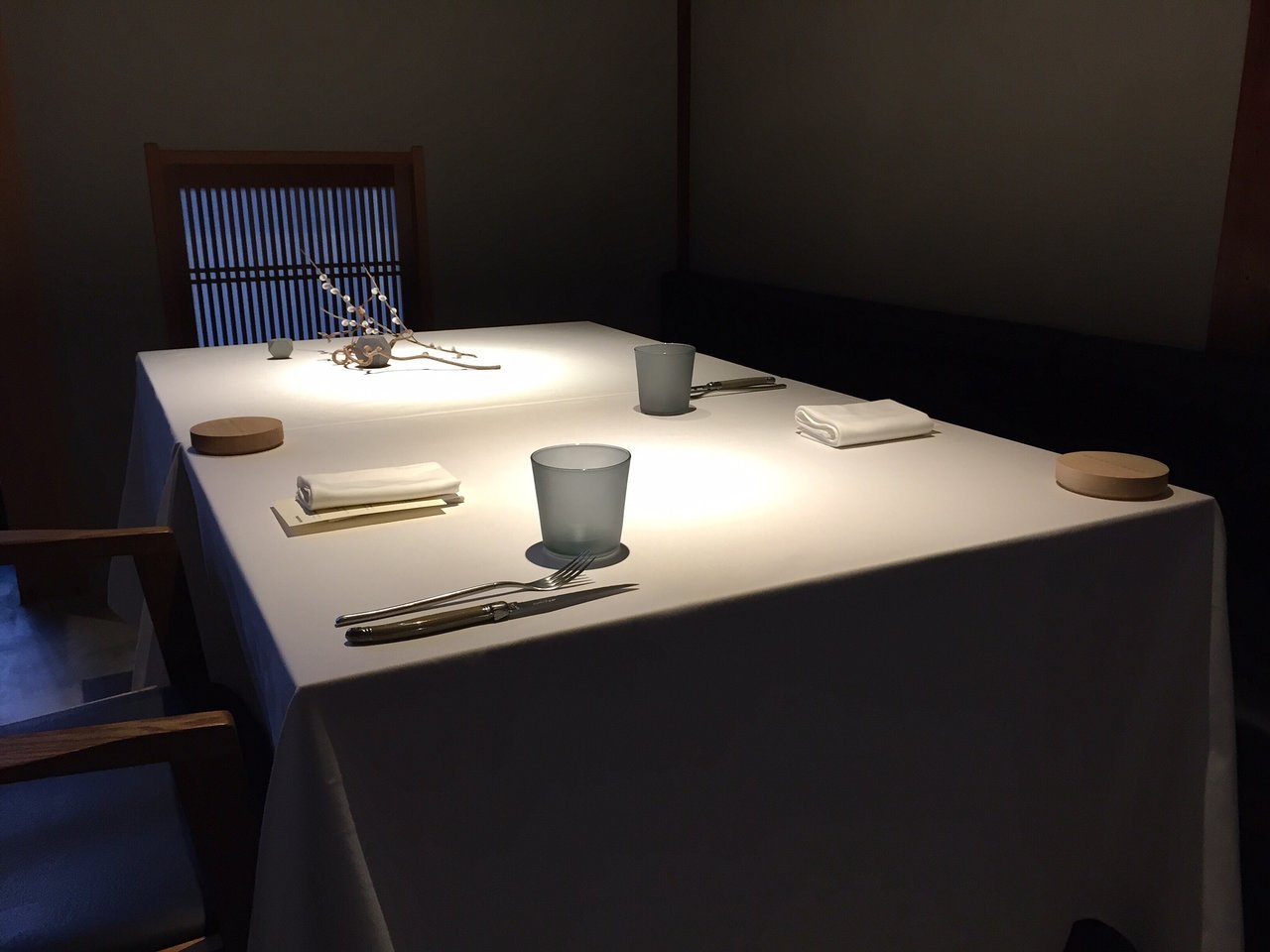
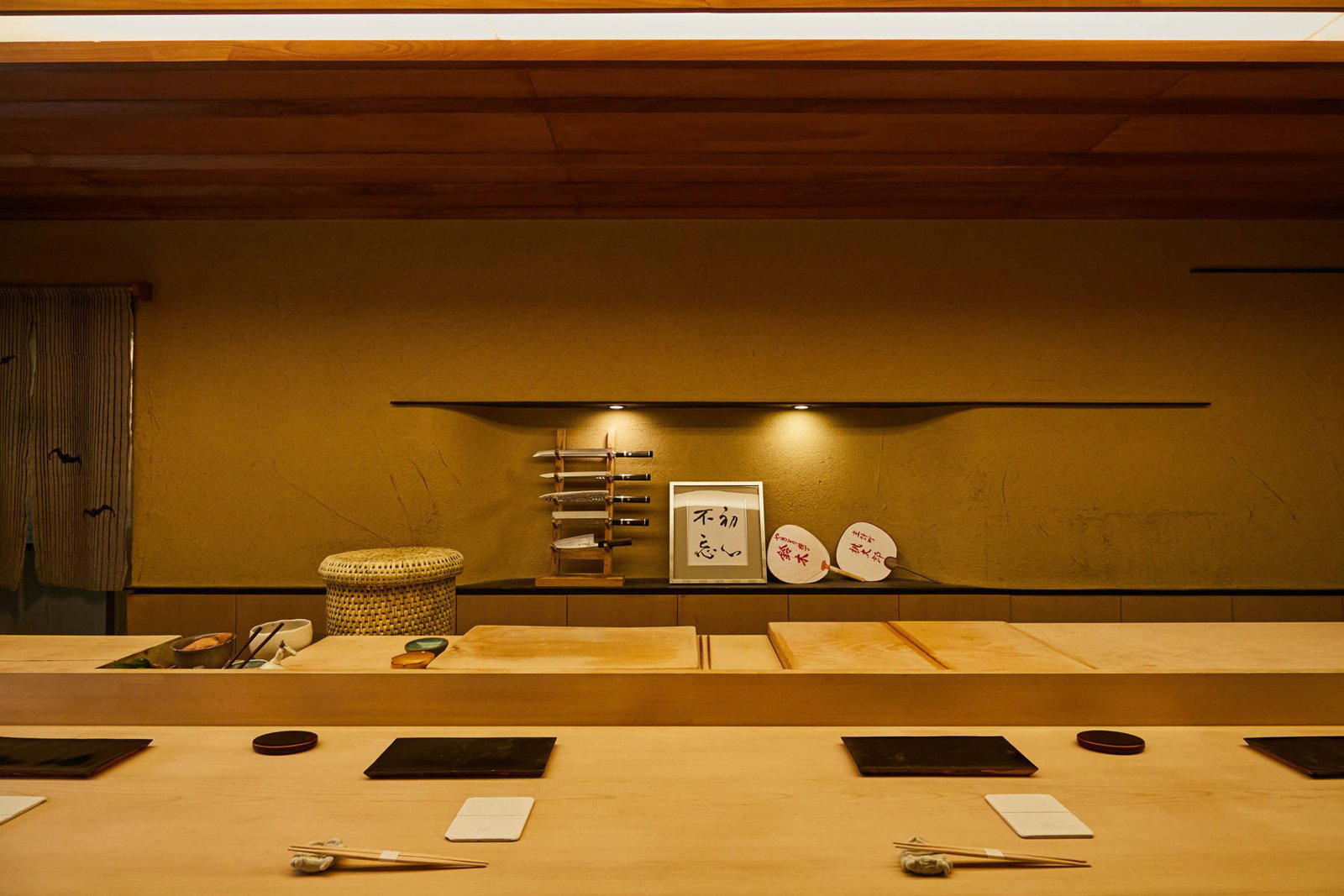
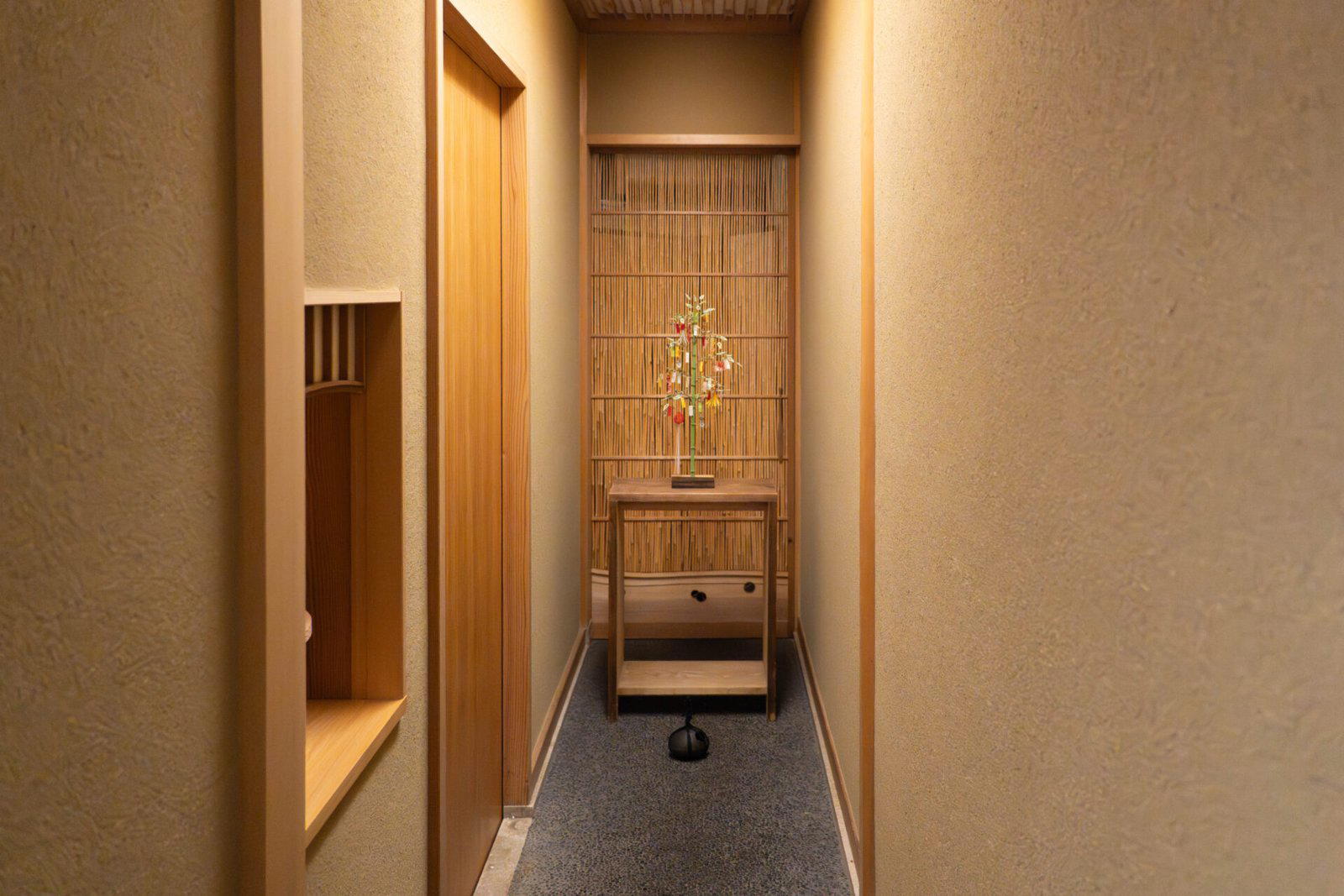
That rhythm matters in Kanazawa because the city rewards meals that leave room for conversation and adjustment. A rigid tasting menu can flatten the social function of an izakaya; a seafood tavern succeeds when the table can move from counter focus to shared plates without losing discipline. The presence of 10 counter seats, 20 table seats and a private room for up to five people gives the room several uses: solo or paired dining with a view of the work, small groups built around shared plates, and a more contained setting for a longer evening.
Recognition in Tabelog 100 - Izakaya - WEST - 2025 is the clearest public signal of where the restaurant sits in the wider western Japan izakaya conversation. It is not priced like Kanazawa’s more formal high-end counters: the dinner band is JPY 6,000 to JPY 7,999, which aligns it with Shusui Daigo and Ajiraku Yumemi rather than Koide’s JPY 20,000 to JPY 29,999 bracket. That distinction is useful for travelers. The value is not in theatrical scarcity; it is in a serious tavern format that keeps the bill in the middle tier while preserving a seafood-led identity.
Where it fits in a city of specialist counters and taverns
Kanazawa can look deceptively compact on a dining map. Around the station and central districts, the range runs from polished seafood rooms to beef, sweets, curry, bars and small specialist restaurants. A visitor building a food itinerary might pair a fish-led izakaya dinner with a different register elsewhere: casual cooking at 1/3 HAMBURGER FACTORY, a local restaurant such as 333, grilled meat at Aburi Niku Garan, or confectionery culture at Amanatto Kawamura. The point is not to make every meal grand. Kanazawa works better when different formats are allowed to do their own jobs.
Within that spread, Sumi Sakana Sakana Wanaka is strongest as an evening built around fish and drink rather than a chef-driven biography. No public chef narrative is needed to understand the proposition. The city supplies the context: seafood, nihonshu, shochu and the izakaya custom of ordering according to the table’s appetite. Compared with more expensive counters, the appeal is flexibility; compared with standard taverns, the Tabelog 100 selection and fish emphasis give it a more serious editorial signal.
The room’s practical character also affects the ritual. A 35-seat restaurant is large enough to hold energy without turning into a hall, and small enough that counter seats remain meaningful. Private rooms for four to five people change the calculation for travelers eating with family or business companions. Payment is cash-only across cards, electronic money and QR payments, so this is not a place to treat logistics as an afterthought. Sunday closure also matters in Kanazawa, where weekend itineraries often compress major meals into two nights.
How to plan the evening without overformalizing it
The smarter approach is to treat the meal as a structured tavern dinner, not a checklist. The restaurant opened in 2015, and its continued recognition in 2025 suggests a format with staying power in a city that does not lack seafood options. Reservations are available, and the address near Hokutetsu Kanazawa Station makes it workable for travelers staying around the station as well as those moving between central hotels and late dinners.
For a broader Kanazawa plan, use Our full Kanazawa restaurants guide to balance izakaya, sweets, meat and specialist counters, then match the rest of the trip through Our full Kanazawa hotels guide, Our full Kanazawa bars guide, Our full Kanazawa wineries guide and Our full Kanazawa experiences guide. Travelers extending the Japan food map can contrast the format with beef sukiyaki at -Grilled beef Sukiyaki- KAMAKURA TANUKIAN 鎌倉 たぬき庵 in Kamakura, tuna and charcoal cooking at. 鮪と炭火焼き うお炭 秋葉原店 in Tokyo, café culture at.cafe in Osaka, contemporary dining at.know in Kumamoto, Vietnamese cooking at (Shoku) Vietnam in Kawasaki, curry at [Curry Senmon Ten] Maruyama Kyoju. in Sapporo, sake-bar culture at Jōdo Saké Bar in Los Angeles and rice-ball specialization at Onigiri Time in Pasadena.
The editorial case is narrow and persuasive: choose it when the night calls for Kanazawa seafood in izakaya form, with sake or shochu, shared pacing and enough structure to feel deliberate. It is not the city’s formal splurge category, and that is the advantage. The meal belongs to the tavern tradition, where the right table, the right sequence of fish and drinks, and the right company matter more than ceremony.
Style and Standing
Comparable venues by cuisine and price in the same metro.
| Venue | Cuisine | Price | Awards | Notes |
|---|---|---|---|---|
| Sumi Sakana Sakana WanakaThis venue — the venue you are viewing | Seafood-focused Japanese Izakaya | $$ | , | |
| のとめぐり | Hokuriku Conveyor Belt Sushi | $$ | , | Hirooka |
| Sarashina Fujii | Traditional Soba & Sake Bar | $$ | , | Kanazawa |
| Itaru Honten | Traditional Kanazawa Izakaya & Seafood | $$ | , | Kanazawa |
| Omicho Ichibazushi (近江町市場寿し) | Market Conveyor Belt Sushi | $$ | , | Omicho Market |
| Ajiraku Yumemi | Kanazawa izakaya with local seafood and sake | $$ | , | Kanazawa |
Continue exploring
More in Kanazawa
Restaurants in Kanazawa
Browse all →
At a Glance
- Cozy
- Lively
- Intimate
- Classic
- Hidden Gem
- After Work
- Casual Hangout
- Group Dining
- Date Night
- Late Night
- Standalone
- Private Dining
- Sake Program
- Beer Program
- Local Sourcing
- Sustainable Seafood
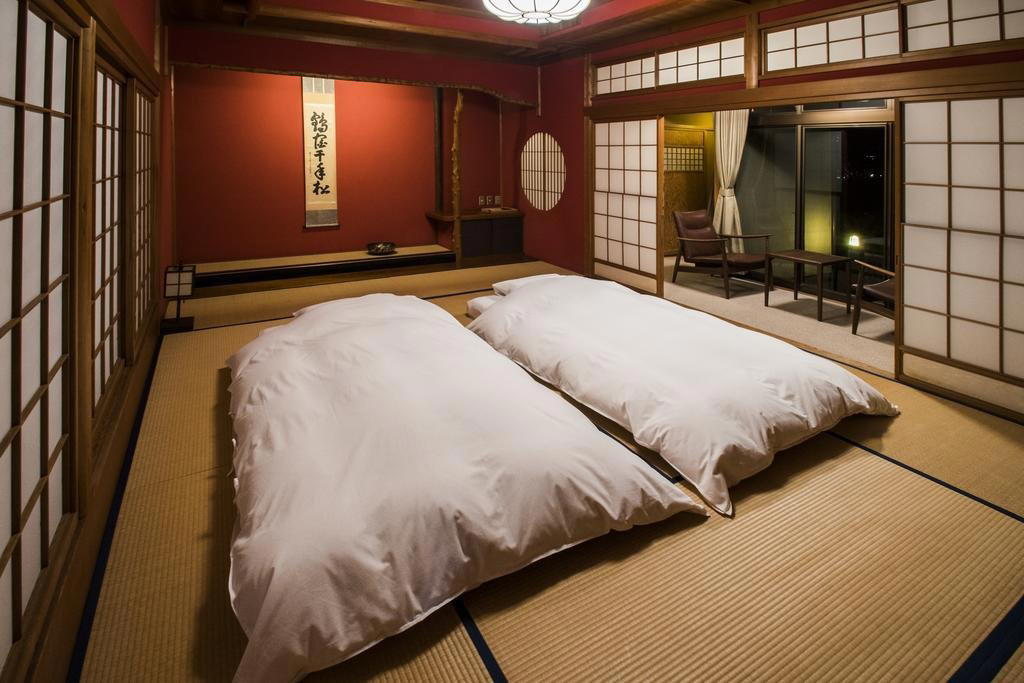
Relaxed and cozy izakaya atmosphere with counter seating and tatami rooms, suited to small groups lingering over drinks and seafood in the evening.