
Kanazawa’s ramen culture rewards precision over ceremony: counter seats, quick pacing, and bowls built for a city that takes everyday eating seriously. Menya Taiga sits in that compact, high-demand category, with repeated Tabelog Ramen WEST “Tabelog 100” selections from 2022 through 2025 and a counter-only format that keeps the meal focused.
Pearl is the En Primeur Club membership app — saves, bookings, and concierge access live there. Same editors, same standards.
- Address
- 6-3 Horikawamachi, Kanazawa, Ishikawa 920-0847, Japan
- Phone
- +81 76-260-7737
- Website
- menyataiga.base.shop
 Saves & bookings on Pearl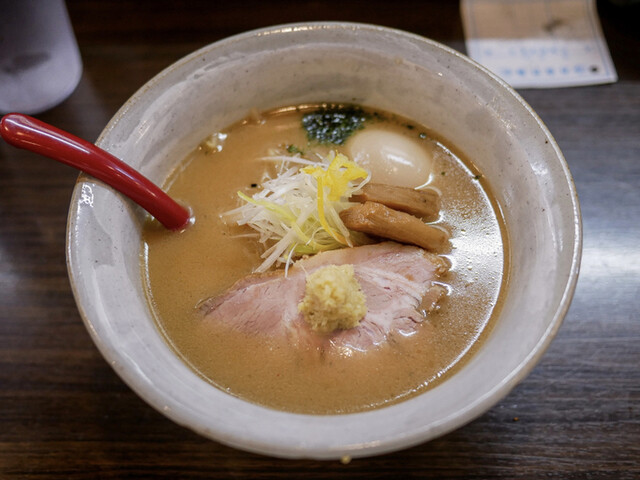
Approaching a serious ramen counter in Kanazawa is not the same ritual as entering the city’s sushi rooms or kaiseki restaurants. The cues are smaller and faster: a narrow room, counter seats, steam moving across the line, diners reading the pace of the kitchen rather than lingering over courses. Menya Taiga belongs to that Japanese ramen grammar, where the meal is brief but not casual in the careless sense. The format asks for attention: order decisively, sit close to the work, eat while the noodles hold their structure, and leave the seat for the next diner.
Kanazawa’s dining reputation often starts with seafood, Kaga vegetables, wagashi, and the legacy of castle-town refinement, but its everyday food culture is just as revealing. Ramen and tsukemen counters make a different argument for the city: craft does not always arrive with a tasting menu, a sommelier, or a private room. A 12-seat counter can carry as much local conviction as a longer-form restaurant, provided the operation has discipline. The repeated selection for Tabelog Ramen WEST “Tabelog 100” from 2022 through 2025 places this shop in a competitive western Japan ramen conversation rather than only a neighbourhood lunch circuit.
Kanazawa ramen as a counter ritual, not a drawn-out meal
The ramen counter is built around tempo. Unlike Kanazawa’s higher-spend dining rooms, where the evening may unfold through seafood courses or grill work, ramen compresses the decision-making into a short sequence: choose the bowl, take the seat, eat with the kitchen’s timing rather than the diner’s leisure. That compression is part of the appeal. It rewards travellers who understand that Japanese food culture includes both formal hospitality and tightly run specialist rooms where efficiency is a sign of respect.
Menya Taiga’s category listing covers ramen and tsukemen, the latter shifting the noodle-and-broth relationship into a dipping format. That distinction matters because it places the shop in a technical subset rather than a generic noodle stop. In Japan, ramen quality is often judged through small variables: broth balance, noodle texture, seasoning concentration, service rhythm, and whether the counter can maintain consistency through repeated turns. The public score of 3.73 and the 2025 Tabelog 100 recognition give the practical clue here: this is not a broad-menu restaurant using ramen as one option among many, but a specialist format with enough repeat validation to merit planning around.
The comparison within Kanazawa is useful. 333 sits in a higher-spend bracket, while ORIGO enters a much more expensive dining tier; both point to the city’s appetite for small, focused restaurants with a clear point of view. Ramen occupies another lane entirely. It is lower in spend, faster in pacing, and less ceremonious, but the standards are no less exacting. That is why a counter-only ramen shop can belong in the same serious dining itinerary as sushi, wagashi, grill, and modern Japanese rooms.
The useful contrast: fast format, serious selection
For travellers, the mistake is to treat ramen as filler between reservations. In Kanazawa, the smarter reading is to use it as a lens on how the city eats when it is not performing for visitors. Counter seating removes much of the theatre that foreign diners associate with Japanese fine dining. There is no long explanatory arc, no architectural pause between courses, no extended wine pairing. The room’s discipline comes through repetition: a small number of seats, a narrow product focus, and a meal that depends on temperature and timing.
That makes the ritual democratic but not loose. Children are welcome, private rooms are not part of the format, and the counter structure keeps the experience direct. This is a family- and friends-friendly setting, yet it also belongs to the kind of specialist dining that rewards solo diners and small parties. The no-smoking policy and counter-only layout sharpen the focus further. It is a practical room, not a decorative one, and that practicality is precisely what serious ramen requires.
Kanazawa’s broader table can be mapped through contrasts. Amanatto Kawamura speaks to the city’s confectionery tradition, while Aburi Niku Garan and Ajiraku Yumemi show how meat, izakaya, and casual Japanese formats sit alongside more polished rooms. 1/3 HAMBURGER FACTORY is a reminder that the city’s casual dining is not limited to Japanese genres. Against that spread, Menya Taiga’s value is editorial rather than merely logistical: it shows the city at counter height, where speed and craft are not opposites.
How to place it in a Kanazawa eating day
The strongest way to use a ramen counter here is to let it anchor the unreserved part of a day. Kanazawa itineraries can become heavy with planned meals, especially when sushi, kaiseki, and hotel dining enter the schedule. A compact ramen stop changes the rhythm. It works as a reset between markets, museums, and station-area movement, and it gives a visitor a clearer sense of local eating than another polished dining room would.
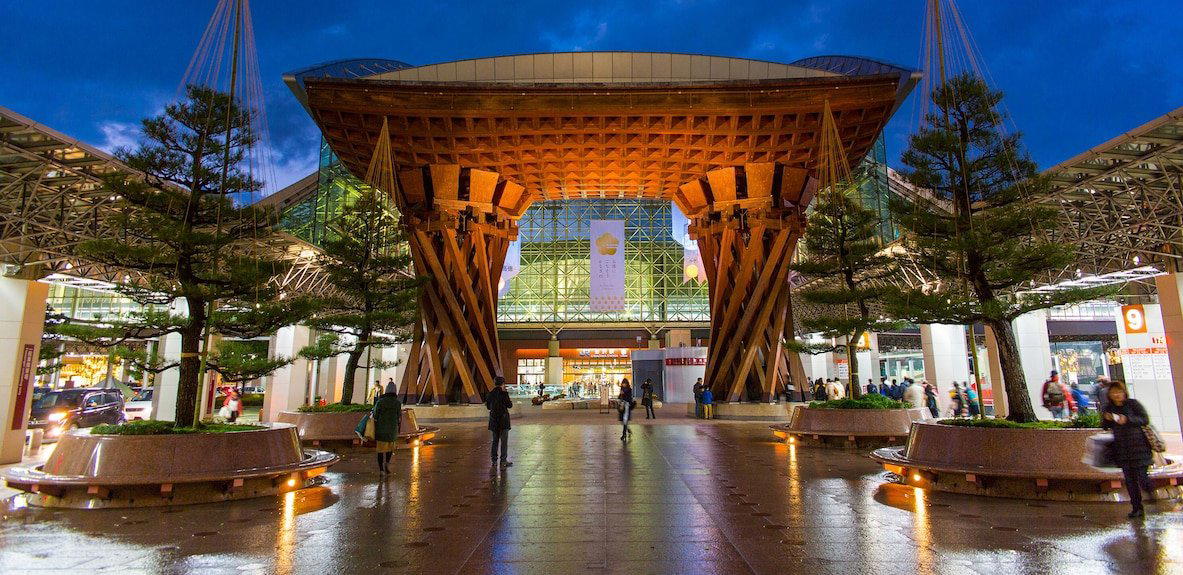
Payment flexibility helps, with credit cards and some QR code payments accepted, while electronic money is not part of the setup. Parking is limited to four spaces next to the restaurant, so the station-side location is the cleaner option for many travellers. The nearest station is Hokutetsu Kanazawa, and the shop is a short walk from Kanazawa Station’s east side, which makes it unusually easy to fold into an arrival or departure day without turning lunch into a logistical project.
For a wider Kanazawa plan, start with Our full Kanazawa restaurants guide, then pair food with the city’s stay, drink, and cultural layers through Our full Kanazawa hotels guide, Our full Kanazawa bars guide, Our full Kanazawa wineries guide, and Our full Kanazawa experiences guide. Readers building a broader Japan and overseas casual-dining map can also compare the format with -Grilled beef Sukiyaki- KAMAKURA TANUKIAN 鎌倉 たぬき庵 in Kamakura. 鮪と炭火焼き うお炭 秋葉原店 in Tokyo.cafe in Osaka.know in Kumamoto, (Shoku) Vietnam in Kawasaki, [Curry Senmon Ten] Maruyama Kyoju. in Sapporo, Jōdo Saké Bar in Los Angeles, and Onigiri Time in Pasadena.
Cuisine and Awards Snapshot
Nearby venues at a similar price tier for orientation.
| Venue | Cuisine | Price | Notes |
|---|---|---|---|
| Menya TaigaThis venue — the venue you are viewing | Miso ramen specialty shop | $$ | Not listed |
| 立喰い鮨優勝 | Standing Sushi | $$ | Kanazawa Port |
| Itaru Honten | Traditional Kanazawa Izakaya & Seafood | $$ | Kanazawa |
| Medicinal Food Café Cien Gallery | Medicinal Japanese Café | $$$ | Not listed |
| Hakuichi Higashiyama ten | Gold-leaf soft serve & Japanese café sweets | $ | Kanazawa |
| Suzume Kanazawa hyakubangai ten | Traditional Japanese wagashi & bean mochi | $ | Kanazawa |
Recognition history
Dated appearances from independent guides and award organizations, with the underlying list record or original source where available.
Tabelog 100 #3 · No. 3
Tabelog · Tabelog 100 - Ramen - WEST - 2025
Continue exploring
More in Kanazawa
Restaurants in Kanazawa
Browse all →
At a Glance
- Lively
- Cozy
- Classic
- Solo
- Casual Hangout
- After Work
- Late Night
- Family
- Standalone
- Chefs Counter
Current opening hours
- Monday
- 11 AM–2:30 PM, 5:30–10:30 PM
- Tuesday
- 11 AM–2:30 PM, 5:30–10:30 PM
- Wednesday
- 11 AM–2:30 PM, 5:30–10:30 PM
- Thursday
- 11 AM–2:30 PM, 5:30–10:30 PM
- Friday
- 11 AM–2:30 PM, 5:30–10:30 PM
- Saturday
- 11 AM–2:30 PM, 5:30–10:30 PM
- Sunday
- 11 AM–2:30 PM, 5:30–10:30 PM
Hours can change for holidays and private events. Last verified .
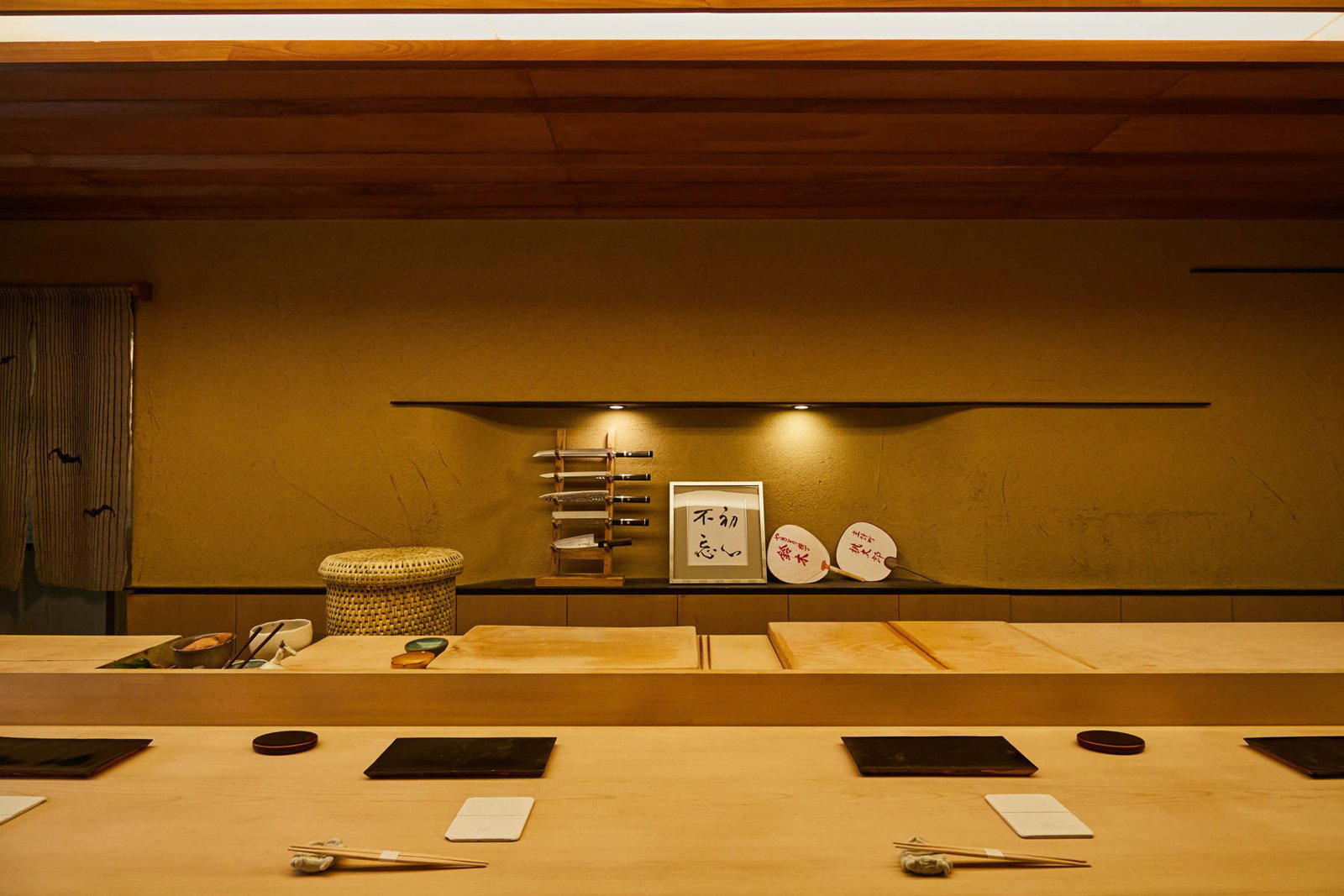
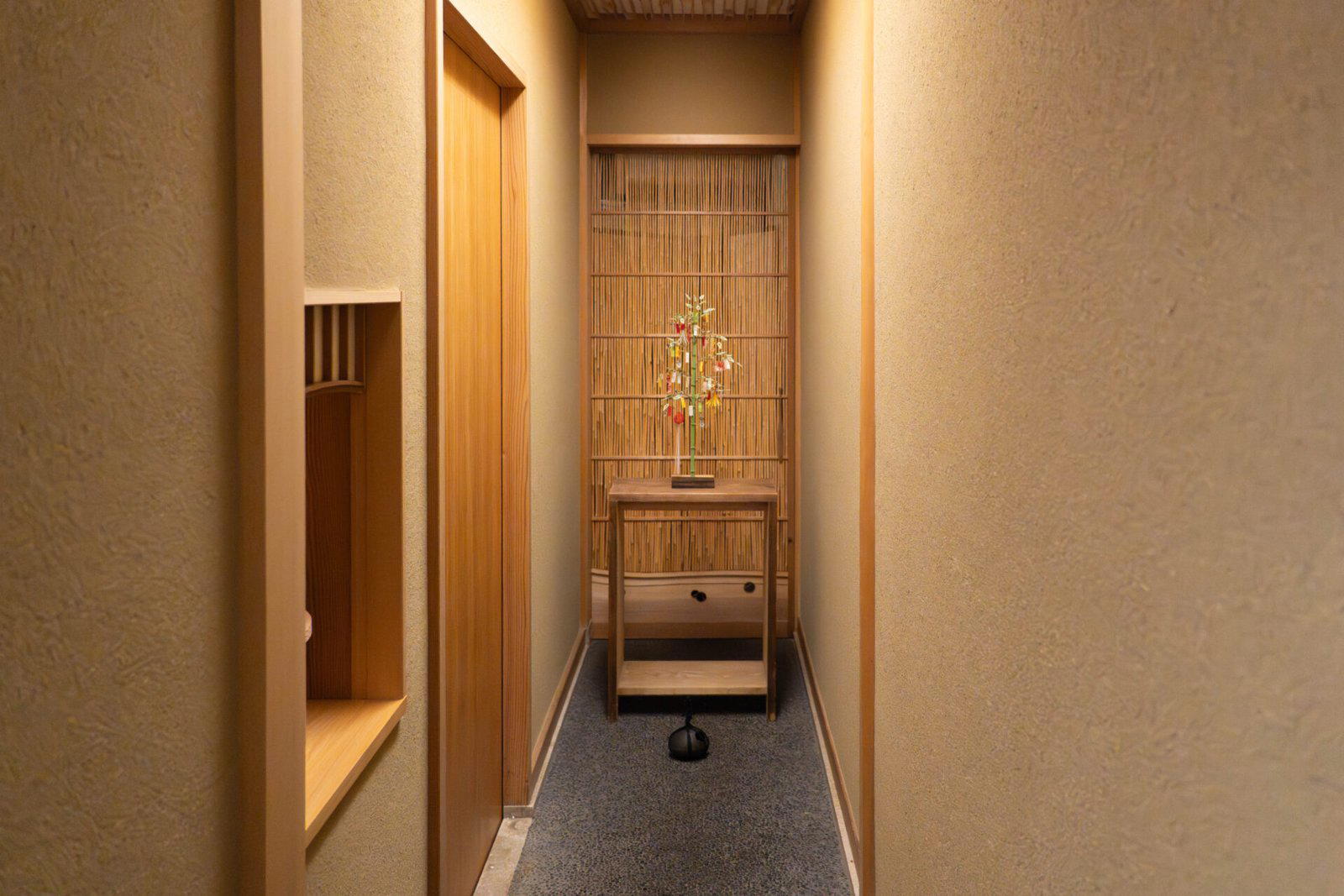
A narrow, 12–13 seat counter-only ramen bar with constant queues, bright and busy but friendly staff and a cheerful, casual atmosphere typical of a classic Japanese ramen shop.