Soneka

Michelin Selected
Selected by the Michelin Hotels guide in 2025, Soneka occupies a quiet address in Kitahiroshima, Hokkaido, a city better known as the gateway to Hokkaido Ballpark F Village than as a destination in its own right. The property sits within a category of small, design-attentive Japanese retreats that trade on spatial restraint and regional rootedness rather than brand scale.

Pearl is the En Primeur Club membership app, where members save venues, book tables and use the concierge.
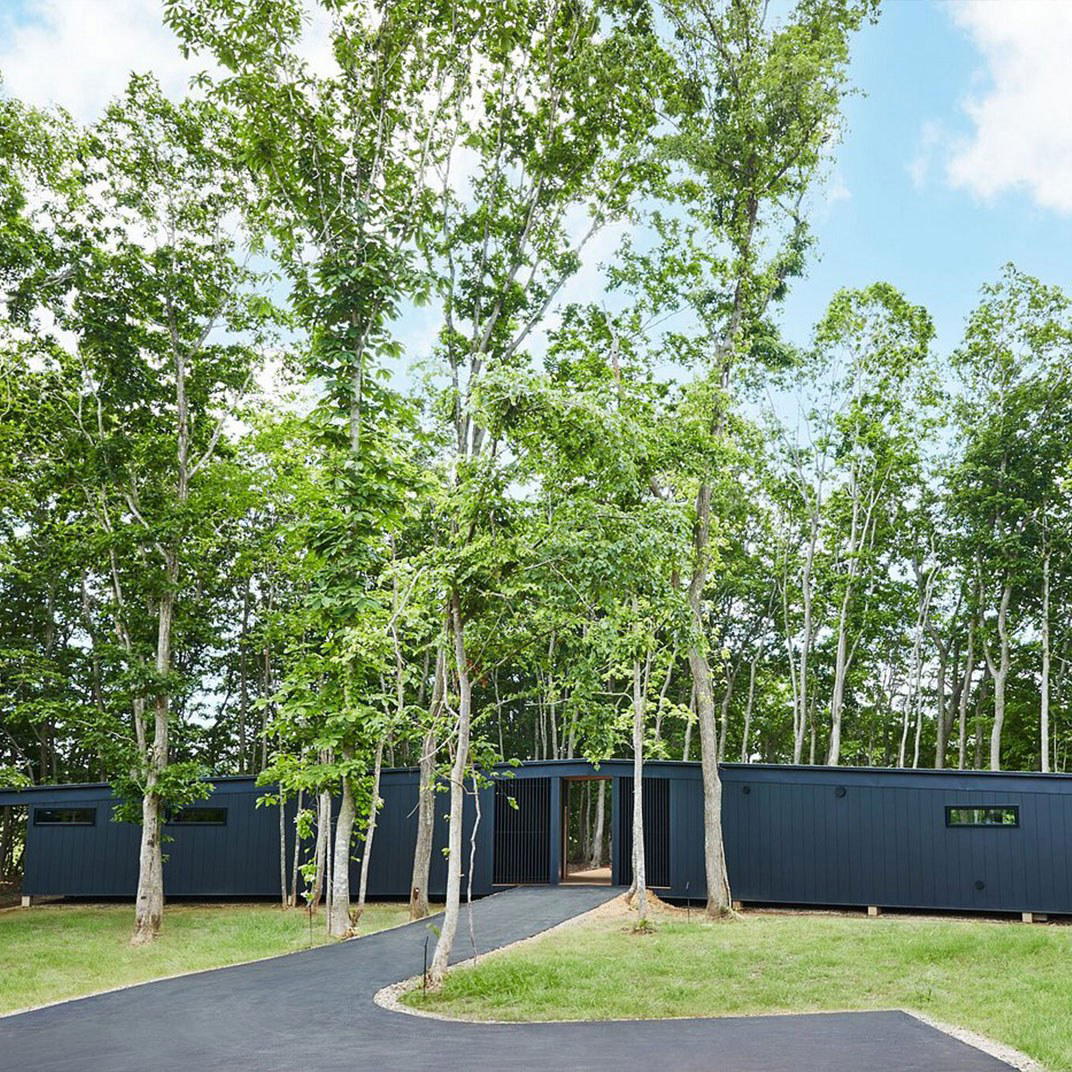
Where Hokkaido's Interior Produces a Different Kind of Retreat
There is a recognisable type of Japanese property that resists the logic of the resort complex. It does not anchor itself to a famous onsen town or a scenically obvious coastline. Instead, it operates from a position of deliberate quietness, choosing an interior location, limiting its footprint, and letting the surrounding landscape carry the sensory argument. Soneka, at 307-1 Omagari in Kitahiroshima, belongs to this category. Kitahiroshima sits in Hokkaido's interior, southeast of Sapporo, a city historically defined by agricultural flatlands and the kind of open skies that read as emptiness to travellers accustomed to more compressed Japanese geography. That spatial logic shapes what a stay here can feel like.
For context on how this placement compares with other Hokkaido retreats, Zaborin in Kutchan occupies the Niseko snowfield corridor, trading on ski-season demand and mountain drama. Soneka operates in a quieter register, Kitahiroshima's identity has been reshaped in recent years by Hokkaido Ballpark F Village, which opened in 2023 and drew significant attention to a city that most international travellers previously moved through without stopping. That infrastructure shift matters for anyone planning a visit: the city is no longer purely a transit point between New Chitose Airport and Sapporo.
The Architecture of Restraint
Japan's premium small-property sector has, over the past decade, increasingly split between two design philosophies. One direction reaches toward international luxury conventions, marble, high-thread-count imports, branded amenity lines. The other holds to a more local material logic: natural timber, washi, stone sourced from the immediate region, and a spatial grammar borrowed from traditional inn formats. The latter cohort is where Michelin's hotel selection program has consistently pointed, and Soneka's 2025 inclusion in the MICHELIN Selected Hotels and Stays guide places it in that second tier.
The selection signal matters here. Michelin's hotel program, which operates separately from its restaurant stars, evaluates properties against criteria that weight character, consistency, and the quality of the guest experience rather than size or amenity count. A Michelin Selected designation does not imply the scale of a Bvlgari Hotel Tokyo or the institutional depth of a HOTEL THE MITSUI KYOTO. It implies that the experience is coherent and that the property has been vetted against a credible external standard. For a property in Kitahiroshima, a city without a deep existing hospitality infrastructure, that recognition functions as a meaningful quality anchor for travellers making a speculative booking.
Properties that sit in this tier, particularly in less-trafficked Japanese cities, tend to share certain spatial characteristics. Rooms are typically generous relative to the price bracket, with an emphasis on the interface between interior and exterior, floor-to-ceiling glazing that frames the garden or the treeline, bathing areas positioned to engage the view, a general reluctance to over-furnish. The design argument is usually made through material quality and proportion rather than decorative density.
Placing Soneka in the Hokkaido and National Context
Hokkaido's premium accommodation market is smaller and younger than those of Kyoto, the Izu Peninsula, or the historic onsen belts. Properties like Gora Kadan in Hakone or Asaba in Izu carry decades of institutional reputation and a guest base built over generations. Hokkaido's equivalent tier is still forming. Higashiyama Niseko Village, a Ritz-Carlton Reserve, has pulled international attention toward the island's ski geography. But outside Niseko and the obvious Sapporo hotel market, the island's interior remains lightly mapped by premium travellers.
The regional comparison class here is not the urban luxury of Tokyo or the deeply-rooted ryokan culture of Nishimuraya Honkan in Kinosaki-cho. It is a newer, more experimental category of Japanese hospitality that does not depend on inherited prestige. Properties in this tier compete on spatial intelligence, food quality, and the degree to which the surrounding environment is made legible through the design rather than simply framed by it.
For travellers calibrating Hokkaido options, our full Kitahiroshima restaurants guide provides additional context on the city's food and hospitality scene as it stands in 2025. The arrival of Hokkaido Ballpark F Village has stimulated local investment in food and accommodation, and that effect is beginning to register in the broader hospitality record.
Planning a Stay
New Chitose Airport, which handles the majority of international and domestic arrivals into Hokkaido, sits within practical reach of Kitahiroshima, the city is accessible by train on the JR Chitose Line, with journey times from the airport in the range of twenty to thirty minutes depending on the service. From Sapporo, the journey is similarly short. That accessibility makes Soneka a plausible base for travellers who want to explore both Sapporo and the broader Hokkaido interior without committing to the longer transfer required for Niseko or Furano properties.
Given the Michelin selection and the relatively small footprint implied by a property of this type in this location, early booking is advisable, particularly for travel during Hokkaido's peak summer season (July to August) and the ski-adjacent winter months (December to February) when demand across the island's premium tier tightens. Direct contact with the property through its official channels is the recommended approach for current pricing and availability.
For comparison with other properties operating in Japan's quiet-luxury and design-led categories, the following offer useful reference points across different geographies: Fufu Nikko, Satoyama-Jujo in Niigata, Nasu Mukunone, Fufu Kawaguchiko, Fufu Kyu-Karuizawa Restful Forest, and Kamenoi Besso in Yufu. For properties operating at larger scale or in internationally established resort contexts, Amanemu in Mie and Benesse House in Naoshima represent the upper end of the design-led Japanese retreat category.
At-a-Glance Comparison
| Venue | Price | Awards |
|---|---|---|
| SonekaThis venue (the venue you are viewing) | $1–100 | Michelin Selected |
| Bvlgari Hotel Tokyo | Not listed | 3 Michelin Keys · World's 50 Best #24 |
| Aman Kyoto | Not listed | 2 Michelin Keys · World's 50 Best #74 |
| Aman Tokyo | Not listed | 2 Michelin Keys · World's 50 Best #11 |
| Palace Hotel Tokyo | Not listed | 3 Michelin Keys · World's 50 Best #73 |
| Amanemu | Not listed | 3 Michelin Keys · La Liste Top Hotels |
Recognition history
Dated appearances from independent guides and award organizations, with the underlying list record or original source where available.
Michelin Selected
Michelin
Continue exploring
More in Kitahiroshima
Hotels in Kitahiroshima
All hotels in Kitahiroshima →
Bars in Kitahiroshima
Browse all →
Details
- Quiet
- Modern
- Scenic
- Cozy
- Romantic Getaway
- Wellness Retreat
- Weekend Escape
- Panoramic View
- Terrace
- Garden
- Wi Fi
- Pool
- Hot Tub
- Sauna
- Garden
- EV Charging
- Mountain
- Garden
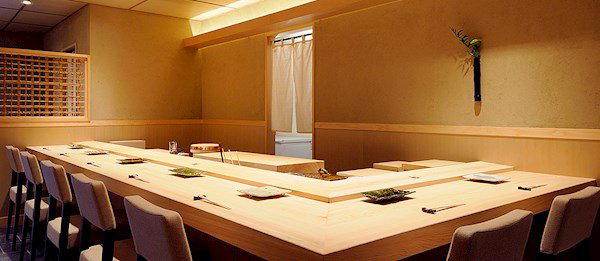
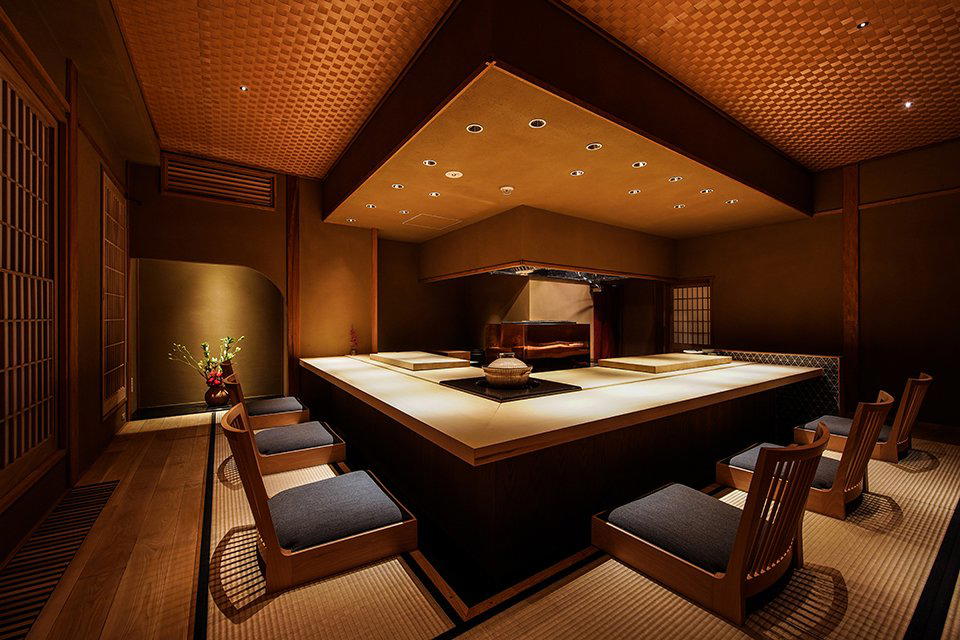
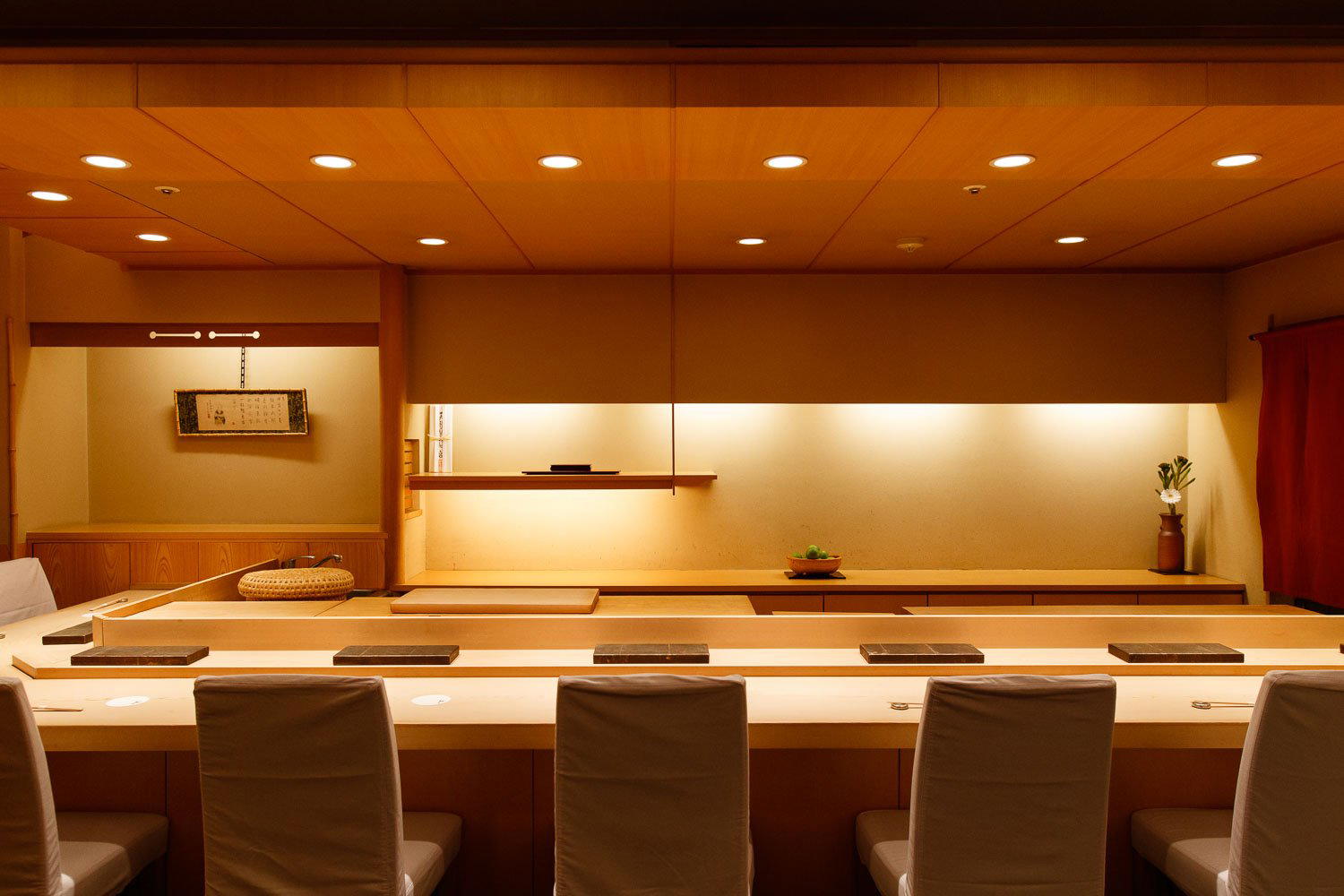
Warm wood interiors with firelight and soft modern furniture create a tranquil, nature-connected retreat.