
Michelin Selected
Portom International Hokkaido occupies the fourth floor of New Chitose Airport's international terminal, earning MICHELIN Selected recognition in the 2025 hotel guide. Its position inside one of Japan's most transited northern gateways makes it a credible layover and short-stay option for travellers moving between Hokkaido's interior and international connections. The surrounding Hokkaido context adds considerable weight to even a brief stay here.

Pearl is the En Primeur Club membership app — saves, bookings, and concierge access live there. Same editors, same standards.
- Address
- 4F, New Chitose Airport International Terminal Bldg, Bibi, Chitose, Japan
- Phone
- +81 123-45-6012
- Directions
- Get directions
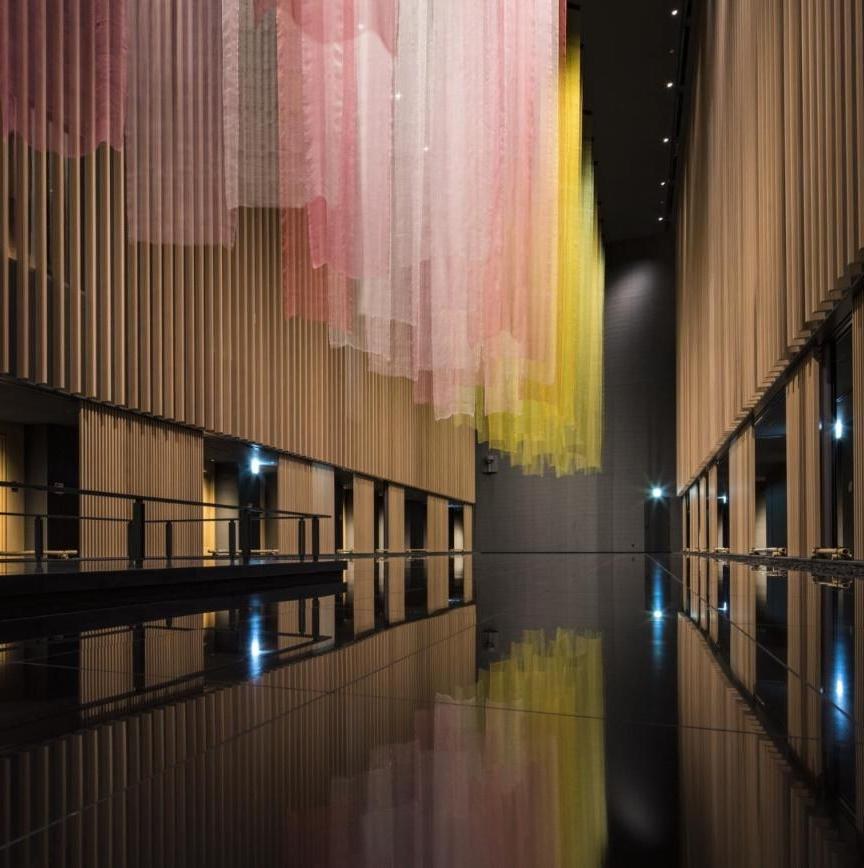
A Hotel Inside an Airport That Takes the Setting Seriously
Airport hotels occupy a peculiar position in the hierarchy of travel accommodation. Most exist purely as logistics solutions: a room to hold a body between flights, calibrated to the minimum standard a weary traveller will accept before moving on. A small number, however, treat the transit position as a design problem worth solving properly. Portom International Hokkaido, situated on the fourth floor of New Chitose Airport's international terminal building in Bibi, Chitose, belongs to the latter category. Its inclusion in the MICHELIN Selected Hotels 2025 guide signals that inspectors found something worth noting here beyond the convenience factor alone.
New Chitose Airport is Hokkaido's primary international and domestic air gateway, handling the bulk of traffic between the island and destinations across Japan, South Korea, China, and Southeast Asia. The terminal building itself is a layered commercial and hospitality structure, with retail, dining, and accommodation stacked across multiple floors in a format more common in East Asian airport design than in European equivalents. Within that context, a hotel positioned at the fourth floor of the international wing sits directly inside the travel flow rather than requiring a shuttle or a covered walkway to reach. The architectural logic is integration over separation.
The Airport-Integrated Format and What It Implies
The design tradition of embedding accommodation directly within terminal infrastructure has deeper roots in Japan than elsewhere. Airports like Haneda and Narita have long supported on-terminal or near-terminal hotel products, and the model has matured into something more considered than it once was. At New Chitose, the integration means that the building itself does much of the atmospheric work: the constant movement of a functioning international terminal, the particular quality of light through large glazed facades, and the spatial logic of a building designed around the flow of people rather than the stillness of residential comfort.
For a property operating within those constraints, the design brief is necessarily different from a free-standing ryokan or city hotel. The question is not how to create a sense of place rooted in landscape or neighbourhood, but how to create a coherent hospitality environment inside a structure whose primary function is throughput. MICHELIN's selection criteria for hotels emphasise comfort, service quality, and character alongside location. Earning a Selected distinction in this context suggests Portom International Hokkaido has resolved that brief in a way inspectors found credible.
Properties like Zaborin in Kutchan and Higashiyama Niseko Village, a Ritz-Carlton Reserve in Niseko, draw on landscape immersion and resort programming as their primary value proposition. An airport-integrated property operates on a different set of priorities, and the comparison set shifts accordingly toward convenience, reliability, and the quality of a compressed stay.
Chitose and the Hokkaido Gateway Context
Chitose as a city exists largely in service of the airport. The surrounding area is agricultural Hokkaido lowland, and the infrastructure of the city reflects its function as a transport hub for the wider island. For travellers, this means Chitose itself is rarely the destination: it is the entry and exit point for Sapporo, Niseko, Furano, the Shiretoko Peninsula, and the broader range of Hokkaido's interior. A hotel at New Chitose airport therefore positions itself for a specific kind of traveller: those with early departures, late arrivals, long layovers, or multi-leg itineraries that make the forty-minute rail connection to Sapporo an unnecessary addition to an already complex journey.
Hokkaido's travel season has two distinct peaks. Winter draws skiers and powder-hunters to resorts including Niseko and Furano, typically from December through March. Summer brings a different crowd oriented toward lavender fields, dairy farming regions, and cooler temperatures during Japan's August heat. Both seasons generate heavy traffic through New Chitose, and the airport hotel category benefits from that rhythm regardless of which direction travellers are moving. For our full overview of where to eat and stay in the region, see our full Chitose restaurants guide.
Where This Property Sits in Japan's Broader Hotel Picture
Japan's MICHELIN Selected hotel category covers a wide range of property types, from traditional ryokan with generations of hospitality practice behind them to contemporary design-led properties in urban cores. The 2025 list includes properties like HOTEL THE MITSUI KYOTO in Kyoto, Gora Kadan in Hakone, Amanemu in Mie, and Fufu Nikko in Nikko, properties that anchor their identity in landscape, heritage architecture, and kaiseki-adjacent programming. Portom International Hokkaido's presence on the same list reflects the breadth of MICHELIN's selection criteria rather than a direct comparison of experiential scope.
Other properties in the selected tier, including Asaba in Izu, Kamenoi Besso in Yufu, and Nishimuraya Honkan in Kinosaki-cho, compete on depth of experience and cultural immersion. At the international end of the spectrum, properties such as Bvlgari Hotel Tokyo, Badrutt's Palace Hotel in St. Moritz, and Hôtel de Paris Monte-Carlo define a different register entirely. Understanding Portom International Hokkaido means placing it correctly within that range: it is a transit-optimised property that has earned recognition for executing its specific brief well, not a destination hotel competing for multi-night leisure stays.
For travellers whose Hokkaido itinerary involves the more remote archipelago destinations, properties like Jusandi in Ishigaki or Halekulani Okinawa offer a point of contrast: island-specific hospitality built around a single location's natural character. The airport hotel occupies the opposite pole of the accommodation spectrum, and does so deliberately.
Planning a Stay
The property's address within New Chitose Airport's international terminal building makes access direct for arriving or departing international passengers. Domestic travellers connecting from other Japanese airports will find the terminal accessible via the airport's internal links. Given the hotel's position inside the terminal, the check-in and departure logistics are structured around flight schedules rather than standard hotel rhythms, which is the primary practical advantage of the format. For context on comparable transit and short-stay options across Japan's premium accommodation tier, see also Fufu Kawaguchiko in Fujikawaguchiko, Satoyama-Jujo in Niigata, Fufu Kyu-Karuizawa Restful Forest in Karuizawa, and Nasu Mukunone in Nasu.
A Quick Peer Check
Comparable venues nearby, for context on price, style, and recognition.
| Venue | Cuisine | Price | Awards | Notes |
|---|---|---|---|---|
| Portom International HokkaidoThis venue — the venue you are viewing | Modern Japanese art hotel in airport terminal | Not listed | Michelin Selected | Not listed |
| 3-chōme-6-12 Honmachi | urban luxury oasis | $500–750 | Not listed | Chūō |
| The Hiramatsu Hotels & Resorts Atami | Traditional Sukiya-zukuri ryokan converted into a gourmet auberge | Not listed | 1 Michelin Key | Atami |
| Shisui, a Luxury Collection Hotel, Nara | Historic Japanese residence renovated into luxury hotel blending tradition and modernity | Not listed | 1 Michelin Key | Nara |
| Maana Kamo | Restored traditional machiya townhouse designed for quiet reflection. | $750–1,000 | Michelin Selected | Higashiyama |
| Azabudai Hills | contemporary urban village luxury | $1,000–1,500 | Not listed | Minato |
Recognition history
Dated appearances from independent guides and award organizations, with the underlying list record or original source where available.
Michelin Selected
Michelin
Continue exploring
More in Chitose
Hotels in Chitose
Browse all →
Details
- Elegant
- Modern
- Sophisticated
- Scenic
- Business Trip
- Weekend Escape
- Panoramic View
- Wi Fi
- Spa
- Sauna
- Fitness Center
- Room Service
- Concierge
- Wheelchair Accessible
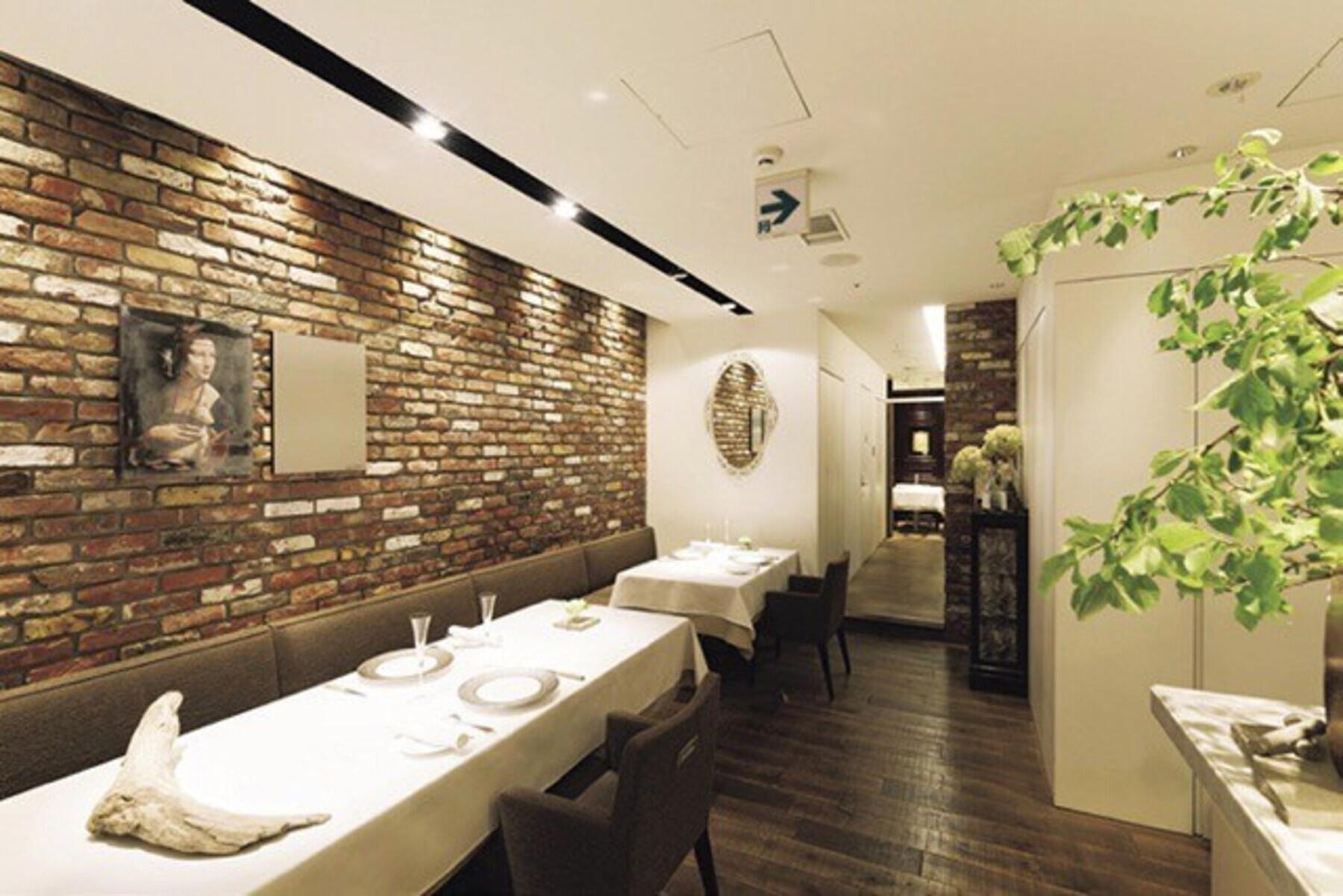
Remarkably quiet despite airport location, with modern Japanese elegance, cultural artwork displays, and serene onsen atmosphere.