

Nukumi sits in Sapporo’s small, serious tier of Japanese dining, where Hokkaido seafood is treated through kaiseki discipline rather than spectacle. The draw is not abundance for its own sake, but a controlled room, fish-led cooking, and recognition from The Tabelog Award 2026 Bronze and OAD’s 2026 Japan Recommended list.
Pearl is the En Primeur Club membership app — saves, bookings, and concierge access live there. Same editors, same standards.
- Address
- 6 Chome-3-2 Minami 10 Jonishi, Chuo Ward, Sapporo, Hokkaido 064-0810, Japan
- Phone
- +81 11-520-6858
- Website
- nukumi.com
- Directions
- Get directions
 Saves & bookings on Pearl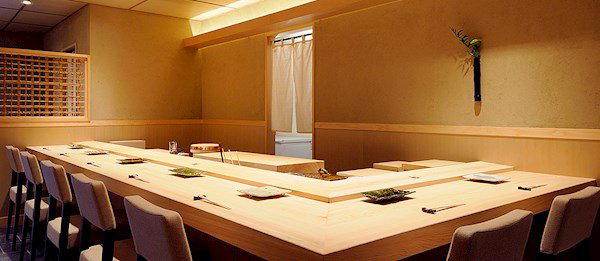
At the low-rise residential edge of Chuo Ward, Sapporo’s bright central grid quiets into a house-style restaurant with few seats and a room built around timing rather than turnover. In a city often read through ramen counters, beer halls, crab houses, and market breakfasts, Nukumi occupies a narrower category: Japanese cuisine that treats Hokkaido’s northern pantry with kaiseki structure and restraint.
That distinction matters. Hokkaido’s crab, fish, shellfish, dairy, and cold-climate produce have instant name recognition, but serious cooking here is not measured by how much regional bounty reaches the table. The better question is how the kitchen edits. Nukumi’s public positioning is fish-led Japanese cuisine, with sake, shochu, and wine in support, and its recognition gives the format weight: The Tabelog Award 2026 Bronze, selection for Tabelog Japanese cuisine EAST 100 in 2025, 2023, and 2021, plus Opinionated About Dining’s 2026 Japan Recommended list.
Hokkaido seafood, handled through kaiseki restraint
Sapporo’s seafood reputation is tied to immediacy: morning markets, crab tanks, sea urchin season, and the blunt pleasure of cold-water shellfish. Kaiseki asks more of those ingredients, turning the catch into sequence, temperature, cut, pacing, and proportion. A fish-focused meal in this register is less about one trophy plate than whether the kitchen can make Hokkaido’s natural richness feel measured across an evening.
Nukumi’s appeal sits in that tension. The category is Japanese rather than simply crab, which matters for expectations: this is not Sapporo’s casual seafood shorthand moved into a luxury room. It is a Japanese-course format in which northern ingredients meet a formal grammar associated with Kyoto technique. For travelers choosing one serious dinner in Sapporo, the useful lens is control, not volume.
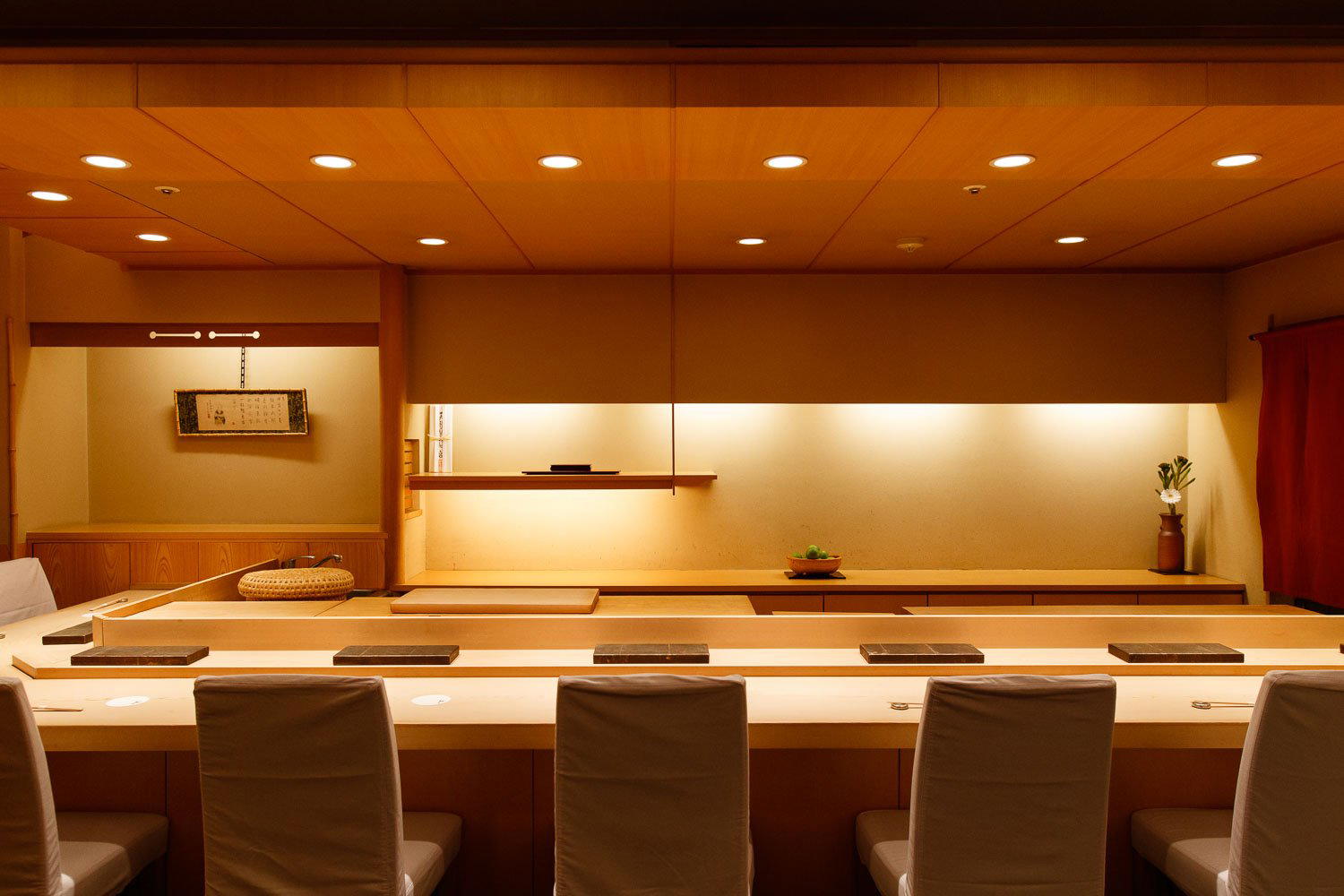
The scale reinforces the point. Fourteen seats, including a six-seat counter and private-room options, make it closer to a chef-led dining room than a grand restaurant. In Japan, that changes the meal’s rhythm. Counter seats can make preparation visible without turning dinner into theatre; private rooms suit diners wanting course-meal formality with less exposure. Either way, the format rewards attention.
Why this address belongs in Sapporo's serious dining conversation
Sapporo’s dining identity is broader than visitors often allow. The city does casual easily, but its higher register is shaped by geography: seafood from Hokkaido’s coasts, a cold season that gives hot dishes and sake more force, and a local audience that does not need luxury restaurants to over-explain fish. In that context, an award-recognised Japanese restaurant must do more than import metropolitan polish. It has to make the local pantry feel precise.
Nukumi’s Tabelog score, 4.09 for the 2026 Bronze listing and 3.97 on the 2025 Japanese cuisine EAST 100 listing, places it in a serious national conversation, not just a local recommendation cycle. Tabelog scoring is famously compressed, so movement above four means more than it would on a looser platform. OAD’s Recommended status adds another signal, especially for diners using cross-border lists to separate destination meals from pleasant local dinners.
Chef Kunihiko Kato gives the room authorship, but the stronger story is category discipline. Sapporo does not lack seafood, and Hokkaido does not lack luxury ingredients. The harder task is restraint: deciding when crab or fish should lead, when it should support a broth or seasonal course, and when the meal needs quiet rather than emphasis. Nukumi is compelling because the format suggests a kitchen working inside that stricter tradition.
For a broader city plan, Sapporo rewards contrast. A serious Japanese-course dinner reads differently after a noodle lunch at 175°DENO Tantanmen Sapporo kitaguchi ten, a curry stop at [Curry Senmon Ten] Maruyama Kyoju., or a spice-led meal at Ajanta Indo Curry Ten and Ajanta Sohonke. Bread and pastry obsessives can add Aigues Vives. For planning, use Our full Sapporo restaurants guide, with parallel planning through Our full Sapporo hotels guide, Our full Sapporo bars guide, Our full Sapporo wineries guide, and Our full Sapporo experiences guide.
The right diner, the right mood
This Sapporo dinner suits travelers who want the region translated through technique rather than explained through abundance. The dinner price band, JPY 30,000 to JPY 39,999, makes the choice intentional. Diners seeking a loud night out, casual crab spread, or quick regional checklist have easier answers elsewhere. Those who care about course structure, fish quality, sake compatibility, and the quiet pressure of a small room are closer to the point.
Logistics also shape the audience. The restaurant is reservation-only, with a cancellation policy charging the full course fee for same-day cancellations. Service is dinner-only, with Monday closures and an additional closure on the fourth Sunday of each month. Major credit cards are accepted; electronic money and QR-code payments are not. The address is in Minami 10 Jonishi, Chuo Ward, near Nakajima Koen Dori, and parking is not provided, so the meal works better as a planned evening than an improvised stop.
Japan’s wider dining map offers many readings of regional specialisation, from beef sukiyaki at -Grilled beef Sukiyaki- KAMAKURA TANUKIAN 鎌倉 たぬき庵 in Kamakura to seafood and grill formats such as. 鮪と炭火焼き うお炭 秋葉原店 in Tokyo, crab in a different metropolitan register at Xie Wang Fu, Crab in Tokyo, or smaller-format addresses like [ki:] in Kyoto.cafe in Osaka.know in Kumamoto, and (Shoku) Vietnam in Kawasaki. Outside Japan, Jōdo Saké Bar in Los Angeles shows how sake culture travels; in Sapporo, the better move is to see how sake sits beside fish at its source.
The editorial read is simple: Nukumi is not the broadest introduction to Sapporo dining, but it is a persuasive argument for the city’s quieter high-end Japanese cooking. The awards support the case, the small room sharpens it, and the fish-led format keeps the meal anchored in Hokkaido rather than generic luxury dining.
Recognition Snapshot
Comparable venues nearby, for context on price, style, and recognition.
| Venue | Cuisine | Price | Notes |
|---|---|---|---|
| NukumiThis venue — the venue you are viewing | Contemporary Kaiseki | $$$$ | Not listed |
| Sushikin | Edomae-style Omakase Sushi | $$$$ | Chūō |
| Arima | Hokkaido Ezo-mae Omakase Sushi | $$$$ | Chūō |
| Mieda | Modern Japanese Fine Dining | $$$$ | Chūō |
| 鮨こいせ | Edomae-style Omakase Sushi | $$$$ | Chūō |
| Sushizen | Traditional Hokkaido Sushi Omakase | $$$$ | Chūō |
Recognition history
Dated appearances from independent guides and award organizations, with the underlying list record or original source where available.
Opinionated About Dining Top Restaurants in Japan Recommended
Opinionated About Dining
Tabelog Bronze #330
Tabelog
Tabelog 100 #59 · No. 59
Tabelog · Tabelog 100 - Japanese cuisine - EAST - 2025
Opinionated About Dining Top Restaurants in Japan Recommended
Opinionated About Dining
Continue exploring
More in Sapporo
Restaurants in Sapporo
Browse all →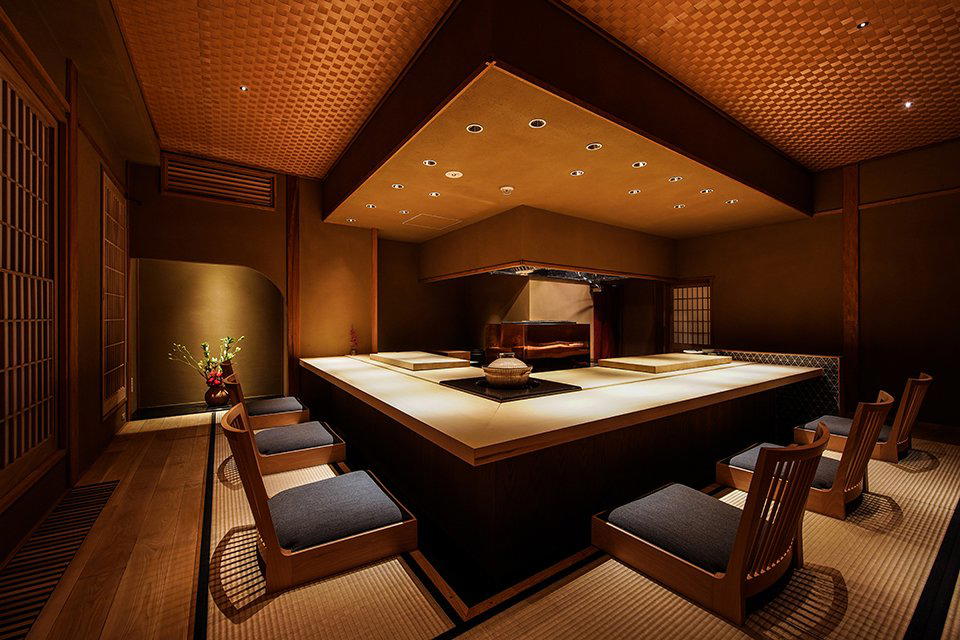
At a Glance
- Elegant
- Intimate
- Sophisticated
- Cozy
- Special Occasion
- Date Night
- Chefs Counter
- Open Kitchen
- Sake Program
- Local Sourcing
- Garden
Current opening hours
- Monday
- Closed
- Tuesday
- 6–9 PM
- Wednesday
- 6–9 PM
- Thursday
- 6–9 PM
- Friday
- 6–9 PM
- Saturday
- 6–9 PM
- Sunday
- 6–9 PM
Hours can change for holidays and private events. Last verified .
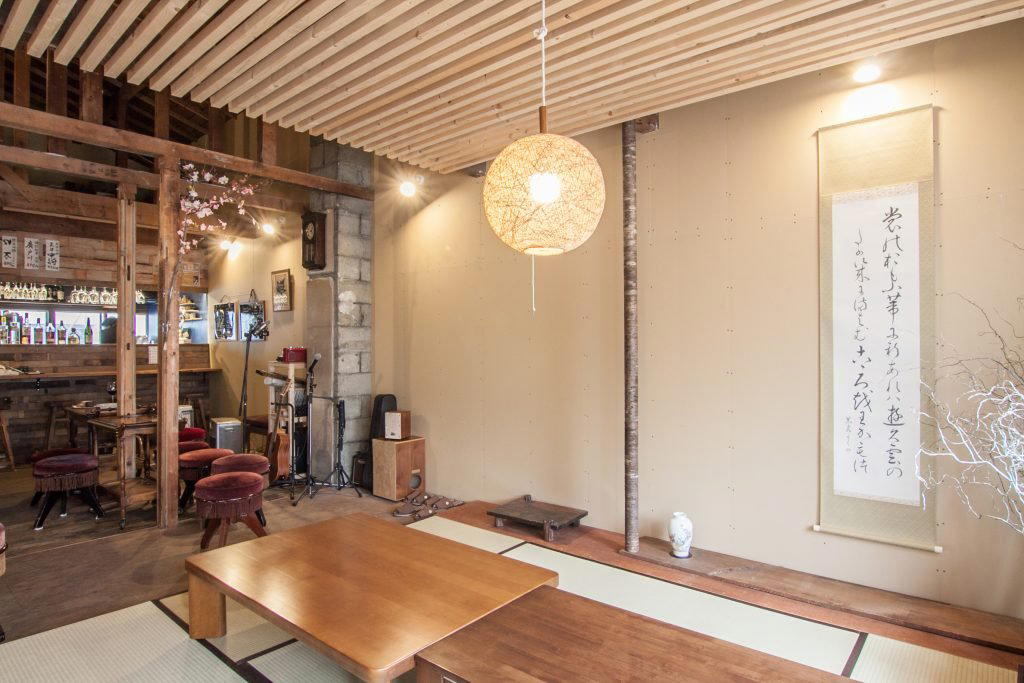
Warm wood and timber interior with natural light from garden views, cedar ceilings, bamboo floors, and an amber glow highlighting precise cuisine.