
Michelin Selected
A Michelin Selected ryokan in Jozankei, Sapporo's onsen district, Suigan occupies one of Hokkaido's most architecturally considered hot spring retreats. The address places guests in a mountain river setting that defines the wider onsen town's character. For travellers choosing between urban Sapporo hotels and the surrounding thermal valley, this property represents the area's specialist tier.

Pearl is the En Primeur Club membership app — saves, bookings, and concierge access live there. Same editors, same standards.
- Address
- 1 Chome-86 Jozankeionsennishi, Minami Ward, Sapporo, Hokkaido 061-2303, Japan
- Phone
- +81 11-215-1118
- Website
- suigan1.com
- Directions
- Get directions
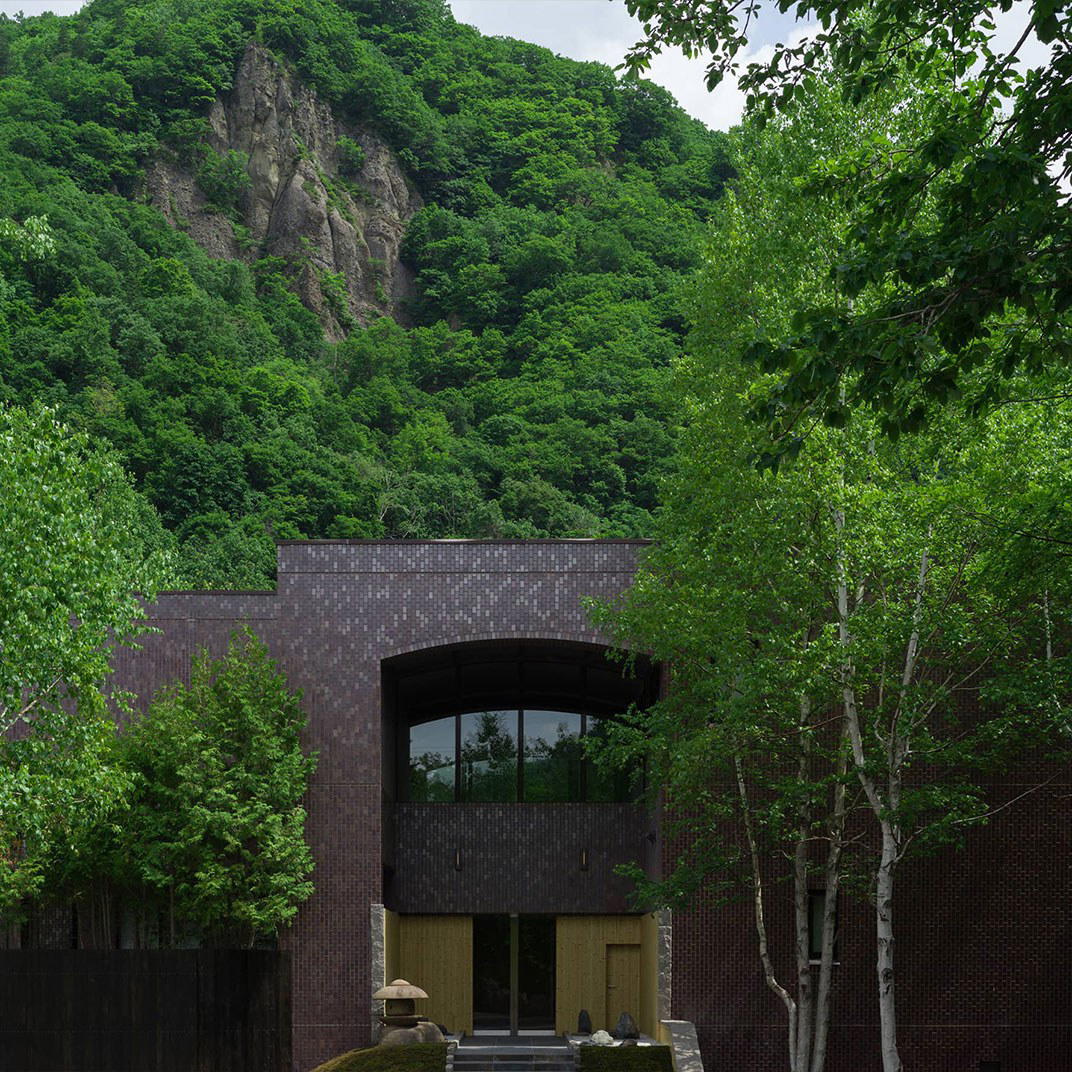
Where the Toyohira River Sets the Terms
Arriving at Jozankei by road from central Sapporo, the shift is gradual at first and then absolute. The city grid gives way to forested slopes, the Toyohira River narrows and quickens alongside the highway, and by the time the onsen district appears the architectural logic has changed entirely. Buildings here are built to frame water and stone, not to dominate them. Suigan, at 1-86 Jozankeionsennishi in Minami-ku, sits within that specific logic. The address alone signals orientation: west of the hot spring source, positioned to read the river rather than the road.
Jozankei operates as a distinct hospitality sub-market within greater Sapporo, roughly an hour from the city center. The area has anchored itself around thermal bathing culture since the late nineteenth century, and the properties that have held their position longest are those that made the river and the surrounding forest primary design elements rather than scenic backdrop. Suigan's inclusion in the Michelin Selected Hotels 2025 list places it among a verified tier of properties in this district — recognition that reflects considered standards rather than scale or brand affiliation.
The Architecture of a Ryokan Landscape
Japanese onsen architecture in Hokkaido has developed along lines shaped by climate as much as aesthetics. The island's winters are severe enough to demand buildings that manage heat retention seriously, which in the leading ryokan has produced a particular interior grammar: low ceilings in corridors giving way to larger common spaces, materials that insulate through mass (timber, stone, ceramic), and a deliberate absence of the kind of openness that works in Kyoto's milder climate. The result, at properties that execute this well, is a warmth that feels structural rather than decorative.
Suigan's position in the Jozankei market reflects a category of Japanese accommodation that has become more selective in recent years. The broader split in regional onsen lodging runs between large hotel-format facilities with high room counts and dining halls, and smaller, more calibrated ryokan that organize space around the bathing and dining rhythm rather than occupancy rates. Michelin's hotel selection process, which evaluates atmosphere, service quality, and physical coherence as a whole, tends to favour the latter category. The 2025 selection confirms Suigan's alignment with that smaller, more deliberate cohort.
For context on where this sits within the wider Hokkaido onsen tier, Zaborin in Kutchan represents the island's most design-forward end of the spectrum, with private open-air baths and a pronounced minimalist architecture. Suigan at Jozankei addresses a different geography and a different pace, one embedded in an active onsen town rather than isolated in the backcountry. The distinction matters for how guests experience both the property and the surrounding area.
Onsen Culture and the Physical Logic of Bathing
Jozankei's thermal waters draw from a sodium chloride-heavy spring that has historically been associated with circulation and muscle recovery, characteristics that attract both leisure travellers and those combining the area with the physical demands of Hokkaido's ski season. The town's position within the Sapporo metropolitan area means it functions as a genuine overnight destination for city-based visitors as well as a staging point for guests moving between urban Sapporo and the interior.
In ryokan of Suigan's type, the bathing schedule and the meal rhythm define the guest day more than any single room feature. Kaiseki dining, which typically anchors the evening meal at properties of this classification, follows a seasonal logic tied to Hokkaido's agricultural calendar: king crab, snow crab, sea urchin, Hokkaido wagyu, and the island's dairy-rich dairy and vegetable traditions all move in and out of the menu rotation across the year.
For guests comparing onsen ryokan across Japan's broader landscape, properties like Gora Kadan in Hakone, Asaba in Izu, and Fufu Nikko in Nikko represent the Honshu equivalents of this category. Kamenoi Besso in Yufu and Nishimuraya Honkan in Kinosaki-cho anchor the tradition in Kyushu and the San'in coast respectively. Each reflects how regional thermal culture shapes architecture and hospitality differently across the country. Suigan's Hokkaido context gives it a climatic and culinary character that is specific to the north.
Sapporo in Context: Urban Versus Onsen
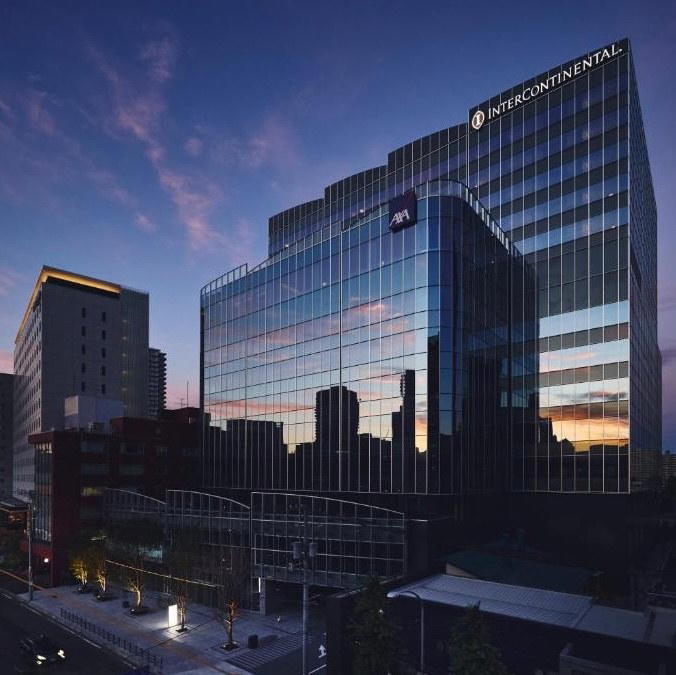
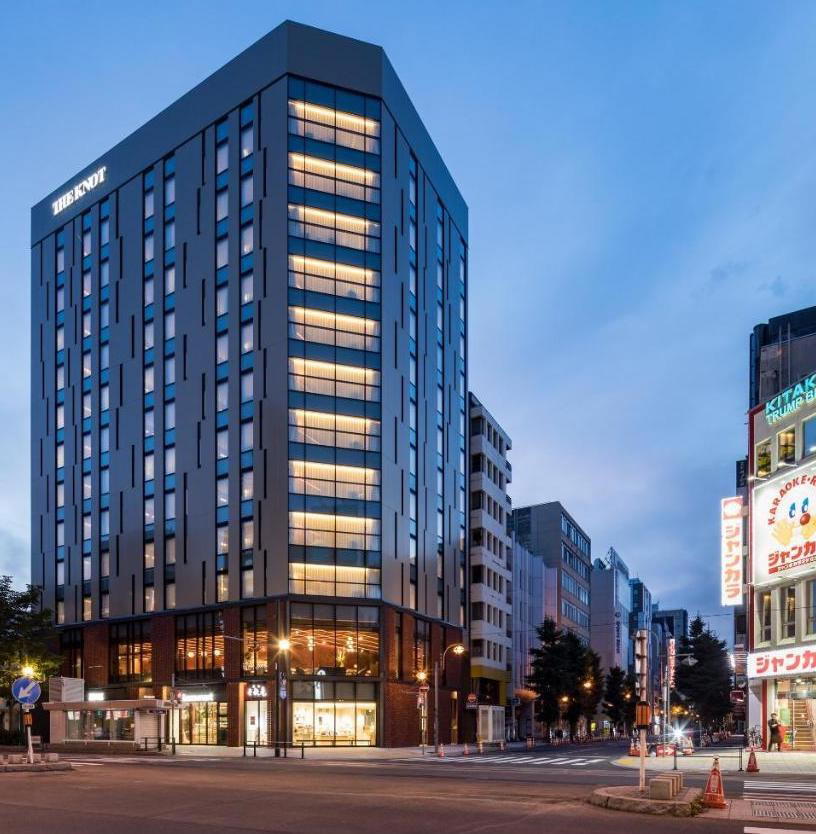
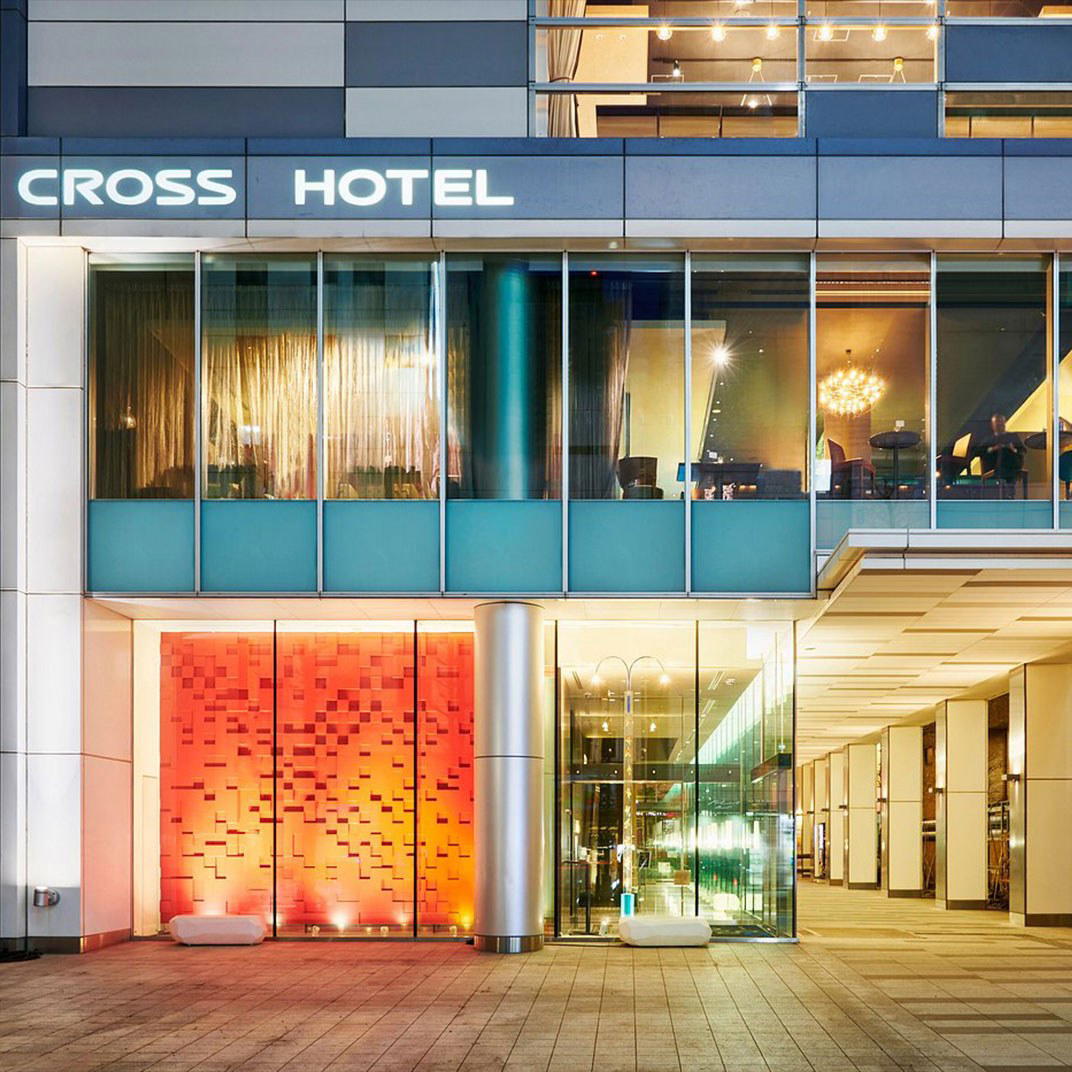
Guests who are choosing between Jozankei and central Sapporo face a question of register rather than quality. The city offers a different set of properties: InterContinental Sapporo and JR Tower Hotel Nikko Sapporo represent the full-service international hotel format, positioned for business travel and proximity to Susukino and Odori. Sosei Sapporo, a MGallery property, occupies a design-conscious mid-tier with a heritage building component. Cross Hotel Sapporo and Sapporo Excel Hotel Tokyu cover the functional urban tier. The Knot Sapporo addresses the lifestyle-hotel segment.
None of those properties offer the Jozankei onsen experience, which is the primary reason to choose Suigan. The thermal bathing, the river-facing architecture, and the kaiseki meal structure represent a different hospitality format entirely, one that urban Sapporo hotels do not replicate. The nearby Chalet Ivy Jozankei operates in the same district and provides a closer comparison point for guests weighing their options within the valley.
For the full range of accommodation and dining options across the city, see our full Sapporo restaurants and hotels guide.
Planning a Stay
Suigan is located at 1-86 Jozankeionsennishi, Minami-ku, Sapporo. Access from central Sapporo runs via the Jozankei Toei bus route from Makomanai subway station (Namboku Line), which deposits passengers at the heart of the onsen district. Journey time from Sapporo Station by car runs approximately 50-60 minutes depending on traffic and season. For guests arriving in winter, Hokkaido road conditions between November and March warrant planning; the route to Jozankei can be affected by snow accumulation.
The peak booking windows for Jozankei properties correspond to Sapporo's Yuki Matsuri (Snow Festival) in early February, the ski season concentrated between December and March, and the autumn foliage period in October. These windows book out well in advance at the district's stronger ryokan. Booking through the property's direct channel or through a verified Japanese travel agent is the standard approach for properties in this classification.
Travellers building a wider Japan itinerary around premium hotels may also consider HOTEL THE MITSUI KYOTO, Amanemu in Mie, Benesse House in Naoshima, or Fufu Kawaguchiko for complementary property types across the country. For those extending travel beyond Japan, Bvlgari Hotel Tokyo represents the urban counterpoint within the same country, while Halekulani Okinawa and Jusandi in Ishigaki address the southern island tier. Internationally, Badrutt's Palace Hotel in St. Moritz, Hôtel de Paris Monte-Carlo, and The Fifth Avenue Hotel in New York City occupy analogous tiers in their respective markets, and Sekitei in Hatsukaichi-shi rounds out the Japan onsen comparison set.
Fast Comparison
Comparable venues nearby, for context on price, style, and recognition.
| Venue | Cuisine | Price | Awards | Notes |
|---|---|---|---|---|
| SuiganThis venue — the venue you are viewing | Exclusive onsen ryokan with spacious private suites | $300–500 | Michelin Selected | Not listed |
| Chalet Ivy Jozankei | Modern luxury ryokan in lush mountain forest setting | Not listed | Small Luxury Hotels of the World Member | Minami |
| Cross Hotel Sapporo | Sleek modern tower with artsy, lounge-like vibe emphasizing local Hokkaido connections. | Not listed | Michelin Selected | Chūō |
| The Knot Sapporo | Lifestyle hotel blending natural Hokkaido warmth with sleek modern design | Not listed | Michelin Selected | Susukino |
| Hyatt Centric Sapporo | Upscale urban lifestyle hotel under the Hyatt Centric brand, positioned as a base for exploration in central Sapporo. | Not listed | Not listed | Sapporo Station area |
| InterContinental Sapporo | residential luxury fused with natural Hokkaido landscapes | Not listed | Michelin Selected | Chūō |
Recognition history
Dated appearances from independent guides and award organizations, with the underlying list record or original source where available.
Michelin Selected
Michelin
Continue exploring
More in Sapporo
Hotels in Sapporo
Browse all →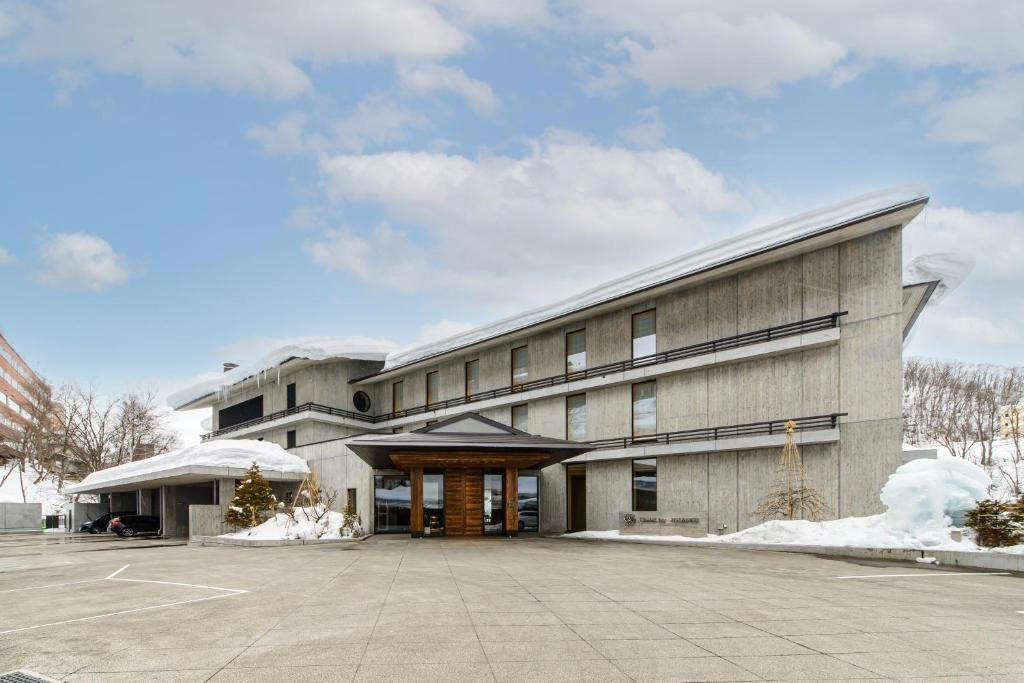
Bars in Sapporo
Browse all →
Restaurants in Sapporo
Browse all →
Wineries in Sapporo
Browse all →
Details
- Elegant
- Intimate
- Sophisticated
- Modern
- Scenic
- Honeymoon
- Romantic Getaway
- Anniversary
- Wellness Retreat
- Panoramic View
- Private Dining
- Wi Fi
- Air Conditioning
- Parking
- Sauna
- Mountain
- Garden
Tranquil and serene with floor-to-ceiling windows framing verdant national park surroundings, private onsen baths, and spacious suite interiors promoting refined privacy and relaxation.