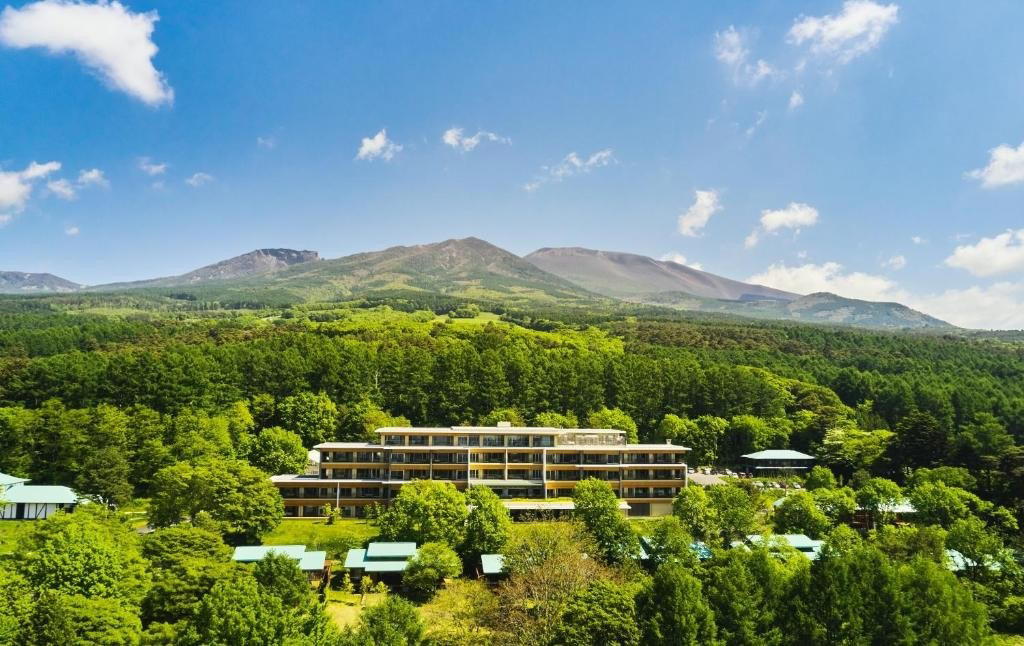
Tobira Onsen Myojinkan sits in the mountains above Matsumoto in Nagano Prefecture, where the architectural language of traditional ryokan meets the thermal spring culture of the Japanese Alps. The property occupies a relatively secluded position in the Nyuukaya area, placing it in a tier of onsen ryokan that prioritise spatial calm and natural setting over urban convenience. It draws guests seeking mountain air, hot spring bathing, and the considered rhythms of Japanese inn hospitality.

Pearl is the En Primeur Club membership app — saves, bookings, and concierge access live there. Same editors, same standards.
- Address
- 入山辺8967, 松本市, 長野県, 390-0222
- Directions
- Get directions
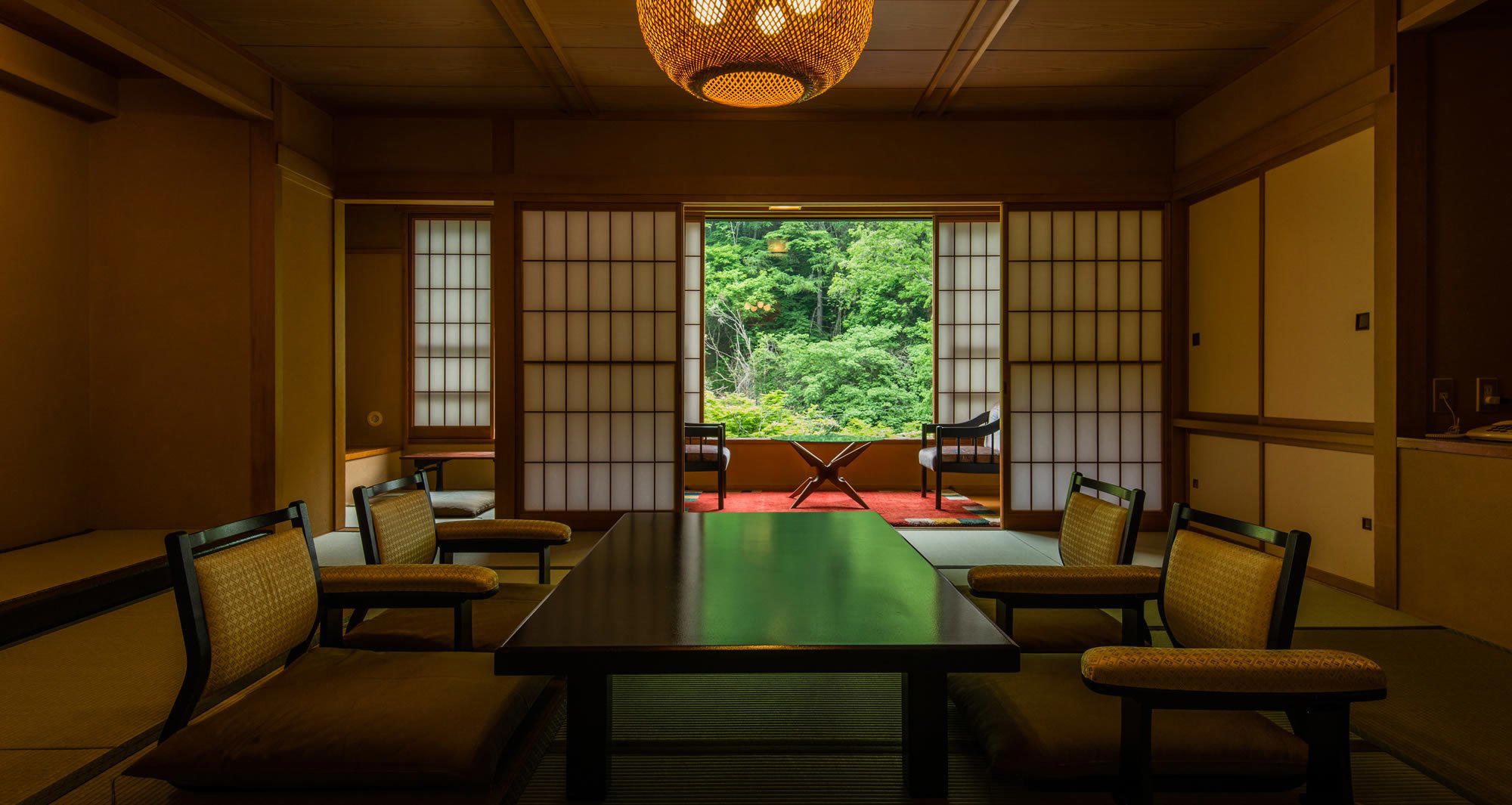
Where the Japanese Alps Meet the Architecture of Stillness
The road into Nyuukayabe from central Matsumoto takes you east along a narrowing river valley, the city's density giving way to cedar groves and the stacked ridgelines of the Northern Alps. By the time you reach the address in Iriyamabe — a district most Matsumoto residents associate more with shrine paths than with lodging — the shift from urban to elemental feels deliberate rather than incidental. That architectural sensitivity runs through everything at 扉温泉 明神館 (Tobira Onsen Myojinkan), a ryokan whose design reads less as hospitality product and more as a considered argument about how a building should sit inside a mountain landscape.
Japan's high-end ryokan sector has spent the past two decades fragmenting into distinct typologies. At one end, urban-embedded properties such as HOTEL THE MITSUI KYOTO in Kyoto have refined the ryokan format for guests who want traditional ritual without leaving a city grid. At the other, destination onsen properties in remote prefectures, think Amanemu in Mie or Gora Kadan in Hakone, have pushed architecture and landscape into an explicit conversation. Myojinkan belongs to the second tradition: a property where the physical setting is not backdrop but premise.
The Design Logic of Mountain Ryokan
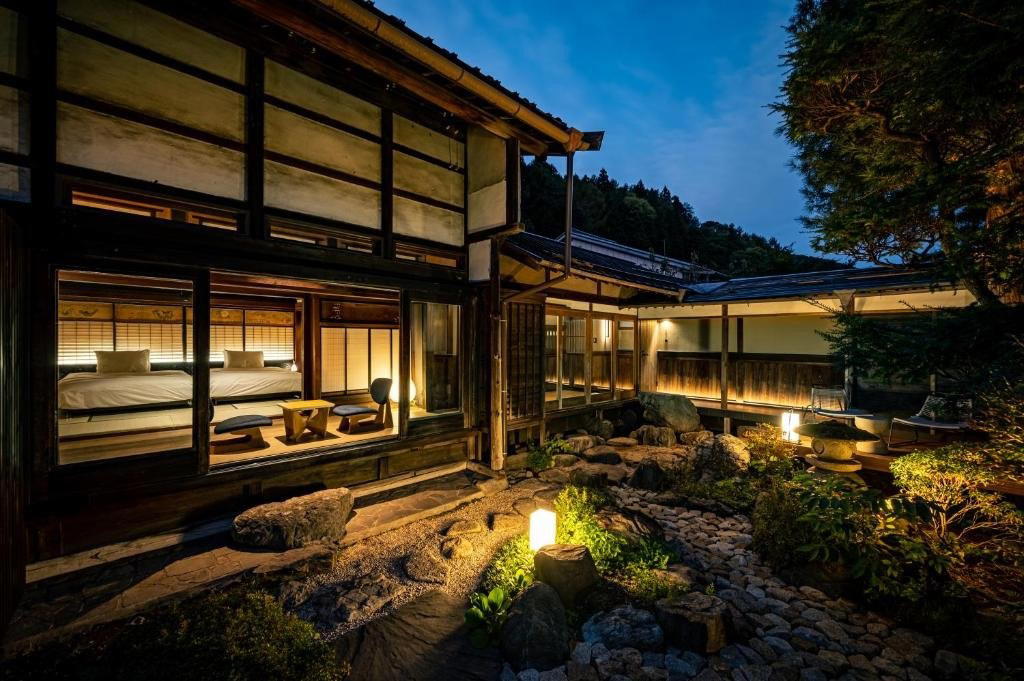
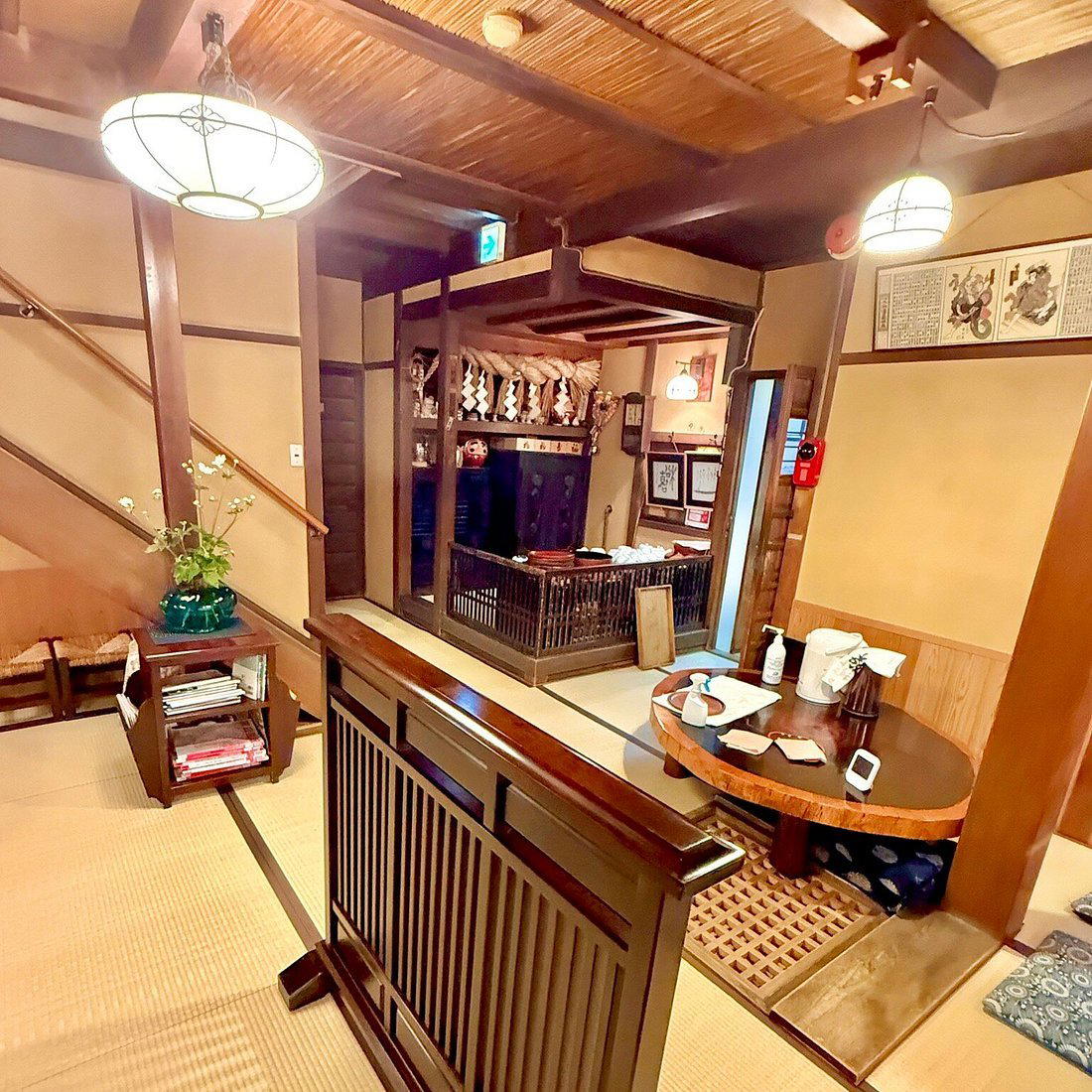
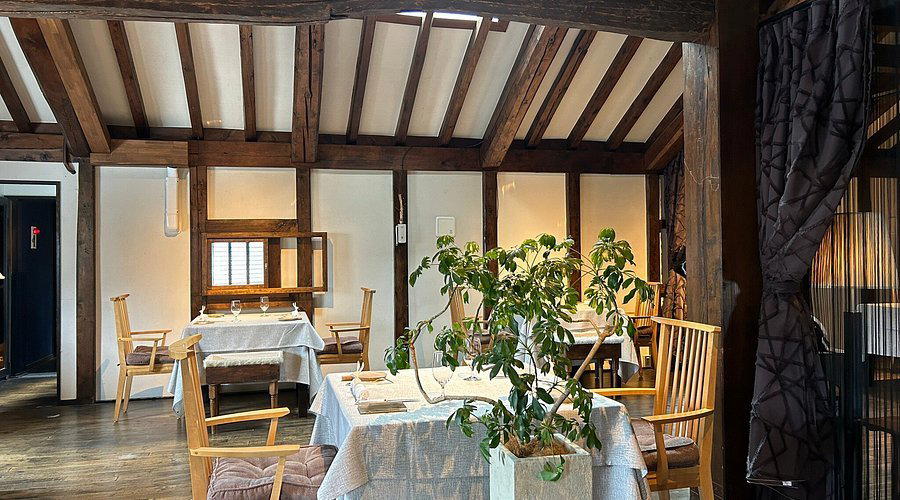
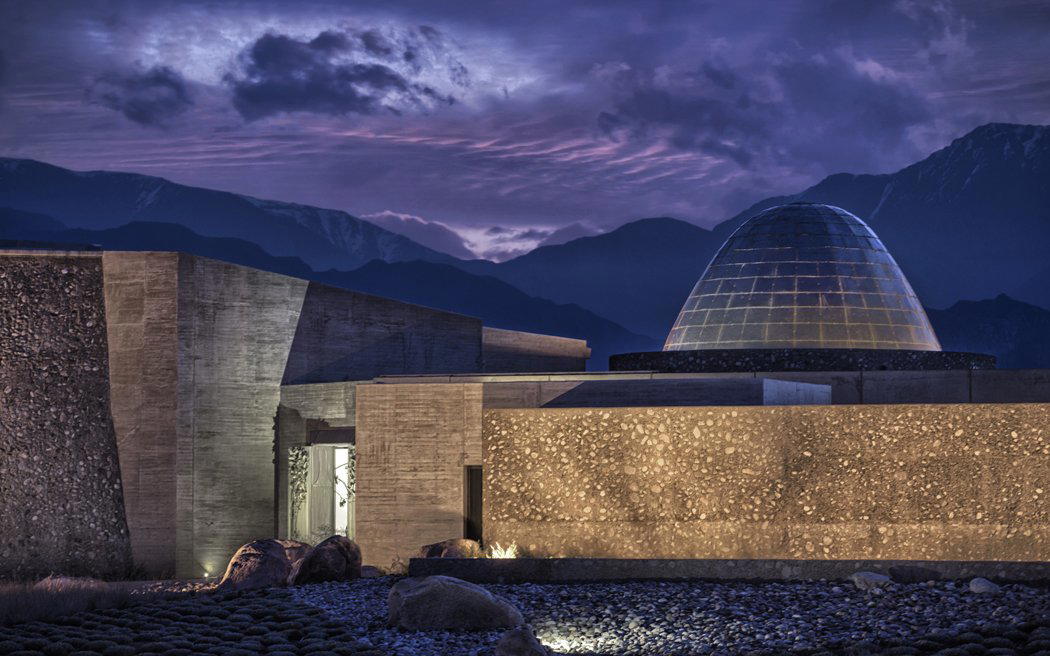
What separates Myojinkan from the broader category of Nagano-area onsen lodges is the coherence between site and structure. The building does not impose on the hillside; it follows it. Timber framing and natural material choices characteristic of the Shinshu construction tradition appear throughout, and the roofline responds to rather than ignores the topography behind it. This is architecture that operates through omission as much as addition: fewer decorative gestures, more attention to aperture and prospect, to where a window places your eye in relation to a cedar canopy or a far ridge.
That philosophy extends to the interior transitions. The approach from reception toward the bathing areas and guest rooms involves a sequence of spatial compressions and expansions familiar from the leading Japanese residential design, narrow corridors that open into double-height common spaces, low ceilings that suddenly give way to a full-length glazed view. These are not accidental moves. They reflect a design sensibility aligned with the ma concept (間), the Japanese spatial principle that gives negative space as much weight as built form.
Among premium mountain onsen properties in Japan, this architectural intentionality is the variable that most reliably justifies a price tier and a remoteness premium. Properties like Zaborin in Hokkaido and Asaba in Izu operate in a comparable register, where geometry, material, and landscape are the primary offering rather than amenity count.
The Onsen as Spatial Experience
Tobira Onsen, the hot spring source that gives the property its name, draws from a sodium bicarbonate spring characteristic of this section of the Matsumoto basin's geothermal activity. Sodium bicarbonate waters are known for their soft, skin-smoothing quality at temperature, which partly explains the long-standing reputation of this spring among domestic onsen travelers in the Chubu region. The bathing facilities at Myojinkan include both indoor and outdoor baths, with the rotenburo (露天風呂, open-air bath) positioned to frame the surrounding forest and, on clear days, the distant Alpine silhouette.
Across Japan's competitive ryokan market, the outdoor bath view has become almost a category requirement at this price tier. What separates better-designed properties is the relationship between bath architecture and landscape, whether the water surface reflects the right ridgeline, whether the rock placement is compositional rather than purely functional, whether the steam-to-tree-to-sky ratio feels considered. At mountain-setting properties of Myojinkan's type, those details are the primary aesthetic argument. Comparable properties elsewhere in Japan, including Araya Totoan in Kaga and Bettei Senjuan in Minakami, demonstrate how much the outdoor bathing sequence can define the entire stay.
Matsumoto as Base: What the Location Implies
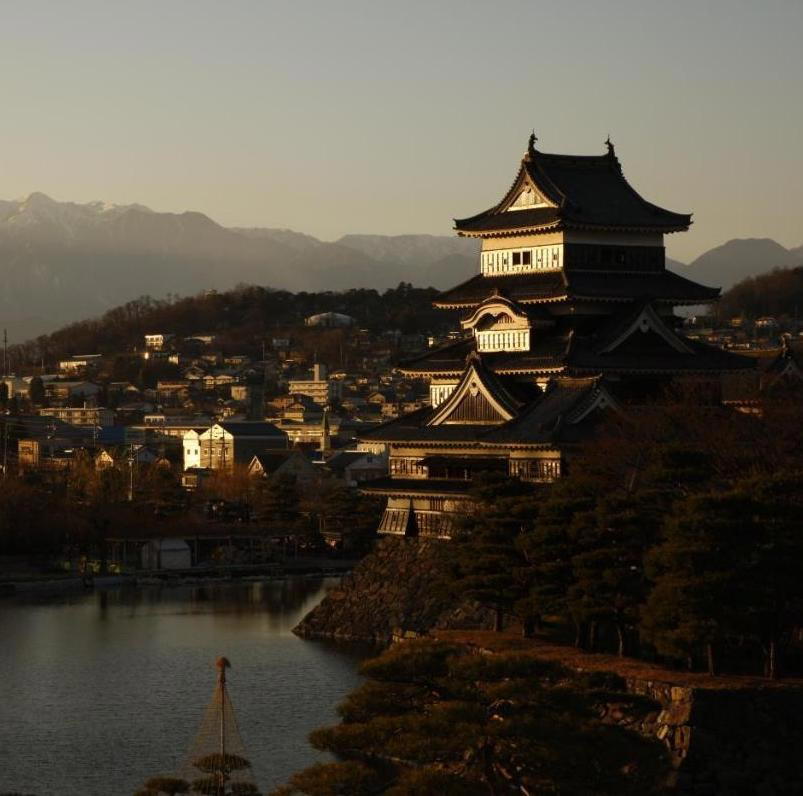
Matsumoto sits approximately 200 kilometres northwest of Tokyo by road, and the city operates as one of Japan's more complete mid-size cultural destinations: a genuine castle town, an active classical music calendar anchored by the Saito Kinen Festival, and a food culture that draws on Shinshu soba, locally sourced mountain vegetables, and sake production from the surrounding valleys. For a full overview of the city's dining and hospitality offer, see our full 松本市 restaurants guide.
The Iriyamabe address places Myojinkan outside the castle district proper, roughly a 20-minute drive east of central Matsumoto, which means guests who want to combine an onsen stay with city-side dining or the castle grounds will need to plan for the transfer. That distance is not a disadvantage so much as a clarification of purpose: this property is designed for guests whose primary aim is immersion in the mountain environment, not urban access. The Matsumoto Interchange on the Chuo Expressway is accessible within roughly 30 minutes, making the property reachable from both the Nagano Shinkansen corridor and the Chuo Line via Matsumoto Station.
Kaiseki and the Ryokan Meal Structure
Full-board kaiseki dining is standard at ryokan of this category, with dinner and breakfast included in the accommodation rate. The kaiseki tradition in Nagano leans on mountain protein, river fish, foraged mushrooms, game in autumn, and on the prefecture's strong agricultural identity: local rice varieties, Shinshu miso, and seasonal alpine vegetables appear throughout the meal structure. This is a regional kaiseki register distinct from the seafood-forward kaiseki of coastal ryokan in, say, Kinosaki (see Nishimuraya Honkan in Kinosaki-cho) or the refinement-led formats of resort properties like Fufu Kawaguchiko in Fujikawaguchiko.
For guests comparing inland mountain ryokan kaiseki formats, the Nagano alpine tradition offers a different seasonal rhythm: spring brings sansai (mountain greens), summer shifts to sweetfish and river trout, autumn delivers matsutake mushroom and venison, and winter centres the meal on warming preparations. The ingredient specificity of a well-sourced mountain ryokan kitchen is among the stronger arguments for staying in the Matsumoto basin rather than a more accessible onsen region.
Planning a Stay
Ryokan of this type, mountain-set, onsen-centred, with full-board dining, typically require booking several weeks to months ahead for peak periods, which in this region means the autumn foliage window (late October to mid-November) and the summer holiday weeks in August. Spring shoulder season and weekday stays in winter offer the most calendar availability. As with most Japanese ryokan at this category, reservations are commonly made via Japanese-language platforms such as Jalan or Rakuten Travel, though direct inquiry through the property's official channels remains an option. Guests arriving by public transport should plan the final leg from Matsumoto Station by taxi or pre-arranged transfer.
For travellers building a longer Japan itinerary around premium onsen properties, Myojinkan works naturally as part of a routing that includes Fufu Nikko in Nikko, ENOWA Yufu in Yufu, or Benesse House in Naoshima, all properties where architecture and landscape operate as primary rather than secondary concerns. Travellers prioritising urban luxury over mountain immersion will find a different register at Bvlgari Hotel Tokyo in Tokyo or Aman New York in New York City, both of which sit in a different competitive tier.
Side-by-Side Snapshot
| Venue | Price | Awards |
|---|---|---|
| 扉温泉 明神館This venue — the venue you are viewing | $300–500 | Not listed |
| Bvlgari Hotel Tokyo | Not listed | 3 Michelin Keys · World's 50 Best #24 |
| Aman Kyoto | Not listed | 2 Michelin Keys · World's 50 Best #74 |
| Aman Tokyo | Not listed | 2 Michelin Keys · World's 50 Best #11 |
| Amanemu | Not listed | 3 Michelin Keys · La Liste Top Hotels |
| Four Seasons Hotel Tokyo at Otemachi | Not listed | 3 Michelin Keys · La Liste Top Hotels |
Continue exploring
More in Matsumoto
Hotels in Matsumoto
Browse all →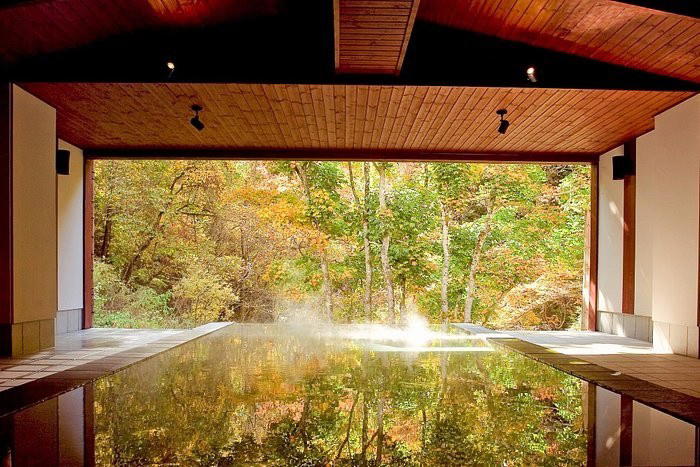
Bars in Matsumoto
Browse all →
Restaurants in Matsumoto
Browse all →

Details
- Quiet
- Scenic
- Cozy
- Elegant
- Romantic Getaway
- Wellness Retreat
- Anniversary
- Panoramic View
- Destination Spa
- Wi Fi
- Spa
- Room Service
- Mountain
- Garden
- Step Free Entrance
Serene deep mountain valley atmosphere with natural sounds of birds, rustling leaves, and stream, enveloped in quiet natural light.