
Relais Chateaux Award
Our verdict
Nature French SAI / ナチュレフレンチ「菜」 Restaurant brings French technique into Matsumoto’s mountain-produce vocabulary, with Chef Masahiro Tanabe using local Japanese ingredients as the point of departure rather than decoration. It suits travelers reading Matsumoto through food: castle-town tradition, rural Nagano agriculture, and a quieter creative-cooking register than Japan’s metropolitan tasting rooms.

Pearl is the En Primeur Club membership app, where members save venues, book tables and use the concierge.
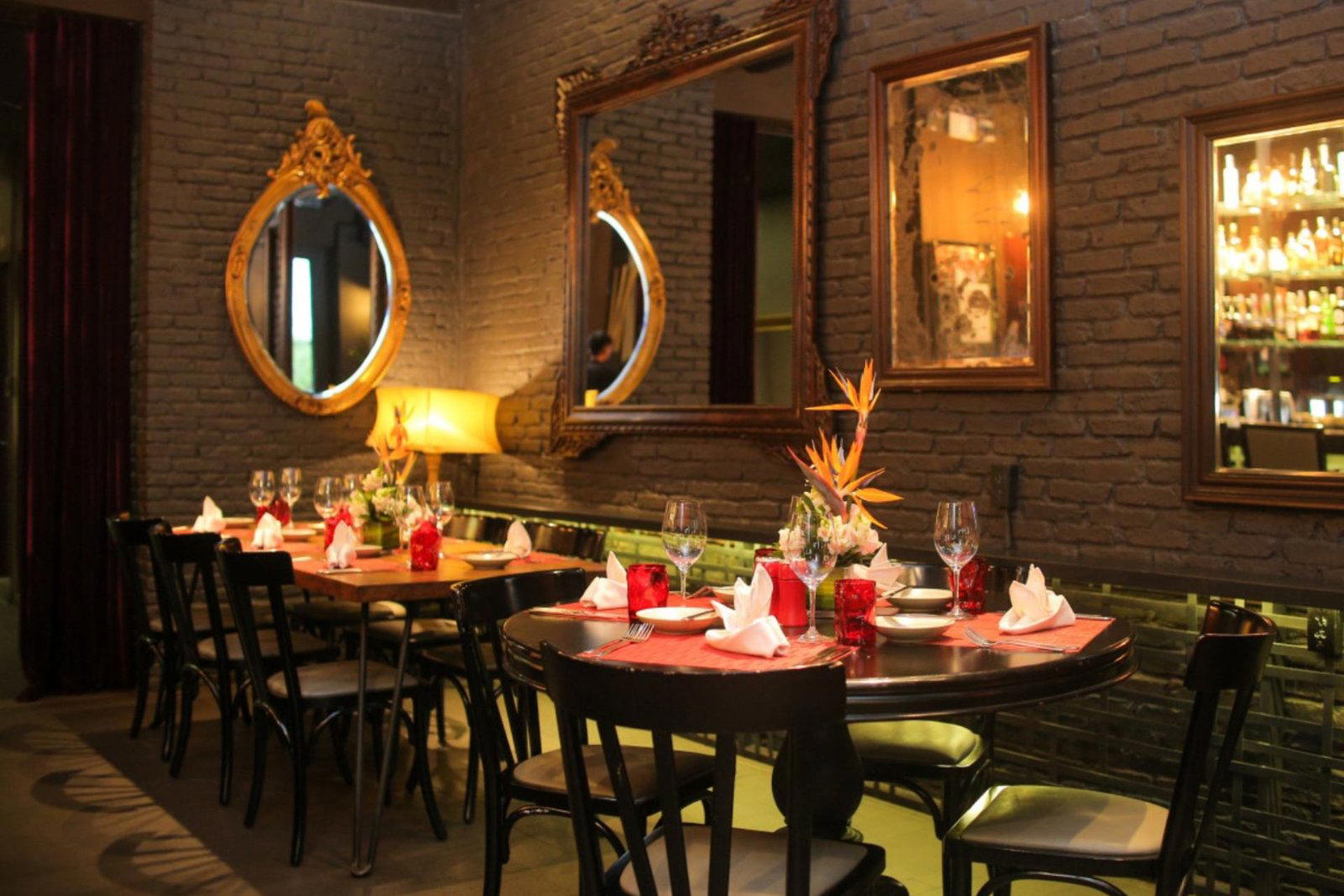
The approach to Matsumoto changes the scale of dining before a menu appears. The city gives meals a sense of context that feels different from Japan’s larger dining capitals, where density and spectacle can dominate the experience. In that setting, Nature French SAI / ナチュレフレンチ「菜」 Restaurant belongs to a Matsumoto pattern that rewards patience: seasonal awareness, local character, and a composed reading of place.
Matsumoto is often read through its long-standing food culture, visitor appeal, and practical rhythm as a regional city. Creative cooking here cannot rely on the same urban theater that defines Tokyo or Osaka dining. The argument has to be quieter and more local. A meal built around careful technique and a strong sense of setting fits that brief because it treats the city as part of the experience, not merely as a backdrop.
Creative cooking with Matsumoto context as the grammar
The kitchen is led by Chef Masahiro Tanabe, and that leadership matters because this format depends on control. The cooking supplies the grammar: sequencing, balance, and the discipline of turning a meal into a composed experience. Matsumoto supplies the wider context, giving the restaurant its sense of place. The result sits in the Creative cooking category, but its logic is closer to translation than spectacle.
That distinction matters in Matsumoto. The city has enough visitor traffic to support restaurants with a clear point of view, yet it remains regional in a way larger dining capitals cannot imitate. When a composed restaurant framework meets a local setting, the value is not novelty for its own sake. It is proportion: how much technique is needed before the meal stops speaking for the place around it.
For readers mapping the city’s dining range, the contrast is useful. Other Matsumoto dining rooms may emphasize everyday local registers, relaxed hospitality, European influences, or café traditions, all of which show how varied the city’s daily rhythms can be. Against that background, Nature French SAI / ナチュレフレンチ「菜」 Restaurant reads as a more composed expression of the same cross-current: not a metropolitan template simply imported into Matsumoto, but a chef-led method put under regional pressure.
A chef-led restaurant in a city that still thinks seasonally
The chef’s journey is best understood through restraint rather than biography. The relevant point is not a personal mythology; it is the way a formal kitchen can be used in a city where seasonality still matters to how people eat. Matsumoto’s dining culture is shaped by changes in mood, climate, and visitor rhythm across the year. A restaurant that works in a creative-cooking mode has to respond to that calendar without turning it into theater.
This is where chef-led creative cooking in regional Japan separates itself from brand-led luxury dining. The room does not need a global script if the cooking has a clear local logic. For travelers moving through Japan beyond the major cities, Matsumoto offers a useful case study: a destination with enough cultural weight to attract visitors, but enough regional identity to keep the meal anchored in its immediate surroundings.
The category also explains why expectations should differ from a casual stop between sightseeing appointments. Creative cooking shaped by local context asks for attention to pacing and setting. It is a stronger fit for travelers who want Matsumoto to register as a food destination in its own right, not only as a convenient pause within a broader Japan itinerary.
How to place it within a Matsumoto itinerary
The restaurant’s Matsumoto setting makes it feel distinct from a quick visitor circuit. That separation is part of the appeal, because the meal’s premise depends on giving the city more than passing attention. It suits an itinerary that gives Matsumoto breathing room: time for the city during the day, then a meal that shifts attention toward a more composed, chef-led expression of place.
Travelers building a broader local plan can use Our full Matsumoto restaurants guide for dining context, Our full Matsumoto hotels guide for where to stay, Our full Matsumoto bars guide for after-dinner drinking, Our full Matsumoto wineries guide for regional wine planning, and Our full Matsumoto experiences guide for cultural structure around the meal.
For wider Japan and creative-cooking context, the format sits apart from sharper single-specialty addresses and more casual dining rooms found elsewhere in the country. Internationally, creative cooking can stretch from relaxed meals to precise destination-restaurant settings. Matsumoto’s version is quieter and more regional: disciplined, chef-led cooking used to read the city’s character rather than overwrite it.
Frequently asked questions
Is Nature French SAI / ナチュレフレンチ「菜」 Restaurant a family-friendly restaurant?
It can work for families who plan ahead, but the format is not casual. Nature French SAI / ナチュレフレンチ「菜」 Restaurant in Matsumoto is a chef-led Creative cooking restaurant, so it is best suited to guests who are comfortable with a more composed dining experience.
What kind of setting is Nature French SAI / ナチュレフレンチ「菜」 Restaurant?
The restaurant is in Matsumoto. Under Chef Masahiro Tanabe, the room reads as a composed Creative cooking destination rather than an everyday neighborhood spot.
What distinctions does Nature French SAI / ナチュレフレンチ「菜」 Restaurant have?
Nature French SAI / ナチュレフレンチ「菜」 Restaurant is listed by Relais & Châteaux with Chef Masahiro Tanabe and the cuisine category Creative cooking.
What's the cuisine at Nature French SAI / ナチュレフレンチ「菜」 Restaurant?
Nature French SAI / ナチュレフレンチ「菜」 Restaurant serves Creative cooking cuisine.
Recognition history
Dated appearances from independent guides and award organizations, with the underlying list record or original source where available.
Relais Chateaux Award
Relais Chateaux
Continue exploring
More in Matsumoto
Restaurants in Matsumoto
All restaurants in Matsumoto →
Hotels in Matsumoto
All hotels in Matsumoto →

Details
- Quiet
- Sophisticated
- Elegant
- Intimate
- Date Night
- Special Occasion
- Business Dinner
- Hotel Restaurant
- Standalone
- Organic
- Local Sourcing
- Mountain
- Garden
- Tasting Menu
- Set Menu
- Organic Focus
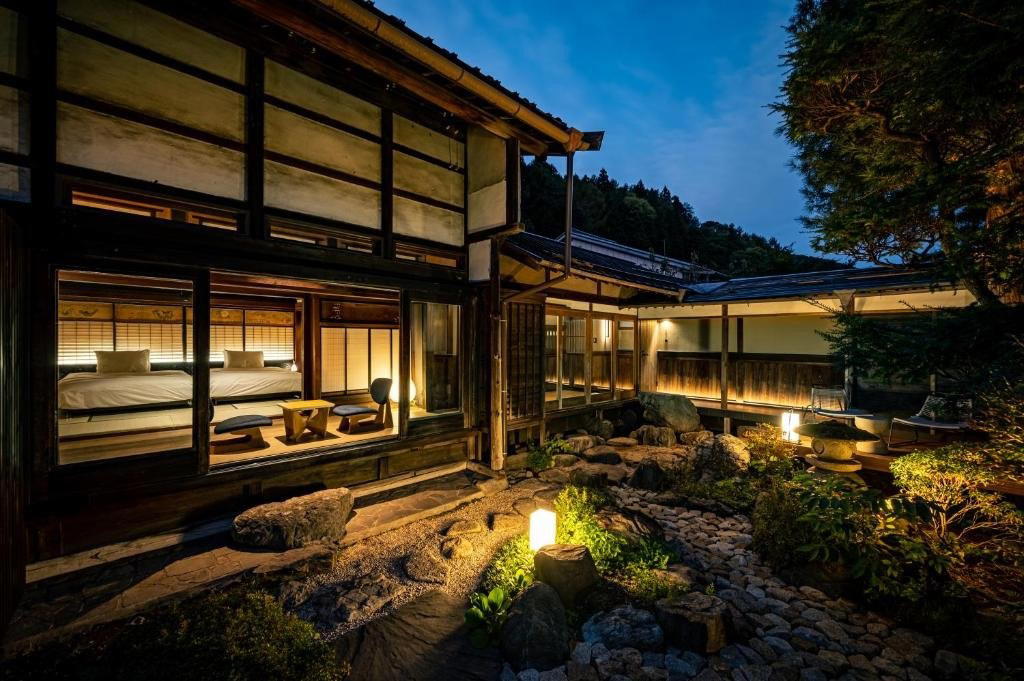
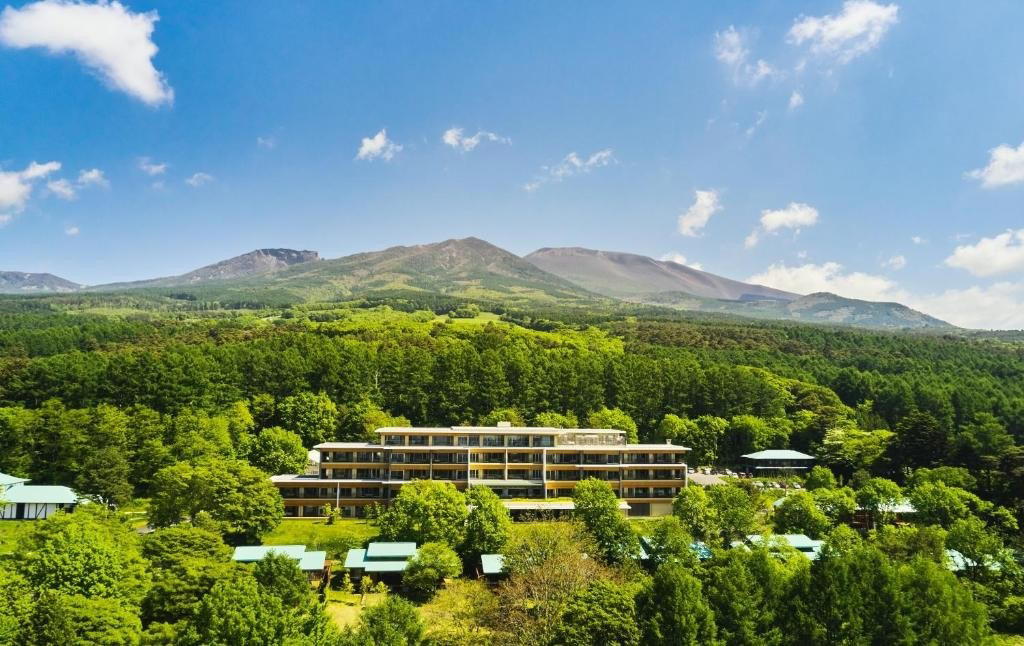
A quiet, formal, small-capacity fine-dining room with a refined atmosphere suited to a leisurely destination meal.