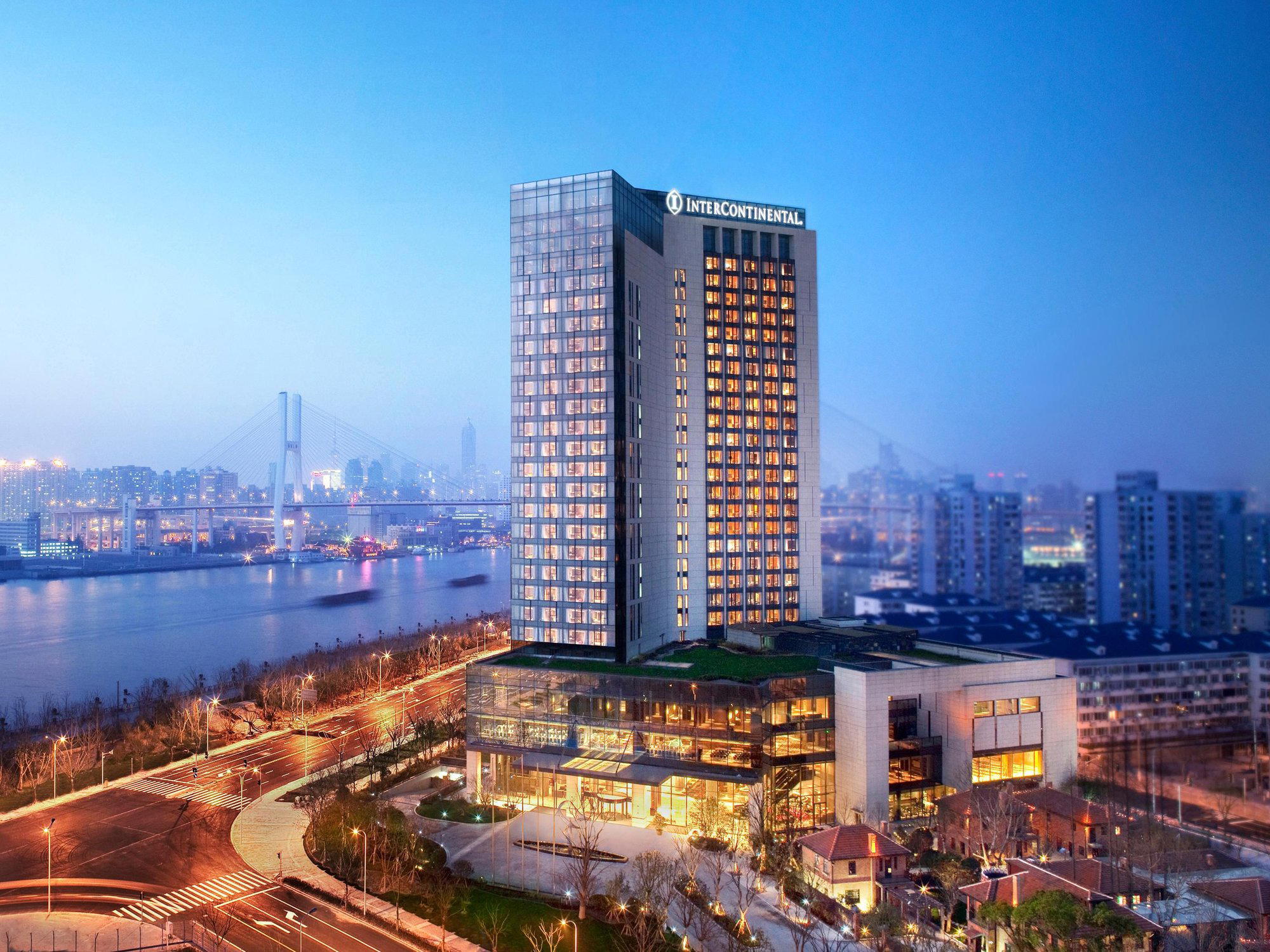
Positioned in the Yaohan district of Pudong, InterContinental Shanghai Pudong represents the eastward shift of Shanghai's hospitality centre of gravity that accelerated through the 1990s and 2000s. The property sits in the tier of established international flagships that shaped Pudong's identity as a business and leisure destination distinct from the colonial-era Bund. Guests oriented toward Pudong's financial core and Lujiazui access will find this address logistically coherent.

Pearl is the En Primeur Club membership app — saves, bookings, and concierge access live there. Same editors, same standards.
- Address
- Yaohan, Pudong, China, 200120
- Phone
- +86 21 5835 6666
- Website
- ihg.com
- Directions
- Get directions
Pudong's Rise and Where This Address Fits
There is a particular quality to approaching Pudong from the west bank of the Huangpu. The skyline reads as a deliberate argument: Shanghai is not preserving itself in amber. When the Pudong New Area began its accelerated development in the early 1990s, the district needed anchoring institutions, and international hotel groups were among the first to commit. The InterContinental Shanghai Pudong, positioned in the Yaohan district at the eastern edge of that transformation, belongs to the cohort of properties that made Pudong legible to international business travellers before the district had fully formed its own identity.
That historical moment matters when assessing the property today. Hotels that arrived early in Pudong carry a different relationship to the neighbourhood than later entrants. They absorbed the district's growing pains and, in doing so, accumulated a kind of institutional memory that newer design-led arrivals in the area do not possess. Guests who have been using this address for business travel across multiple decades will recognise that continuity in ways that first-time visitors may not register immediately.
The Yaohan District: Context for a Changing Address
The Yaohan name references one of the early commercial anchors of Pudong's retail development, a detail that dates the neighbourhood's commercial ambitions and their international orientation. The area around Zhangyang Road developed as a self-contained node of Pudong, distinct from the financial towers of Lujiazui, more residential in grain but with the hotel and retail density that long-stay business travellers require. Within Shanghai's hotel geography, properties in this part of Pudong sit in a different competitive set from the Bund-facing addresses that trade on heritage views, or the Xintiandi properties that draw on proximity to the city's most concentrated dining and nightlife cluster.
For an editorial comparison: Andaz Xintiandi, Shanghai and Capella Shanghai, Jian Ye Li operate in the heritage-residential precinct of the former French Concession and Xintiandi, while Bvlgari Hotel Shanghai positions itself in the luxury brand corridor near the Bund. The InterContinental Pudong does not compete in those sub-markets. Its logic is operational proximity to Pudong's business infrastructure, including convention facilities, the financial district, and Century Park, rather than the experiential positioning of those design-led properties.
International Flags and the Pudong Playbook
The InterContinental Hotels Group has operated in Greater China long enough that its Pudong address functions less as a standalone property and more as a node in a network that frequent China business travellers use systematically. This is neither a criticism nor praise in isolation; it is a description of how a significant portion of the property's repeat guests actually engage with it. The IHG loyalty infrastructure means that decision-making for many guests happens at the brand level before the specific address is considered.
That dynamic places the property in a broader conversation about how international flags shaped Chinese hospitality norms during the 1990s and early 2000s. Properties like this one served as reference points for service standards, F&B; format expectations, and room product benchmarks at a time when the domestic luxury hotel category was still finding its footing. The legacy of that period is visible in both the property's positioning and in the guest profile that has remained loyal to the address.
For travellers exploring other regions of China with similar hospitality heritage, the Mandarin Oriental Qianmen in Beijing represents a comparable moment of international brand investment in a historically significant urban district. Further afield, Amanfayun in Hangzhou and Amandayan in Lijiang represent the opposite pole: properties built around local architectural heritage rather than international flag legibility.
Planning a Stay: What the Address Asks of You
Guests arriving at InterContinental Shanghai Pudong should orient their Shanghai itinerary with Pudong as the base, not as a detour. The cross-river journey to the Bund and the former concession neighbourhoods is manageable via Metro Line 2, which connects Pudong to People's Square and beyond, but it adds transit time that shapes how much ground a visitor can realistically cover in a day. Travellers whose primary agenda includes Xintiandi dining, Jing'an Temple-area shopping, or the Former French Concession's bar scene will find a Puxi address more efficient. Those with meetings in the financial district, attendance at Pudong convention facilities, or specific interest in the Lujiazui and Century Park axis will find the location coherent.
Seasonally, Shanghai's spring window from March through May and the October shoulder period offer the most reliable weather for cross-river movement between Pudong and Puxi. The summer months from July through August bring humidity and typhoon-season disruption that can compress itinerary flexibility, making a Pudong base with good internal amenities more important than it would be in a temperate month.
For a broader view of where this property fits within Shanghai's hotel offer, the EP Club Shanghai guide maps properties across the full competitive range, from Alila Shanghai and Amanyangyun to Bellagio Shanghai, Artyzen NEW BUND 31 Shanghai, and Cachet Boutique Shanghai.
Where This Property Sits in the Wider Region
Travellers building multi-city China itineraries from a Shanghai base have a substantial network of comparable international-flag properties to draw on. Hyatt Place Nanjing Xuanwu in Nanjing covers the high-speed rail corridor to the north, while Andaz Shenzhen Bay in Shenzhen anchors the southern end of a business circuit that many corporate travellers run regularly. For leisure extensions into resort territory, 1 Hotel Haitang Bay, Sanya and Altira Macau represent contrasting approaches to Chinese resort hospitality. Those pushing into less-trafficked territory might consider Xiamen Yunding Resort, Green Lake Hotel Kunming, or the more remote Mohe Youran Mountain Residence in Da Hinggan Ling. Seasonal winter travellers looking at northeastern China have Vanke Lake Songhua Yunlu Hotel in Jilin and Beidahu Asian Games Village as anchors for snow-season travel. For those extending internationally, Aman Venice, Aman New York, and The Fifth Avenue Hotel in New York City represent reference points in what international luxury hospitality looks like at comparable price tiers in Western markets, useful calibration for travellers assessing value across their China itinerary.
Comparable Options
| Venue | Cuisine | Price | Awards |
|---|---|---|---|
| InterContinental Shanghai PudongThis venue — the venue you are viewing | This venue | $100–200 | Not listed |
| Amanyangyun | Not listed | Not listed | 2 Michelin Keys · Vogue 2026 Vogue Best Hotels in Shanghai |
| Andaz Xintiandi, Shanghai | Not listed | $100–200 | Michelin Selected · Forbes Recommended |
| Bvlgari Hotel Shanghai | Not listed | $750–1,000 | 2 Michelin Keys · La Liste Top Hotels |
| Capella Shanghai, Jian Ye Li | Not listed | Not listed | 2 Michelin Keys · Michelin Guide New Hotels New Hotel |
| Fairmont Peace Hotel | Not listed | $200–300 | Michelin Selected · La Liste Top Hotels |
Details
- Modern
- Elegant
- Sophisticated
- Business Trip
- Weekend Escape
- Rooftop Pool
- Panoramic View
- Wi Fi
- Pool
- Spa
- Fitness Center
- Room Service
- Concierge
- Business Center
- Valet Parking
- Skyline
- Wheelchair Accessible
- Elevator
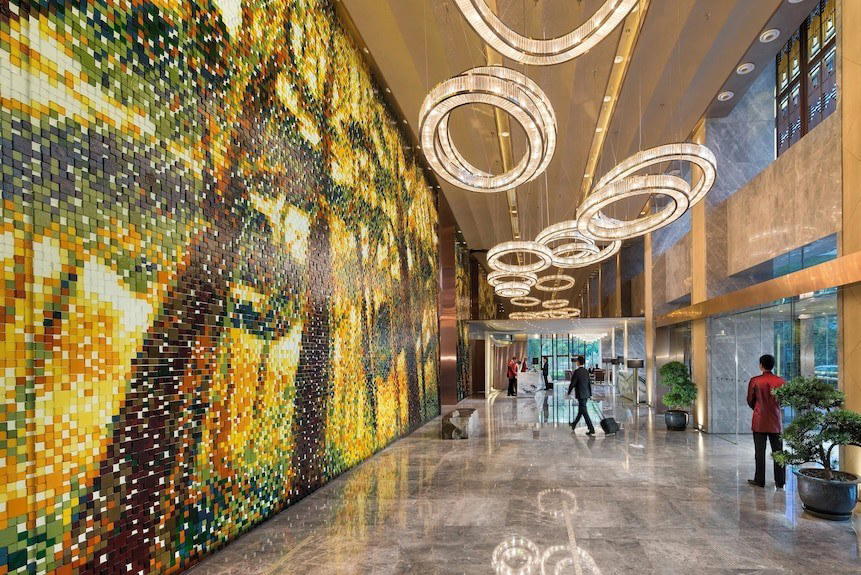
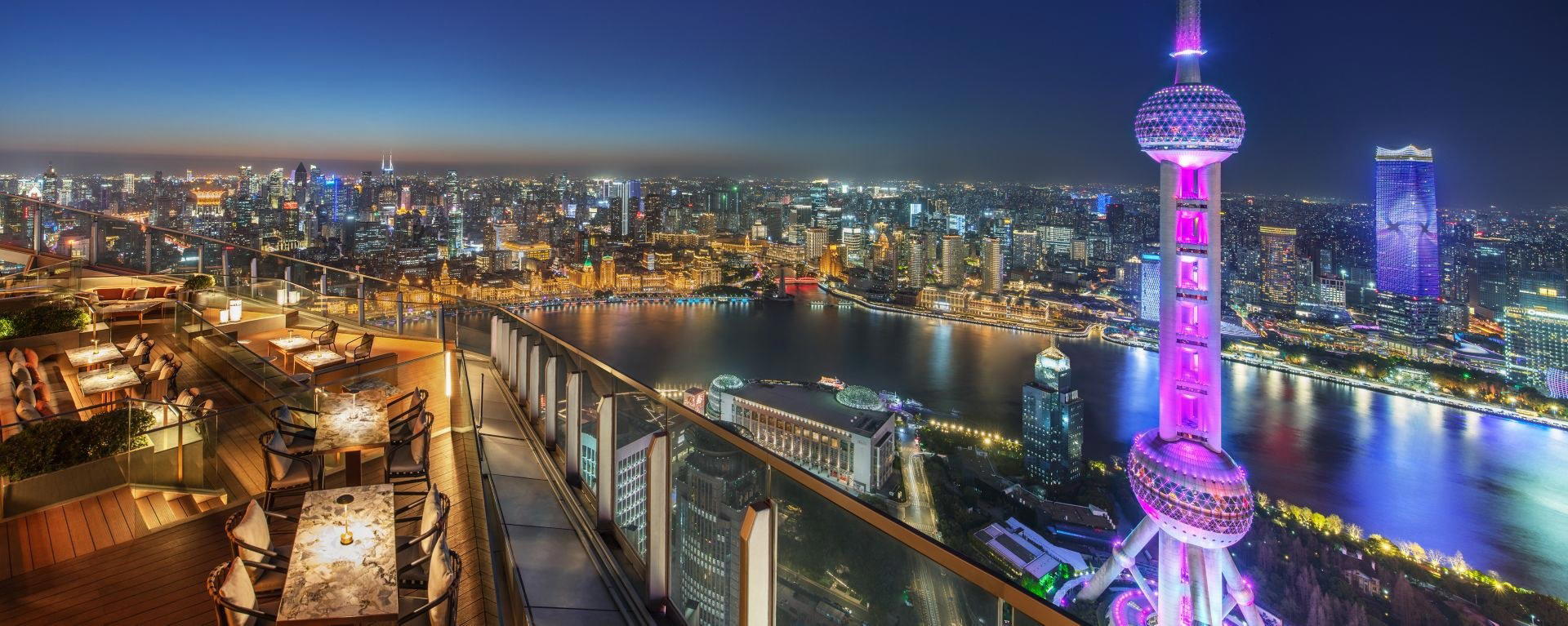
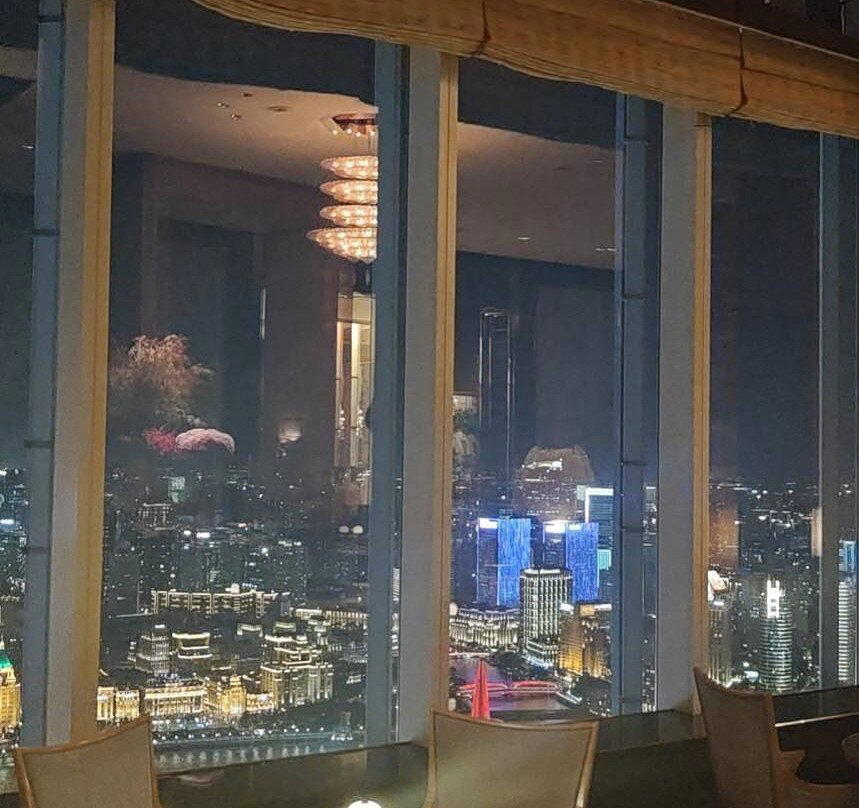
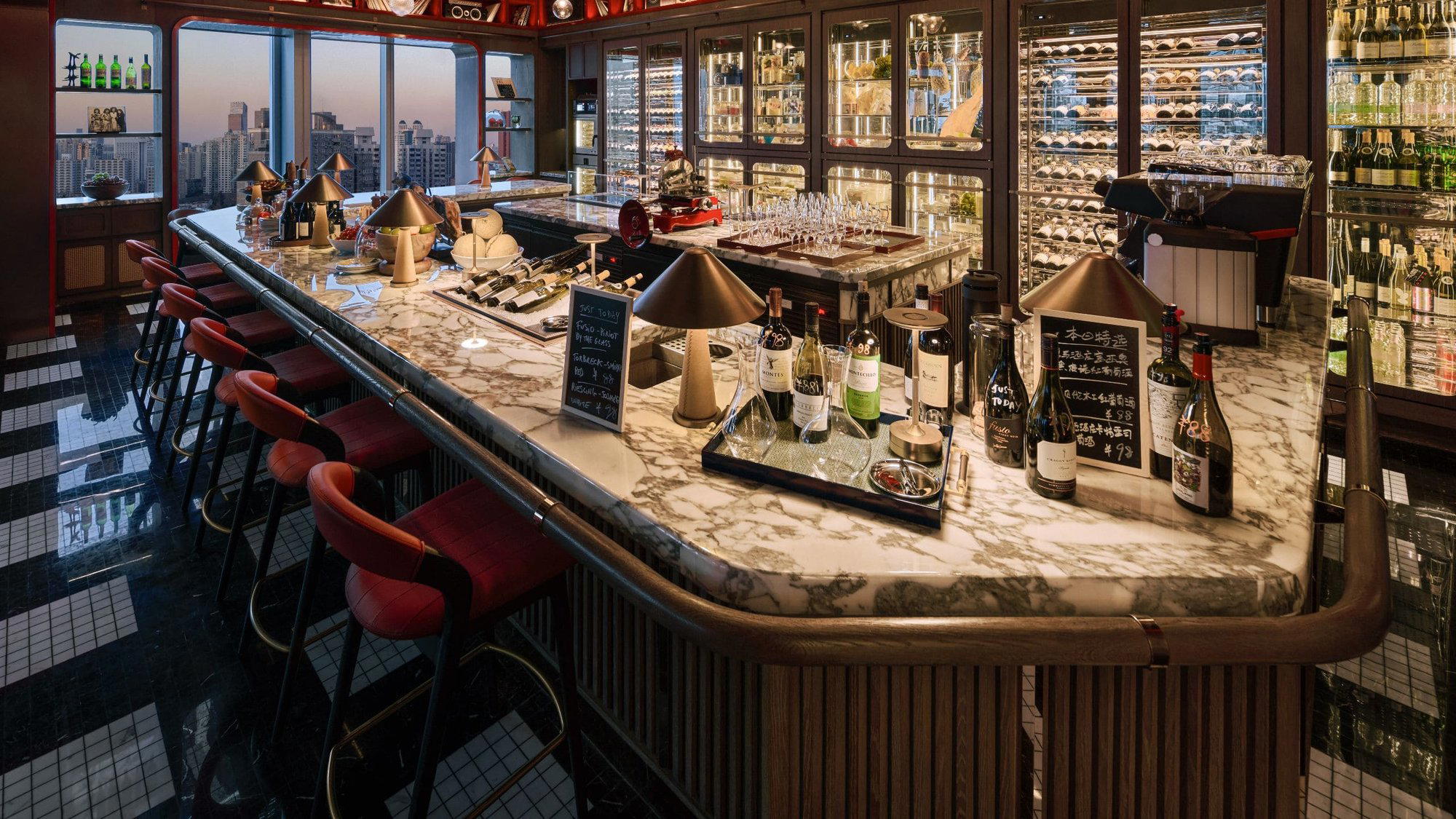
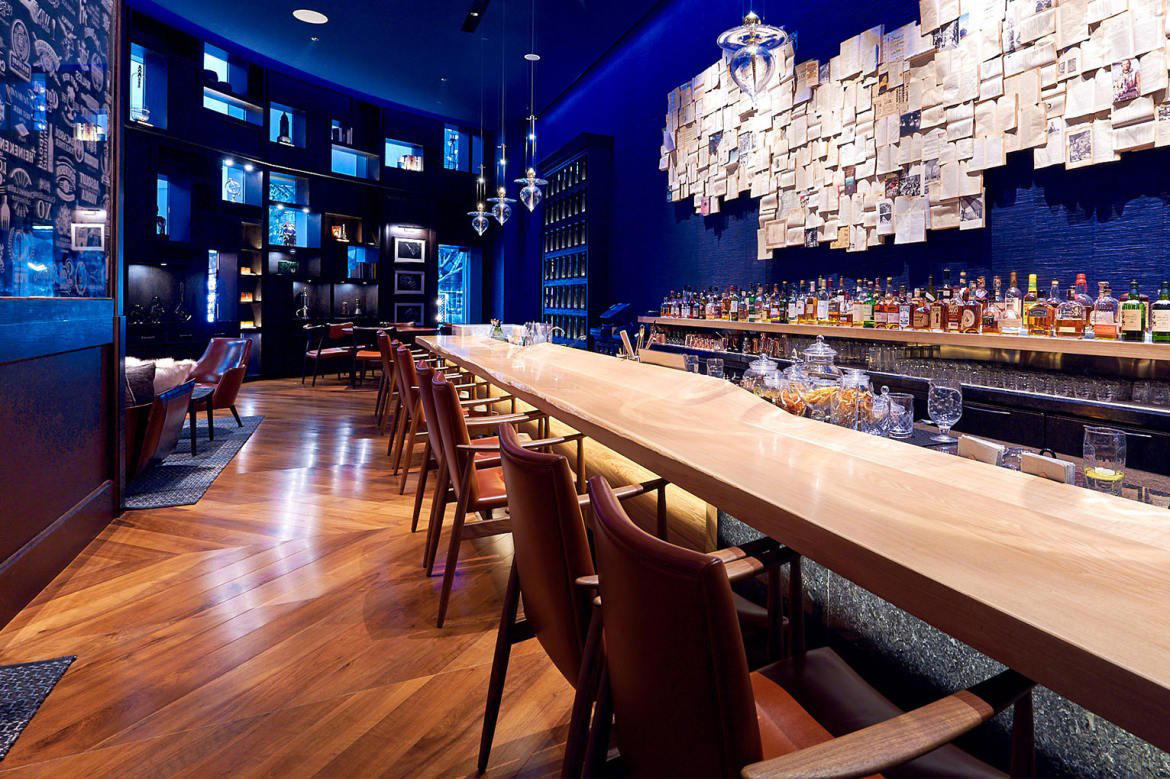
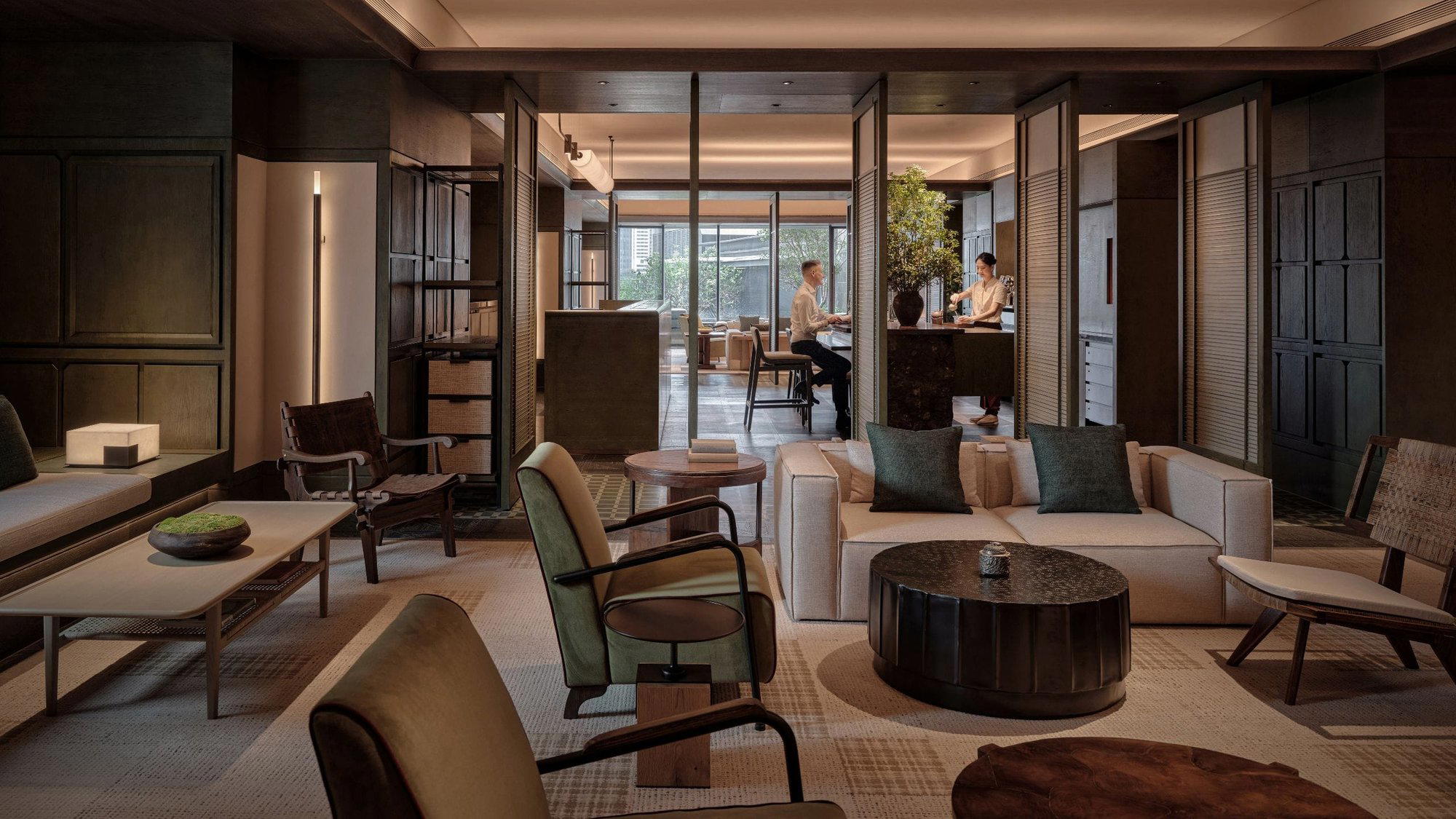
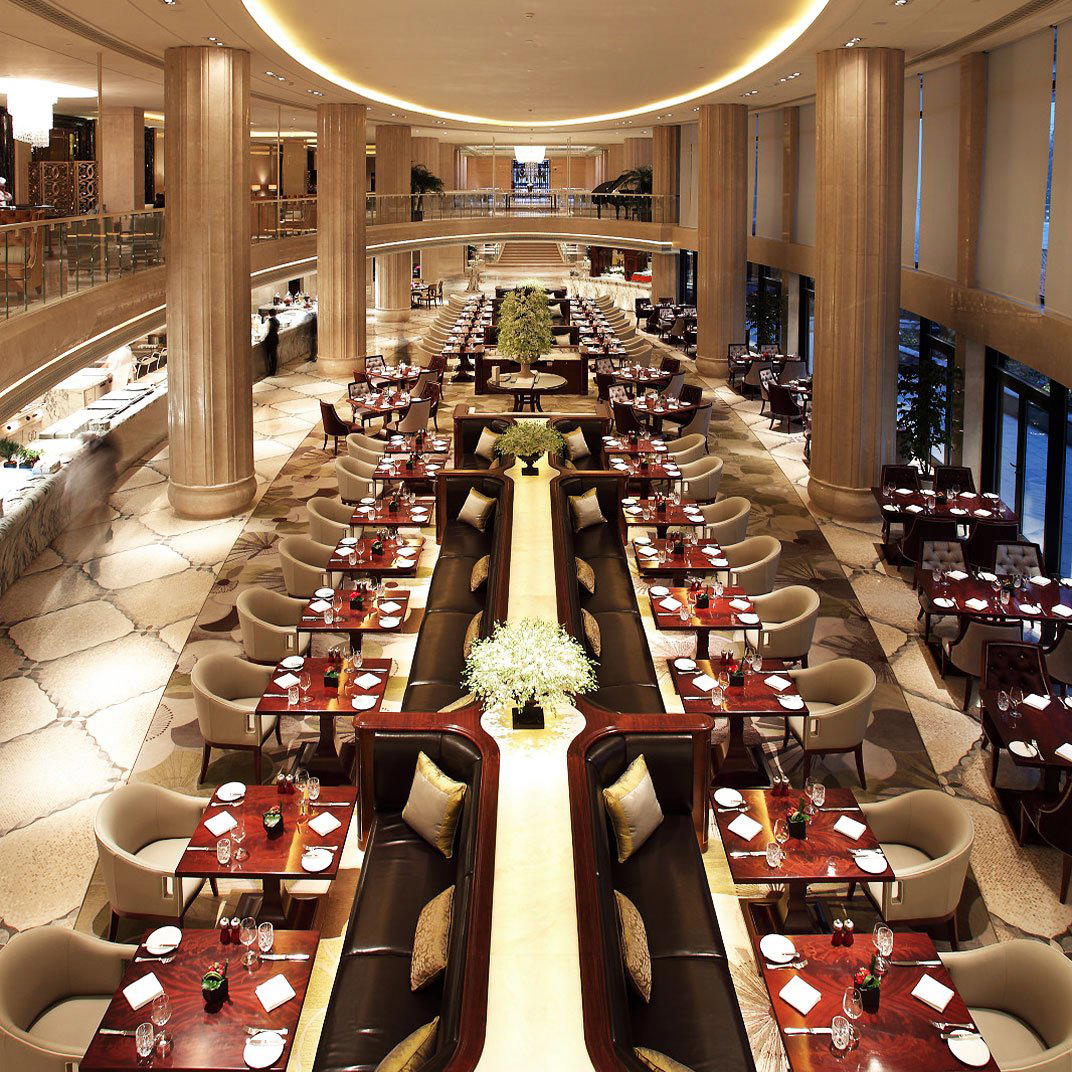
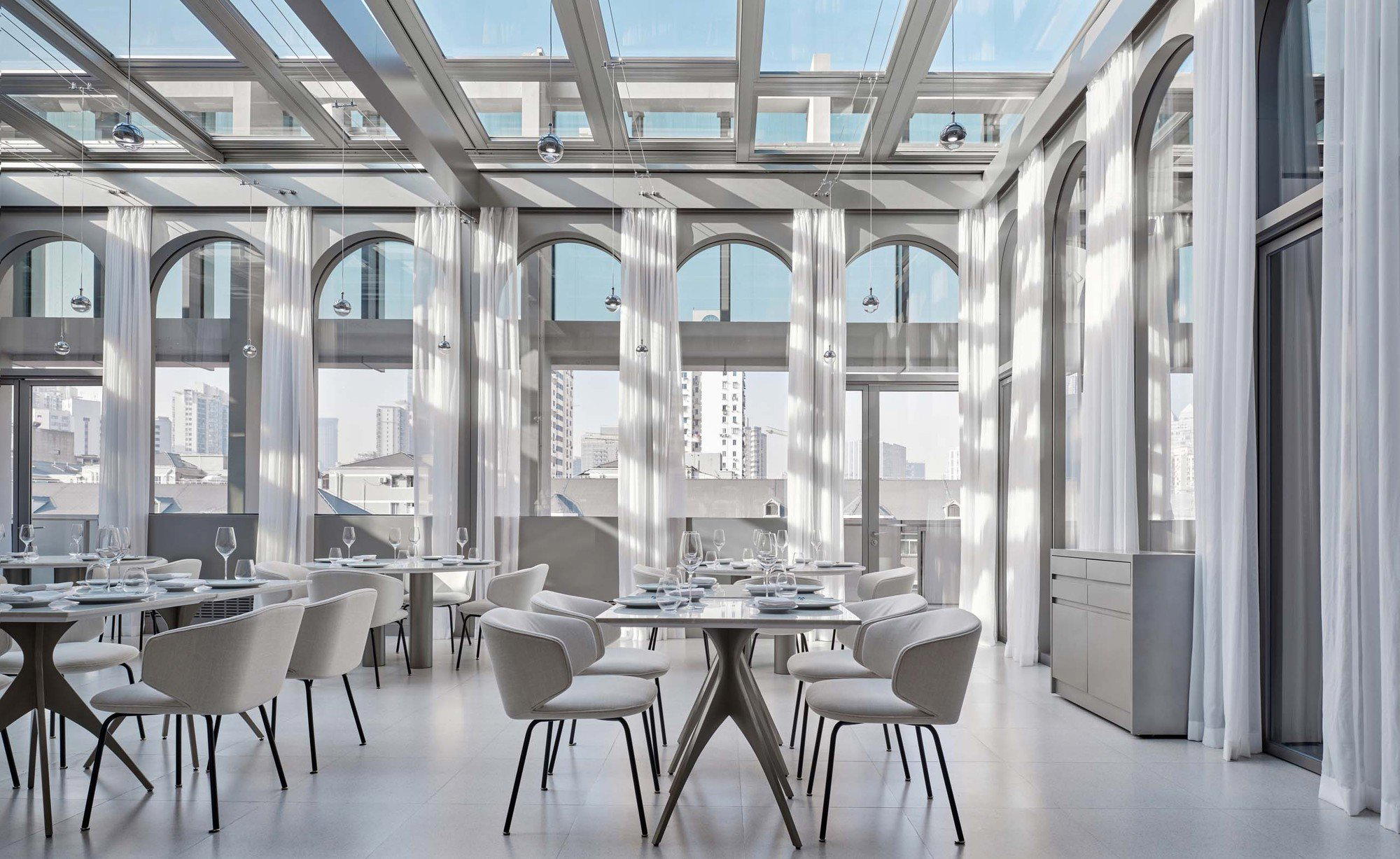
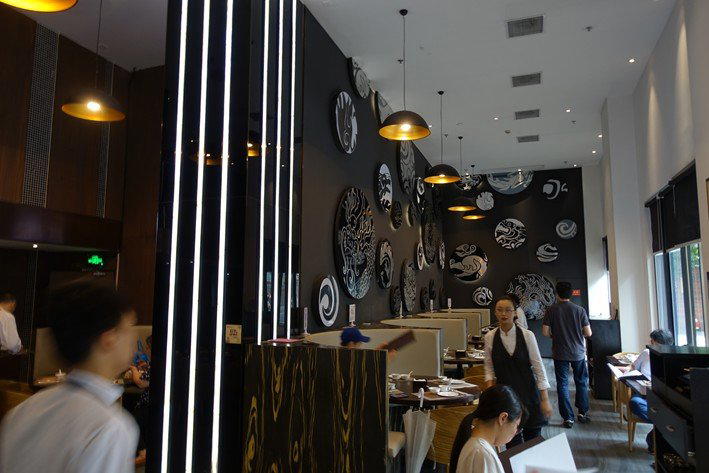
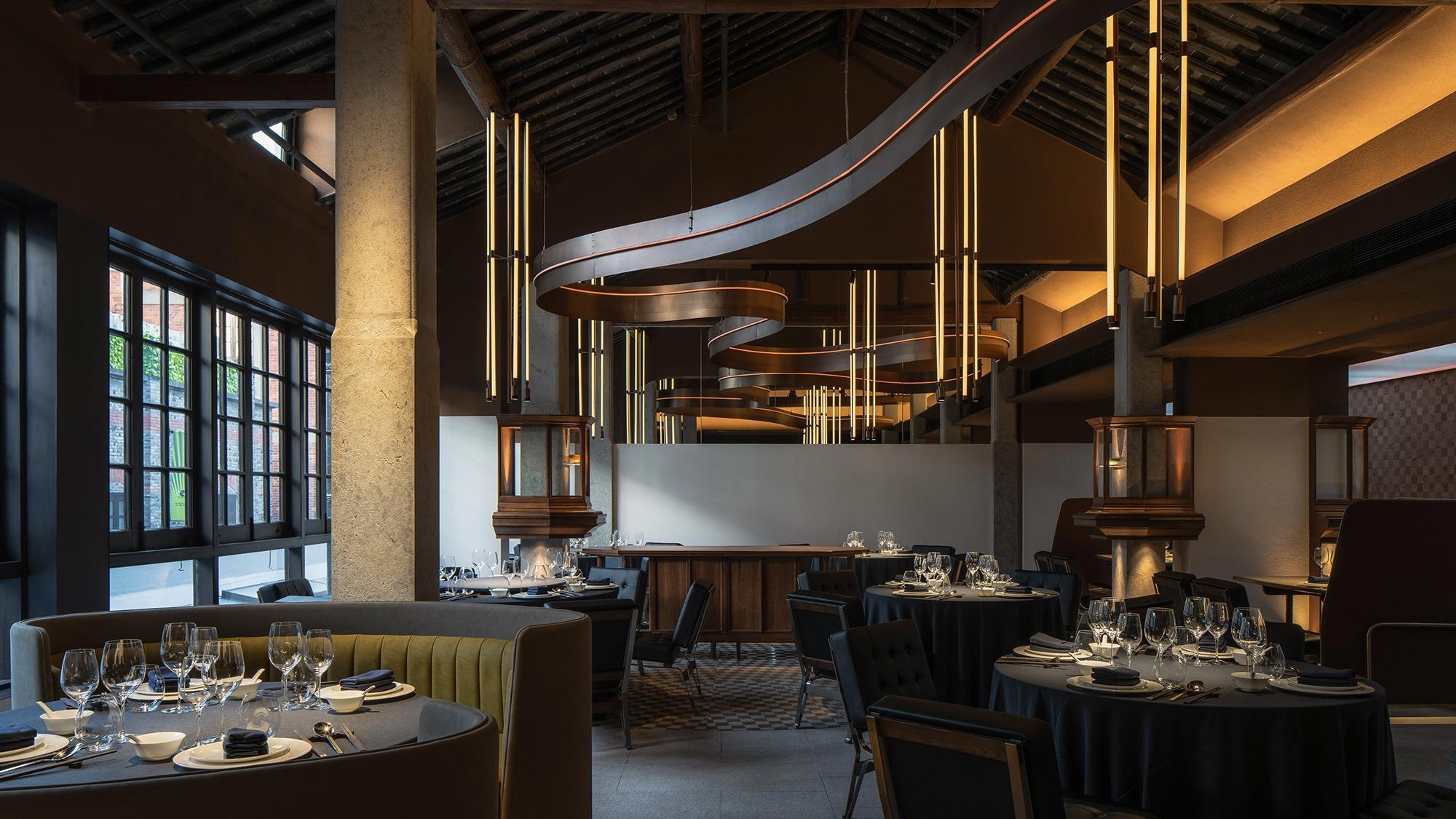
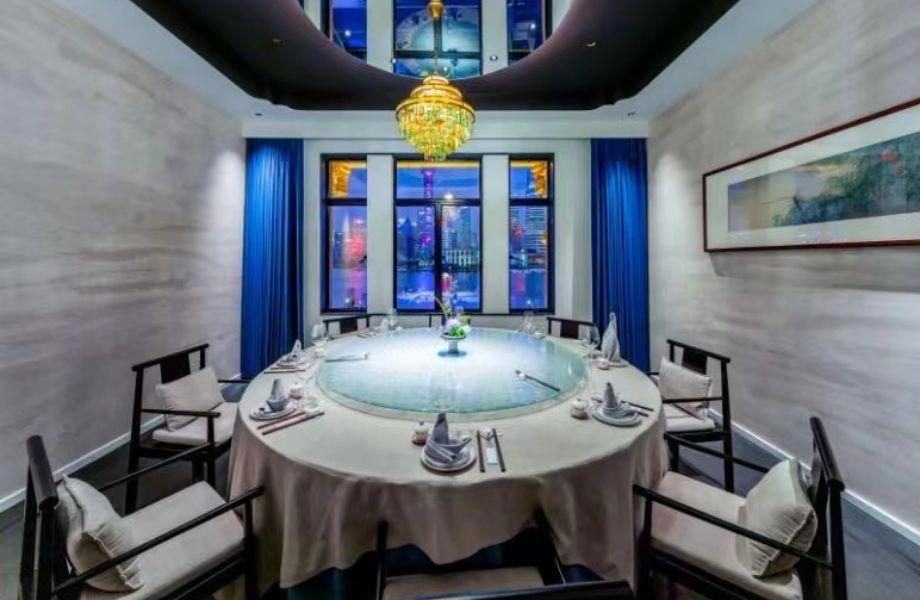
Contemporary and elegant atmosphere with stylish rooms, warm professional service, and a chic club lounge on the 24th floor.