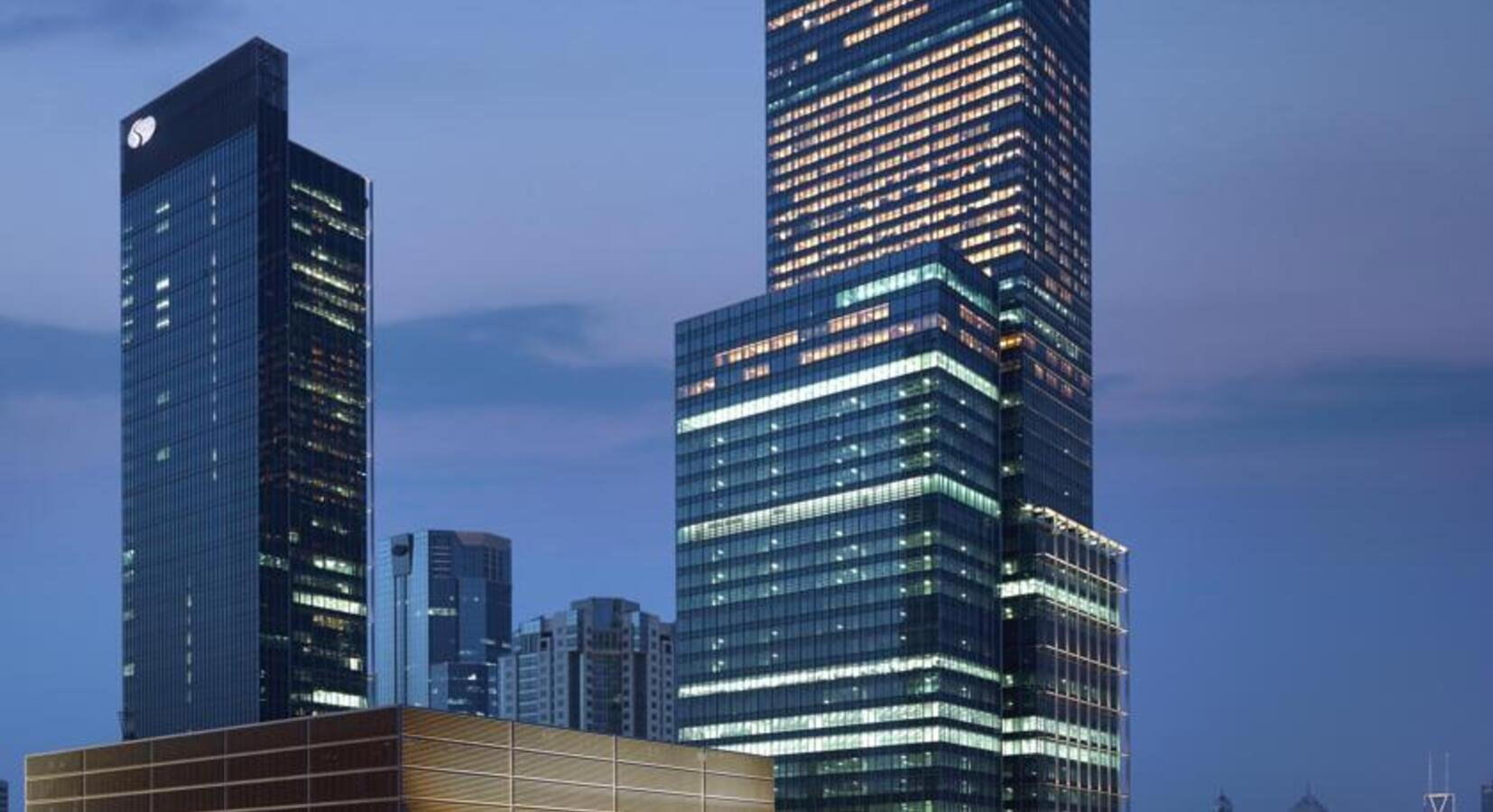
Cachet Boutique Shanghai occupies a prime address on Nanjing Road West in Jing'An, one of the city's most commercially dense and historically layered districts. The property sits in the boutique tier of Shanghai's hotel market, positioning itself against design-led independents rather than the international luxury chains that dominate the Bund and Xintiandi corridors. For travellers prioritising location density and a smaller-footprint stay, the address alone carries significant practical weight.

Pearl is the En Primeur Club membership app, where members save venues, book tables and use the concierge.
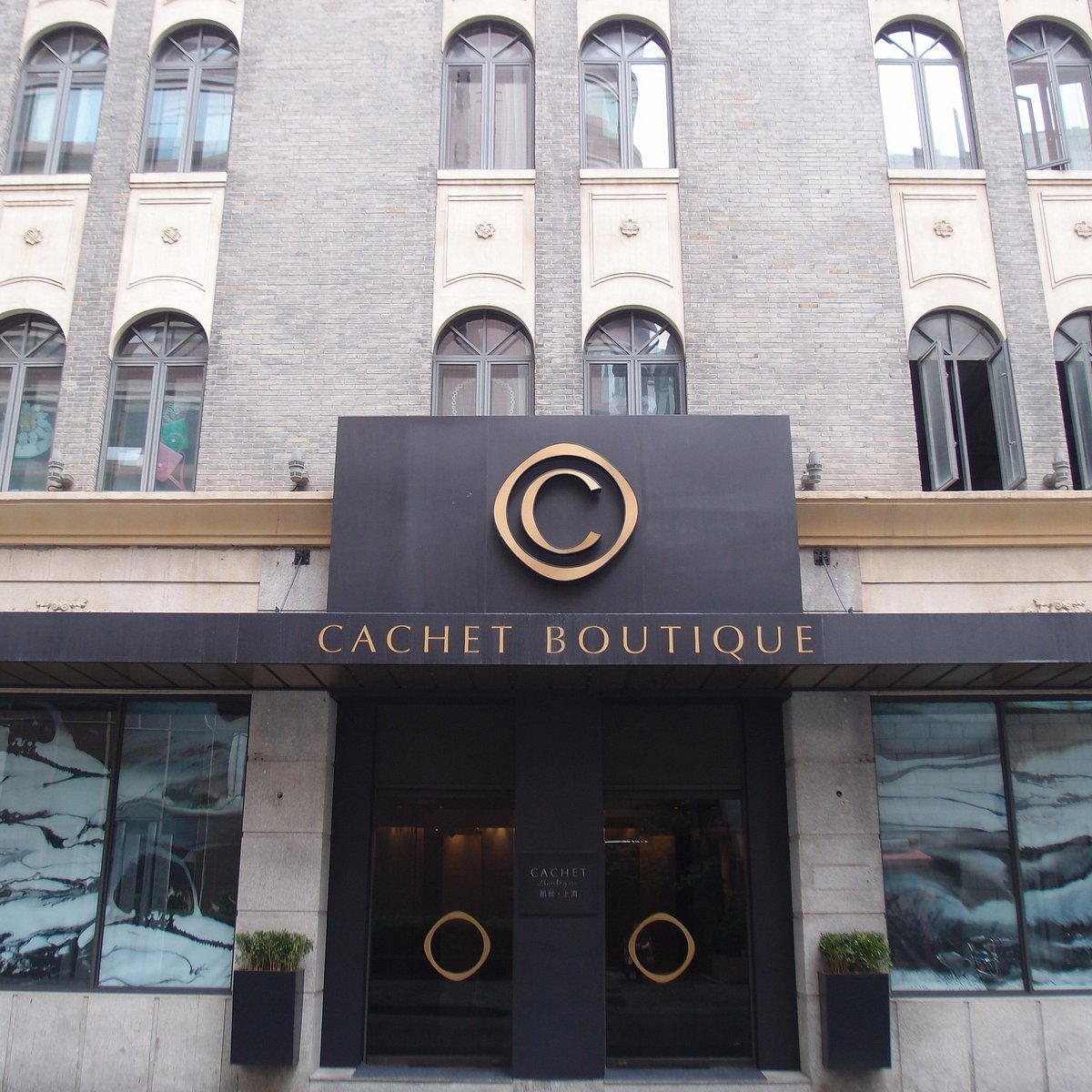
Jing'An and the Case for Nanjing Road West
Shanghai's hotel geography has always been a negotiation between landmark address and neighbourhood utility. The Bund properties Fairmont Peace Hotel and the Aman tier represented by Amanyangyun, sell a specific historical romance. Xintiandi properties like Andaz Xintiandi, Shanghai trade on a curated lane-house district that functions almost as a city within the city. Nanjing Road West, by contrast, is not a postcard. It is one of Shanghai's principal commercial spines, running west from People's Square through Jing'An into the residential and retail density of the former French Concession fringe. Cachet Boutique Shanghai sits at number 931, which places it squarely in the retail and office core of Jing'An district, walking distance from Jing'An Temple, the high-end malls clustered around Plaza 66, and the restaurant streets that branch south toward Changle Road.
For a certain kind of traveller, the one who books hotels the way urbanists read cities, as a series of connected nodes rather than a single sanctuary, this address is a genuine asset. You are not marooned in a resort corridor. You are on a working street with metro access, street-level dining, and the kind of ambient density that makes Shanghai feel like itself rather than a curated version of itself.
Where Boutique Hotels Sit in Shanghai's Competitive Structure
Shanghai's upper-mid hotel tier has split meaningfully over the past decade. On one side sit the major international operators: Bvlgari Hotel Shanghai, Capella Shanghai, Jian Ye Li, and Bellagio Shanghai represent the top end of a market where brand equity, suite counts, and F&B; programming drive room rates well above the city average. On the other side, a smaller cohort of design-led independents and boutique-branded properties has carved out space by offering location specificity, lower key counts, and a less programmatic guest experience. Cachet Boutique Shanghai belongs to the latter group, operating under the Cachet Hotels banner, which has positioned its properties across Asia and the United States around the idea of design-conscious accommodation without the full-service overhead of the major luxury chains.
In that context, the relevant comparator is not Alila Shanghai or Artyzen NEW BUND 31 Shanghai, both of which operate with distinct architectural or cultural programming ambitions. It is the cluster of mid-scale design properties that have multiplied in Jing'An and Jing'An's immediate surrounds, properties where the design language does most of the work that a full concierge operation would do in a larger hotel.
The Dining Question on Nanjing Road West
For hotels in this tier, food and beverage programming is the sharpest editorial divide. The major luxury properties in Shanghai invest heavily in their dining floors: Fairmont Peace Hotel runs multiple outlets across its historic building, and the international ultra-luxury tier has imported celebrity chef formats and multi-cuisine pavilion structures that function as dining destinations in their own right. Boutique properties rarely compete on those terms, and the smarter ones do not try to.
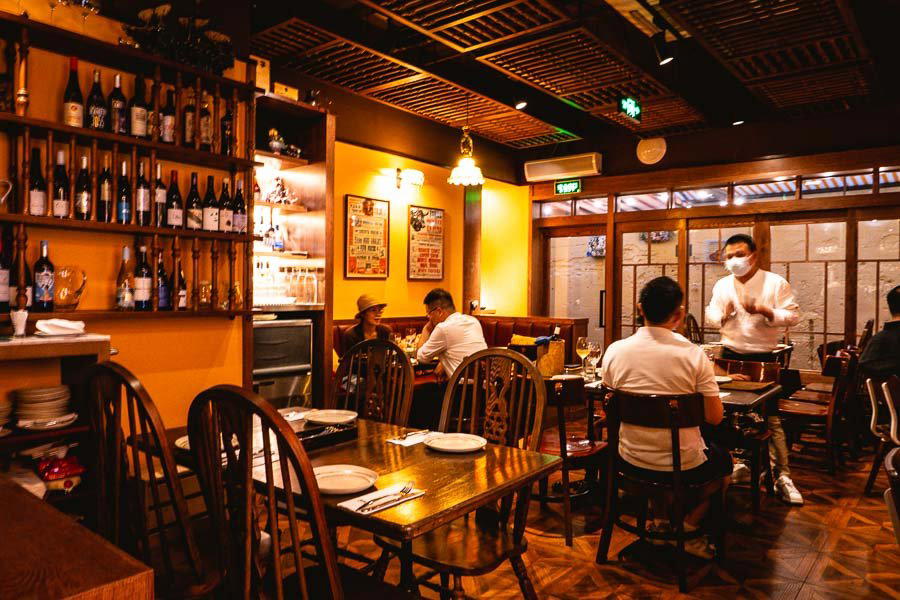
What the Nanjing Road West location provides instead is direct proximity to one of Shanghai's densest concentrations of independent restaurants. The streets running south from Nanjing West Road toward Yan'an Road and beyond contain an unusually compressed range of formats: Shanghainese comfort dining, Sichuan specialists, Japanese ramen and izakaya operations, international cafes, and the kind of no-name local spots that survive on repeat neighbourhood custom rather than any external recognition. For a boutique hotel guest who is willing to treat the surrounding streets as an extended dining room, this is a more interesting proposition than a captive hotel restaurant with a predictable menu.
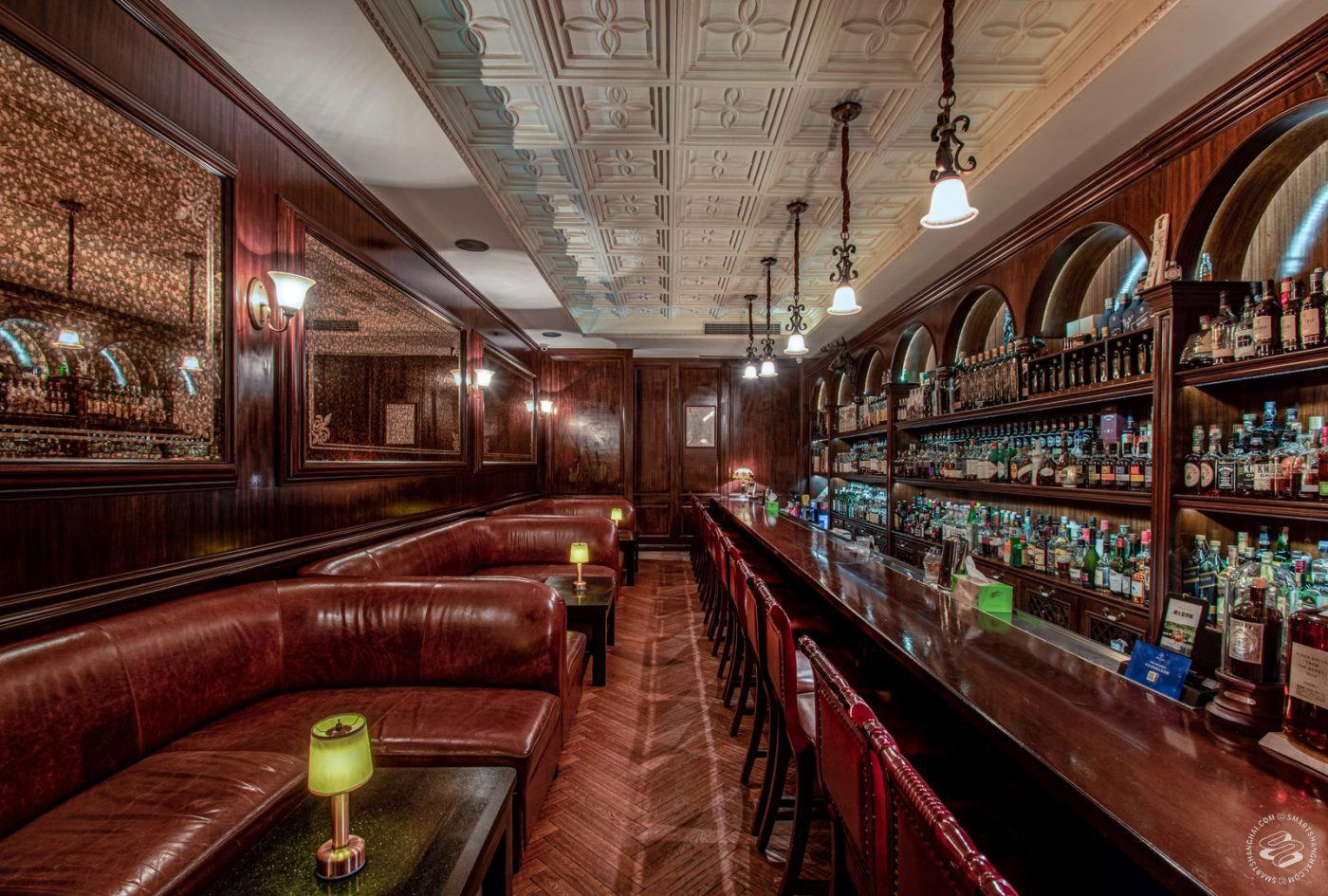
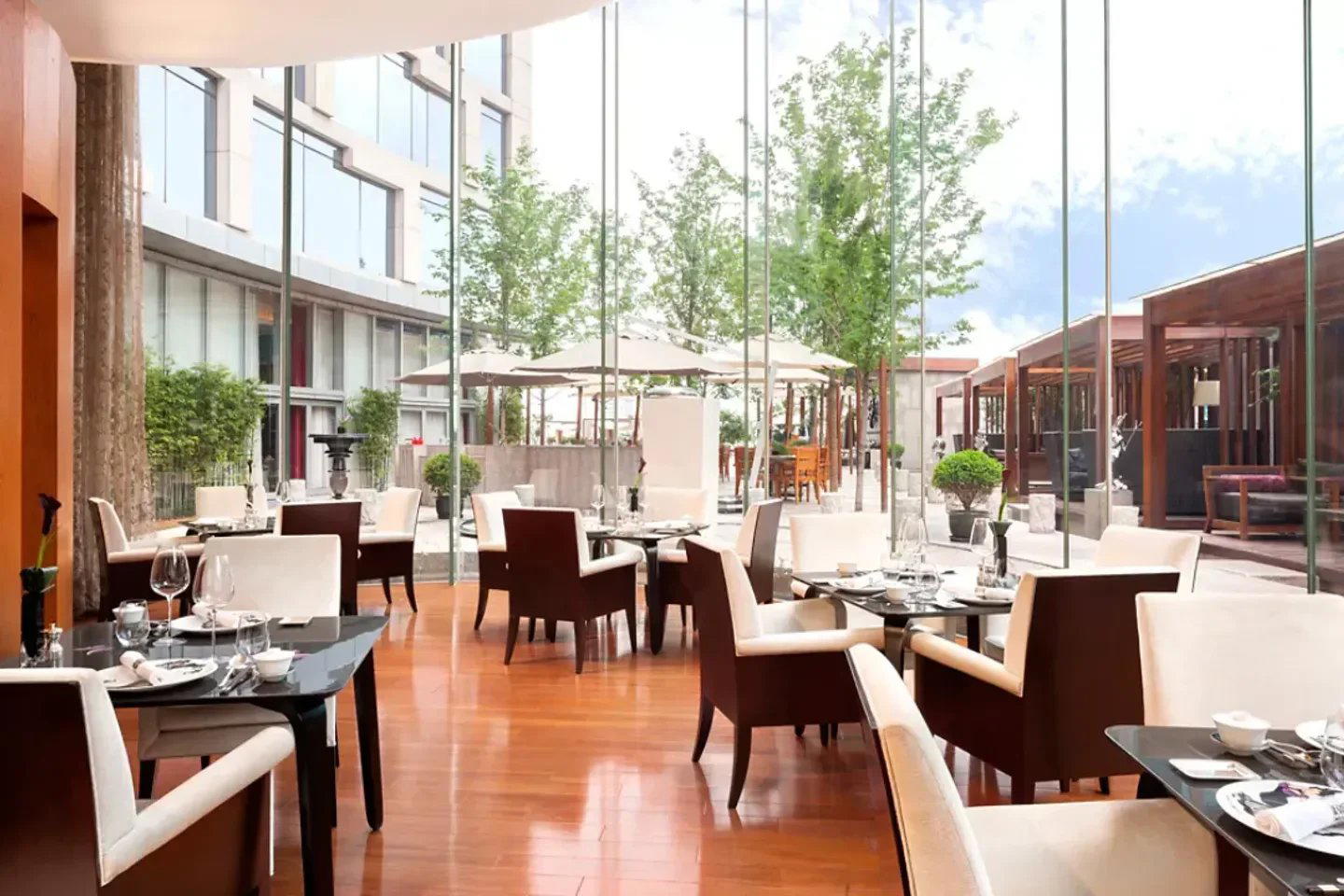
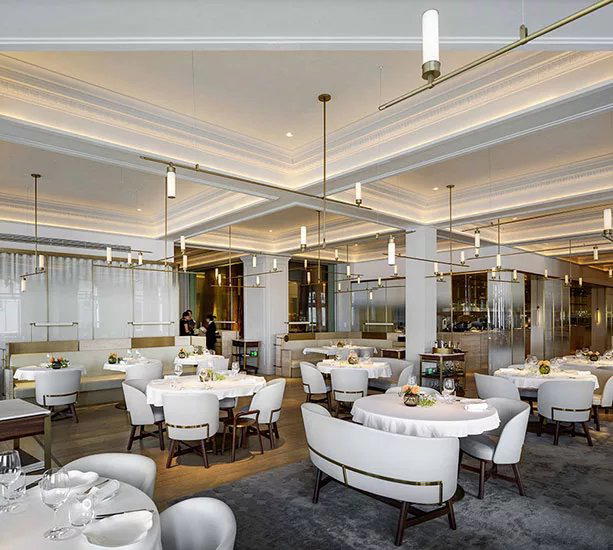
That said, the absence of confirmed dining data for Cachet Boutique Shanghai itself is notable. Properties in this tier sometimes operate a lobby bar or a limited breakfast service without building a full F&B; identity. See our full Shanghai restaurants guide for a curated map of what the surrounding streets actually contain.
Shanghai in the Broader China Context
Shanghai operates differently from China's other major hotel markets. Beijing's premium properties cluster around hutong preservation zones and diplomatic districts, as seen in the approach taken by Mandarin Oriental Qianmen in Beijing. Resort destinations like 1 Hotel Haitang Bay, Sanya in Sanya operate on an entirely different proposition of natural access and beach infrastructure. Within China's domestic hotel ecosystem, Shanghai is the city where international brand competition is most acute and where boutique operators face the sharpest pressure to justify their position against both upward and downward alternatives.
The Cachet brand has operated internationally, with properties in markets as distinct as New York City, where the boutique-luxury register it occupies faces similar competitive pressure from larger operators. The Shanghai property on Nanjing Road West sits within that same positioning logic: a design-aware address in a high-traffic urban corridor, priced and positioned to appeal to travellers who want city texture over resort-style insulation.
Planning a Stay: What the Address Actually Means
The Jing'An Temple metro station sits within easy walking distance of the 931 Nanjing Road West address, connecting to Lines 2 and 7 and providing fast access to both Pudong's financial district and the older lane-house neighbourhoods to the south and west. For travellers arriving from Pudong International Airport, the Maglev to Longyang Road followed by a metro transfer puts the hotel roughly 45 to 60 minutes from the terminal under normal conditions. Hongqiao Airport, which handles most domestic and regional international traffic, is accessible via Line 2 in a similar or shorter window depending on the stop.
Booking channels for properties in this tier typically run through the major online travel platforms as well as direct hotel booking, and Cachet's brand website has historically offered direct booking for its portfolio. Given the absence of verified current booking or pricing data, confirming availability directly before travel is the practical approach, rates in Shanghai's Jing'An corridor shift significantly with trade fair and congress schedules, particularly the China International Import Expo in November, which tightens supply across the city's mid-scale and upper-mid hotel stock.
For travellers building a broader China itinerary, properties worth cross-referencing include Amanfayun in Hangzhou, roughly an hour from Shanghai by high-speed rail, and Amandayan in Lijiang for those extending south. Within Shanghai itself, the competitive set spans from the Aman-tier properties already mentioned to design-led alternatives like Andaz Shenzhen Bay in Shenzhen for those covering the Pearl River Delta corridor.
A Pricing-First Comparison
A quick peer check to anchor this venue’s price and recognition.
| Venue | Price | Awards |
|---|---|---|
| Cachet Boutique ShanghaiThis venue (the venue you are viewing) | Not listed | Not listed |
| Amanyangyun | Not listed | 2 Michelin Keys · Vogue 2026 Vogue Best Hotels in Shanghai |
| Andaz Xintiandi, Shanghai | $100–200 | Michelin Selected · Forbes Recommended |
| Bvlgari Hotel Shanghai | $750–1,000 | 2 Michelin Keys · La Liste Top Hotels |
| Capella Shanghai, Jian Ye Li | Not listed | 2 Michelin Keys · Michelin Guide New Hotels New Hotel |
| Fairmont Peace Hotel | $200–300 | Michelin Selected · La Liste Top Hotels |
Continue exploring
More in Shanghai
Hotels in Shanghai
All hotels in Shanghai →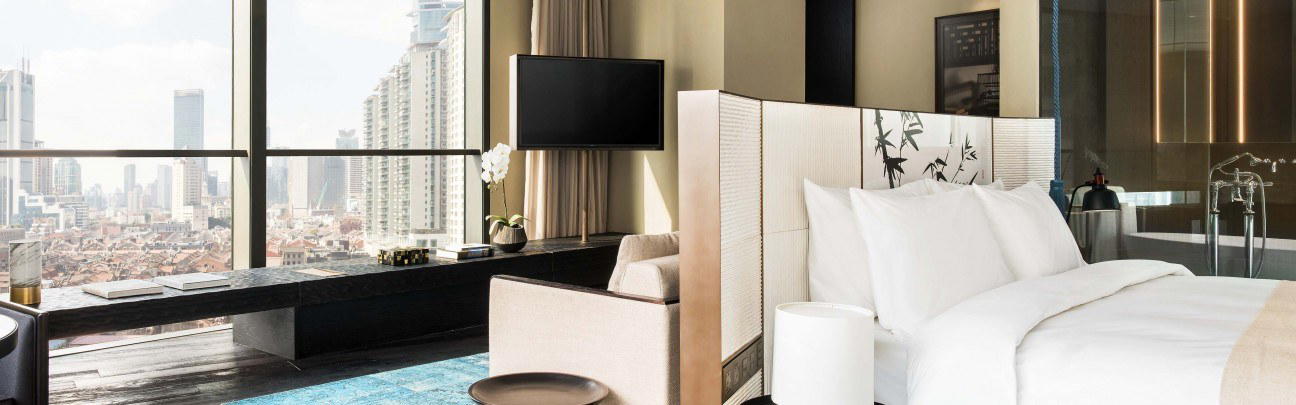
Details
- Modern
- Elegant
- Sophisticated
- Trendy
- Romantic Getaway
- Business Trip
- Weekend Escape
- Historic Building
- Design Destination
- Wi Fi
- Fitness Center
- Room Service
- Concierge
- Pool
- Street Scene
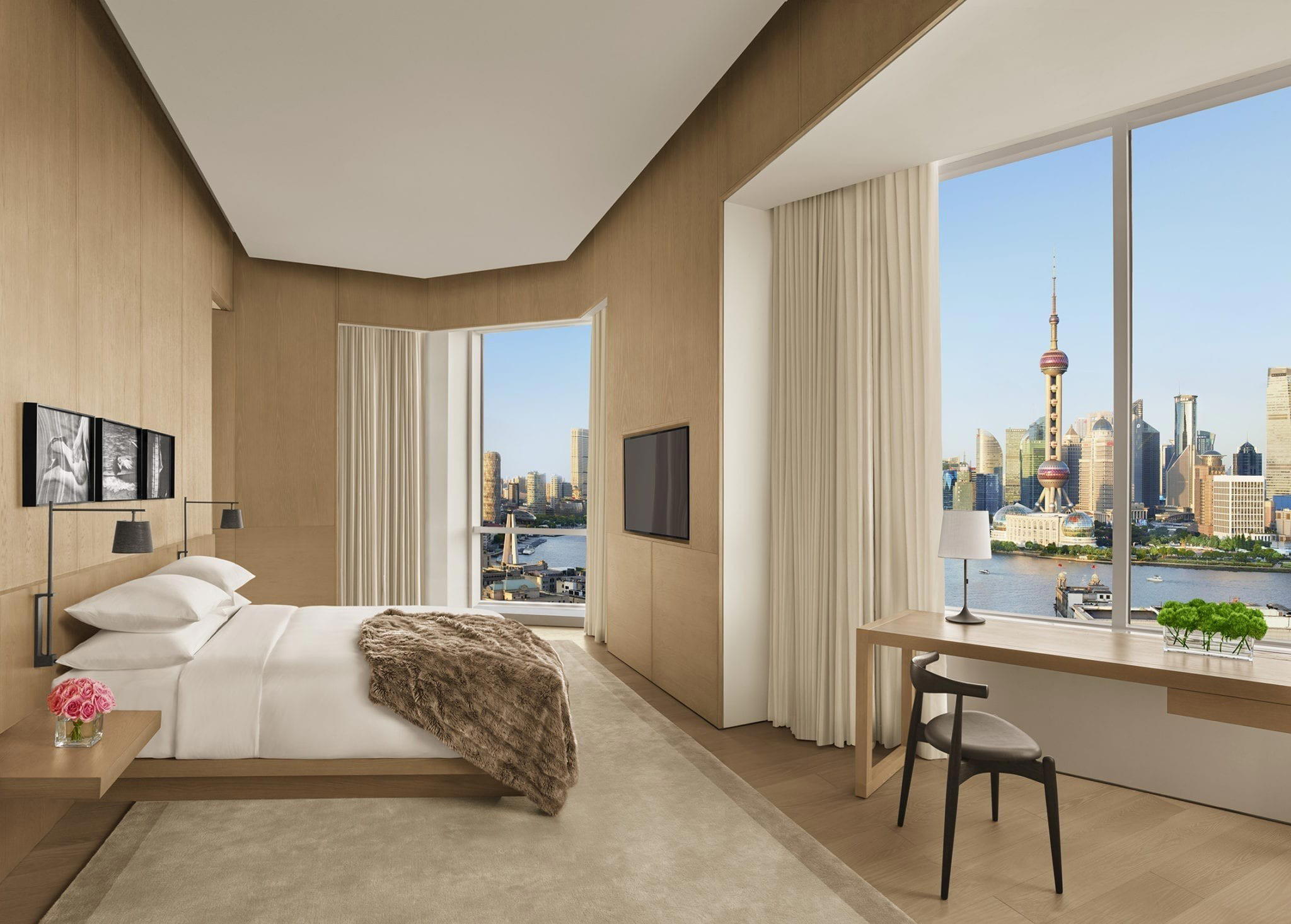
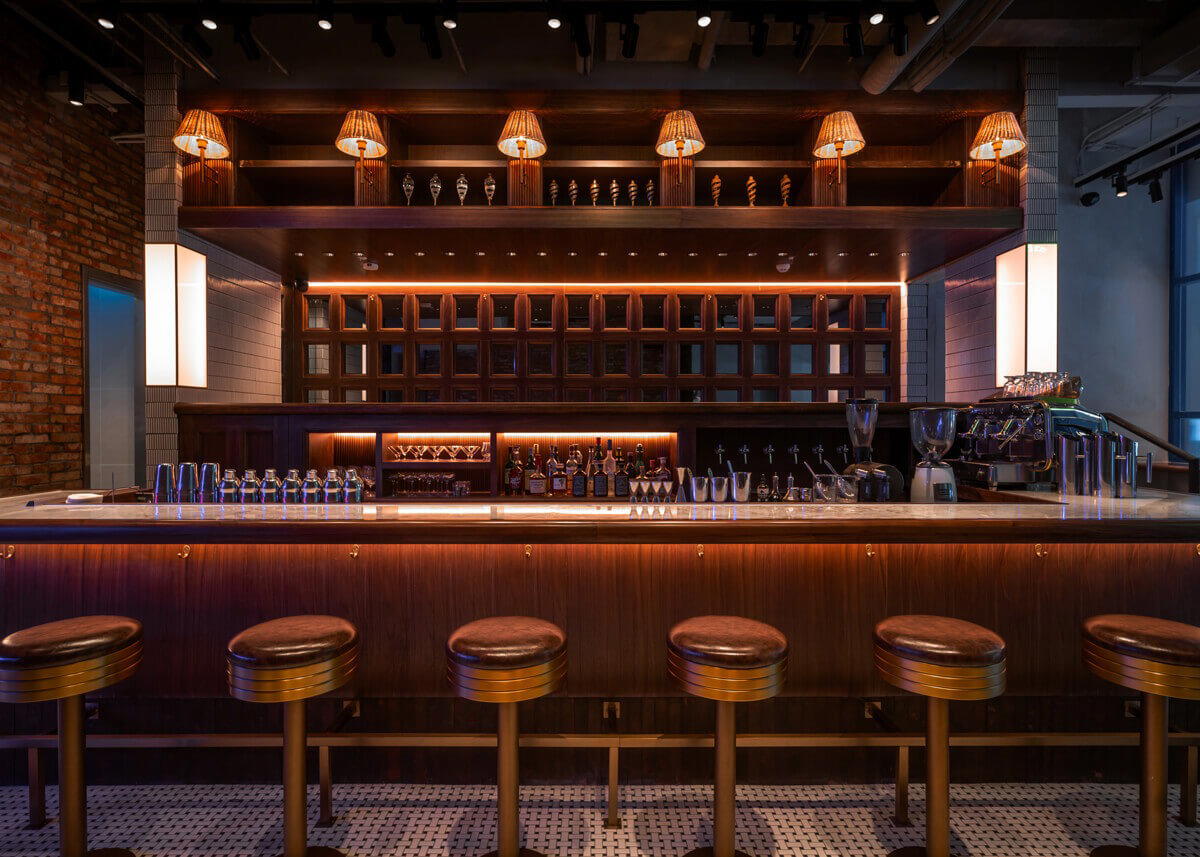
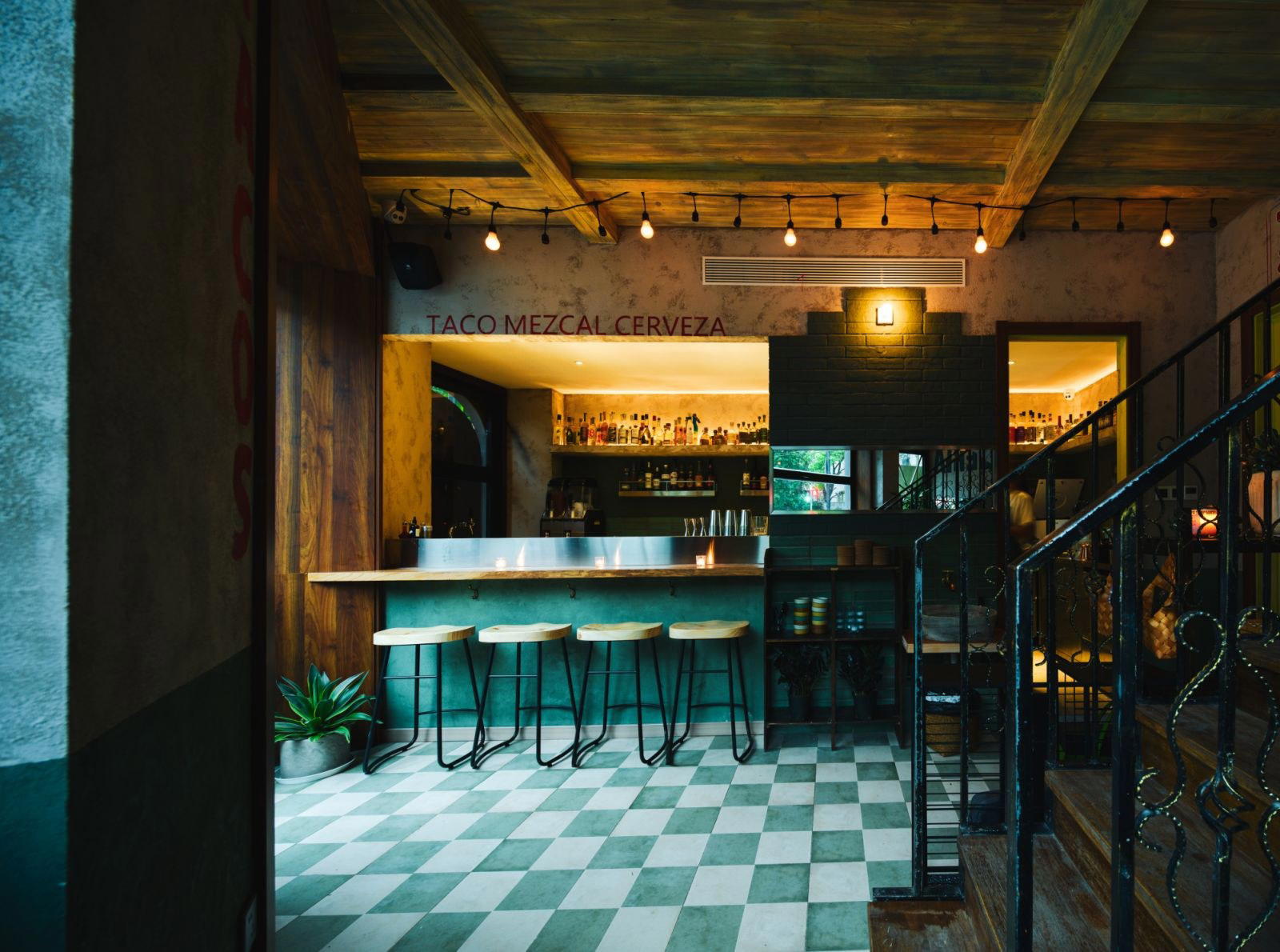
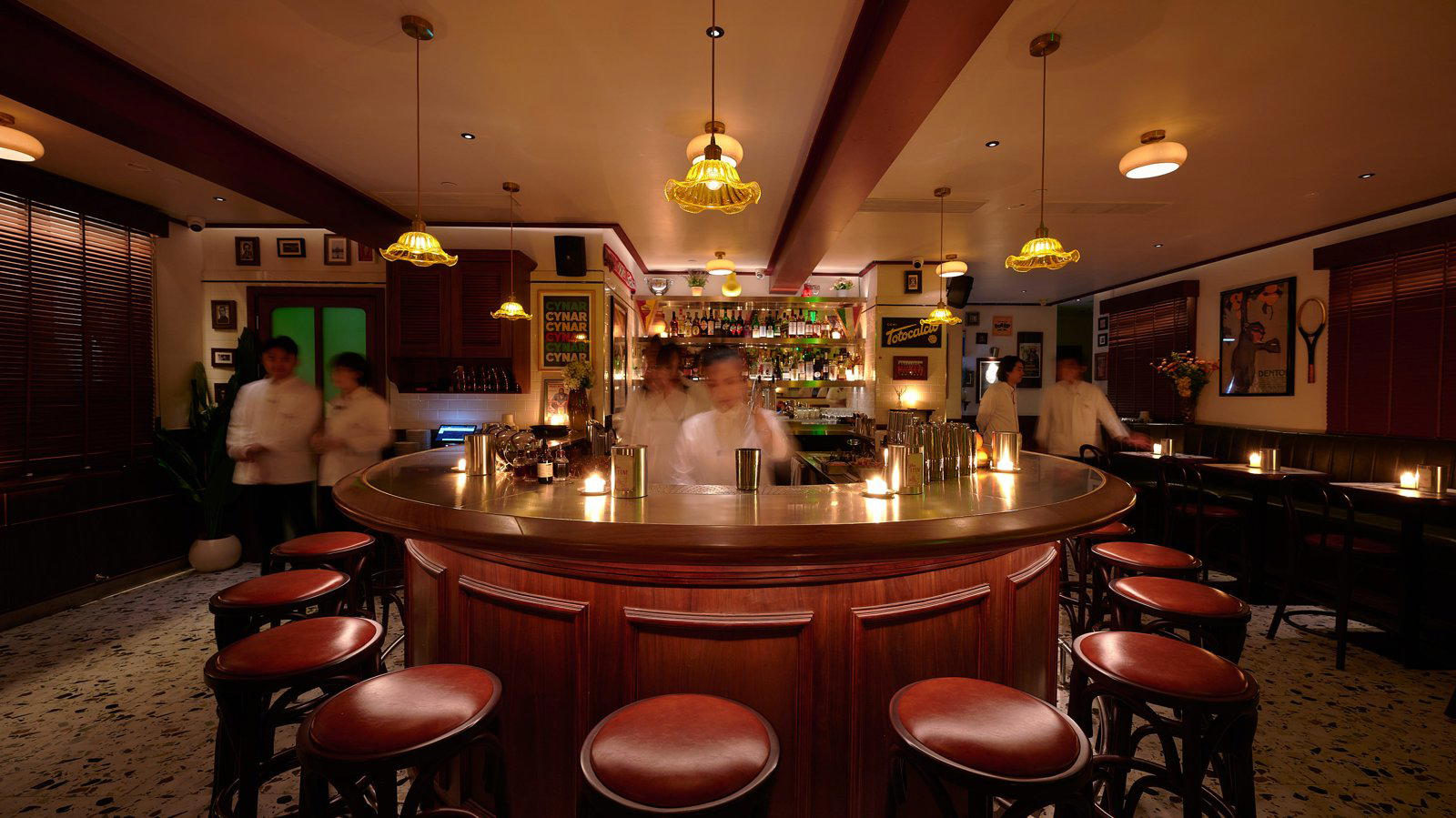
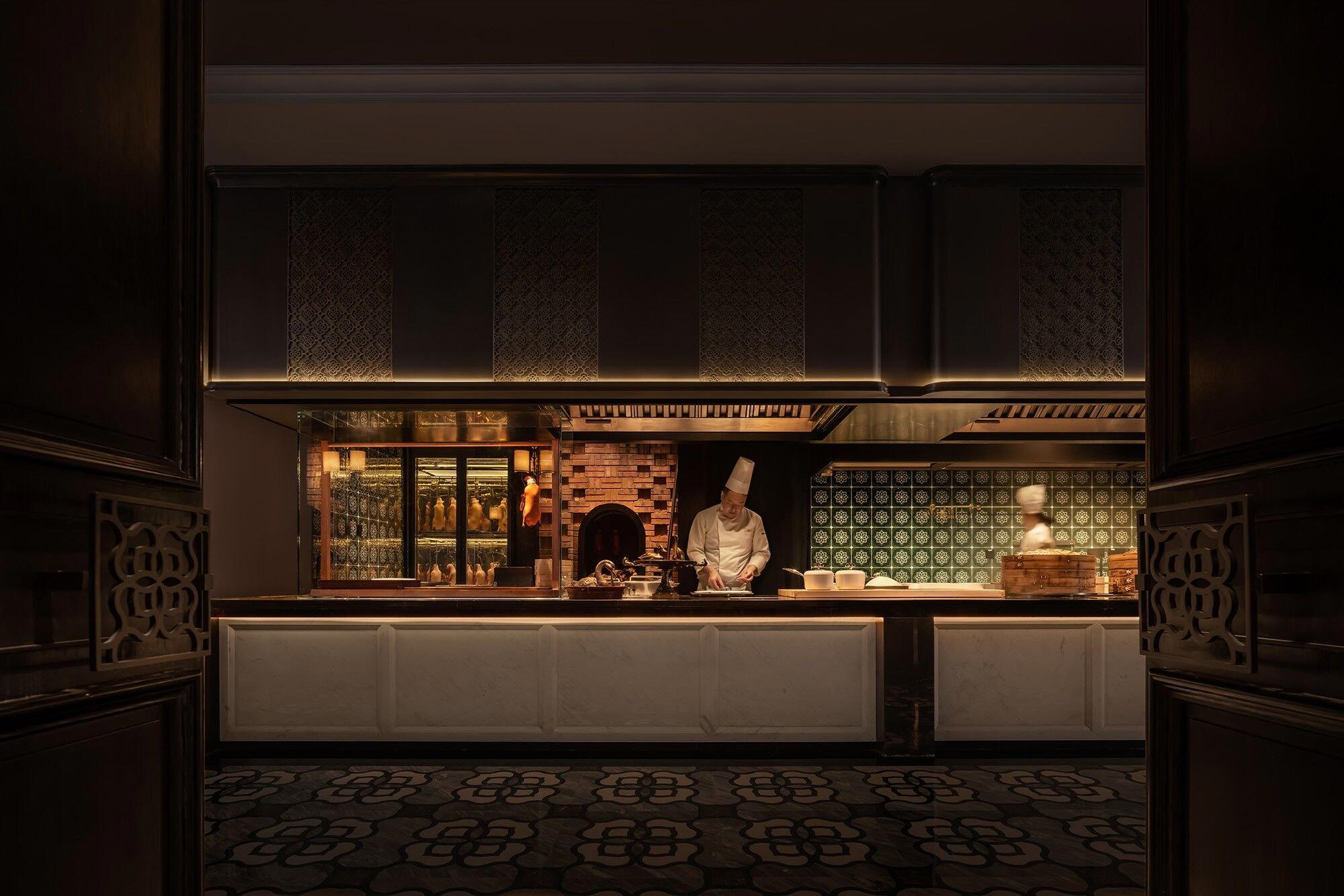
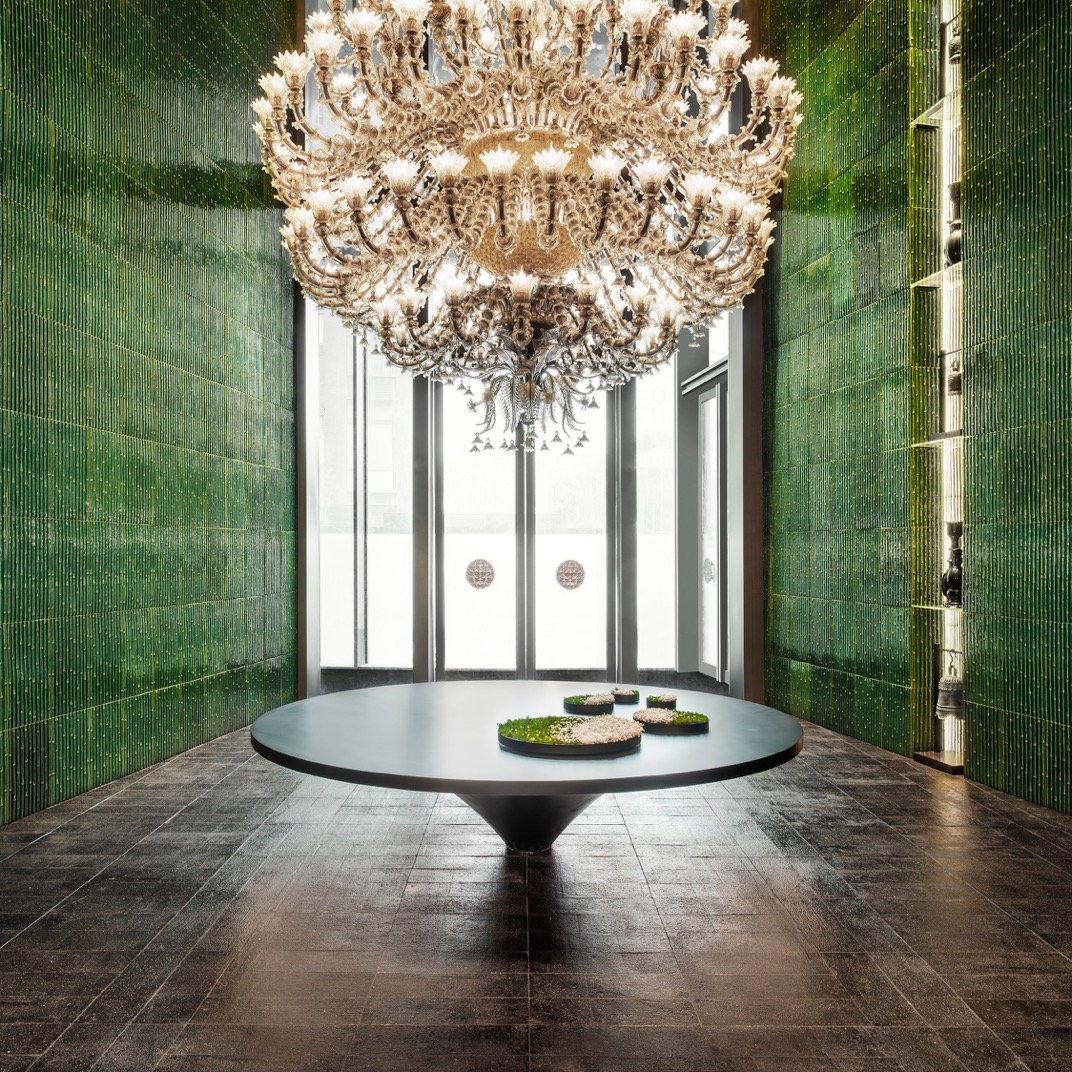
Quietly theatrical, warm, and sexy spaces with eclectic bespoke furniture, art, and soft lighting creating an intimate, artistic atmosphere.