

Michelin Selected · Forbes Recommended
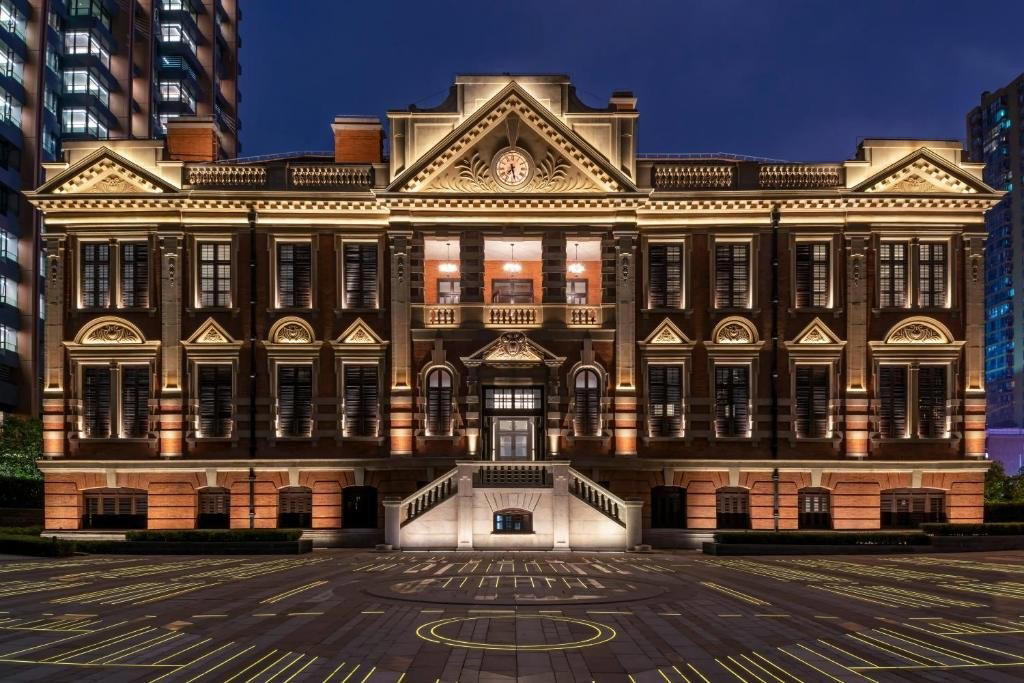
Andaz Xintiandi, Shanghai occupies a sharp position in the Huang Pu district, where boutique sensibility meets a Hyatt-backed infrastructure. The property trades on studied contradictions: industrial room finishes sit beside Chinese silk headboards, and a cozy éclair café operates within a hotel that takes contemporary art seriously.

Pearl is the En Primeur Club membership app, where members save venues, book tables and use the concierge.
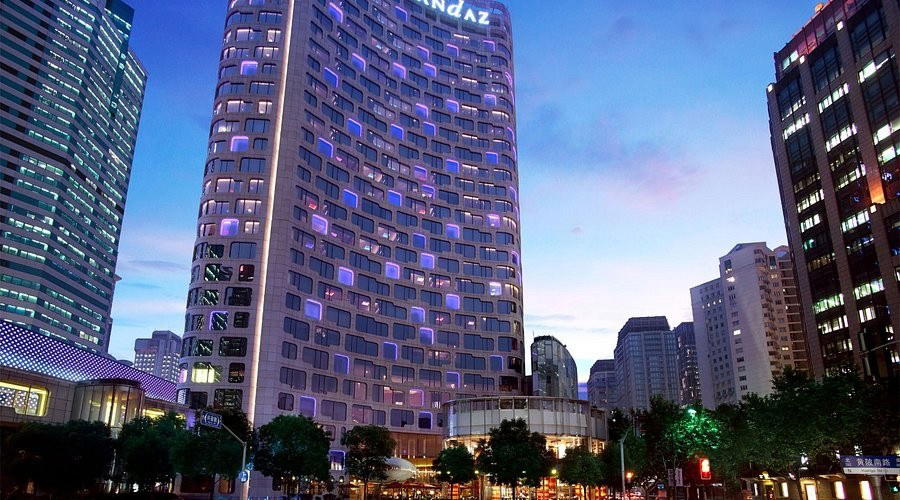
Where Xintiandi's Retail Energy Meets a Boutique Hotel Register
Shanghai's Xintiandi district runs on a particular kind of carefully managed tension: a pedestrianised entertainment zone built from shikumen lane houses, selling everything from international fashion to craft cocktails to the idea of old Shanghai itself. Hotels in this neighbourhood have to decide what relationship they want with that energy. The Capella Shanghai, Jian Ye Li goes deep into heritage preservation. The Fairmont Peace Hotel draws on Bund-era grandeur from a few minutes away. Andaz Xintiandi, at 88 Songshan Road in Huang Pu, makes a different calculation: it absorbs the district's contemporary art and retail character and reflects it back through a hotel that keeps its boutique feel despite operating under the Hyatt Hotels Corporation umbrella.
That is a harder balancing act than it sounds. International hotel groups operating in premium urban China tend to default toward scale, formality, or both. The Andaz brand, positioned within Hyatt as a lifestyle tier, resists that pull, at least here. The property reads as genuinely compact, and the design language throughout opts for industrial restraint cut with deliberate personality. That personality is most visible in the art programme and in the food and beverage offer, which draws from a notably local set of references.
The Room Environment: Industrial Logic, Textile Warmth
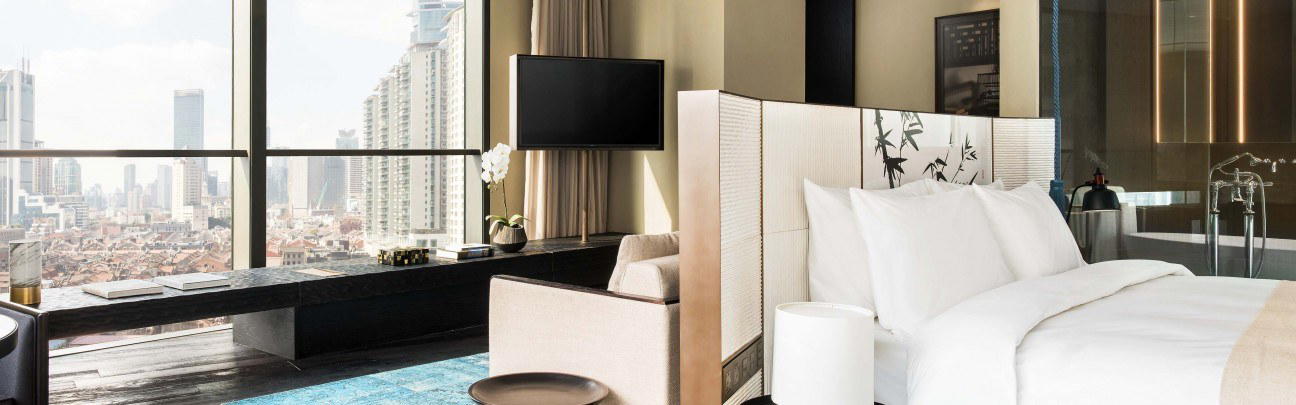
Guest rooms at Andaz Xintiandi are built around a materials palette that could read cold: alternating dark walnut and light olive wood flooring, grey stone walls, structural columns left exposed. The furniture count is low, with a platform bed frame, polished credenza, and minimal nightstand styling. What prevents the aesthetic from tipping into stark minimalism is the silk: each bed features a headboard-adjacent installation of Chinese silk panels in a patchwork of colourful prints, which functions as both the room's warmest visual element and its most direct cultural reference point.
The bathrooms continue the industrial logic while adding a layer of considered specification. The Toto washlet with motion-sensor lid and heated seat is now a standard expectation at this tier, but the open-air shower with adjustable rain head and customisable LED lighting embedded in the tub and sink bases tips toward deliberate theatricality. Control panels on both nightstands manage lighting, blinds, and privacy notifications, which matters in a city where the light and noise differential between daytime and sleeping hours can be significant.
One detail that reads as genuinely useful rather than cosmetic: all non-alcoholic minibar items, including juices, still and sparkling water, sodas, and snacks (two flavours of potato chips, Hershey bars, White Rabbit candies), are complimentary and refreshed daily. At the room rates typical of Xintiandi-district properties in this tier, that gesture lands differently than a luxury minibar surcharge regime would. For context, comparable properties in this part of Huang Pu, including the Bvlgari Hotel Shanghai and Amanyangyun, operate at a noticeably higher price point and with a more formal service orientation.
Food and Drink: Local Sources, Western Frames
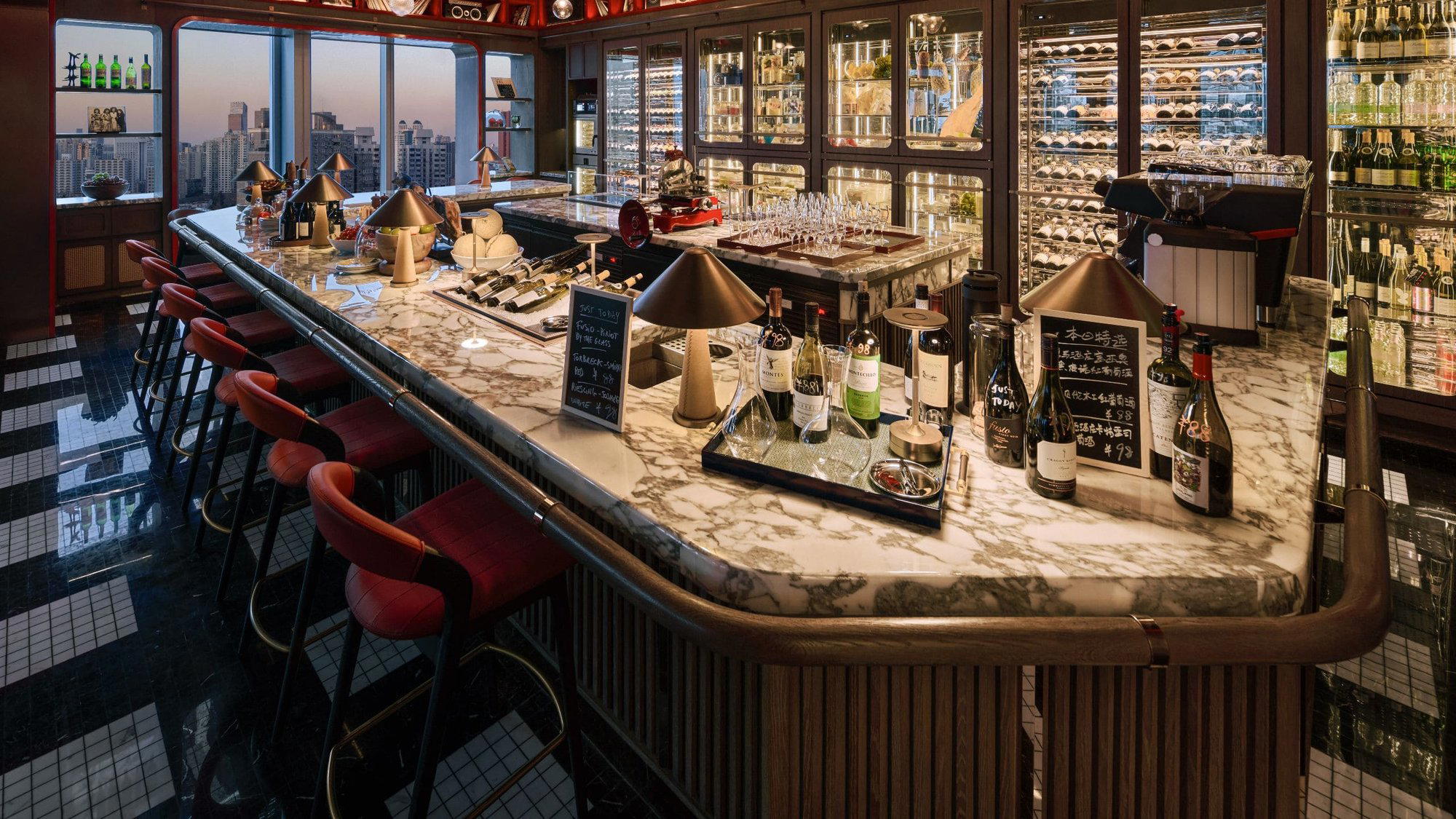
The editorial angle around sourcing matters here because Andaz Xintiandi structures its food offer through a specific negotiation between Chinese ingredient traditions and Western format conventions. The Hai Pai breakfast buffet anchors this approach most clearly. Alongside made-to-order eggs (a standard international hotel breakfast move), the kitchen runs a customised noodle soup station where chefs prepare bowls in multiple styles including Shanghainese and wonton formats. The open kitchen format makes the sourcing logic visible: this is not a buffet where noodles appear as a token concession to local cuisine, but one where the Shanghainese strand is given equivalent platform to the Western strand.
The name Hai Pai itself carries meaning in this context. The term refers to a school of Shanghai culture characterised by cosmopolitan absorption rather than purism, the willingness to assimilate outside influences and produce something distinctly local. That framing, applied to a hotel breakfast, is either a coherent positioning statement or a marketing construct, but the made-to-order execution at least substantiates the claim operationally.
Café Éclair sits at the opposite end of the sourcing and format spectrum. The programme is built around the French choux pastry in a range of flavours that run from traditional chocolate and almond to mango, black forest, and Grand Marnier. What makes this interesting in a Shanghai context is how it illustrates the city's relationship with French patisserie technique: Shanghai has sustained a serious French pastry culture for longer than most Asian cities, and a hotel café anchoring its identity around the éclair rather than, say, a generic afternoon dessert spread is making a specific claim about that lineage.
Xintiandi Style Afternoon Tea extends this logic into a more structured format, offering teas, sandwiches, scones, and the signature éclairs in a modern-format sit-down service. Afternoon tea in luxury hotels across Asia occupies a crowded tier, and properties from the Bellagio Shanghai to the Alila Shanghai compete in that space. Andaz Xintiandi's version differentiates through the éclair focal point rather than through ingredient provenance or tea programme depth, which is a narrower pitch but a more distinctive one.
Infrastructure and Connectivity
Hotels operating in mainland China face a practical constraint that their counterparts in Hong Kong, Singapore, or Tokyo do not: the standard internet filtering environment restricts access to a significant share of the news, social media, and streaming platforms that international travellers depend on. Andaz Xintiandi routes its complimentary wireless internet through a VPN, giving guests unfiltered access without requiring them to arrange their own solution before arrival. For business travellers in particular, this is not a marginal amenity, it is a functional prerequisite, and hotels that solve it at the infrastructure level rather than leaving it to the guest remove a genuine friction point. This puts Andaz Xintiandi in a different practical category from properties that offer fast internet but do not address the filtering question directly.
The 24-hour gym runs Technogym equipment, which sits at the specification level expected by travellers familiar with the brand from properties across Europe and Asia. Its underground position means no natural light or city views, which is a material limitation for the segment of travellers for whom the gym hour is also a psychological reset. This is the kind of trade-off that compact urban hotel footprints in dense Huang Pu blocks often produce, and it is worth factoring into a stay rather than discovering after check-in.
How It Positions Against the Shanghai Boutique Tier
Shanghai's premium hotel market has stratified considerably over the past decade. At the higher end, properties like Artyzen NEW BUND 31 Shanghai and the Cachet Boutique Shanghai operate on strong design-led or location-led identities at price points that reflect that positioning. Andaz Xintiandi occupies a middle register: backed by Hyatt's operational consistency, but designed to read as boutique and priced below the independent luxury tier. The inspector-noted assessment of the atmosphere as achieving a "laid-back yet luxe" register is the appropriate summary: this is a hotel for travellers who want design attention and local food references without the formality or price tier that properties like Amanyangyun require. For those travelling elsewhere in China, the Mandarin Oriental Qianmen in Beijing and Andaz Shenzhen Bay offer useful comparison points within their respective markets. See our full Shanghai restaurants guide for broader context on the city's dining and hospitality options.
Planning Your Stay
The hotel sits at 88 Songshan Road in the Huang Pu district, within the Xintiandi entertainment zone. Given the neighbourhood's density of international visitors and its position as one of Shanghai's primary leisure districts, booking ahead is advisable, particularly for weekend stays and during peak travel periods such as Golden Week in October and the spring conference season. The complimentary minibar refreshment and VPN-routed internet are confirmed amenities worth factoring into a value assessment against alternatives. The breakfast buffet with its open noodle kitchen and the Xintiandi Style Afternoon Tea are the two food and beverage formats with the most consistent inspector endorsement, and both are available to in-house guests as part of the standard stay experience.
Cuisine Lens
Comparable venues nearby, for context on price, style, and recognition.
| Venue | Cuisine | Price | Awards | Notes |
|---|---|---|---|---|
| Andaz Xintiandi, ShanghaiThis venue (the venue you are viewing) | Contemporary luxury boutique in restored Shikumen district | $100–200 | Michelin Selected · Forbes Recommended | Not listed |
| The Shanghai EDITION | Urban luxury retreat in historic Art Deco building with postmodern tower. | Not listed | 1 Michelin Key · La Liste Top Hotels | Lan Ni Du |
| Kerry Hotel, Pudong, Shanghai | Contemporary urban hotel integrated with shopping and expo facilities | $200–300 | Forbes Recommended | Yanqiao Xiang |
| MGM Shanghai West Bund | Art-infused urban luxury with Chinese heritage and modern design by HBA. | Not listed | Star Wine List · Forbes 4-Star | Yangsi Xiang |
| Regent Shanghai on The Bund | Luxury high-rise blending contemporary sophistication with Shanghai's cultural heritage | $300–500 | Michelin Guide New Hotels New Hotel · Michelin Selected | Hongkou |
| JW Marriott Marquis Hotel Shanghai Pudong | Luxury urban landmark hotel with dramatic central atrium and extensive meeting facilities | Not listed | Star Wine List · Forbes Recommended | Lao Bai Du |
Recognition history
Dated appearances from independent guides and award organizations, with the underlying list record or original source where available.
Michelin Selected
Michelin
Forbes Recommended
Forbes
Full recognition history (3 entries)
Forbes Recommended
Forbes
Continue exploring
More in Shanghai
Hotels in Shanghai
All hotels in Shanghai →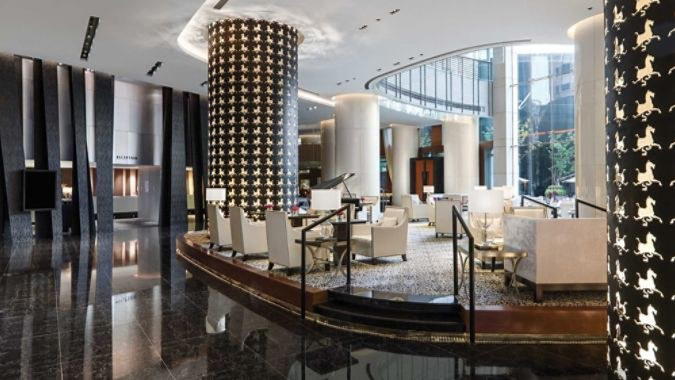
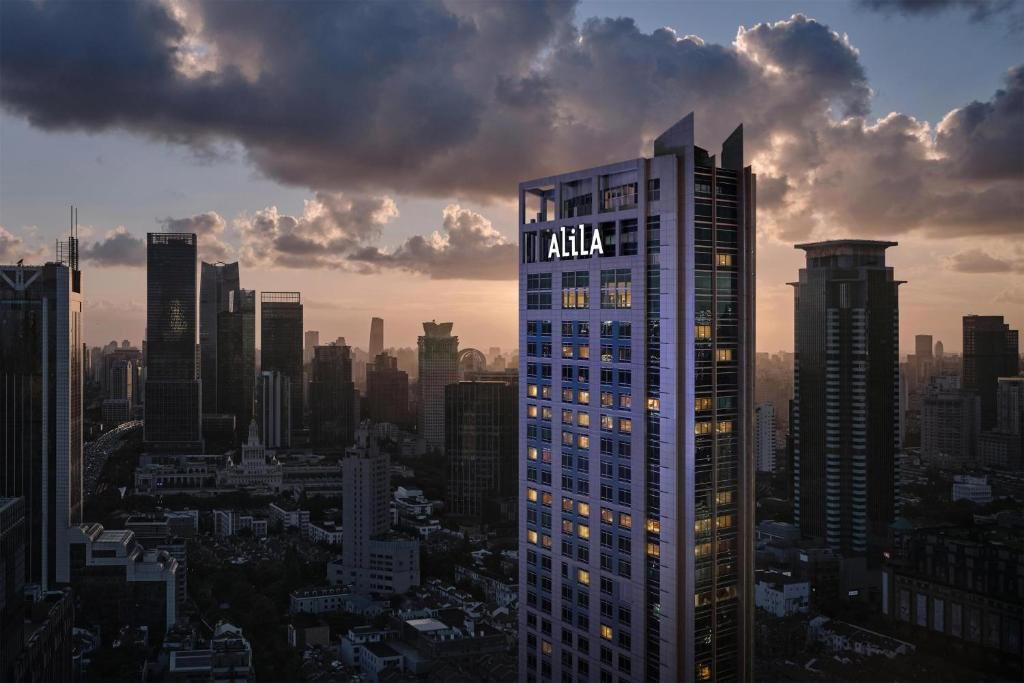
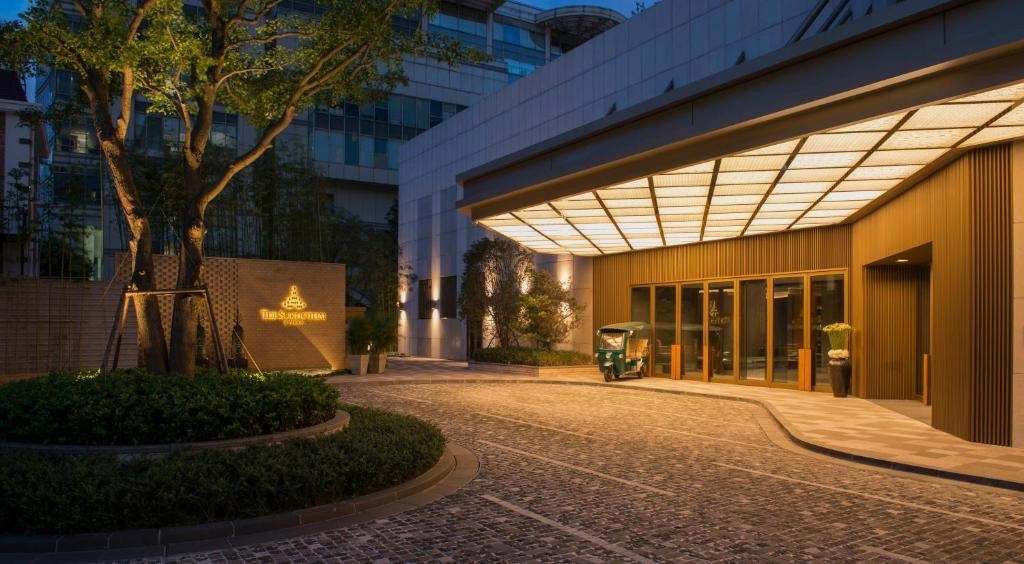
Details
- Modern
- Trendy
- Sophisticated
- Elegant
- Business Trip
- Romantic Getaway
- Weekend Escape
- Rooftop Pool
- Historic Building
- Design Destination
- Wi Fi
- Pool
- Spa
- Fitness Center
- Room Service
- Concierge
- Business Center
- Skyline
- Street Scene
- Elevator
- Step Free Entrance
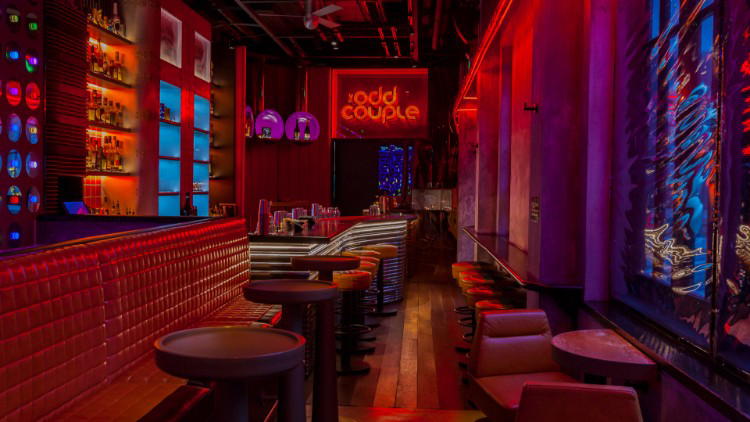
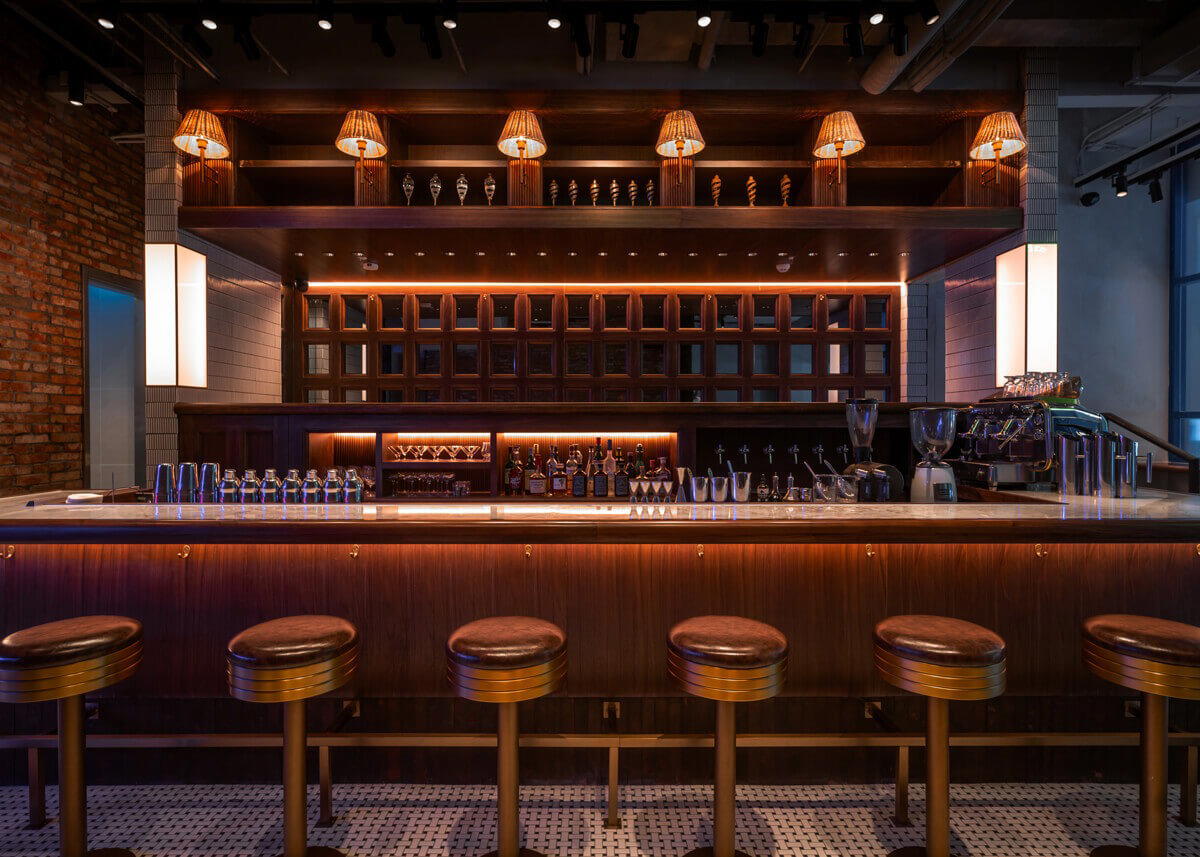
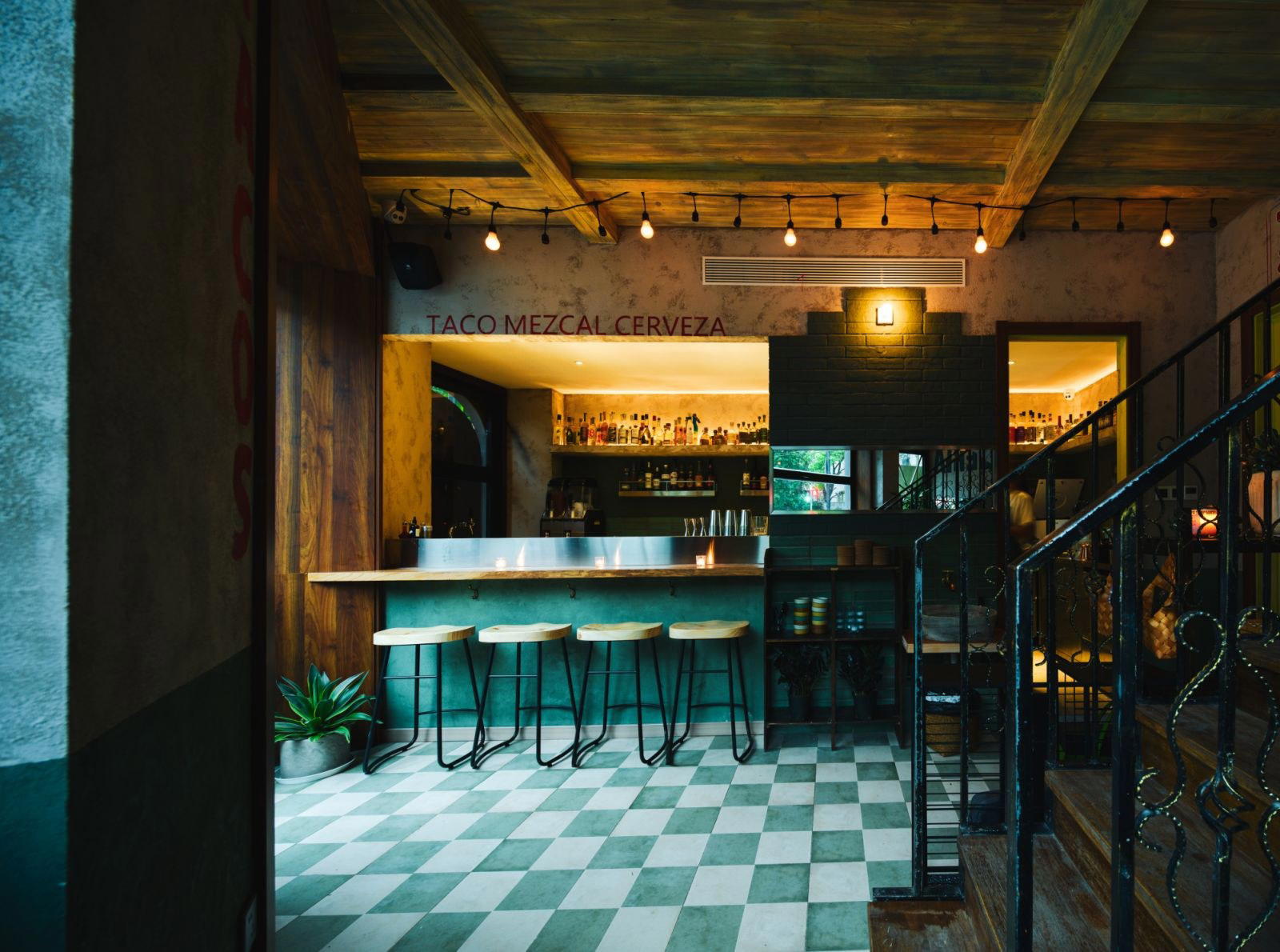
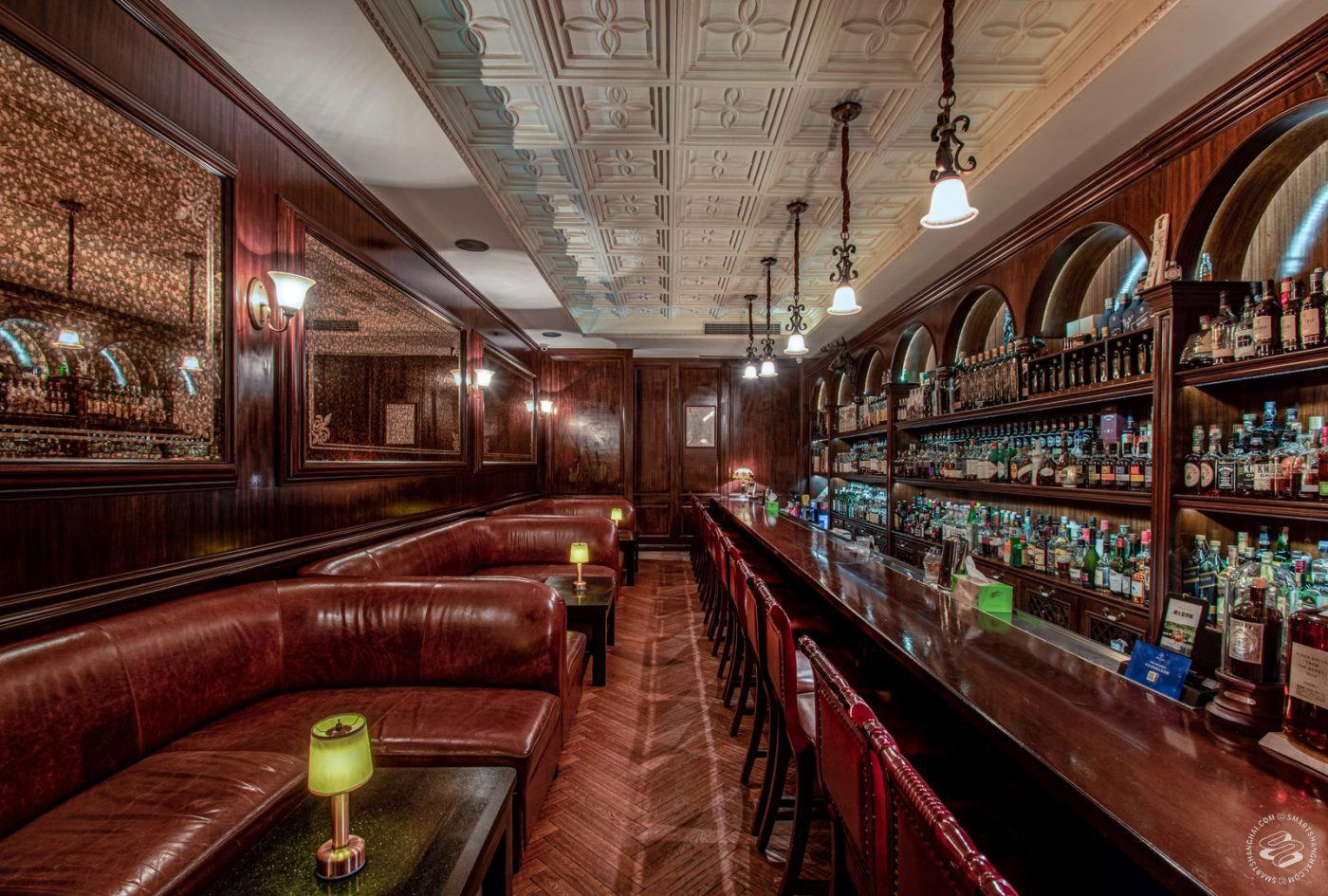
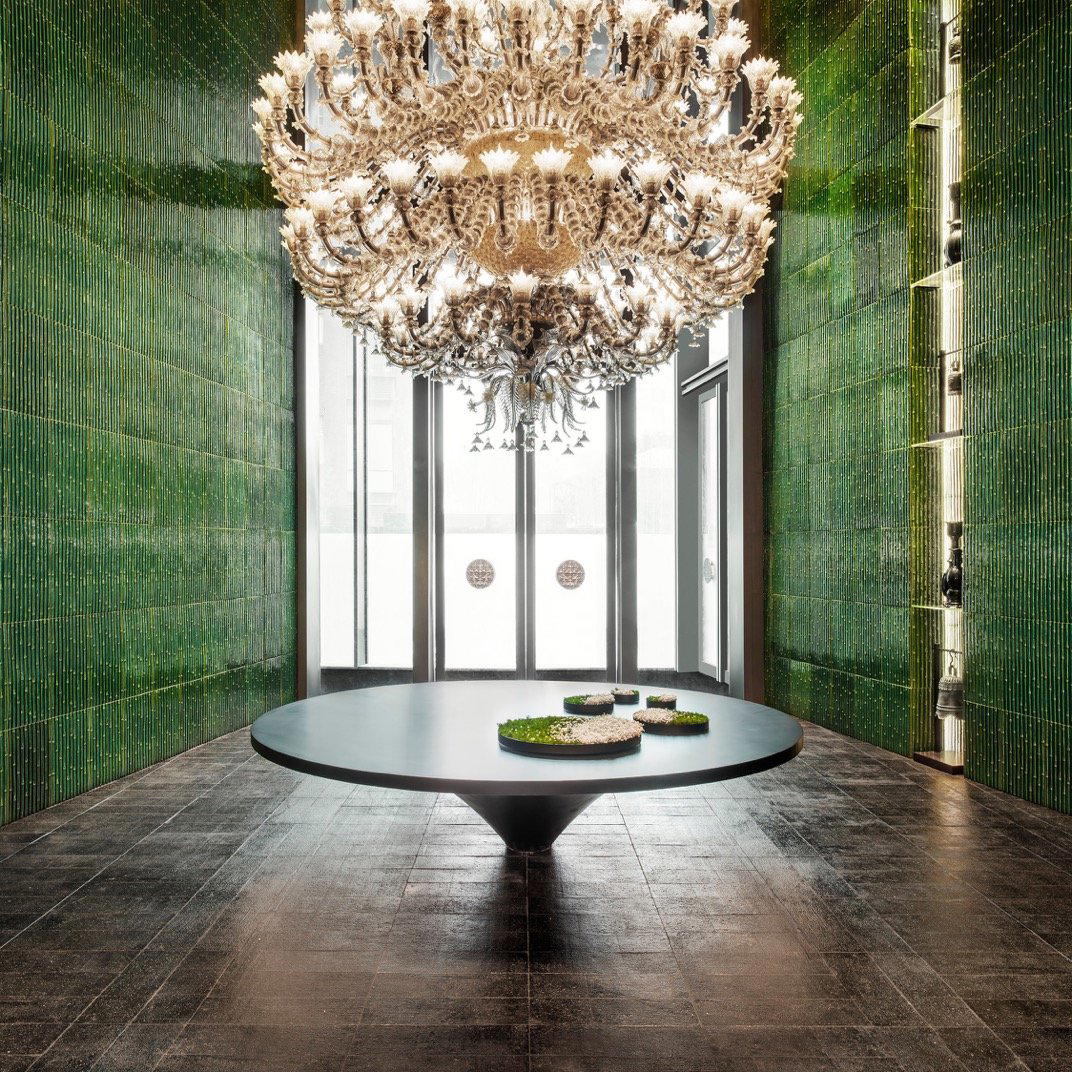
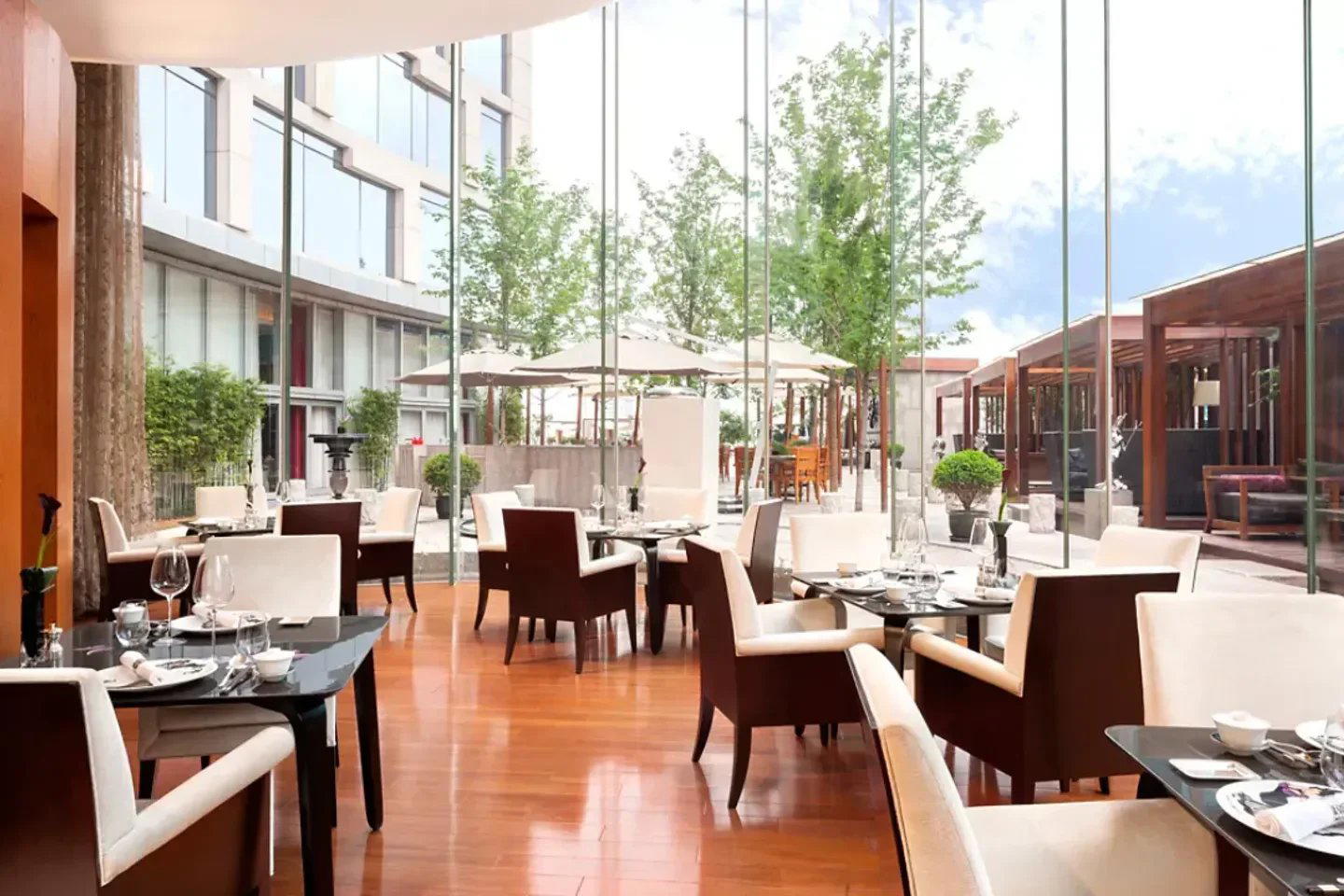
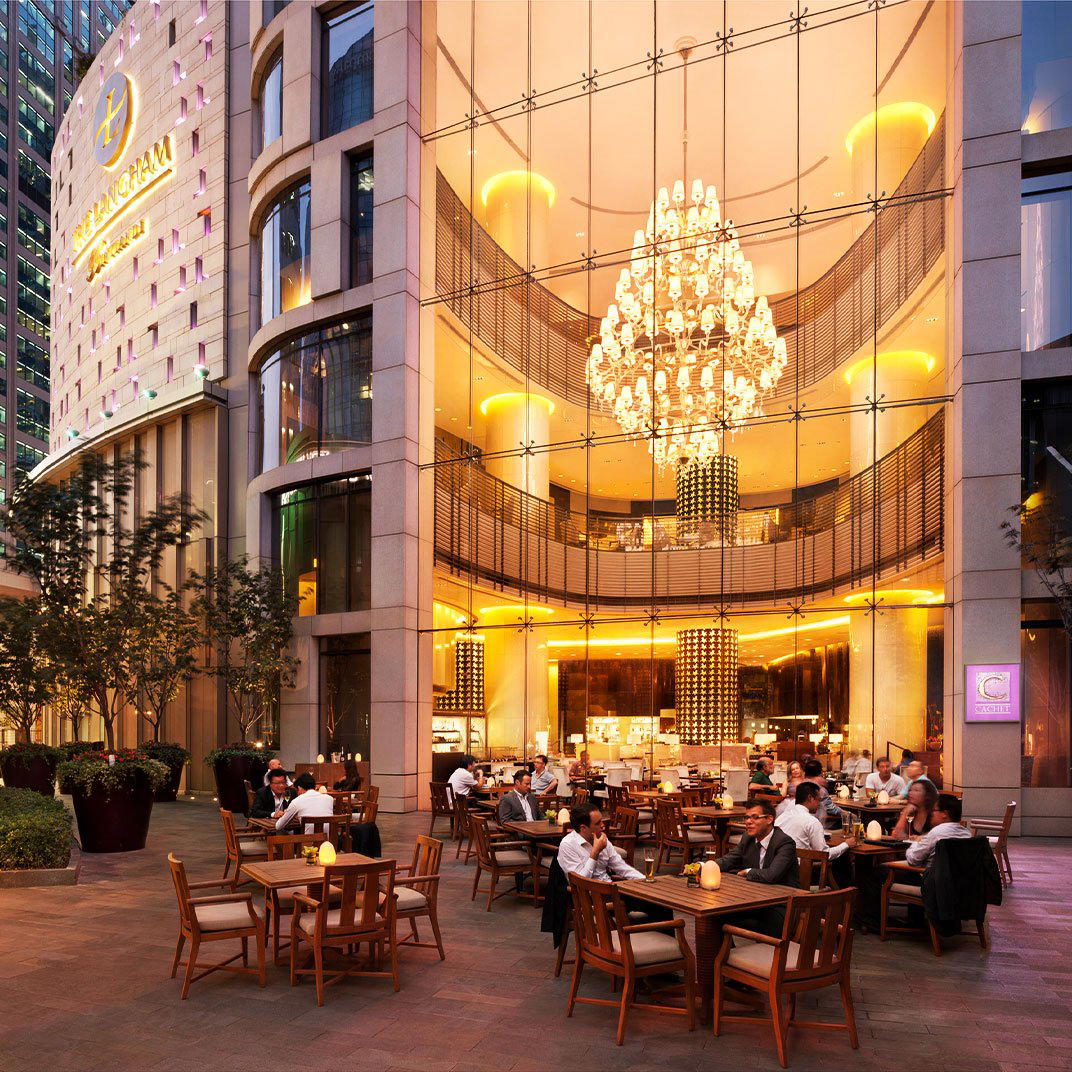
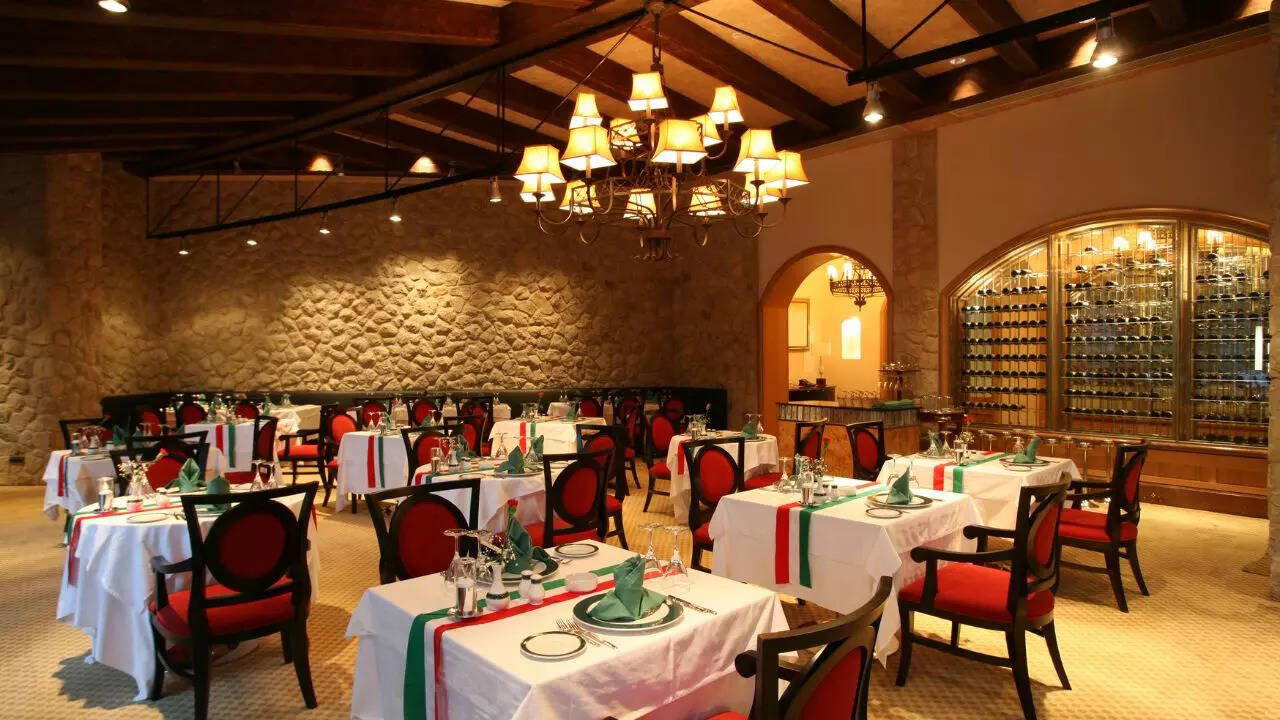
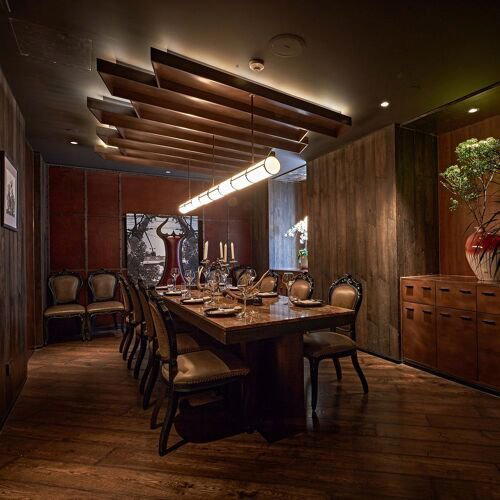
Sleek and stylish with contemporary décor, mood lighting, and lively city atmosphere.