



Michelin Selected · La Liste Top Hotels · Forbes Recommended
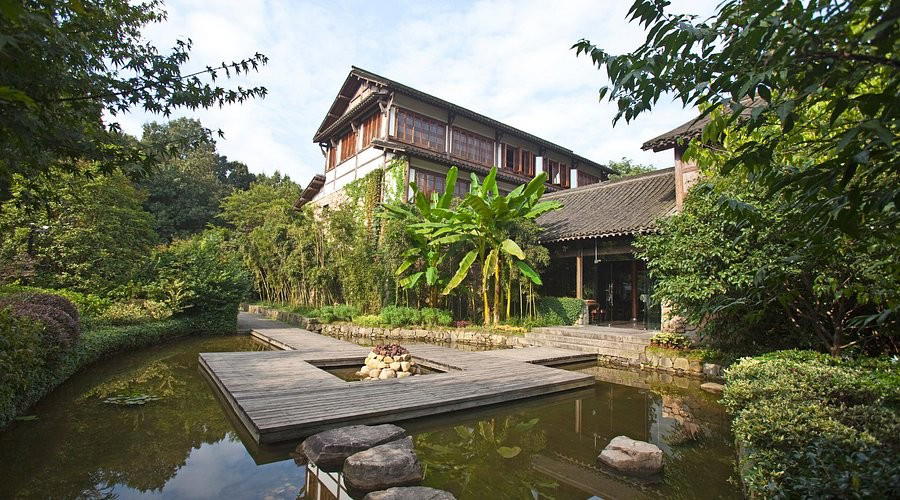
An actual Tang-dynasty village converted by Aman into 42 rooms and villas on the western edge of West Lake, Amanfayun sits adjacent to Lingyin and Yongfu Temples and a 20-minute drive from central Hangzhou. The property scored 93 points on the La Liste Top Hotels 2026 ranking, placing it firmly among China's most considered heritage retreats. No two rooms share the same configuration, and the spa operates from five separate bamboo-enclosed buildings.

Pearl is the En Primeur Club membership app, where members save venues, book tables and use the concierge.
A Village That Was Never Invented
Most luxury hotels in China reference history. Amanfayun is history. The structures that make up this Aman property along the western edge of West Lake are not replicas or approximations of a historic Chinese village: they are the village, a settlement of Ming and Qing-era stone dwellings that has been carefully restored rather than rebuilt. The comparison to a Zhang Yimou film set is not hyperbole; the resort itself acknowledges that the resemblance exists because these buildings predate any contemporary design brief by several centuries.
That distinction matters in a city like Hangzhou, where the hospitality market around West Lake has grown to include properties from Four Seasons Hotel Hangzhou at West Lake, Banyan Tree Hangzhou, and Conrad Hangzhou, all of which draw on the lake's UNESCO-listed scenery. Amanfayun operates on different terms: it does not face the lake so much as sit behind it, tucked into a valley below North Peak where the road passes the botanical gardens and narrows toward the Tianzhu temple complex. The address places it adjacent to Lingyin Temple, one of China's most significant Buddhist sites, and Yongfu Temple, which together give the approach a context that no amount of contemporary design could manufacture.
The Architecture of Restraint
Within the Aman portfolio, properties tend to fall into two categories: those built from scratch to a minimal, site-responsive brief, and those that occupy existing structures with enough historical weight to make intervention itself an act of conservation. Amanfayun belongs to the second group, alongside Aman Venice and the approach taken at Amandayan in Lijiang. The challenge in each case is the same: how to make a heritage structure liveable at a premium standard without erasing the qualities that made it worth preserving.
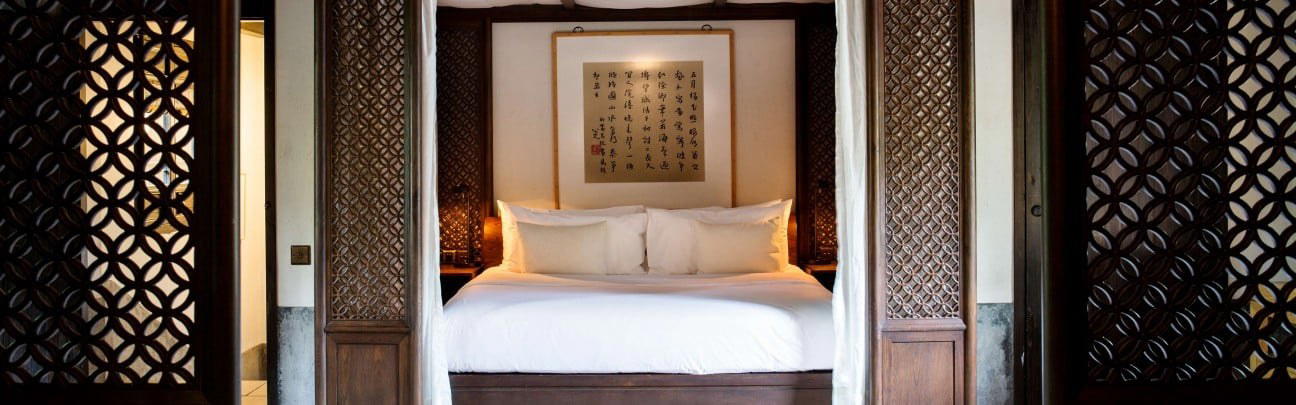
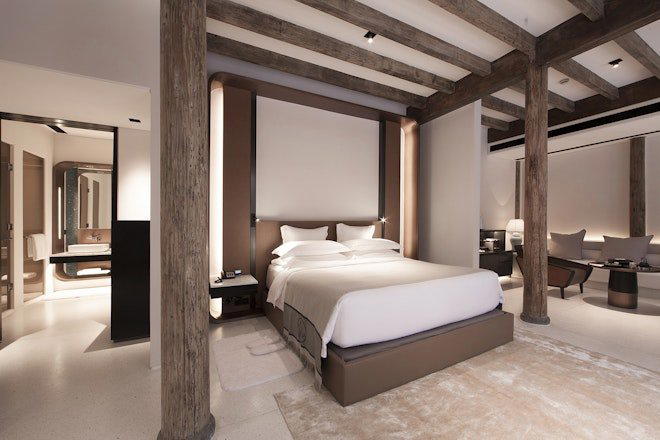
At Amanfayun, the answer is largely subtractive. The 42 rooms, suites, and villas retain their original configurations, which is why no two units are identical. Stone floors, canopy beds, and muted tones do the work that might elsewhere fall to bold furniture choices or signature lighting schemes. Radiant underfloor heating runs beneath those stone tiles, and air conditioning is present but unobtrusive. Televisions are available on request and arrive in a wooden case that sits at the foot of the bed rather than mounted to a wall, a small decision that signals the property's attitude toward distraction. Most units open onto private or semi-private courtyards, extending the living space outward into the bamboo and tree-lined environment that surrounds each dwelling.
The 1880s-era building known as Fayun Place contains a revolving art gallery, library, lounge, cigar room, and space for calligraphy classes. A resident master calligraphy artist offers lessons to guests, which places Amanfayun closer to a cultural residency in some respects than a conventional hotel stay. The Library holds an extensive collection of books and documentary material focused on Chinese history and culture, and the property organises regular talks on topics ranging from Buddhism and traditional Chinese medicine to regional tea rituals and art history.
Setting and Approach
Hangzhou has direct connections to most major Chinese cities by air, and Hangzhou Airport handles international routes including daily flights to Hong Kong, Tokyo, Macau, Taipei, and Seoul, with regular services from Kuala Lumpur and Singapore. Access from Shanghai is either by high-speed train, which takes approximately one hour and twenty minutes, or by road in roughly three hours depending on traffic. From central Hangzhou, Amanfayun is a 20-minute drive along avenues of bamboo and past West Lake's inner waterways. The drive itself signals the transition: the road becomes progressively more tree-lined as it approaches the Tianzhu village and the resort beyond.
For guests arriving from other parts of China, the wider region offers further comparison points. Fuchun Resort Hotel Fuyang operates on a similar nature-immersive principle to the southwest of the city. In Shanghai, JW Marriott Hotel Shanghai at Tomorrow Square represents a different register entirely. Further afield within China's hotel scene, Mandarin Oriental Qianmen in Beijing applies a comparable preservation-first approach to a historic Beijing neighbourhood, while Xiamen Yunding Resort and 1 Hotel Haitang Bay, Sanya each use natural settings as their primary design material.
Spa, Tea, and the Logic of Programming
The spa at Amanfayun occupies five separate buildings surrounded by bamboo groves, tea bushes, and magnolia trees. Eight treatment rooms, a reflexology room, a movement studio, and a dedicated tai chi, yoga, and meditation room give it a footprint that is substantial relative to the property's 42 keys. Treatments draw primarily from traditional Chinese practices: heated bamboo massage, acupressure, and cupping sit alongside broader Asian healing therapies. The Finishing Salon handles hair, manicure, pedicure, and waxing services.
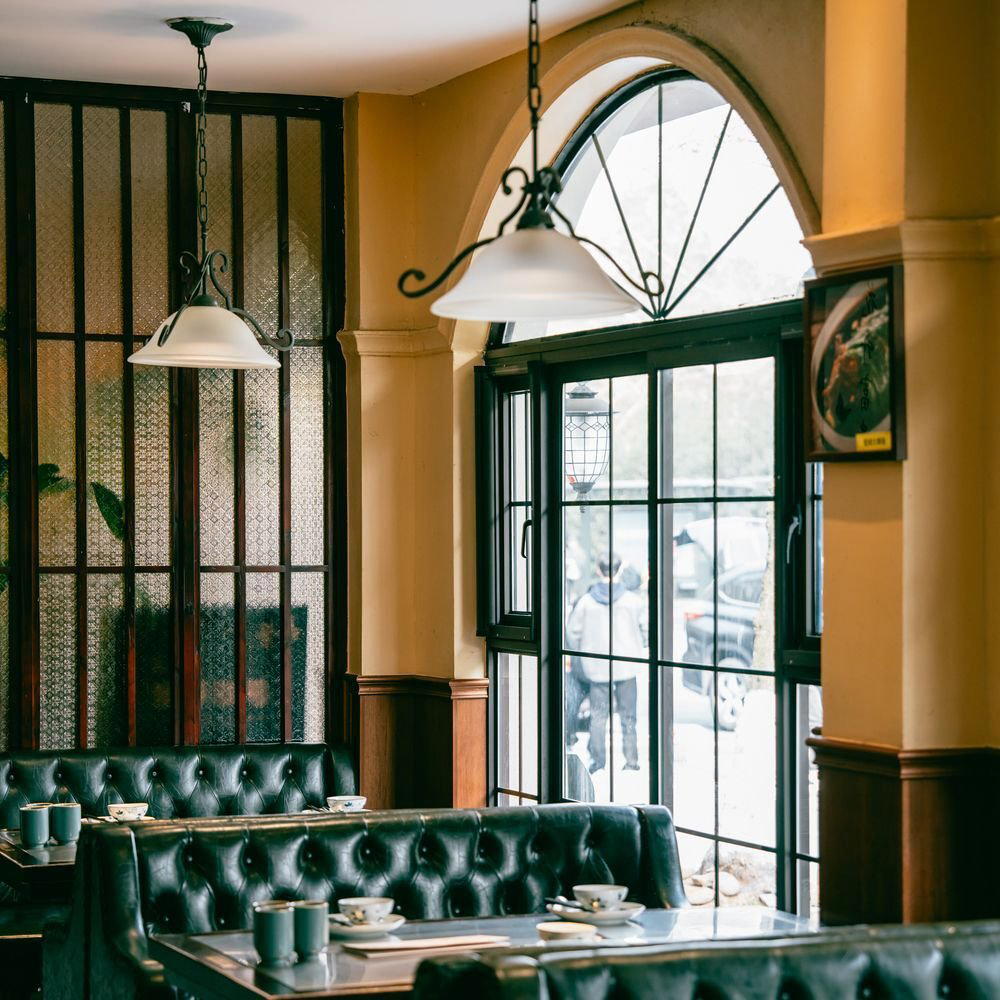
The Tea House is the natural centre of the property's cultural programming. Longjing tea, the Dragon Well variety that has been cultivated in the hills around West Lake for centuries, is the appropriate order here. The surrounding area is one of China's most historically significant tea regions, and the Tea House sits close enough to working tea plantations that the connection between leaf and cup is not abstract. The Village Eatery offers casual dining, while the main Restaurant handles more formal meals and is the property's sole Western cuisine outlet, serving classic international dishes alongside the bar. The programming also includes morning prayer sessions with Buddhist monks from the adjacent temples, nature walks, and visits to neighbouring tea plantations, all of which are accessible given the property's immediate proximity to active religious and agricultural sites.
Competitive Position
Amanfayun's 93-point score on the La Liste Leading Hotels 2026 ranking places it at a level where the comparison set is narrow. Within Hangzhou, the West Lake luxury tier includes the Four Seasons Hotel Hangzhou at Hangzhou Centre and the Midtown, Hangzhou alongside the West Lake Four Seasons, but Amanfayun's heritage structure and 42-key scale operate in a different register from those larger properties. The Hangzhou Muh Shoou Xixi Hotel and Conrad Hangzhou Tonglu occupy adjacent market positions. Globally within the Aman network, Aman New York and Aman Venice demonstrate the brand's range across urban and heritage formats; Amanfayun is closer to the Venice model in its dependence on an existing built environment with deep historical resonance.
For guests building a broader China itinerary, properties such as Vanke Lake Songhua Yunlu Hotel in Jilin, Andaz Shenzhen Bay, Altira Macau, Green Lake Hotel Kunming, Beidahu Asian Games Village, Huyi District in Xi'an, Mohe Youran Mountain Residence, and Hyatt Place Nanjing Xuanwu each represent different approaches to China's diversity of landscapes and urban contexts. See our full Hangzhou restaurants and hotels guide for additional planning context.
Planning Your Stay
Amanfayun holds 42 rooms across five unit types: village rooms, village suites, deluxe village suites, village villas, and the Amanfayun Villa at approximately 3,100 square feet. The property also provides a meeting room with two terraces and full audio-visual equipment, boutique, and broadband connectivity throughout. West Lake's peak seasons align with spring (March to May, when tea is harvested and the lakeside foliage is at its densest) and autumn (September to November). Summer brings heat and crowds to the Hangzhou region; the valley position of Amanfayun offers some shelter from the city's urban temperature, though the humidity of a Zhejiang summer is present regardless. Booking well in advance is advisable for the peak spring and Golden Week periods, when West Lake draws domestic visitors in large numbers and the limited key count at Amanfayun makes availability tighter than at larger properties in the city.
In Context: Similar Options
Comparable venues nearby, for context on price, style, and recognition.
| Venue | Cuisine | Price | Awards | Notes |
|---|---|---|---|---|
| AmanfayunThis venue (the venue you are viewing) | traditional Chinese village resort | Not listed | Michelin Selected · La Liste Top Hotels | Not listed |
| Conrad Hangzhou | Contemporary luxury tower with riverfront positioning | Not listed | Forbes Recommended | Jianggan |
| Hangzhou Muh Shoou Xixi Hotel | Boutique luxury seamlessly integrated with surrounding wetlands. | $300–500 | Small Luxury Hotels of the World Member | Yuhangxian |
| Midtown Shangri-La, Hangzhou | Modern luxury hotel in mixed-use complex | $100–200 | Forbes Recommended | Hangzhoushi |
| Fuchun Resort Hotel Fuyang | Lakeside luxury resort with traditional Chinese influences | Not listed | La Liste Top Hotels · Forbes Recommended | Fuyangshi |
| Seven Villas | Intimate Relais & Chateaux resort with seven traditional Chinese villas in a forested West Lake setting. | $500–750 | Relais Chateaux Award | Hangzhoushi |
Recognition history
Dated appearances from independent guides and award organizations, with the underlying list record or original source where available.
Michelin Selected
Michelin
La Liste Top Hotels
La Liste
Forbes Recommended
Forbes
Mr & Mrs Smith Seal of Approval
Mr & Mrs Smith
Virtuoso Luxury Hotel Partner
Virtuoso
Full recognition history (6 entries)
Forbes Recommended
Forbes
Continue exploring
More in Hangzhou
Hotels in Hangzhou
All hotels in Hangzhou →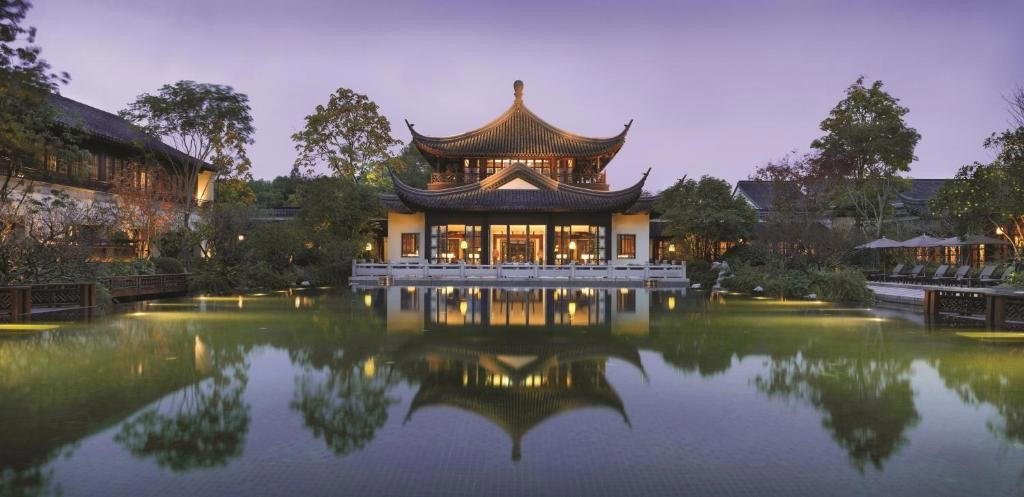
Bars in Hangzhou
All bars in Hangzhou →
Details
- Quiet
- Elegant
- Scenic
- Intimate
- Sophisticated
- Honeymoon
- Romantic Getaway
- Wellness Retreat
- Anniversary
- Private Villa
- Destination Spa
- Garden
- Historic Building
- Pool
- Spa
- Fitness Center
- Room Service
- Concierge
- Restaurant
- Wi Fi
- Garden
- Mountain
- Wheelchair Accessible
Tranquil and serene with moody lighting, natural fabrics, tree-shaded nooks, fragrant air, and meandering stone pathways.