






2 Michelin Keys · Vogue 2026 Vogue Best Hotels in Shanghai · Virtuoso Luxury Hotel Partner
A Tatler Best Hotels Asia-Pacific 2025 listing and World Travel Awards winner for Shanghai's Leading Boutique Hotel, Amanyangyun sits in Shanghai's outer Minhang District amid more than ten thousand ancient camphor trees and thirteen restored Ming and Qing dynasty villas. With 37 rooms and suites, a 30,569-square-foot spa, and a cultural pavilion offering daily calligraphy and tea ceremonies, this is a deliberately removed retreat, not a city-centre base.

Pearl is the En Primeur Club membership app, where members save venues, book tables and use the concierge.
A Forest Transported, A History Preserved
The camphor trees arrive first. Walking the grounds at Amanyangyun, long before any building comes into view, the air carries a faint medicinal sharpness from the canopies overhead, some of them centuries old, their trunks wide enough to wrap two people around. This sensory introduction is not accidental. The forest is the property's founding act, its origin story and its daily atmosphere in one. More than ten thousand camphor trees were relocated from Jiangxi Province to this site in Shanghai's outer Minhang District over the course of a decade, transplanted alongside dozens of Ming and Qing dynasty dwellings that faced submersion from a new reservoir construction project. What followed was one of the more considered acts of heritage preservation in contemporary Chinese luxury hospitality.
Among boutique hotels operating at this price tier in the Asia-Pacific region, that founding context matters. The property appeared on the Tatler Leading Hotels Asia-Pacific 2025 list and took the World Travel Awards designation for Shanghai's Leading Boutique Hotel. Those recognitions point to a specific category: properties where a conservation or heritage narrative is not decorative branding but structural to the guest experience. Amanfayun in Hangzhou occupies a comparable position within the Aman China portfolio, set within a protected village near the West Lake UNESCO site. Amandayan in Lijiang similarly draws on historic built fabric. Amanyangyun is Aman's fourth China destination, and like its siblings, it operates as a retreat from the city it neighbours rather than an access point into it.
The Sustainability Argument: What Conservation Actually Cost
Responsible luxury in hospitality often gets discussed in terms of solar panels and water recycling. Amanyangyun's conservation credentials are considerably more material. The decade-long relocation project, initiated by Fuzhou-born entrepreneur Ma Dadong, moved ancient architectural fabric and living biological material across 435 miles. The thirteen ancient villas on the property are not replicas or reconstructions in the loose sense: original external bricks, roof tiles, and wooden pillars were retained and reinstated, with the interiors updated by Australian architect Kerry Hill to integrate heated floors and modern infrastructure without compromising structural character. Before the roof was placed on each villa, the large Hebei black granite bathtubs were lowered into position from above and carved onsite, a logistical commitment that is evident in the finished rooms.
The oldest camphor tree on the grounds, known as the King Tree, sits at the centre of the property with a trunk exceeding six feet in diameter. Its presence illustrates the scale of what the project preserved. These are not ornamental plantings but mature biological systems that would otherwise be gone. For travellers whose definition of responsible hospitality extends beyond amenity-level gestures to actual acts of preservation and reuse, Amanyangyun makes a specific case that few hotel projects in China can match.
The broader pattern here is worth noting. Properties holding restored heritage fabric have a structural advantage over new builds claiming environmental credentials: the carbon and cultural cost of demolition is avoided entirely. This logic is increasingly recognised by both luxury travellers and award bodies, and it positions Amanyangyun within a small but growing cohort of properties where conservation and luxury are genuinely co-dependent rather than adjacent marketing points. For more on how Shanghai's hotel sector has developed across different districts and price points, see our full Shanghai hotels and restaurants guide.
The Property: 37 Rooms Across Two Distinct Categories
37-room total breaks into two quite different formats. The 24 newly built suites were designed by Kerry Hill in dialogue with the architectural language of the historic villas, using local materials and proportions that avoid the visual incongruity common to new-build additions on heritage sites. The 13 ancient villas operate closer to private compounds than hotel rooms: each contains a reconstructed two-bedroom structure, a newly built three-bedroom addition, lotus ponds, a swimming pool, and a Jacuzzi within a landscaped garden. Brickwork above villa doorways retains original decorative detail, including sculptures and Chinese characters conveying the wishes of the families who first built them.
Published rates start around $843, which positions Amanyangyun in a peer tier with properties like the Capella Shanghai, Jian Ye Li and the Bvlgari Hotel Shanghai at the top of the Shanghai market, though Amanyangyun's remote Minhang location and explicit retreat positioning mean it competes on different terms. Unlike Andaz Xintiandi, Shanghai or the Fairmont Peace Hotel, which draw value partly from proximity to the city's cultural and commercial density, Amanyangyun's premium is attached to isolation, scale, and the experience of the grounds themselves.
Nan Shufang, the Spa, and What Fills the Days
The cultural programming at Amanyangyun is structured and deliberate. Nan Shufang, the property's cultural centre housed in a restored Jiangxi villa, runs a daily calendar of complimentary activities covering tea ceremony, calligraphy, and painting. These are not tacked-on hotel experiences designed to photograph well: the format is designed around extended engagement with traditional practices, which aligns with the property's broader emphasis on slowing down rather than ticking off. Separate activities for children aged five to twelve, including kite-making and pottery, are scheduled through the Culture Discovery Center, making this more functional for families than the typical Aman property.
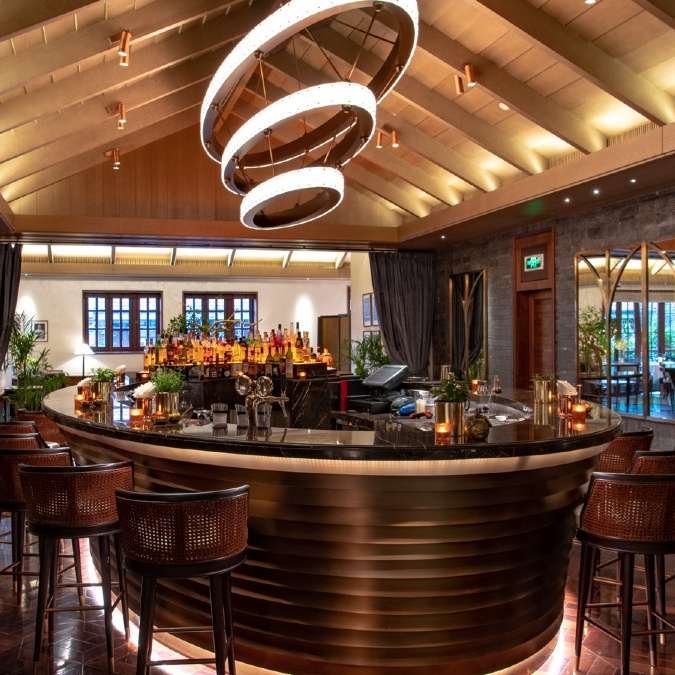
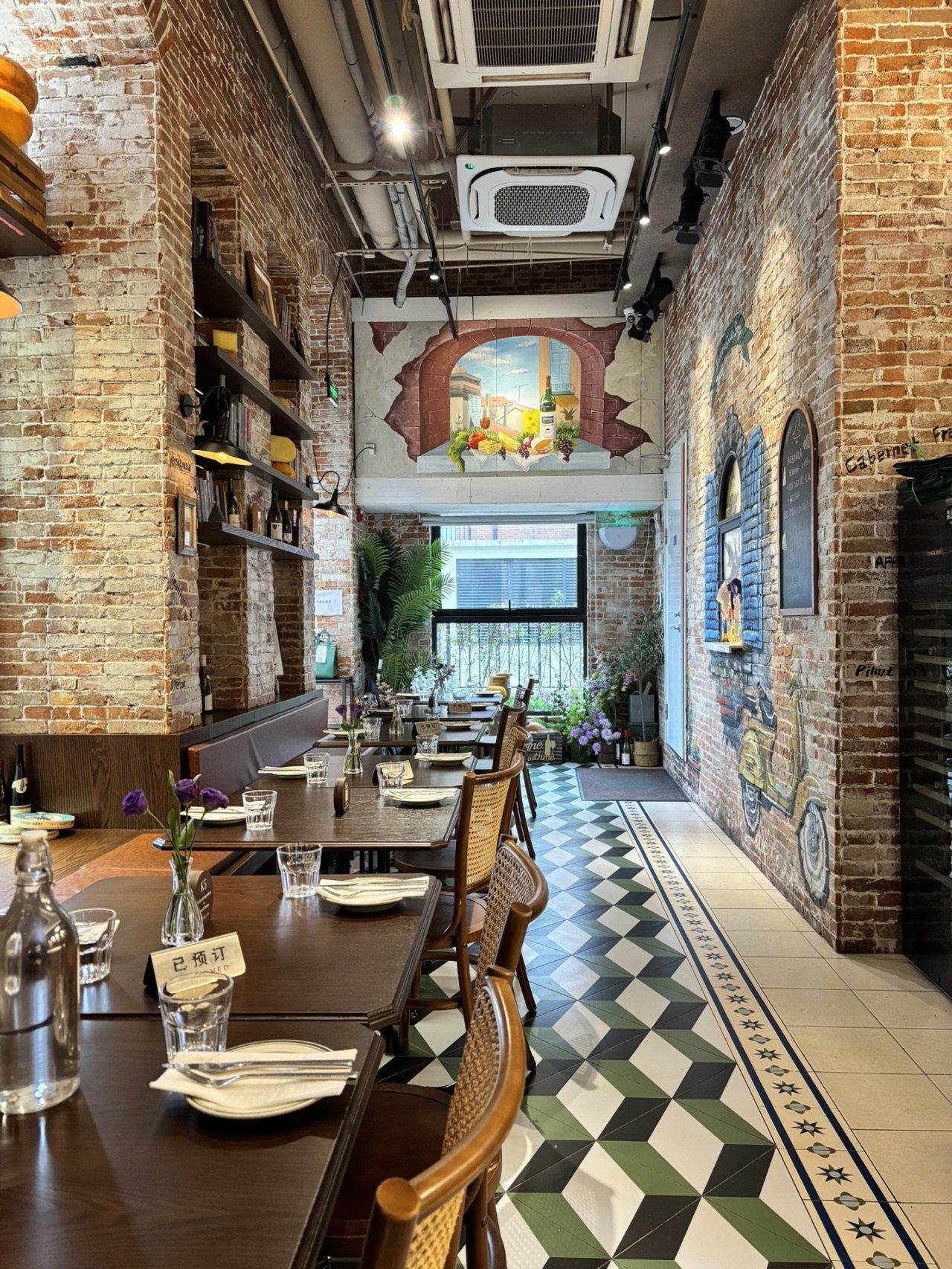
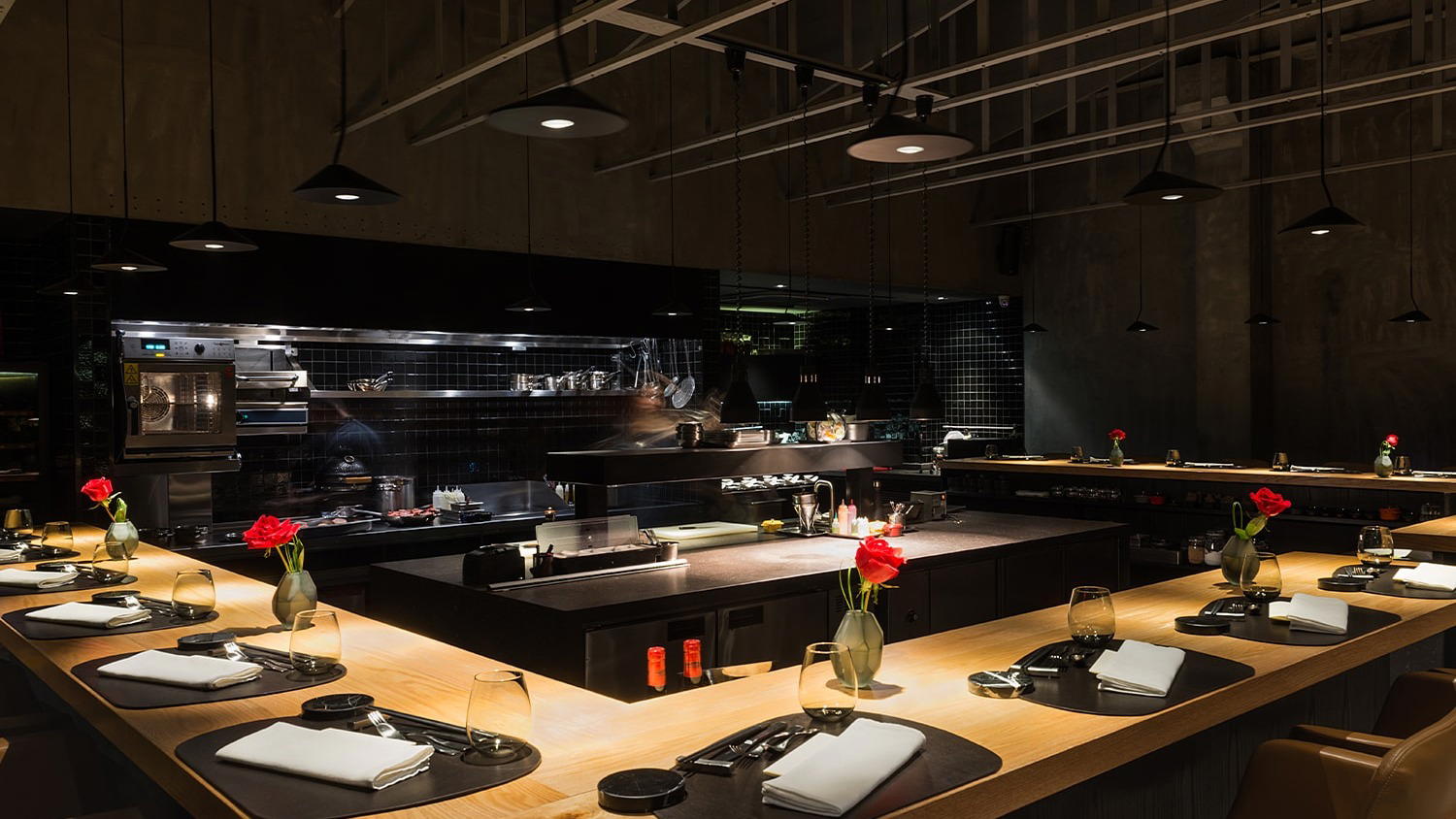
The spa covers 30,569 square feet and houses ten treatment rooms, a Russian-style banya, a Turkish-style hammam, indoor and outdoor pools, and yoga and pilates facilities. The scale is substantial even by Aman standards, and the multicultural bathing formats give it a different character from the traditional Chinese wellness programming more common in this segment. Dining options include Chinese, Japanese, and Italian restaurants alongside a cocktail bar and a cigar lounge. During warmer months, outdoor dining expands to include a floating afternoon tea and an outdoor hotpot service at Yinlu restaurant.
Logistics and Timing
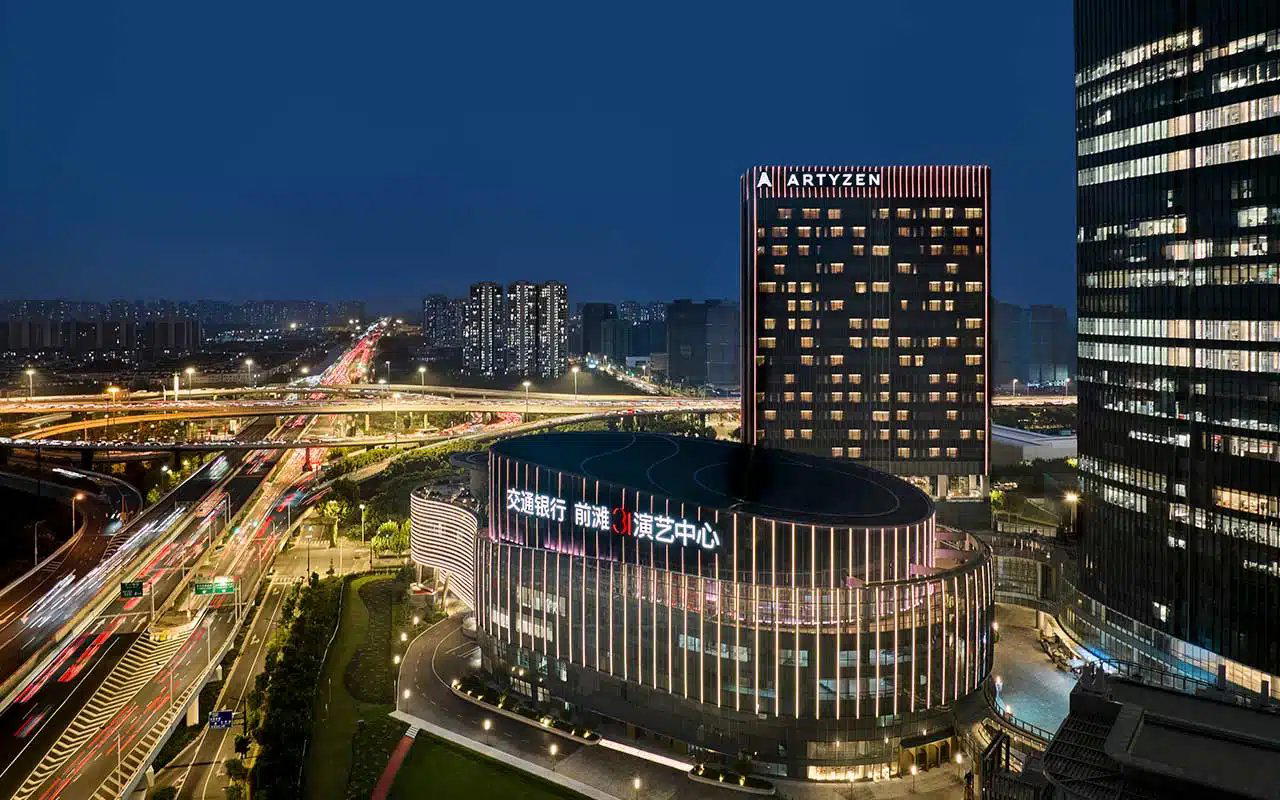
Amanyangyun sits in Minhang District at 6161 Yuan Jiang Lu, a location that is deliberately removed from both the Bund and Xintiandi. There is no practical public transport connection, which reinforces the property's identity as a destination in itself rather than a Shanghai base. Guests travelling for city exploration would be better served by Alila Shanghai, Artyzen NEW BUND 31 Shanghai, or Bellagio Shanghai, which trade proximity to the centre as part of their value proposition.
Weekend and public holiday occupancy runs high, driven by Shanghai residents and visitors from neighbouring cities seeking access to the camphor forest and grounds. Mid-week stays offer a measurably quieter experience. Contact is via +86 21 8011 9999 or through the Aman website. For those building a broader China itinerary, Aman's own portfolio includes Amanfayun in Hangzhou as a natural pairing, while the Mandarin Oriental Qianmen in Beijing offers a comparable heritage-in-city positioning at the other end of the country's luxury tier.
Cost Snapshot
Comparable venues nearby, for context on price, style, and recognition.
| Venue | Cuisine | Price | Awards | Notes |
|---|---|---|---|---|
| AmanyangyunThis venue (the venue you are viewing) | Not listed | Not listed | 2 Michelin Keys · Vogue 2026 Vogue Best Hotels in Shanghai | Not listed |
| Mandarin Oriental Pudong, Shanghai | Not listed | Not listed | 1 Michelin Key · La Liste Top Hotels | Ti Lan Qiao, Contemporary luxury on Huangpu River banks |
| The Ritz-Carlton Shanghai, Pudong | Not listed | $300–500 | 1 Michelin Key · La Liste Top Hotels | Lan Ni Du, Art Deco-inspired luxury tower hotel |
| The PuLi Hotel and Spa | Not listed | $200–300 | 1 Michelin Key · La Liste Top Hotels | Jing'an, Urban resort blending history and contemporary design |
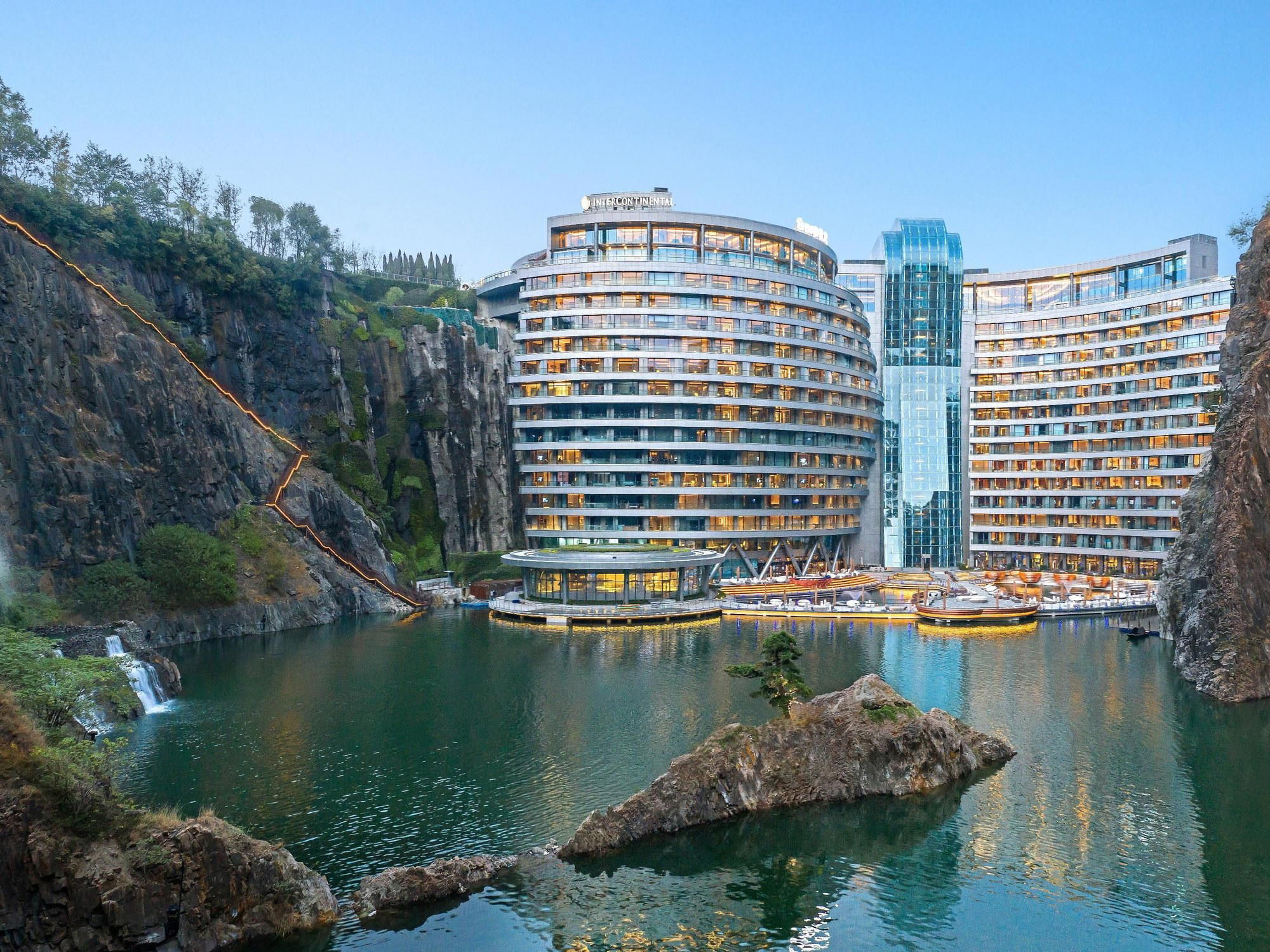
| InterContinental Shanghai Wonderland | Songjiang, quarry-built luxury resort | Not listed | 1 Michelin Key · World Travel Awards | Not listed |
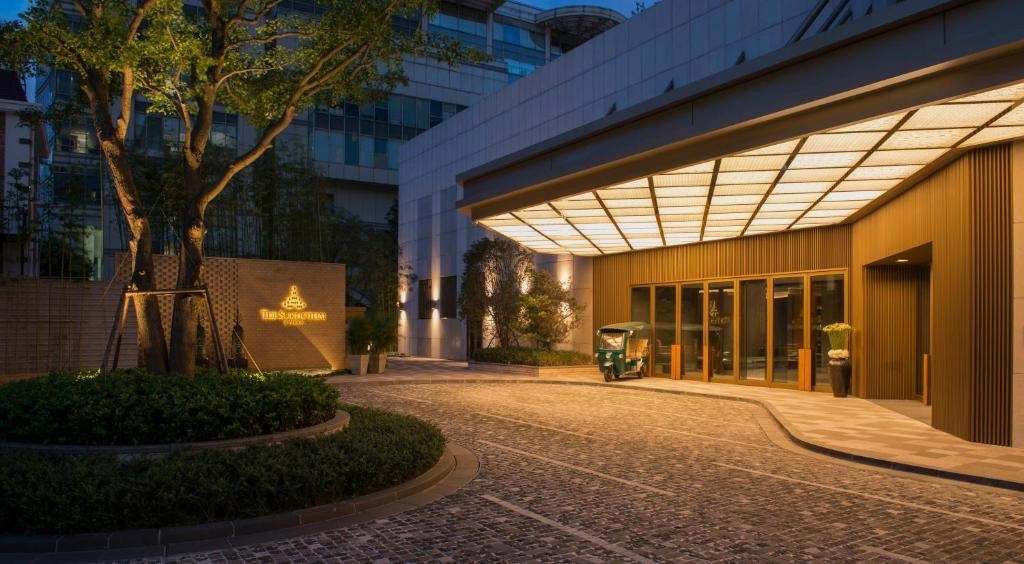
| The Sukhothai Shanghai | Not listed | Not listed | 1 Michelin Key · La Liste Top Hotels | Huangpu, Contemporary luxury with Thai influences in urban Shanghai |
Recognition history
Dated appearances from independent guides and award organizations, with the underlying list record or original source where available.
Michelin 2 Keys
Michelin
Forbes 4-Star
Forbes
Mr & Mrs Smith Seal of Approval
Mr & Mrs Smith
Virtuoso Luxury Hotel Partner
Virtuoso
Vogue 2026 Vogue Best Hotels in Shanghai
Vogue
Full recognition history (9 entries)
Forbes 4-Star
Forbes
Michelin 1 Key
Michelin
Tatler Listed in Best Hotels Asia-Pacific
Tatler
World Travel Awards
World Travel Awards
Continue exploring
More in Shanghai
Hotels in Shanghai
All hotels in Shanghai →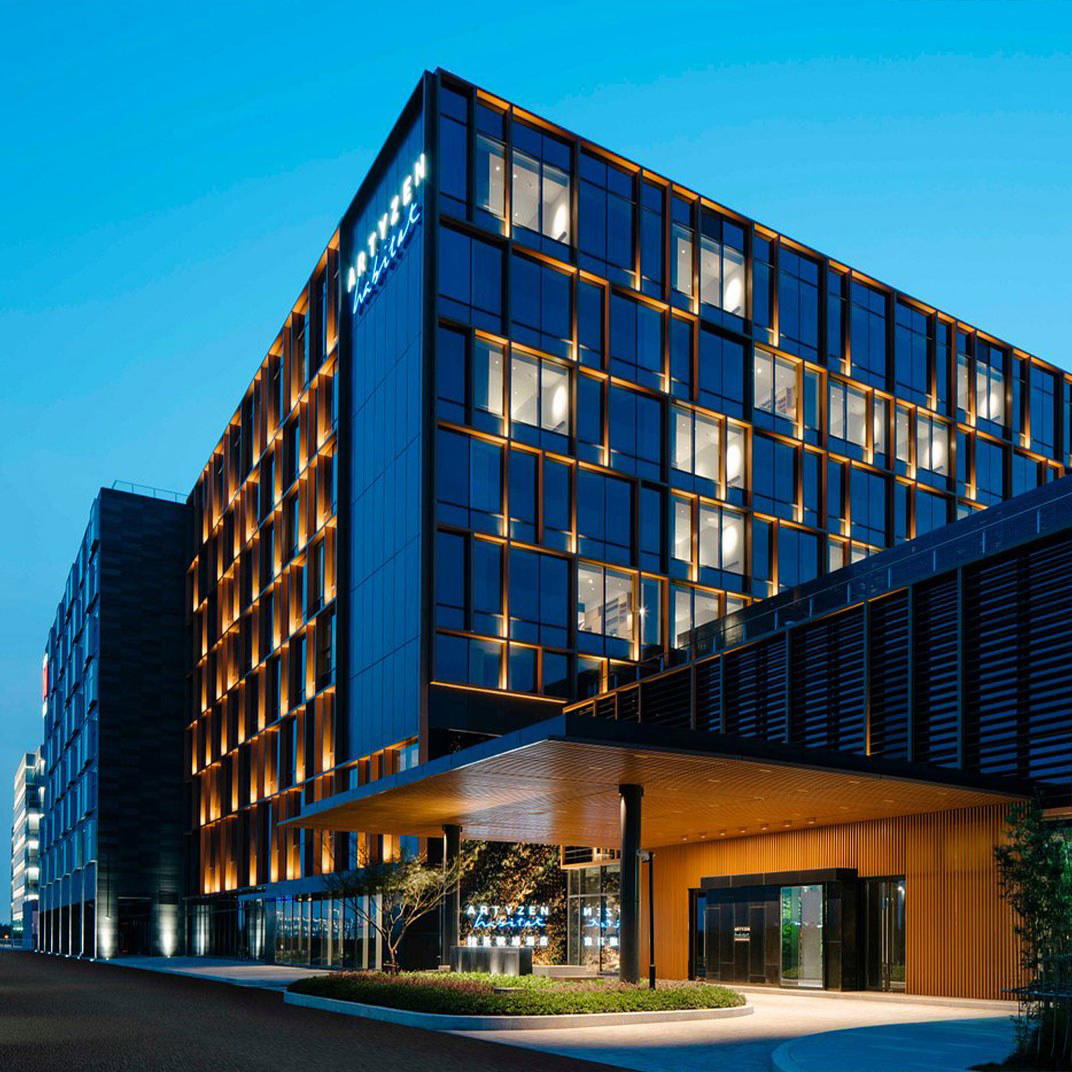
Details
- Quiet
- Elegant
- Sophisticated
- Ornate
- Scenic
- Honeymoon
- Romantic Getaway
- Family Vacation
- Wellness Retreat
- Anniversary
- Private Villa
- Butler Service
- Historic Building
- Garden
- Wi Fi
- Pool
- Spa
- Fitness Center
- Room Service
- Concierge
- Sauna
- Restaurant
- Garden
- Wheelchair Accessible
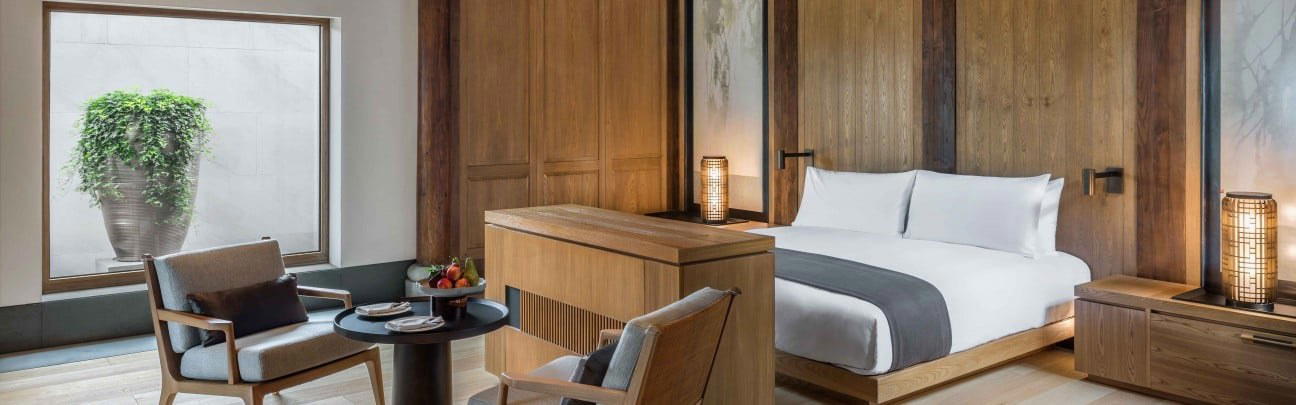
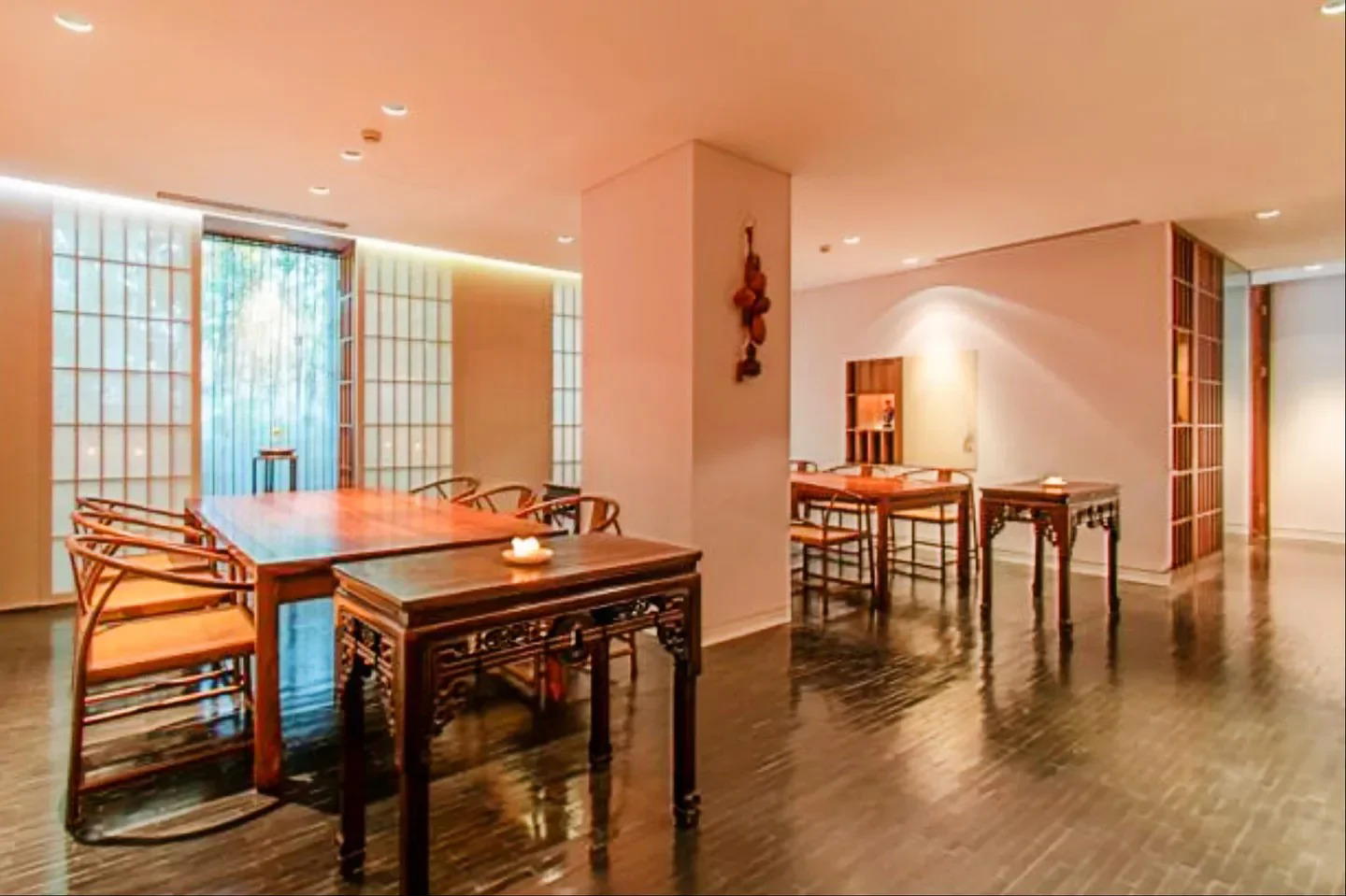
Light-filled interiors finished in wood, stone and bamboo with tranquil forest and courtyard views, creating serene and refined spaces.