Xiamen Yunding Resort occupies an refined position above one of Fujian's most scenically layered coastal cities, placing it in a tier of destination resort properties that trade on landscape integration as much as accommodation. The property sits within the broader Xiamen luxury market alongside flagships like the Waldorf Astoria and Conrad, but targets a different register: resort withdrawal over urban connectivity.

Pearl is the En Primeur Club membership app, where members save venues, book tables and use the concierge.
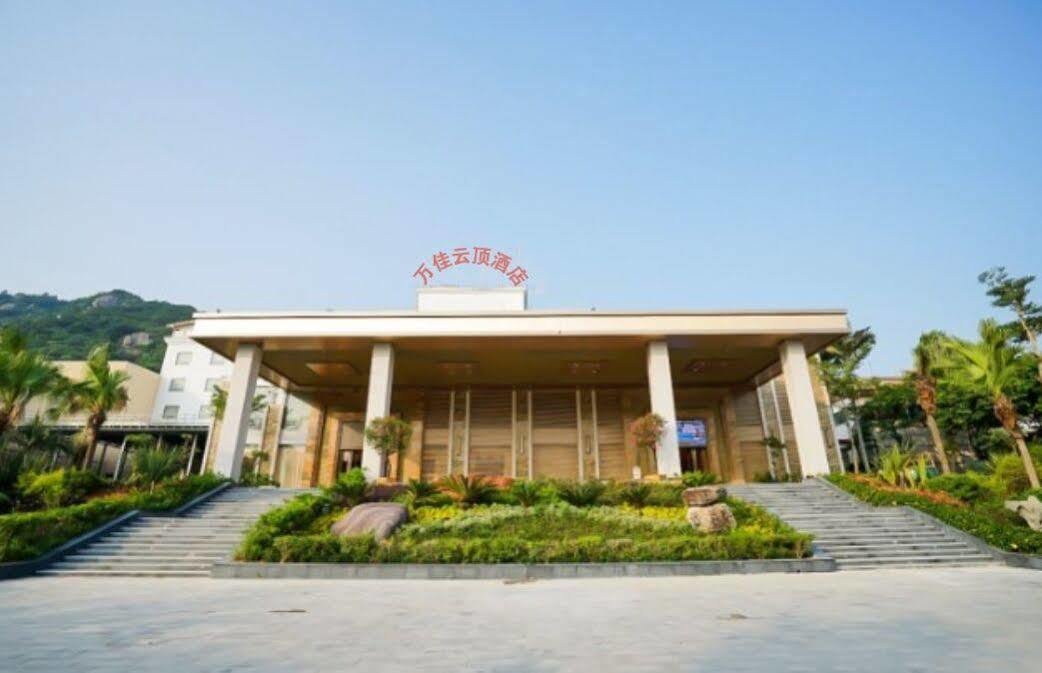
Where Fujian's Coastal Topography Becomes the Architecture
Resorts that occupy high-ground positions in Chinese coastal cities tend to resolve the design question in one of two ways: they either impose a conventional luxury aesthetic onto the terrain, or they let the terrain do the formal work. The more considered properties in this segment, from Amanfayun in Hangzhou to Amandayan in Lijiang, have consistently chosen the latter path, treating elevation and natural setting as primary design elements rather than backdrop. Xiamen Yunding Resort occupies a similar position in that conversation, situated above a city whose identity is shaped by the meeting of mountainous Fujian interior and South China Sea coastline.
Xiamen itself operates as an unusual case in China's urban hierarchy. It lacks the scale of Guangzhou or Shanghai but draws consistent attention from mainland Chinese travellers seeking a softer, more maritime version of southern city life. The city's position on a cluster of islands and peninsulas, separated from the Taiwanese strait by a narrow channel, gives it a geographic character that resort properties here can work with in ways that urban flagships in denser Chinese cities cannot. Yunding, which translates loosely as "cloud peak" or "summit of clouds," signals from its name alone that the property is playing the altitude card: positioning itself as a retreat from the city below rather than an extension of it.
Design Logic at Elevation
The architecture and spatial logic of mountain resort properties in China has shifted considerably over the past decade. Early luxury resort development in the country often defaulted to palatial horizontal sprawl, replicating the visual language of coastal Hainan properties regardless of site specifics. A younger generation of resort projects has moved toward verticality, terracing, and material choices that acknowledge the specific geology and climate of their location. In Fujian, that means working with the province's characteristic granite formations, subtropical vegetation, and the humidity gradient that changes with altitude.
Properties that have handled this well elsewhere in China, including Banyan Tree Ringha in and Mohe Youran Mountain Residence in Da Hinggan Ling, demonstrate that the most successful refined resort designs read differently from below and from within: they appear integrated from the approach, and expansive from inside the rooms. The spatial payoff for guests is a view experience that changes with time of day and weather, making the window or terrace the most dynamic element in any given room. Yunding's name implies that the property is pursuing this same experiential logic.
Within Xiamen's competitive hotel set, the resort occupies a distinct position. The city's major urban luxury properties, including the Waldorf Astoria Xiamen and Conrad Xiamen, are positioned to serve business travellers and visitors whose itinerary centres on the city's historic districts, Gulangyu Island ferry access, and commercial hubs. A resort property at altitude serves a different trip type entirely: guests who want Xiamen as an address but whose primary activity is the property itself, using the city as a day excursion option rather than as a base for constant movement. This is the same logic that drives demand for properties like 1 Hotel Haitang Bay in Sanya, where the beach and resort facilities are the destination, and the surrounding city plays a supporting role.
The Resort Category in Context
China's resort sector has matured rapidly since the early 2010s. The early phase was dominated by Hainan island development and a small number of mountain properties in Yunnan and Sichuan. The middle phase saw significant investment in properties adjacent to scenic area designations, often with government land-use structures that gave developers access to extraordinary natural settings in exchange for hospitality infrastructure. The current phase involves more sophisticated operators working with specific site conditions, and a guest population that has travelled internationally and holds clearer expectations about what resort-format hospitality should deliver.
Fujian entered this conversation later than Hainan or Yunnan, partly because its topography is more complex to develop and partly because the province had a stronger identity as a culinary and cultural heritage destination than a leisure resort one. Min cuisine, one of China's eight classical culinary traditions, anchors the food culture of the region, and any credible resort in Fujian is expected to engage with that tradition rather than default to generic luxury hotel dining. How a property handles this question, whether through dedicated restaurant formats, local sourcing frameworks, or collaborations with regional producers, says a great deal about its seriousness as a hospitality proposition.
Comparable resort properties that have addressed the cuisine-integration question with some depth include Banyan Tree Chongqing Beibei, which works within Sichuan culinary territory, and Vanke Lake Songhua Yunlu Hotel in Jilin, which operates in a very different gastronomic register but similarly treats regional food culture as part of the property's identity rather than an afterthought.
Planning a Stay
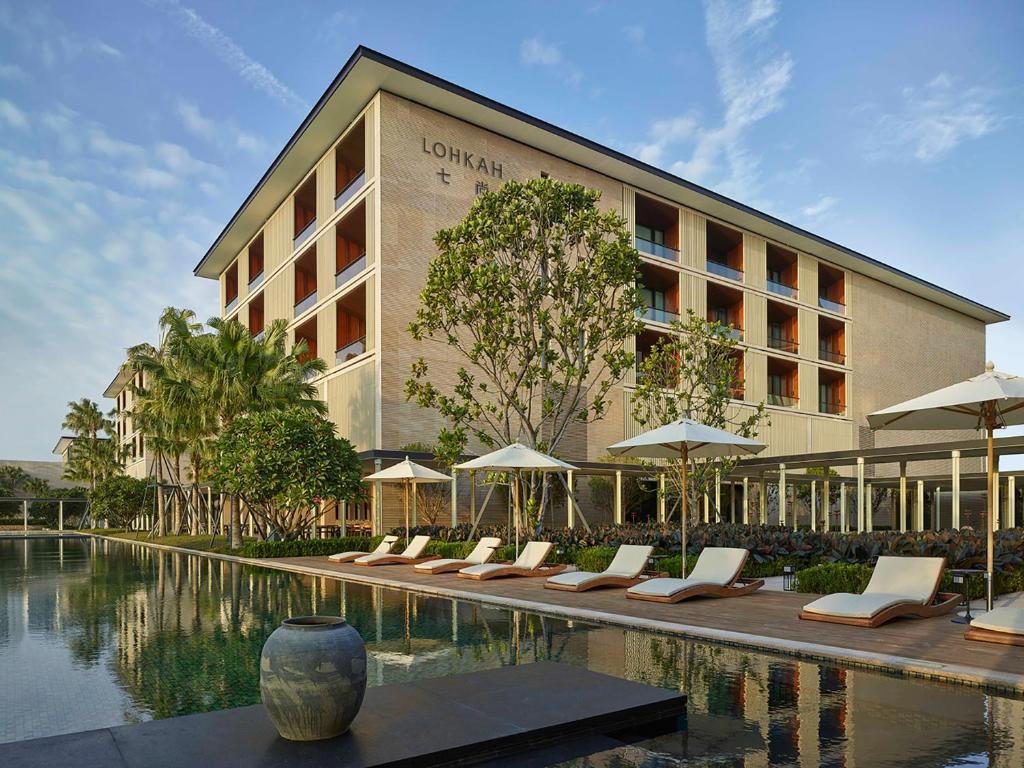
Xiamen's climate runs subtropical, with the most comfortable visiting windows falling between October and April, when humidity drops and the sea-facing hills are clear enough to make refined positions genuinely rewarding. Summer months bring heat and periodic typhoon activity that can affect coastal Fujian, making the resort experience more variable. For guests travelling from other Chinese cities, Xiamen Gaoqi International Airport connects to all major domestic hubs, and the city's compact geography means transfer times to hill-area properties are generally manageable. For broader context on where Yunding sits within Xiamen's accommodation and dining options, our full Xiamen restaurants guide maps the city's key properties and food destinations. The Lohkah Hotel and Spa and HUANG YAN 36 Hotel represent alternative registers within the same market, for travellers weighing different trip formats before committing. International comparison points for the refined resort concept include Aman Venice and Aman New York, both of which demonstrate how a property can position itself as withdrawal from an urban context while remaining tethered to a specific city's identity.
| Venue | Cuisine | Price | Awards |
|---|---|---|---|
| Xiamen Yunding ResortThis venue (the venue you are viewing) | This venue | Not listed | Not listed |
| Conrad Xiamen | Not listed | $100–200 | Forbes 4-Star |
| Waldorf Astoria Xiamen | Not listed | Not listed | Forbes Recommended |
| HUANG YAN 36 Hotel | Not listed | $500–750 | Small Luxury Hotels of the World Member |
| Lohkah Hotel & Spa | Not listed | $200–300 | Virtuoso Luxury Hotel Partner · Leading Hotels of World Member |
Continue exploring
More in Xiamen
Details
- Scenic
- Elegant
- Sophisticated
- Family Vacation
- Wellness Retreat
- Business Trip
- Waterfront
- Panoramic View
- Garden
- Private Villa
- Infinity Pool
- Pool
- Spa
- Fitness Center
- Tennis Court
- Restaurant
- Room Service
- Business Center
- Kids Club
- Waterfront
- Mountain
- Garden
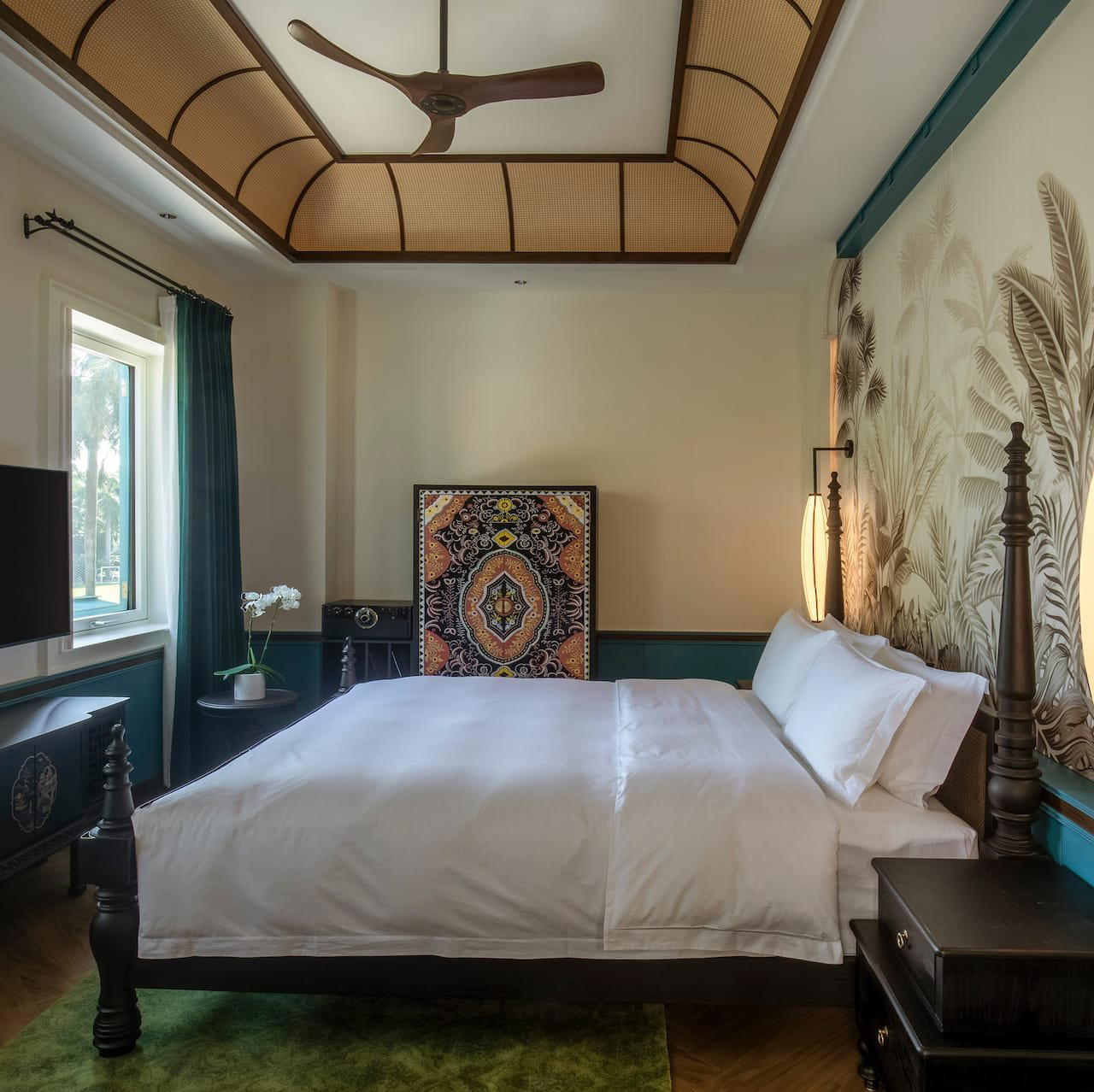
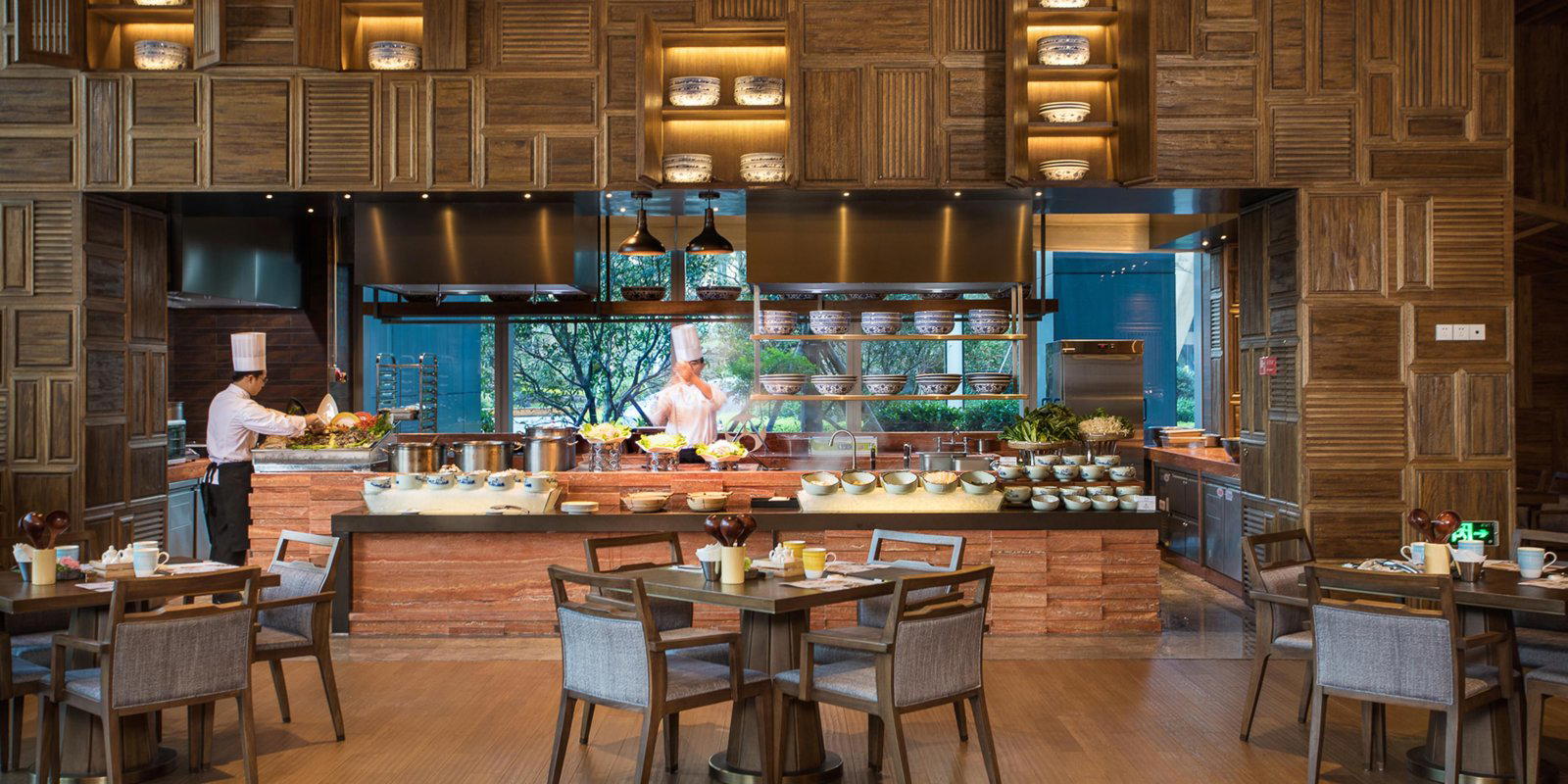
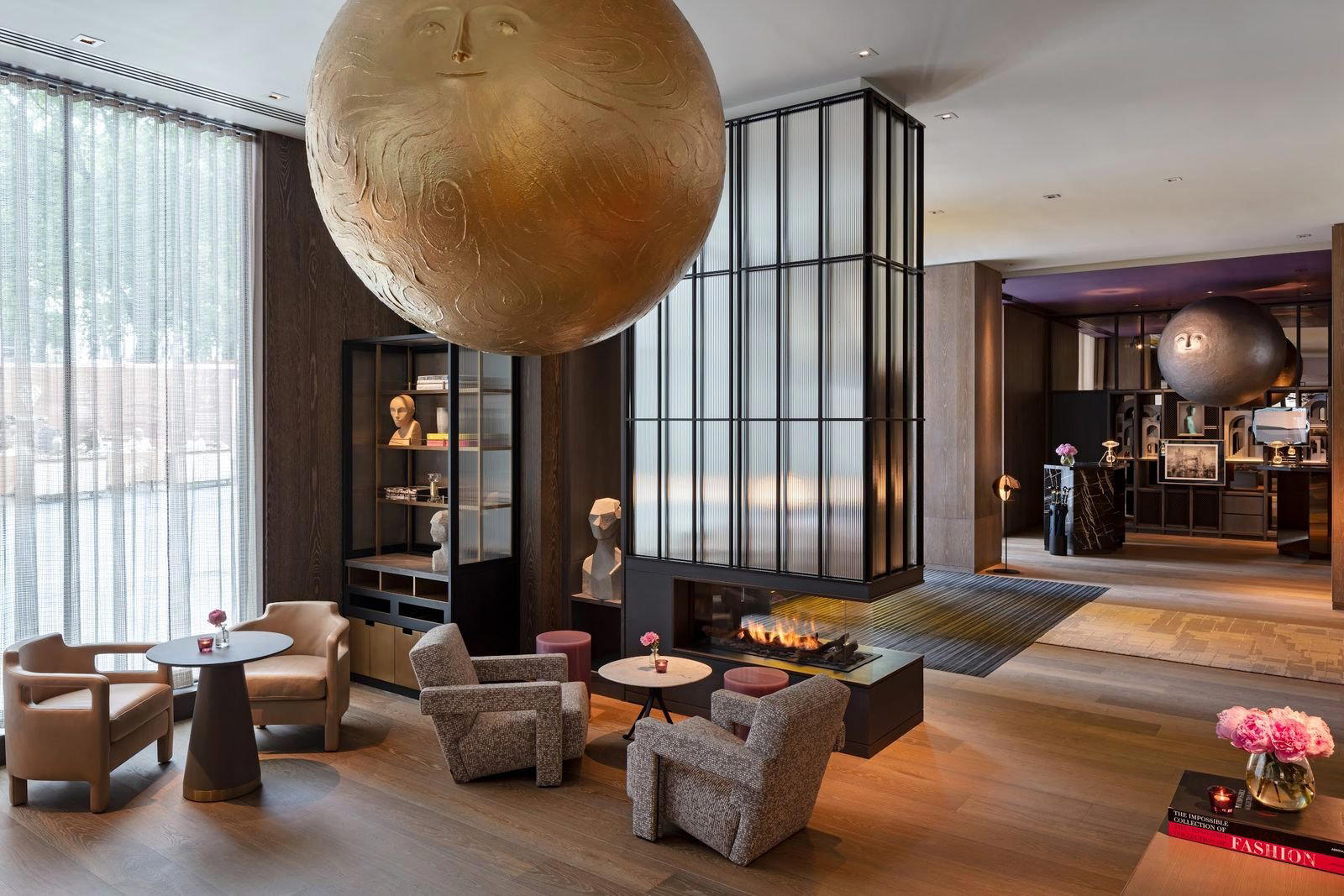
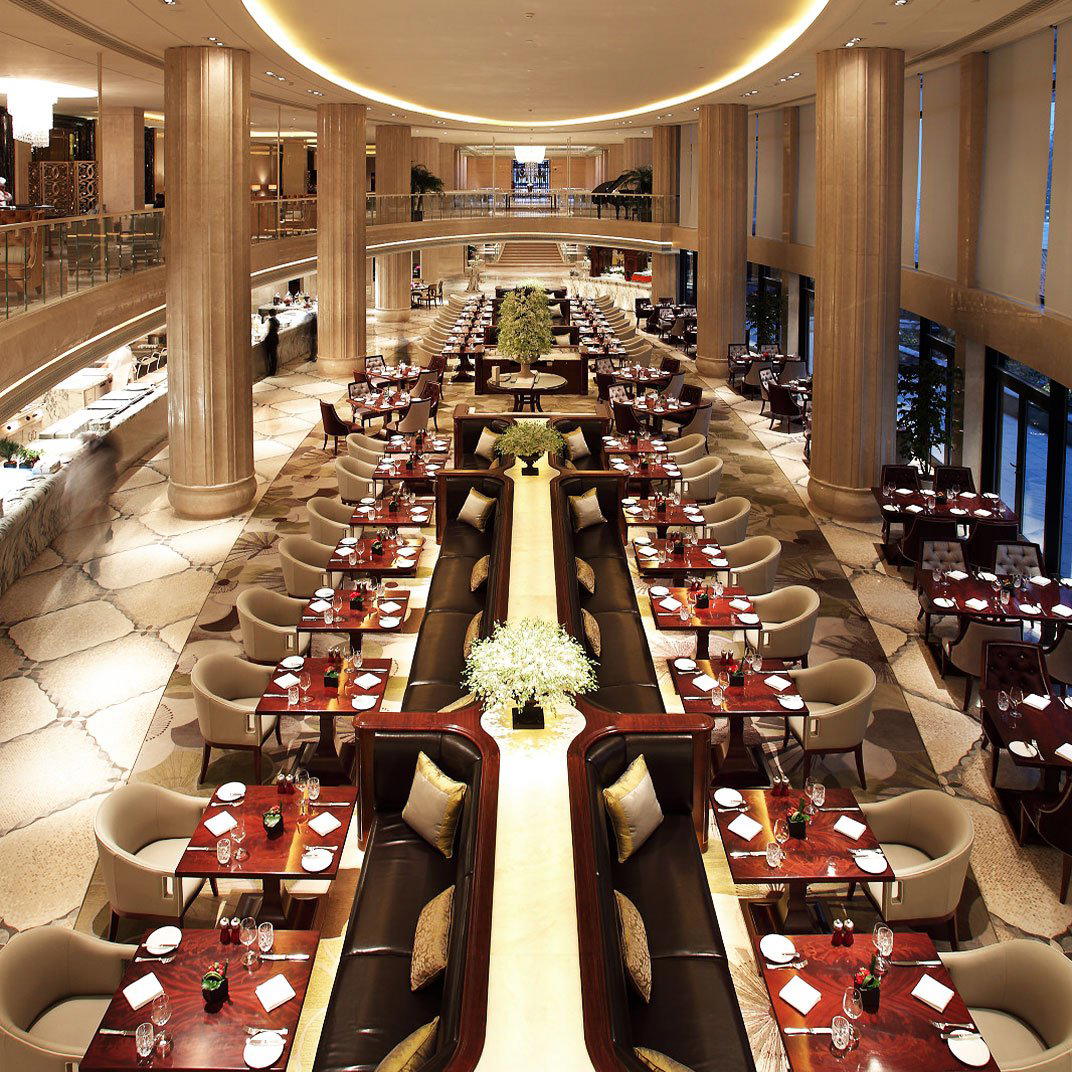
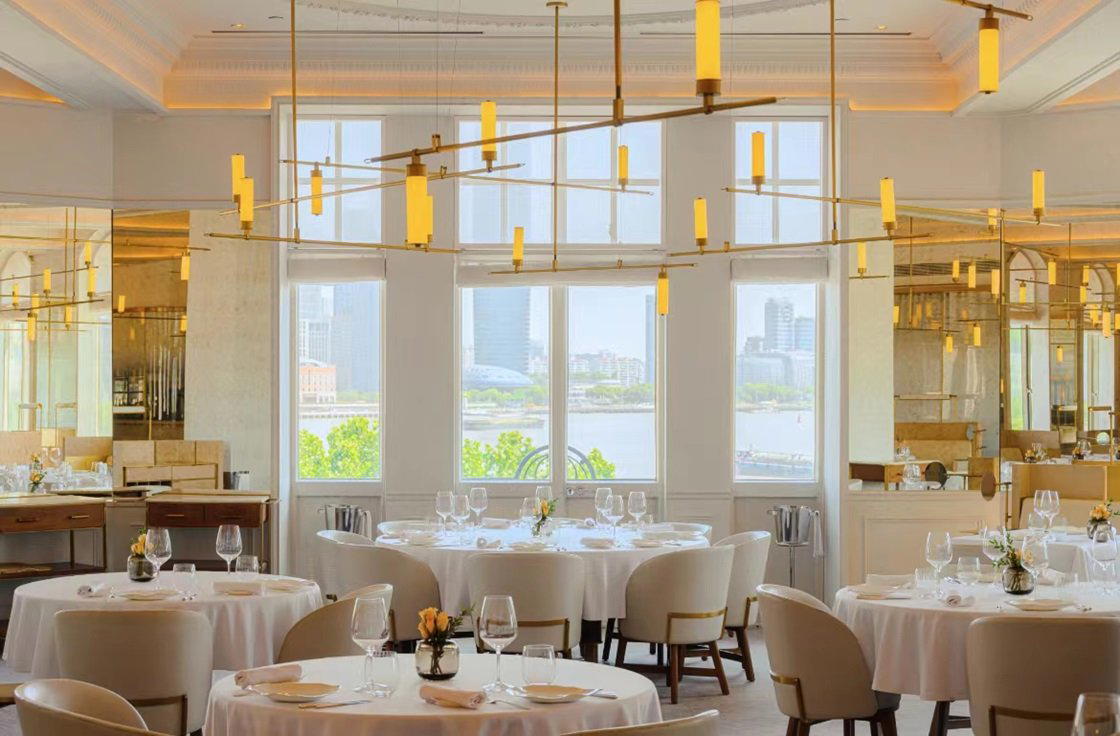
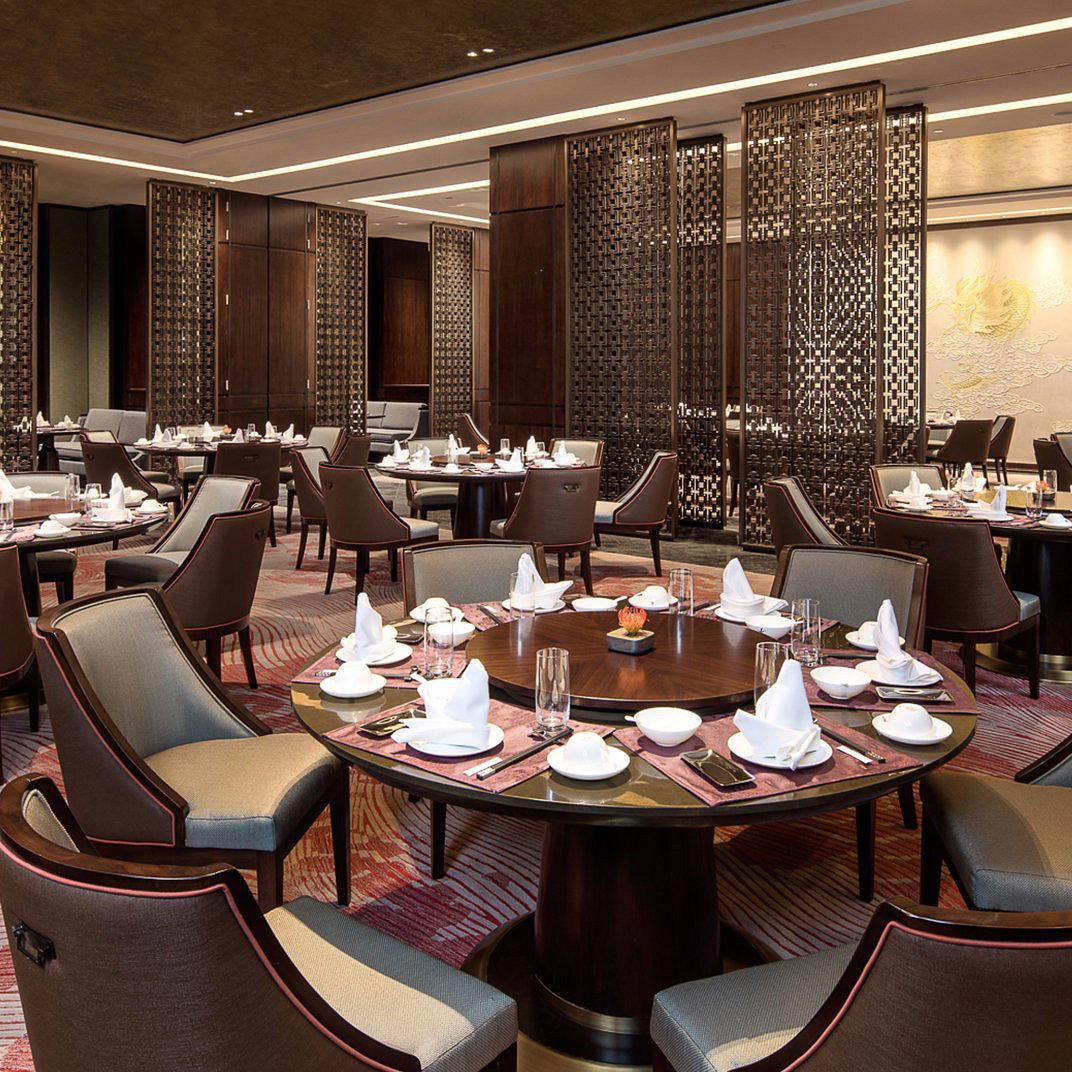
Sophisticated and relaxed atmosphere with open terraces overlooking gardens and water features, designed for both leisure and business travelers.