

Michelin Selected · Preferred Hotels Member
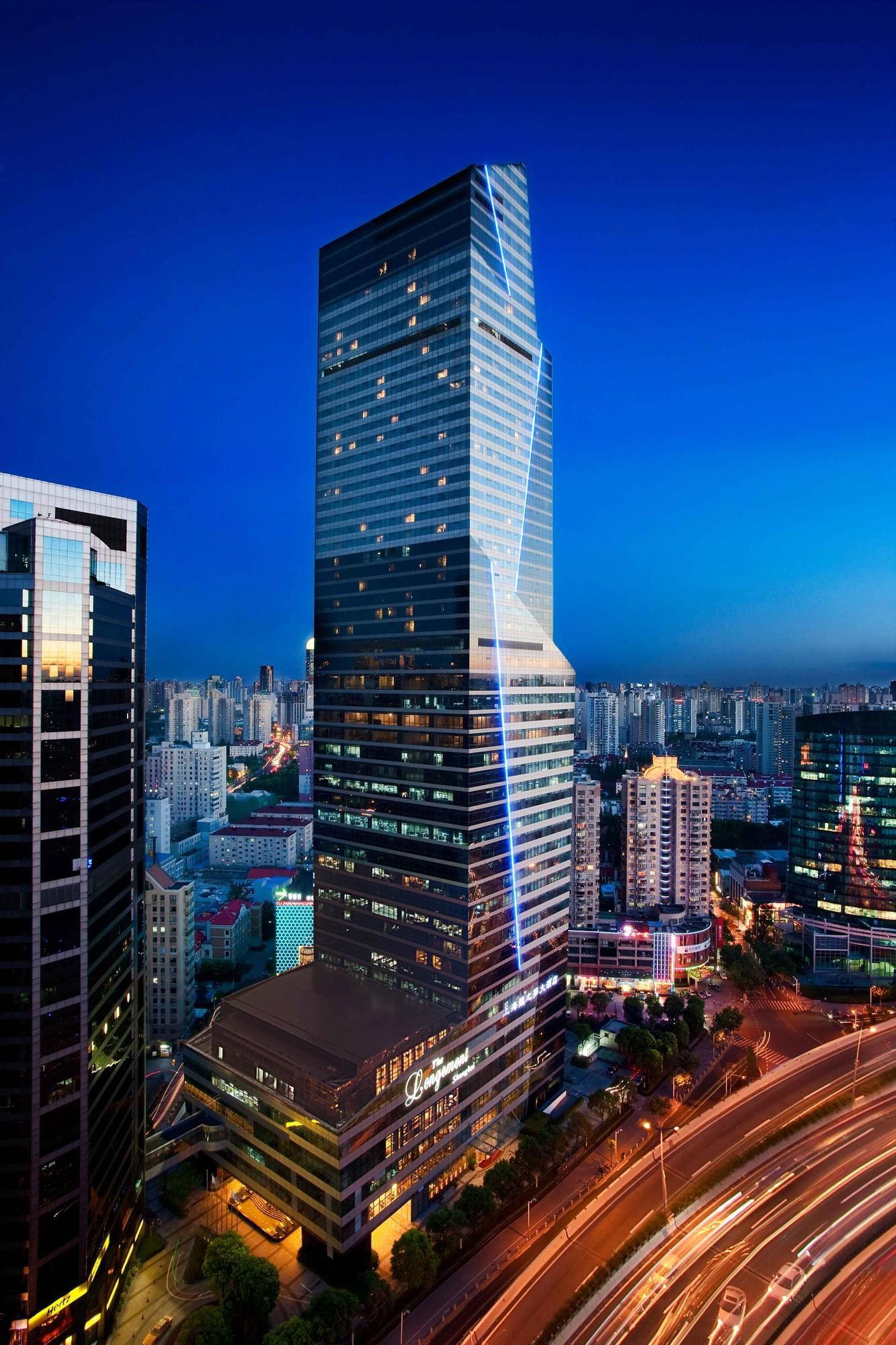
Artyzen NEW BUND 31 Shanghai occupies Pudong's emerging New Bund district with 202 rooms positioned in the design-conscious tier of Shanghai's international hotel market. The property sits apart from the Bund's colonial-era addresses, offering a contemporary alternative for travellers who prefer the east-bank's newer urban fabric.

Pearl is the En Primeur Club membership app, where members save venues, book tables and use the concierge.
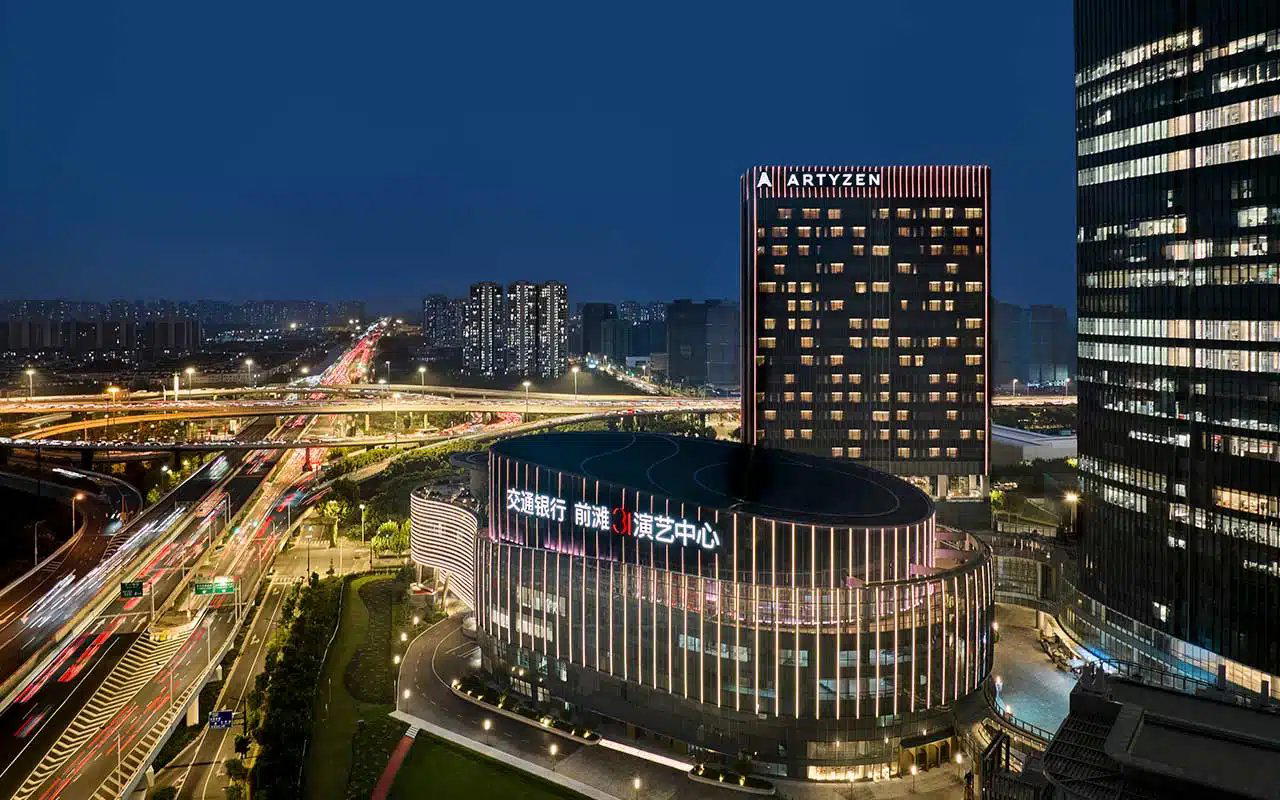
The New Bund Context: Shanghai's Eastern Expansion
Shanghai's luxury hotel geography has always been shaped by the tension between two banks of the Huangpu. The western bank, anchored by the Bund's century-old facades, long defined prestige accommodation in the city. Properties like the Fairmont Peace Hotel and Capella Shanghai, Jian Ye Li derive much of their positioning from proximity to that historical register. Pudong's New Bund district, by contrast, represents a different logic: purpose-built, internationally oriented, and oriented around contemporary commercial infrastructure rather than inherited architectural prestige.
The New Bund district, clustered along the Hai Yang Xi Lu corridor in Pudong Xin Qu, has developed steadily as a hotel and business destination for travellers who prioritise east-bank convenience, access to Pudong International Airport, proximity to the Lujiazui financial towers, and the quieter residential-commercial fabric that distinguishes this stretch from the denser tourist circuits further north. Artyzen NEW BUND 31 Shanghai addresses that traveller profile directly: a 202-room property at No. 20, 666 Hai Yang Xi Lu, designed for guests who want considered accommodation without the premium that the Bund address itself commands.
Where Artyzen Sits in Shanghai's Hotel Tier
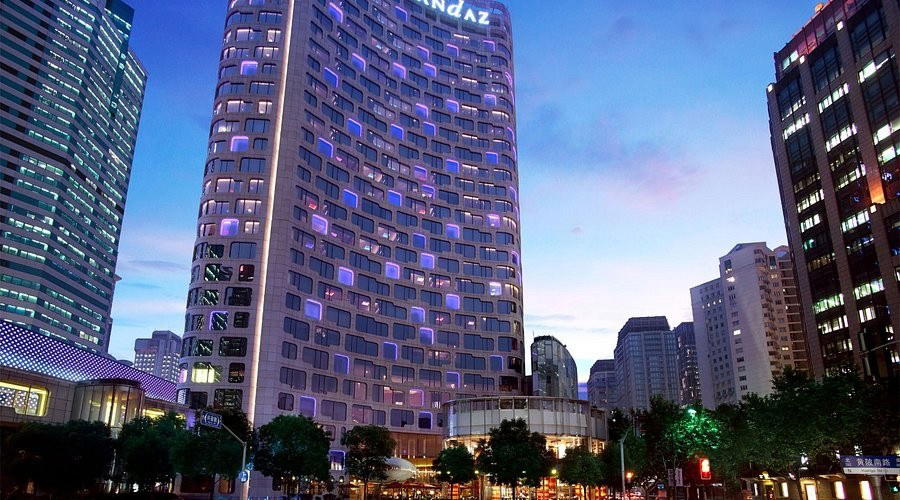
Shanghai's mid-to-upper hotel market has fragmented considerably over the past decade. The city now supports multiple distinct cohorts: international flagships with strong loyalty programmes, boutique design addresses trading on neighbourhood cachet, and a growing set of regionally rooted brands positioning against both. The Artyzen Hotels brand places itself in the third cohort, with an identity built around Asian cultural grounding and design attentiveness rather than global scale. That positioning differentiates it from the broader international flag approach taken by properties such as Andaz Xintiandi, Shanghai, which leans into Hyatt's lifestyle sub-brand architecture, or the trophy-property logic of Bvlgari Hotel Shanghai.
Within the New Bund specifically, the 202-room count places this property in a mid-scale bracket for Shanghai luxury. It is large enough to support full hotel services and conference infrastructure, but compact enough relative to the mega-hotels that Pudong has historically attracted. For context, Pudong has long been associated with convention-scale addresses and international transit hotels; a property of this size suggests a deliberate orientation toward individual and small-group travellers, not just corporate volume.
Travellers comparing options in Pudong should note that the New Bund corridor sits at a different price-and-scene point than the riverfront towers of Lujiazui. For those whose agenda centres on the French Concession, Jing'an, or the western Bund, properties like Alila Shanghai, Amanyangyun, or Bellagio Shanghai may warrant comparison first, given their west-bank or city-centre placement. For those prioritising Pudong access or airport logistics, the New Bund address makes practical sense.
Shanghai's Cultural Layering and What It Demands of Hotels
Shanghai operates as one of Asia's most culturally layered cities for the hospitality sector. The city's dining and cultural identity spans pre-war shikumen architecture, post-reform Pudong modernism, and a contemporary creative scene concentrated in districts like Jing'an and the former French Concession. Hotels that engage substantively with that layering, rather than defaulting to generic luxury codes, tend to perform better with the travellers most attentive to sense of place.
Artyzen as a brand has consistently signalled cultural rootedness as a differentiator. That signal matters in Shanghai, where the guest market has grown substantially more sophisticated since 2010. International visitors now arrive having researched neighbourhood character, restaurant access, and design provenance with a depth that earlier hotel markets did not demand. The New Bund's relative newness as a district means that a hotel there is less able to rely on inherited neighbourhood prestige and more dependent on the quality of its own programming and physical execution to establish a sense of place.
Across China more broadly, properties that have navigated this challenge well include Aman's culturally embedded addresses: Amanfayun in Hangzhou and Amandayan in Lijiang both derive their authority from direct engagement with local architectural and landscape heritage. The test for a New Bund property is different: the district does not offer that kind of heritage depth, so the hotel's internal design language and programming carry the full weight of cultural positioning. See our full Shanghai restaurants and hotels guide for broader context on how properties across the city approach this question.
Planning Your Stay
Artyzen NEW BUND 31 Shanghai sits at No. 20, 666 Hai Yang Xi Lu in Pudong Xin Qu, with the property's 202 rooms distributed across its residential tower format. Pudong International Airport is the closer of Shanghai's two airports, which makes the New Bund a logical first-night or last-night address for travellers on international connections, as well as a base for guests whose itinerary is weighted toward Pudong's financial and convention facilities. The Huangpu waterfront and the metro network both connect the district to Puxi within 20 to 30 minutes depending on the route and time of day.
For travellers whose Shanghai programme is heavily oriented around the western Bund, Xintiandi, or the French Concession, the cross-river commute should factor into the accommodation decision. The Bund-adjacent alternatives, including the architecturally distinctive Cachet Boutique Shanghai, place guests immediately within those circuits without a river crossing. Those with broader China itineraries including Beijing, Shenzhen, or Hangzhou may find useful reference in properties like Mandarin Oriental Qianmen in Beijing, Andaz Shenzhen Bay, or Amanfayun in Hangzhou when calibrating the overall trip.
Beyond China, Artyzen's positioning as an Asia-oriented brand with design intent places it in a conversation alongside regional independents. Travellers extending to Southeast Asia or comparing against design-led alternatives internationally may find useful benchmarks in Altira Macau for the Macau market or, for a very different scale and price point, global reference addresses like Aman New York or Aman Venice.
The Quick Read
Comparable venues nearby, for context on price, style, and recognition.
| Venue | Cuisine | Price | Awards | Notes |
|---|---|---|---|---|
| Artyzen NEW BUND 31 ShanghaiThis venue (the venue you are viewing) | Not listed | $200–300 | Michelin Selected · Preferred Hotels Member | Not listed |
| 上海万达瑞华酒店 | Not listed | $300–500 | Michelin Selected · La Liste Top Hotels | Lu Jia Du, Landmark 6-star luxury hotel positioned as a cultural gateway blending Shanghai's historic Bund with contemporary design excellence, designed by Foster + Partners. |
| JW Marriott Marquis Hotel Shanghai Pudong | Not listed | Not listed | Star Wine List · Forbes Recommended | Lao Bai Du, Luxury urban landmark hotel with dramatic central atrium and extensive meeting facilities |
| Bellagio Shanghai | Hongkou, Art Deco luxury on the Bund | Not listed | Forbes 4-Star | Not listed |
| The Portman Ritz-Carlton, Shanghai | Not listed | Not listed | La Liste Top Hotels · Virtuoso Luxury Hotel Partner | Jing'an, Luxury landmark hotel blending contemporary design with local cultural touches |
| 上海新天地朗廷酒店 | Not listed | Not listed | Michelin Selected · La Liste Top Hotels | Lao Ximen, Modern luxury flagship blending historic charm with contemporary facilities |
Recognition history
Dated appearances from independent guides and award organizations, with the underlying list record or original source where available.
Michelin Selected
Michelin
Preferred Hotels Member
Preferred Hotels
Continue exploring
More in Shanghai
Hotels in Shanghai
All hotels in Shanghai →
Details
- Modern
- Elegant
- Sophisticated
- Trendy
- Business Trip
- Romantic Getaway
- Celebration
- Garden
- Terrace
- Panoramic View
- Design Destination
- Wi Fi
- Fitness Center
- Restaurant
- Bar
- Room Service
- Concierge
- Business Center
- Parking
- Airport Transfer
- Garden
- Skyline
- Garden
- Wheelchair Accessible
- Elevator
- Accessible Restroom
- Step Free Entrance
- Accessible Parking
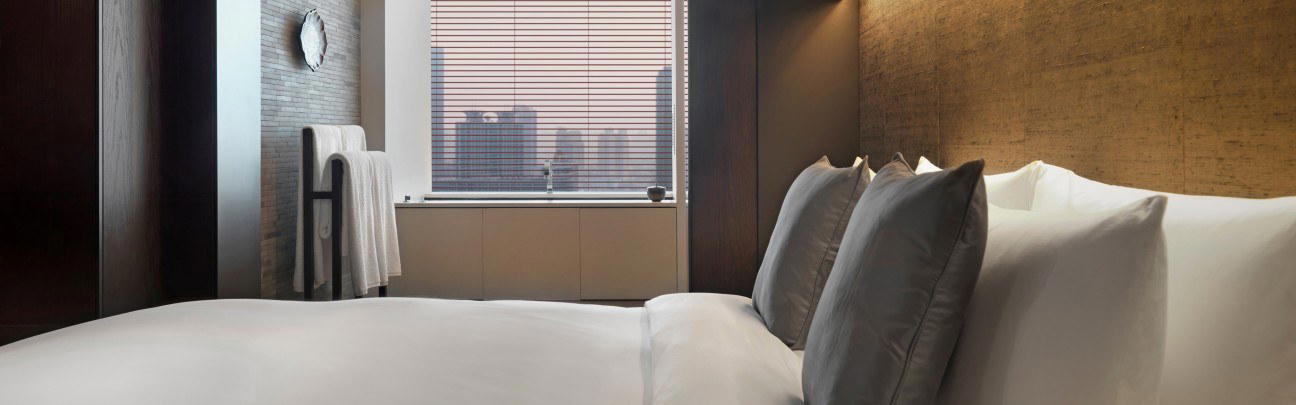
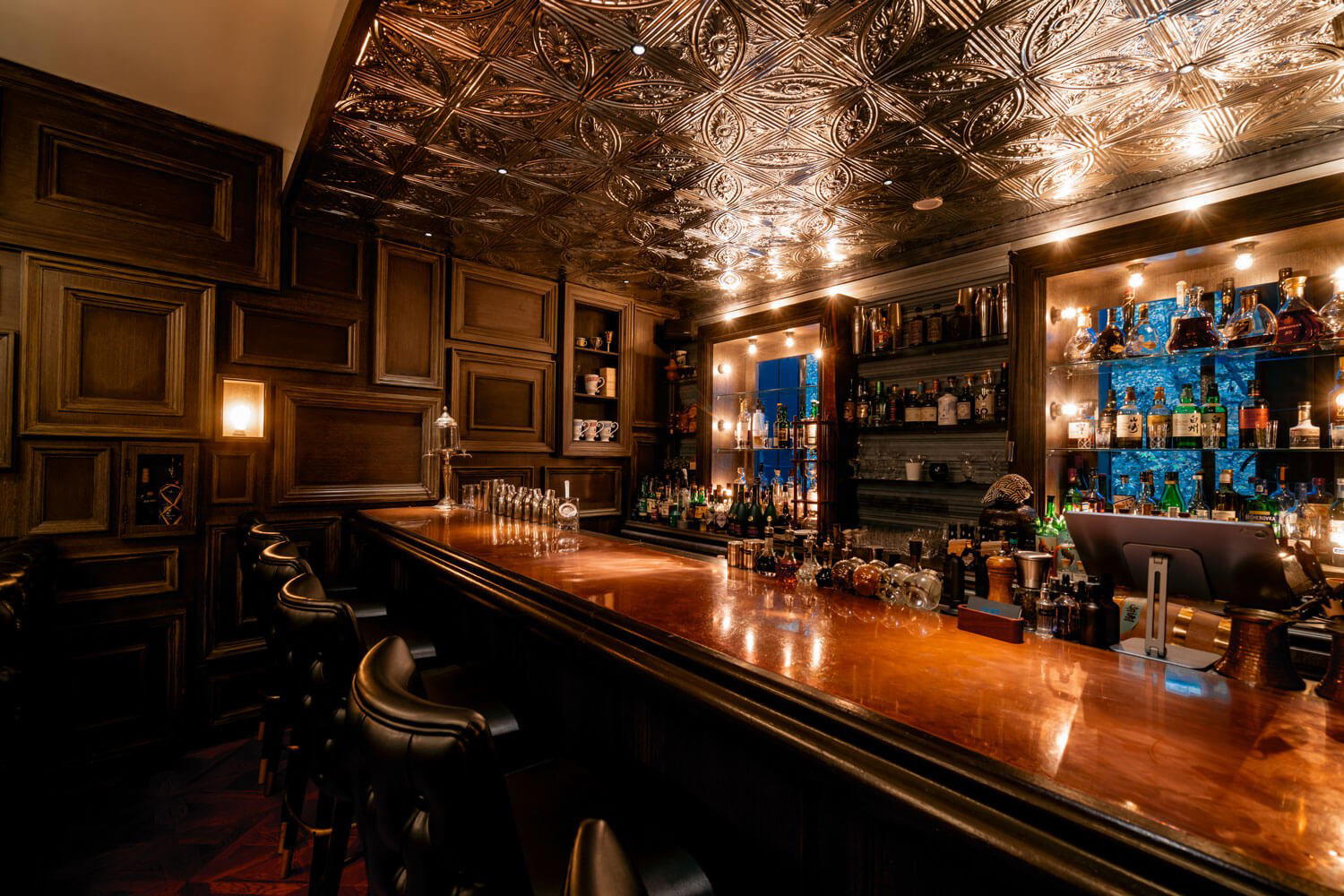
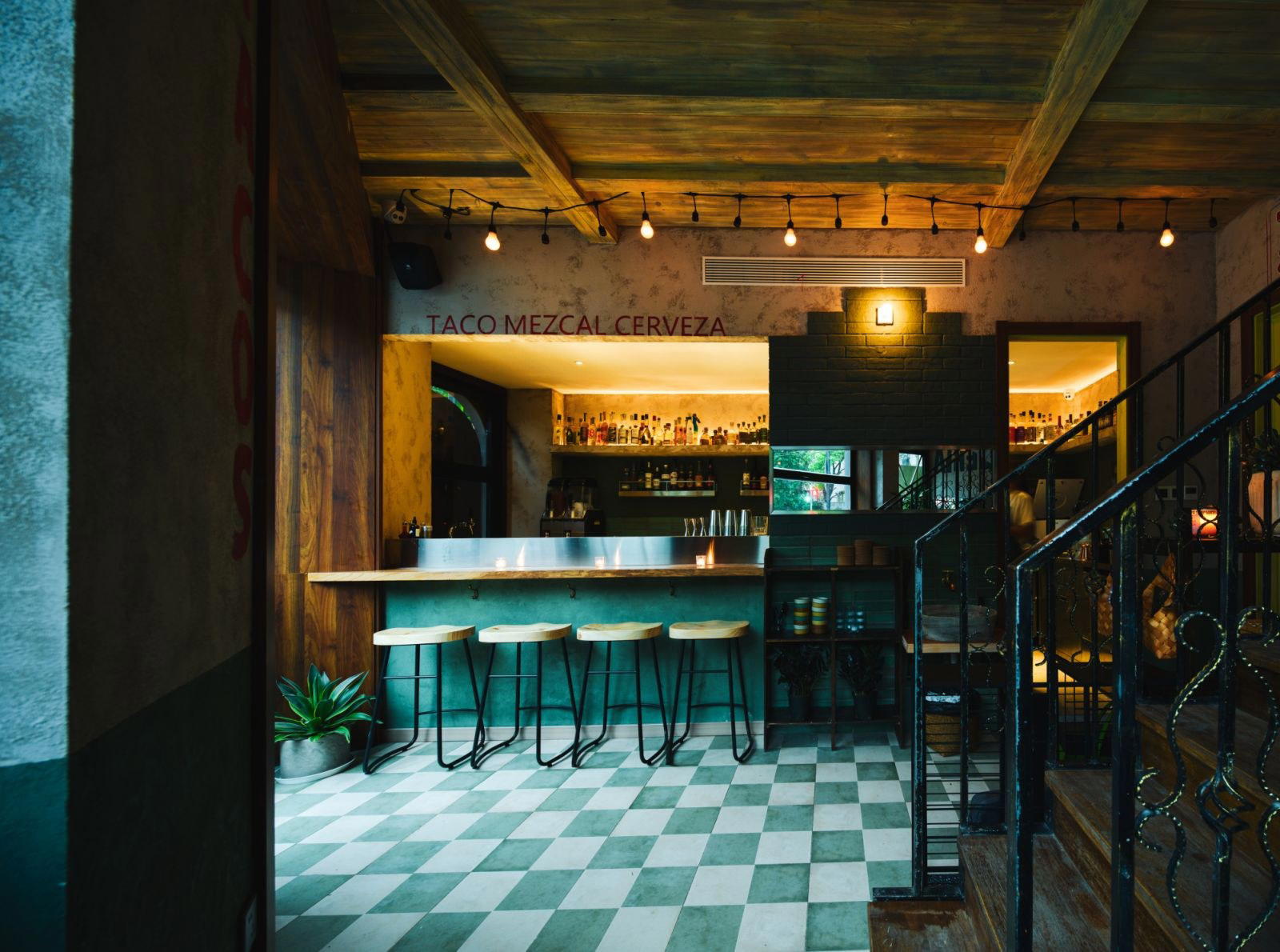
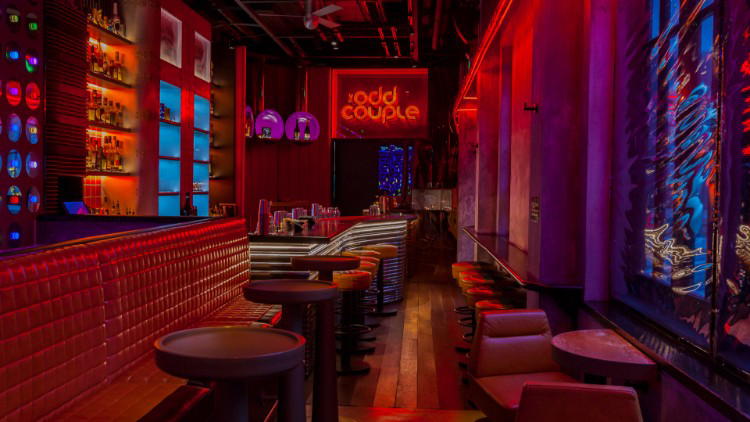
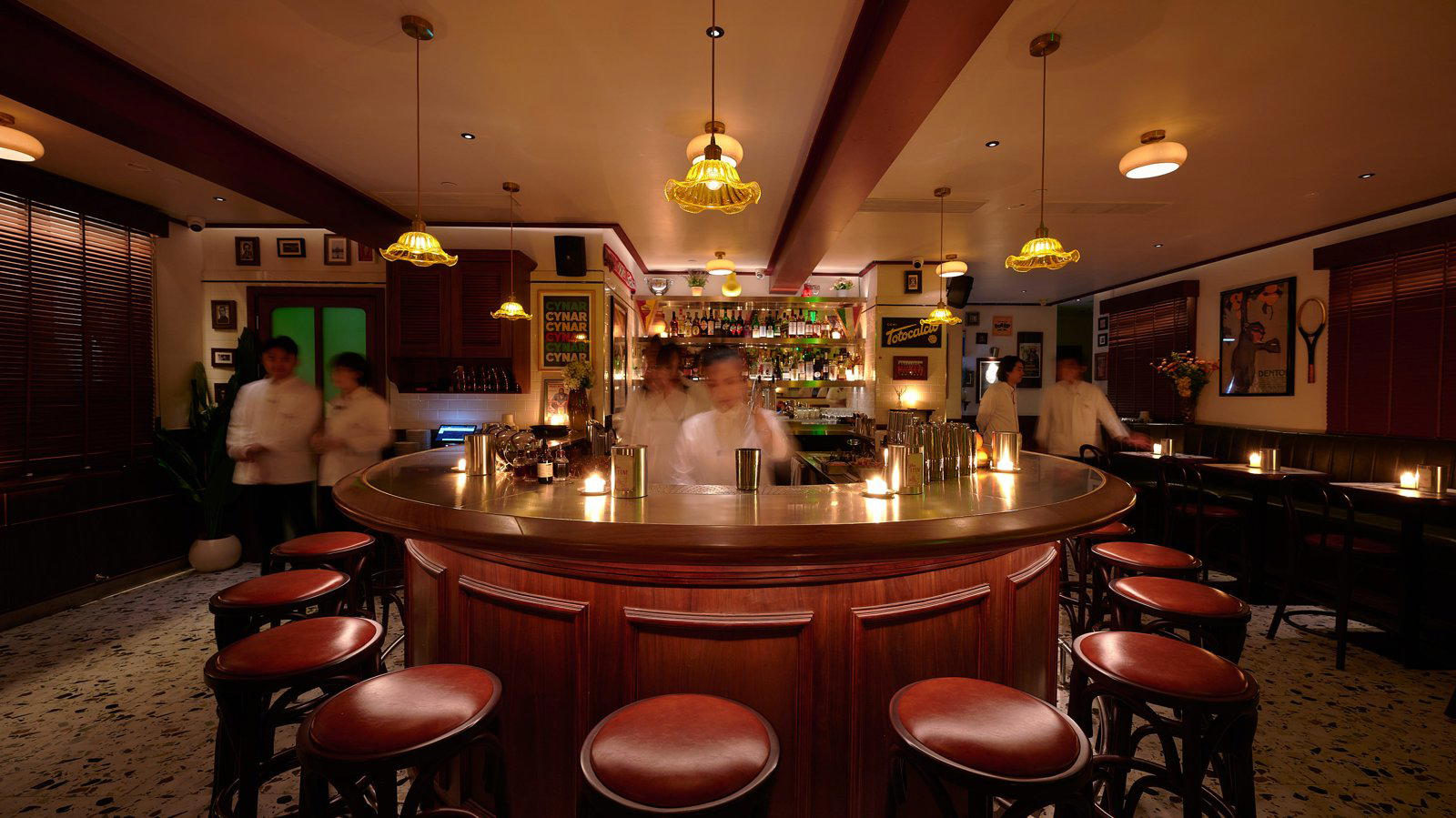
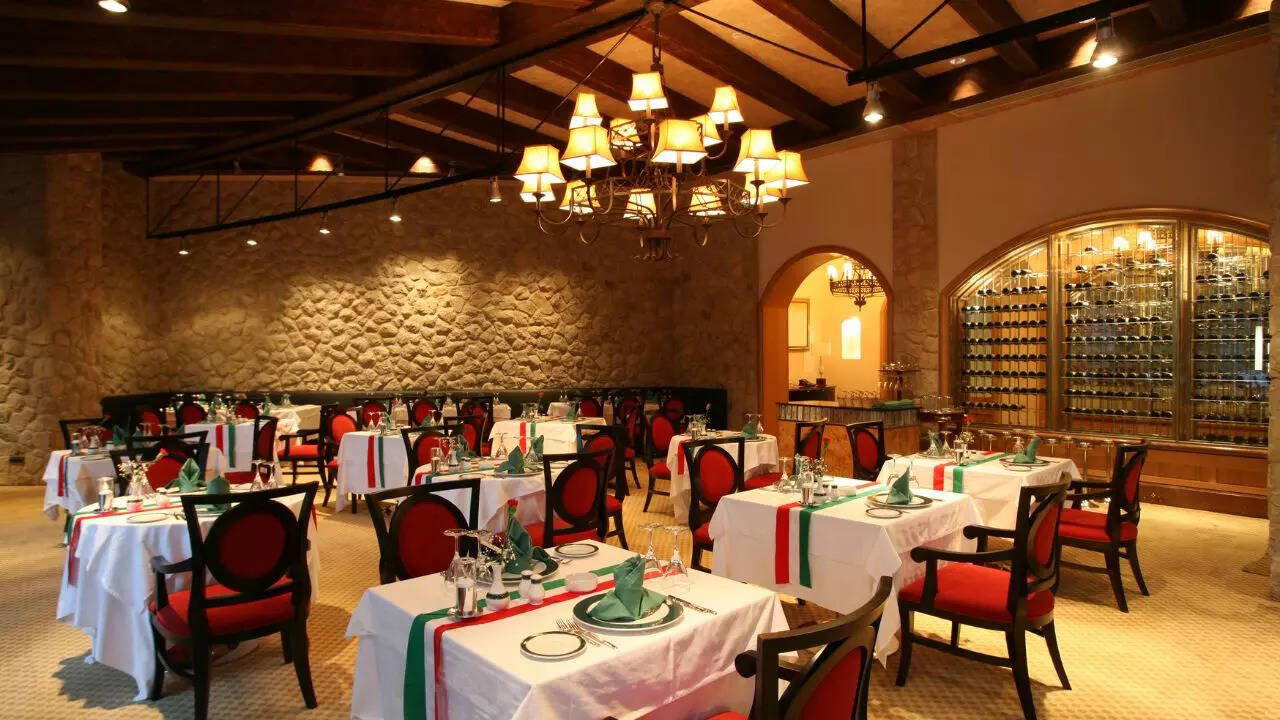
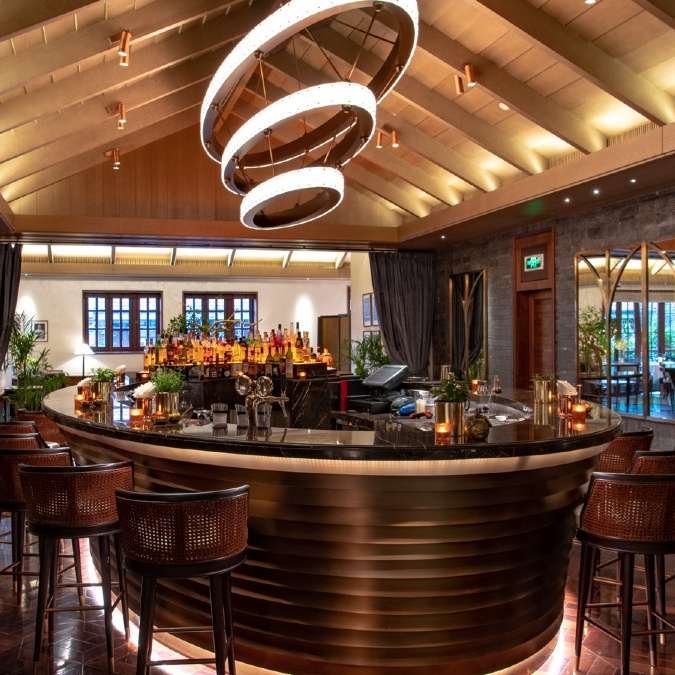
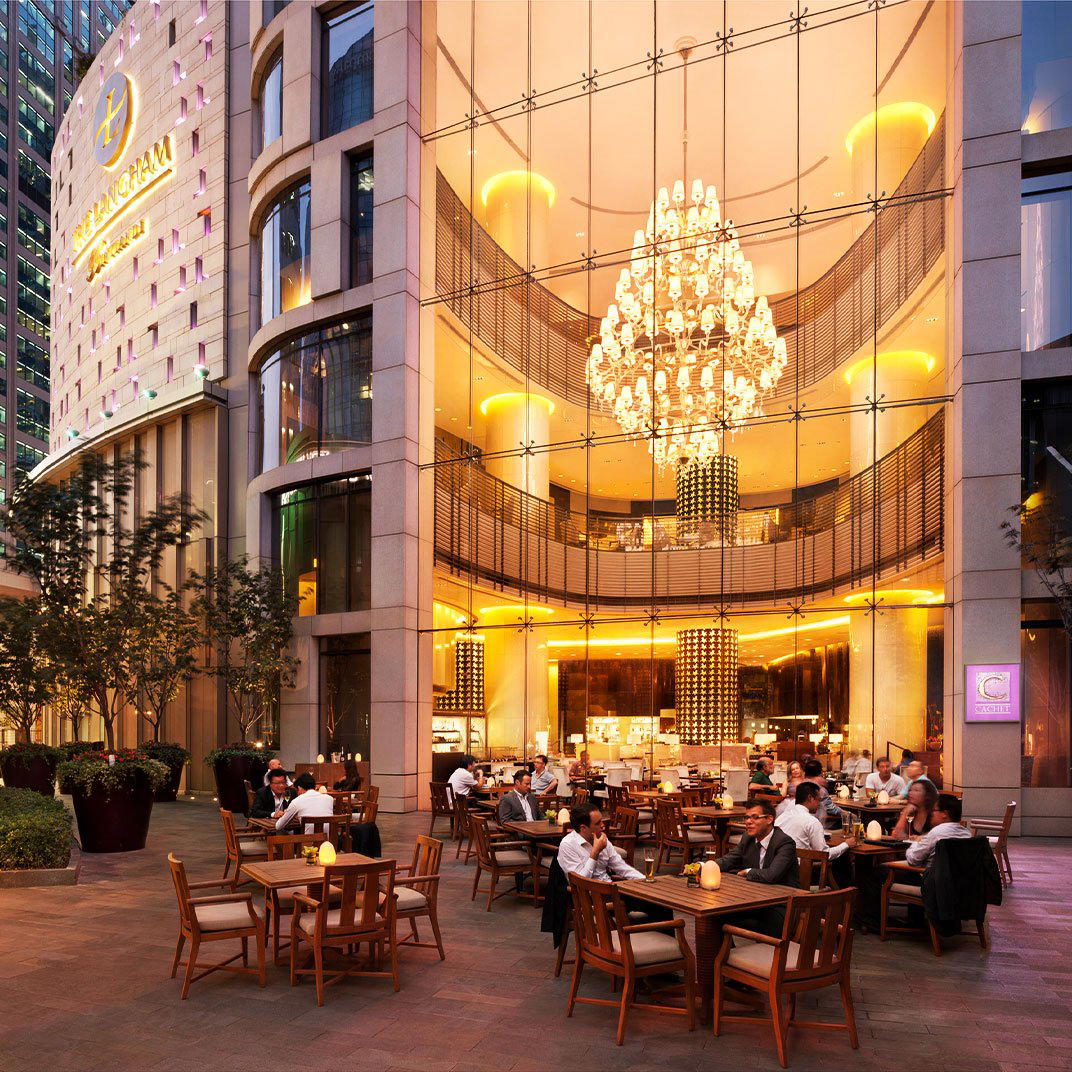
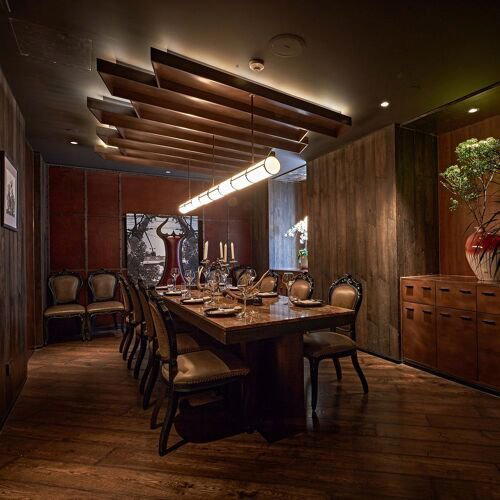
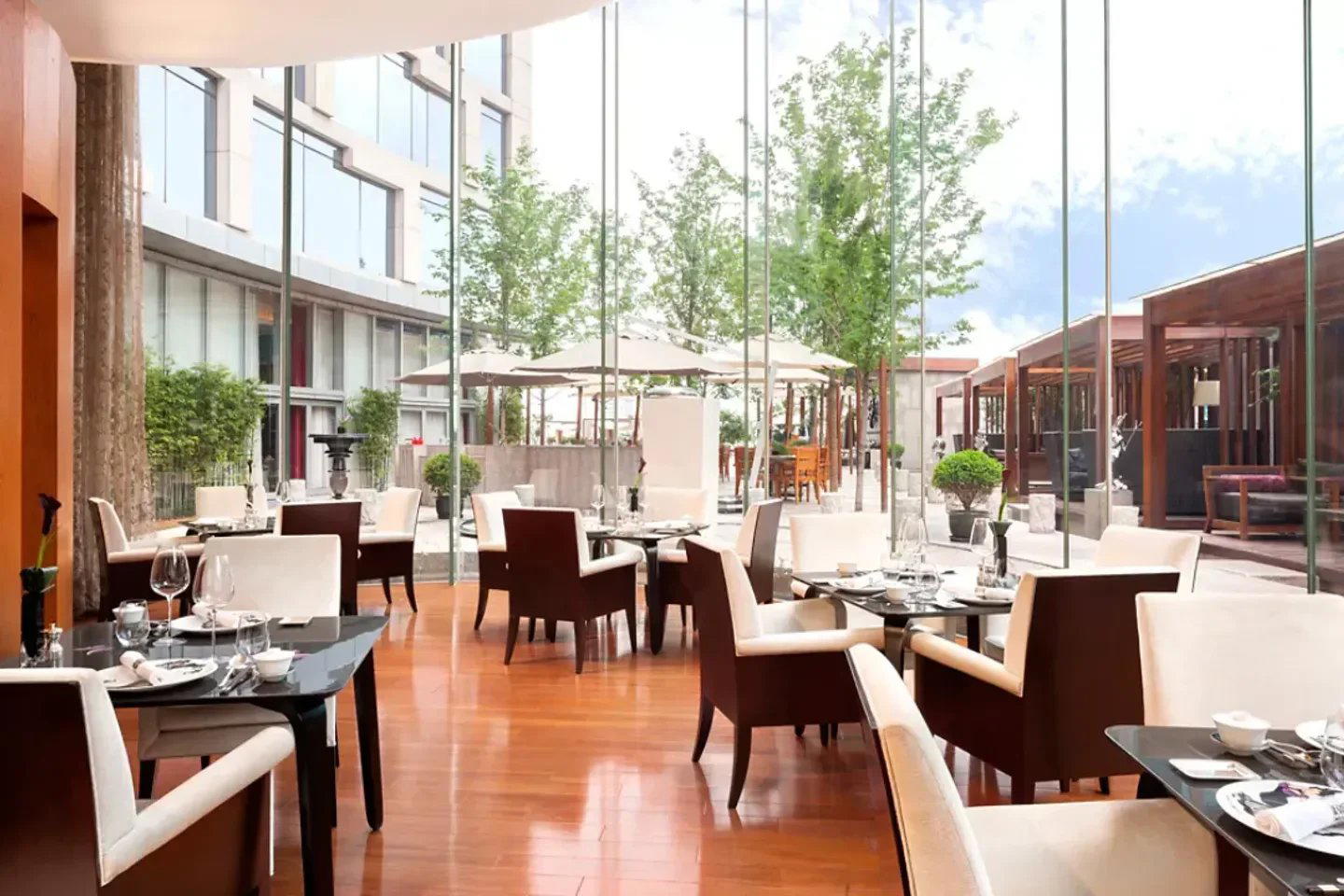
Modern, sophisticated, and Instagram-friendly with elegant design elements, high ceilings, and a blend of Shanghainese aesthetics and contemporary luxury creating a refined yet creative atmosphere.