
Preferred Hotels Member
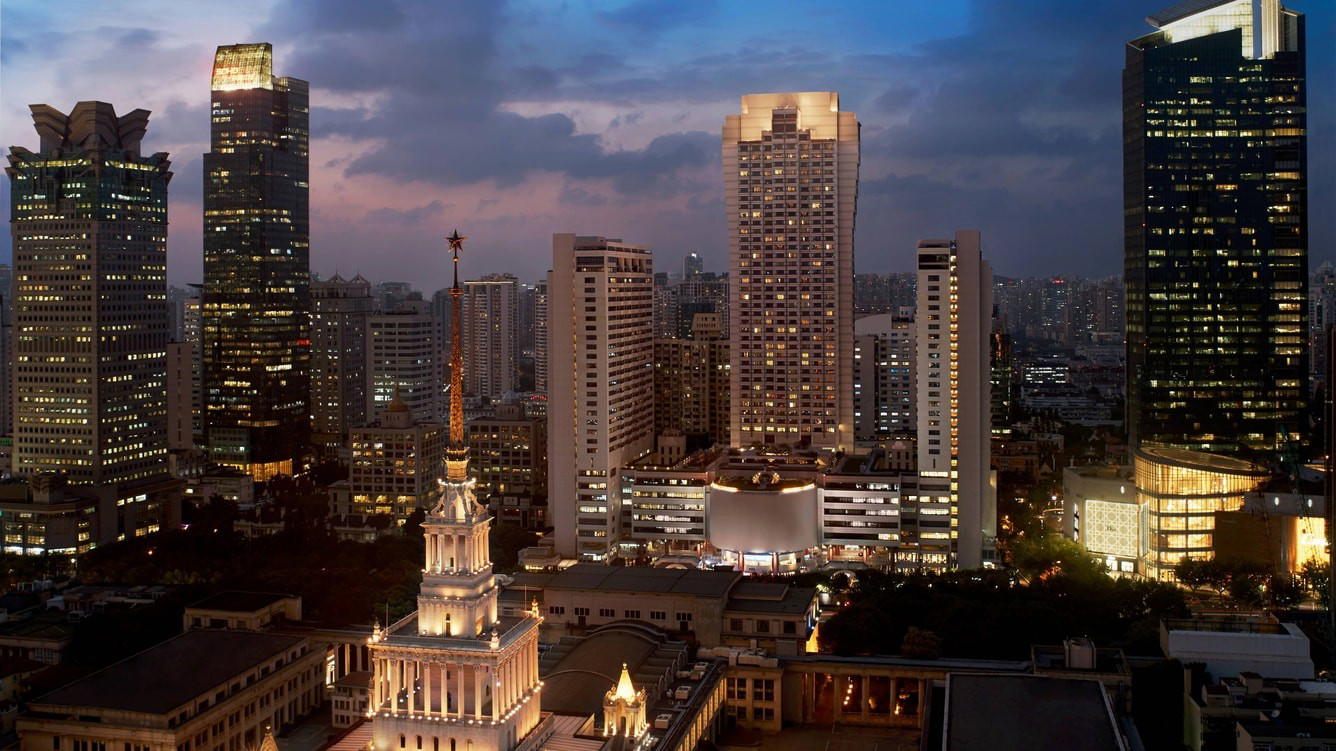
Among Shanghai's large-scale hotels, Longemont occupies a distinct position on Yan An Xi Lu in Chang Ning: 511 rooms at a scale that competes with the city's established full-service properties, positioned west of the Jing'an core where business and leisure demand overlap. For travellers who prioritise space, F&B depth, and proximity to the Hongqiao corridor without the Bund premium, it merits close consideration.

Pearl is the En Primeur Club membership app, where members save venues, book tables and use the concierge.
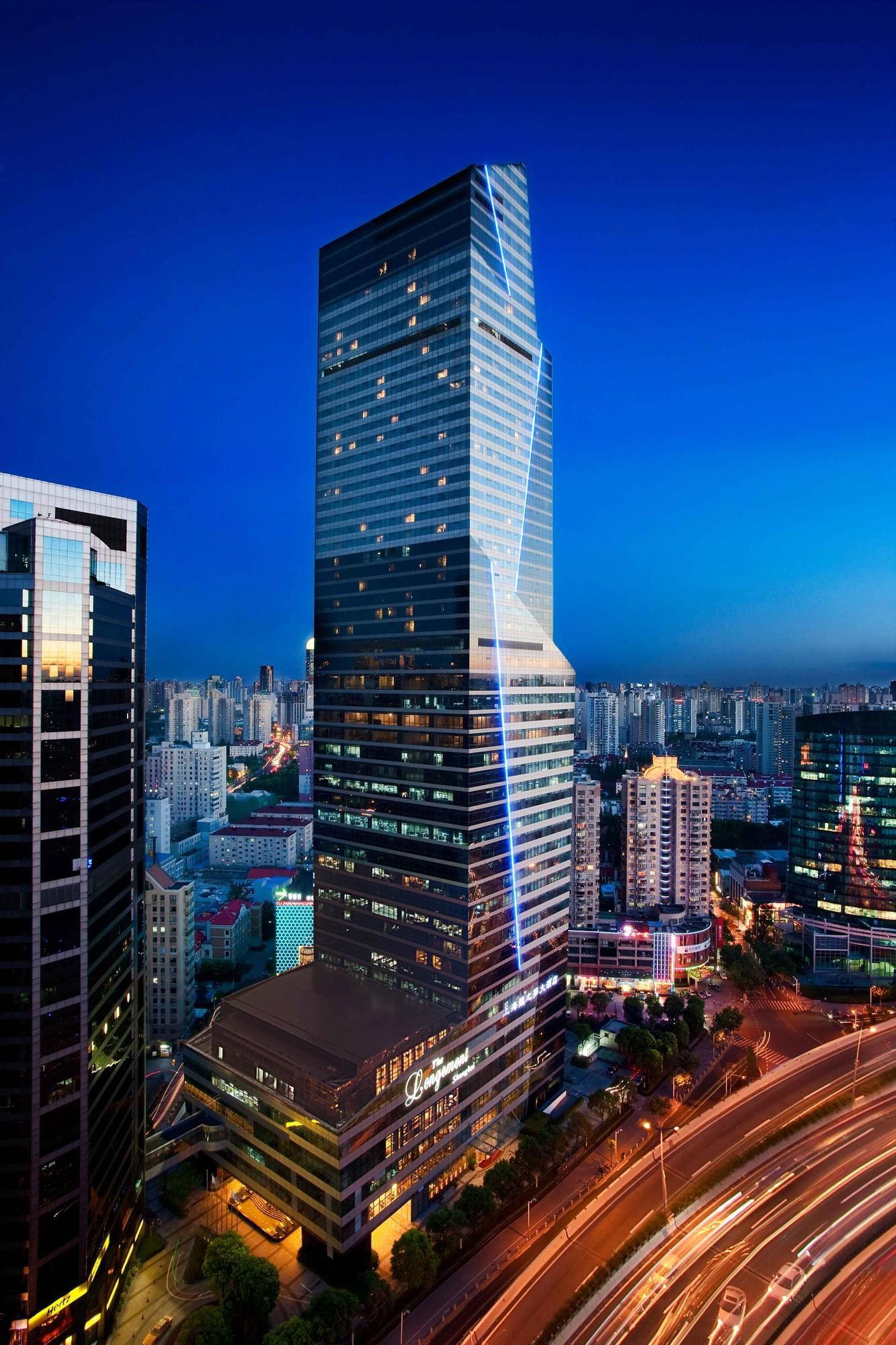
Chang Ning's Scale Play: Where Yan An Xi Lu Hotels Operate Differently
Shanghai's hotel market divides along a familiar fault line. Properties on or near the Bund command a location premium that feeds directly into room rates and, often, into the F&B; and cellar programs that support them. Further west, along Yan An Xi Lu in Chang Ning district, a different logic applies: hotels here serve a mix of corporate travellers, long-stay guests, and visitors with business in the Hongqiao corridor, and they compete on scale, facilities breadth, and value density rather than postcode prestige. Longemont Shanghai, at 1116 Yan An Xi Lu, operates squarely within that second category. With 511 rooms, it belongs to the tier of Shanghai properties large enough to sustain multiple dining outlets, dedicated event infrastructure, and the kind of wine and beverage program that smaller boutique hotels structurally cannot.
That scale distinction matters more than it might initially appear. In Shanghai's mid-to-upper hotel segment, the difference between a 150-key boutique and a 500-key full-service property is not merely one of size, it reflects fundamentally different approaches to what a hotel stay can include. Properties like Capella Shanghai, Jian Ye Li and Amanyangyun occupy the intimacy end of that spectrum, with limited keys and highly curated experiences. Longemont sits at the other pole: broad enough to absorb demand peaks, large enough to justify specialist staffing across departments.
The Wine Program in Context: What 511 Rooms Can Sustain
A hotel's cellar depth is, in practice, a function of throughput. Properties with fewer than 100 keys rarely justify the inventory investment, sommelier headcount, or supplier relationships that define a serious wine program. At 511 rooms, Longemont operates at a scale where strong F&B; revenue, across multiple outlets, banqueting, and in-room dining, can support genuine cellar investment. This is the structural argument for why large-format Shanghai hotels, when they commit to wine, can compete on breadth with standalone restaurant programs in a way that smaller properties cannot.
Shanghai's wine culture has matured considerably over the past decade. The city now hosts a collector class that approaches fine wine with the same seriousness applied to Hong Kong or Singapore buyers. Hotels along the Yan An corridor, serving executives and longer-stay guests with both the budget and the palate for fine bottles, have responded accordingly. For a property of Longemont's scale, the expectation from that guest segment is not merely a legible list but one with depth in Bordeaux and Burgundy, credible coverage of premium domestic Chinese labels from regions like Ningxia, and a sommelier team capable of navigating both. Compare this with the more curated, design-forward approach you find at Bvlgari Hotel Shanghai or the heritage positioning of Andaz Xintiandi, Shanghai, each property's F&B; identity follows from its guest profile and scale logic.
Location Intelligence: Chang Ning vs. the Bund Premium
Yan An Xi Lu is one of Shanghai's major east-west arterials, connecting the city centre with the Hongqiao transport hub, the gateway to high-speed rail connections across the Yangtze Delta and to Hongqiao International Airport. For guests arriving from Hangzhou, Suzhou, or Nanjing for short business visits, proximity to this corridor is operationally significant. The trade-off against a Bund or Xintiandi address is real but calculable: less ambient spectacle, faster functional access. Properties like Alila Shanghai and Bellagio Shanghai occupy different geographic and experiential registers; Longemont's Chang Ning address is a deliberate positioning choice, not a consolation.
For dining excursions beyond the hotel, Chang Ning offers credible local options without the tourist-pricing that inflates bills nearer the waterfront. The neighbourhood's restaurant scene skews toward Shanghainese home-style cooking, Cantonese mid-range, and the kind of Japanese and Korean outposts that follow executive residential concentration. It is not where Shanghai's Michelin cluster is densest, that remains concentrated in Huangpu and Jing'an, but it is navigable, and the hotel's scale means its own F&B; outlets carry enough variety that guests need not leave for every meal. For broader Shanghai dining intelligence, our full Shanghai restaurants guide covers the city's dining tiers in detail.
Placing Longemont in a competitive frame requires honesty about what it is not. It does not belong in the same conversation as Cachet Boutique Shanghai for design-forward intimacy, nor does it compete with Artyzen NEW BUND 31 Shanghai on waterfront positioning.
Travellers comparing Longemont against properties in other Chinese cities should note that the Chang Ning location offers meaningfully different access than, say, Mandarin Oriental Qianmen in Beijing or Amanfayun in Hangzhou, both of which lead with heritage and cultural immersion. Longemont's argument is operational: scale, connectivity, and a facilities program calibrated to extended and repeat stays.
For those exploring China more broadly, properties like Amandayan in Lijiang, Xiamen Yunding Resort, and 1 Hotel Haitang Bay, Sanya each represent distinct regional alternatives across a country where hotel positioning varies enormously by geography. Longemont Shanghai's value proposition only makes sense in the context of what Shanghai specifically requires: density, transit access, and F&B; capacity at scale.
Planning Your Stay
The address at 1116 Yan An Xi Lu places the hotel within reach of Chang Ning's metro connections, with Line 3 and Line 4 accessible for city-wide movement. Hongqiao rail and airport access, approximately 20 to 25 minutes by road under normal traffic conditions, makes this one of the more transit-convenient addresses in Shanghai for visitors arriving by high-speed rail. Booking is handled through standard channels; given the 511-room inventory, last-minute availability is more realistic here than at smaller Shanghai properties that operate on tighter capacity and longer lead times. Rate structures at this scale typically include a range of room categories from standard to suite, with club-floor access providing incremental F&B; benefits, a relevant consideration if the wine program and dining infrastructure are primary draws.
A Lean Comparison
| Venue | Price | Awards |
|---|---|---|
| Longemont ShanghaiThis venue (the venue you are viewing) | $100–200 | Preferred Hotels Member |
| Amanyangyun | Not listed | 2 Michelin Keys · Vogue 2026 Vogue Best Hotels in Shanghai |
| Andaz Xintiandi, Shanghai | $100–200 | Michelin Selected · Forbes Recommended |
| Bvlgari Hotel Shanghai | $750–1,000 | 2 Michelin Keys · La Liste Top Hotels |
| Capella Shanghai, Jian Ye Li | Not listed | 2 Michelin Keys · Michelin Guide New Hotels New Hotel |
| Fairmont Peace Hotel | $200–300 | Michelin Selected · La Liste Top Hotels |
Recognition history
Dated appearances from independent guides and award organizations, with the underlying list record or original source where available.
Preferred Hotels Member
Preferred Hotels
Continue exploring
More in Shanghai
Hotels in Shanghai
All hotels in Shanghai →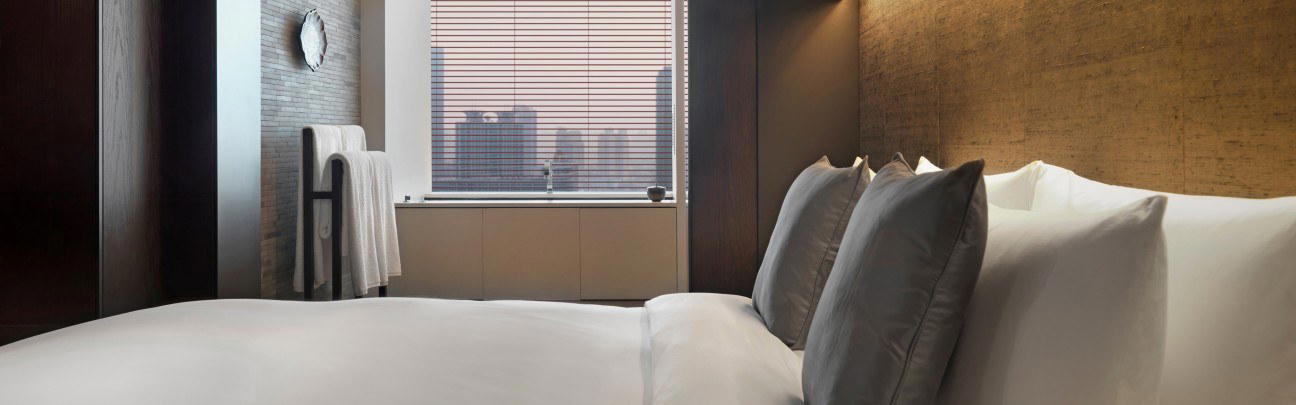
Details
- Elegant
- Sophisticated
- Modern
- Well Known
- Business Trip
- Romantic Getaway
- Family Vacation
- Wellness Retreat
- Panoramic View
- Rooftop Pool
- Destination Spa
- Garden
- Wi Fi
- Pool
- Spa
- Fitness Center
- Room Service
- Concierge
- Business Center
- Valet Parking
- Restaurant
- Bar
- Sauna
- Tennis Court
- Kids Club
- Airport Shuttle
- Skyline
- Wheelchair Accessible
- Elevator
- Accessible Restroom
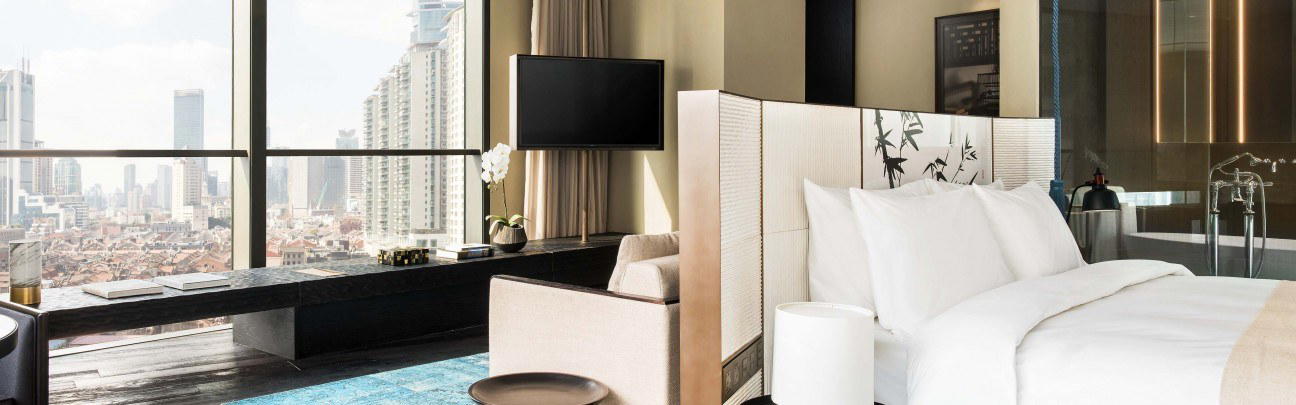
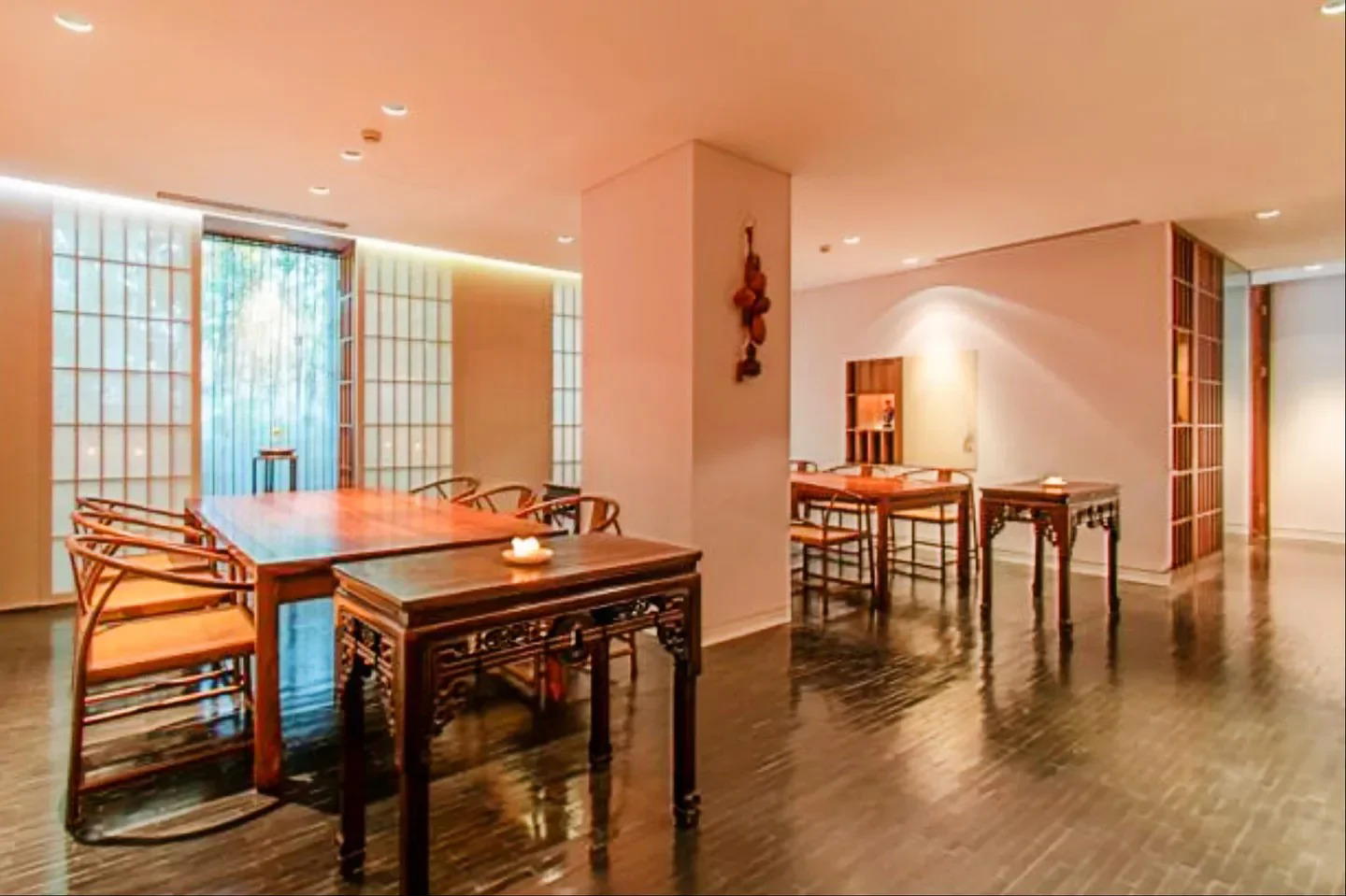
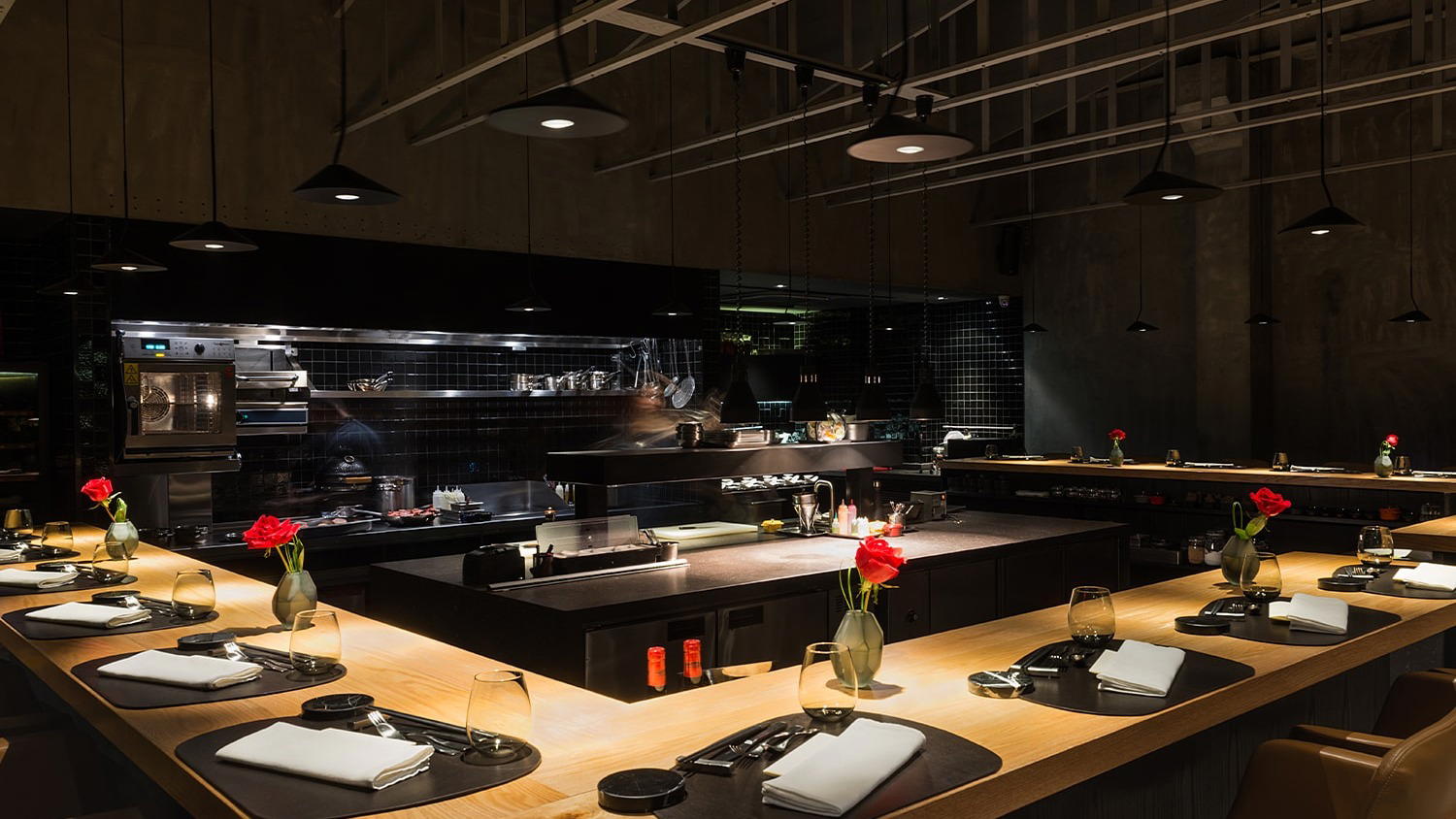
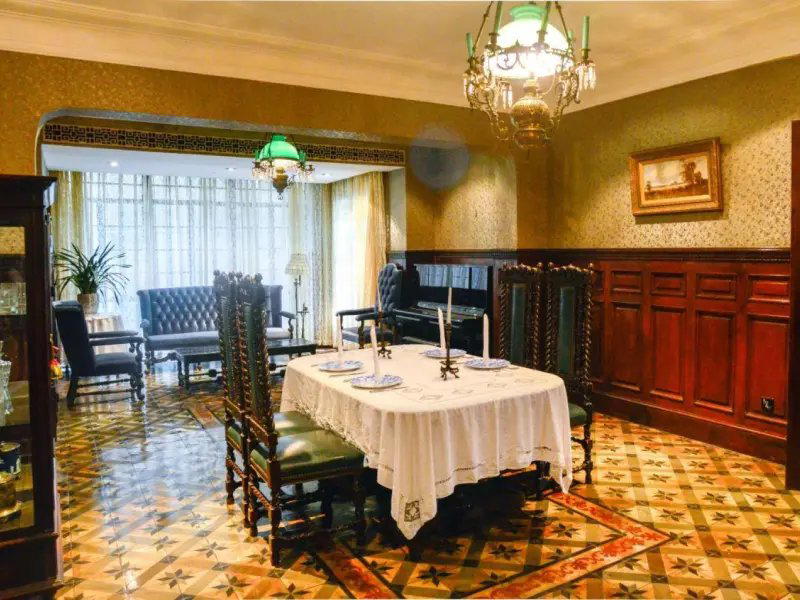
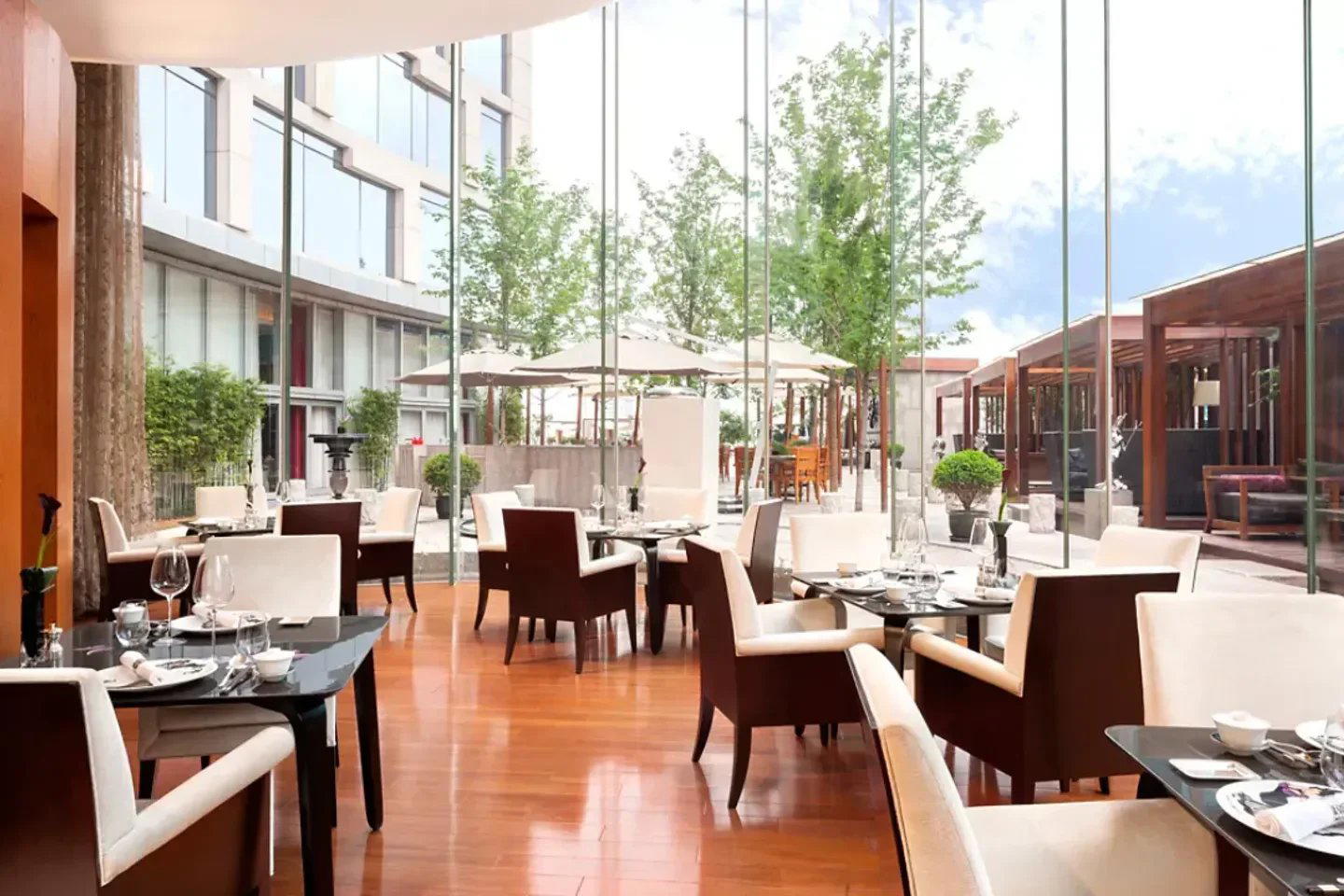
Modern luxury with sophisticated interior design combining European elegance and Chinese elements; lively lobby with attentive service; bright, spacious rooms with panoramic city views.