
Coa Shanghai brings the agave-forward cocktail tradition of its Hong Kong sibling to Huangpu, earning placement on Asia's Best Bars 2025 and a ranking of #85 on World's 50 Best Asia's Best Bars. The programme centres on tequila and mezcal, placing it within a small but growing cohort of spirits-specialist bars redefining Shanghai's cocktail scene. Named on the Tatler Best Bars Asia-Pacific 2025 list, it is one of the city's most recognised agave destinations.
Pearl is the En Primeur Club membership app — saves, bookings, and concierge access live there. Same editors, same standards.
- Address
- 99 Yan Dang Lu, Huang Pu Qu, Shang Hai Shi, 200000
- Phone
- +8613310166773
- Website
- instagram.com
- Directions
- Get directions
 Saves & bookings on Pearl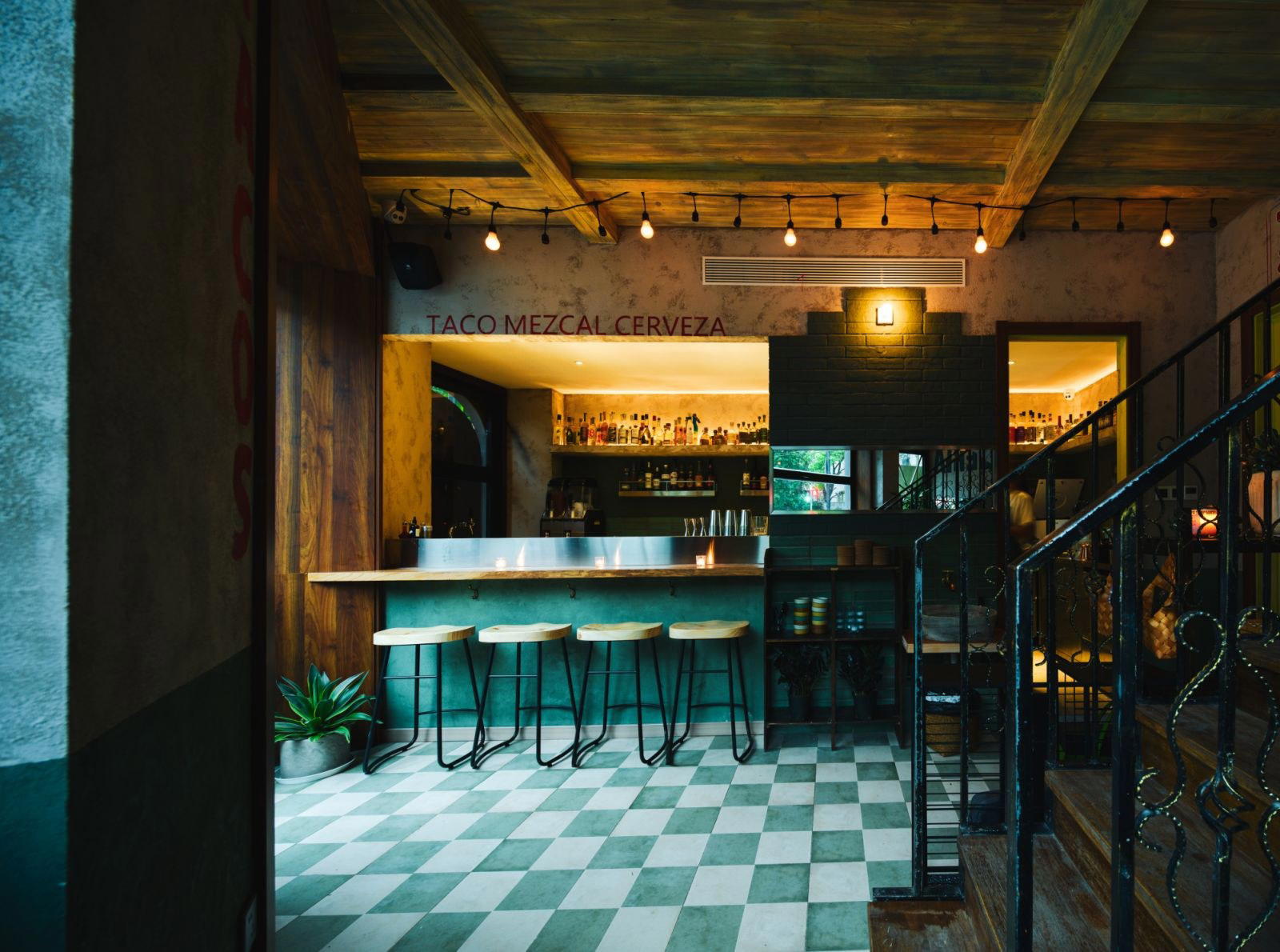
Agave in a City Built on Baijiu
Shanghai's cocktail culture has moved quickly over the past decade, from imitation speakeasies and hotel bar conformity toward something more considered: programmes anchored in a single ingredient category, operated with the rigour of a specialist rather than the breadth of a generalist. Coa Shanghai is a bar in Huangpu, Shanghai, ranked #85 on Asia's 50 Best Bars in 2025 and priced at about $25 per person. Where bars like Sober Company have built reputations on alcohol-free and low-ABV formats, and venues like Constellation draw from a broader spirits library, Coa operates from a narrower, more committed position: tequila and mezcal, approached as seriously as any sommelier would approach Burgundy.
That focus matters in Shanghai specifically. The city's drinking culture is shaped by proximity to baijiu, a spirit with its own deep sourcing logic and regional identity. Agave spirits arrive from a different geography entirely — the volcanic highlands and valleys of Oaxaca and Jalisco — and a bar built around them is making an argument about provenance, about what a plant grown in specific Mexican terroir can produce when distilled with care. Coa's presence in Huangpu is, in that sense, an editorial position as much as a commercial one.
What Agave Sourcing Actually Means at This Level
The agave spirits category has fragmented significantly in the past few years. Mass-produced tequila, with its additive allowances and industrial column distillation, occupies one end. At the other end sit small-batch mezcal producers working with heritage agave varieties, some of which take twelve to thirty years to mature before harvest, using traditional tahona or clay-pot distillation methods in specific Mexican states. The sourcing gap between those two poles is as wide as the gap between commodity wine and grower Champagne.
Bars operating at Coa's recognised level are generally curating from the upper end of that range, building lists around distilleries with transparent production practices, identifiable maestro mezcaleros, and limited annual output. The editorial interest in such a programme is not simply that it serves mezcal, dozens of Shanghai bars do that, but that it uses sourcing as a curatorial framework. The question a bar at this tier is implicitly answering for its guests is: which producers are worth knowing, and why does where an agave grew determine what ends up in the glass?
For context on how this specialist approach maps across China's bar scene, bars such as Hope & Sesame in Guangzhou and Janes & Hooch in Beijing have built comparable reputations around ingredient transparency, each in a different city and spirits category. Coa operates the same logic applied specifically to agave.
Recognition and Where It Sits Among Peers
Coa Shanghai holds a 2025 placement on the Tatler Leading Bars Asia-Pacific list, a 2025 ranking of #85 on World's 50 Best Asia's Leading Bars, and a position of #411 on Top 500 Bars. Those three lists use different methodologies and different voter pools, which makes simultaneous placement on all three a more meaningful signal than any single list alone would be.
Within Shanghai, that puts Coa in a peer group that includes Epic and Pony Up, bars that have each built distinct programme identities and earned sustained external recognition. The difference is category: where those venues operate across broader cocktail formats, Coa's recognition has come from depth in a single spirits family. That is a harder editorial case to make to a general audience, and the fact that multiple independent lists have validated it suggests the execution is doing the work.
The bar shares lineage with Coa Hong Kong, which has held Asia's 50 Best Bar rankings for several years and played a significant role in establishing agave cocktail credibility across the region. Shanghai's iteration brings that framework into a different urban context, a city with more bars, a faster hospitality turnover, and a local drinking culture that skews toward nightlife volume over category depth. Holding ranked positions in that environment is a more competitive outcome than equivalent rankings in smaller markets like Shenzhen or Changsha, where the cocktail field is narrower.
The Huangpu Setting and How to Approach It
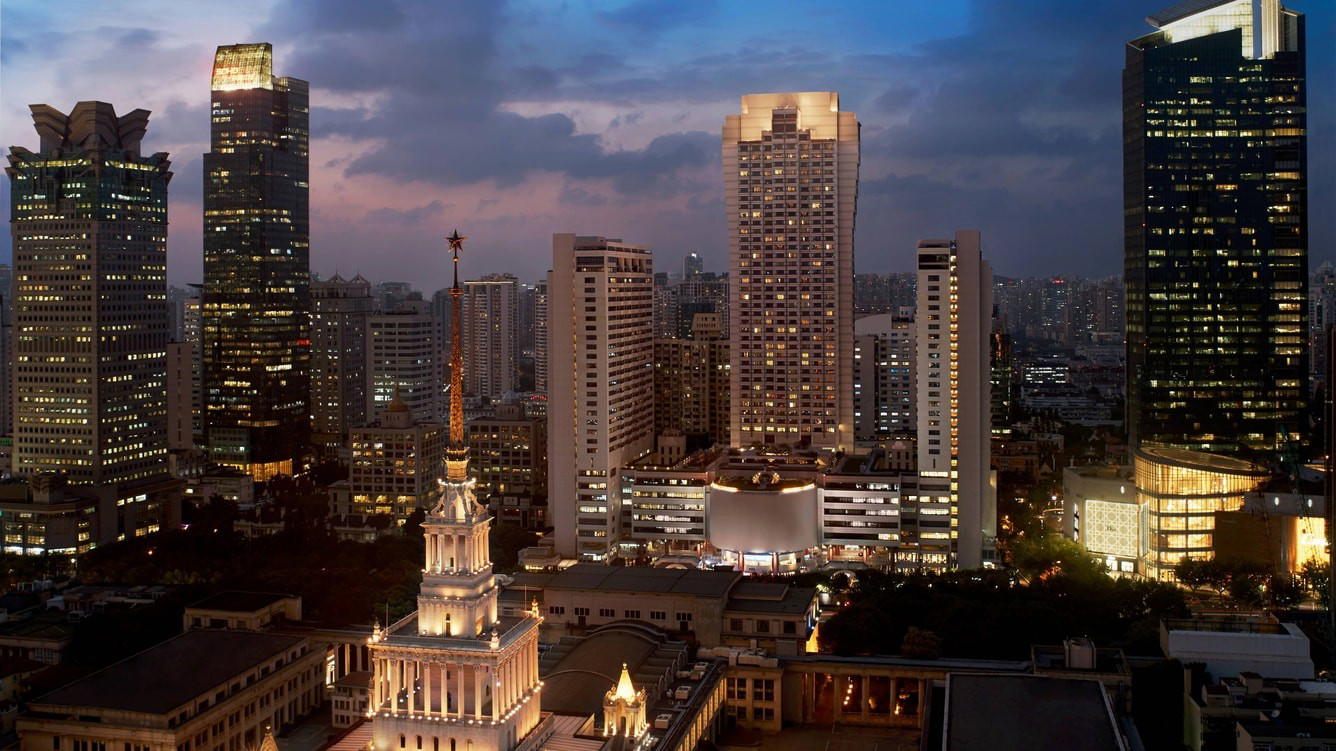
The bar's registered address places it in the Huangpu district, close to the former French Concession boundary, a part of the city where the density of credible bars is higher than almost anywhere else in mainland China. Yan Dang Lu, the street on the primary record, sits within walking distance of the tree-lined blocks that have incubated Shanghai's most serious independent bar culture over the past decade. The Tatler record references 580 Middle Fuxing Road as the operational address, which sits in the same neighbourhood corridor.
For visitors orienting around cocktail bars specifically, the Huangpu-French Concession band is one logical base. The concentration of venues means an evening can move between formats, from a technically precise agave bar like Coa to broader-programme rooms like Sober Company, without crossing the city. That kind of proximity is rarer than it appears; most cities with a strong bar scene have it distributed across neighbourhoods in ways that require planning.
Bars in the Asia's 50 Best cohort, regionally, tend to operate without formal reservations in some formats but carry real wait times on busy nights. Arriving early in the evening is the practical hedge against that uncertainty.
For readers planning a wider itinerary across the region, bars at a comparable specialist level include The Ritz-Carlton Bar & Lounge in Macau, FLAIR in Wuhan, and Bar Leather Apron in Honolulu, the last of which has built a similarly sourcing-focused programme around Japanese whisky.
Quick Comparison
Comparable venues nearby, for context on price, style, and recognition.
| Venue | Cuisine | Price | Awards | Notes |
|---|---|---|---|---|
| Coa (Shanghai)This venue — the venue you are viewing | mezcaleria | $$$ | World's 50 Best #85 | Not listed |
| Constellation | lounge | $$$ | World's 50 Best #42 | Da Pu Qiao |
| The Odd Couple | cocktail_bar | $$$ | World's 50 Best #38 | Lao Ximen |
| Pony Up | cocktail_bar | $$ | World's 50 Best #97 | Zhoujiaqiaq |
| RAC Bar | wine_bar | $$$ | Not listed | Hongkou |
| Pudao | wine_bar | $$$ | Not listed | Xujiahui |
Recognition history
Dated appearances from independent guides and award organizations, with the underlying list record or original source where available.
Top 500 Bars Best Bars #448
Top 500 Bars
World's 50 Best Asia's Best Bars #95
World's 50 Best
Tatler Listed in Best Bars Asia-Pacific
Tatler
Tatler Best Bars Asia-Pacific 2025
Tatler
Top 500 Bars Best Bars #411
Top 500 Bars
World's 50 Best Asia's Best Bars #85
World's 50 Best
At a Glance
- Trendy
- Intimate
- Lively
- Sophisticated
- Date Night
- Special Occasion
- Speakeasy
- Seated Bar
- Lounge Seating
- Communal Tables
- Craft Cocktails
- Mezcal
- Tequila
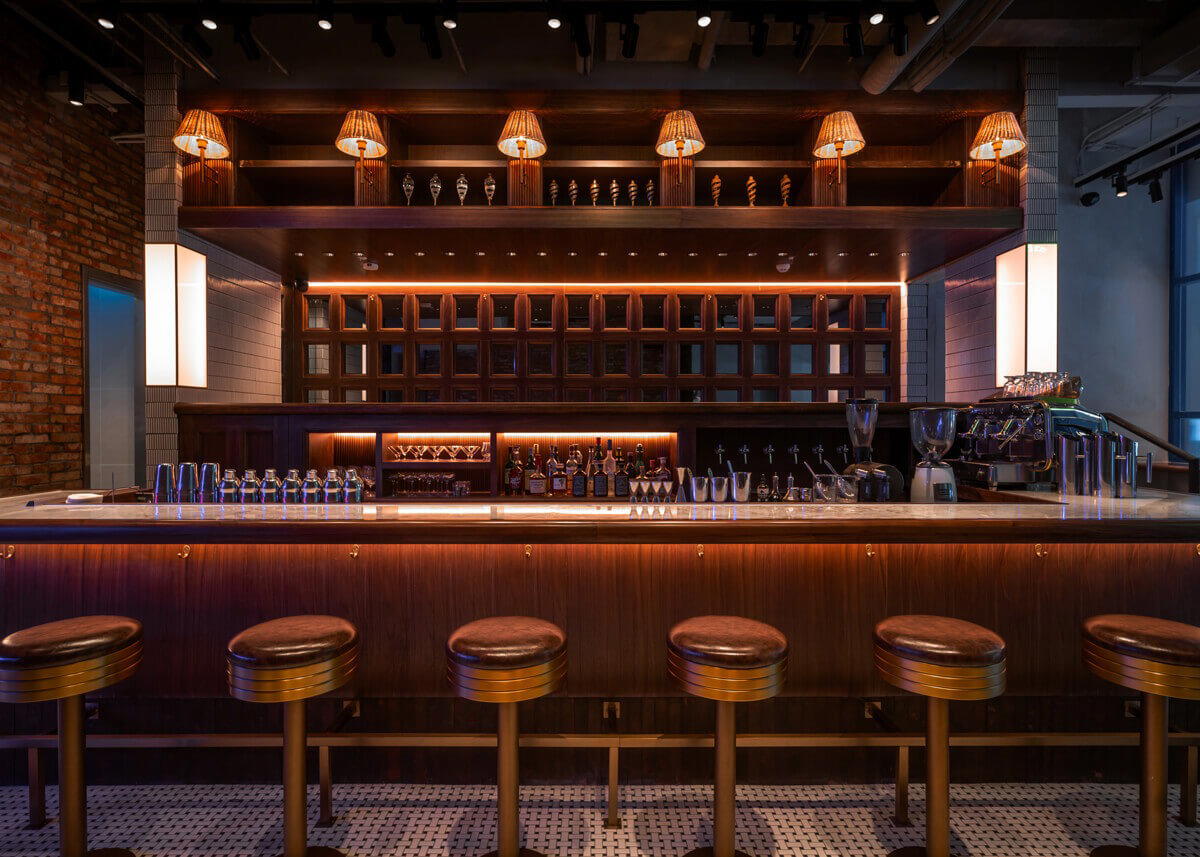
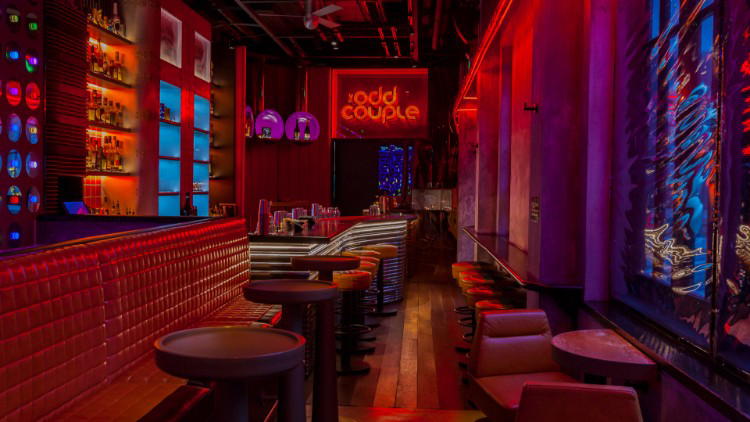
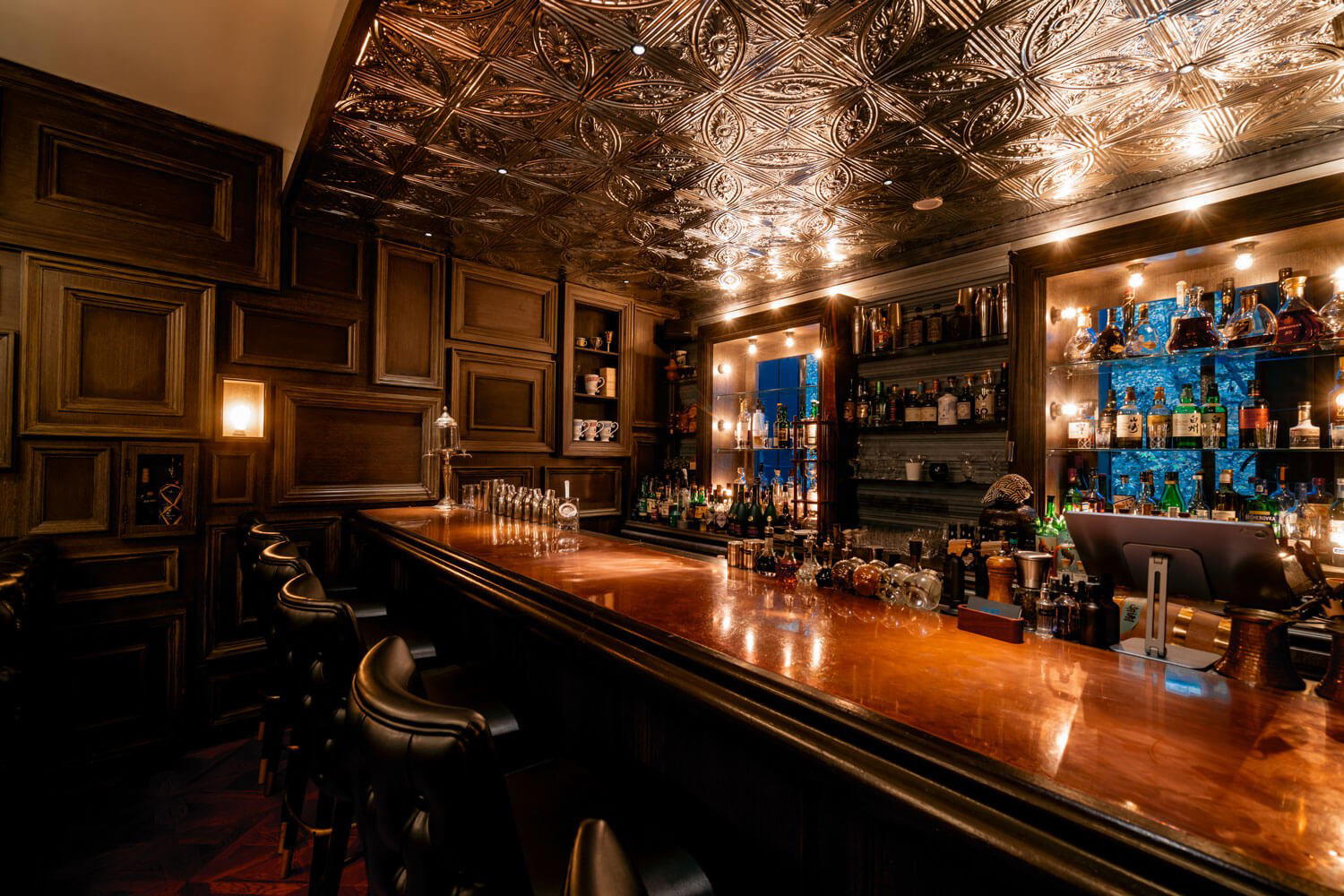
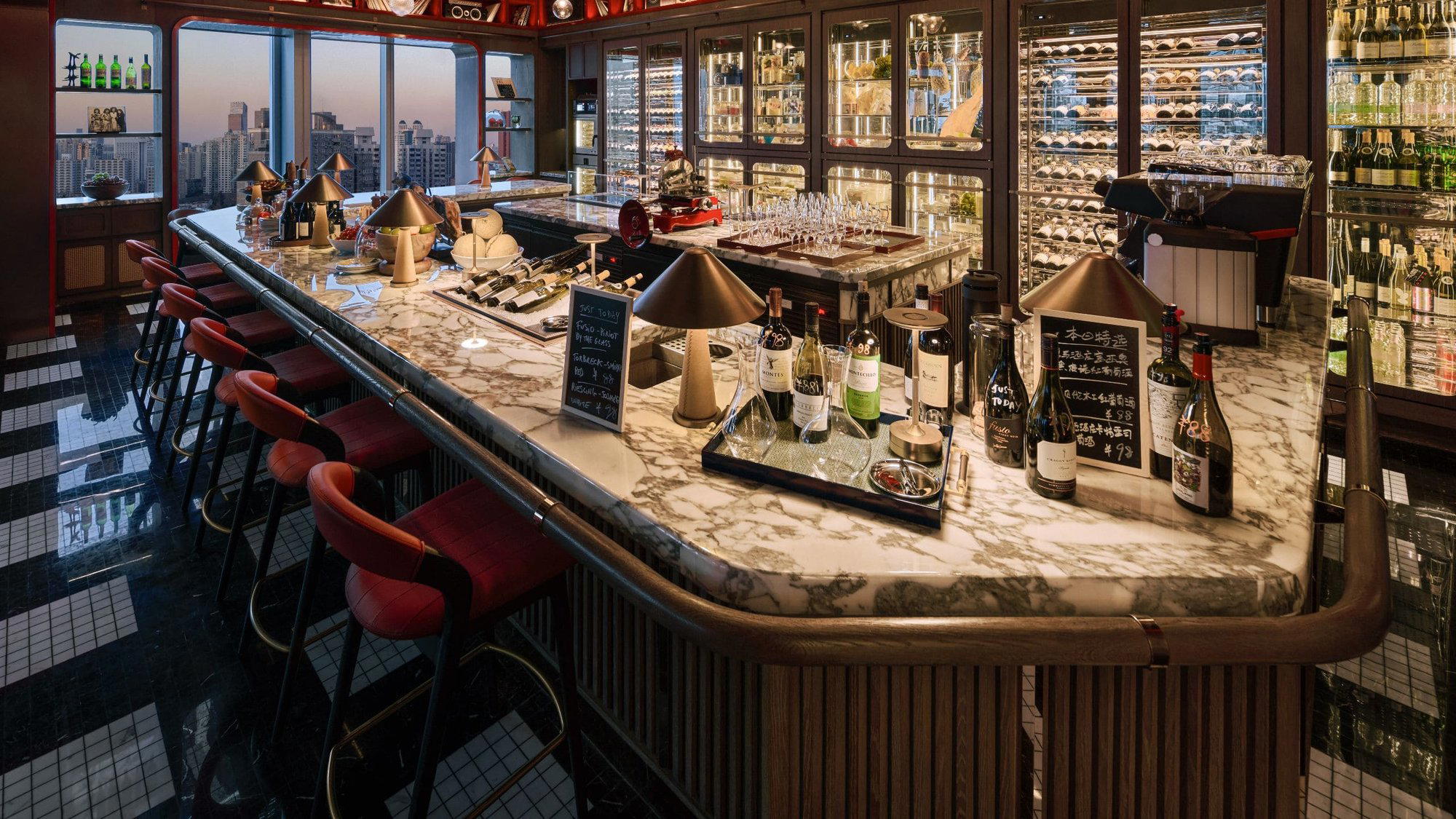
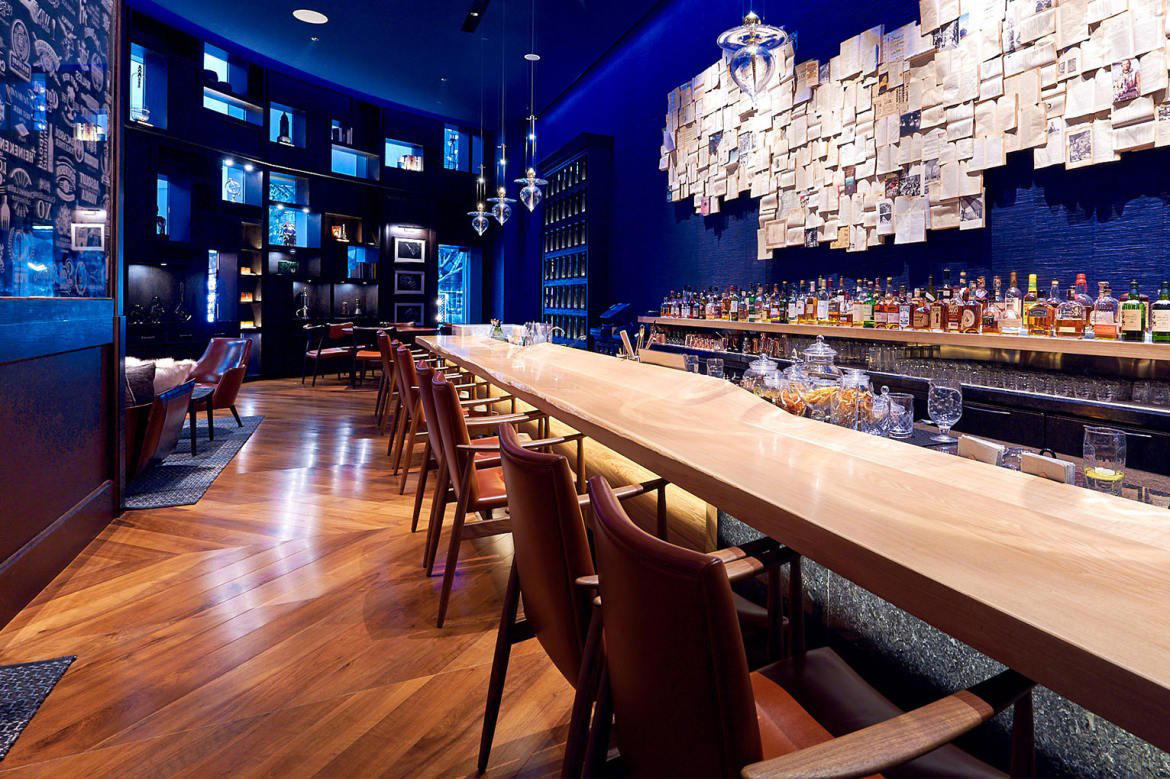
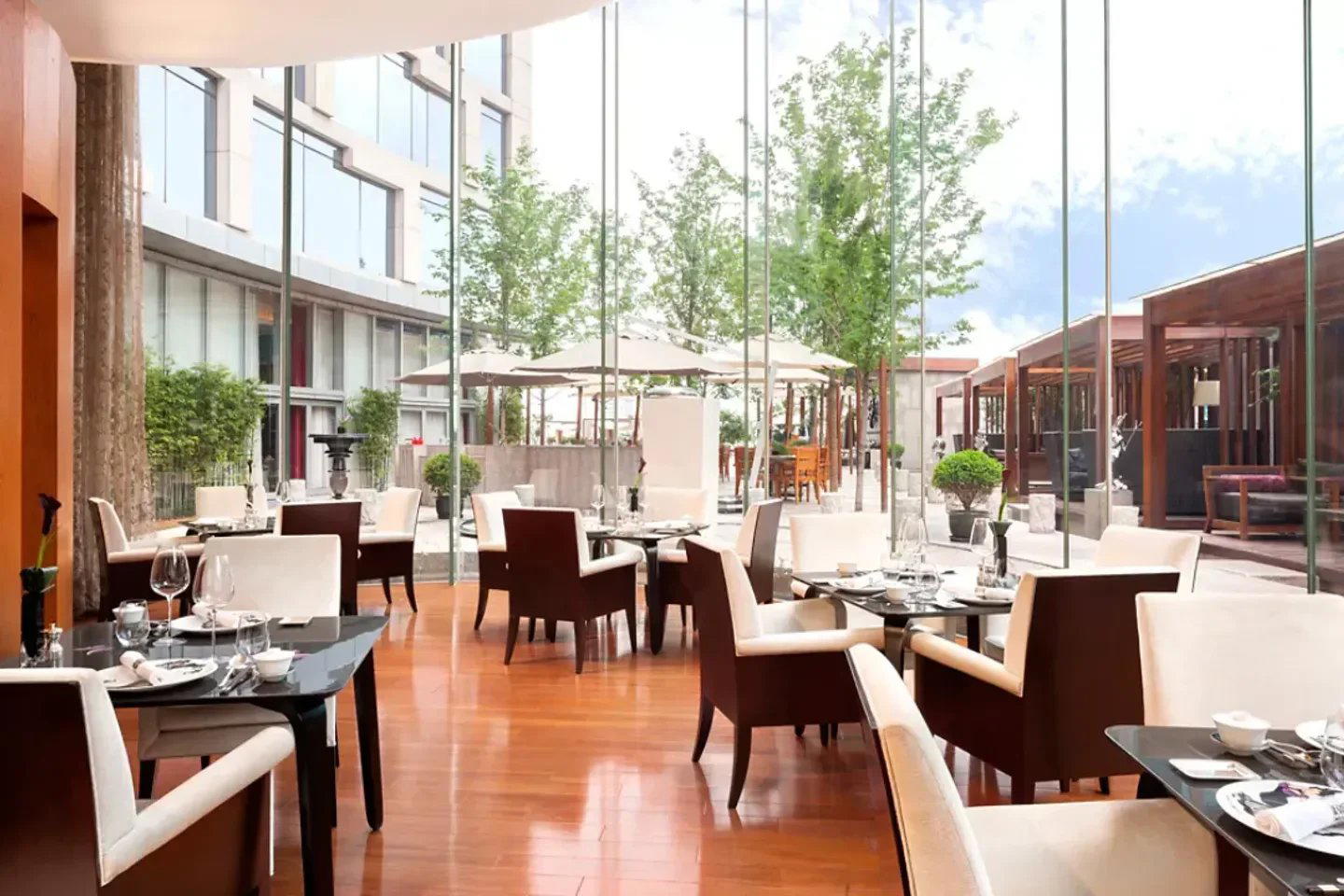
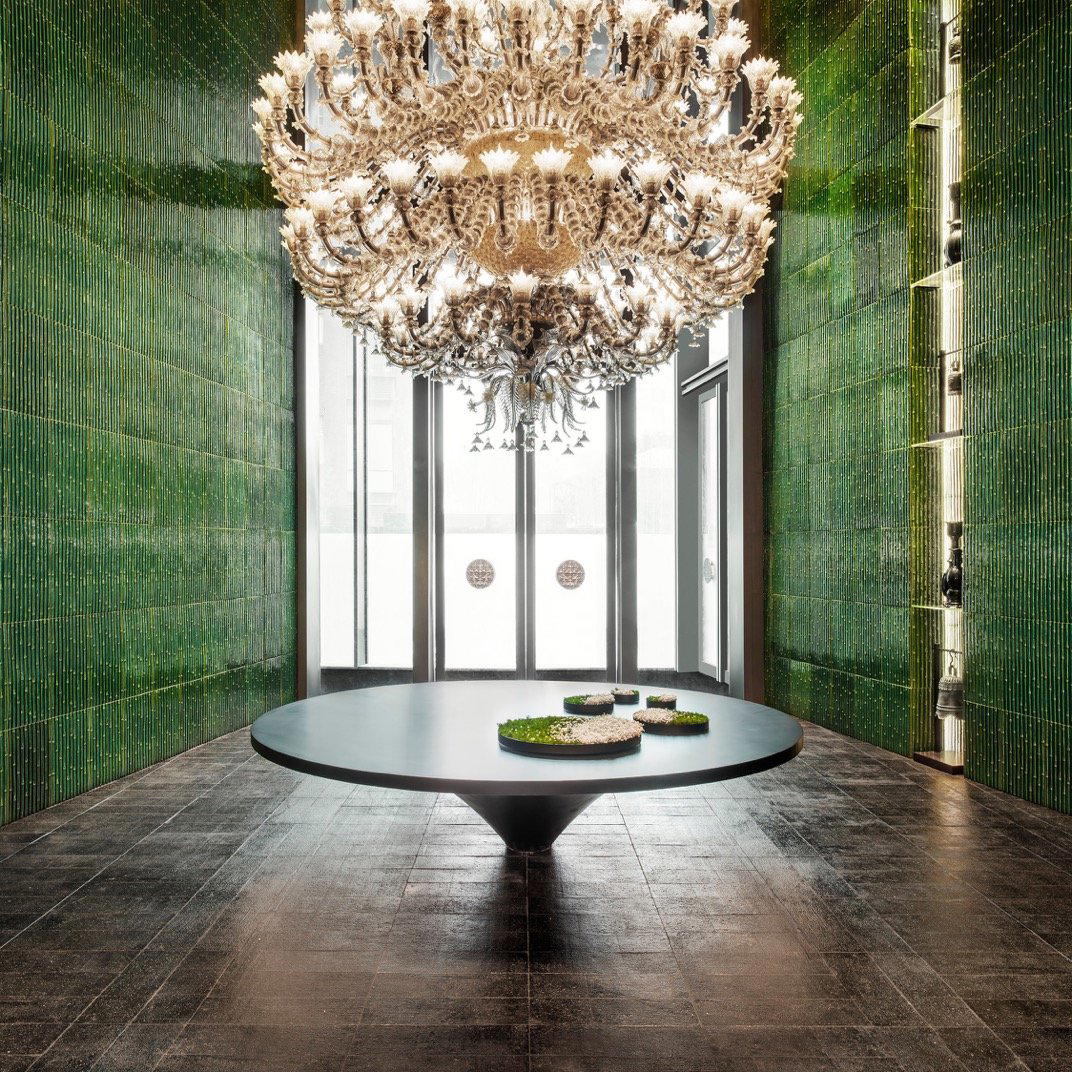
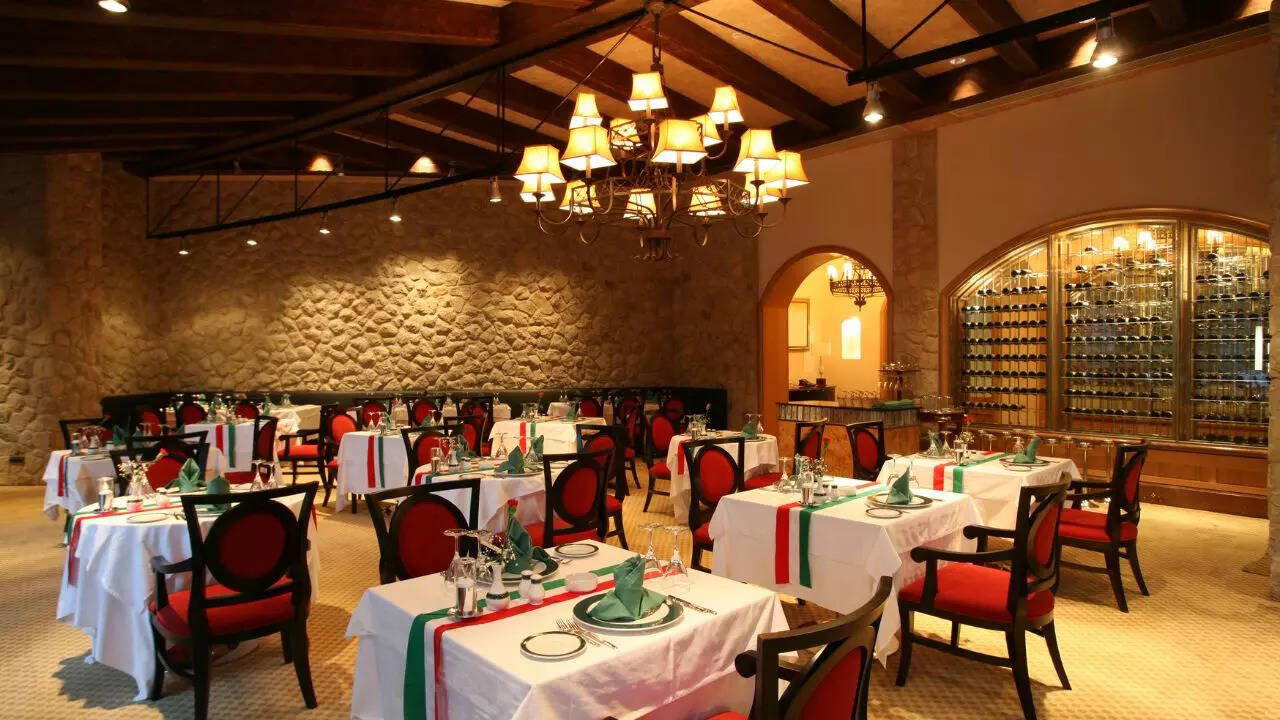
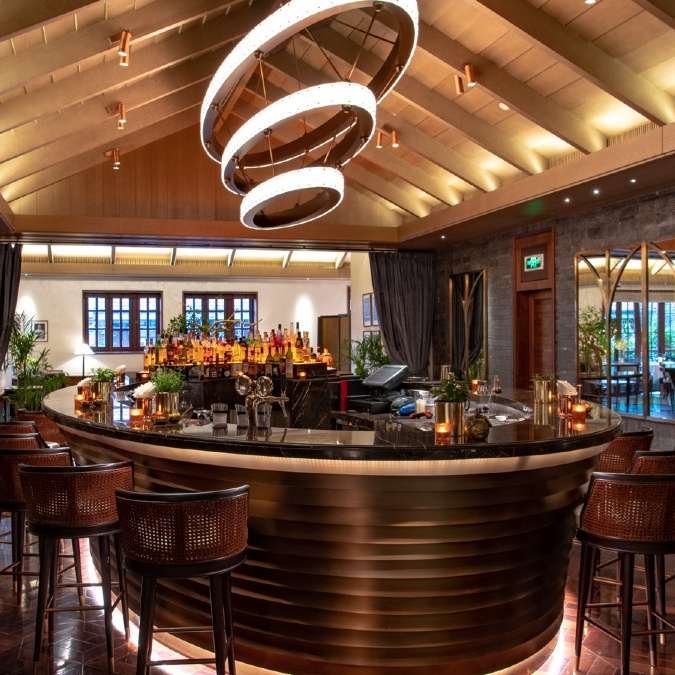
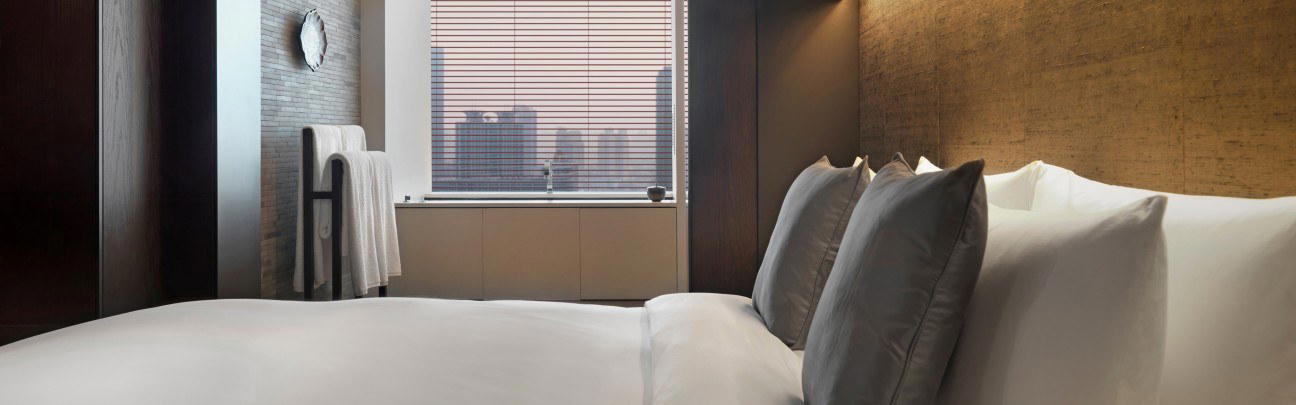
Candle-lit, tactile interiors with industrial and Mexican-inspired decor, creating energetic yet intimate atmospheres across cozy, packed floors.