

Positioned on the northern edge of the Bund in Hongkou District, Regent Shanghai on The Bund occupies the site of the former Seagull Hotel, bringing 135 rooms and a collection of dining venues to one of Shanghai's most historically layered riverfront addresses. Against a comparable set that includes Bvlgari and Capella, it pitches heritage reinterpretation over architectural spectacle.
Pearl is the En Primeur Club membership app — saves, bookings, and concierge access live there. Same editors, same standards.
- Address
- 60 Huangpu Rd, Hongkou District
- Phone
- +86 021-66697799
- Website
- ihg.com
- Directions
- Get directions
 Saves & bookings on Pearl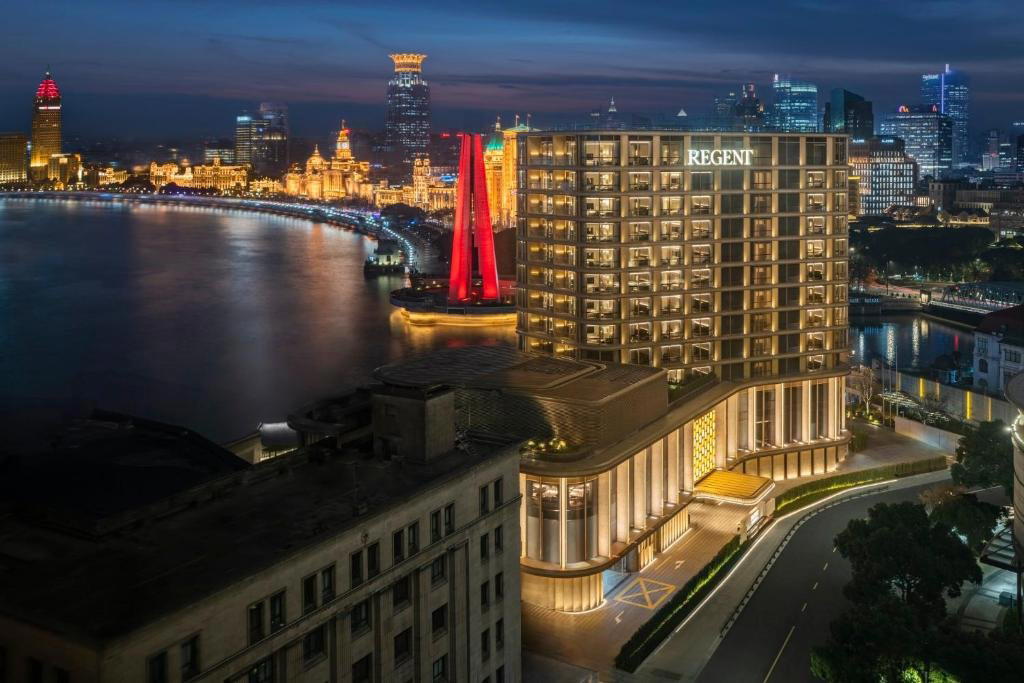
Where the Huangpu Frames the Argument
The debate about where to stay along Shanghai's riverfront has shifted considerably as the city's luxury hotel supply has matured. A decade ago, the choice was largely between the grand colonial-era addresses on Zhongshan Road and the gleaming towers across the water in Pudong. The opening of Regent Shanghai on The Bund, at 60 Huangpu Road in Hongkou District, introduced a third position: a property that draws its identity not from architectural newness or postwar grandeur, but from the deliberate reinterpretation of a site that carried its own civic memory, the former Seamen's Club and Seagull Hotel, an address that meant something specific to Shanghai before luxury hospitality came to define the waterfront.
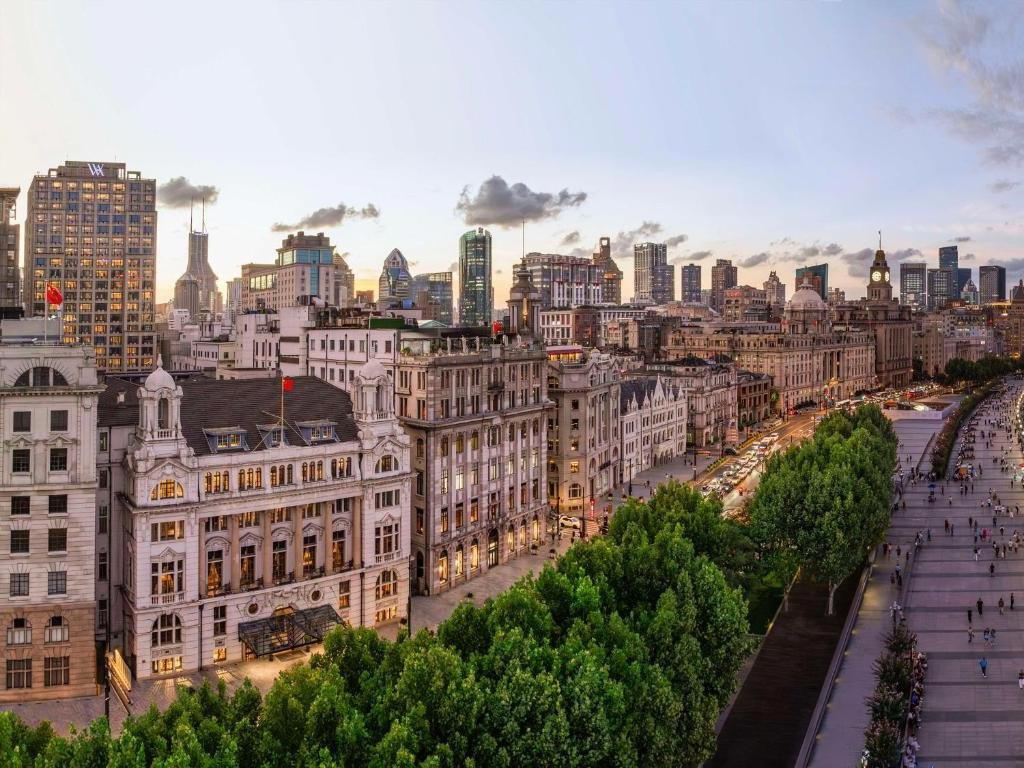
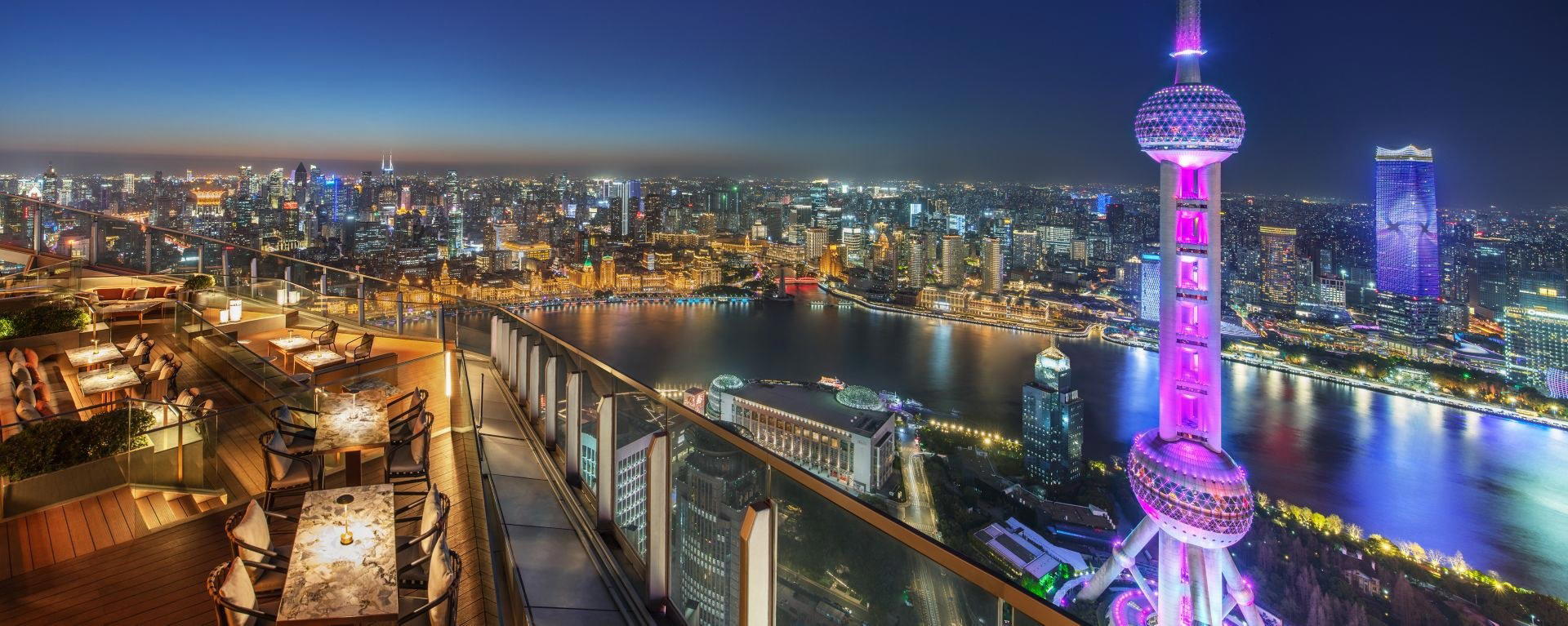
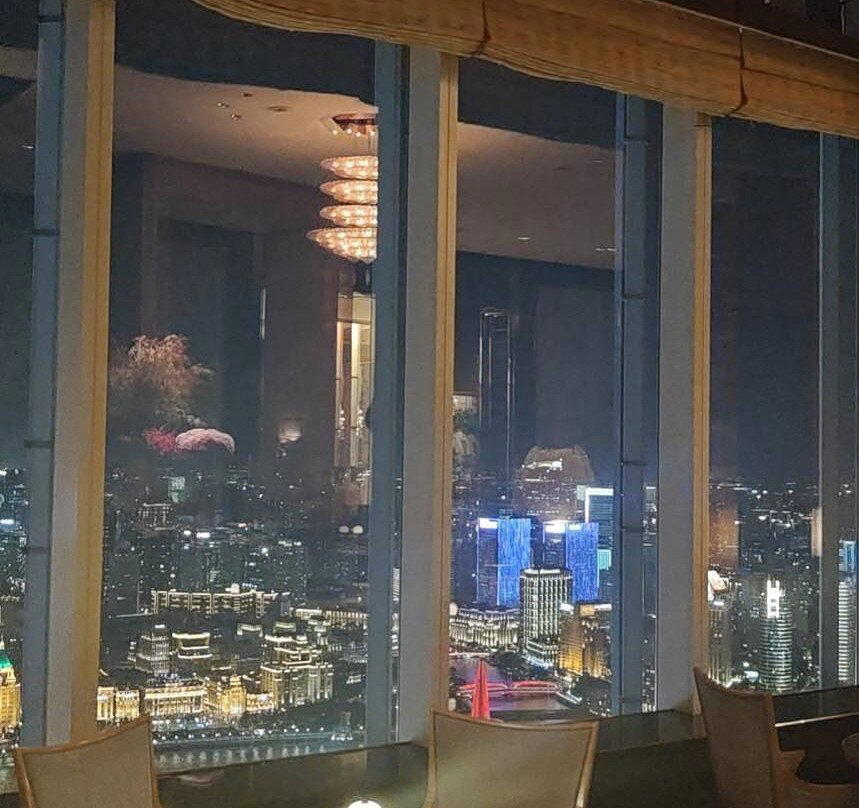
That positioning matters because the Bund corridor is now genuinely competitive. Bvlgari Hotel Shanghai arrived with the full weight of an Italian fashion house behind its design program. Capella Shanghai, Jian Ye Li took a different route entirely, converting a cluster of shikumen lane houses in a historic residential district. Amanyangyun stepped back even further, relocating and rebuilding Ming dynasty structures outside the city proper. Regent Shanghai's response is more urban and more direct: stay on the river, honour the building's history, and let the views of the Pudong skyline and the Bund heritage facades do the rhetorical work.
The hotel's 135 guest rooms and suites occupy a scale that sits below the large-format international towers in Lujiazui but above the tightly curated boutique properties elsewhere in the city. That middle position gives it flexibility, enough keys to support a full dining programme and event infrastructure, small enough that the riverfront orientation remains meaningful rather than incidental.
The Dining Programme and What It Signals
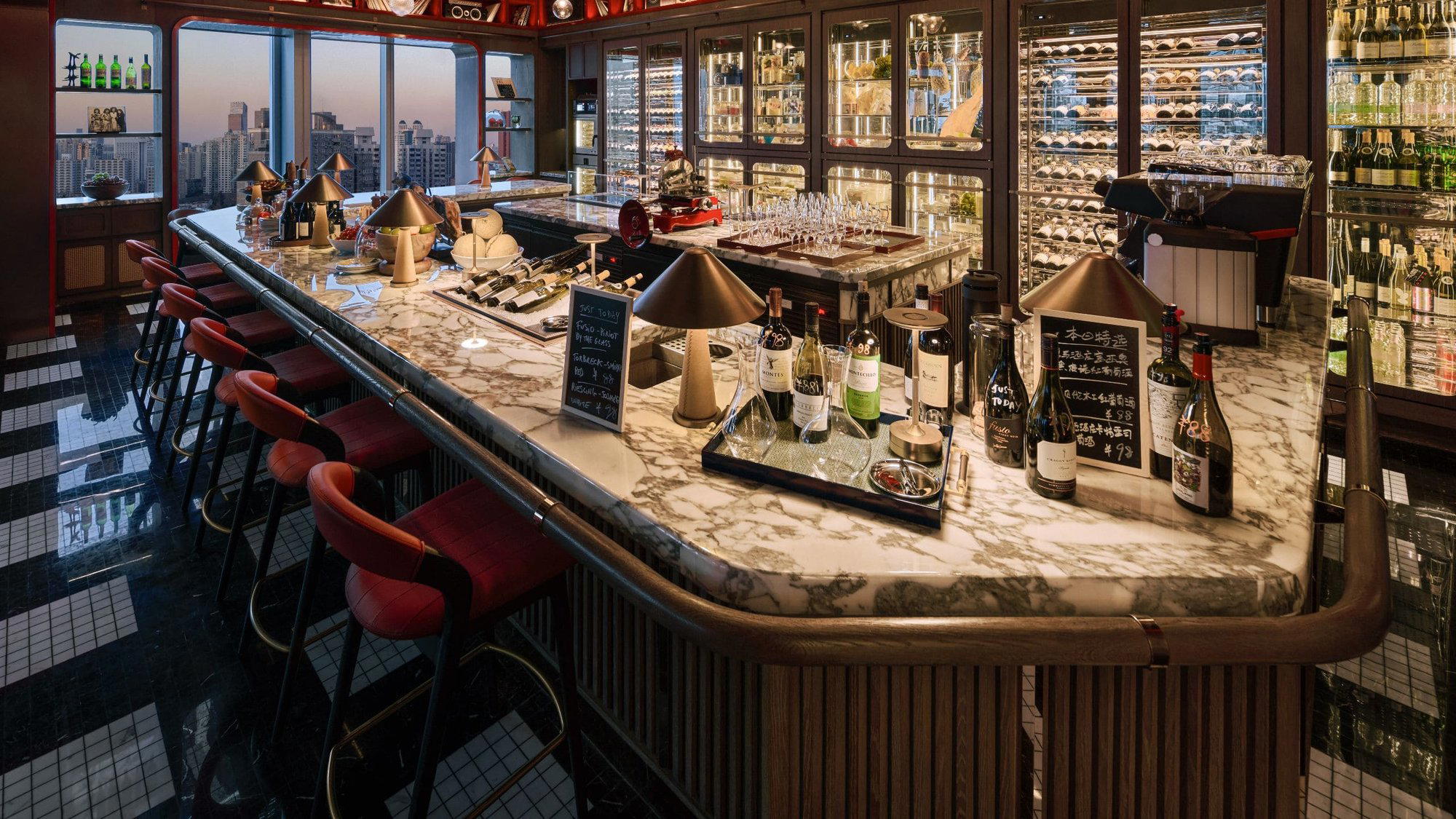
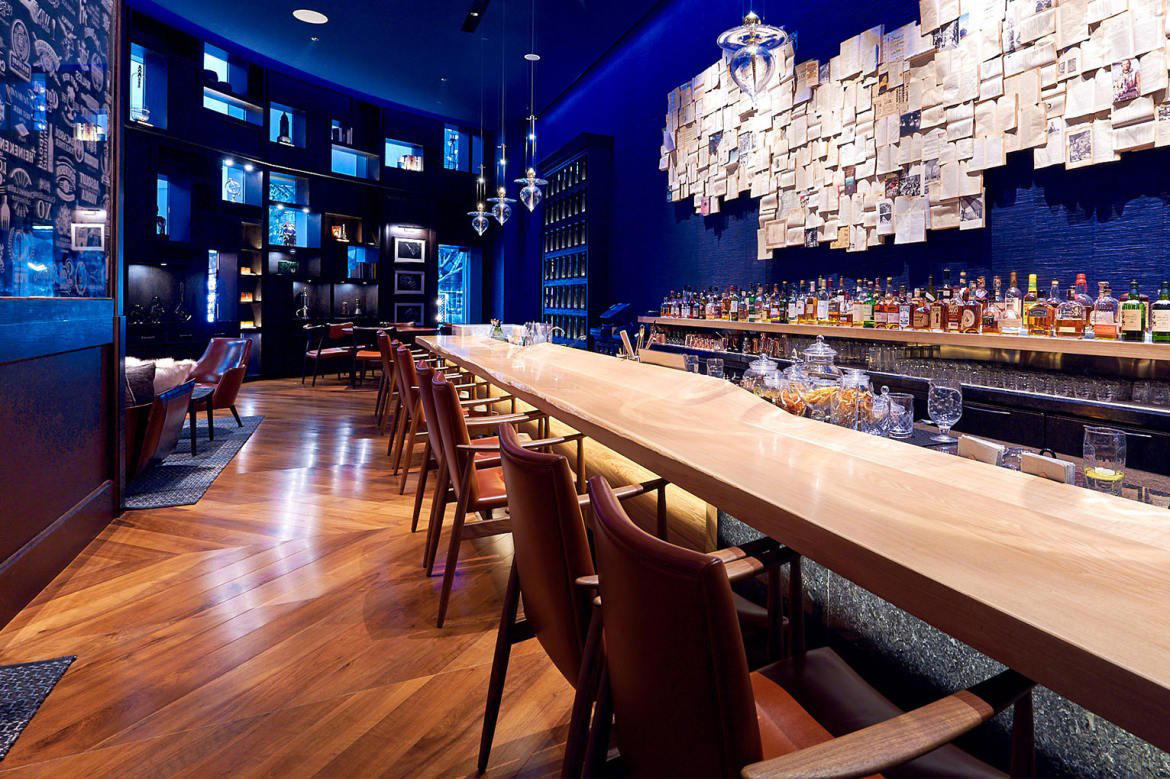
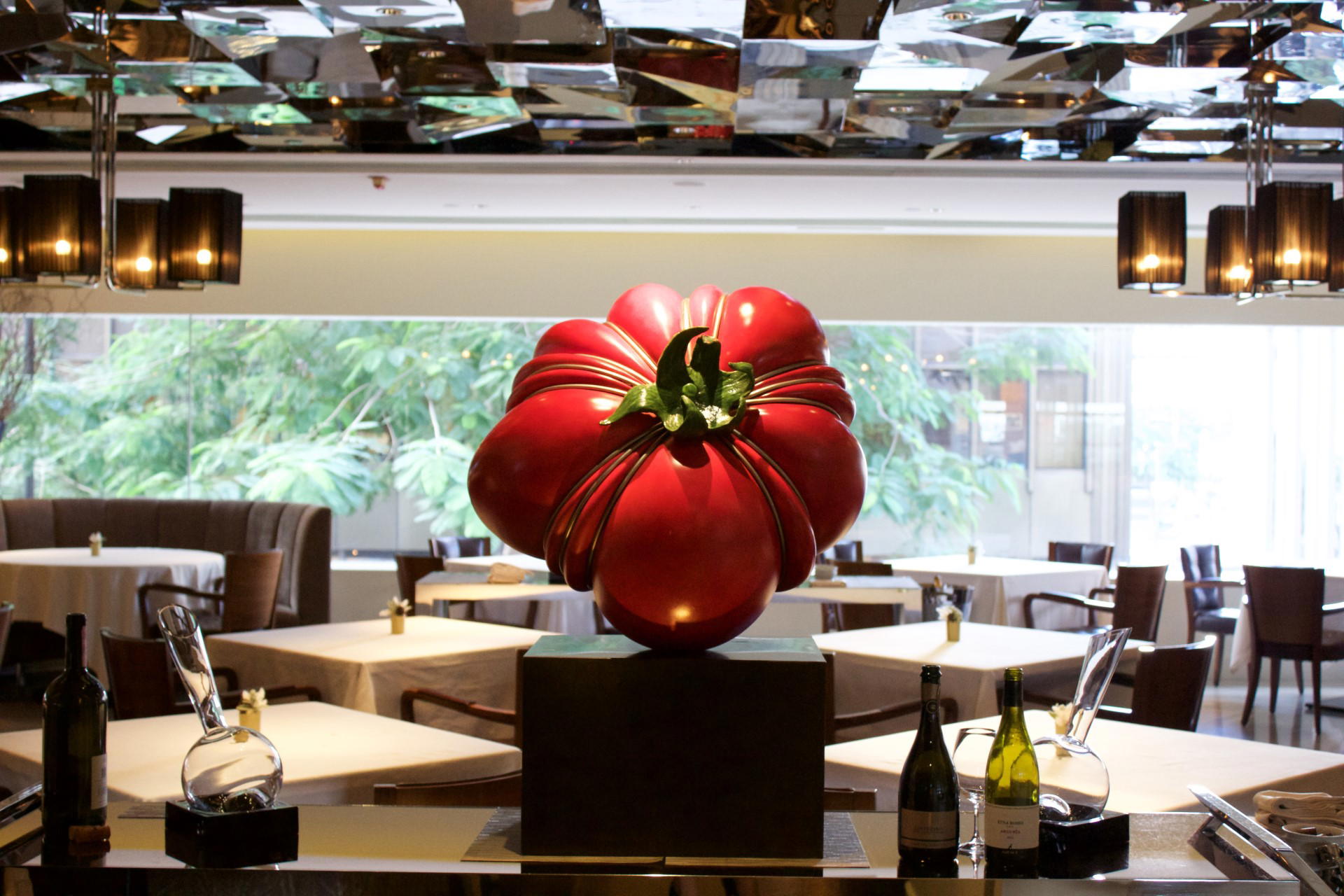
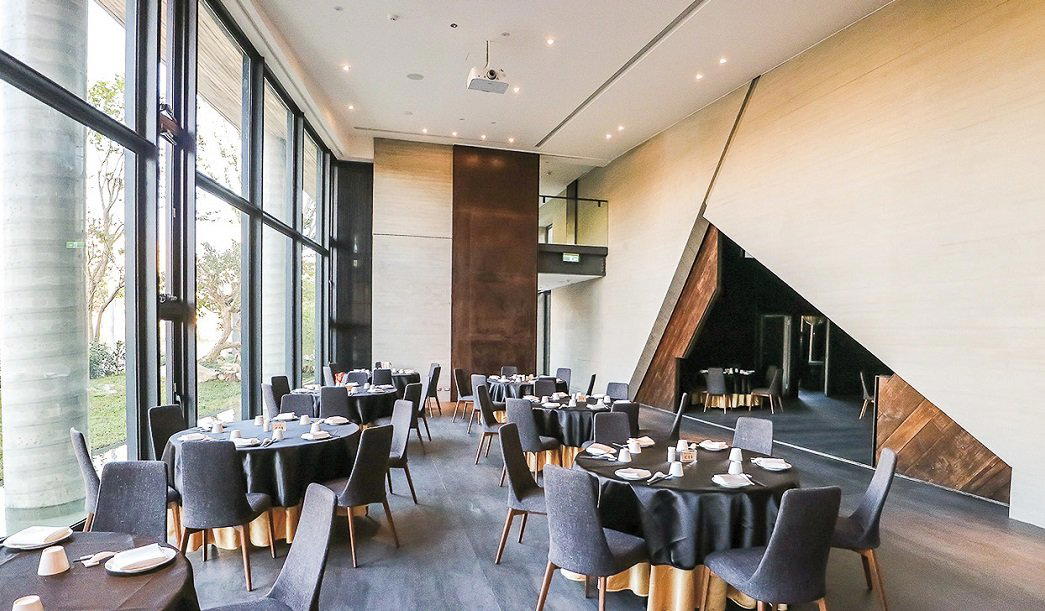
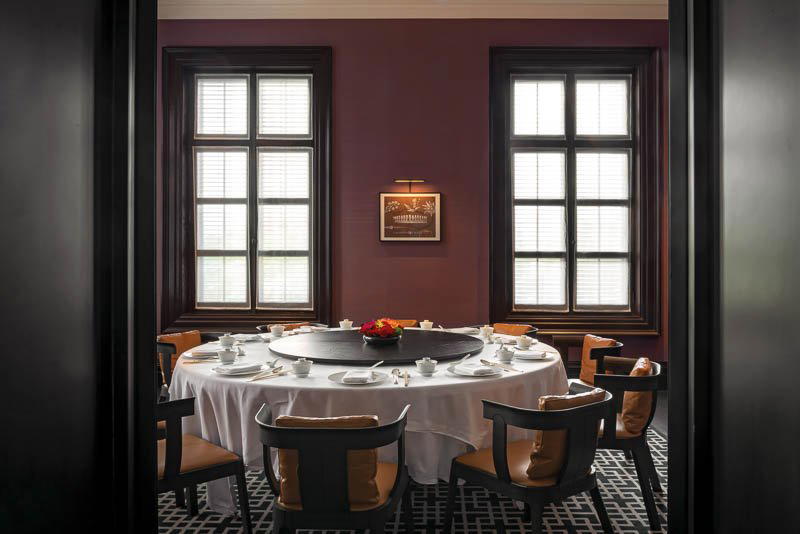
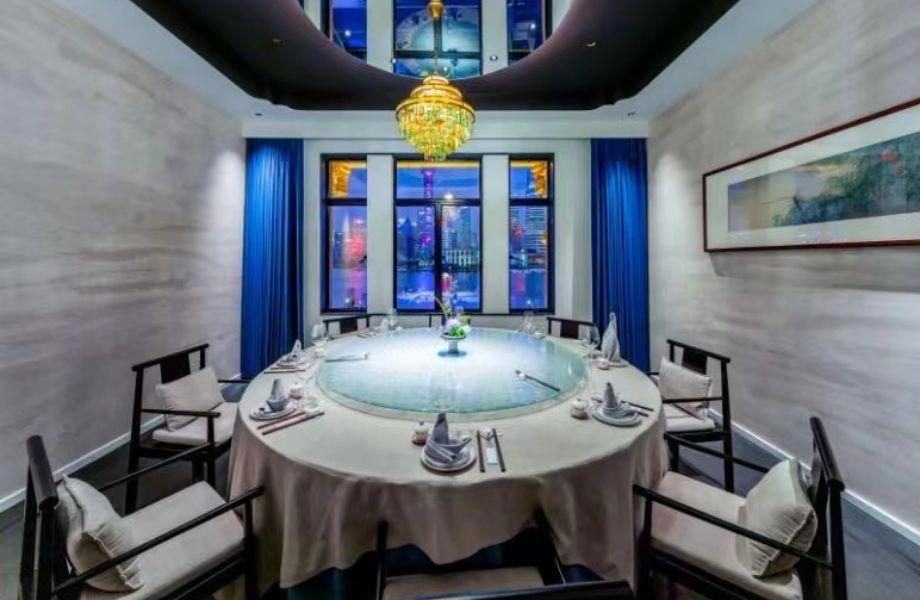
In the premium hotel tier, dining has become as much a positioning tool as room design. Shanghai's luxury properties have spent the last several years building food and beverage programmes that can anchor a stay rather than merely complement it. The Regent brand's approach at this address, framed around what the group calls "The Beauty of Contrast," applies to its dining collection as directly as it does to the architectural choices. A multi-venue programme is the norm at this price tier in Shanghai: a signature restaurant for formal occasions, a bar or lounge exploiting river views, and at least one all-day option that can absorb the breakfast-through-lunch crowd without feeling institutional.
For guests comparing options in the heritage-Bund corridor, the dining question often comes down to whether the food and beverage operation justifies staying in the hotel rather than walking to the independent restaurants that have gathered in the surrounding streets. The Hongkou District address places the Regent slightly north of the densest cluster of established restaurants on Zhongshan East Road, which means the on-site dining programme carries more weight here than it might at a property with immediate street-level competition. That is a structural advantage, not a compromise, provided the kitchen program is coherent.
Shanghai's riverfront dining has become a specific sub-category of the city's broader food conversation. The combination of Bund heritage views and premium pricing creates a guest expectation that is distinct from what applies in, say, the French Concession or Xintiandi. Andaz Xintiandi, Shanghai operates in an area saturated with independent dining, which pushes its food and beverage programme toward social formats. The Regent's riverfront position invites a different register: something that can hold a long dinner against a skyline that few dining rooms in the world can match in sheer visual drama.
Heritage as a Structural Choice
The decision to reference the former Seagull Hotel and Seamen's Club is not merely decorative. In Shanghai's luxury hotel market, heritage claims carry credibility when they are specific and verifiable, and less so when they function as generic atmosphere. The Seagull Hotel was a recognizable address in the city for decades, a fact that gives the Regent's continuity narrative something to rest on. Properties that open on blank sites in Pudong or the newer commercial districts have no equivalent anchor, which is partly why the Bund and its immediate surroundings remain the reference address for visitors who want proximity to the city's defining image.
The comparison with Bellagio Shanghai or Alila Shanghai is useful here. Both operate with distinct design programs, but neither carries the specific site history that the Regent's Hongkou address provides. Artyzen NEW BUND 31 Shanghai sits in the New Bund development zone further south, which has a different relationship to Shanghai's historical geography. Cachet Boutique Shanghai plays in an entirely different scale and price tier. The Regent's comparable set, on criteria of river positioning, heritage association, and full-service programming, is a small group.
Planning a Stay
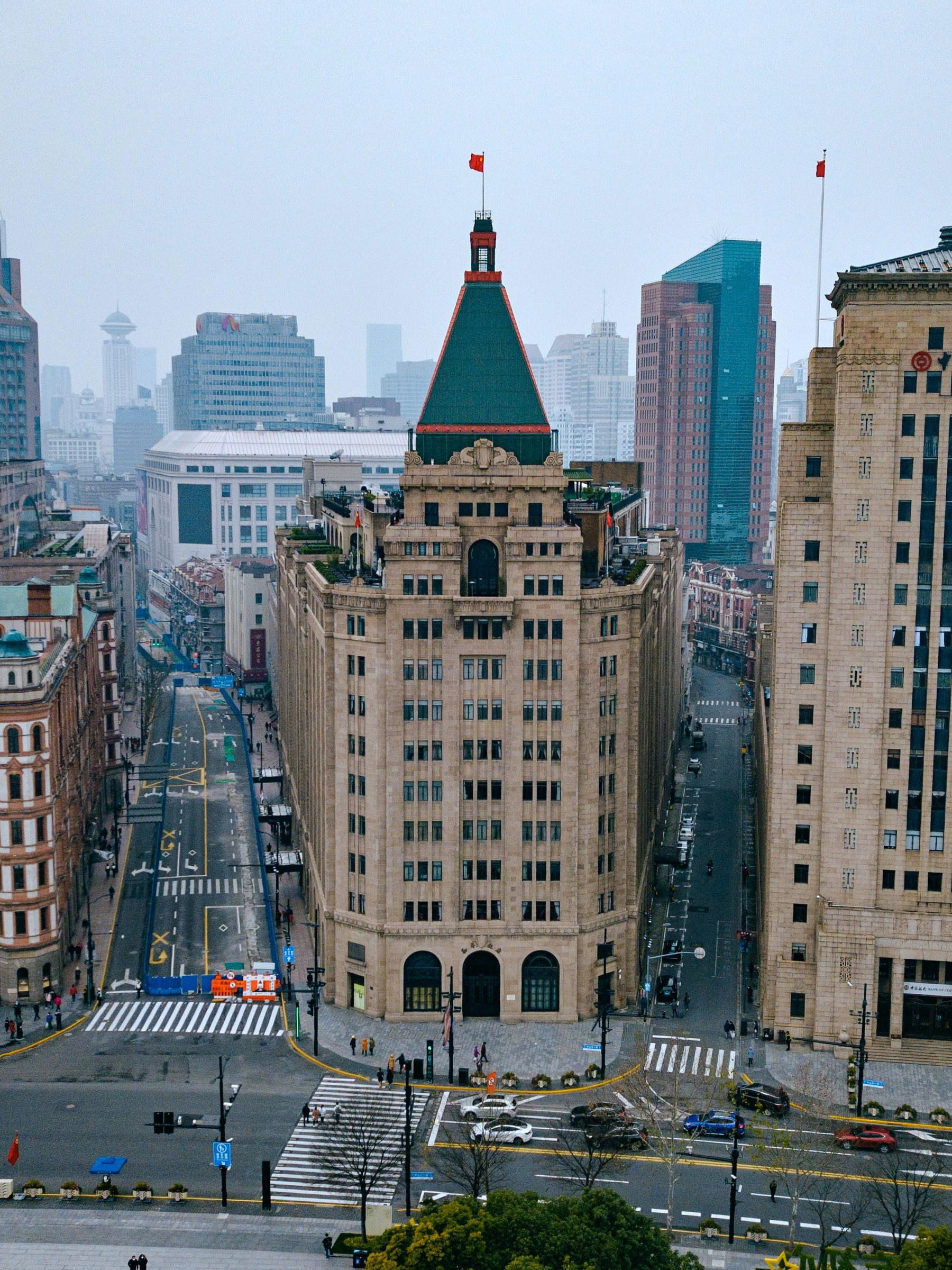
Hotel sits at 60 Huangpu Road in Hongkou District, on the northern extension of the Bund waterfront walk. Guests arriving from Pudong International Airport will typically find a taxi or car transfer of around 45 minutes depending on traffic, with the refined highway approach giving a first glimpse of the riverfront before descent into the city grid. The address is walkable to the Garden Bridge and the historic boundary between the former International Settlement and Hongkou's Japanese Concession area, a neighbourhood detail that adds historical texture to any stay.
For those building a broader China itinerary, the Regent's position in the premium tier makes it a natural pairing with Mandarin Oriental Qianmen in Beijing, another property that frames its identity through a historic urban address rather than contemporary architectural statement. Further afield within China, contrasting approaches to luxury are visible at Amanfayun in Hangzhou, where the property format is rooted in traditional village architecture, or at Amandayan in Lijiang, where the setting does the primary editorial work. 1 Hotel Haitang Bay, Sanya represents the resort alternative for those who want China's luxury hotel circuit extended to the coast.
A Minimal comparable set
Comparable venues nearby, for context on price, style, and recognition.
| Venue | Price | Notes |
|---|---|---|
| Regent Shanghai on The BundThis venue — the venue you are viewing | $$$$ | Not listed |
| JW Marriott Marquis Hotel Shanghai Pudong | $$$$ | Lao Bai Du, Luxury urban landmark hotel with dramatic central atrium and extensive meeting facilities |
| Sofitel Shanghai Hongqiao | $$$$ | Hongqiao CBD, Modern French luxury blended with Shanghai elegance in a garden hotel setting |
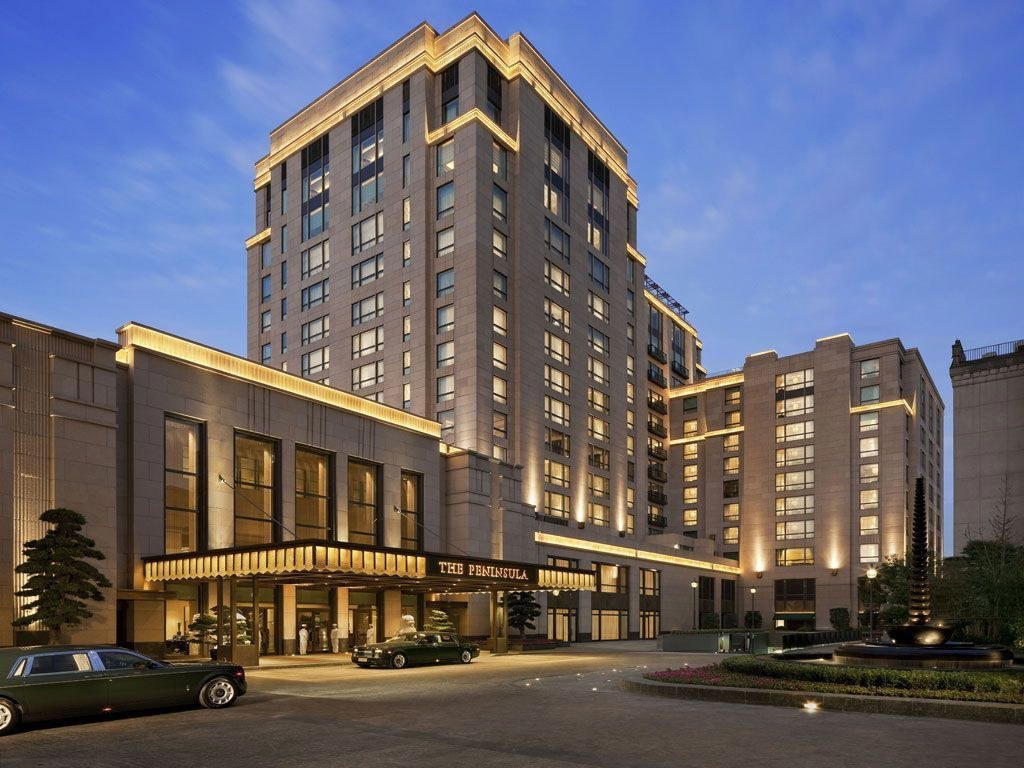
| Regent Shanghai Pudong | $$$$ | Lu Jia Du, Art Deco-inspired luxury high-rise in the 21st Century Tower |
| Park Hyatt Shanghai | $$$$ | Lu Jia Du, Sophisticated modern-Chinese residence in the sky |
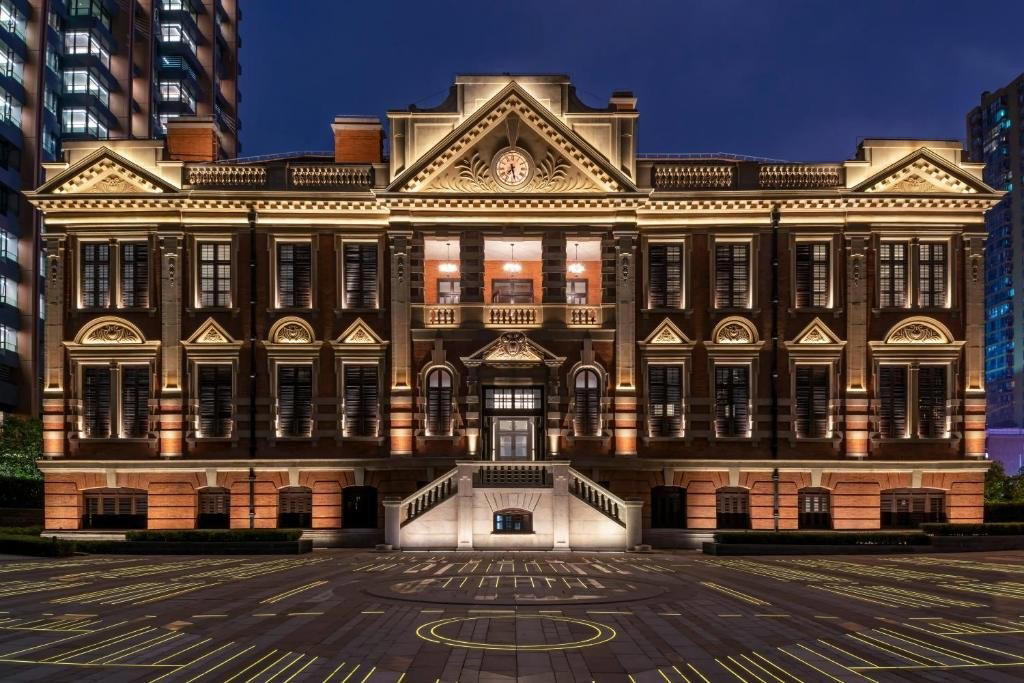
| Habo Hotel Shanghai | $$$ | Huangpu, Historic reborn structure fusing Eastern and Western cultures |
Recognition history
Dated appearances from independent guides and award organizations, with the underlying list record or original source where available.
Michelin Guide New Hotels New Hotel
Michelin Guide New Hotels
Virtuoso Luxury Hotel Partner
Virtuoso
Michelin Selected
Michelin
At a Glance
- Modern
- Scenic
- Sophisticated
- Elegant
- Business Trip
- Romantic Getaway
- Weekend Escape
- Celebration
- Anniversary
- Panoramic View
- Design Destination
- Waterfront
- Wi Fi
- Pool
- Spa
- Fitness Center
- Room Service
- Concierge
- Business Center
- Valet Parking
- Waterfront
- Skyline
- Wi Fi
- Pool
- Spa
- Fitness Center
- Room Service
- Concierge
- Business Center
- Valet Parking
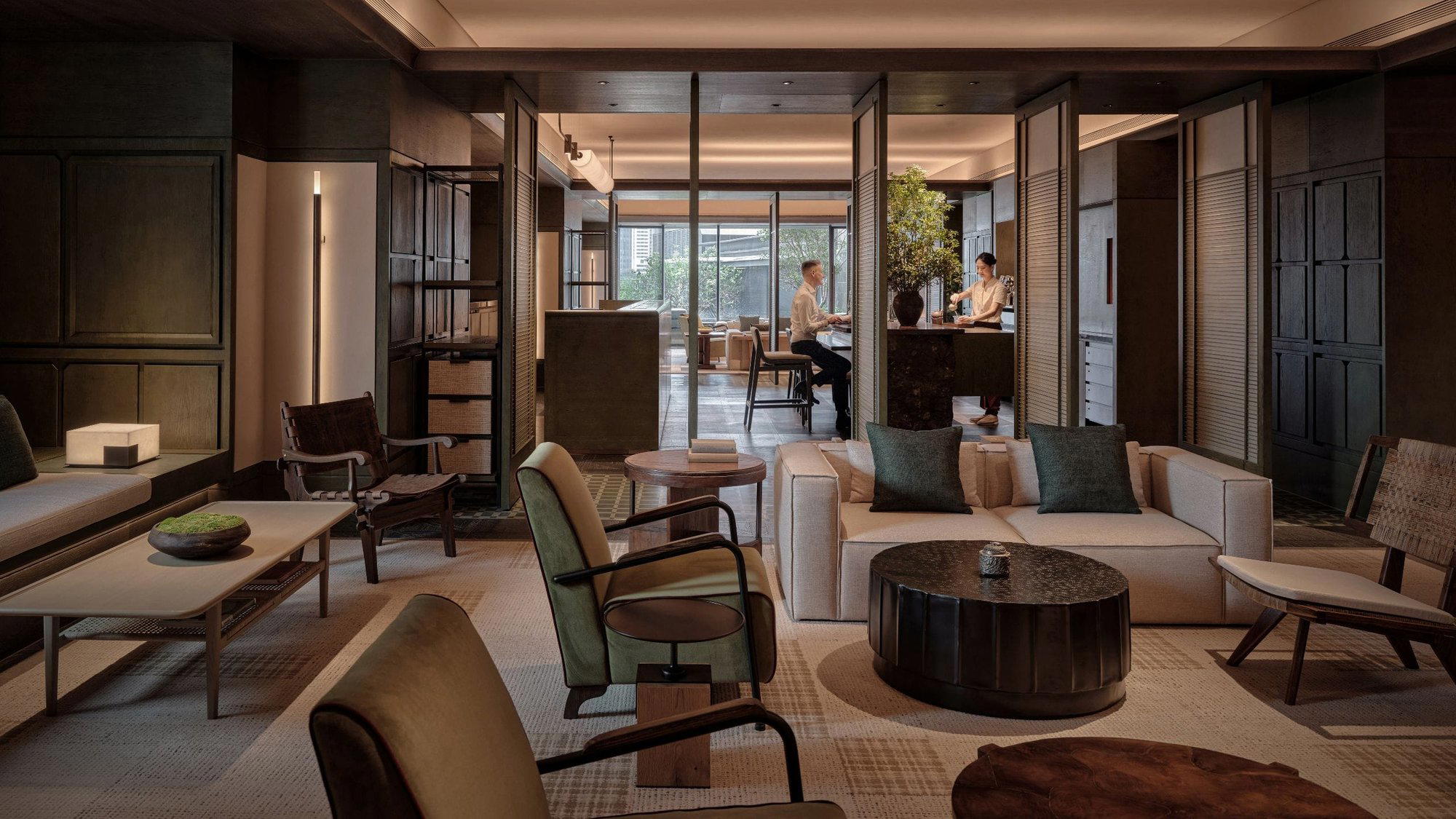
Modern, romantic, and luxurious, with bright skyline-and-river views, Art Deco-style accents, and a contemporary design atmosphere.