
Design Hotels Member
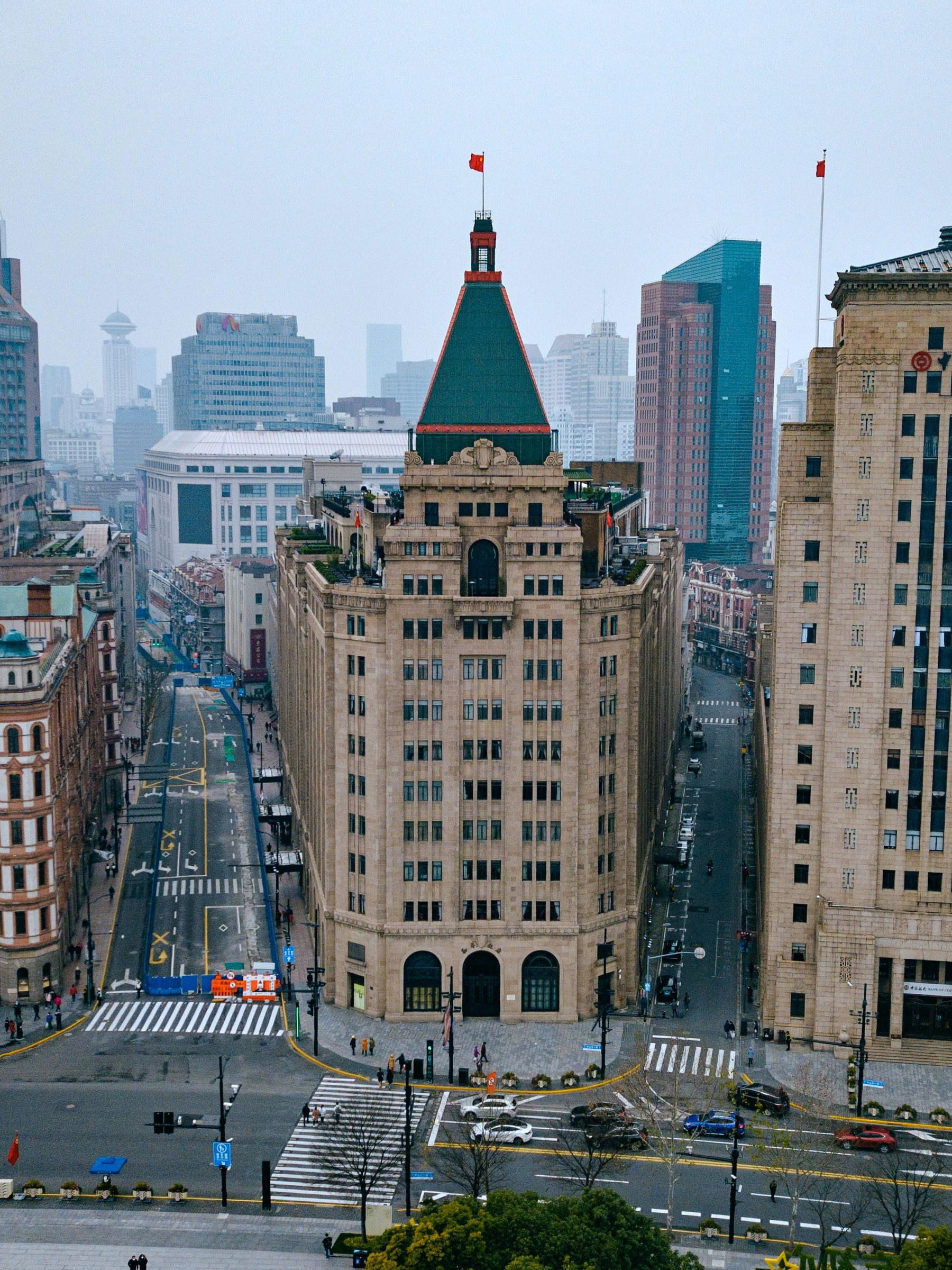
On Guizhou Road in the heart of old Shanghai, Habo Hotel occupies a structure that has weathered a century of the city's transformations. Its address places guests within the former International Settlement, where the cultural and commercial energy of Republican-era Shanghai was most concentrated. For travellers seeking proximity to that layered history, the hotel operates as both lodging and document of the city's architectural memory.

Pearl is the En Primeur Club membership app — saves, bookings, and concierge access live there. Same editors, same standards.
- Address
- 160 Guizhou Rd, Huangpu, Shanghai, China, 200000
- Phone
- +86 21 3185 8899
- Website
- marriott.com
- Directions
- Get directions
Where Guizhou Road Meets a Century of Shanghai
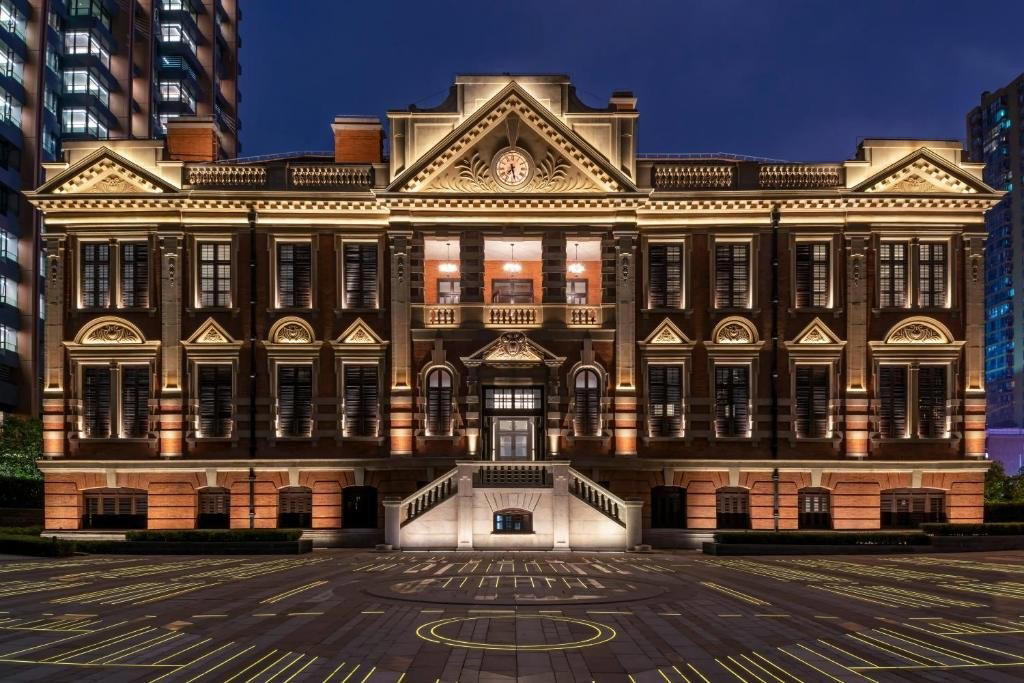
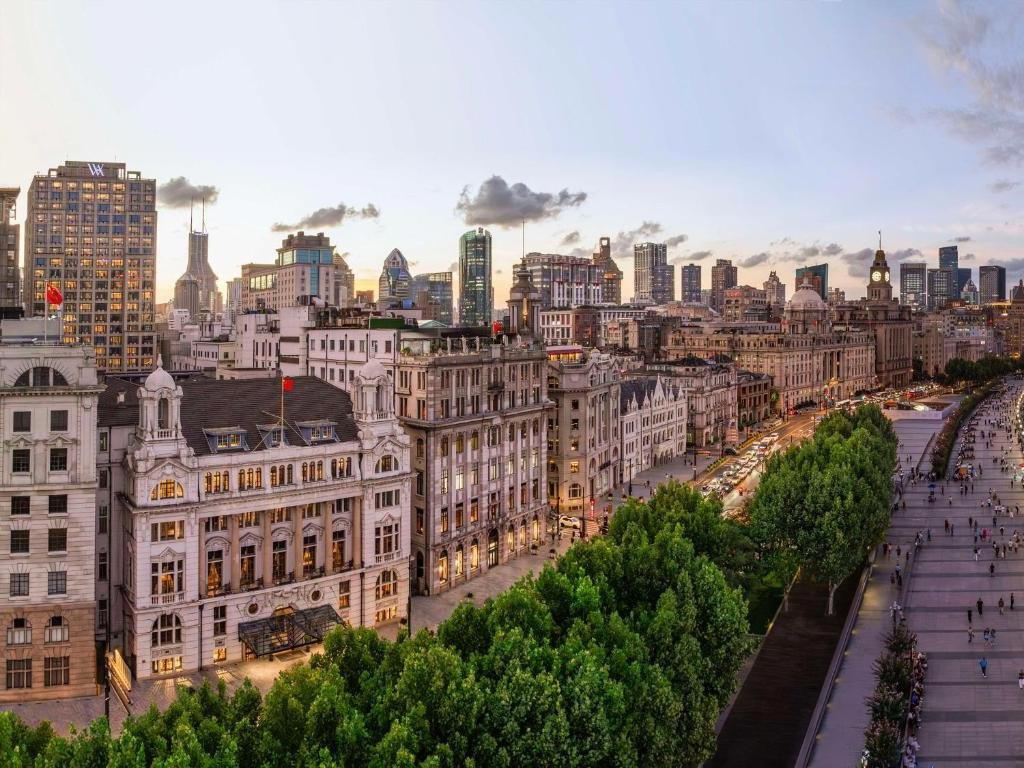
The stretch of Guizhou Road running through Shanghai's Huangpu district is one of those addresses that rewards context. The former International Settlement pressed its commercial and social ambitions hardest into this quarter during the first half of the twentieth century, and the built fabric along these blocks still carries the evidence: stone facades with European-inflected detailing, narrow lanes opening onto grander thoroughfares, and a density of history that newer developments in Pudong or along the reconfigured Bund waterfront cannot replicate. Into this setting, Habo Hotel Shanghai occupies a structure that has completed more than a century of Shanghai life, its bones predating the Communist revolution, the Cultural Revolution, and the reform-era towers that now frame the skyline above it.
The hotel's position at 160 Guizhou Road is not incidental. Shanghai's historic hospitality addresses have long been concentrated in Huangpu, where properties like the Capella Shanghai, Jian Ye Li and the Andaz Xintiandi, Shanghai have built their appeal around adaptive reuse of pre-1949 architecture. Habo joins that cohort not as a brand extension but as a property whose claim rests on the building itself — a structure that carries direct, documented ties to Shanghai's cultural, culinary, and artistic activity during the city's most internationally engaged decades.
The Reputation the Building Carries
In Shanghai's current hospitality tier, where new international flagships arrive with considerable marketing resources, the competitive advantage of genuine historical provenance is harder to manufacture and, for a specific traveller, more meaningful. The award and recognition language attached to Habo frames it explicitly as a property whose identity is inseparable from the golden-age Shanghai narrative: the Republican period, roughly 1912 through 1949, when the city operated as one of Asia's most cosmopolitan centres, drawing writers, musicians, merchants, and diplomats into a concentrated urban culture that left an architectural and social residue still visible today.
Amanyangyun, for instance, built its Shanghai presence around relocated Ming and Qing dynasty farmhouses and camphor forest, a programme of preservation so extensive it reshaped the competitive category. Bvlgari Hotel Shanghai arrived later with a brand-luxury approach anchored in a newly constructed tower. Habo's century-old structure sits between those poles: genuinely historic, operating in a city that now distinguishes carefully between authentically preserved fabric and new-build properties that reference the past decoratively.
Shanghai's Appetite for Its Own History
The revival of interest in Republican-era Shanghai has moved well beyond nostalgia into something more commercially and culturally serious. Across the city, the appetite for this period is visible in the restoration of Art Deco apartment buildings in the former French Concession, the meticulous reconstruction of shikumen longtang neighbourhoods around Xintiandi, and the programming choices of institutions like the Shanghai Museum and the Power Station of Art. Hotels that can position themselves as genuine participants in that tradition, rather than stylistic borrowers from it, occupy a different conversation with the city's more discerning travellers.
Proximity matters here. The Bund, the former financial artery of colonial-era Shanghai with its parade of neo-classical and Art Deco banking facades, sits within reach of Guizhou Road. The Yu Garden and the old city to the south, the People's Square cultural institutions to the north, and the dense commercial fabric of Nanjing Road between them place Habo in a walkable radius of the quarter where Shanghai's twentieth-century identity was most legibly constructed. For a comparison point at a different urban scale, consider what the Mandarin Oriental Qianmen in Beijing does with its hutong adjacency: historical proximity becomes a genuine amenity rather than a location footnote.
Travellers planning Shanghai itineraries with depth beyond the standard Bund-and-Xintiandi circuit would do well to cross-reference our full Shanghai restaurants guide, which maps the city's dining scene across neighbourhoods and price tiers with the same editorial scrutiny applied here. Properties like Alila Shanghai, Cachet Boutique Shanghai, and Bellagio Shanghai each occupy different positions in Shanghai's accommodation spectrum, and comparing Habo against them clarifies the specific proposition: a historic structure in a historically loaded neighbourhood, positioned around cultural and artistic legacy rather than brand amenity packages.
Arriving and Planning Your Stay
Habo Hotel Shanghai's address at 160 Guizhou Road in Shanghai 200001 places it squarely in Huangpu, the district that contains the Bund, Nanjing Road, and People's Square. Metro access in this zone is among the city's densest, with multiple lines converging at People's Square station, making the neighbourhood easy to reach from both Pudong International Airport and Hongqiao. For travellers arriving from elsewhere in China, the connection points are similarly direct: see how regional properties like Amanfayun in Hangzhou or Amandayan in Lijiang situate themselves relative to high-speed rail, a planning consideration that applies equally in Shanghai. Given the absence of current booking details in the public record, direct contact with the property is the appropriate channel for reservations and rate information.
The Broader Context for Century-Old Properties
Buildings that have survived Shanghai's twentieth century intact carry a specific weight. The city demolished aggressively during its 1990s and 2000s expansion, and the structures that came through that period are proportionally rarer for it. A hotel that frames its identity around that survival, and around the cultural scene those walls once housed, is making an argument about what hospitality in a historically complex city can mean. Comparable arguments are made, in different architectural registers, by properties like Aman Venice or The Fifth Avenue Hotel in New York City, where the building's own history becomes part of the guest's experience rather than backdrop. Aman New York offers another reference: a landmarked structure repurposed into hospitality at the upper tier of the market, where the architecture carries as much weight as the service offering.
For Shanghai specifically, the question worth asking before booking is whether the hotel's historical narrative is a documented reality or a marketing construction. In Habo's case, the century-old structure and its documented ties to Shanghai's cultural and artistic activity during the Republican era represent Category 1 evidence — facts attached to the building, not promotional claims built around it. That distinction matters in a city where new hotels regularly invoke the 1930s aesthetic without the 1930s provenance.
Cuisine and Awards Snapshot
Comparable venues nearby, for context on price, style, and recognition.
| Venue | Cuisine | Price | Awards | Notes |
|---|---|---|---|---|
| Habo Hotel ShanghaiThis venue — the venue you are viewing | Historic reborn structure fusing Eastern and Western cultures | $1–100 | Design Hotels Member | Not listed |
| Andaz Xintiandi, Shanghai | Contemporary luxury boutique in restored Shikumen district | $100–200 | Michelin Selected · Forbes Recommended | Lao Ximen |
| Jing An Shangri-La, West Shanghai | High-rise urban luxury tower | $300–500 | Michelin Selected · La Liste Top Hotels | Jing'an |
| InterContinental Shanghai Pudong | Modern atrium-style luxury hotel | $100–200 | Not listed | Yang Jia Du |
| Artyzen NEW BUND 31 Shanghai | Modern luxury lifestyle hotel blending contemporary design with Shanghainese cultural elements and artistic sensibility. | $200–300 | Michelin Selected · Preferred Hotels Member | Yangsi Xiang |
| Artyzen Habitat Hongqiao Shanghai | Contemporary urban habitat inspired by art and culture | Not listed | Michelin Selected | Tianlin R.a. |
Recognition history
Dated appearances from independent guides and award organizations, with the underlying list record or original source where available.
Design Hotels Member
Design Hotels
Details
- Modern
- Elegant
- Sophisticated
- Historic
- Business Trip
- Weekend Escape
- Terrace
- Historic Building
- Panoramic View
- Wi Fi
- Fitness Center
- Restaurant
- Room Service
- Concierge
- Business Center
- Skyline
- Street Scene
- Wheelchair Accessible
- Elevator
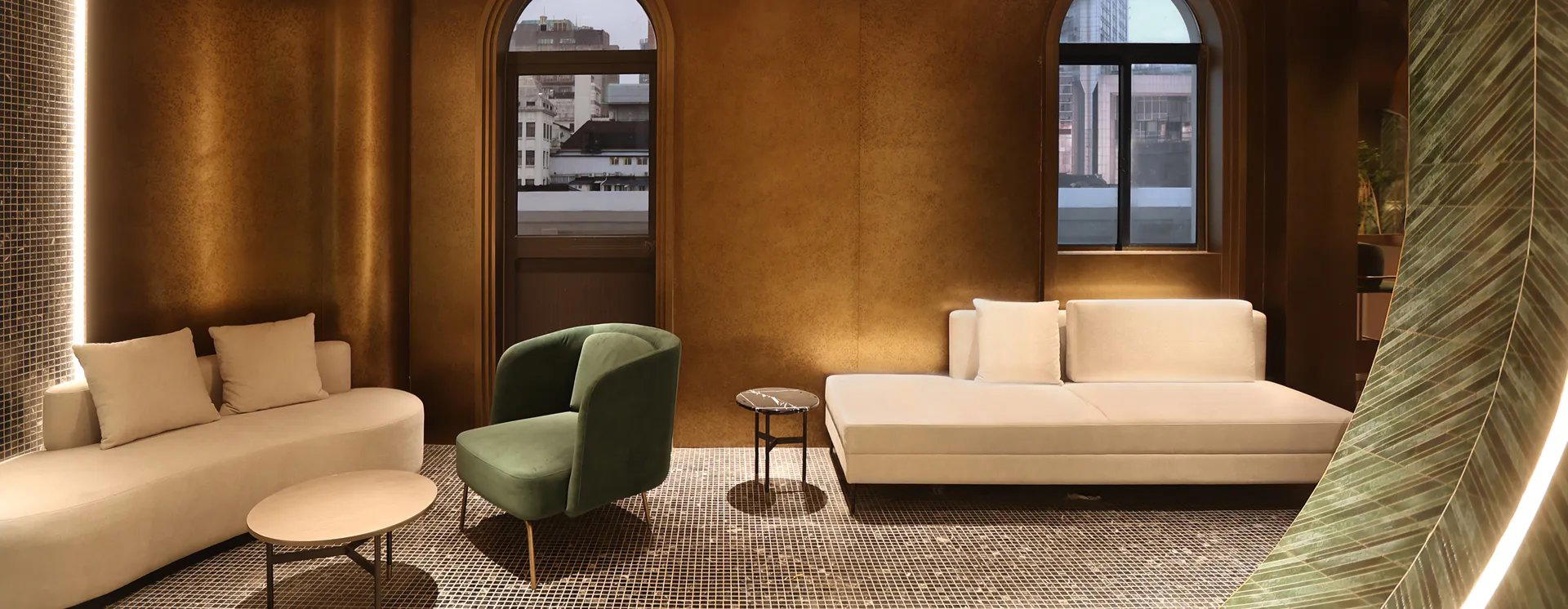
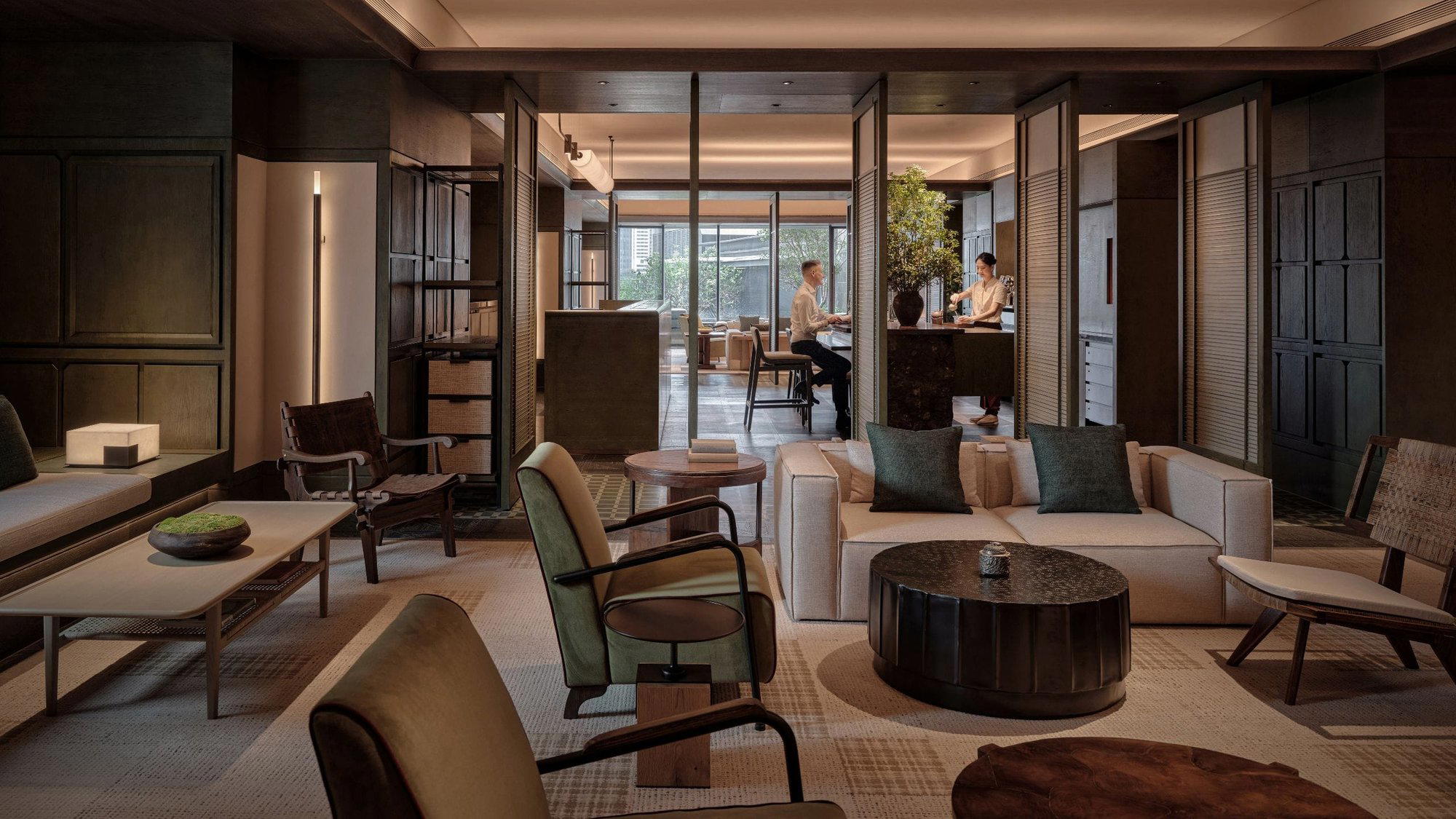
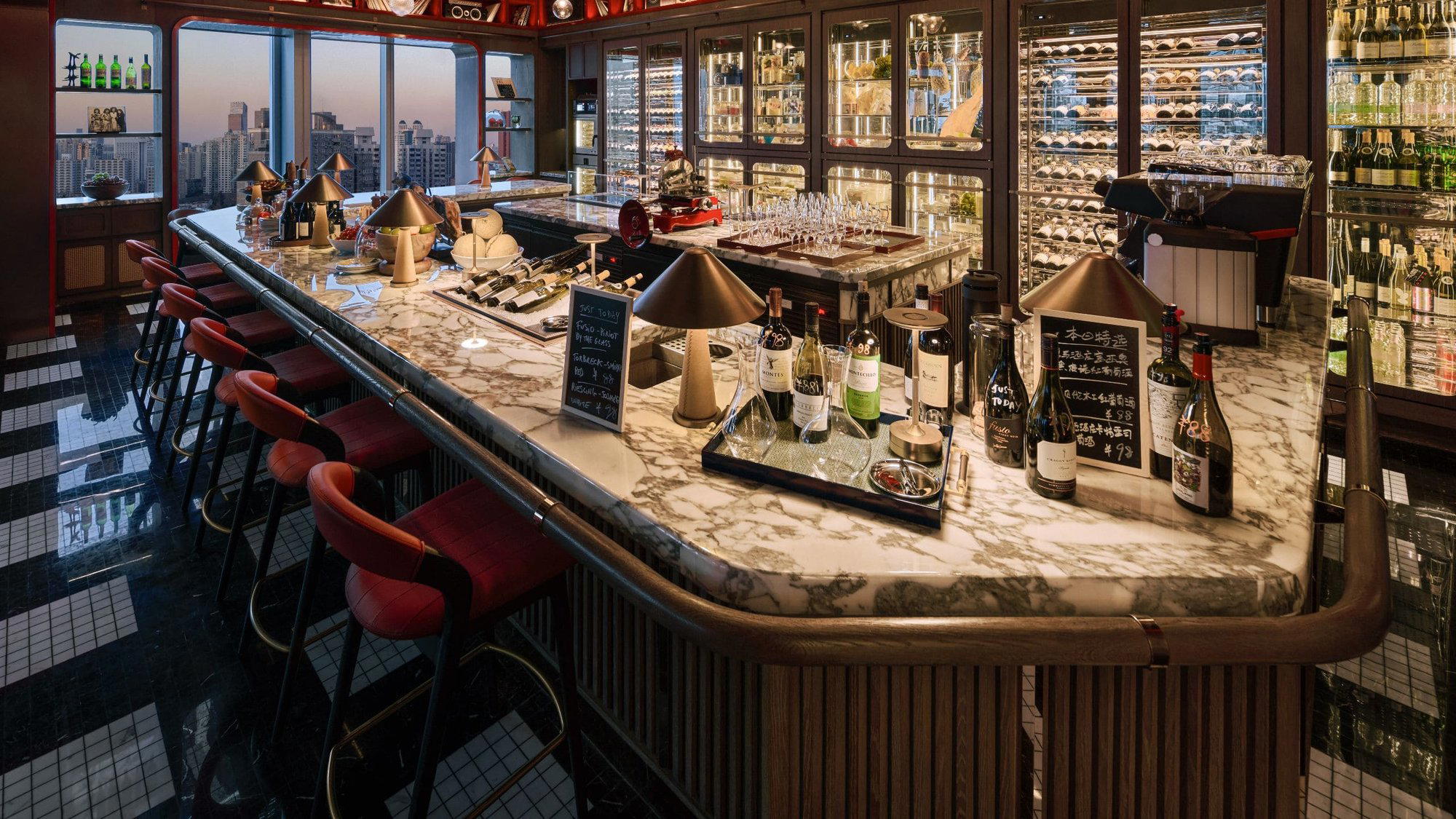
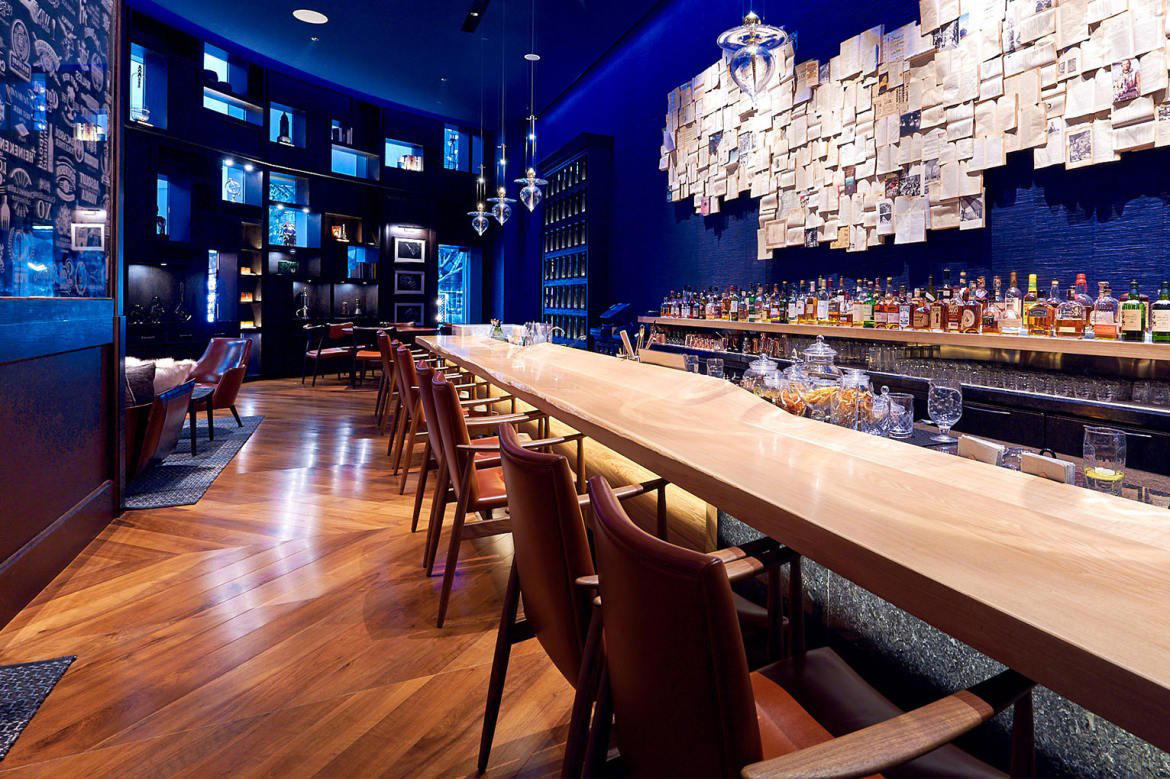
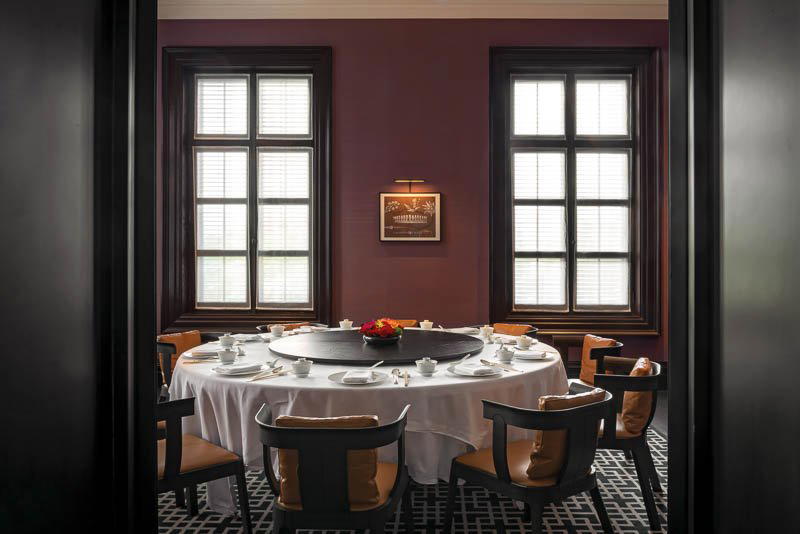
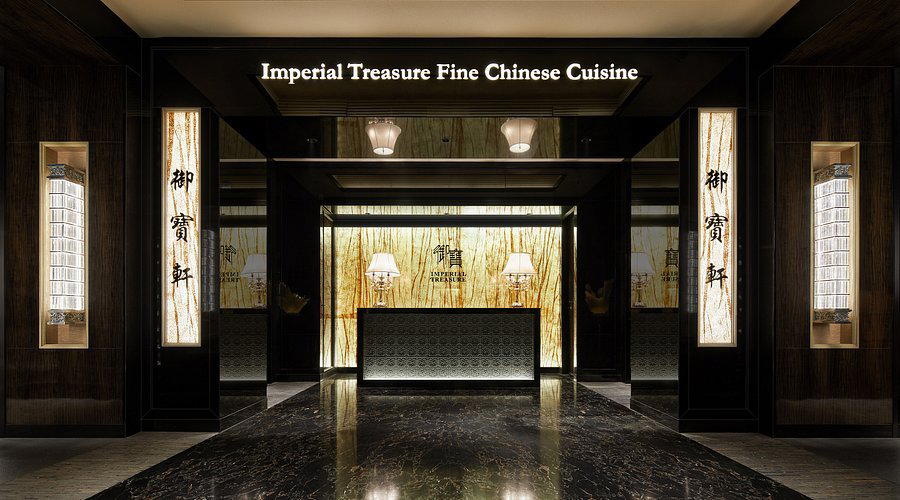
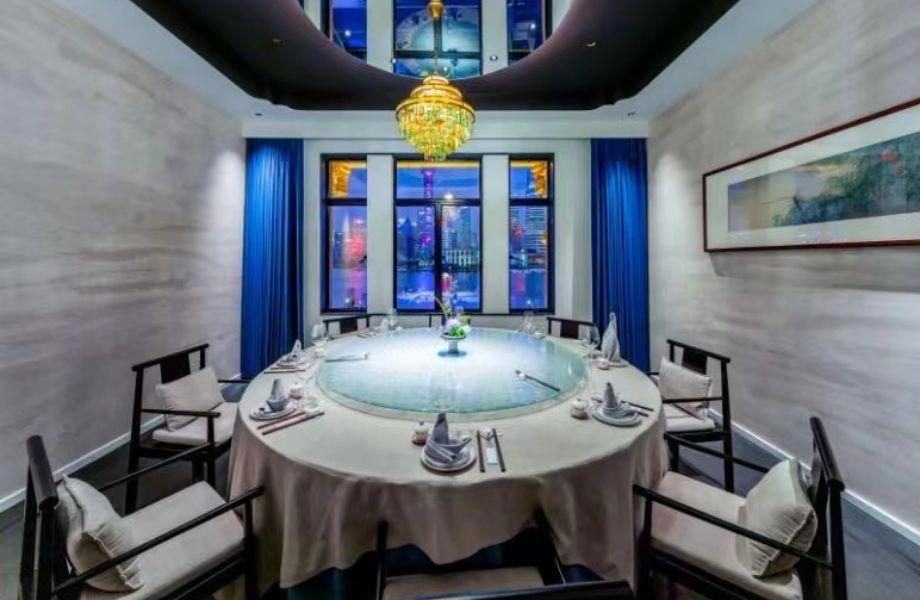
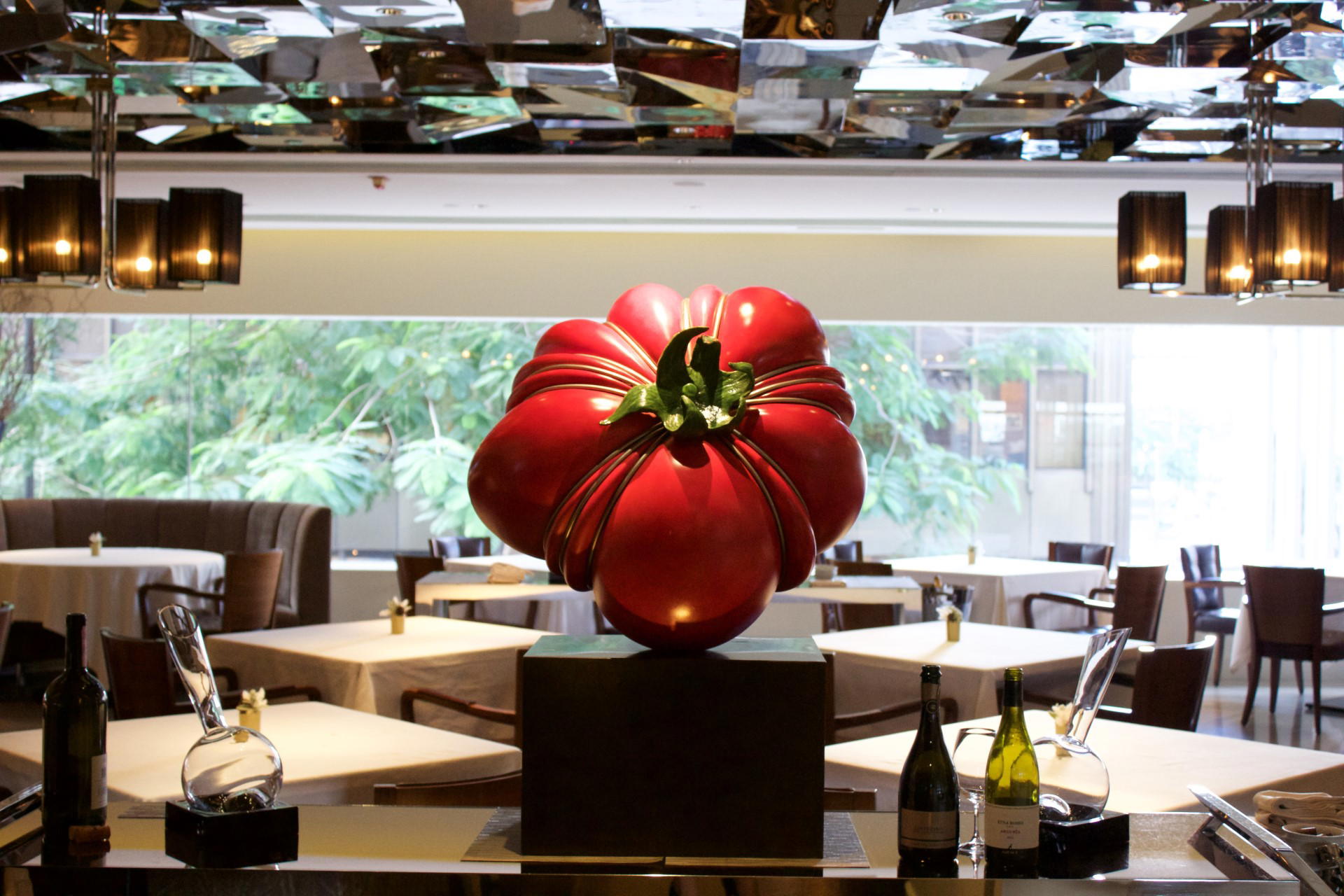
Sophisticated layered atmosphere with warm earth tones, soft grays, aged bronze, deep wood finishes, and mosaic-tiled corridors.