




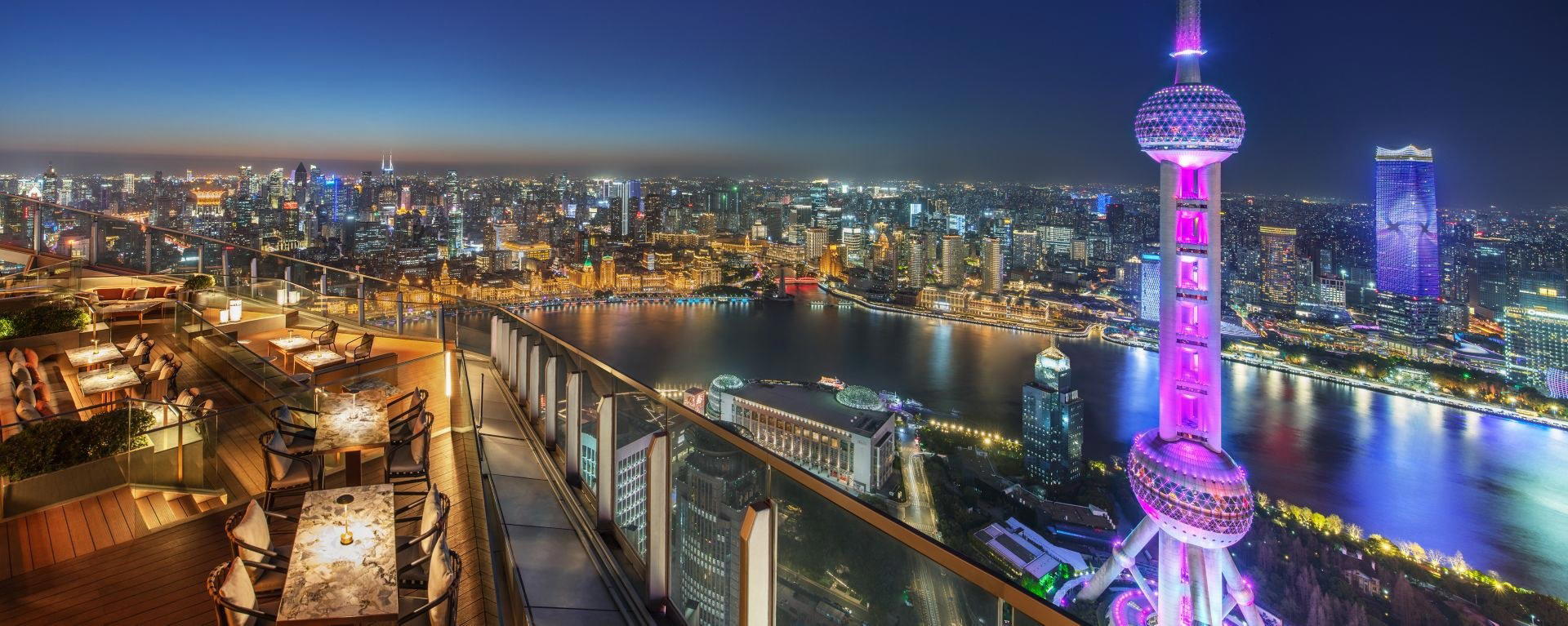
Meet the Bund places Fujian cooking inside Shanghai’s premium dining conversation, with Chen Zhiping leading a kitchen known for province-specific technique rather than generic coastal luxury. Recognition from Black Pearl, Michelin Plate, La Liste, Opinionated About Dining and Asia’s 50 Best Restaurants gives it unusual critical density for a Fujian address in Shanghai.
Pearl is the En Primeur Club membership app — saves, bookings, and concierge access live there. Same editors, same standards.
- Address
- 56th Floor, West Tower, Raffles City The Bund, Hongkou District, Shanghai, China
- Phone
- +86 21 6350 9988
- Website
- m-restaurantgroup.com
 Saves & bookings on Pearl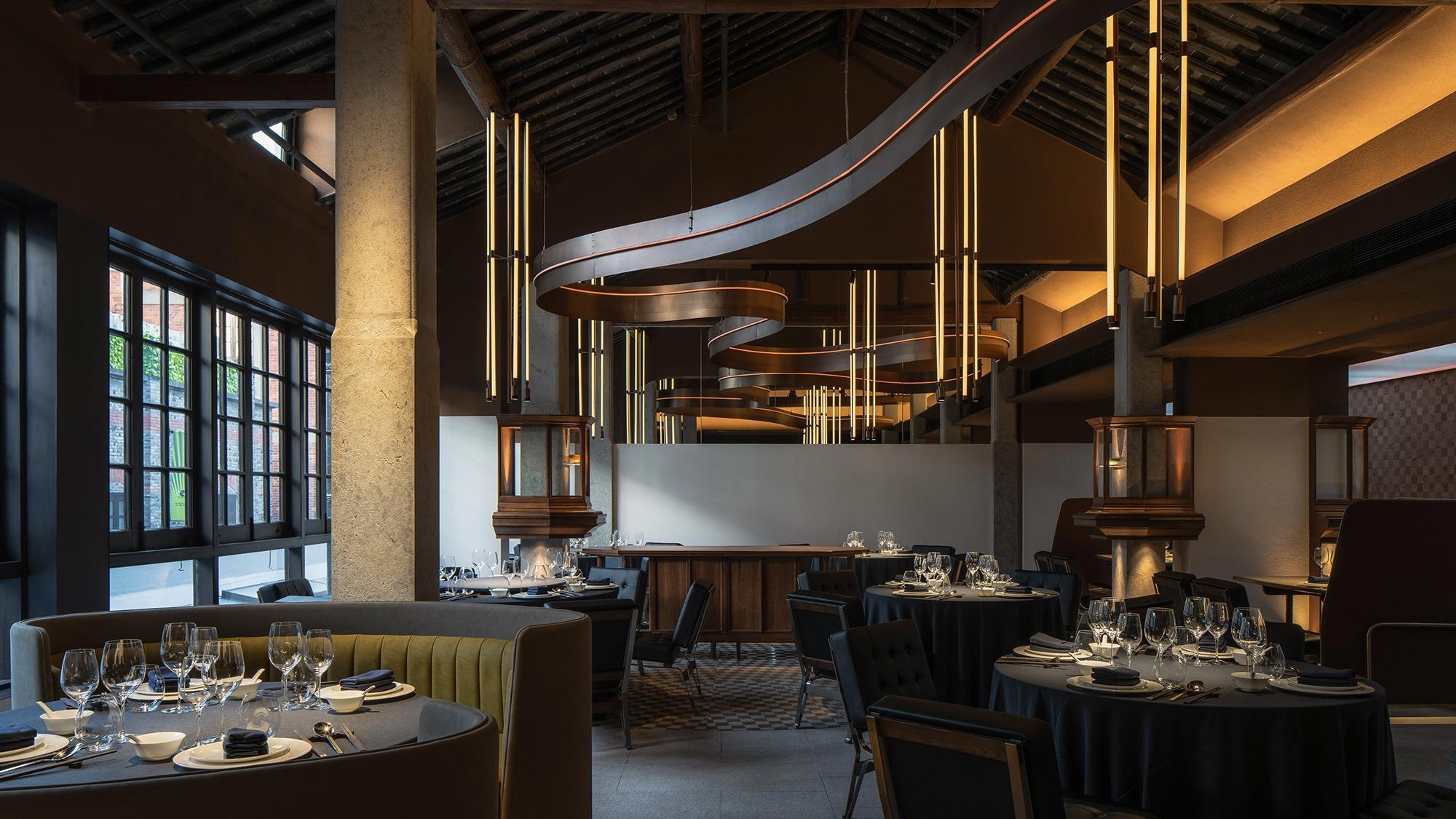
Meet the Bund is best approached as a polished Shanghai dining room rather than as a generic luxury stop to tick off between appointments. The useful reading is not a fixed checklist of décor, chef biography, signature dishes or neighbourhood shorthand, but the way the restaurant sits inside a city where premium dining can range from formal rooms to more contemporary, destination-led tables. For travellers building a serious Shanghai itinerary, the appeal is its place in that conversation: a recognized restaurant with enough external validation to merit attention, while still needing to be judged on the meal itself rather than on surrounding mythology.
The comparison is not only with one narrow style of cooking. Shanghai diners have many ways to read craft: small formats, shared dishes, service rhythm, refinement, pacing and the sense that a meal has been edited rather than merely expanded. Meet the Bund belongs in that field as a restaurant to consider for a formal meal in Shanghai. The relevant question is whether the kitchen and room make a clear argument for the experience, not whether the restaurant can be reduced to one dish, one chef name, one street address or one piece of borrowed prestige.
Recognized dining in a city trained on precision
Shanghai diners know how to read craft across a wide range of dining rooms. Some restaurants emphasize highly polished formal cues; others lean into more intimate, contemporary or locally focused meals. Meet the Bund should be understood within that broader premium-dining environment, where the expectations are clarity, consistency and a sense of purpose. Rather than positioning it through unsupported details about a particular chef, founding story, menu format or exact address, the safer and more useful frame is simple: this is a recognized Shanghai restaurant whose value depends on how convincingly the meal communicates its point of view.
Within that context, Meet the Bund has a clear reason to be on a traveller’s shortlist. It is not merely another anonymous dining room in a large city; it has been identified in the Black Restaurant Guide 2026 as a three-diamond restaurant. That matters because the recognition places it among restaurants being evaluated for more than convenience or casual popularity. The award does not guarantee that every diner will prefer it over other Shanghai meals, but it does make the restaurant relevant for guests who follow China’s high-end dining guides and want to understand which local rooms are being singled out.
Shanghai has enough serious dining to make comparison useful. Chic 1699 and Min He Nan Huan Xi can sit in the same broad planning conversation for travellers comparing premium meals in the city, while Ban Lan (Huqiu) and Yu Garden may also be useful reference points depending on the itinerary. Meet the Bund’s confirmed distinction is its Black Restaurant Guide 2026 three-diamond recognition. Claims beyond that should be treated cautiously unless verified directly, because a stronger page is one that separates real recognition from unsupported ranking noise.
Why the awards matter for a serious Shanghai table
Awards can flatten dining when they are used as a substitute for description. The better use of recognition is narrower: it helps identify which restaurants have entered a more serious competitive set. For Meet the Bund, the confirmed Black Restaurant Guide 2026 three-diamond status gives the restaurant a credible reason to be considered by diners who track high-end restaurant guides. It should not be inflated into a list of unverified rankings, nor should it be used to invent details about cuisine, chef, address, price or format that are not established here.
That distinction matters for travellers choosing one important meal in Shanghai. A restaurant can be important without needing every surrounding claim to be embellished. Meet the Bund’s case rests on its Shanghai setting and its confirmed Black three-diamond recognition, not on unsupported descriptions of exact location, signature preparations, opening schedule or ownership. Diners should therefore evaluate it as a serious option in the city’s premium dining landscape and, where necessary, confirm current practical details directly before booking.
For a wider city plan, the contrast is useful. A traveller can place this meal alongside other Shanghai dining rather than treating every restaurant as interchangeable. For comparison inside Shanghai, use Chic 1699 and Min He Nan Huan Xi, and consider Ban Lan (Huqiu), Yu Garden and other dining in Shanghai generically where they fit the itinerary. The point is not to build a trophy list from unsupported names, but to understand how Meet the Bund fits among the city’s serious restaurant options.
The reader decision: choose it for confirmed recognition, not generic luxury
Meet the Bund is the stronger choice when the goal is to include a recognized Shanghai restaurant in a premium dining itinerary. It is less useful when treated as a placeholder for every style of meal or as a substitute for categories that may be better explored elsewhere in the city. Diners should choose it because its confirmed Black Restaurant Guide 2026 three-diamond recognition gives it a meaningful place in Shanghai’s serious dining circuit, while remembering that the most important test remains the actual meal.
The better itinerary treats the restaurant as one part of a Shanghai dining map rather than a stand-alone trophy. Start with our full Shanghai restaurants guide for the city’s wider dining range, then match dinner plans with our full Shanghai hotels guide, our full Shanghai bars guide, our full Shanghai wineries guide and our full Shanghai experiences guide. The meal makes the greatest sense for travellers who want a recognized Shanghai dining room and prefer verified guide recognition over unsupported claims about chef, cuisine, exact address, rankings or elaborate backstory.
Price and Recognition
Side-by-side context: comparable cuisine and price.
| Venue | Cuisine | Price | Awards | Notes |
|---|---|---|---|---|
| Meet the BundThis venue — the venue you are viewing | Lan Ni Du, Modern Fujianese Fine Dining | $$$$ | Michelin 1 Star | |
| 102 House | Lan Ni Du, Traditional Cantonese Banquet | $$$$ | Michelin 2 Star | |
| Ling Long Shanghai | Da Pu Qiao, Modern Chinese Fine Dining | $$$$ | Michelin 1 Star | |
| Fu He Hui | $$$$ | Michelin 2 Star | Jing An Si, Modern Seasonal Vegetarian Fine Dining | |
| Xin Rong Ji | Jing'an, Chinese | $$$$ | Michelin 2 Star | |
| Taian Table | $$$$ | Michelin 3 Star | Jing An Si, Modern European with Asian Influences |
Continue exploring
More in Shanghai
More from Chef Chen Zhiping
Browse all →
Restaurants in Shanghai
Browse all →
Bars in Shanghai
Browse all →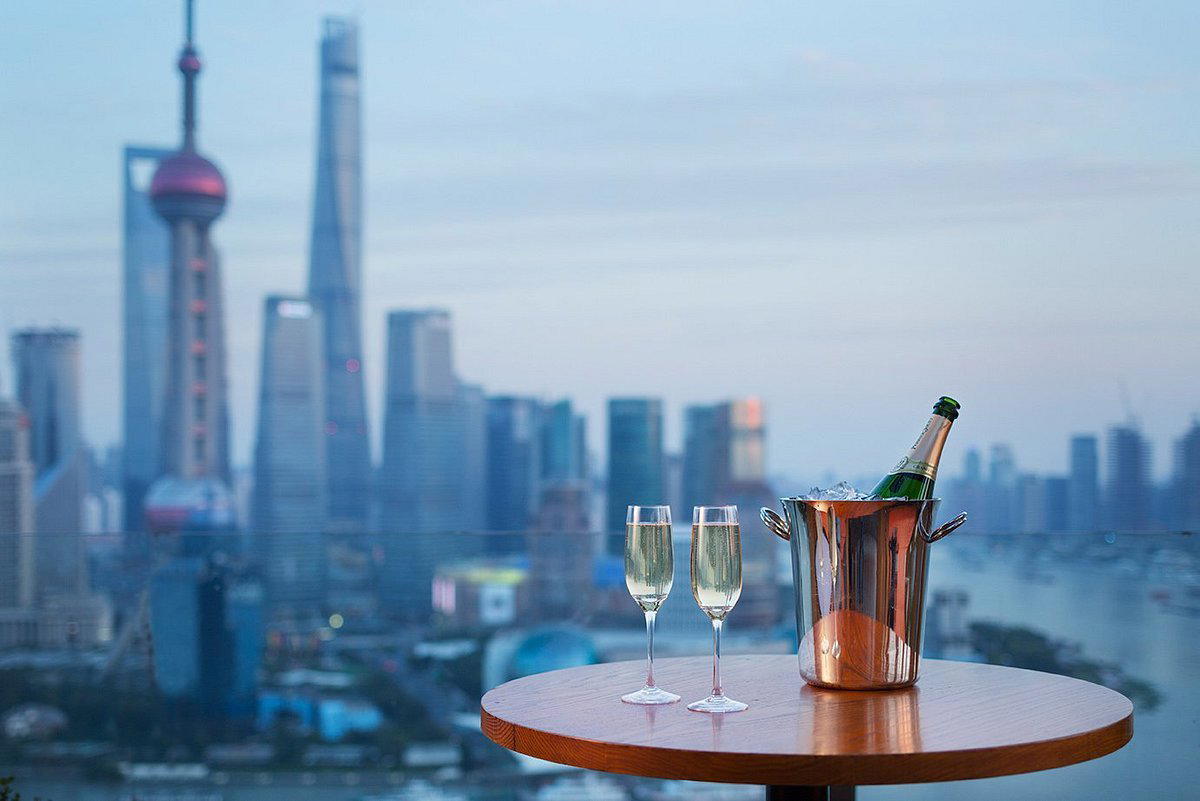
At a Glance
- Elegant
- Sophisticated
- Intimate
- Modern
- Date Night
- Business Dinner
- Special Occasion
- Celebration
- Private Dining
- Open Kitchen
- Sake Program
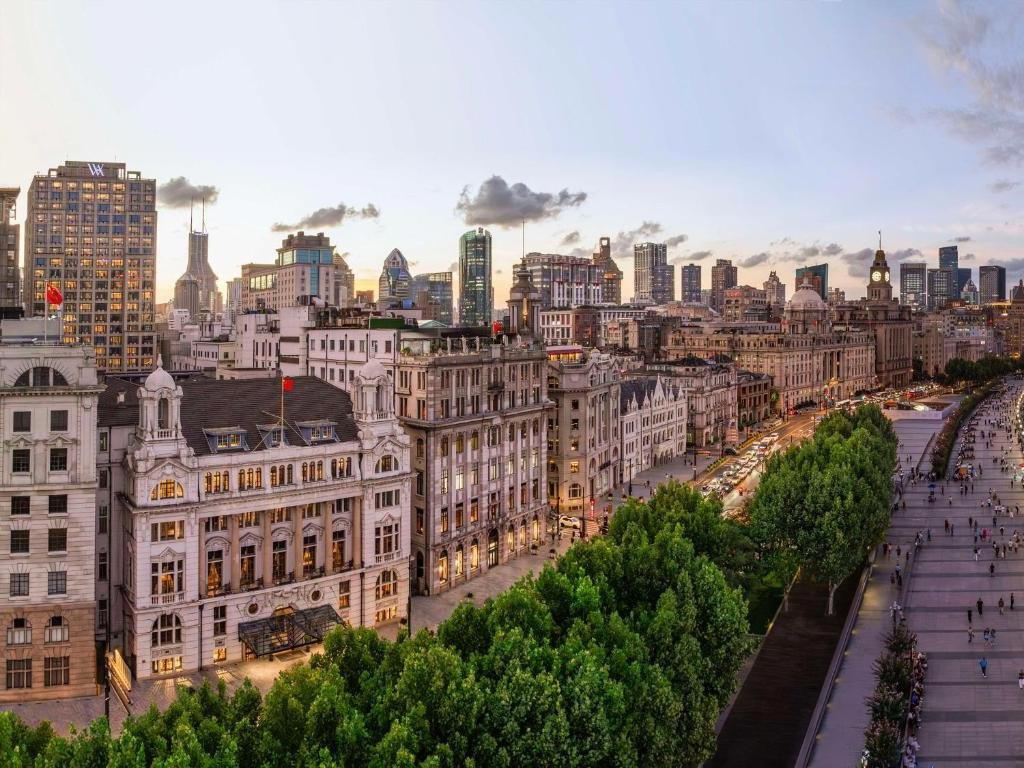
- Skyline
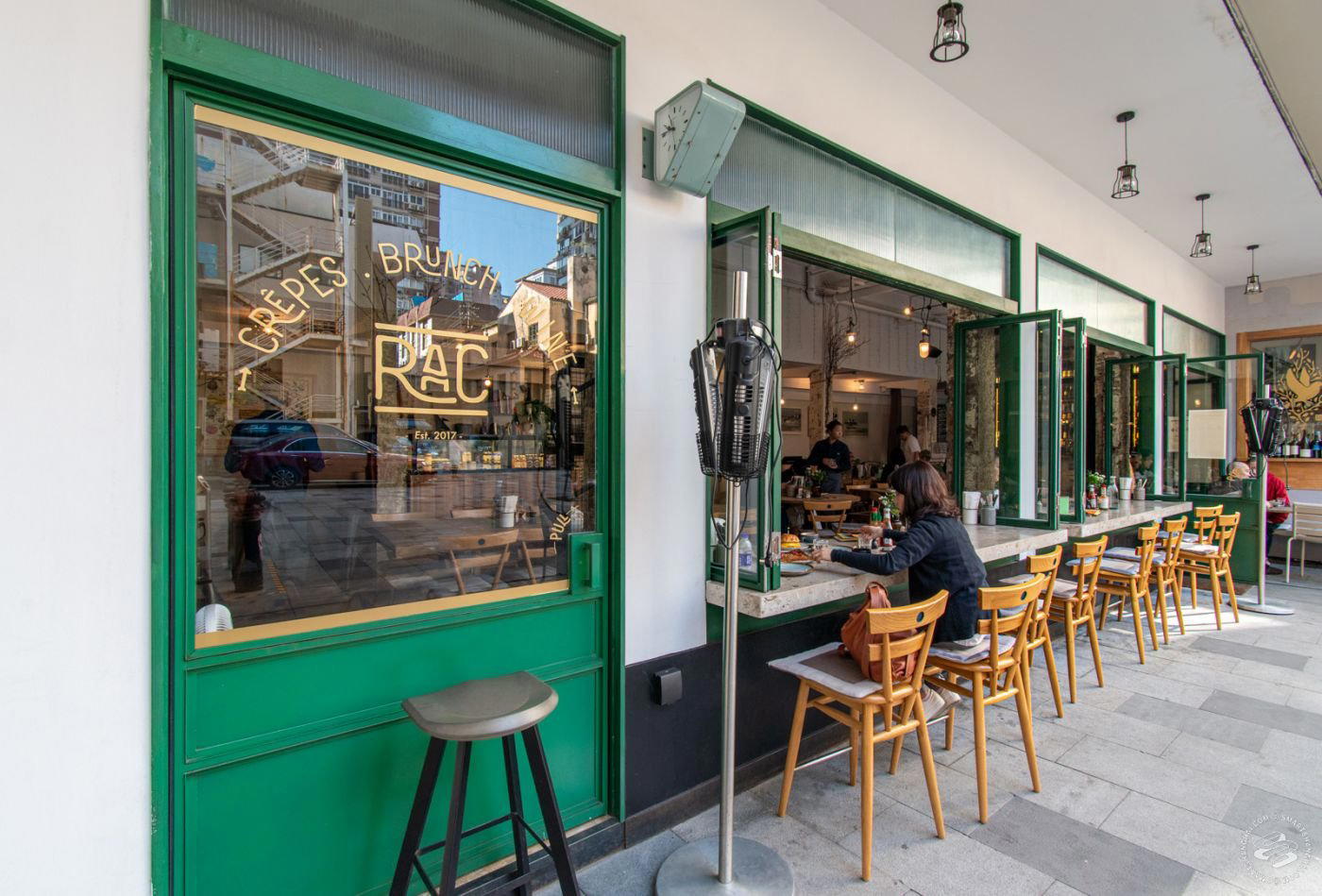
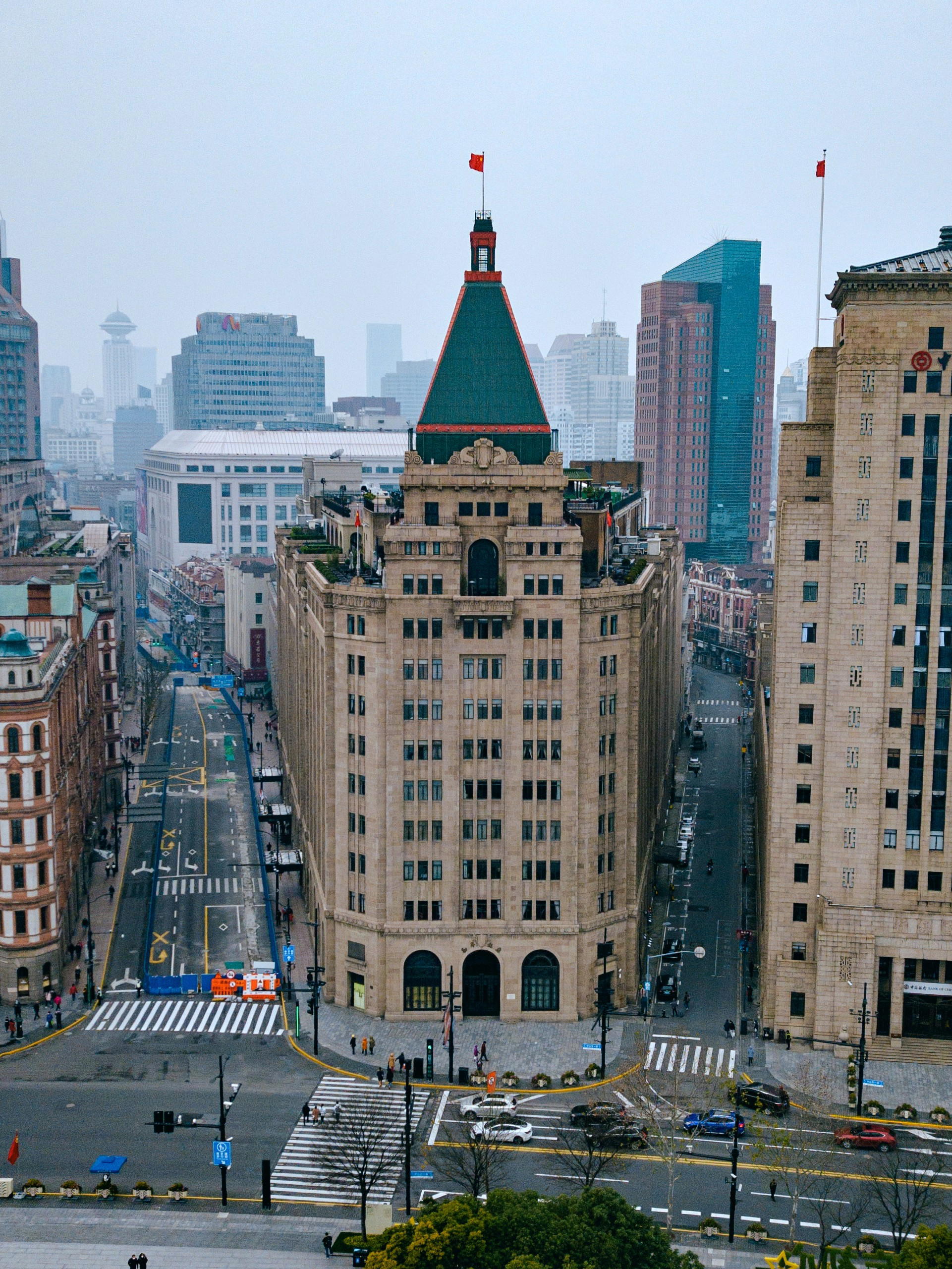
- Street Scene
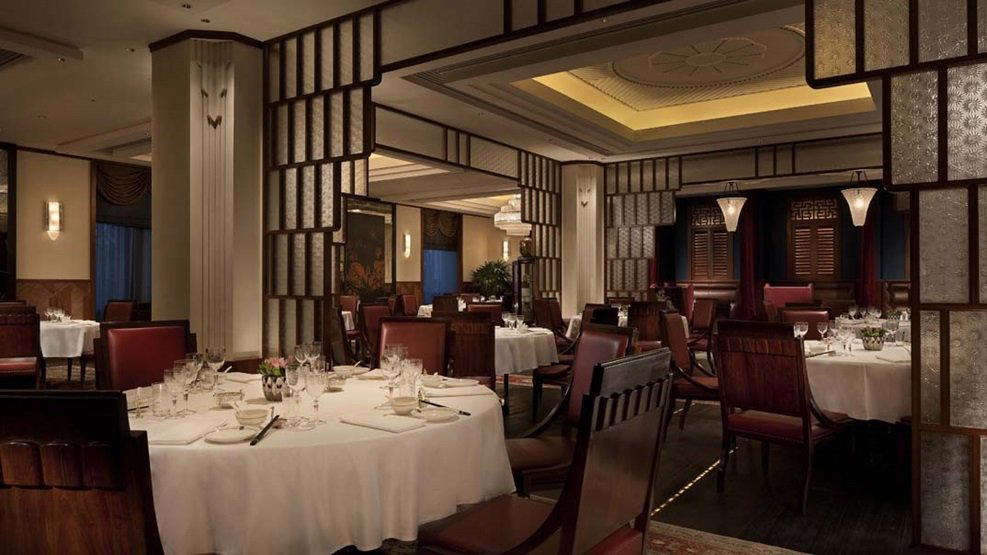
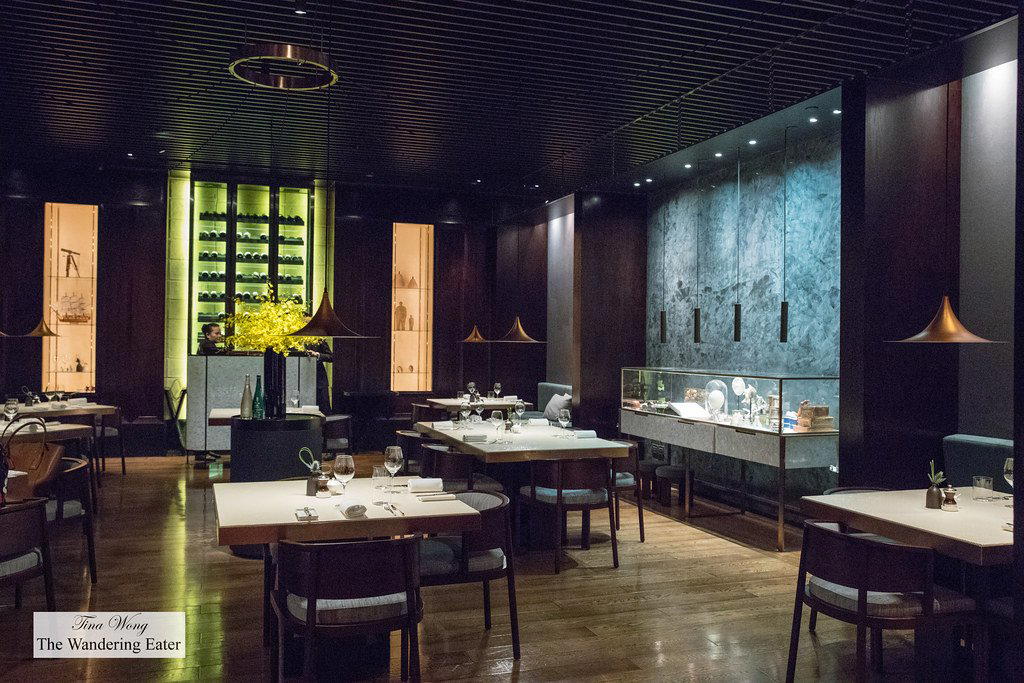
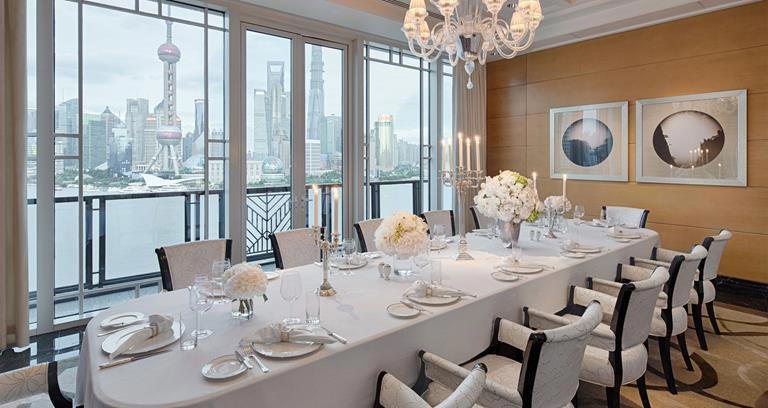
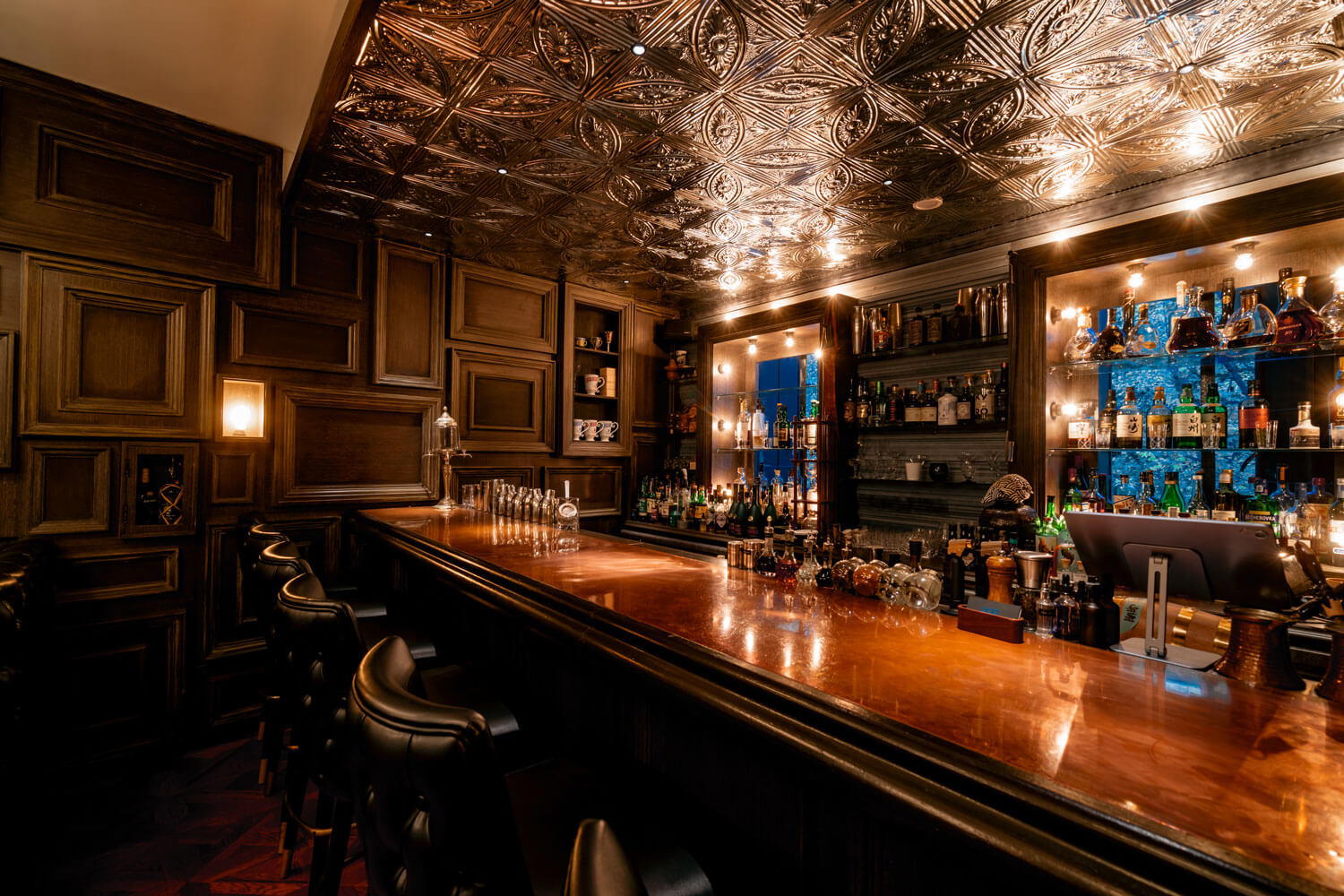
Low-lit intimate reception with dim lighting, striking ceiling installations, brass chandeliers, and modern polished interiors creating a serene and elegant atmosphere.