




Michelin Selected · Star Wine List · Forbes Recommended
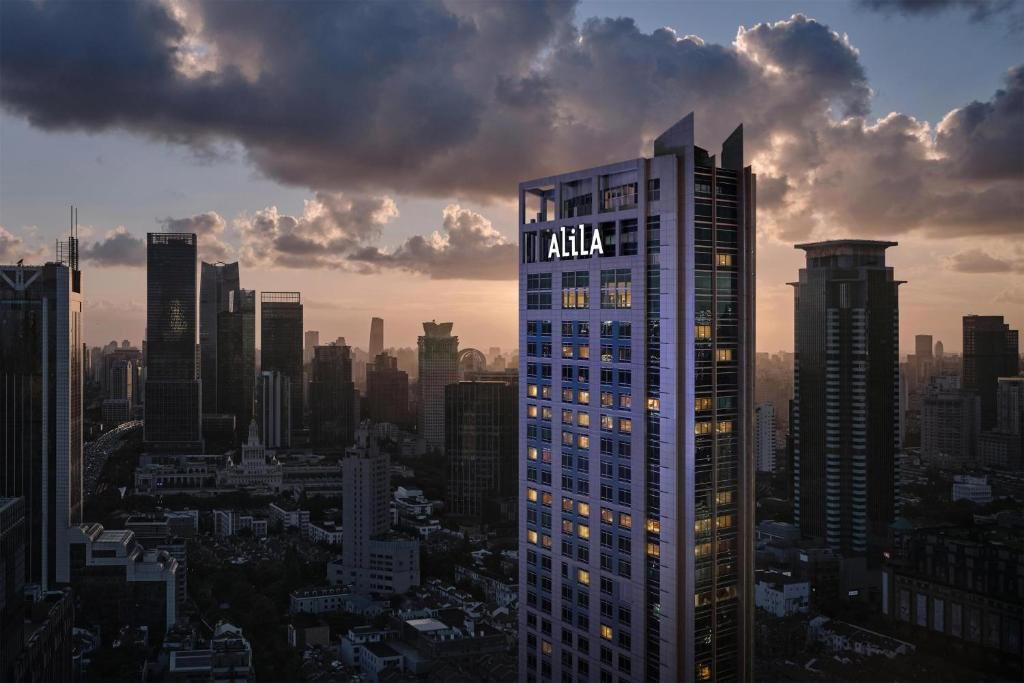
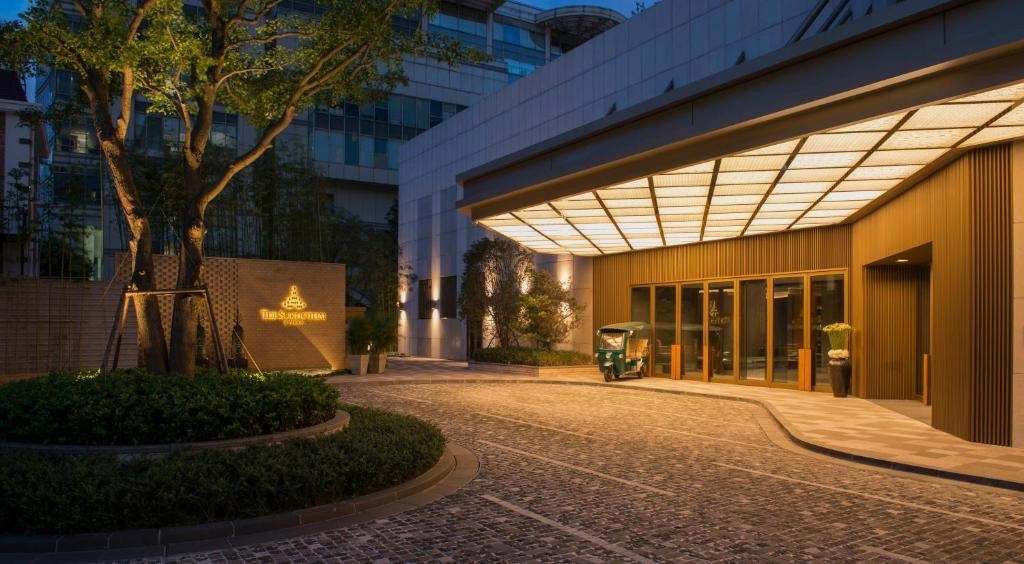
Opened in September 2024 on Weihai Road in Jing'an, Alila Shanghai occupies a considered position between the district's historic lane culture and its contemporary business energy. Named to the Tatler Best Hotels Asia-Pacific 2025 list and recognised by Star Wine List, the property operates at the quieter, design-conscious end of Shanghai's premium hotel spectrum, with a rooftop bar, Spa Alila, and a library that function as counterweights to the city's pace.

Pearl is the En Primeur Club membership app, where members save venues, book tables and use the concierge.
Jing'an's Quieter Premium Register
Shanghai's hotel market has long bifurcated along a familiar axis: the Bund-facing properties that trade on river views and colonial grandeur, and the interior-district addresses that rely on neighbourhood character and architectural restraint to earn their rates. Jing'an sits firmly in the second camp, and Alila Shanghai, which opened in September 2024 at 500 Weihai Road, positions itself as one of the more considered additions to that category. The district has been accumulating premium hotel stock for years. Capella Shanghai, Jian Ye Li operates nearby with its shikumen-lane restoration concept, and Bvlgari Hotel Shanghai anchors the luxury tier with brand scale. Alila slots into a different register: smaller in profile, quieter in marketing, and oriented toward guests who find the Bund circuit more exhausting than aspirational.
The Alila Hotels brand, now part of the Hyatt portfolio, has built its identity around properties that read as antidotes to their surroundings rather than amplifications of them. In Bali that means forested cliff edges. In Shanghai it means a discreet entrance on Weihai Road that lifts you out of street-level density and into spaces designed to give the city back to you at a remove. That contrast is the central logic of the property, and it holds up against the neighbourhood's particular texture: Jing'an is genuinely busy, genuinely interesting, and genuinely relentless, which makes the vertical separation Alila Shanghai employs feel less like a design conceit and more like a practical service.
The Room as the Main Event
The editorial angle EA-HT-07 applies here with unusual directness: at Alila Shanghai, the overnight experience is the product. The brand has consistently prioritised what happens inside the room over lobby spectacle, and Shanghai is no exception. The rooms sit above the Weihai Road activity, which means the visual relationship with the city is filtered rather than immersive. You are looking at Jing'an rather than being inside it, and that framing shapes how the accommodation reads.
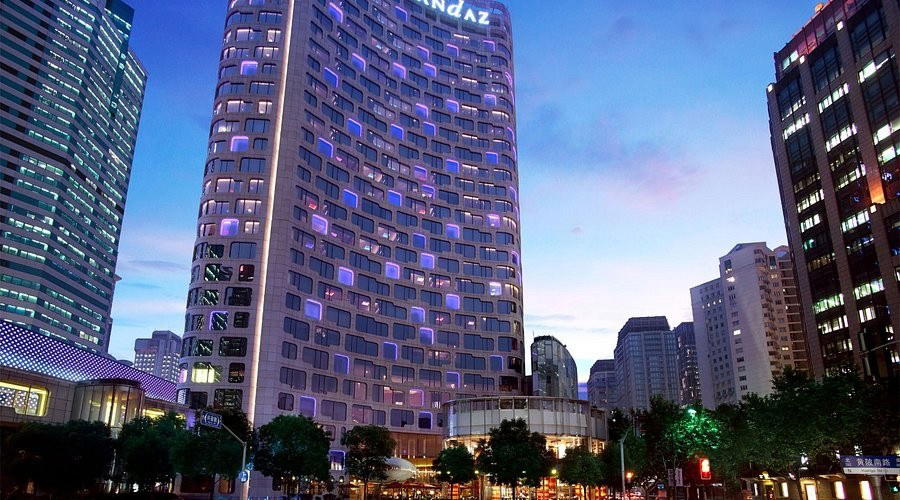
Alila properties in this tier typically design rooms around recovery: material quality over gadget density, bathroom architecture as a considered gesture rather than an afterthought, bedding weighted toward actual sleep rather than photogenic arrangement. The Shanghai property follows that template. The library space on the property reinforces the same logic, functioning as an alternative to the room for guests who want stillness without enclosure. Among Shanghai's 2024-vintage openings, the domestic-scale quietness of the room programme distinguishes it from the more theatrical approaches taken at properties like Andaz Xintiandi, Shanghai or Bellagio Shanghai, where the spectacle is partly the point.
The sustainability orientation the brand documents is expressed at the room level through material sourcing and operational choices rather than lobby signage.
Rooftop, Spa, and the Wine Credentials
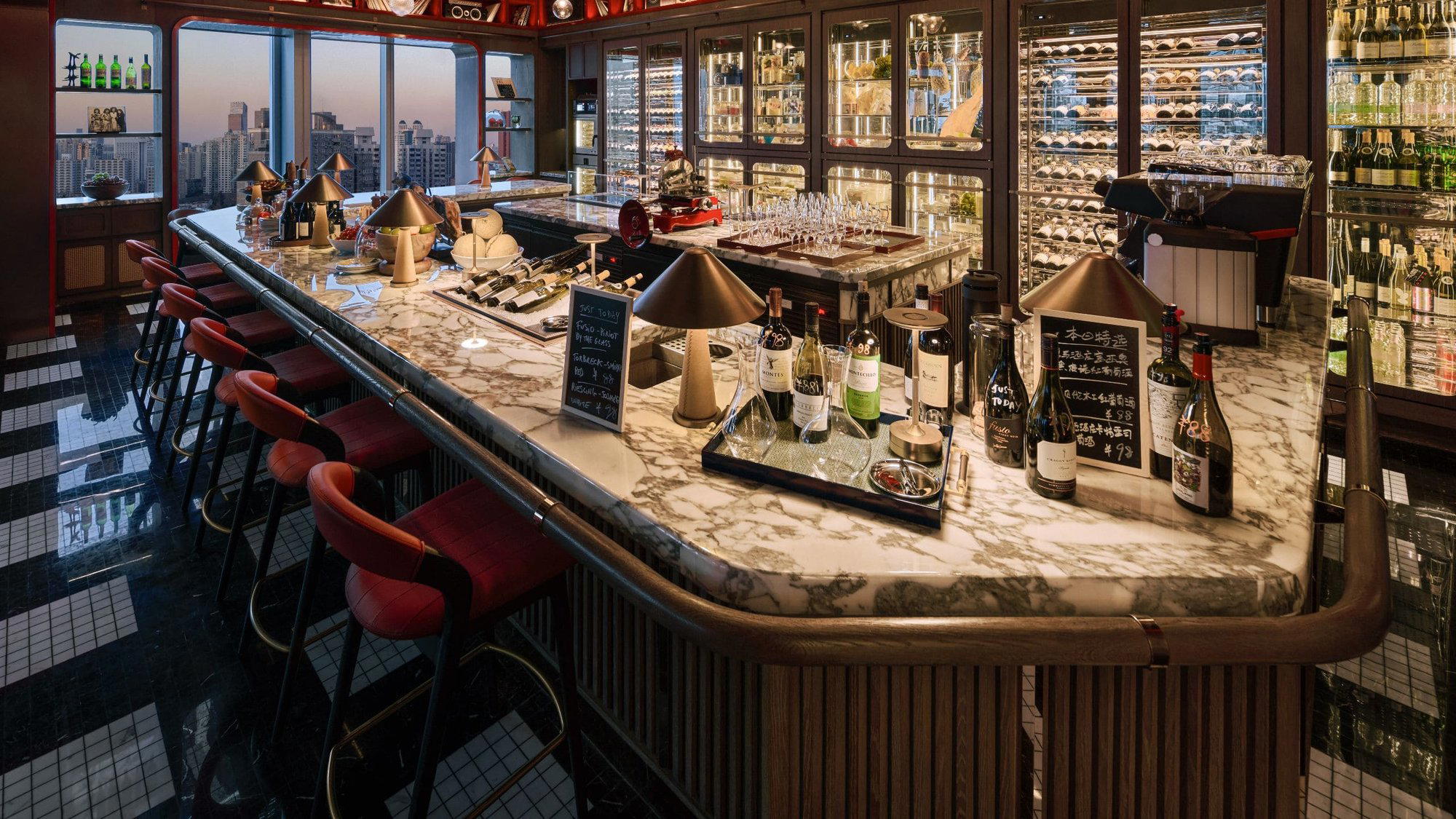
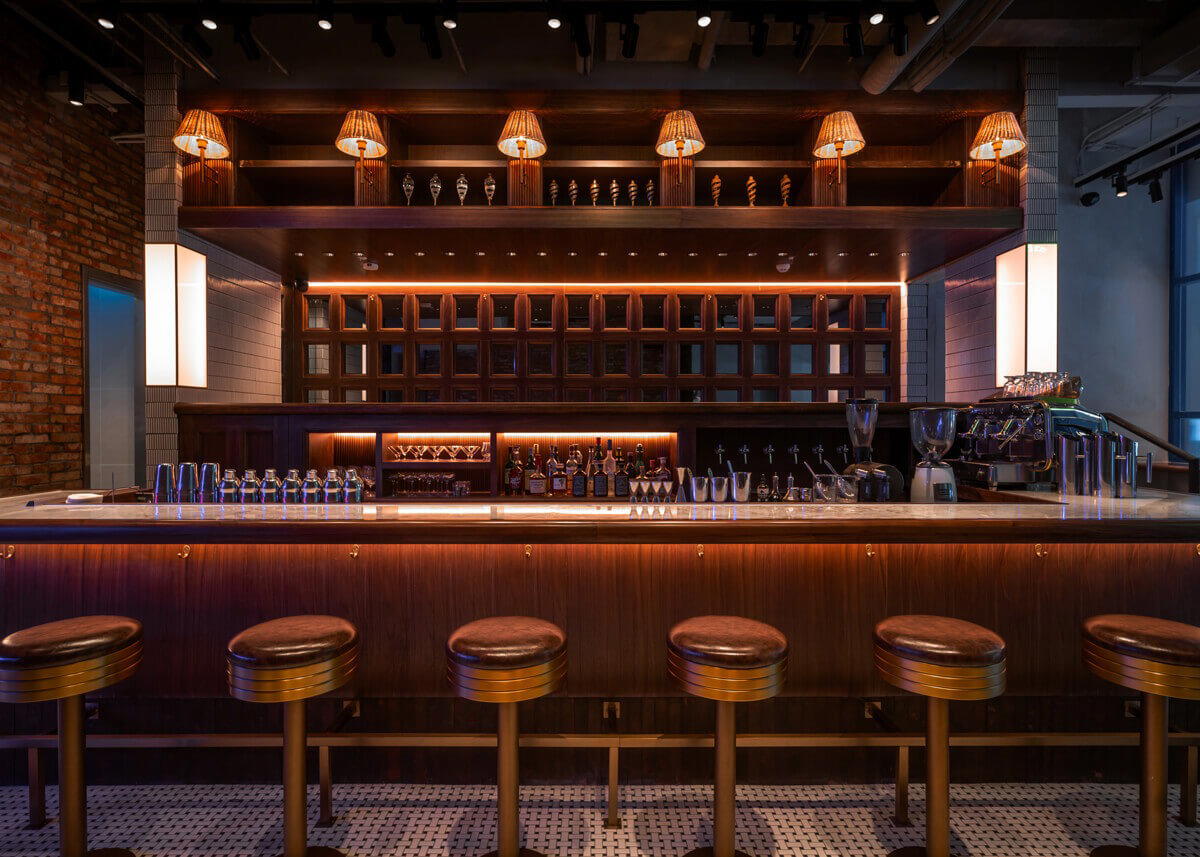
Above the rooms, the Secret Roof bar functions as the property's outward-facing gesture toward Shanghai's rooftop culture. The city has accumulated a durable canon of refined drinking spots across Jing'an, the Bund, and the Former French Concession, and the Alila entry competes in that tier with craft cocktails and city views rather than with scale or brand recognition. Star Wine List's 2026 recognition for Alila Shanghai signals that the beverage programme is being taken seriously by specialist critics, which places it ahead of most hotel bars in the city on that specific metric. For guests who care about the wine list as much as the view, that credential matters.
Spa Alila operates as its own contained programme rather than as a service amenity bolted onto the hotel. The brand treats its spa concept with the same editorial seriousness it applies to room design, which at other Alila properties has produced spa facilities that attract non-resident bookings. Whether the Shanghai spa reaches that threshold is not yet established from public record, given the property only opened in September 2024, but the brand template suggests the intent is there.
For guests oriented toward Shanghai's external dining scene, the Jing'an location is genuinely useful: our full Shanghai restaurants guide maps the neighbourhood's dining depth, which runs from serious Shanghainese cooking to the imported formats that have colonised the district's ground floors over the past decade.
Competitive Position in Shanghai's Premium Set
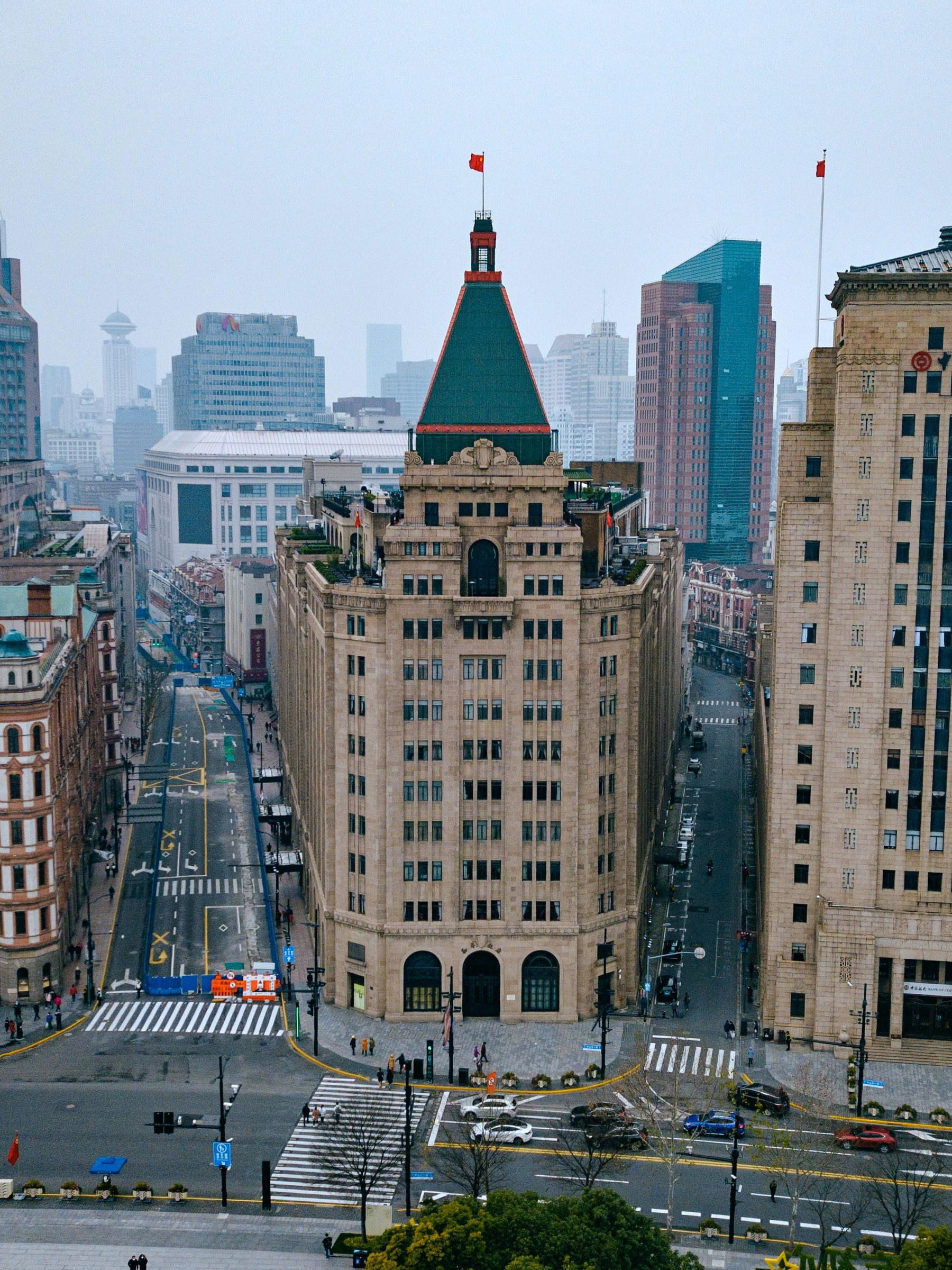
The Tatler Leading Hotels Asia-Pacific 2025 listing places Alila Shanghai in a credentialed peer group that includes properties across the region. Within Shanghai specifically, the 2024 opening year means the property is still accumulating its track record against longer-established addresses. Fairmont Peace Hotel on the Bund carries decades of institutional weight. Amanyangyun operates at the opposite end of the density spectrum with its Ming Dynasty relocation project. Capella Shanghai, Jian Ye Li owns the heritage-lane narrative in the immediate area.
Against that set, Alila Shanghai's argument rests on recency, restraint, and a brand identity that has proven itself in other high-density Asian cities. The Jing'an address is well-chosen: close enough to Shanghai Grand Theatre, the major museums, and the district's artisan traditions to make cultural programming easy, while sitting at enough remove from the Bund tourist circuit to attract a guest who finds that circuit beside the point. For business travellers, the proximity to Jing'an's commercial infrastructure is direct geography. For leisure guests, the neighbourhood's texture, lane architecture, and ground-floor density reward extended walking in a way that Pudong addresses simply do not.
Across China's broader premium hotel grid, comparisons worth making include Mandarin Oriental Qianmen in Beijing for a comparable urban-heritage positioning, and Amanfayun in Hangzhou for an Aman-brand counterpoint at regional scale. The Cachet Boutique Shanghai represents a smaller, more independent alternative within the city for guests who want to step further down in scale from Alila's tier.
Planning Your Stay
Alila Shanghai sits at 500 Weihai Road in Jing'an District, reachable via Jing'an Temple or Changshu Road metro stations on Line 2 and Line 7 respectively, putting Pudong International Airport roughly 45 minutes away by train and road under normal conditions. The property can be reached by phone at +86 21 6266 1234, and the brand's central booking channel operates through alilahotels.com/shanghai. Given that the hotel opened in September 2024, early-booking windows and loyalty programme integration through Hyatt are the most direct routes to rate access. For guests comparing Shanghai options before committing, Artyzen NEW BUND 31 Shanghai represents an alternative Jing'an-adjacent opening worth reviewing alongside the Alila, while international points of comparison for the brand's broader positioning include Aman New York and Aman Venice for guests familiar with how premium urban properties in this tier operate across other major cities.
Quick Comparison
Comparable venues nearby, for context on price, style, and recognition.
| Venue | Cuisine | Price | Awards | Notes |
|---|---|---|---|---|
| Alila ShanghaiThis venue (the venue you are viewing) | Contemporary urban resort with wabi-sabi-inspired design celebrating Chinese craftsmanship and Shanghai's blend of modernity and tradition. | $200–300 | Michelin Selected · Star Wine List | Not listed |
| The St. Regis Shanghai Jingan | Contemporary luxury tower in business district | Not listed | Forbes Recommended | Jing'an |
| MGM Shanghai West Bund | Art-infused urban luxury with Chinese heritage and modern design by HBA. | Not listed | Star Wine List · Forbes 4-Star | Yangsi Xiang |
| 上海新天地朗廷酒店 | Modern luxury flagship blending historic charm with contemporary facilities | Not listed | Michelin Selected · La Liste Top Hotels | Lao Ximen |
| Regent Shanghai Pudong | Art Deco-inspired luxury high-rise in the 21st Century Tower | Not listed | Michelin Selected | Lu Jia Du |
| The St. Regis on the Bund, Shanghai | Historic Astor House heritage property reimagined as a contemporary luxury flagship with architectural significance and cultural heritage integration. | $300–500 | Star Wine List · Forbes Recommended | Lu Jia Du |
Recognition history
Dated appearances from independent guides and award organizations, with the underlying list record or original source where available.
Michelin Selected
Michelin
Star Wine List
Star Wine List
Forbes Recommended
Forbes
Virtuoso Luxury Hotel Partner
Virtuoso
Tatler Listed in Best Hotels Asia-Pacific
Tatler
Continue exploring
More in Shanghai
Hotels in Shanghai
All hotels in Shanghai →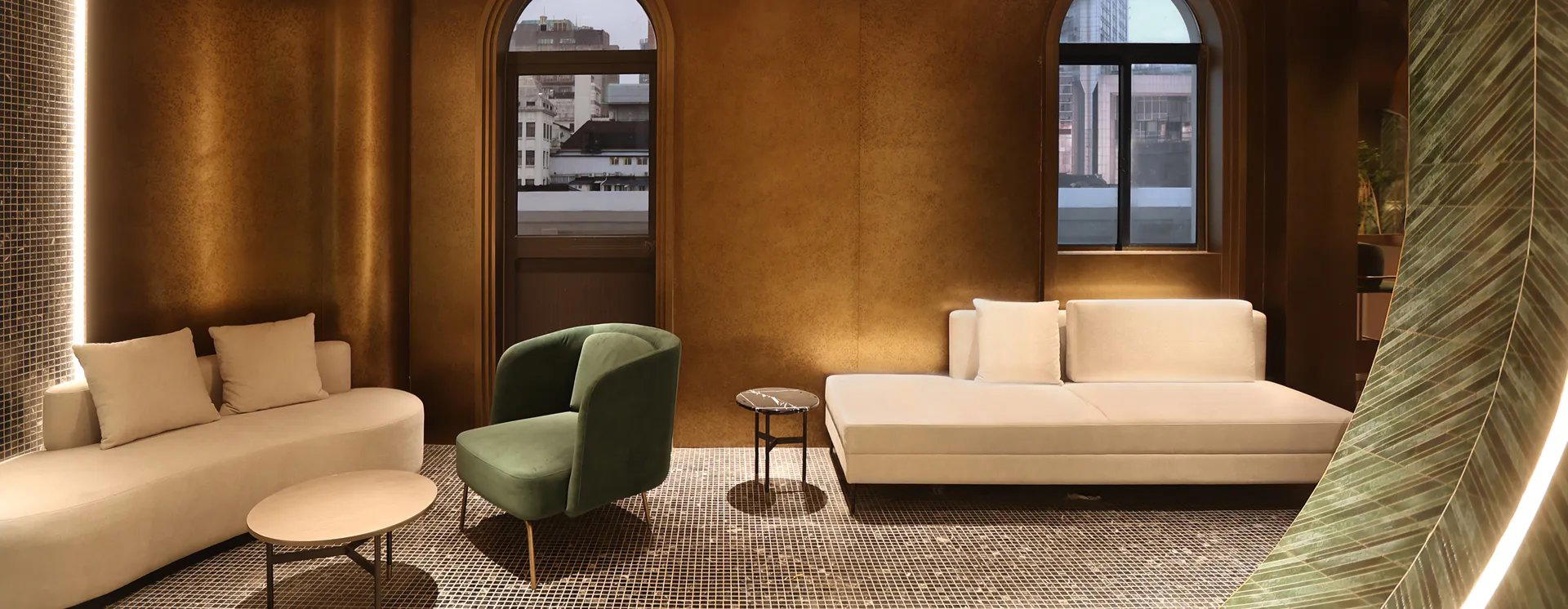
Details
- Modern
- Elegant
- Sophisticated
- Minimalist
- Business Trip
- Wellness Retreat
- Romantic Getaway
- Celebration
- Rooftop Pool
- Destination Spa
- Garden
- Terrace
- Design Destination
- Panoramic View
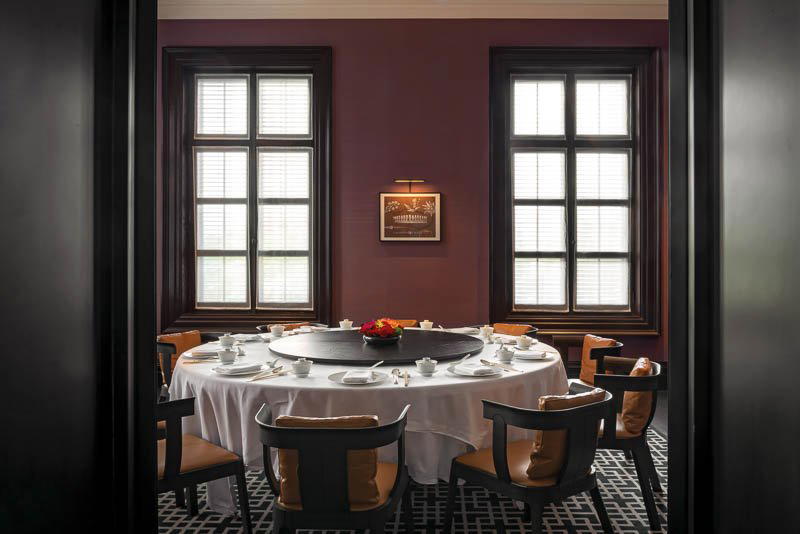
- Private Dining
- Wi Fi
- Pool
- Spa
- Fitness Center
- Room Service
- Concierge
- Business Center
- Restaurant
- Skyline
- Garden
- Wheelchair Accessible
- Elevator
- Accessible Restroom
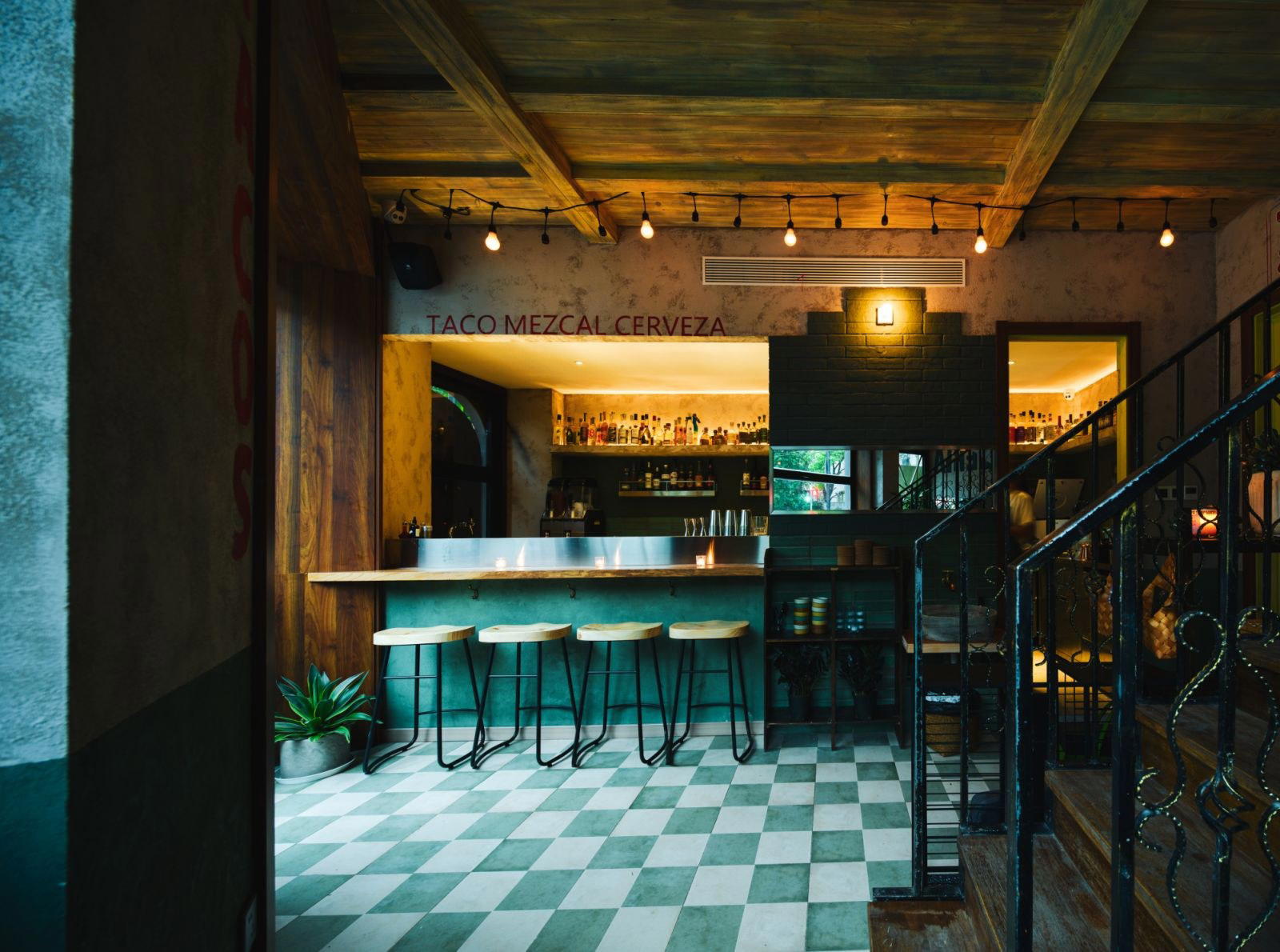
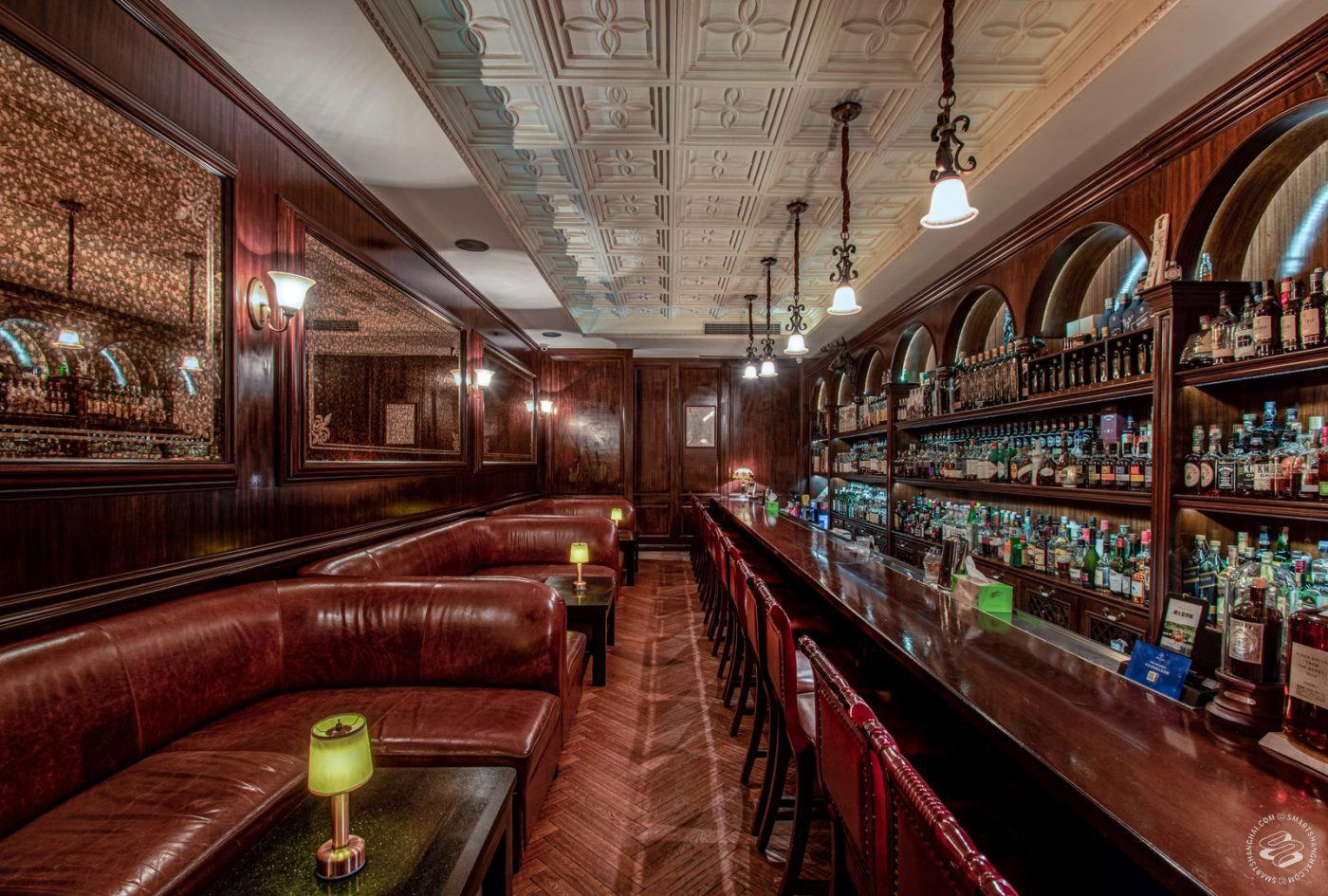
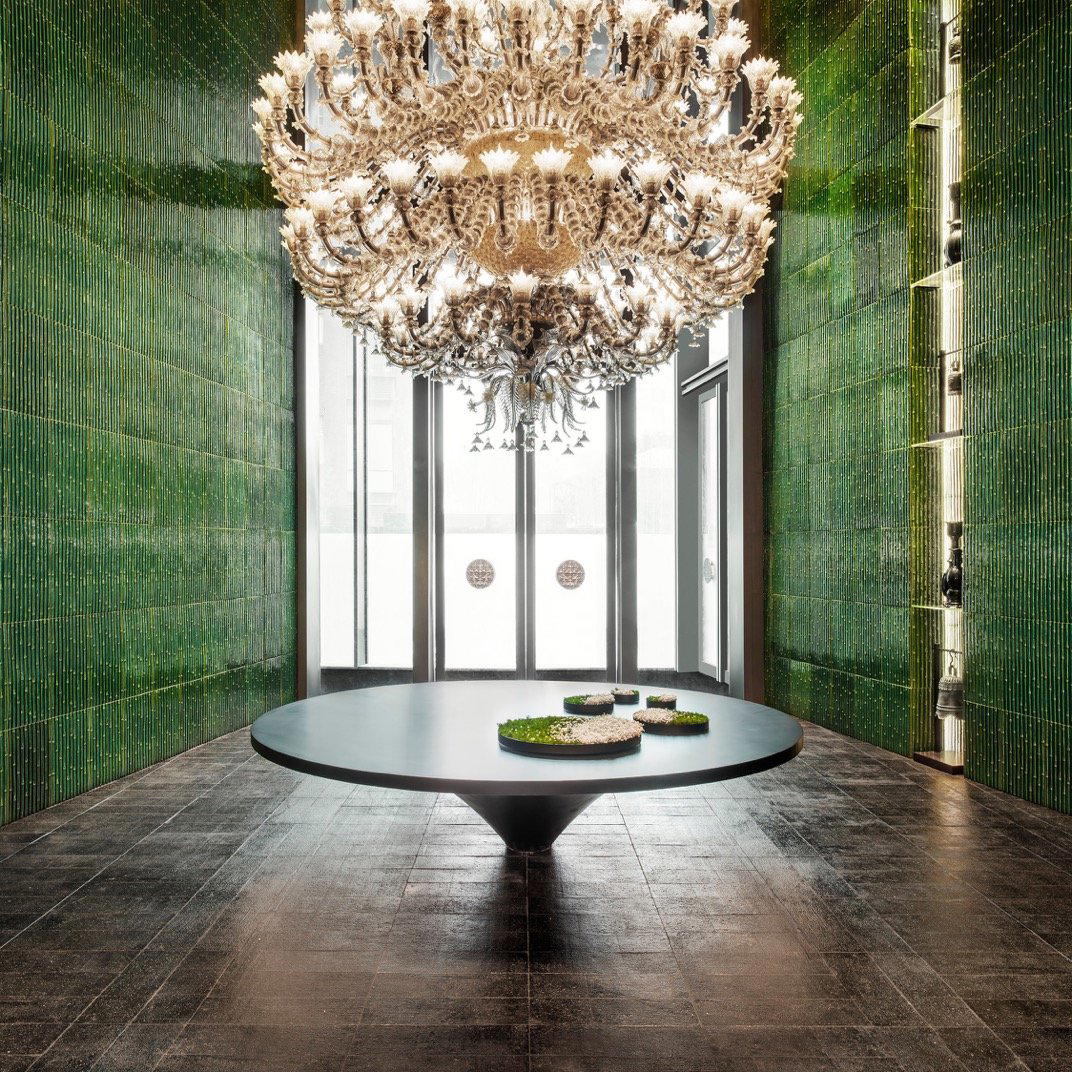
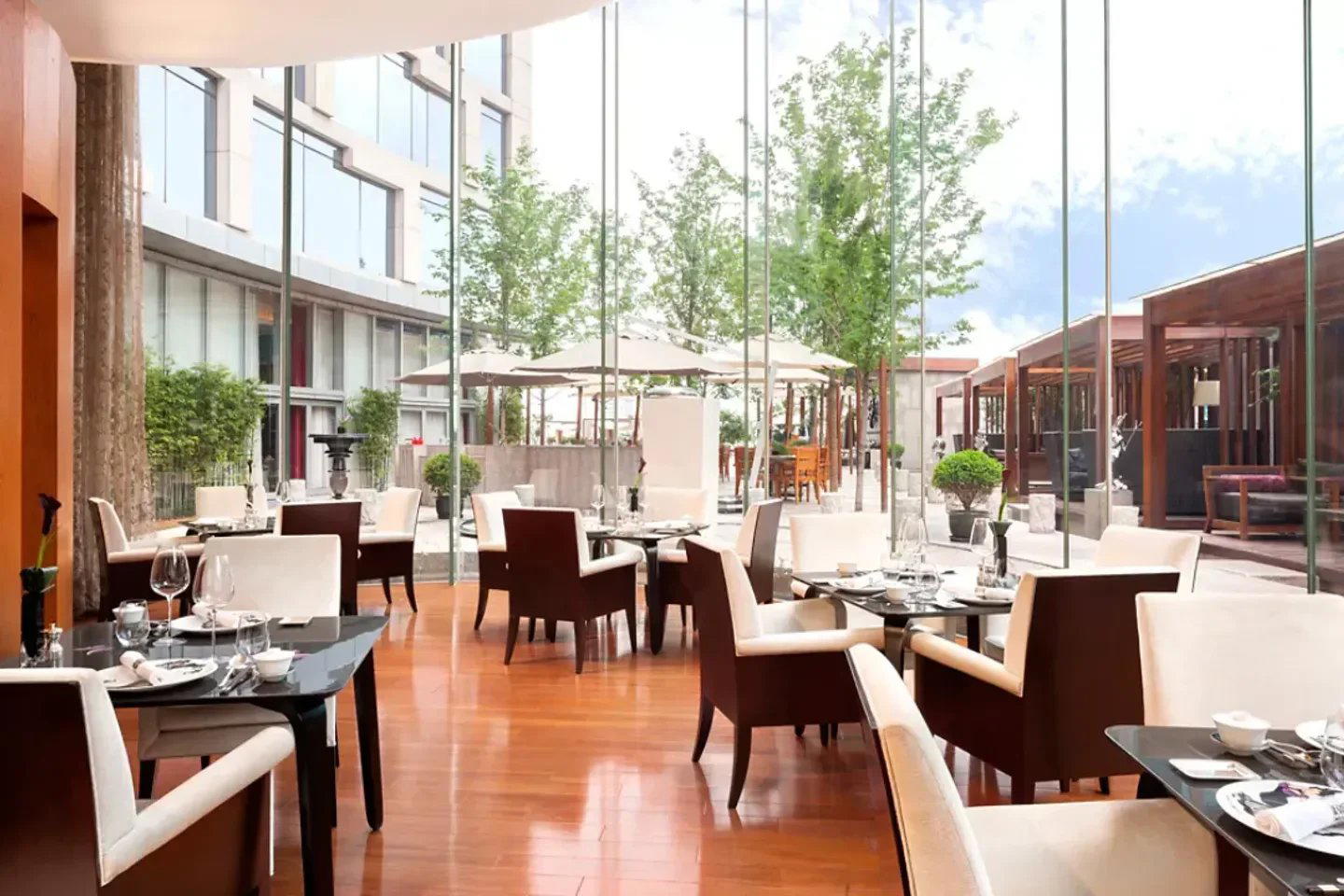
Serene and sophisticated with warm timber, natural stone, and lush greenery creating a nature-infused retreat; soft lighting and birdsong in spa areas evoke tranquility amid Shanghai's urban energy.