
Preferred Hotels Member
Parkyard Hotel Shanghai sits in Pudong's Bi Bo Lu corridor, operating at a scale, 300 rooms, that places it firmly in the mid-to-upper tier of the district's full-service hotel market. For travellers moving between Pudong's financial hubs and the broader city, it represents a practical base with enough room count to absorb conference and leisure demand simultaneously.

Pearl is the En Primeur Club membership app, where members save venues, book tables and use the concierge.
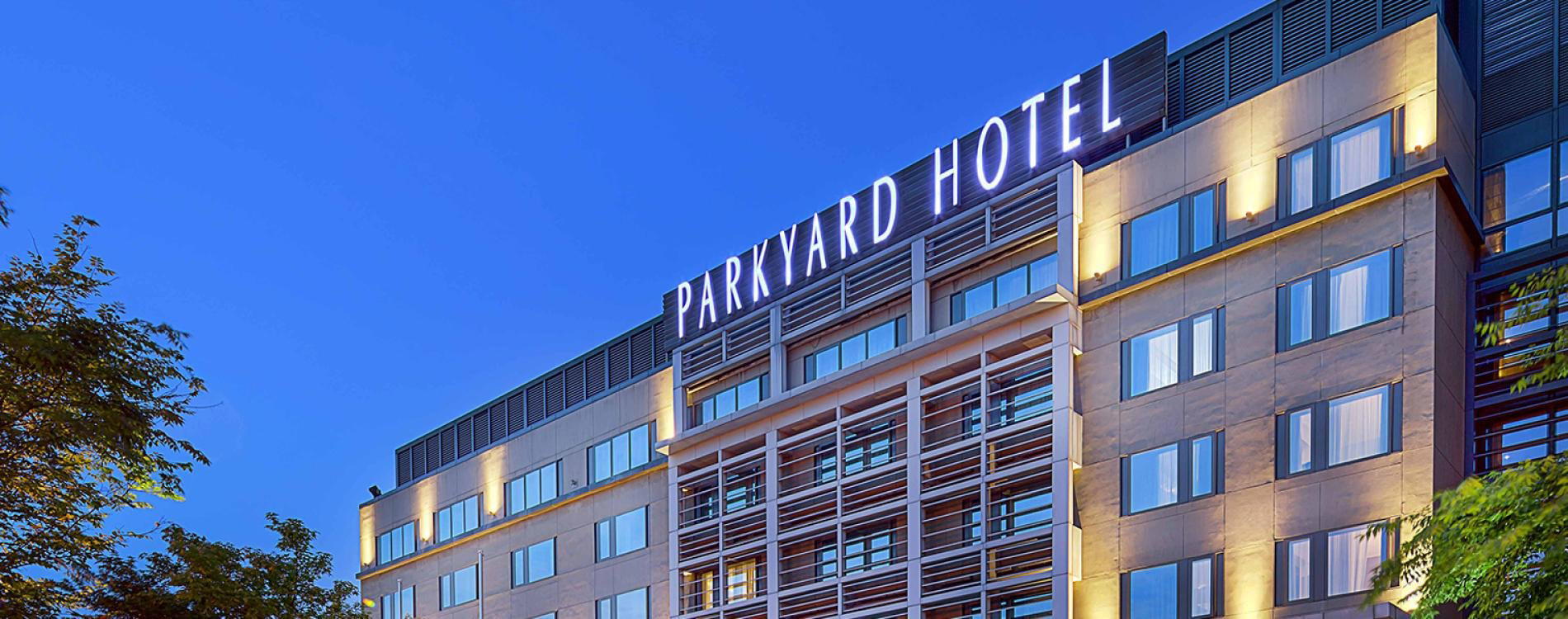
Pudong's Hotel Tier and Where Parkyard Sits Within It
Shanghai's Pudong district has spent two decades sorting itself into distinct hospitality bands. At the leading, international flagships like Bvlgari Hotel Shanghai and Capella Shanghai, Jian Ye Li compete on ultra-limited keys, heritage renovation credentials, and F&B; programs that attract non-resident diners. Below that, a broader cohort of full-service properties handles the district's substantial corporate and group demand. Parkyard Hotel Shanghai, with 300 rooms on Bi Bo Lu in the Pudong New Area, occupies that second tier, large enough to serve conference groups, positioned in a neighbourhood where business travel is the primary driver rather than weekend leisure.
That positioning matters for how you read the hotel. The Bi Bo Lu address places it away from the Bund-facing glamour of properties like Andaz Xintiandi, Shanghai and further still from the design-led boutique set represented by Alila Shanghai or Cachet Boutique Shanghai. What Pudong's Zhangjiang and Century Avenue corridors offer instead is proximity to the district's tech and finance infrastructure, and a hotel stock priced accordingly.
The Case for Sustainability in a 300-Room Format
Across China's hotel sector, the sustainability conversation has moved from voluntary disclosure toward expectation. The pressure is sharpest at either end of the size spectrum: large-footprint properties face scrutiny over aggregate consumption, while smaller design-led properties in cities like Hangzhou (see Amanfayun as a reference point for nature-integrated hospitality) have built environmental identity into their core proposition. Mid-scale, full-service urban hotels operating 300 rooms occupy the harder middle ground, where the economics of bulk purchasing, food-service waste, and energy infrastructure are less forgiving than at a 50-key retreat but where the reputational reward for getting it right is growing.
China's national Green Hotel certification framework, and the parallel push by municipal Shanghai authorities toward carbon reduction targets for the hospitality sector, means properties in the Parkyard tier increasingly need to account for energy use per occupied room, food waste protocols, and procurement sourcing. That dynamic is reshaping the competitive logic for every hotel in this size bracket.
For travellers selecting between Pudong full-service options, the presence or absence of documented sustainability practice is becoming a differentiator in the same way that breakfast inclusion or airport transfer packages once were. Properties that have formalised their approach, through third-party certification, published waste-reduction targets, or supplier transparency, hold a marginal but growing advantage in corporate RFP processes. This is the terrain Parkyard Hotel Shanghai operates on.
300 Rooms: Scale, Flexibility, and What It Implies
A 300-room count is a specific signal in the hotel market. It is large enough to support a ballroom or multi-function conference facility, an all-day dining restaurant, a fitness centre, and pool infrastructure without those amenities feeling financially unsustainable. It is also large enough to absorb the demand volatility that comes with Shanghai's heavy tradeshow and conference calendar, particularly around the periods when venues like the National Exhibition and Convention Center (in nearby Hongqiao) or the Shanghai New International Expo Centre drive hotel occupancy across Pudong.
Peer comparison is useful here. Properties like Artyzen NEW BUND 31 Shanghai operate on a smaller, more design-curated footprint with a different competitive logic. The Bellagio Shanghai sits at a higher scale still. Parkyard Hotel Shanghai's 300-room configuration places it in a cohort that prioritises operational flexibility and rate competitiveness over the carefully limited inventory that drives premium pricing at the top of the market.
For the traveller choosing between a Pudong corporate hotel and a property across the river, say, the Amanyangyun with its relocated Ming Dynasty village ambiance, the decision usually comes down to what the trip actually requires. If the itinerary is anchored in Pudong meetings and the Lujiazui financial district, proximity and operational reliability tend to outweigh the experiential premium of a heritage property. If the trip has a leisure dimension or the traveller wants to spend time in Puxi, the calculus shifts.
Pudong in Context: What the Neighbourhood Gives You
Bi Bo Lu sits within the broader Zhangjiang High-Tech Park zone, an area that has absorbed a significant share of Shanghai's biotech, semiconductor, and tech-sector investment over the past decade. The neighbourhood is not primarily a hospitality or dining destination, it functions as an employment corridor. That shapes the hotel's competitive environment: demand is driven by business travel, relocation stays, and project-based corporate bookings rather than by the weekend leisure segment that fills properties in the Former French Concession or along the Bund.
For travellers routing through this part of Pudong, the practical logistics are shaped by metro access rather than walkable amenities. The broader Shanghai metro network, one of the largest by route length in the world, connects Pudong's various sub-districts, though the Zhangjiang zone's pedestrian environment is oriented around office campuses rather than street-level culture. Travellers wanting to access the dining and bar programming that defines Shanghai's reputation should budget transit time into their planning; the gap between Pudong's tech corridor and the Puxi districts where most of the city's celebrated restaurants operate is real, even if the metro closes it efficiently.
For a broader orientation to Shanghai's hotel and dining scene, the EP Club Shanghai guide covers the full range of options across districts, price tiers, and travel types. The Chinese hotel market more broadly rewards comparison across cities: the logic that governs a Pudong business hotel in Shanghai operates differently from the considerations at a mountain resort property like Vanke Lake Songhua Yunlu Hotel in Jilin or a heritage destination like Amandayan in Lijiang.
Planning Your Stay
Parkyard Hotel Shanghai is located at 699 Bi Bo Lu, Pudong New Area, Shanghai 201203. The 300-room scale makes it suitable for group bookings and corporate accounts as well as individual travellers. Pudong's metro connections to Puxi (Nanjing Road, the Bund, Xintiandi) typically run 30 to 45 minutes depending on origin station and interchange, making cross-river access manageable for evening commitments. Travellers arriving from Pudong International Airport have a shorter in-district transfer than those staying in central Puxi.
Comparable Venues
Comparable venues nearby, for context on price, style, and recognition.
| Venue | Cuisine | Price | Awards | Notes |
|---|---|---|---|---|
| Parkyard Hotel ShanghaiThis venue (the venue you are viewing) | contemporary urban retreat with garden oasis | $1–100 | Preferred Hotels Member | Not listed |
| Nan Jing Dong Lu | Next-generation urban luxury retreat | Not listed | Not listed | Huangpu |
| 上海万达瑞华酒店 | Landmark 6-star luxury hotel positioned as a cultural gateway blending Shanghai's historic Bund with contemporary design excellence, designed by Foster + Partners. | $300–500 | Michelin Selected · La Liste Top Hotels | Lu Jia Du |
| Primus Hotel Shanghai Hongqiao | Contemporary tower in Hongqiao business hub | Not listed | Preferred Hotels Preferred Residences | Hongqiao |
| Habo Hotel Shanghai | Historic reborn structure fusing Eastern and Western cultures | $1–100 | Design Hotels Member | Huangpu |
| Bellagio Shanghai | Art Deco luxury on the Bund | Not listed | Forbes 4-Star | Hongkou |
Recognition history
Dated appearances from independent guides and award organizations, with the underlying list record or original source where available.
Preferred Hotels Member
Preferred Hotels
Continue exploring
More in Shanghai
Hotels in Shanghai
All hotels in Shanghai →
Bars in Shanghai
All bars in Shanghai →
Details
- Modern
- Elegant
- Quiet
- Business Trip
- Weekend Escape
- Garden
- Wi Fi
- Pool
- Spa
- Fitness Center
- Room Service
- Concierge
- Business Center
- Restaurant
- Garden
- Wheelchair Accessible
- Elevator
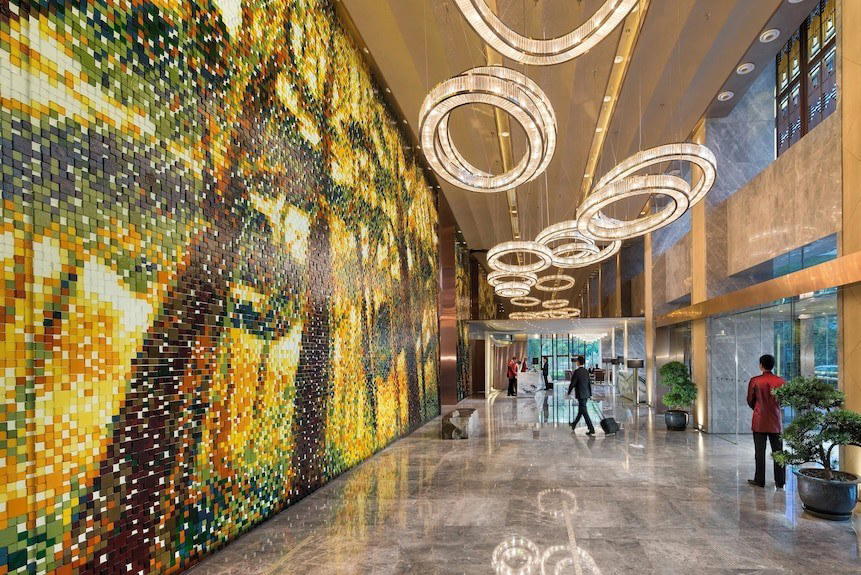
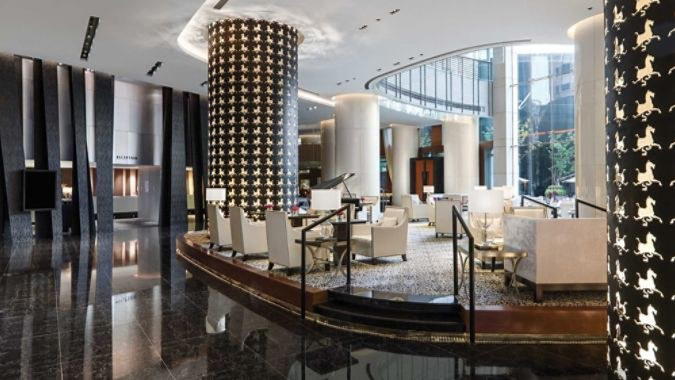
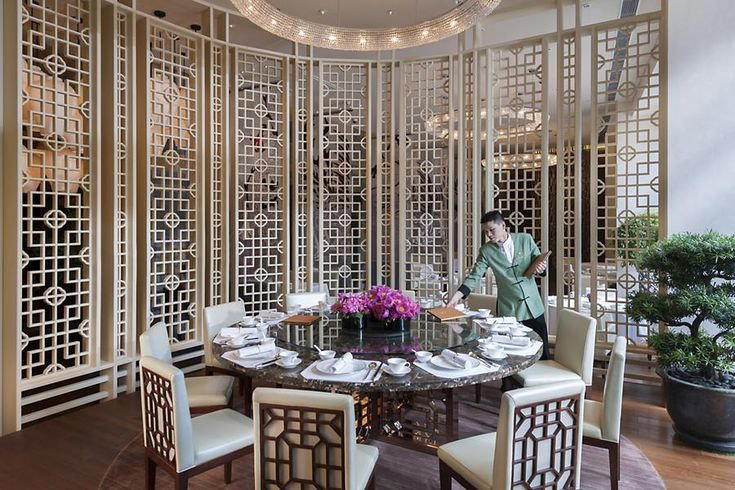
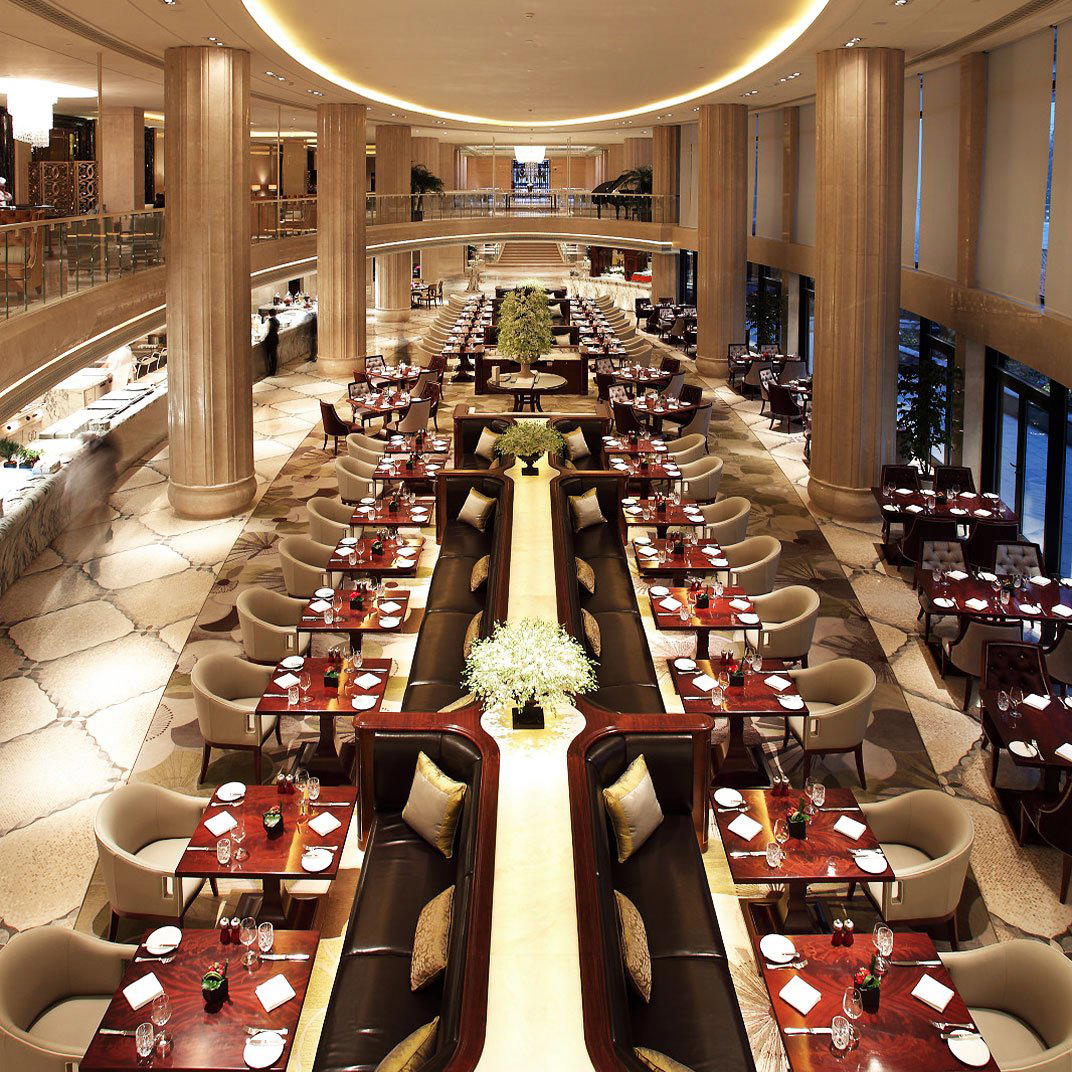
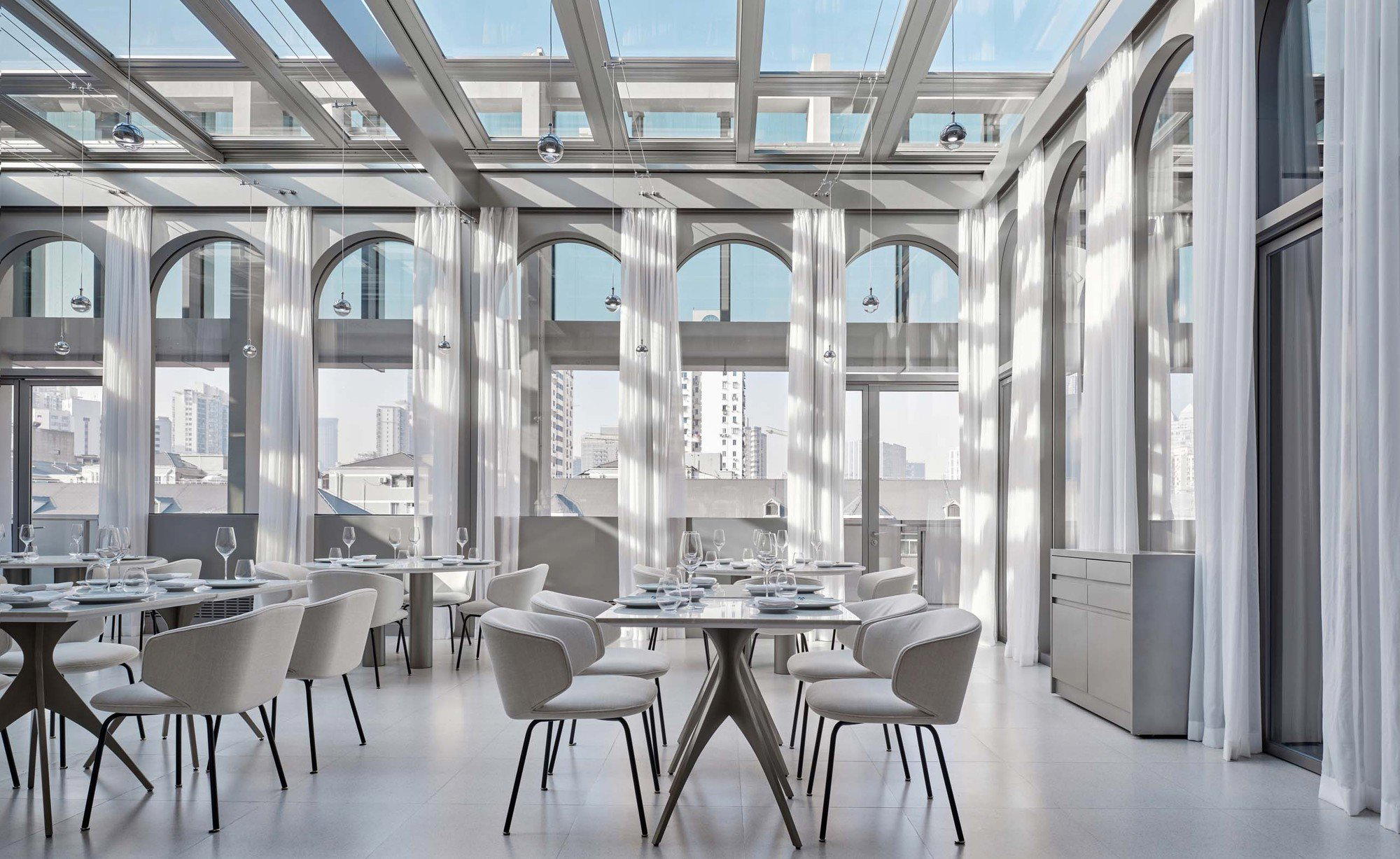
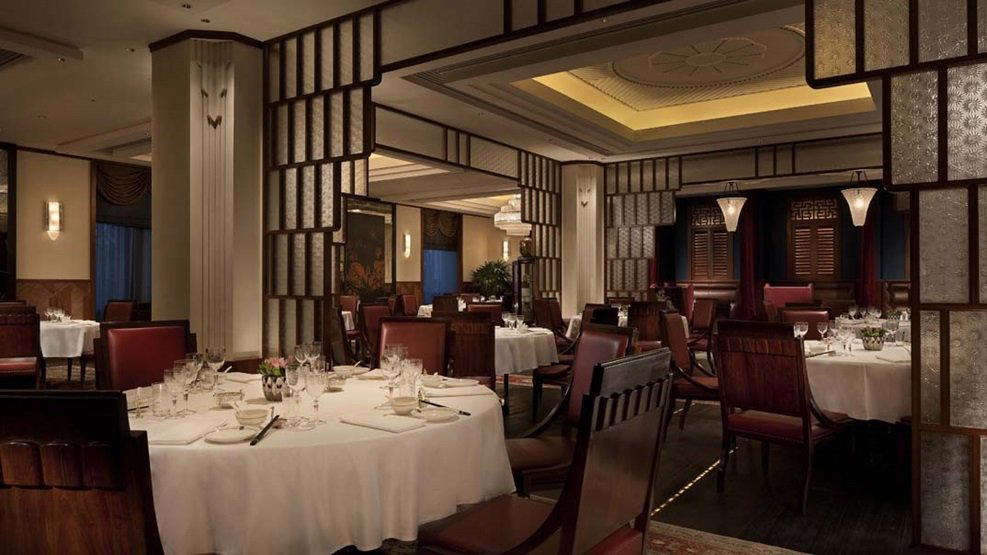
Quiet and elegant atmosphere with modern greys, browns, and blacks decor, soundproof rooms, spacious clean areas, and relaxing garden setting.