




1 Michelin Key · La Liste Top Hotels · Forbes 5-Star
On the Huangpu River in Pudong's financial district, the Mandarin Oriental Pudong occupies a position that rewards those who know to look outward rather than across. With 362 rooms and suites, a Five-Star butterfly-themed spa, and three distinct restaurants, the property earned 99 points on La Liste's Top Hotels 2026 list and holds the No. 2 spot in Shanghai for 2025 according to reader recognition.

Pearl is the En Primeur Club membership app — saves, bookings, and concierge access live there. Same editors, same standards.
- Address
- 111 Pu Dong Nan Lu, Lujiazui, Pu Dong Xin Qu, Shang Hai Shi, 200120
- Phone
- +86 21 2082 9888
- Website
- mandarinoriental.com
- Directions
- Get directions
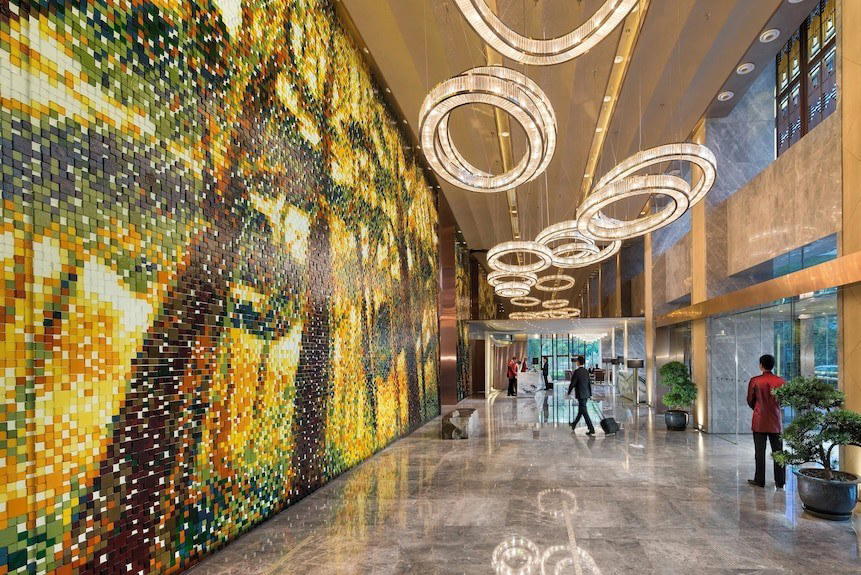
A Riverfront Address Built for Milestone Moments
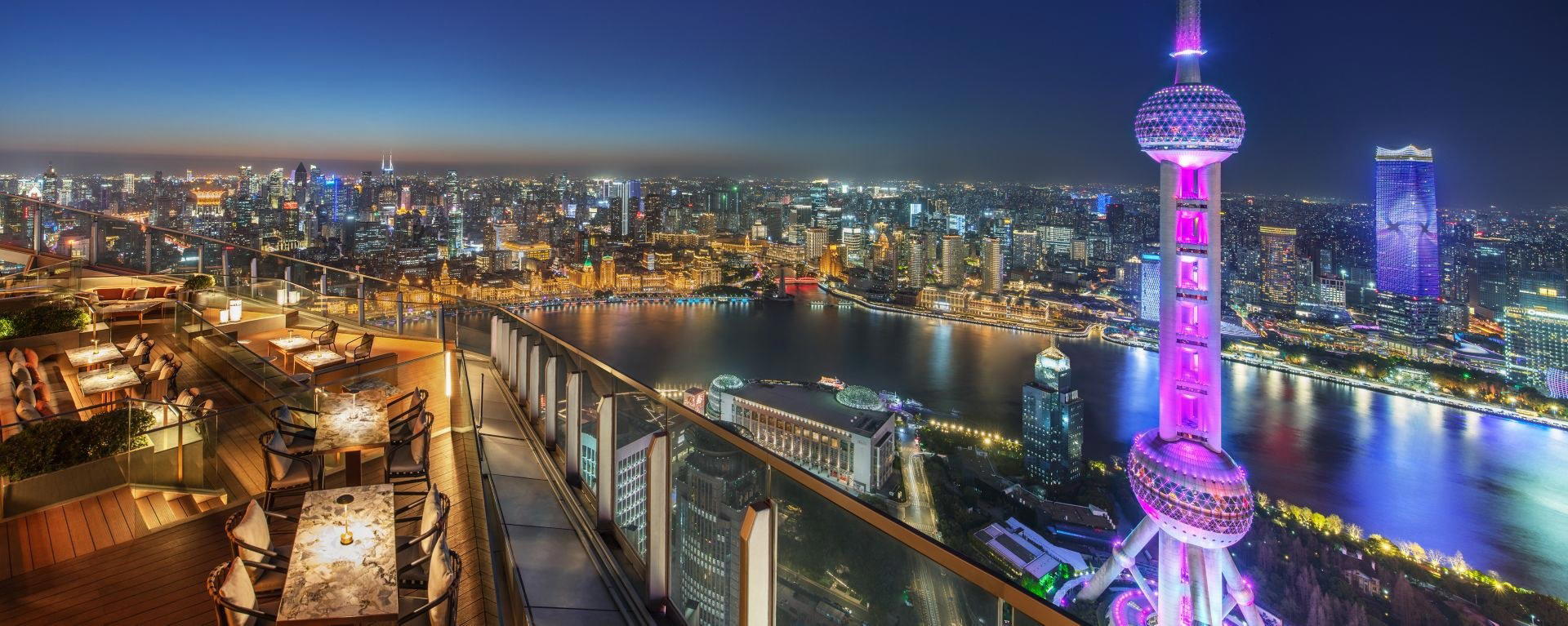
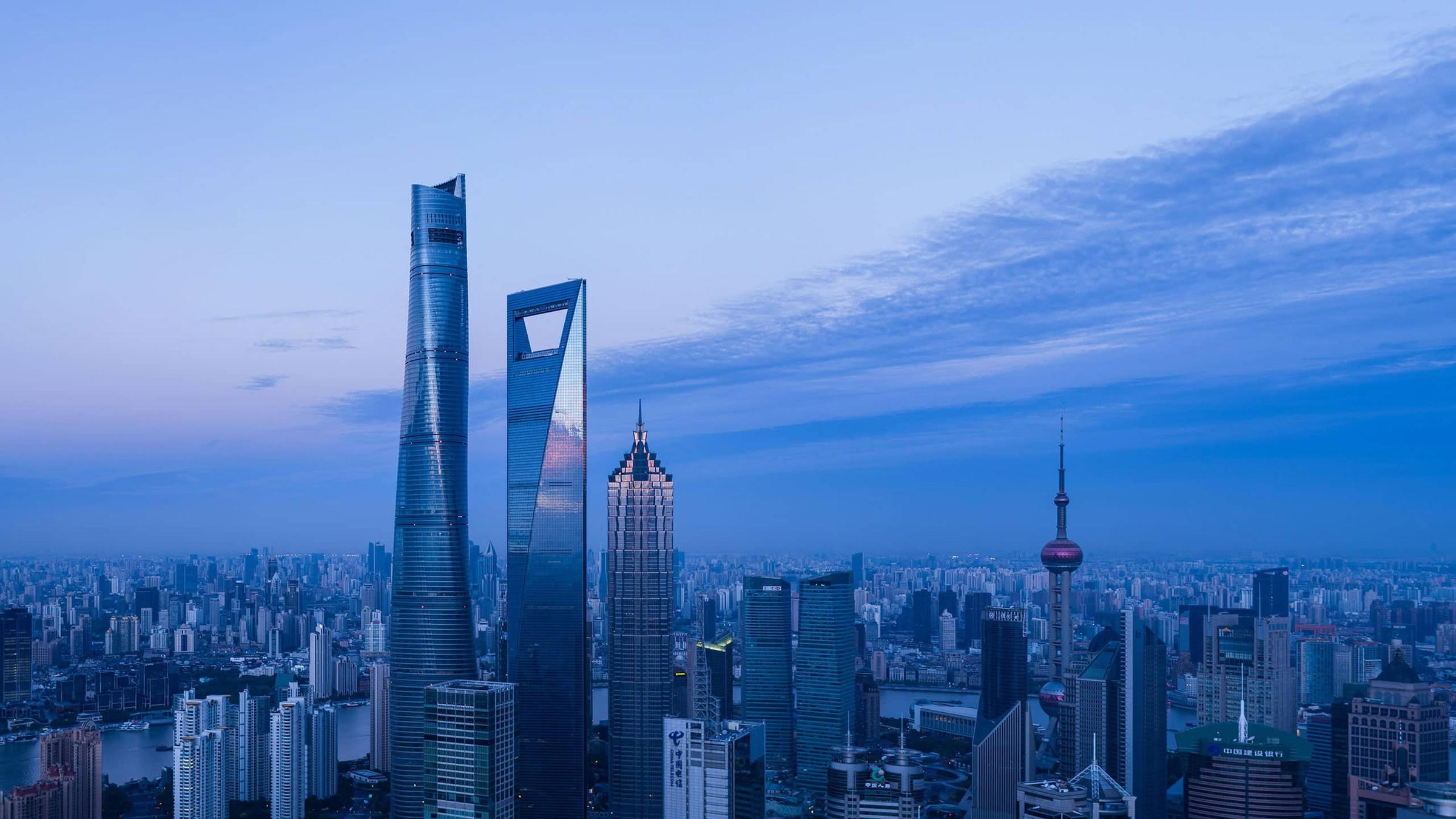
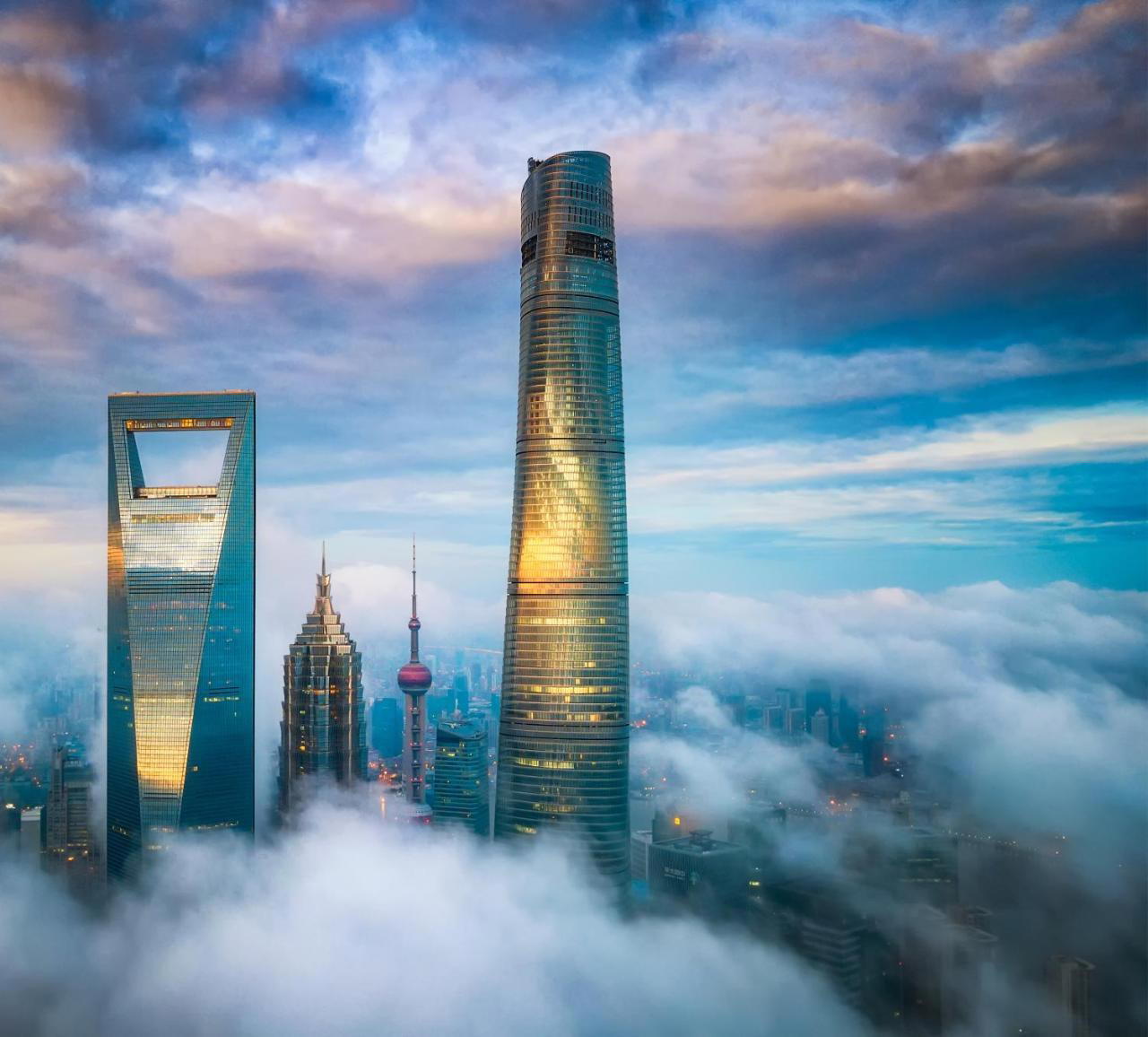
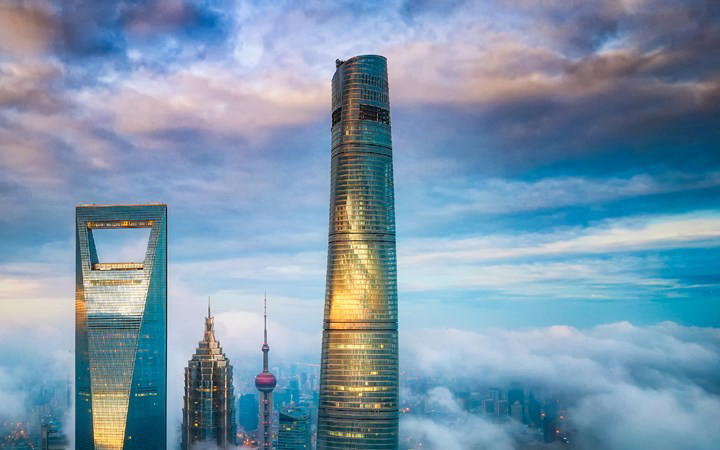
Pudong's skyline does not ease you in gently. The financial district announces itself through glass towers and refined expressways, a setting that reads more as infrastructure than invitation. Arriving at 111 Pudong Road South, then, carries a specific kind of surprise: the Mandarin Oriental Pudong sits within this density and manages, through floor-to-ceiling glass, manicured grounds, and a Huangpu River frontage, to orient every room outward rather than inward. The city is the spectacle. The hotel is the vantage point from which you watch it.
That positioning matters most when the stay is itself the occasion. Anniversary dinners, milestone birthdays, corporate celebrations with something to prove: this is the tier of Shanghai hotel where the address does part of the work before the first drink is poured. La Liste awarded the property 99 points in its Leading Hotels 2026 ranking, and readers placed it at No. 2 in Shanghai for 2025. Those figures locate it clearly within the city's upper bracket of large-format luxury, alongside properties like Bvlgari Hotel Shanghai and Capella Shanghai, Jian Ye Li, each of which takes a different approach to what premium Shanghai hospitality means in 2025.
What the Rooms Actually Deliver
The 362 rooms and suites follow a design logic that prioritises restraint: dark wood wall panelling, taupe marble bathrooms, Frette linens, and a palette that runs from neutral to occasional indigo and green without becoming decorative. The effect is a room that recedes, allowing the view to fill the frame. For river-facing bookings, the circular freestanding tub in the bathroom is positioned to face the Huangpu, a detail that becomes significant when you consider how rarely large-format city hotels coordinate bathroom geometry with the exterior view.
At the top of the room hierarchy sits the Presidential Suite, which at more than 8,000 square feet is the largest in Shanghai. It includes a garden terrace and unobstructed river views across multiple rooms. For groups travelling around a celebration, the suite functions as a venue within the venue: a place to gather before dinner, to open champagne before a reservation elsewhere, or to use as the centre of gravity for a multi-day visit. The hotel also offers furnished executive apartments that carry full hotel privileges including 24-hour concierge, housekeeping, spa access, and a VIP discount card across the property, a format that suits extended-stay occasions or families who want residential space without surrendering hotel service.
Three Restaurants and the Logic of Choosing Between Them
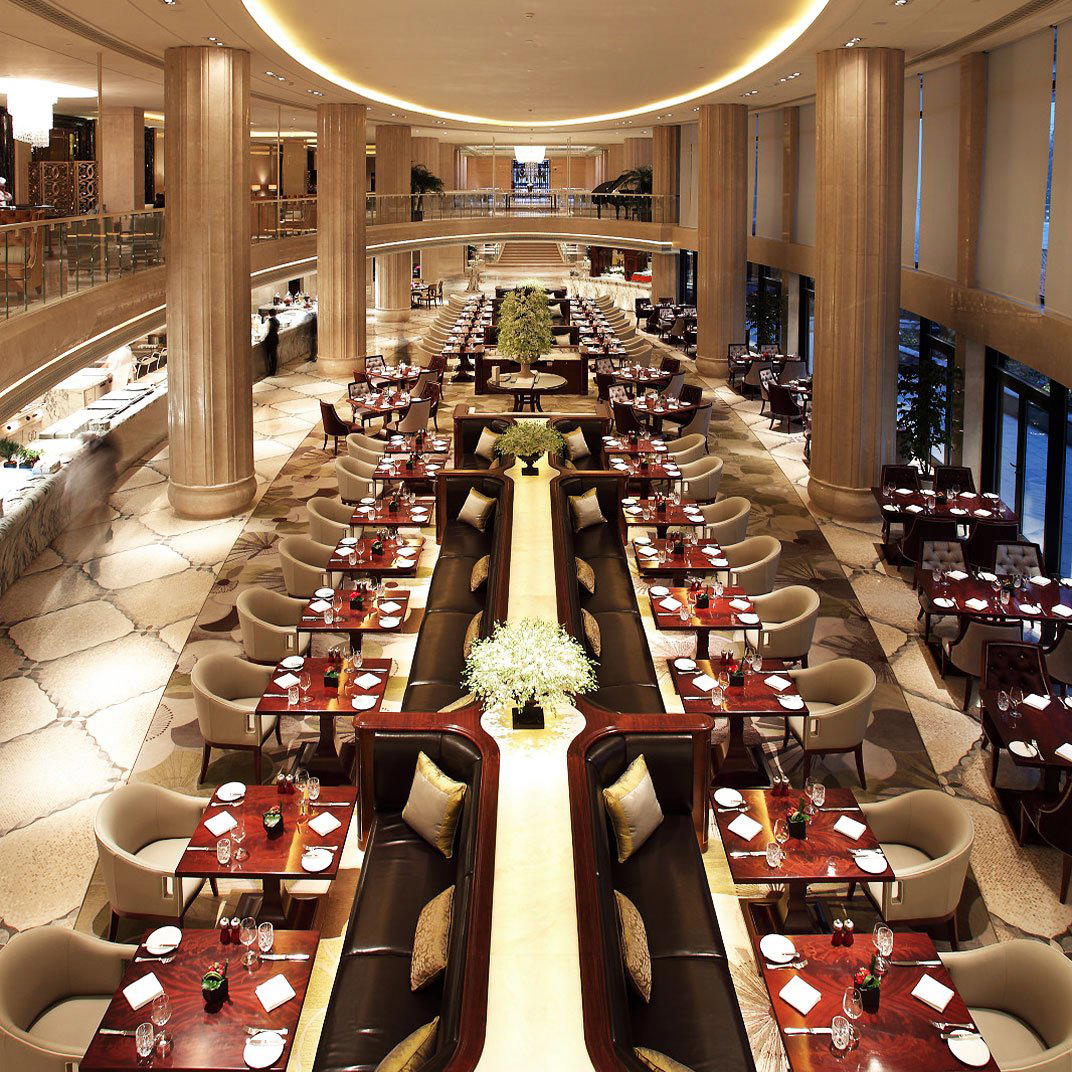
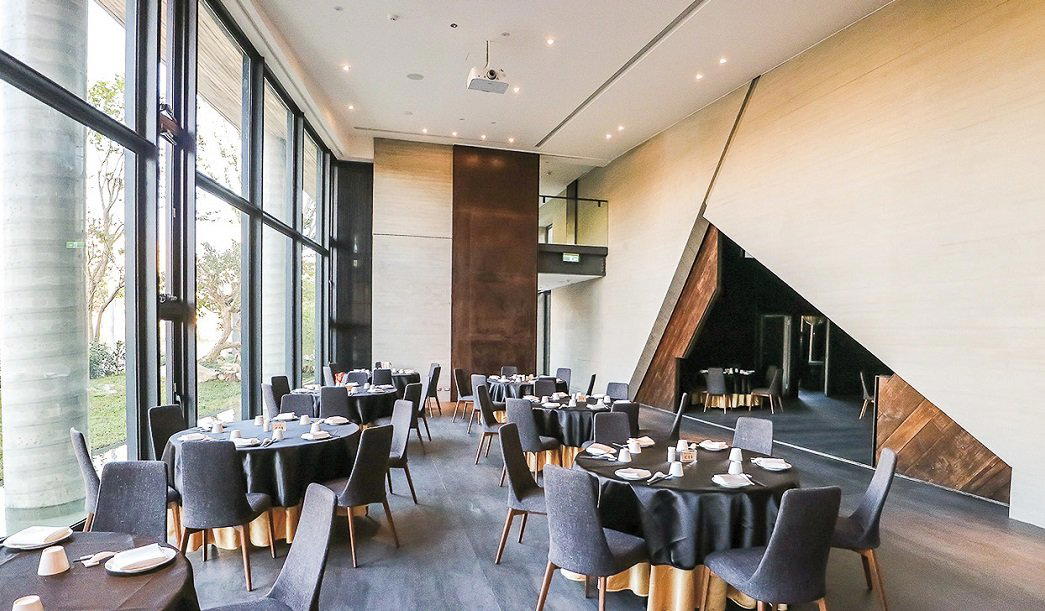
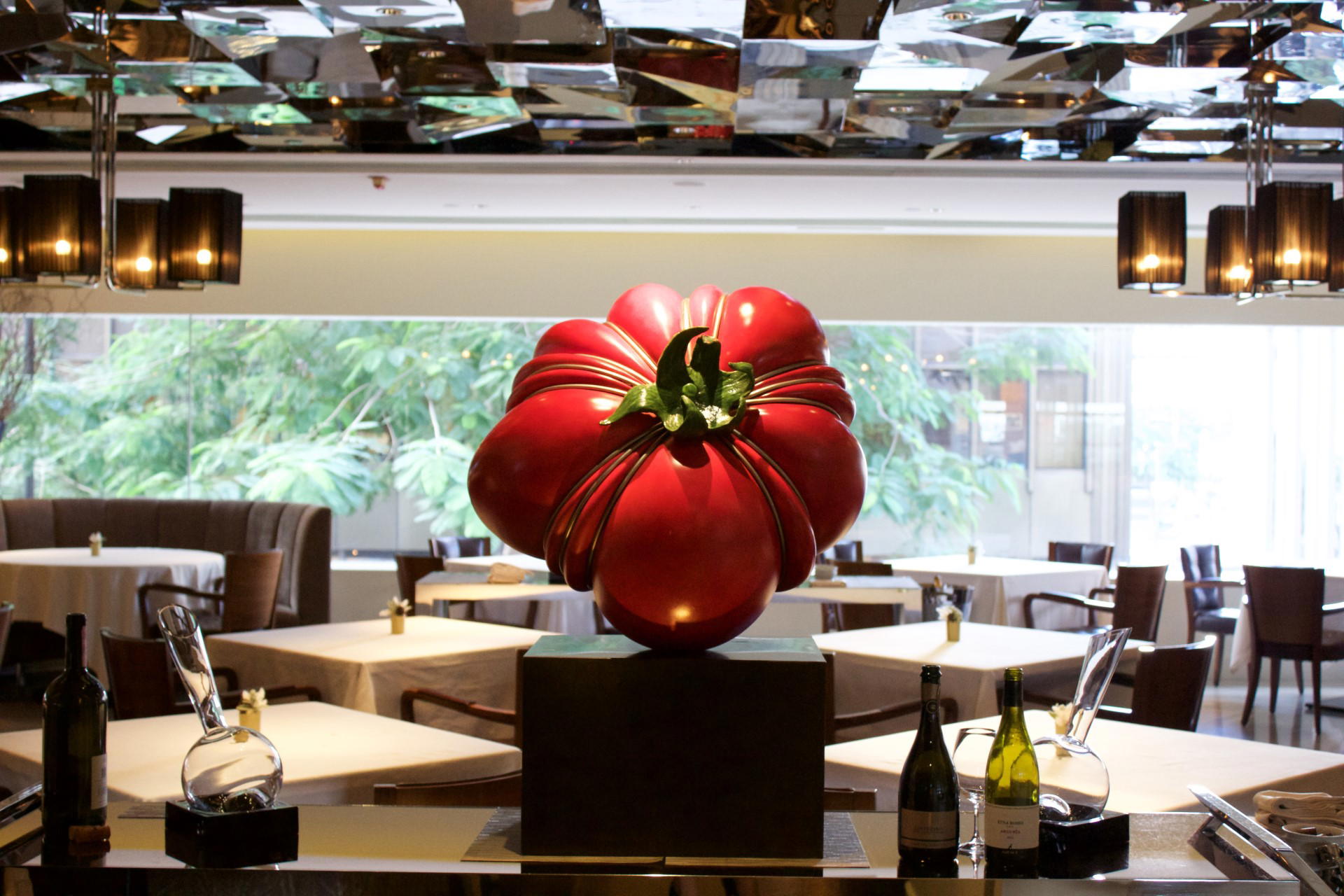
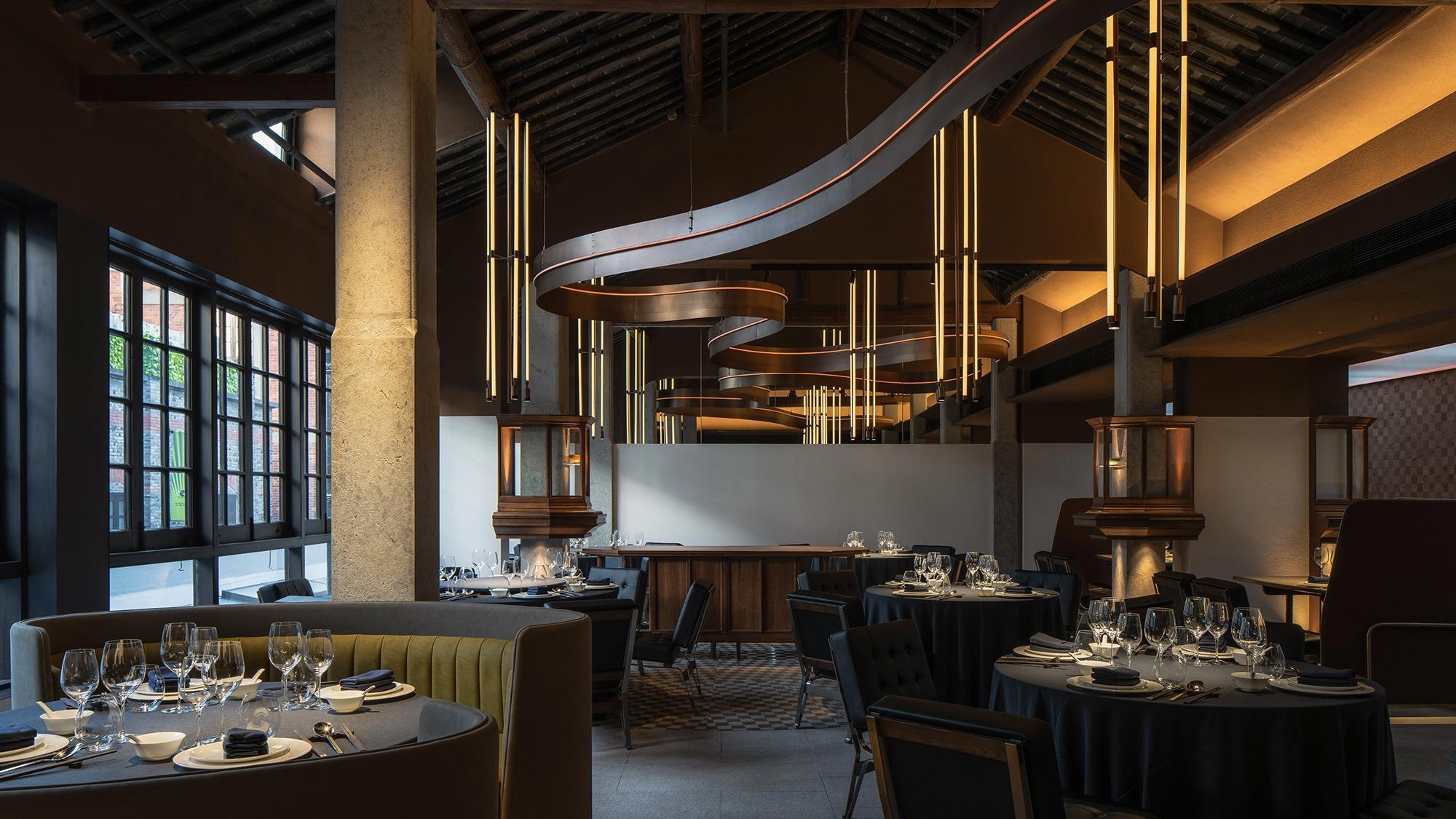
Shanghai's high-end hotel dining occupies a more competitive position than it did a decade ago. Standalone restaurants with serious culinary programs have expanded the options available to guests who might once have defaulted to the hotel dining room. The Mandarin Oriental Pudong's response is a three-restaurant structure spanning Asian and European formats, an all-day dining space with a show kitchen, and a riverfront setting that gives the food a context most standalone venues cannot replicate.
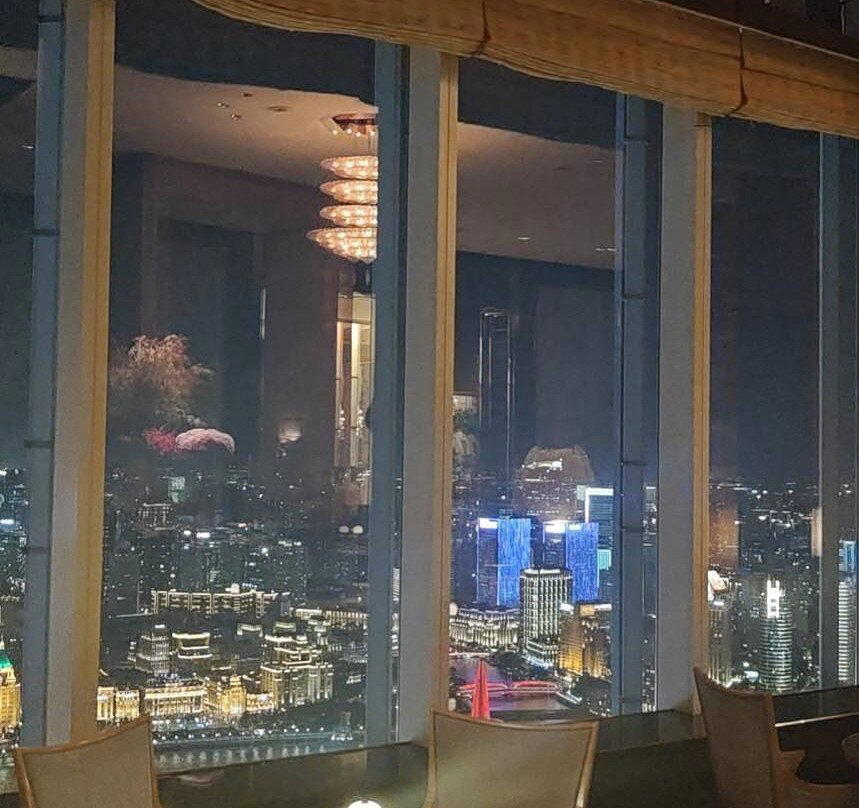
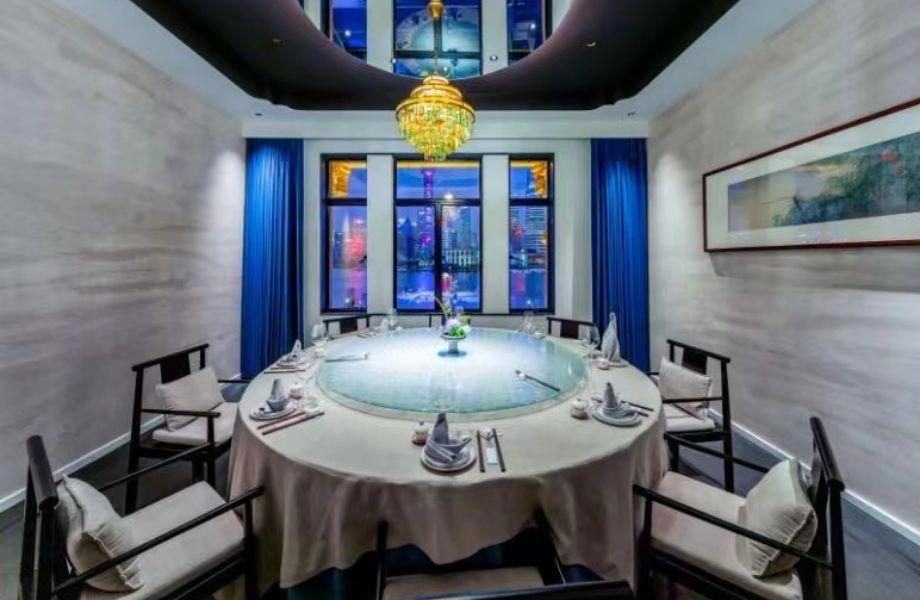
The settings matter here as much as the menus. Dining with a view of the Huangpu on a clear Shanghai evening is not incidental to the occasion; for anniversary dinners or celebratory meals, the room's relationship to the river is part of what you are booking. For a broader map of what Shanghai's restaurant scene offers beyond the hotel, our full Shanghai restaurants guide covers the city's range across neighbourhoods and formats.
Qi Bar and the After-Dinner Argument
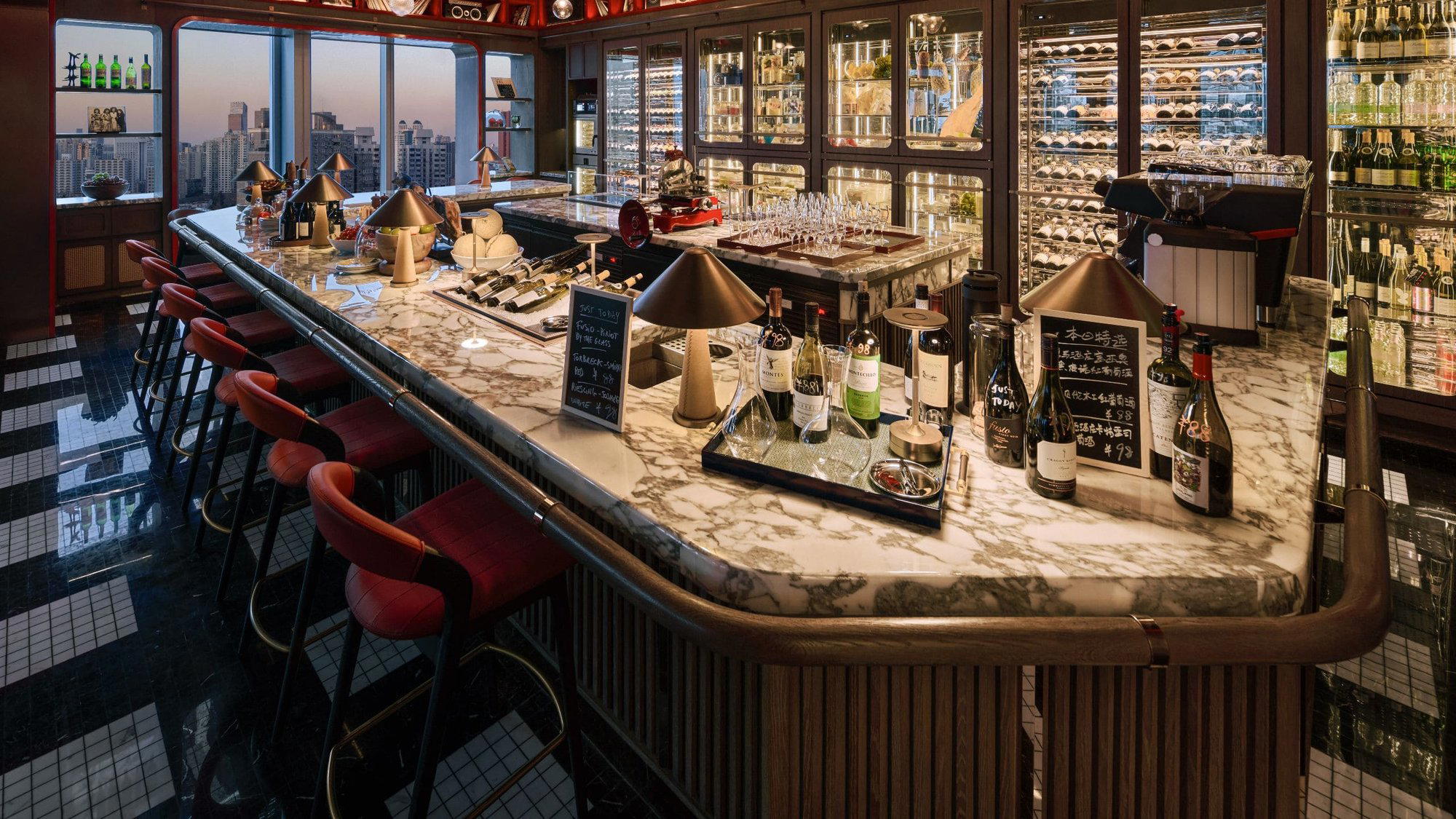
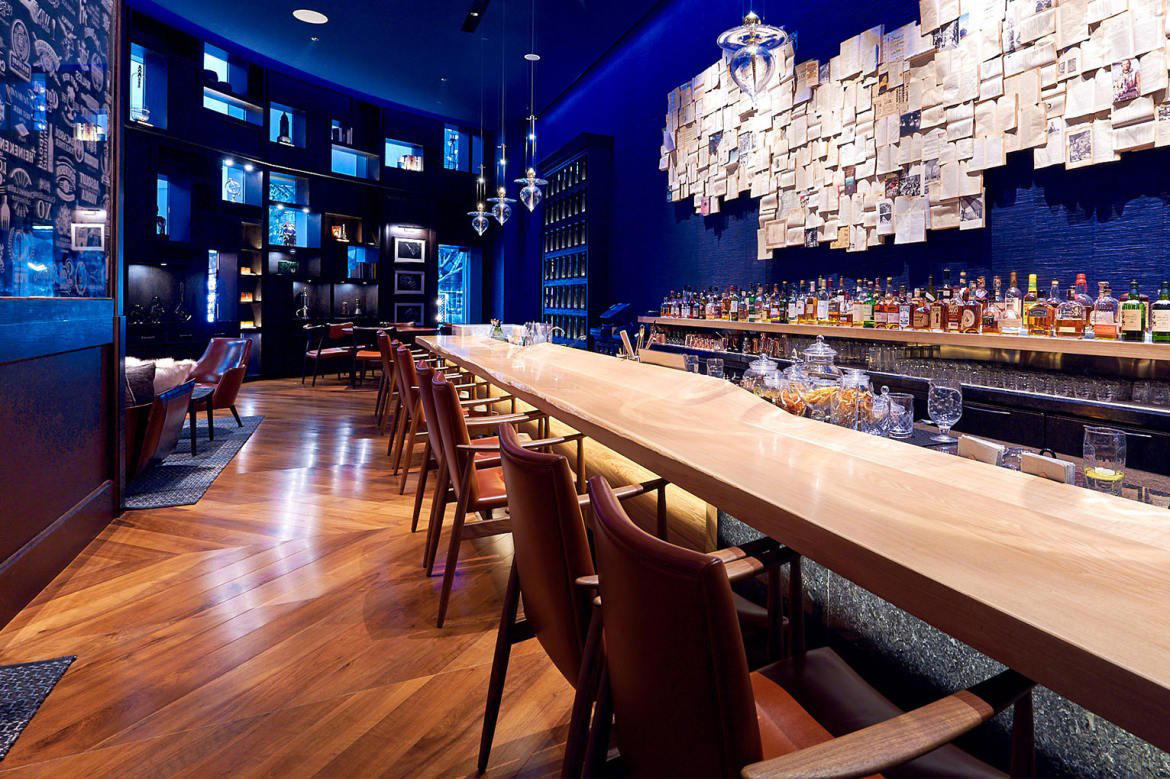
Among Shanghai's hotel bars, the case for Qi Bar rests on a specific combination: lobby-level accessibility, a residency-style DJ program, and mixologists positioned toward technical rather than theatrical cocktail production. In a city where hotel bars frequently default to either tourist-facing predictability or performance-led gimmickry, a bar that draws a local evening crowd on the basis of the drink program itself occupies a different position. For guests whose celebration extends past dinner into late evening, Qi Bar provides continuity without requiring a venue change, a practical consideration that matters more than it might appear when the night has momentum.
The Spa as Its Own Occasion
The butterfly-themed spa at the Mandarin Oriental Pudong holds a Five-Star rating and operates at a scale that separates it from the spa-as-amenity tier. A dedicated foot massage lounge runs independently from the main treatment rooms, and the wet areas include a tepidarium and a crystal steam room. Within the treatment program, the Chinese Meridian Massage delivered by therapist Newman Chen uses acupuncture point work across a 90-minute session, a format rooted in traditional Chinese medicine practice rather than the generic relaxation template that most hotel spas default to.
For celebratory stays, the spa represents the part of the experience that holds up on the second and third day. A milestone birthday built around a day treatment, an evening dinner reservation, and a river-view room is a format the property is structurally equipped to deliver in a way that smaller or less vertically integrated hotels are not.
Planning Around the Occasion
The hotel sits in the Lujiazui area of Pudong, reachable via Lujiazui and Pudong Avenue Metro stations, putting the Bund and Puxi neighbourhoods roughly ten minutes away across the river. Pudong International Airport is 45 minutes from the property; Hongqiao, which serves domestic and some regional routes, is 35 minutes. For guests arriving for a specific event, that airport proximity reduces one of the more unpredictable variables of arrival-day planning.
Room rates begin at approximately $329, positioning the property within the premium Shanghai tier rather than the ultra-luxury segment occupied by newer single-brand properties. For occasion-driven travel, the property's scale, 362 rooms, three restaurants, a Five-Star spa, a dedicated wedding showroom on the meeting floor, and executive apartment inventory, means it can accommodate different party sizes and stay formats without the booking limitations of smaller design-led properties like Alila Shanghai or Andaz Xintiandi, Shanghai.
The wedding showroom, located on the same floor as the meeting facilities, is an operational detail worth noting for guests planning multi-day wedding weekends. Having a dedicated space to finalise logistics during the stay reduces the coordination friction that characterises large-format celebration planning.
For comparison across Shanghai's full premium hotel range, properties like Amanyangyun, Bellagio Shanghai, and Artyzen NEW BUND 31 Shanghai each approach occasion-driven luxury from a different starting point, whether heritage, spectacle, or neighbourhood immersion. The Mandarin Oriental Pudong's argument is the river view, the scale, and a brand track record that the La Liste 99-point score reflects rather than creates.
Elsewhere in the Mandarin Oriental portfolio, Mandarin Oriental Qianmen in Beijing offers a useful counterpoint: a similarly positioned property in a different Chinese city context, useful for travellers building a multi-city China itinerary around consistent service expectations. For other premium stays across the region, Amanfayun in Hangzhou, Amandayan in Lijiang, and 1 Hotel Haitang Bay, Sanya each serve different occasion types. Further afield, Aman New York and Aman Venice represent how the top tier of occasion-driven hospitality positions itself across different markets entirely.
Recognition, Side-by-Side
| Venue | Price | Awards |
|---|---|---|
| Mandarin Oriental Pudong, ShanghaiThis venue — the venue you are viewing | Not listed | 1 Michelin Key · La Liste Top Hotels |
| Amanyangyun | Not listed | 2 Michelin Keys · Vogue 2026 Vogue Best Hotels in Shanghai |
| Andaz Xintiandi, Shanghai | $100–200 | Michelin Selected · Forbes Recommended |
| Bvlgari Hotel Shanghai | $750–1,000 | 2 Michelin Keys · La Liste Top Hotels |
| Capella Shanghai, Jian Ye Li | Not listed | 2 Michelin Keys · Michelin Guide New Hotels New Hotel |
| Fairmont Peace Hotel | $200–300 | Michelin Selected · La Liste Top Hotels |
Recognition history
Dated appearances from independent guides and award organizations, with the underlying list record or original source where available.
Michelin 1 Key
Michelin
La Liste Top Hotels
La Liste
Forbes 5-Star
Forbes
Virtuoso Luxury Hotel Partner
Virtuoso
Travel + Leisure 100 Favorite Hotels in the World #50
Travel + Leisure
Full recognition history (7 entries)
Forbes 5-Star
Forbes
Michelin 1 Key
Michelin
Details
- Elegant
- Sophisticated
- Modern
- Ornate
- Business Trip
- Romantic Getaway
- Honeymoon
- Rooftop Pool
- Panoramic View
- Butler Service
- Pool
- Spa
- Fitness Center
- Room Service
- Concierge
- Business Center
- Valet Parking
- Waterfront
- Skyline
- Elevator
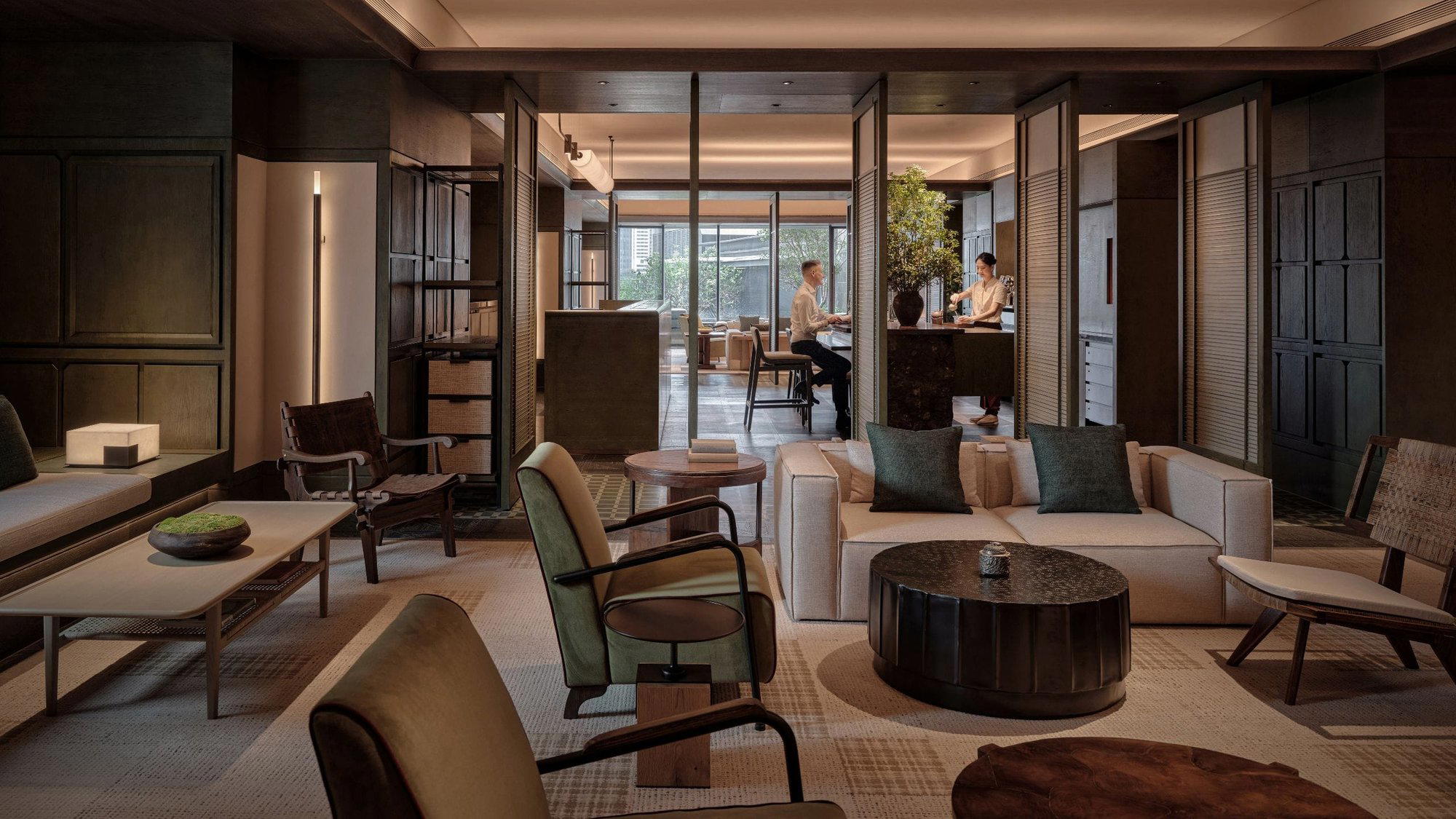
Sophisticated and peaceful atmosphere with elegant lighting, spacious rooms featuring contemporary design and floor-to-ceiling windows.