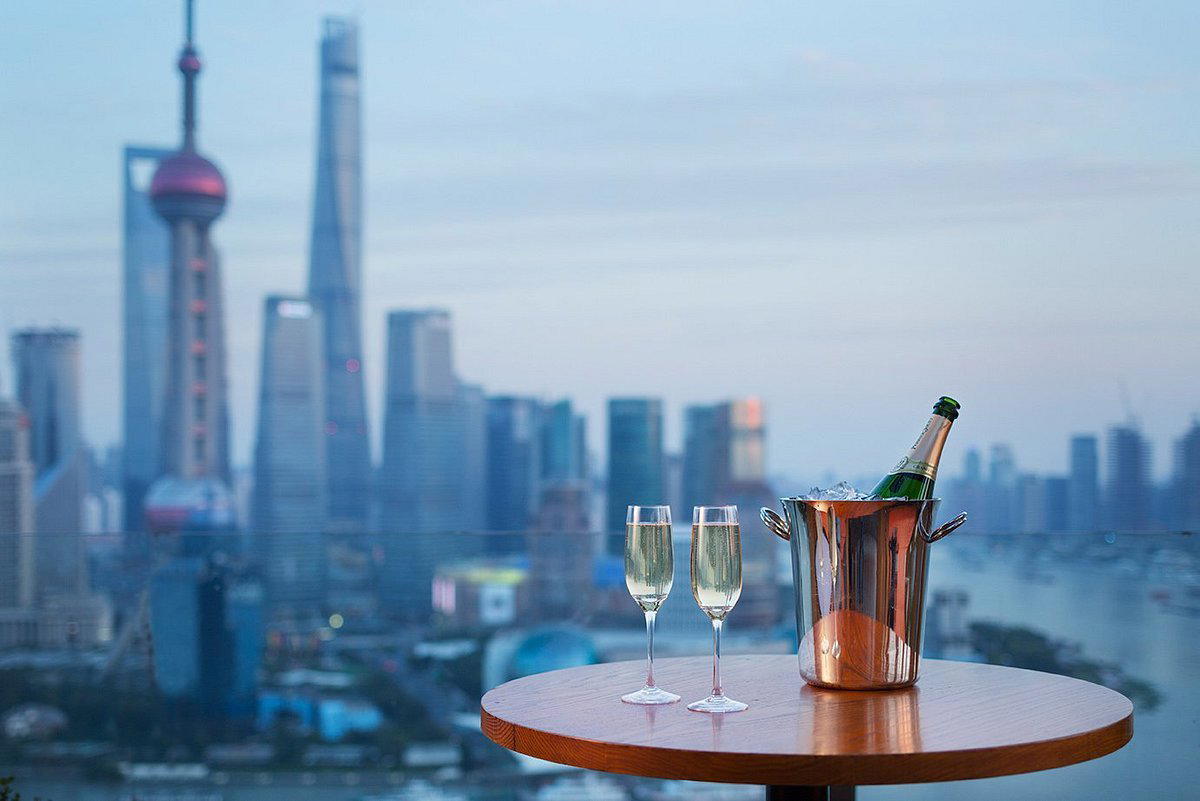
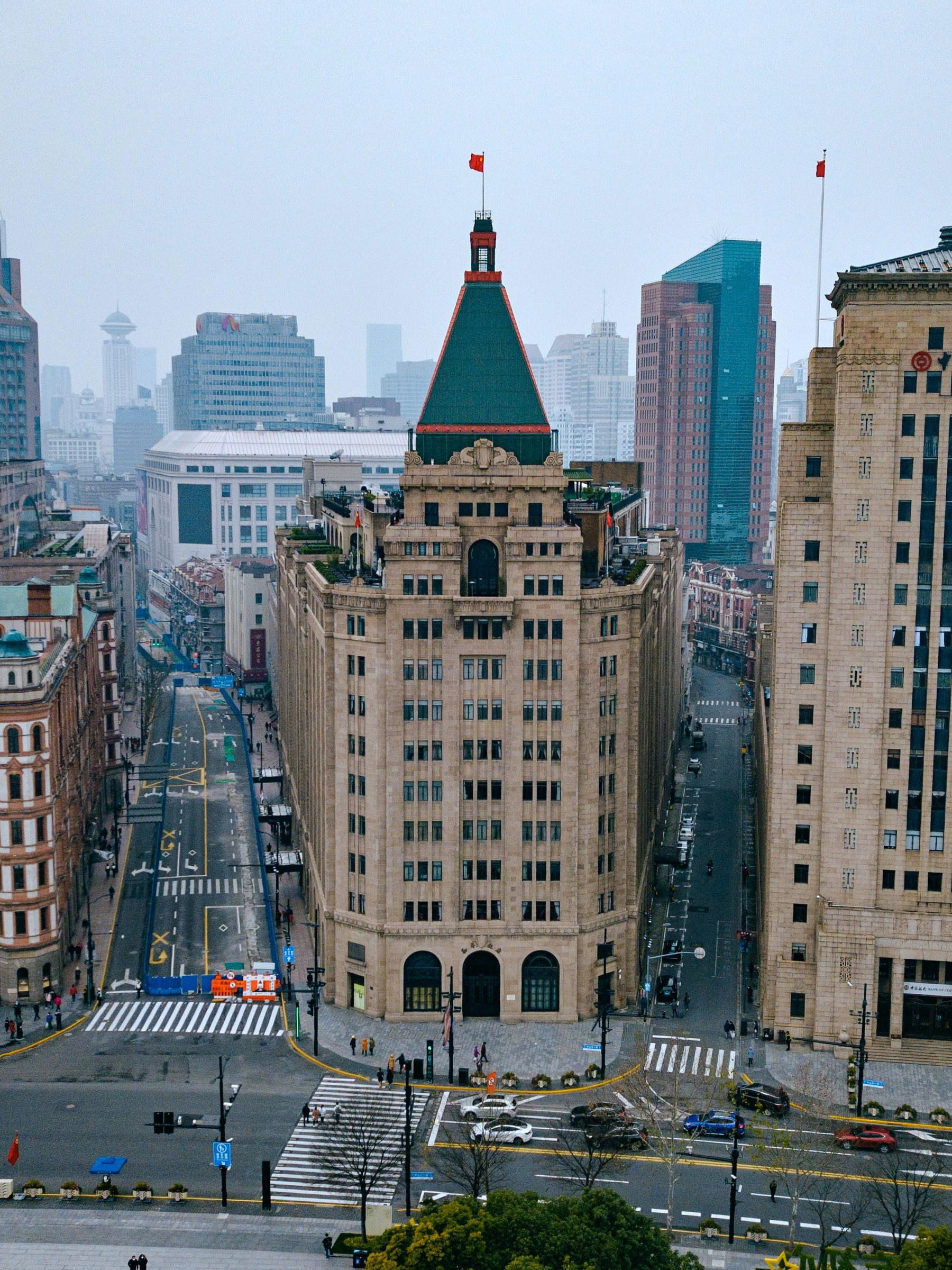
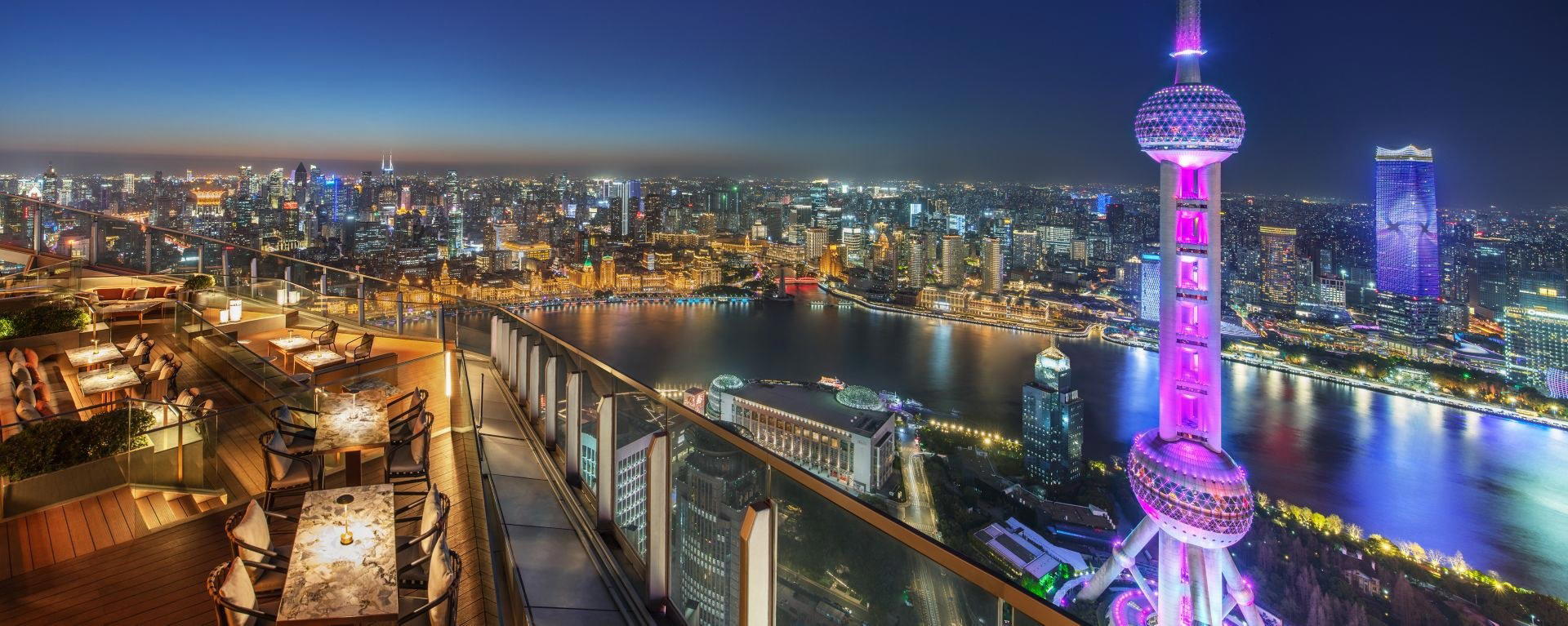
Positioned on the Huangpu River in Hongkou District, Vue Bar occupies a perch that frames the Bund and Pudong skylines with unusual directness. The cocktail programme operates within Shanghai's broader shift toward technically focused bar culture, placing it alongside the city's better-regarded rooftop and view-driven drinking destinations. A reservation is advisable, particularly on weekend evenings when demand for refined river-view seating reliably outpaces availability.

Pearl is the En Primeur Club membership app — saves, bookings, and concierge access live there. Same editors, same standards.
- Address
- 199 Huangpu Rd, Hongkou District, Shanghai, China, 200080
- Phone
- +86 21 6393 1234
- Hours
- Mon–Sat 5:30 PM–1 AMSun 2:30 PM–1 AM
- Website
- shanghaithebund.hyatt.com
- Directions
- Get directions
Where the River Does the Work
Shanghai's bar scene has spent the better part of a decade sorting itself into tiers. At the bottom, nightlife venues chasing volume and bottle-service revenue. In the middle, a growing cluster of technically serious cocktail bars that have earned the city a genuine place on the Asia-Pacific bar circuit. And at the leading, a smaller group of venues where the physical setting is itself an argument — places where the view across the Huangpu is not incidental decoration but a structural part of why you are there. Vue Bar, at 199 Huangpu Road in Hongkou District, belongs to that last category.
The approach matters here. Hongkou sits on the north bank of the Suzhou Creek where it meets the Huangpu, directly across from the Bund's heritage facades and with Pudong's tower cluster rising beyond them. The sightlines that result — west toward the Bund, south toward Lujiazui, are among the more direct available from any licensed venue in the city. In a market where rooftop and river-view bars compete intensely for the same postcards, position is a differentiator that no cocktail list can replicate on its own.
The Cocktail Programme in Context
Shanghai's technically serious bar culture took shape largely through a cohort of internationally trained bartenders who returned or relocated to the city during the 2010s. The bars they opened or shaped, including venues now recognised in the Asia's 50 Best Bars rankings, shifted the conversation away from spectacle and toward programme depth: fermentation, fat-washing, clarification, locally foraged botanicals. Coa (Shanghai) brought agave-focused rigour to that scene. Constellation has held its position as a reference point for serious spirits curation. Epic and Pony Up represent further points on the same city-wide map of where considered drinking happens in Shanghai.
Vue Bar operates in a different register from the neighbourhood cocktail counter format. The setting demands a programme that can hold its own alongside a view rather than replace one. In that context, the drinks function as a complement to the experience rather than the sole reason to visit, which is not a critique, but a description of a legitimate and well-established bar format. The strongest view-destination bars in Asia understand that pacing, glassware selection, and menu legibility matter as much as technique when guests are splitting attention between their drink and the skyline.
The most credible versions of this format in the region, from The Ritz-Carlton Bar and Lounge in Macau to rooftop programmes across Hong Kong and Singapore, have learned that the cocktail list needs to be edited rather than exhaustive. A focused menu of eight to twelve drinks, built around two or three house techniques and a coherent flavour logic, tends to serve the setting better than an encyclopaedic approach that competes with itself for attention.
Shanghai's Rooftop and River-View Tier
The market segment Vue Bar occupies is more competitive than it appears from outside. Shanghai has accumulated a significant number of refined drinking venues over the past fifteen years, and the quality gap between the leading and the median has narrowed. Guests arriving with high expectations formed by Asia-Pacific bar award culture will apply the same critical lens to a view bar that they would to a counter-service cocktail programme, and that pressure has been productive. The city's better refined venues have responded by investing in their programmes rather than relying purely on the postcard factor.
That pressure also explains why differentiation within the tier has become more granular. Some venues compete on the cocktail programme itself. Others compete on food pairing, wine selection, or the quality of non-alcoholic options, a category that has grown considerably across Shanghai's bar market. Others compete on the terms of access: smaller capacity, member-led bookings, or formats that limit the volume of guests at any given time. Understanding which of these levers a venue is pulling tells you more about what your evening will look like than any single descriptor.
Getting There and Planning Your Visit
The address at 199 Huangpu Road places Vue Bar in Hongkou District, reachable from the Bund area in a short taxi or ride-share trip across the Waibaidu Bridge. The area has developed a small cluster of dining and drinking options around the former industrial riverfront, though it remains less saturated with tourist foot traffic than the immediate Bund strip, which affects both the approach and the likelihood of walk-in availability.
Weekend evenings, particularly between 8pm and 11pm when both the city lights and the cocktail demand are at their peak, will be the hardest periods for spontaneous visits. Arriving on a weekday evening, or booking ahead where the venue accepts reservations, is the practical approach. For those building a broader Shanghai bar itinerary, pairing a visit here with time at Constellation or Coa gives a useful cross-section of what the city's bar scene currently covers. Our full Shanghai restaurants and bars guide maps the broader picture.
For travellers who want to compare the view-bar format across Chinese cities, Hope and Sesame in Guangzhou and Janes and Hooch in Beijing both offer points of reference, as do Obsidian Bar in Shenzhen and CMYK in Changsha for a wider regional read. Further afield, FLAIR in Wuhan and Bar Leather Apron in Honolulu illustrate how the refined or view-driven bar format plays out in very different urban contexts.
Comparable Spots, Quickly
| Venue | Cuisine | Price | Awards |
|---|---|---|---|
| Vue BarThis venue — the venue you are viewing | This venue | $50–100 | Not listed |
| Constellation | World's 50 Best | Not listed | World's 50 Best #42 |
| Epic | World's 50 Best | $10–20 | World's 50 Best #74 · Tatler Best Bars Asia-Pacific 2025 |
| Speak Low | World's 50 Best | $10–20 | World's 50 Best #50 · Top 500 Bars Best Bars #326 |
| Union Trading Company | World's 50 Best | Not listed | World's 50 Best #45 · Tatler Best Bars Asia-Pacific 2025 |
| The Odd Couple | World's 50 Best | $10–20 | World's 50 Best #38 |
Details
- Sophisticated
- Elegant
- Trendy
- Romantic
- Date Night
- Late Night
- Special Occasion
- Rooftop
- Panoramic View
- Terrace
- Lounge Seating
- Outdoor Terrace
- Classic Cocktails
- Craft Cocktails
- Skyline
- Waterfront
Current opening hours
- Monday
- 5:30 PM–1 AM
- Tuesday
- 5:30 PM–1 AM
- Wednesday
- 5:30 PM–1 AM
- Thursday
- 5:30 PM–1 AM
- Friday
- 5:30 PM–1 AM
- Saturday
- 5:30 PM–1 AM
- Sunday
- 2:30 PM–1 AM
Hours can change for holidays and private events. Last verified .
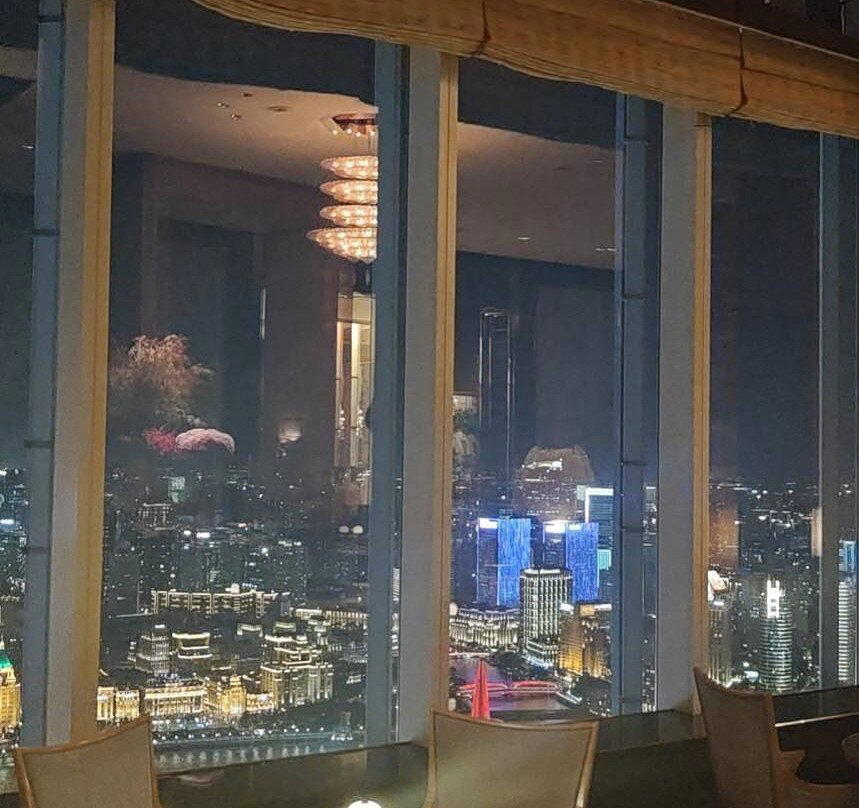
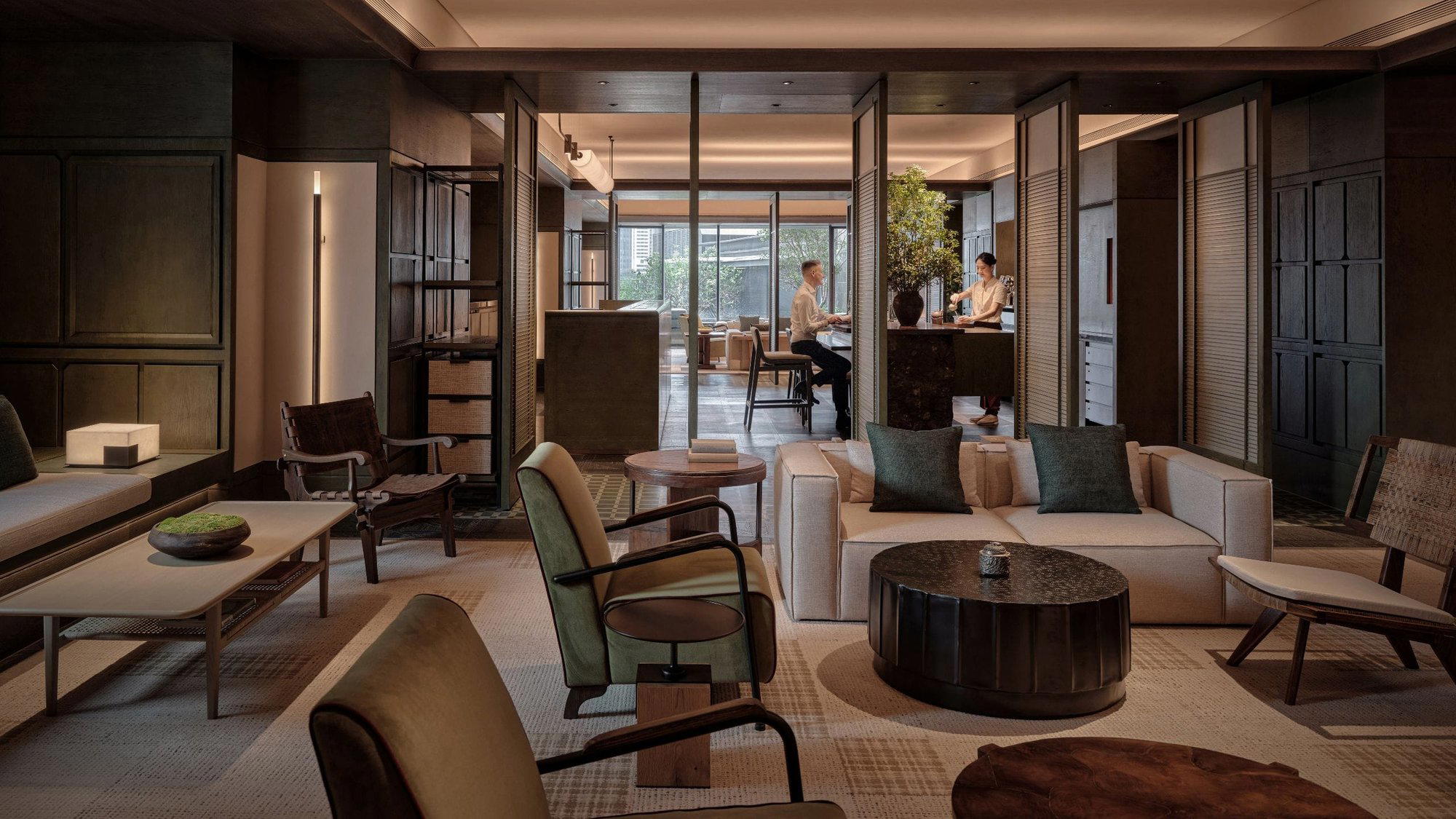
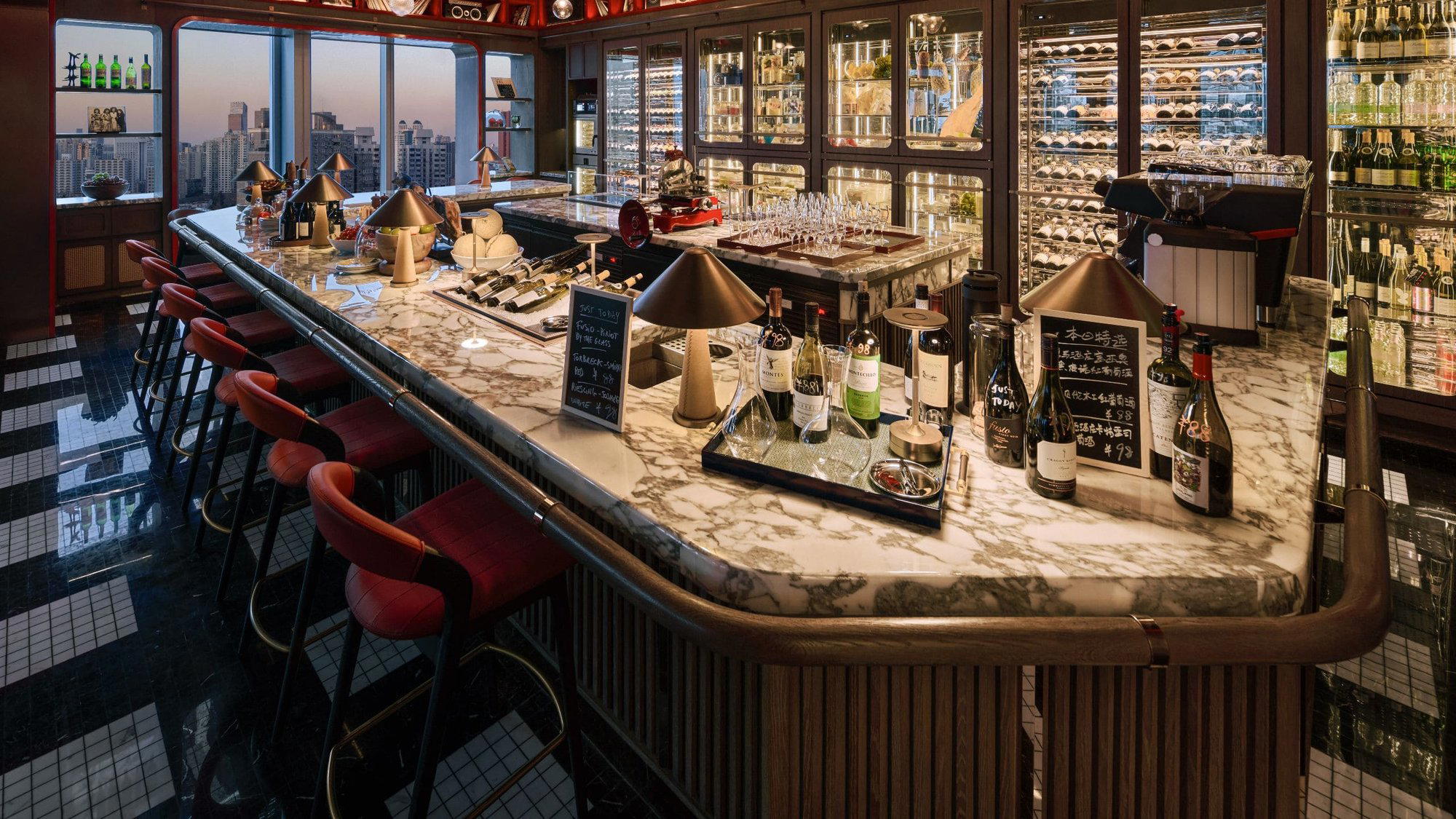
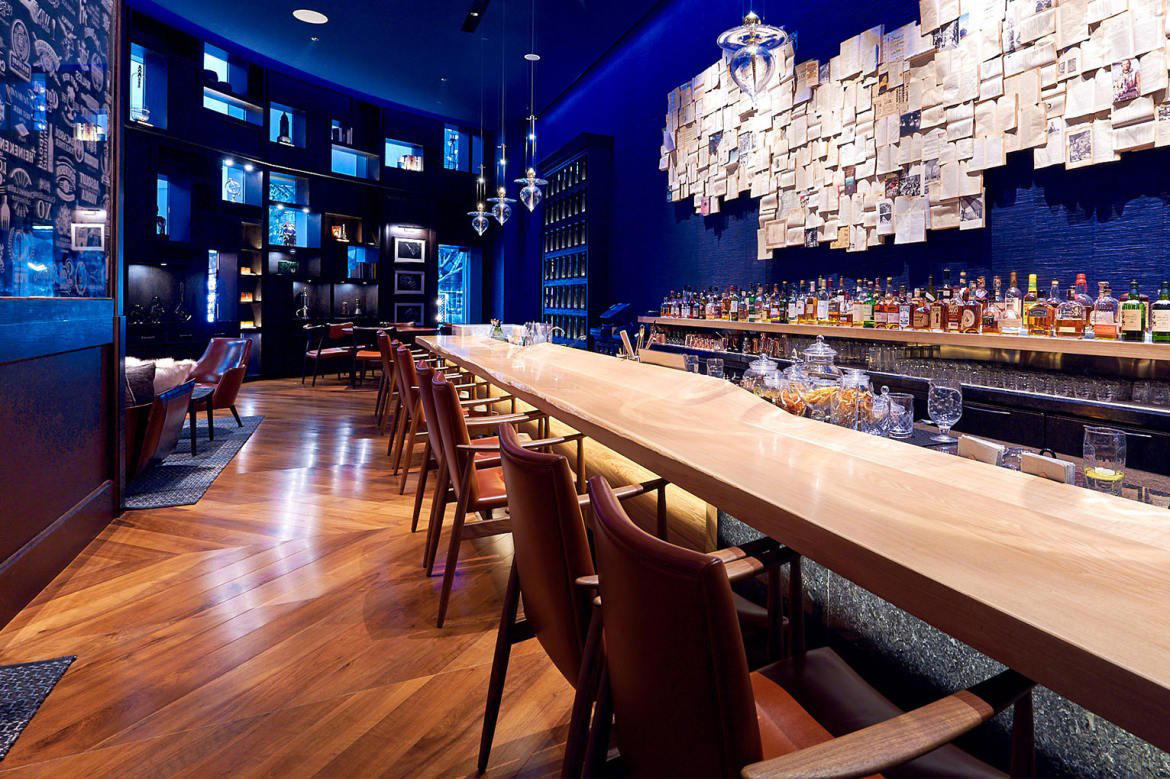
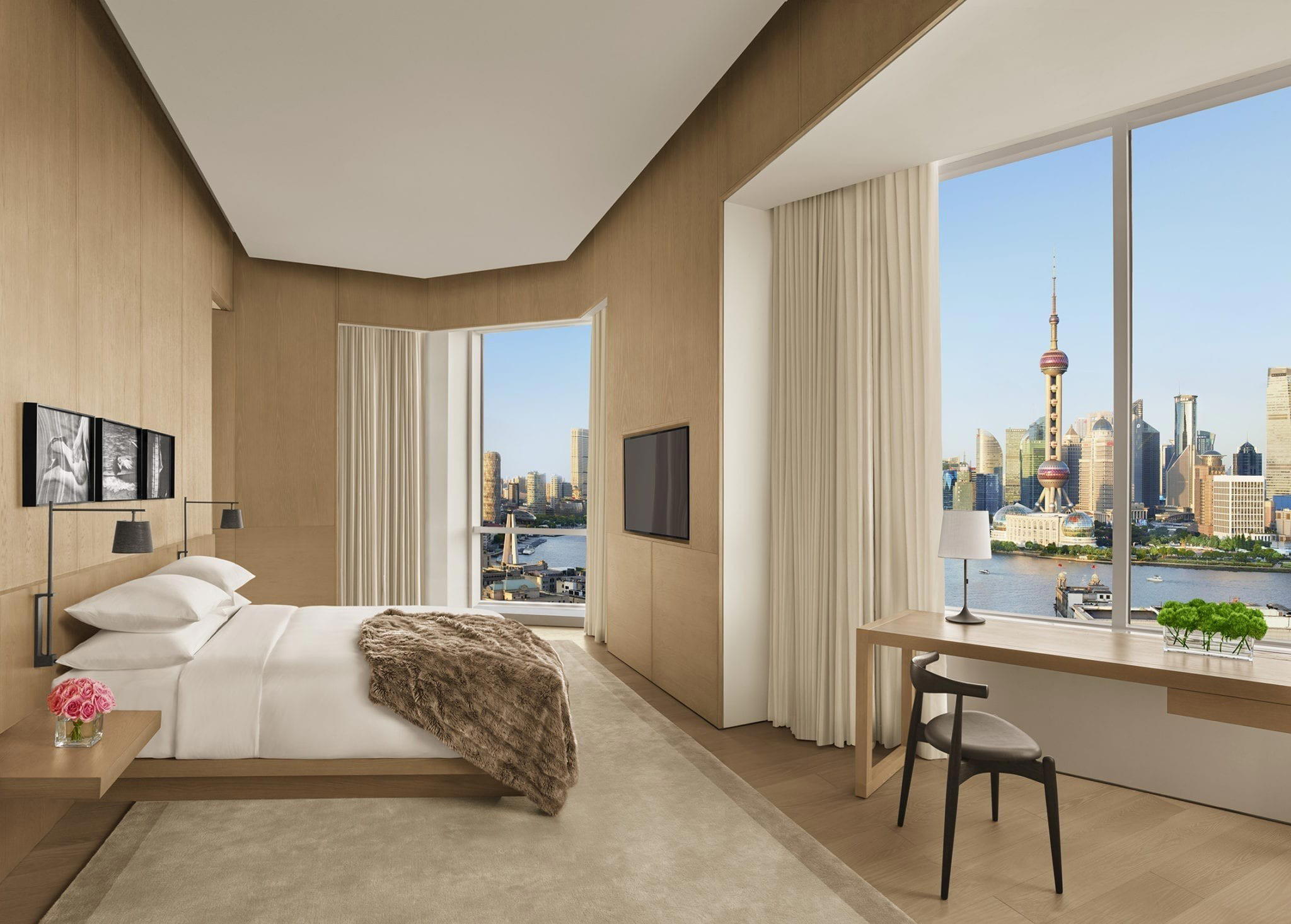
Sophisticated and stylish with modern furniture, floor-to-ceiling windows framing the views, warm lighting, and a lively atmosphere enhanced by resident DJs.