

Tabelog Bronze #124
Our verdict
Hotel de Yoshino gives Wakayama a rare kind of French dining gravity: regional produce and classical technique handled with enough recognition to matter beyond the prefecture. Its Tabelog Award history, OAD Japan placement, sommelier service, and 35-seat format put it in a serious destination-dining bracket without making the room feel like a Tokyo transplant.

Pearl is the En Primeur Club membership app — saves, bookings, and concierge access live there. Same editors, same standards.
- Address
- Japan, 〒640-8319 Wakayama, Tebira, 2 Chome−1−2 和歌山ビッグ愛 12F
- Phone
- +81 73-422-0001
- Hours
- Mon 11:30 AM–3 PM, 6–10 PMTue–Wed ClosedThu–Sun 11:30 AM–3 PM, 6–10 PM
- Website
- hoteldeyoshino.com
- Directions
- Get directions
- Booking
- Book on TableCheck
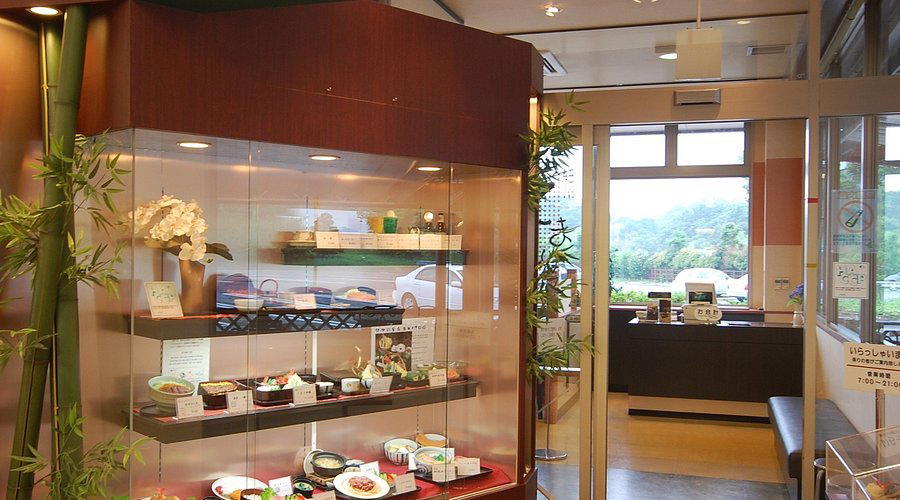
From the upper floor of Wakayama Big Ai, the city reads not as a stop between Osaka and the Kii Peninsula, but as a working food region of citrus, seafood, mountain produce, and quietly serious dining. That is the lens for Hotel de Yoshino. Wakayama is not imitating Tokyo counter culture or Kyoto formality; its strongest tables make sense when the prefecture enters the frame.
French cuisine in Japan often splits between metropolitan grand dining, where technique and luxury signaling carry the meal, and regional French, where classical structure absorbs local supply. Wakayama belongs to the second camp. Long associated with mikan and other citrus, seafood from the Kii Channel, mountain vegetables, soy sauce culture in nearby Yuasa, and Koyasan pilgrimage routes, a French kitchen here must translate place, not import polish.
Wakayama produce gives the French format its reason to travel
The argument is provenance, not spectacle. Hotel de Yoshino is listed as French, led by chef Junya Teshima, and recognized in 2026 with a Tabelog Award Bronze and inclusion in Opinionated About Dining’s 2026 Top Restaurants in Japan Recommended list. Those signals matter because regional French restaurants in Japan are often under-read by visitors defaulting to sushi, ramen, or kaiseki outside major cities. The awards confirm serious attention to a format needing more context than a quick bowl or counter seat.
Wakayama’s restaurant identity is easy to grasp through local genres. Chuka soba remains part of the city’s culinary grammar, and names such as Chuka Soba Senmon Ten Ide Shoten, Ideshouten Ramen, and Chuka Soba Hayami show a taste for depth, soy, pork, and everyday intensity. A formal French room is not an escape from Wakayama food culture; it is another instrument for reading the region.
French cuisine does not become Japanese by decoration. Better regional French kitchens keep the tradition’s skeleton: sauce work, pacing, wine logic, and a progression that rewards attention. What changes is the center of gravity. In Wakayama, fruit acidity, coastal freshness, and mountain ingredients pull a classical meal away from Parisian heaviness toward a cleaner local register. That is why to travel for this style, not treat it as a substitute for French dining in a larger city.
For a broader stay, contrast helps. Aji Ichi and Ichijoin point to different registers of the prefecture’s food life, while our full Wakayama restaurants guide places the city’s French, noodle, temple, and local cooking options side by side. The strongest itinerary lets the formal dinner explain why Wakayama tastes different from Kansai’s larger urban centers.
A recognized regional room, not a capital-city imitation
Japan’s high-end French conversation is crowded with Osaka and Tokyo names, which can distort how to judge this restaurant. La Cime operates in a different urban and price context; genso, au soleil couchant, Mille Caresses, and La Kanro each belong to separate readings of Japanese French dining. Hotel de Yoshino sits in the more compelling regional category, where access to place is part of the value and seriousness is measured by consistency, not metropolitan noise.
The recognition pattern supports that reading. Tabelog lists the restaurant with a 2026 Bronze Award and a score just under 4, plus a history of Silver and Bronze Tabelog Award results across multiple years and selections for Tabelog French WEST 100. OAD also placed it in Japan rankings before its 2026 Recommended listing. This is repeated external recognition in a category where repeat performance matters more than one headline.
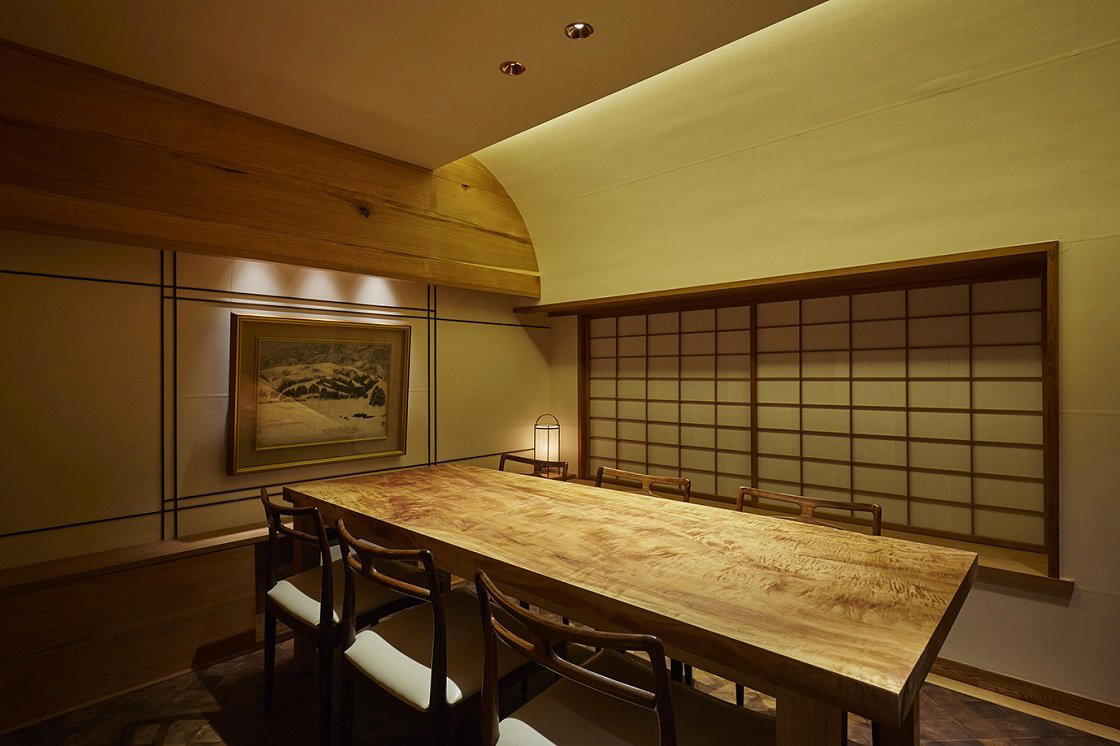
The format matters. A 35-seat dining room with private rooms, non-smoking policy, credit-card acceptance, wine focus, cocktails, and sommelier service suggests paced meals rather than casual turnover. The scale avoids ultra-small-counter preciousness but is small enough that the kitchen cannot hide behind banquet rhythm. It is unusually adaptable for Wakayama: business meals, family occasions, and destination dinners can coexist without becoming a hotel-lobby compromise.
That adaptability is not looseness. The restaurant’s published positioning, “French cuisine you can only enjoy in Wakayama,” sets a clear editorial test. If a regional French restaurant can move wholesale to Osaka or Tokyo without losing meaning, it has failed its brief. Here, city and prefecture are not scenery; they are why the French format has consequence.
Travelers should plan beyond dinner. Wakayama rewards slower planning: temple stays and Koyasan routes, coastal side trips, and city dining pull in different directions. Our full Wakayama hotels guide, full Wakayama bars guide, full Wakayama wineries guide, and full Wakayama experiences guide work best as a planning grid, not separate lists. The restaurant makes most sense within a Kansai itinerary that gives Wakayama its own day or night, not as an afterthought between train connections.
How to place it among Japanese French restaurants
The useful comparison is not only within Wakayama. Japanese French dining has become one of the country’s most precise forms of regional expression, especially outside the capital. In smaller cities, it can reveal local agriculture with less ceremony than kaiseki and more structure than a casual local table. Destination diners chasing sushi counters should not dismiss French in a prefecture known for fruit, sea, and mountain routes.
Hotel de Yoshino’s chef credit, award record, and wine-supported format put it in a serious lane, but the appeal is narrower and more interesting than generic luxury. This is for travelers who care how Western technique behaves outside usual prestige circuits. It will speak more clearly to diners wanting a composed meal rooted in Wakayama than to those seeking theater of scarcity.
The broader EP Club map includes different French propositions, from 3 Fils Counter, French in Dubai to 3G Trois Gourmands, French in Ho Chi Minh City. Those links are useful not as direct peers, but as proof of how elastic the French category has become outside France. The same elasticity explains why a Wakayama dining room matters: regional identity is no longer a decorative layer on French cuisine; it is often the editorial point.
For a wider Japanese dining route, contrast it with different city and category signals such as -Grilled beef Sukiyaki- KAMAKURA TANUKIAN 鎌倉 たぬき庵 in Kamakura. 鮪と炭火焼き うお炭 秋葉原店 in Tokyo.cafe in Osaka.know in Kumamoto, (Shoku) Vietnam in Kawasaki, and [Curry Senmon Ten] Maruyama Kyoju. in Sapporo. Each sits in a different dining register, which is exactly the point: Japan’s strongest food trips read category, city, and region together.
The editorial verdict is simple. Hotel de Yoshino is not the Wakayama answer to a Tokyo trophy room. It is more persuasive as a regional French restaurant that turns the prefecture’s ingredients and dining tempo into the subject. For travelers already committed to Wakayama, it should anchor the formal end of the itinerary; for Kansai visitors deciding whether to add a night, its repeated recognition gives the detour a concrete reason.
Frequently asked questions
Would Hotel de Yoshino be comfortable with kids?
Yes. The venue lists children welcome, along with private rooms for 2 to 8 guests and 35 seats, which makes it workable for family dining in Wakayama. Its French format and service charge of 15% place it in a more formal lane than a casual bistro.
What is the atmosphere like at Hotel de Yoshino?
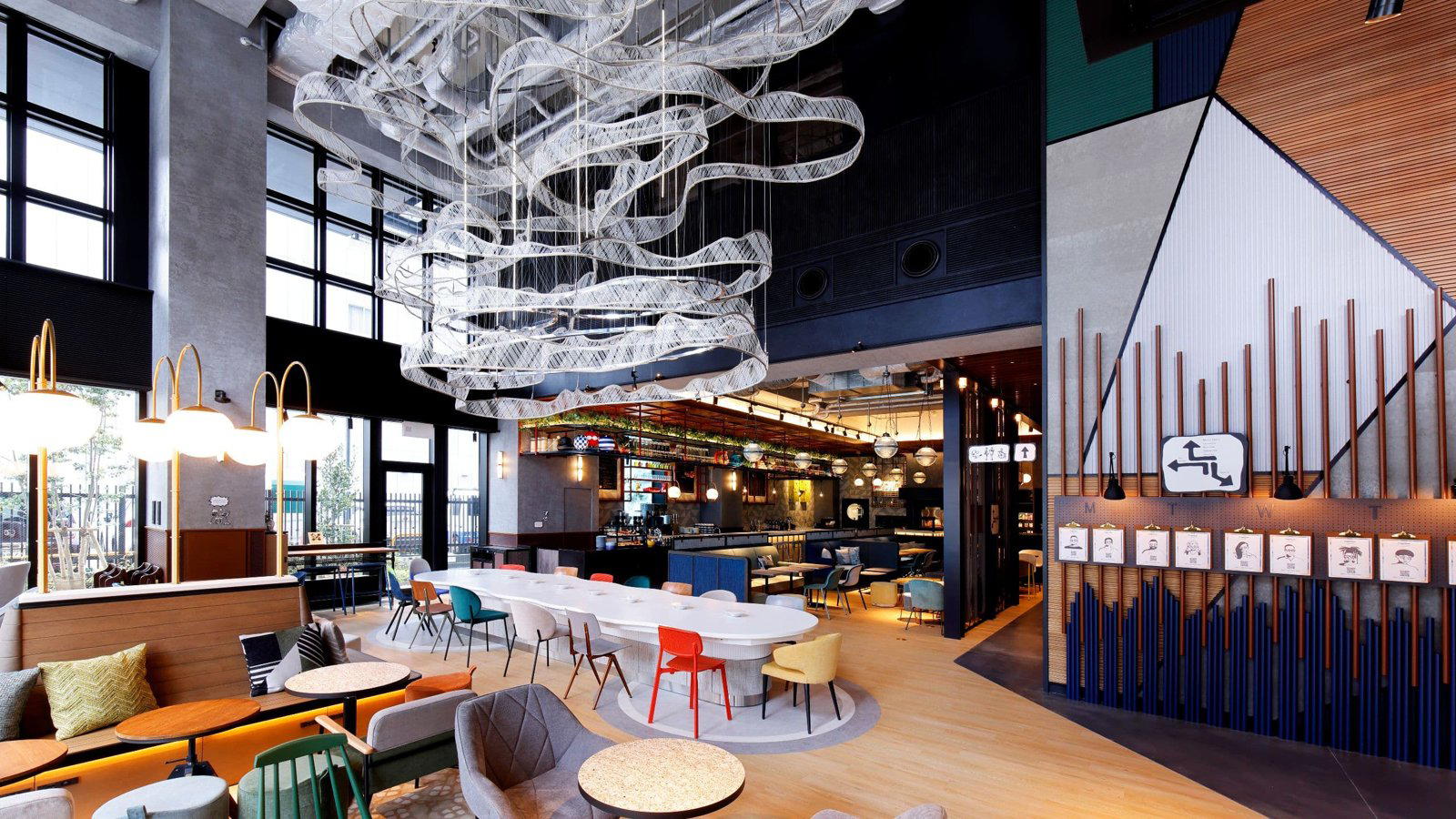
The room is described as stylish, relaxing, and spacious, with sofa seating and private rooms available. It sits on the 12th floor of Wakayama Big Ai and is listed as a hotel restaurant with night-view appeal, so the setting feels more composed than bustling.
What's the cuisine at Hotel de Yoshino?
Hotel de Yoshino serves French cuisine.
What are the opening hours for Hotel de Yoshino?
Hours at Hotel de Yoshino: Hours: Monday 11:30 am–3 pm, 6–10 pm Tuesday Closed Wednesday Closed Thursday 11:30 am–3 pm, 6–10 pm Friday 11:30 am–3 pm, 6–10 pm Saturday 11:30 am–3 pm, 6–10 pm Sunday 11:30 am–3 pm, 6–10 pm.
Where exactly is Hotel de Yoshino?
Hotel de Yoshino is located in Wakayama.
Comparison Snapshot
Comparable venues by cuisine and price in the same metro.
| Venue | Cuisine | Price | Awards | Notes |
|---|---|---|---|---|
| Hotel de YoshinoThis venue — the venue you are viewing | Classic French with Wakayama Ingredients | $150–200 | Tabelog Bronze #124 | Not listed |
| Sizen Mukuan | Kinan Seasonal Japanese Cuisine | $100–150 | Tabelog Bronze #415 | Takao |
| Ideshouten Ramen | Wakayama Ramen | $10–20 | Not listed | Wakayama city |
| Ide Shoten (井出商店) | Wakayama-style ramen (chuka soba) | $1–10 | Tabelog 100 #59 | Tanakamachi |
| Urashima Ramen | Traditional Wakayama Ramen Shop | $1–10 | Tabelog 100 #75 | Uchita |
| Ichijoin | Shojin Ryori (Buddhist Vegetarian) | $150–200 | Not listed | Koyasan |
Recognition history
Dated appearances from independent guides and award organizations, with the underlying list record or original source where available.
Opinionated About Dining Top Restaurants in Japan Recommended
Opinionated About Dining
Tabelog Bronze #124
Tabelog
Full recognition history (7 entries)
Opinionated About Dining Top Restaurants in Japan Ranked #313
Opinionated About Dining
Tabelog 100 #64 · No. 64
Tabelog · Tabelog 100 - French - WEST - 2025
Tabelog Bronze
Tabelog
Opinionated About Dining Top Restaurants in Japan Ranked #278
Opinionated About Dining
Opinionated About Dining Top Restaurants in Japan Highly Recommended
Opinionated About Dining
Continue exploring
More in Wakayama
Restaurants in Wakayama
Browse all →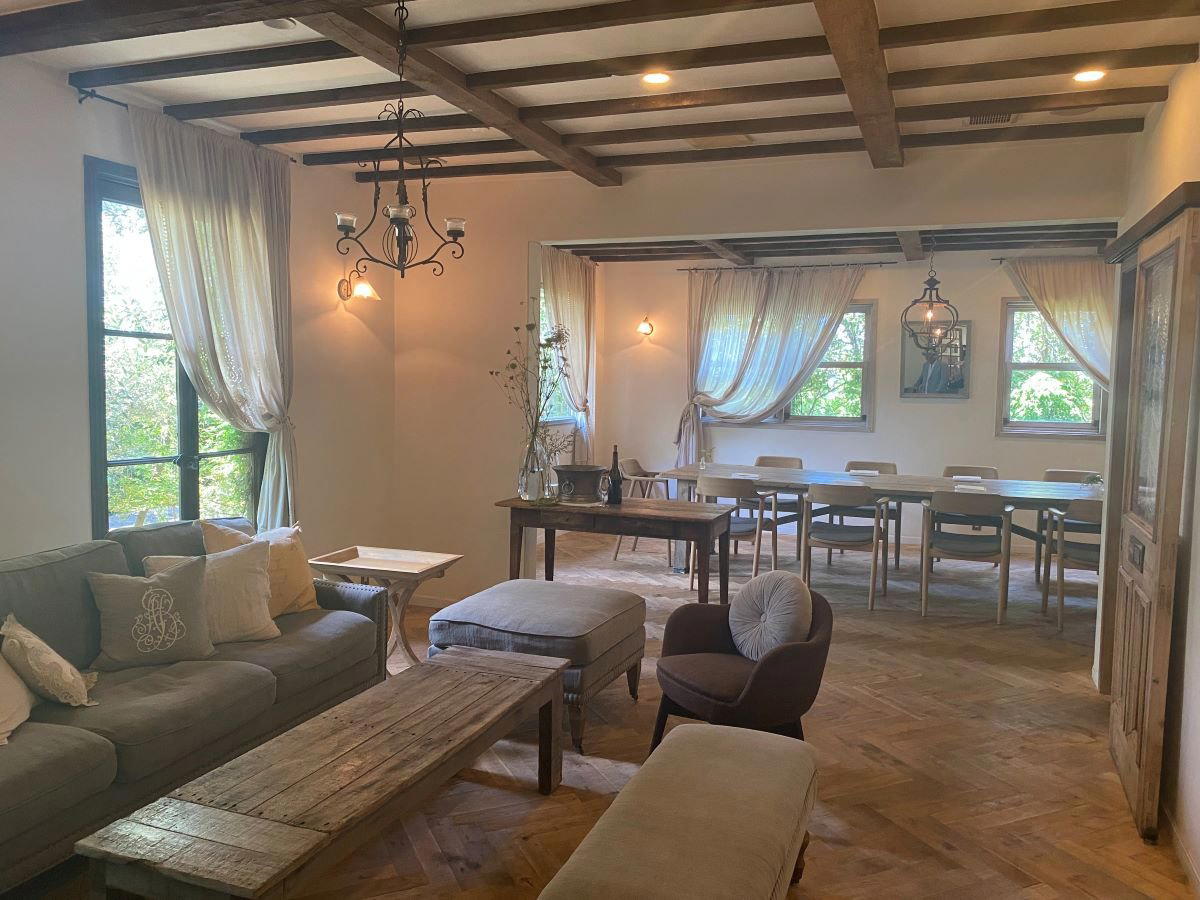

Bars in Wakayama
Browse all →
Hotels in Wakayama
Browse all →

Wineries in Wakayama
Browse all →
Details
- Elegant
- Sophisticated
- Intimate
- Special Occasion
- Business Dinner
- Hotel Restaurant
- Extensive Wine List
- Sake Program
- Local Sourcing
- Skyline
- Street Scene
Current opening hours
- Monday
- 11:30 AM–3 PM, 6–10 PM
- Tuesday
- Closed
- Wednesday
- Closed
- Thursday
- 11:30 AM–3 PM, 6–10 PM
- Friday
- 11:30 AM–3 PM, 6–10 PM
- Saturday
- 11:30 AM–3 PM, 6–10 PM
- Sunday
- 11:30 AM–3 PM, 6–10 PM
Hours can change for holidays and private events. Last verified .
Luxurious and calm atmosphere with stylish, relaxing space overlooking Wakayama city streets and night views.