Castello di Monsanto

Falstaff Winery - 5 Stars
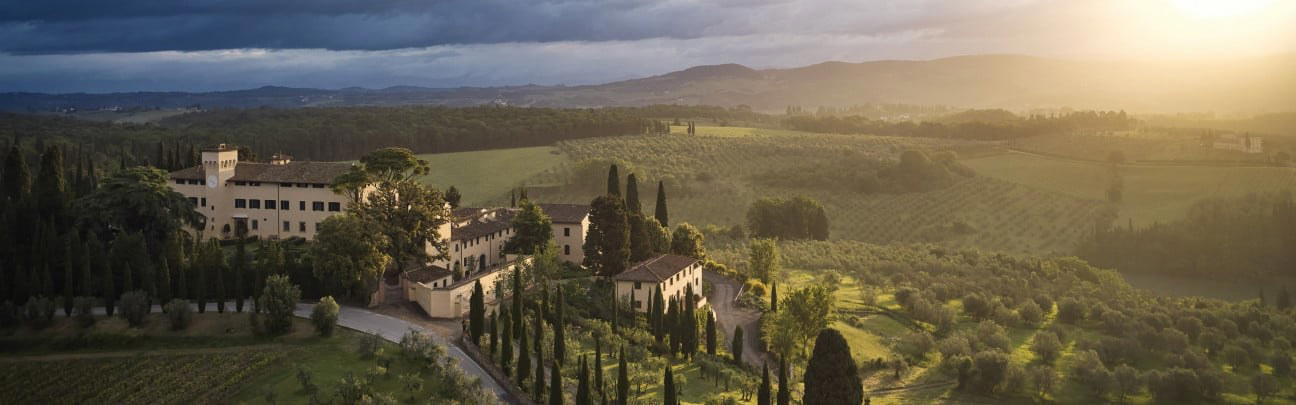
Castello di Monsanto sits in the Chianti Classico hills of Barberino Tavarnelle, where centuries of vine cultivation have shaped a terroir that speaks directly through the estate's wines. Visitors arrive not for spectacle but for the kind of precision that only long-established land can produce.

Pearl is the En Primeur Club membership app, where members save venues, book tables and use the concierge.
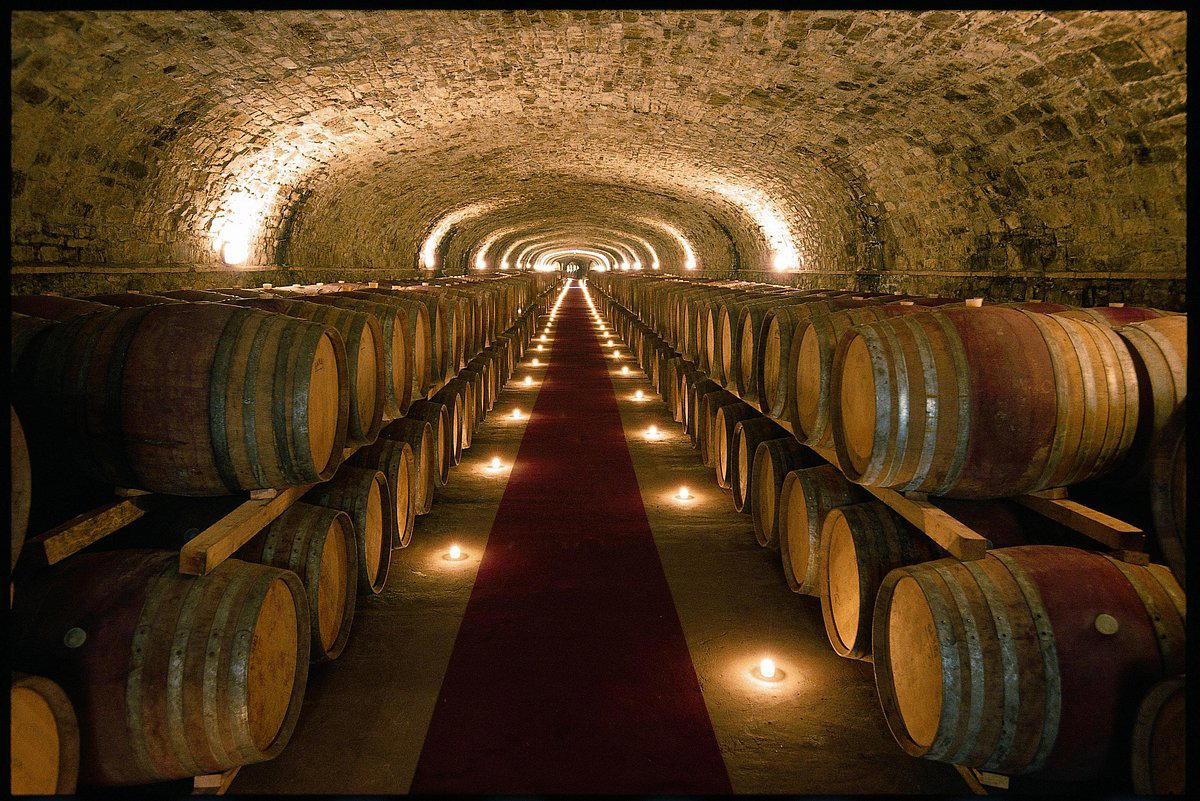
Where the Chianti Classico Hills Shape Every Bottle
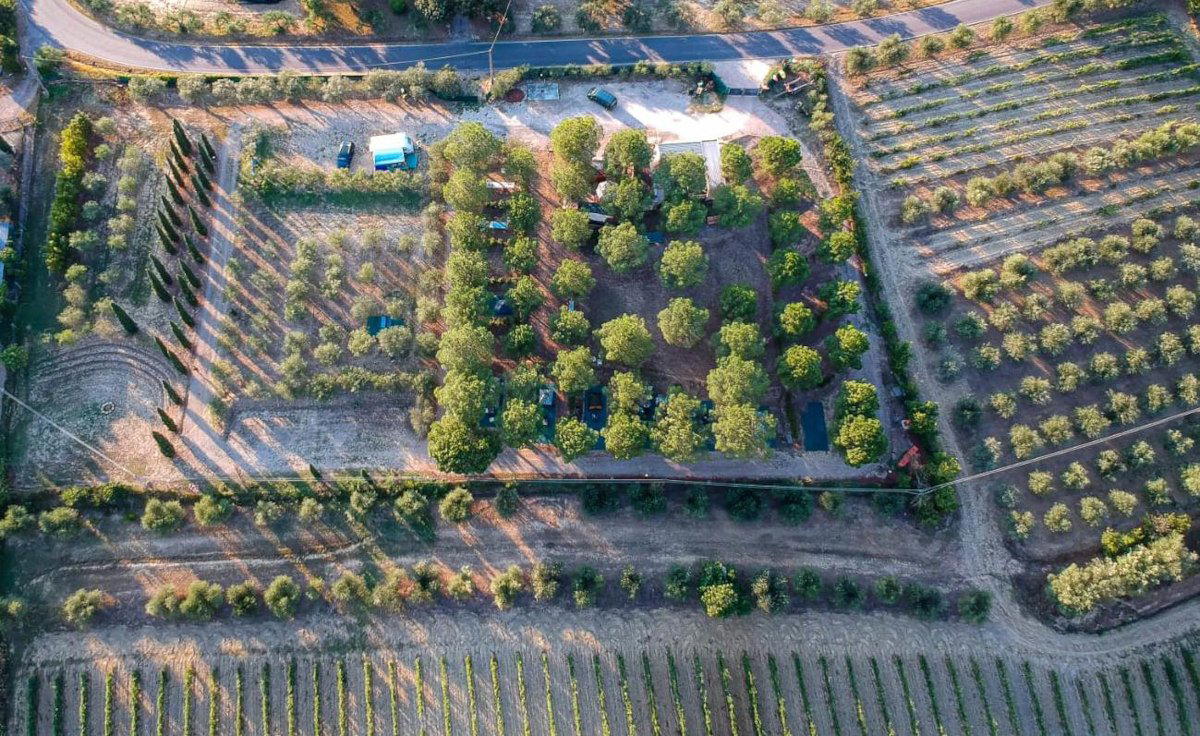
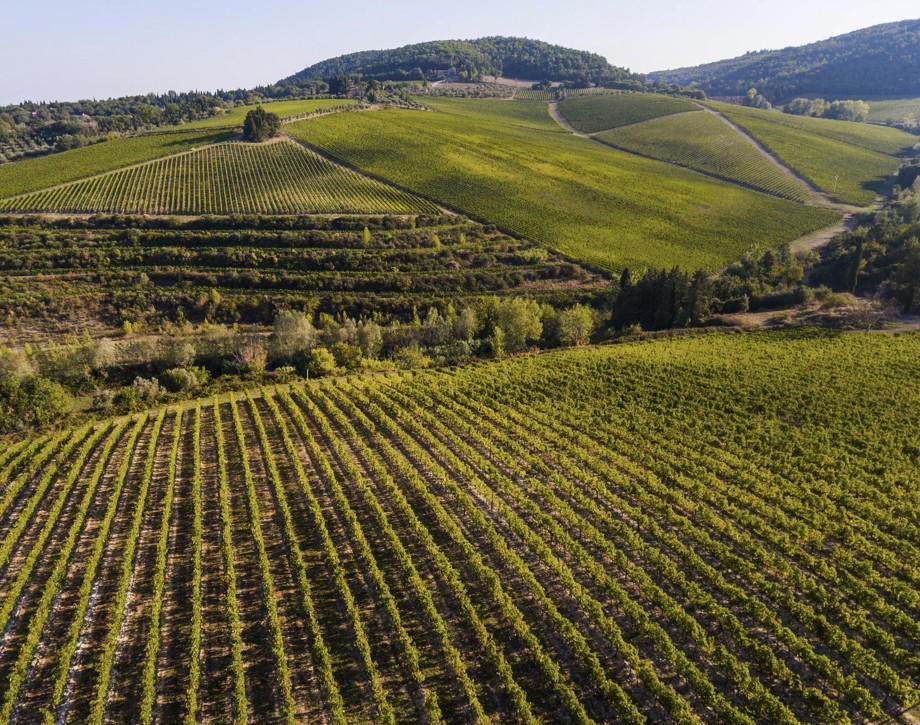
The road to Castello di Monsanto climbs through the kind of Tuscan countryside that has been forming wine drinkers' expectations for decades: cypress lines, pale stone walls, and hillside vineyards angled to catch the afternoon light. Barberino Tavarnelle sits in the southwestern corridor of the Chianti Classico zone, a designation that occupies the high ground between Florence and Siena, and the elevation here matters. Soils shift from galestro, the crumbling schist that defines much of the zone's northern reaches, toward richer alberese clay as you descend, and the wines that come from estates working this transition tend to carry a structural tension that flatter valley sites cannot replicate. Castello di Monsanto is positioned squarely within that geological argument.
For broader orientation on what Barberino Tavarnelle offers wine-focused visitors, our full Barberino Tavarnelle restaurants guide maps the area's key producers and dining options alongside one another.
Terroir Before Technique: The Monsanto Approach
Chianti Classico as a category has spent the last three decades clarifying what it actually is. The zone's producers, working through the Gran Selezione tier and increasingly rigorous appellation rules, have been making the case that this is one of central Italy's most site-specific wine regions rather than a category defined by a black rooster on the label. Castello di Monsanto belongs to the segment of producers that has consistently argued for terroir primacy: the idea that what the land gives you is the starting point, and the winemaker's role is to preserve that expression rather than correct it.
The galestro-dominant soils at higher elevations in this part of the Chianti Classico produce Sangiovese with high natural acidity and fine-grained tannin. Those characteristics require patience in the cellar and patience from the drinker, but they also give the wines a capacity to develop over time that richer, more immediately accessible styles rarely achieve. Estates working similar elevation profiles elsewhere in the zone, such as Castello di Volpaia in Radda in Chianti, operate within the same broad logic: altitude and lean soils as a deliberate constraint that translates into longevity and complexity.
The comparison with Montalcino is instructive. Producers like L'Enoteca Banfi in Montalcino work with Brunello di Montalcino, Sangiovese Grosso on very different soils and at a different scale, while the Chianti Classico zone produces a more fragmented, estate-by-estate argument for what central Tuscan Sangiovese can express. Monsanto sits in the classic, historically grounded wing of that argument.
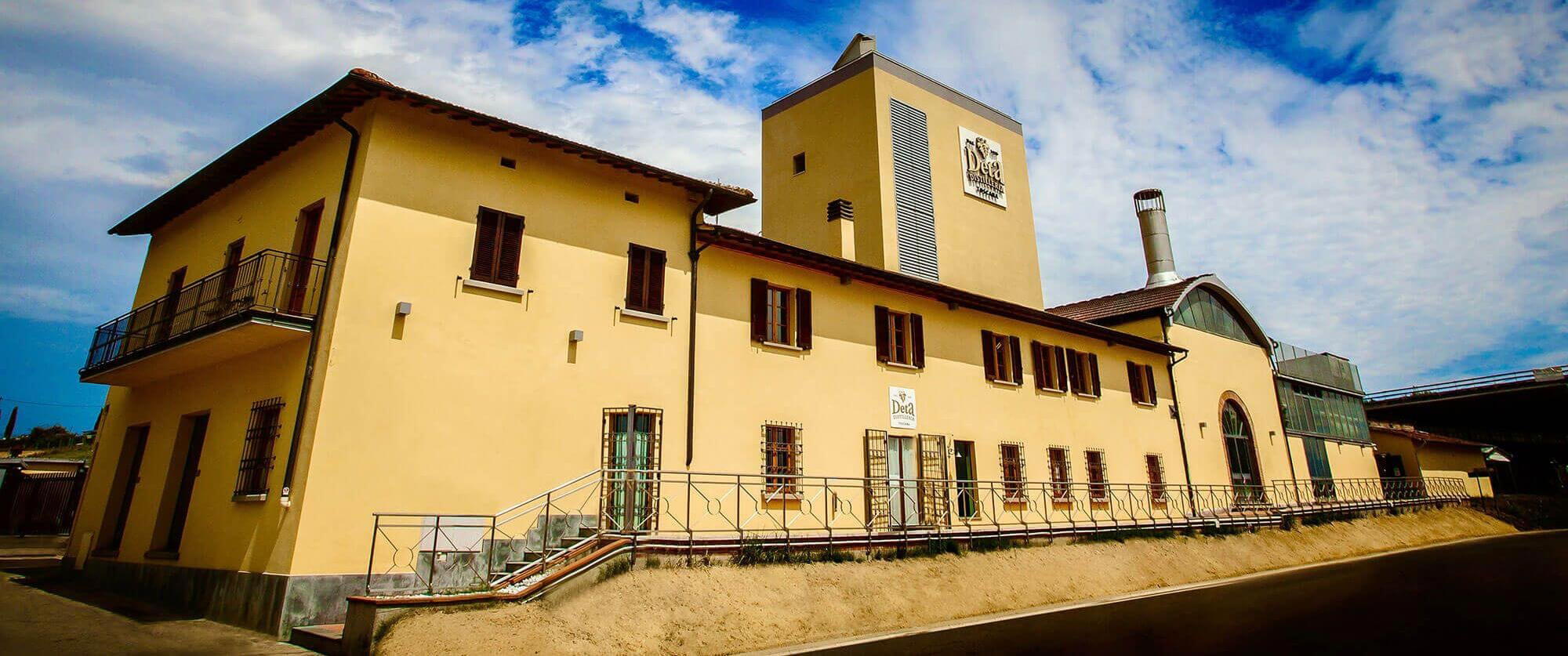
The award places Monsanto in a select cohort within the Barberino Tavarnelle area, alongside producers like Isole e Olena, which has its own recognition, and Distilleria Deta, operating in a different production category within the same commune.
Recognition at this level typically signals something beyond single-vintage success. It implies a track record, and in Chianti Classico, a track record means surviving the zone's complicated history: the expansion and dilution of the 1970s and 1980s, the subsequent tightening of appellation rules, the rise of the Gran Selezione category, and the ongoing debate about which international varieties, if any, belong in the blend. Estates that have maintained quality across that institutional turbulence tend to have a clearer sense of what their specific piece of land can do.
Barberino Tavarnelle and the Southwestern Chianti Classico Character
Barberino Tavarnelle was formed by the 2019 merger of two older communes, Barberino Val d'Elsa and Tavarnelle Val di Pesa, a administrative change that did nothing to alter the underlying wine geography. The southwestern Chianti Classico zone has historically been less celebrated than the central corridor around Panzano and Greve, but it contains serious producers working with distinct soil profiles. The Val d'Elsa influence brings a slightly more continental temperature range to the growing season compared to more sheltered inland sites, which can mean longer hang time for Sangiovese and more complex phenolic development when the vintage cooperates.
Italian wine country at this level of seriousness rewards slow visits. The estates in this part of Tuscany do not have the tourist infrastructure of, say, the Langhe, where producers like Aldo Conterno in Monforte d'Alba operate within a well-developed cellar-door culture. In Chianti Classico, the experience tends to be quieter and more appointment-driven, which suits the wines. Visiting during the shoulder season, April through June or September through October, gives you harvest energy in autumn and vine growth in spring without the August gridlock that affects every Tuscan road.
Italy's prestige wine estates operate across a wide range of regional identities. In the north, Franciacorta producers like Ca' del Bosco in Erbusco have built international recognition on a very different model, high-investment sparkling wine production in a zone with a compressed recent history. In Umbria, Lungarotti in Torgiano has shaped an entire DOC around a single family's generational commitment. In Sicily, Planeta in Menfi demonstrates what scale and ambition can do with the island's indigenous varieties.
Castello di Monsanto belongs to a different category: the historic Chianti Classico estate that has earned its position not through marketing reinvention but through sustained attention to what the land produces. That places it closer in spirit to Biondi-Santi's model in Montalcino, where generational continuity and appellation stewardship are the point, than to the newer breed of high-design estate wineries that have emerged across Tuscany over the last two decades.
Italy also produces significant spirits alongside its wine culture. Distilleries such as Nonino Distillery in Pavia di Udine, Distilleria Marzadro in Nogaredo, and Distilleria Romano Levi in Neive represent a parallel Italian craft tradition rooted in regional identity, much as the Chianti Classico estates are rooted in theirs. For visitors with broader Italian production interests, Campari in Milan and Aberlour in Aberlour offer contrasting lenses on how terroir and tradition interact across categories and continents.
For those approaching Italian wine from a Napa Cabernet perspective, the comparison with Accendo Cellars in St. Helena is worth making. Both operate at a prestige level where allocation and collector interest define the market, but the underlying premise differs entirely: Napa Cabernet is built on power and concentration, while Chianti Classico at Monsanto's level argues for acidity, structure, and the kind of restraint that only comes from land that has been understood over time.
Planning a Visit
Castello di Monsanto is located at Via Monsanto, 8, in Barberino Tavarnelle, within the Chianti Classico wine zone between Florence and Siena. As with most serious Chianti Classico producers, direct contact through the estate is the right approach for visit and tasting arrangements, as appointment-based access is standard in this part of Tuscany. The area is accessible by car from Florence in under an hour, and the surrounding commune offers accommodation options that allow for a slower, multi-estate itinerary across the southwestern Chianti Classico zone.
Quick Comparison
Comparable venues nearby, for context on price, style, and recognition.
| Venue | Cuisine | Price | Awards | Notes |
|---|---|---|---|---|
| Castello di MonsantoThis venue (the venue you are viewing) | Sangiovese, Canaiolo | Not listed | Falstaff Winery - 5 Stars | Not listed |
| Isole e Olena | Sangiovese, Canaiolo | Not listed | Falstaff Winery - 5 Stars | San Donato in Poggio |
| Distilleria Deta | Sangiovese, Canaiolo | Not listed | Not listed | Barberino Tavarnelle |
| Castello di Ama | Sangiovese, Merlot | $50–100 | Falstaff Winery - 5 Stars | Gaiole in Chianti |
| Il Poggione | Sangiovese | $50–100 | Falstaff Winery - 4 Stars | Sant'Angelo in Colle |
| Valdicava Az Agr | Sangiovese | Not listed | Falstaff Winery - Listed | Montalcino |
Recognition history
Dated appearances from independent guides and award organizations, with the underlying list record or original source where available.
Falstaff Winery - 5 Stars
Falstaff
Continue exploring
More in Barberino Tavarnelle
Wineries in Barberino Tavarnelle
All wineries in Barberino Tavarnelle →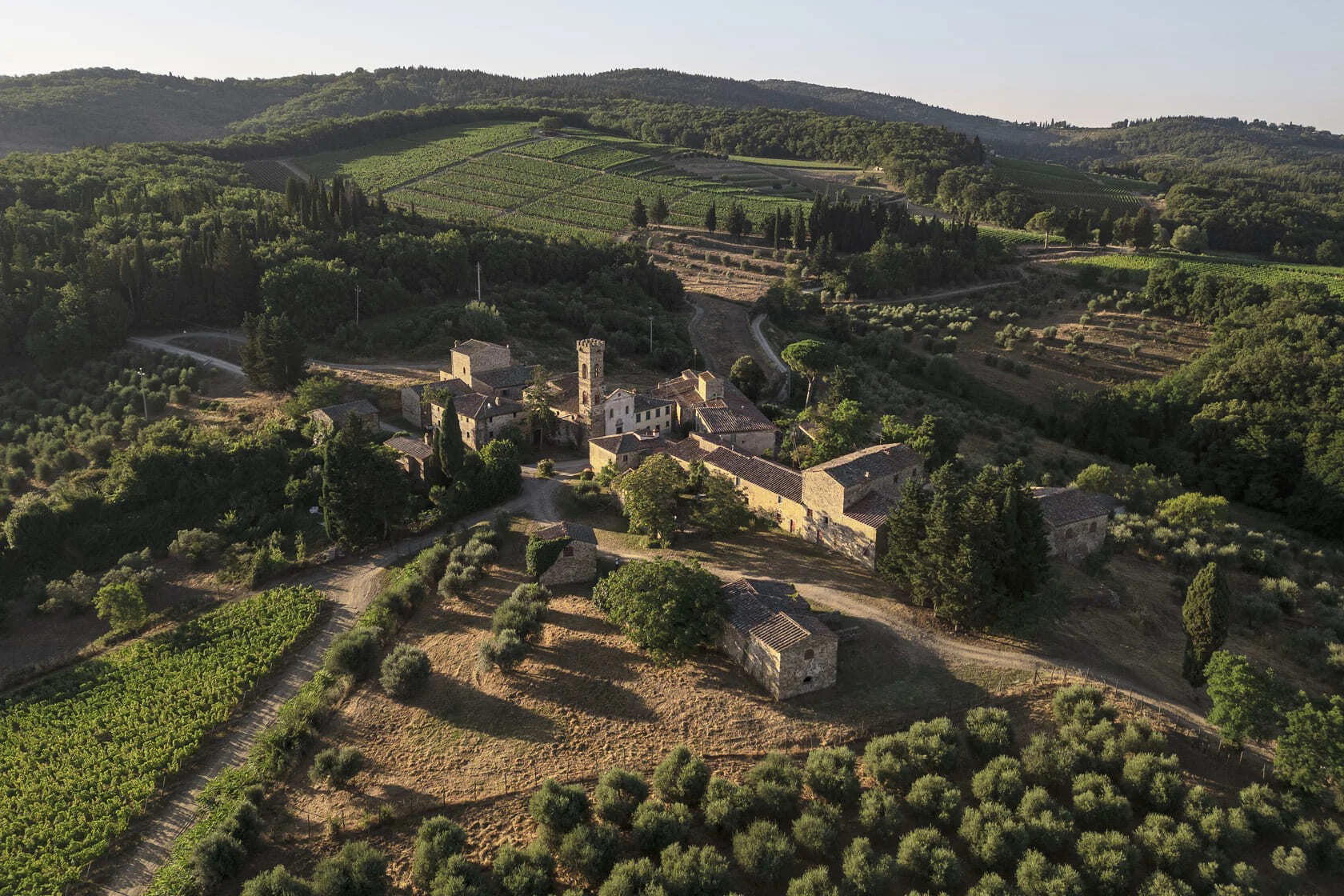
Bars in Barberino Tavarnelle
Browse all →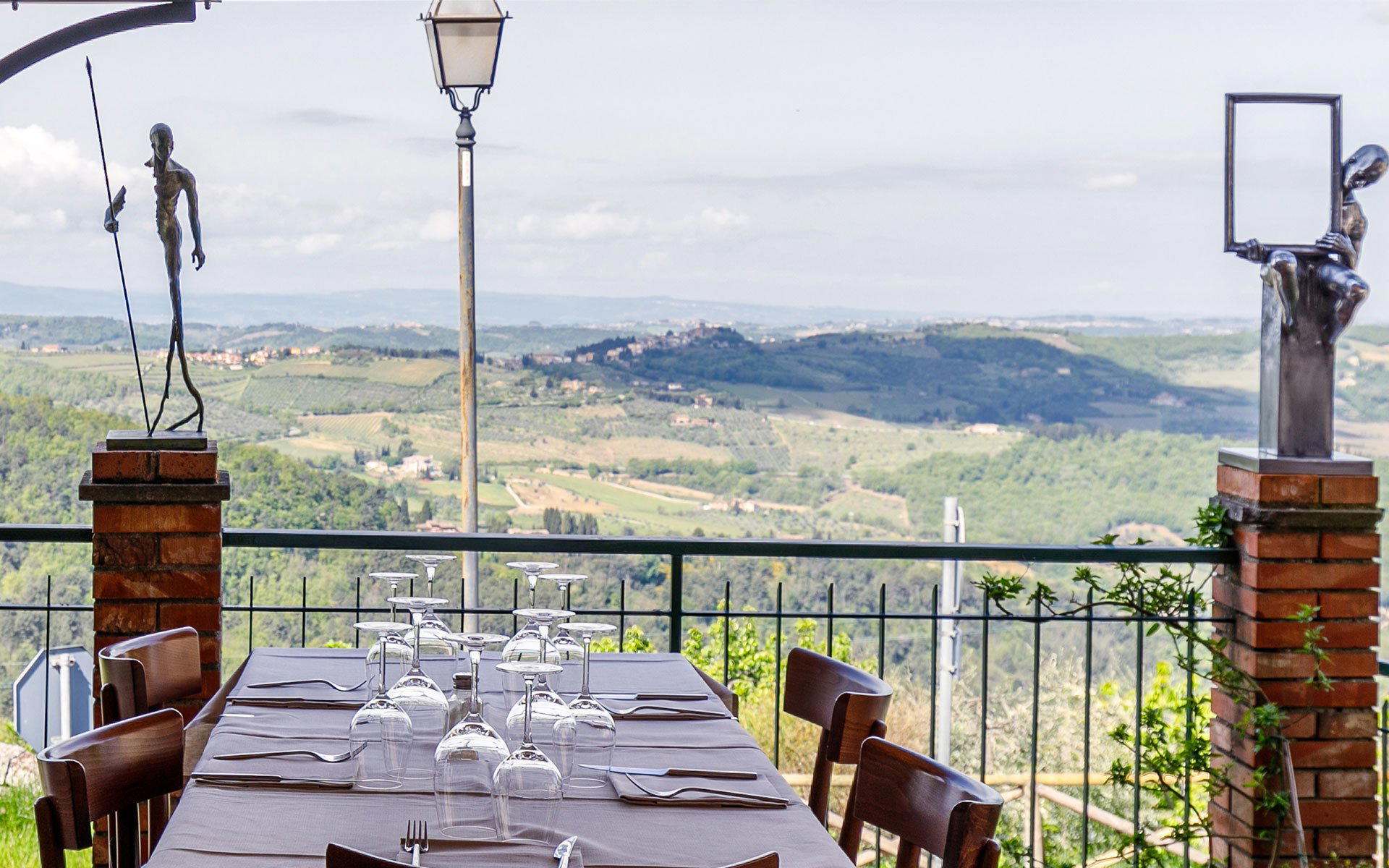
Details
- Classic
- Elegant
- Rustic
- Scenic
- Sophisticated
- Wine Education
- Special Occasion
- Vineyard Tour
- Estate Grounds
- Historic Building
- Panoramic View
- Vineyard
- Mountain
- Sangiovese
- Canaiolo
- Colorino
- Cabernet Sauvignon
- Merlot
- Chardonnay
- Still Red
- Cave Tasting
- Private Tasting
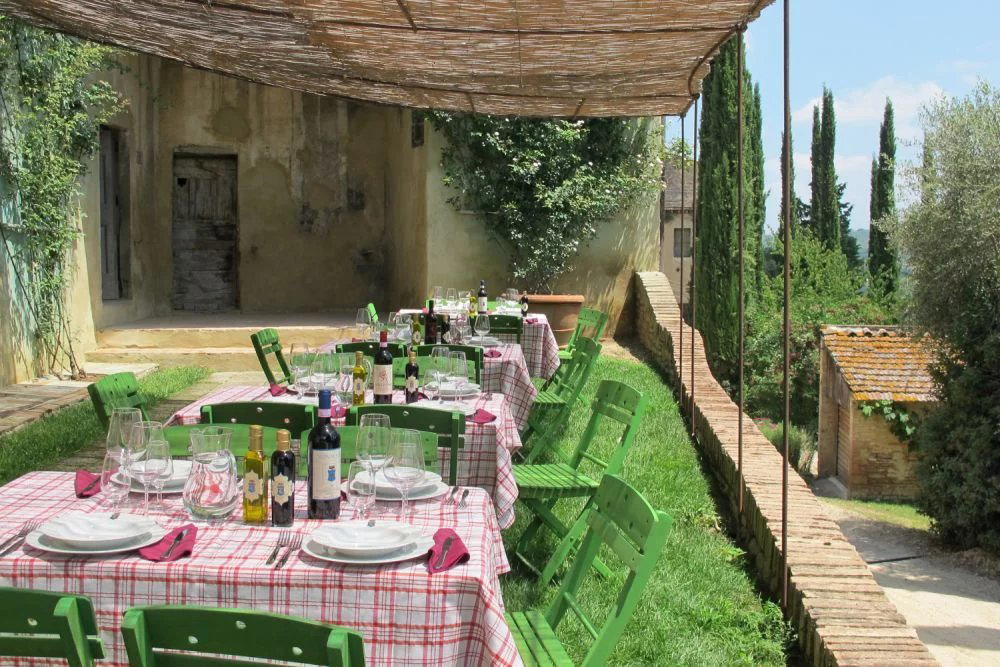
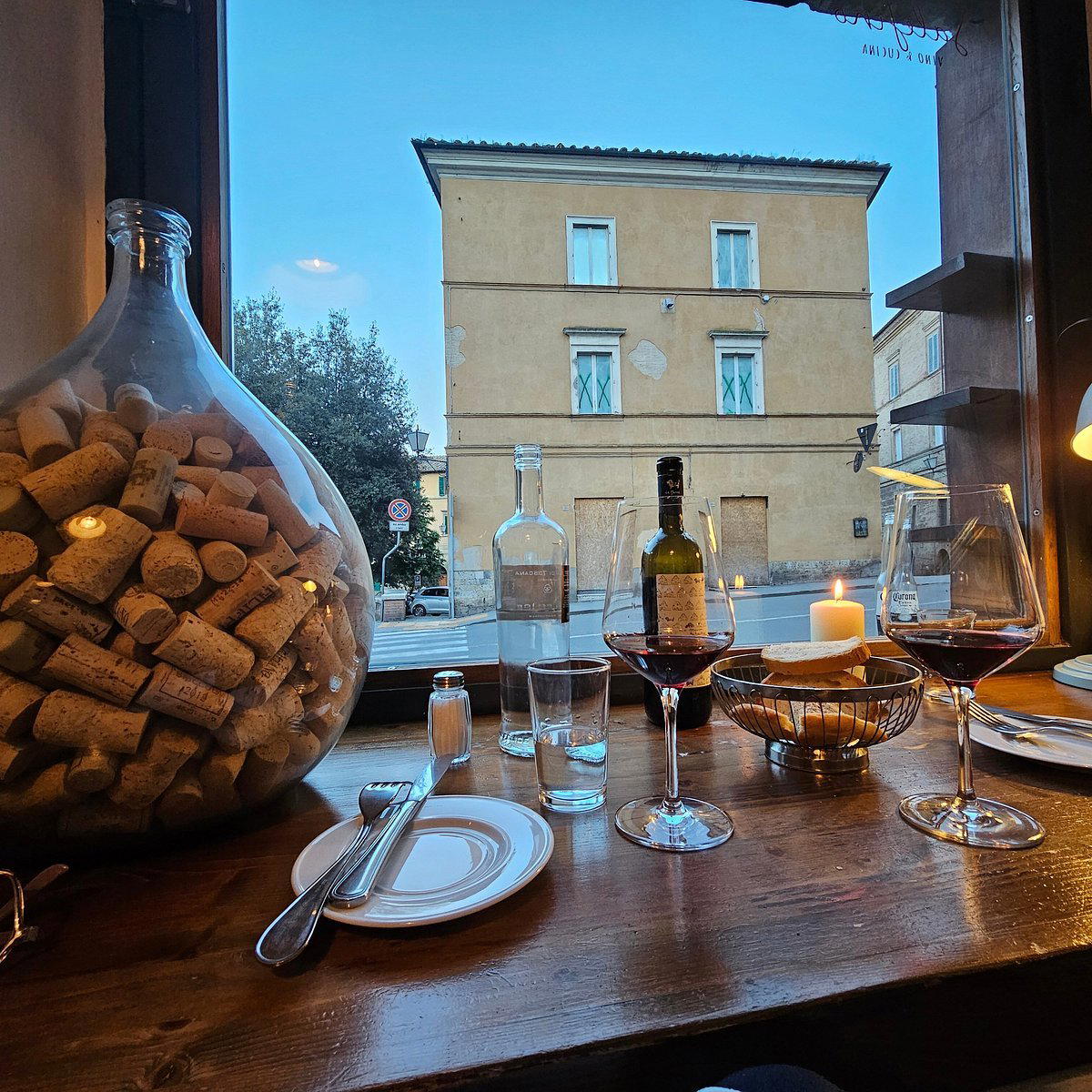
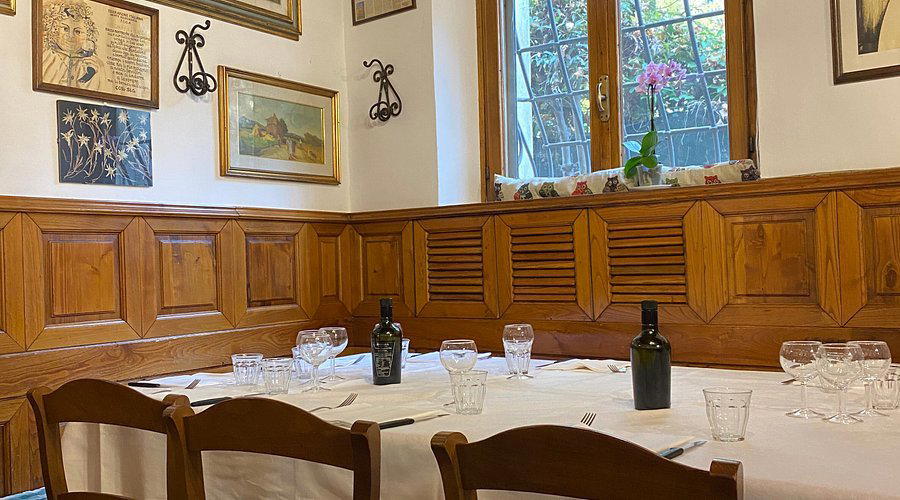
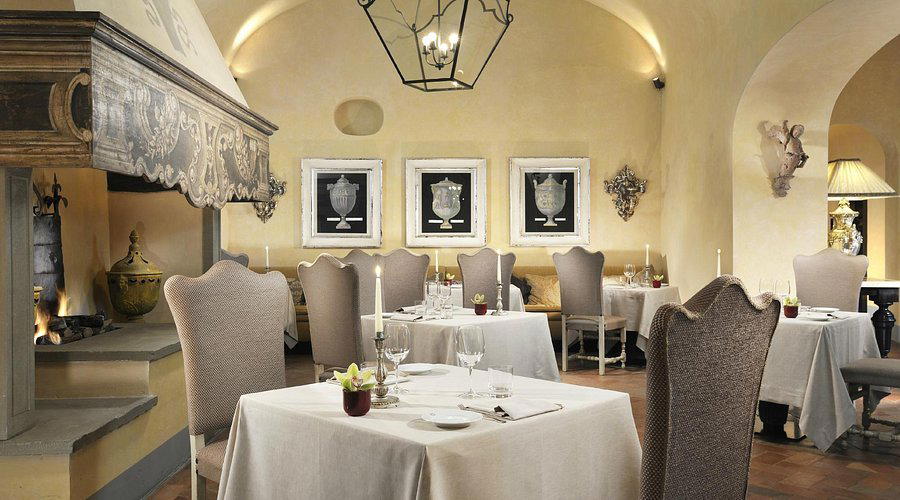
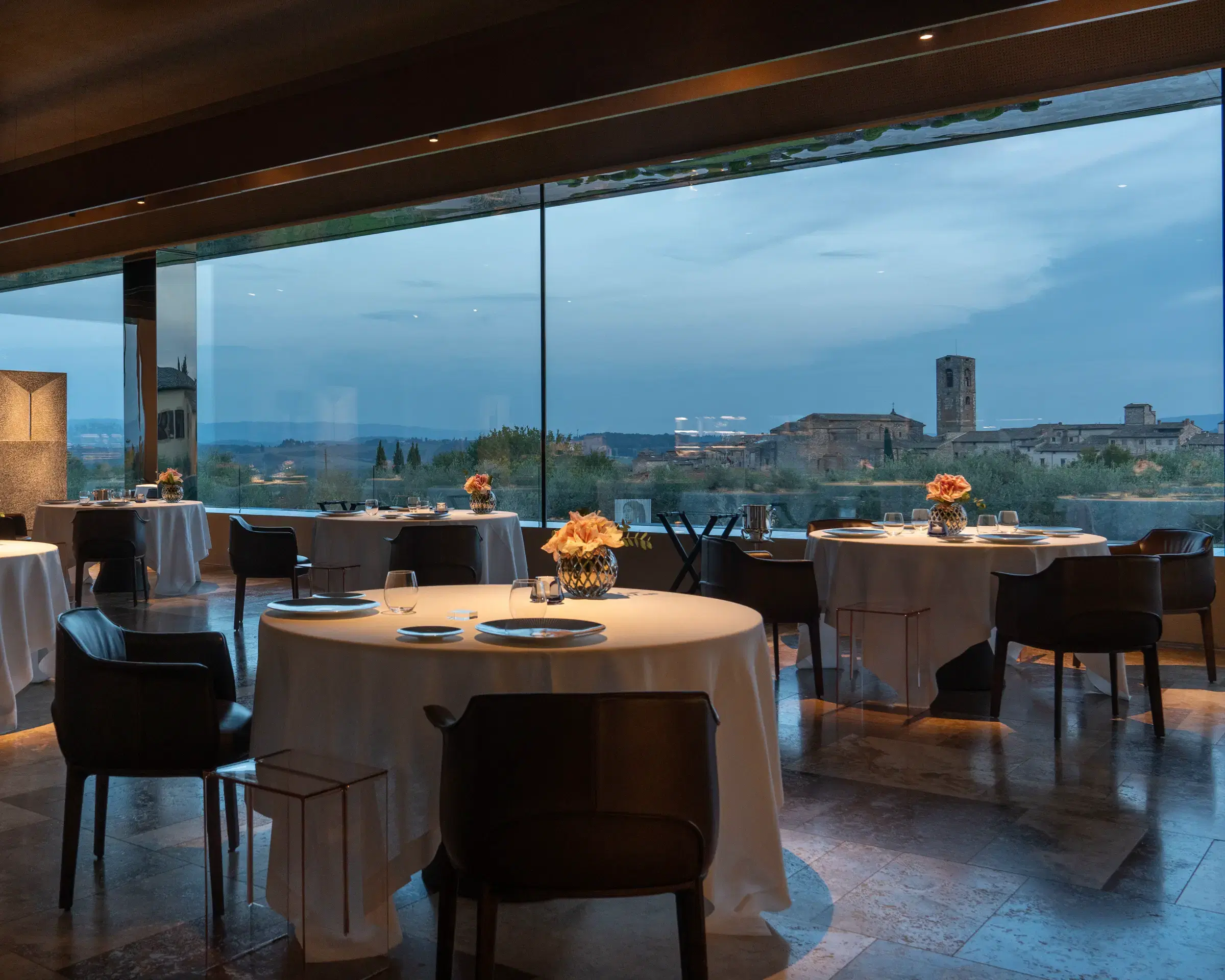
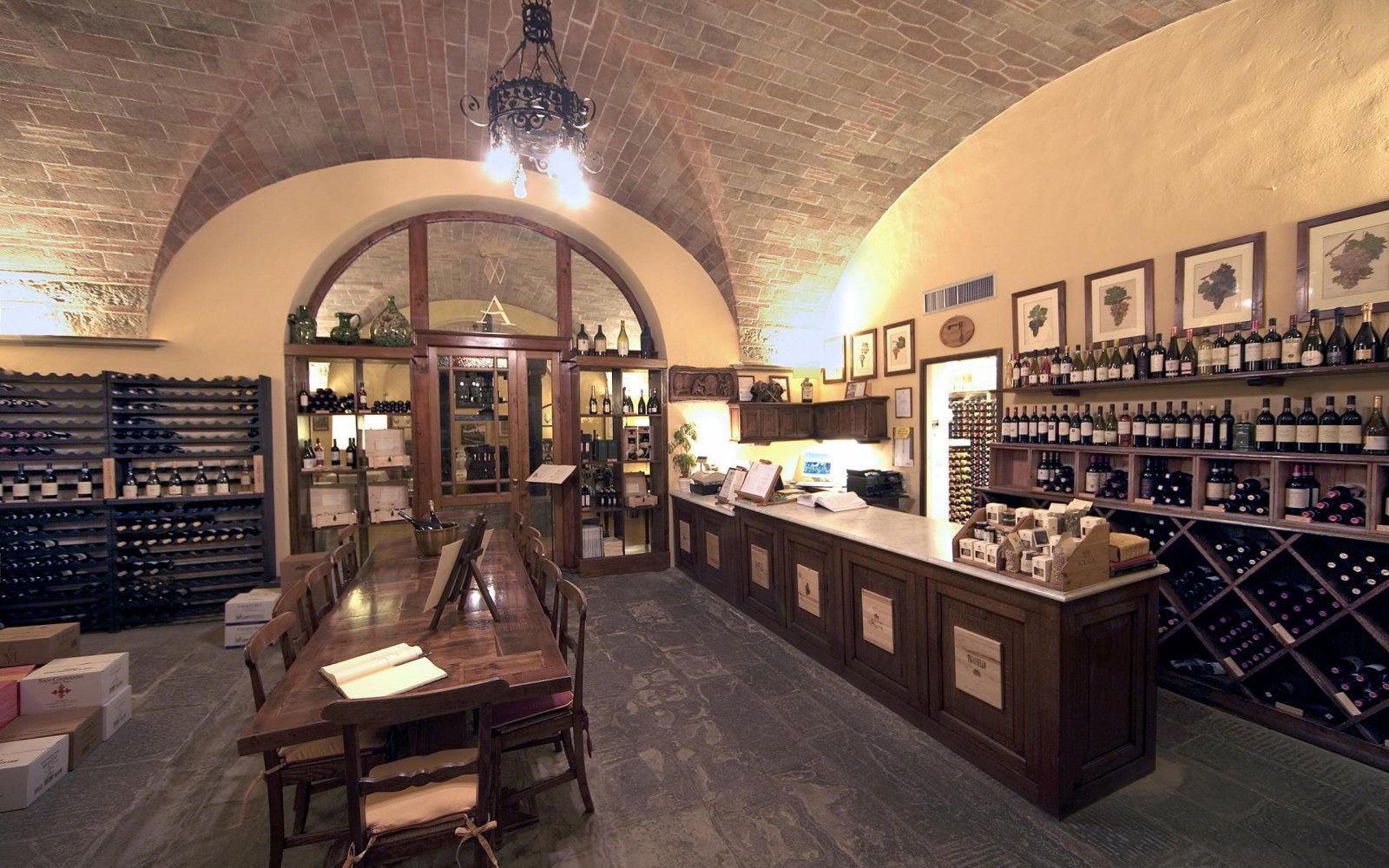
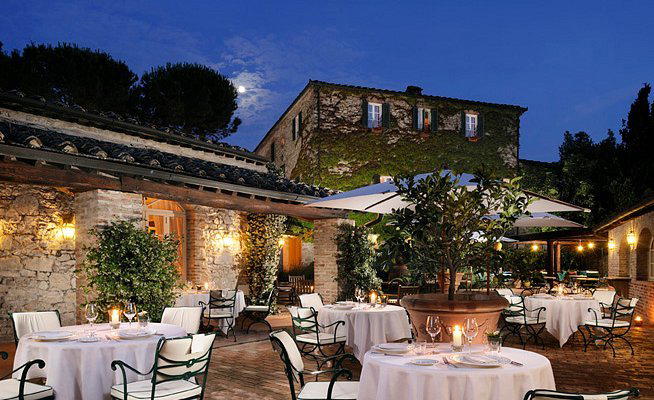
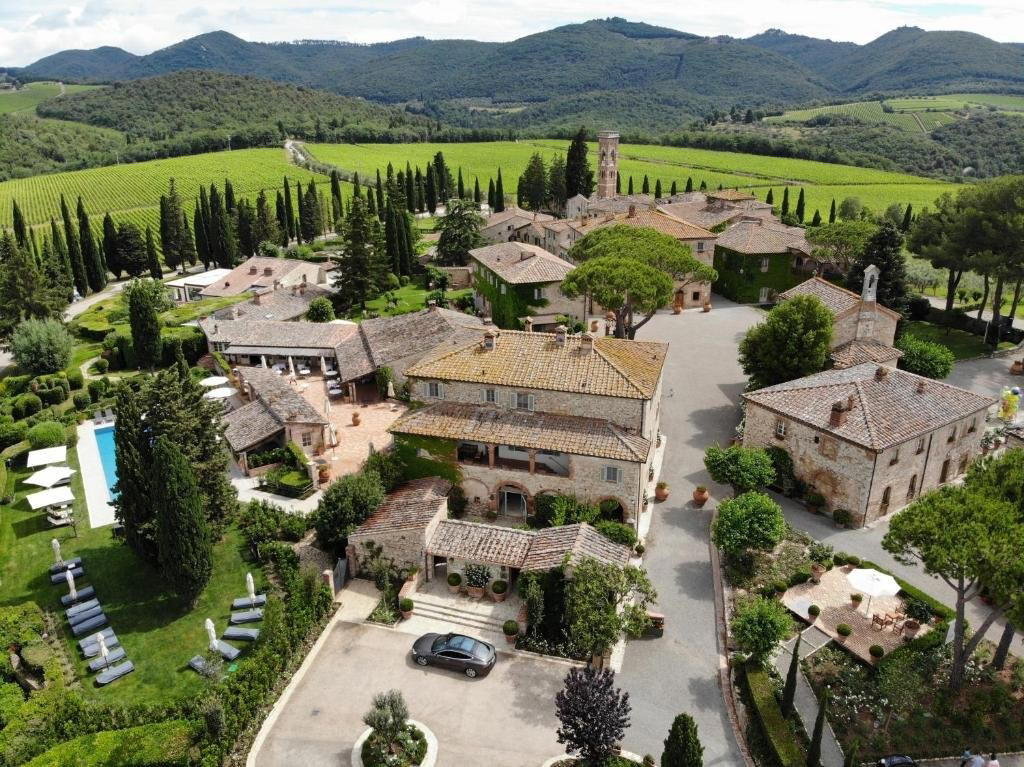
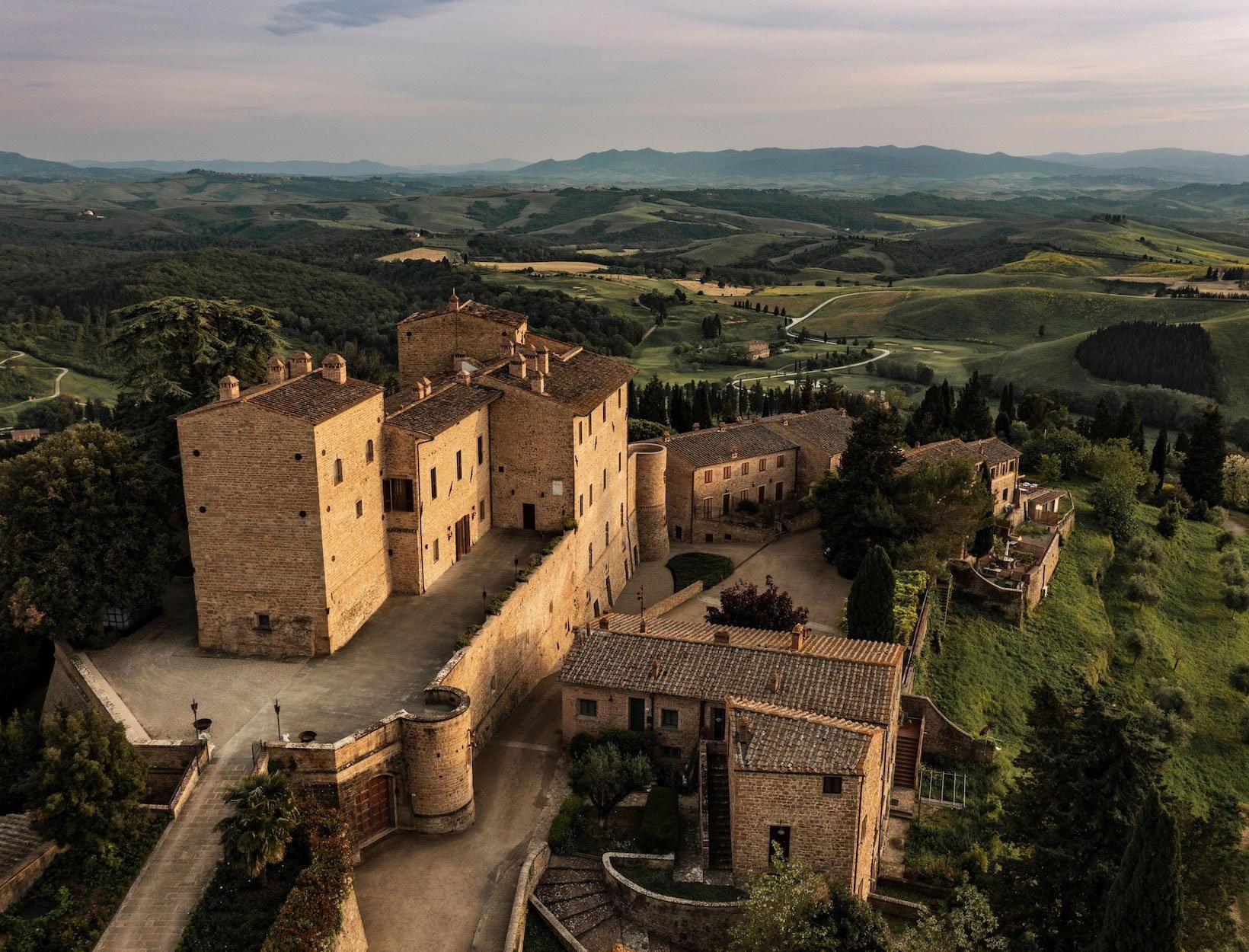
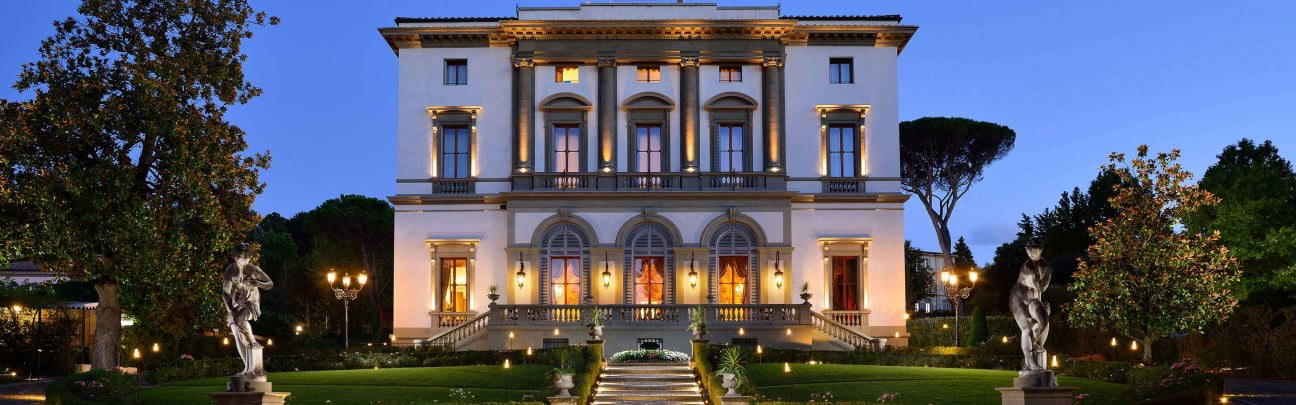
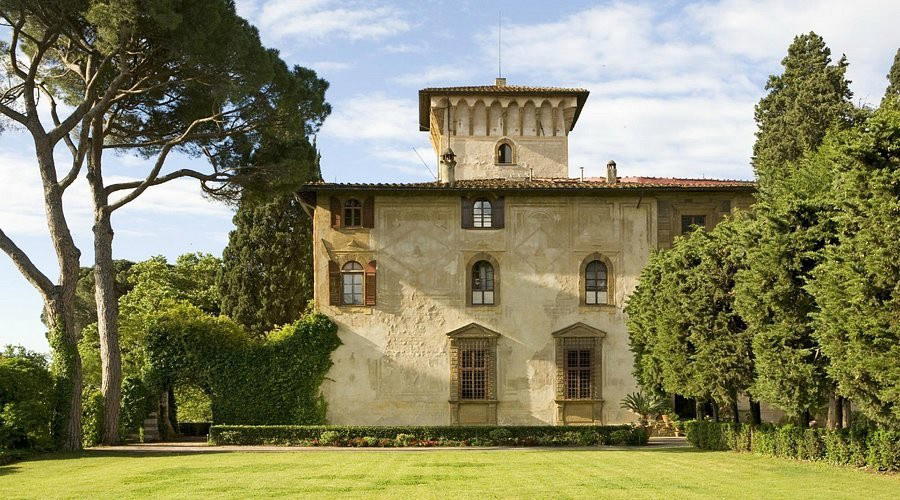
Historic castle estate with scenic vineyard views, extensive aging cellars from 1740, and a serene atmosphere amid wooded hills and olive groves.